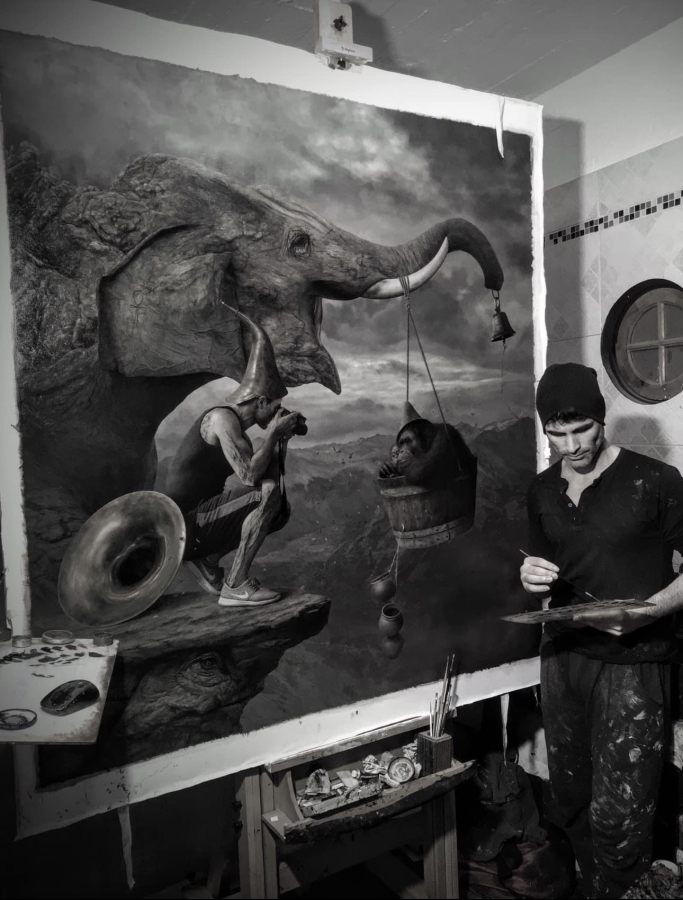
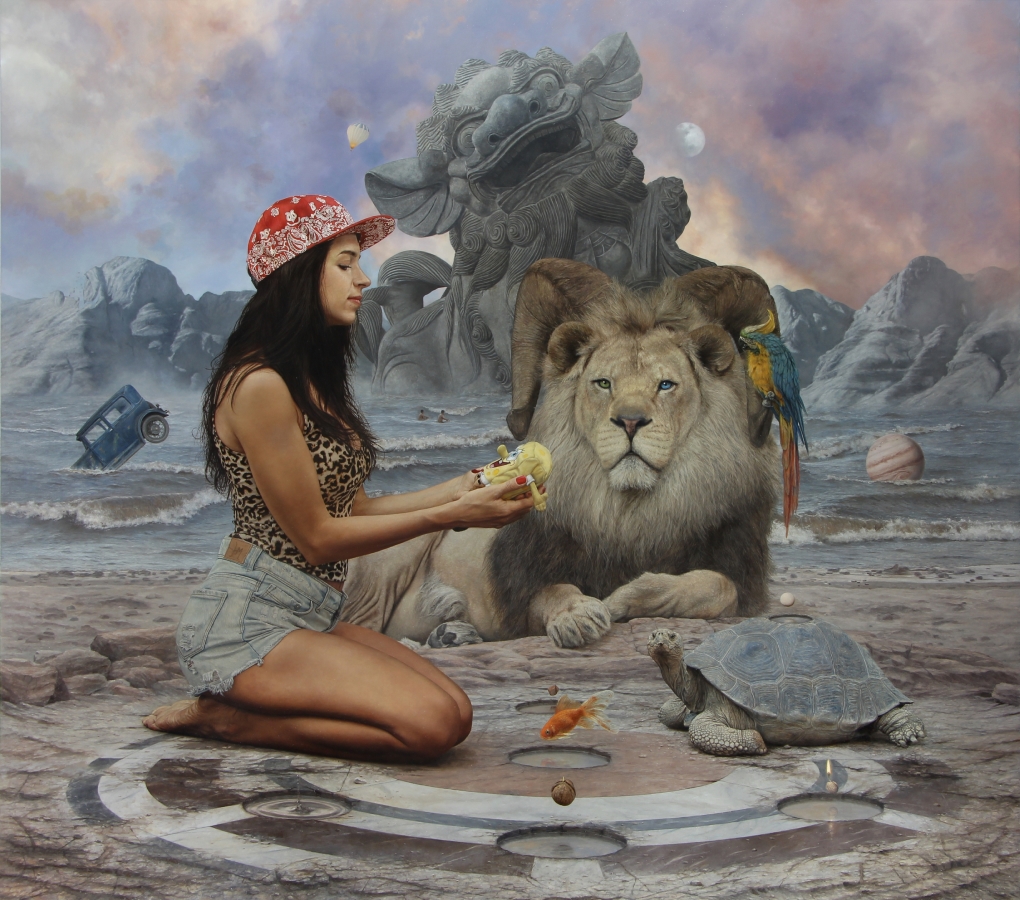
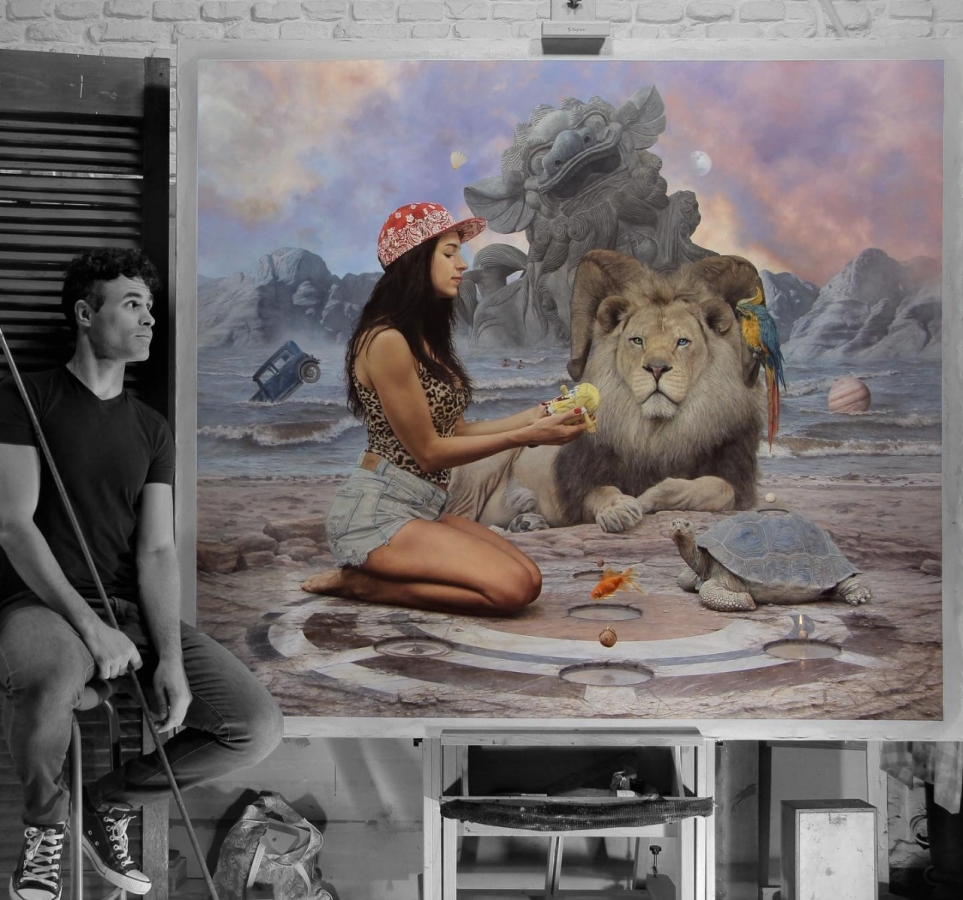
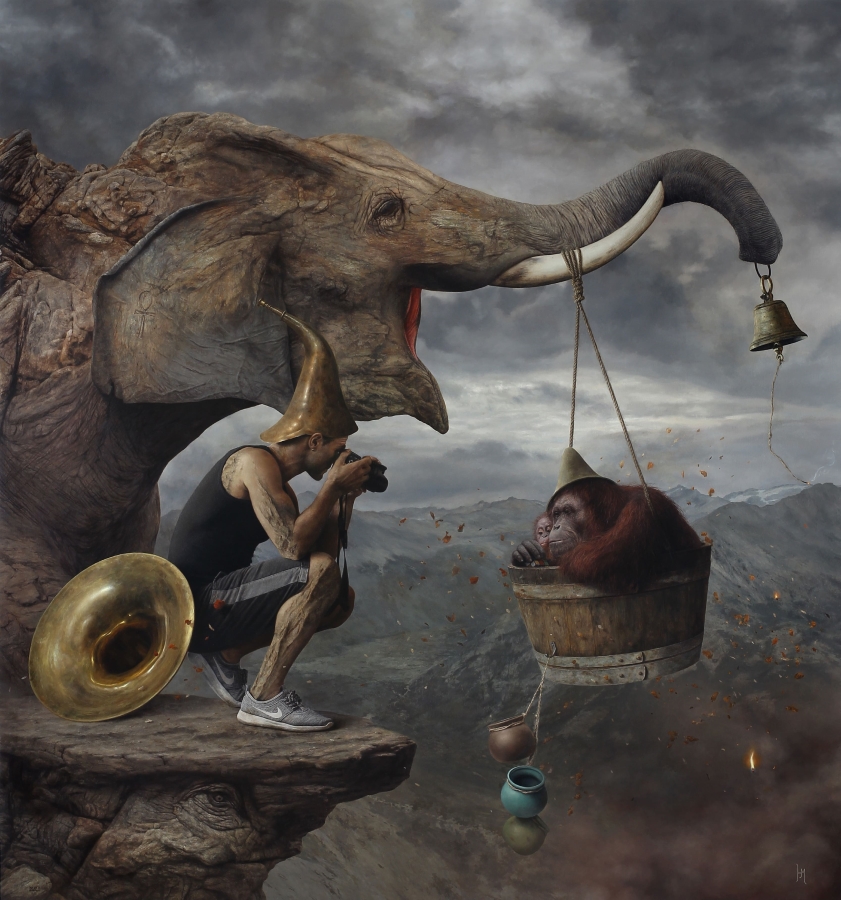
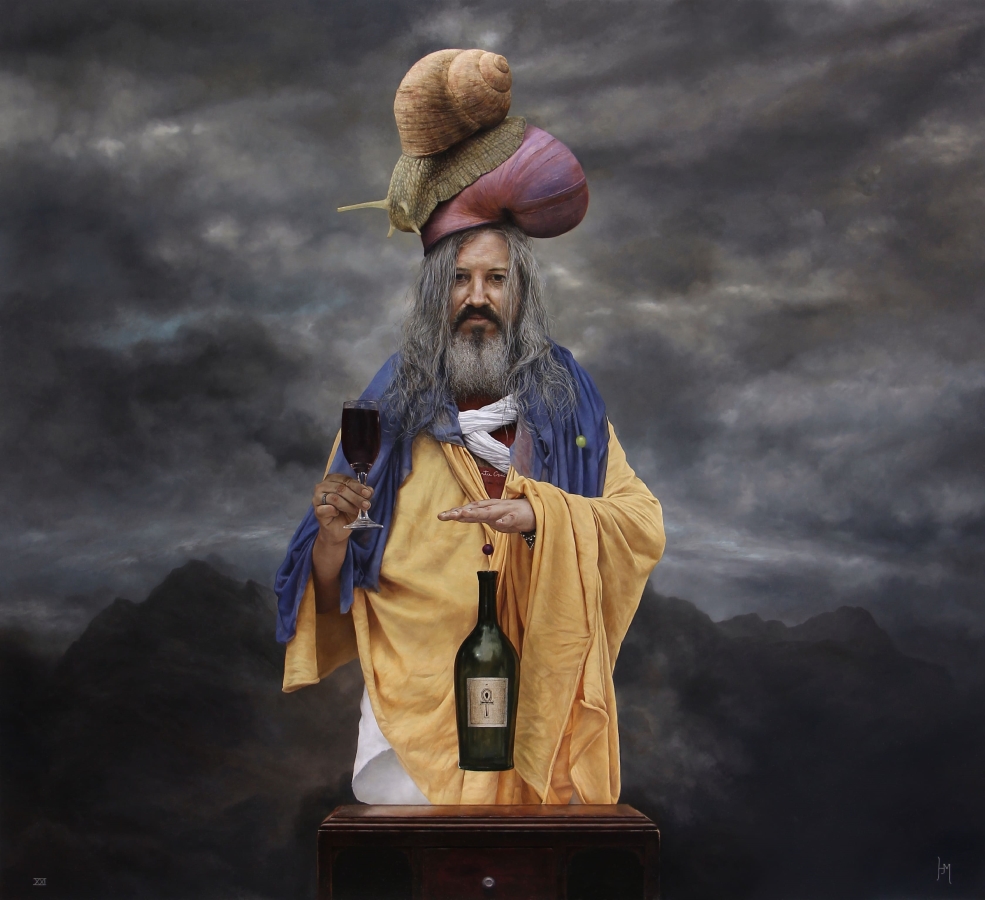
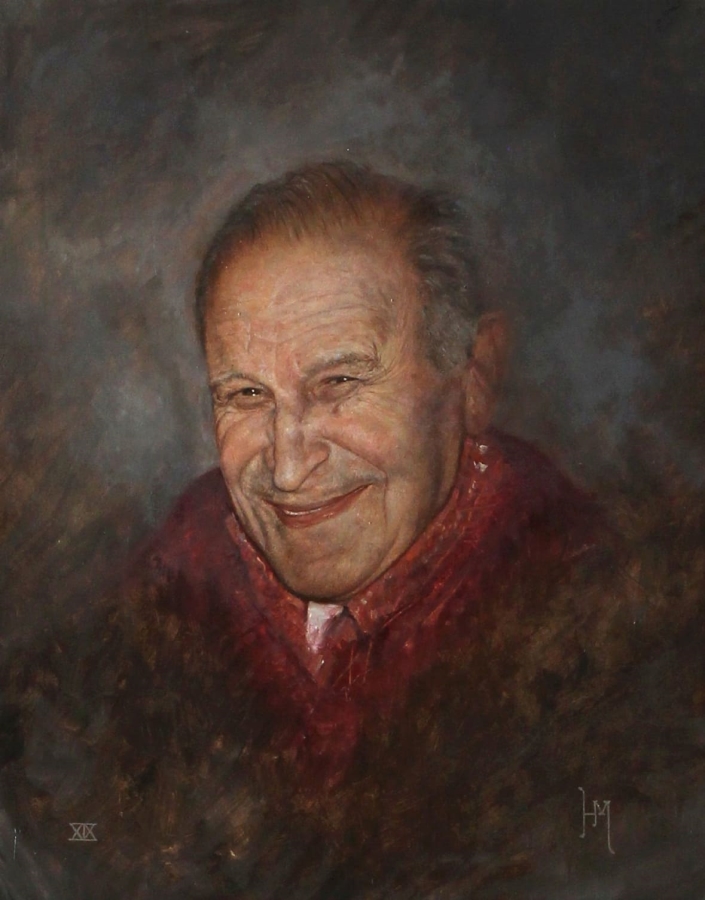
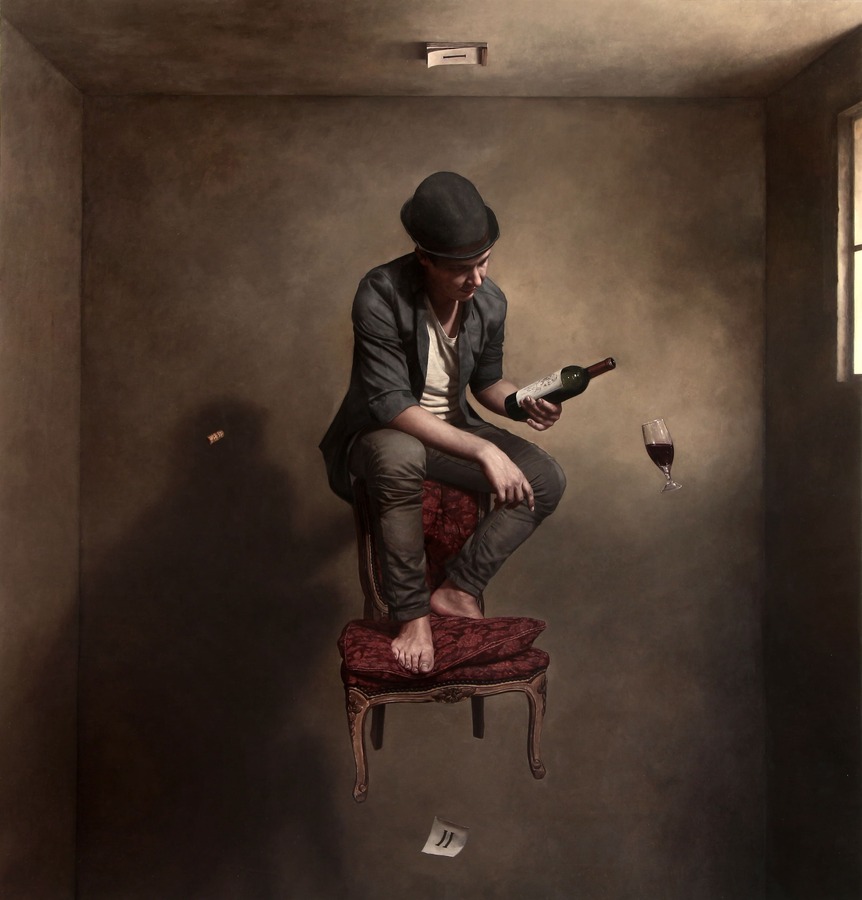
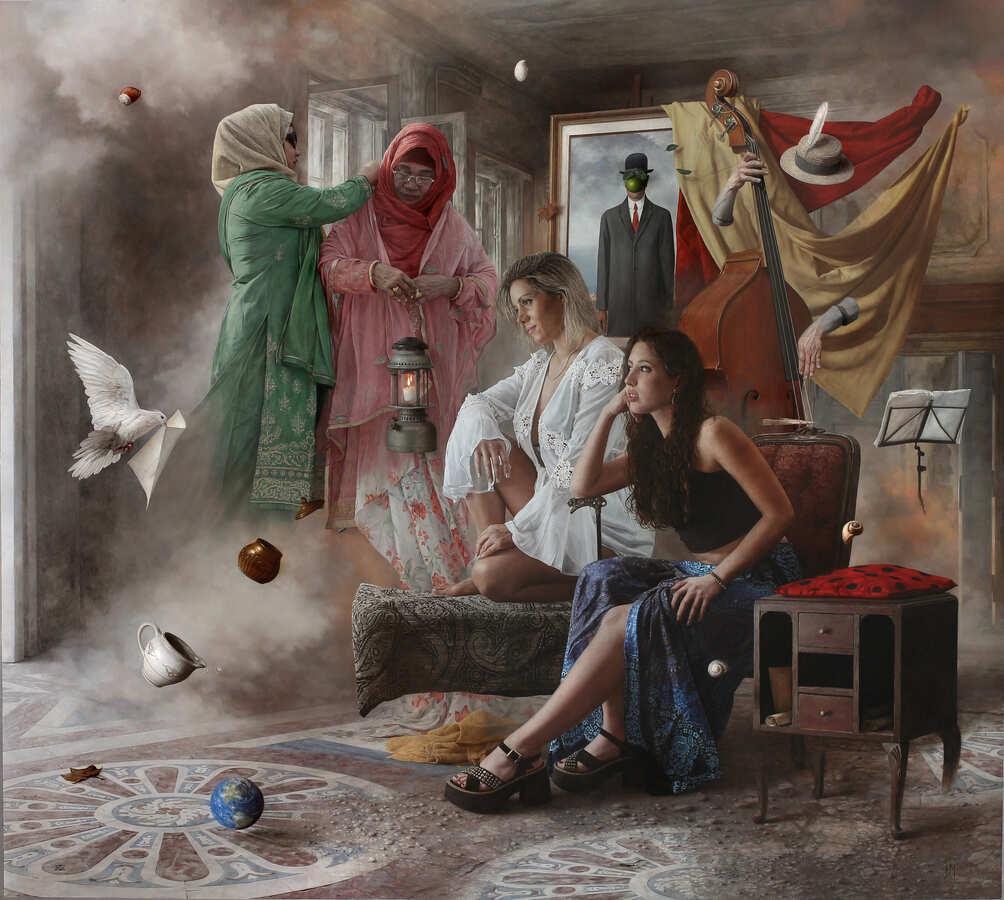
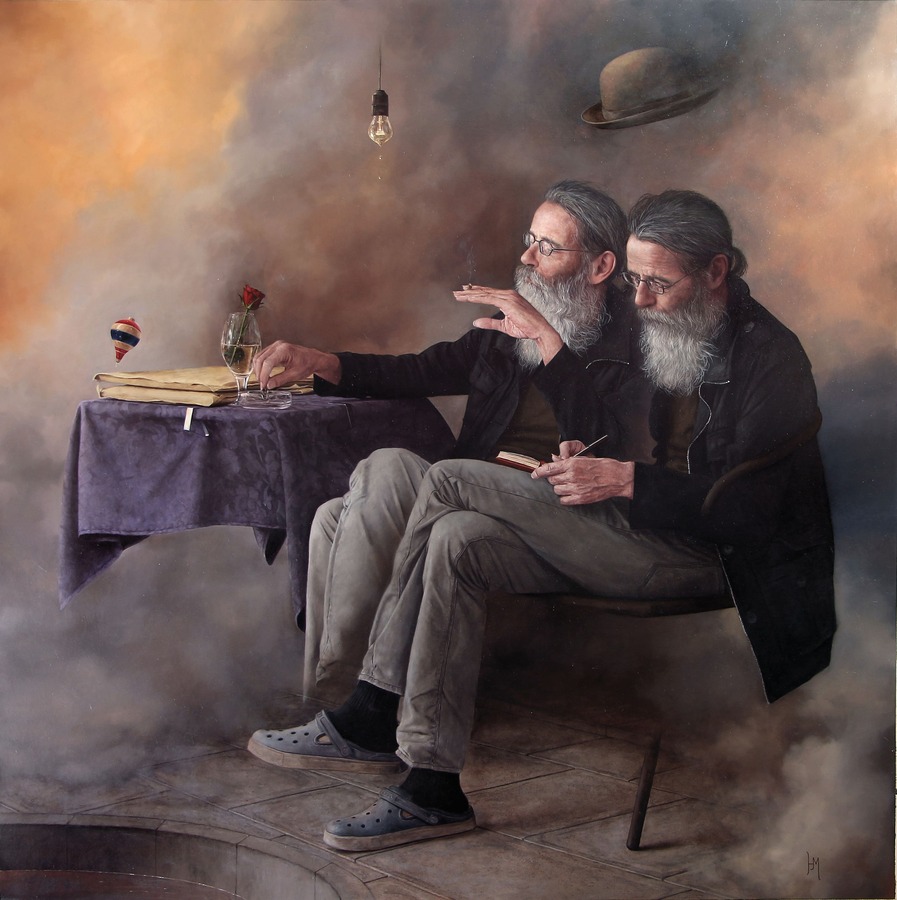
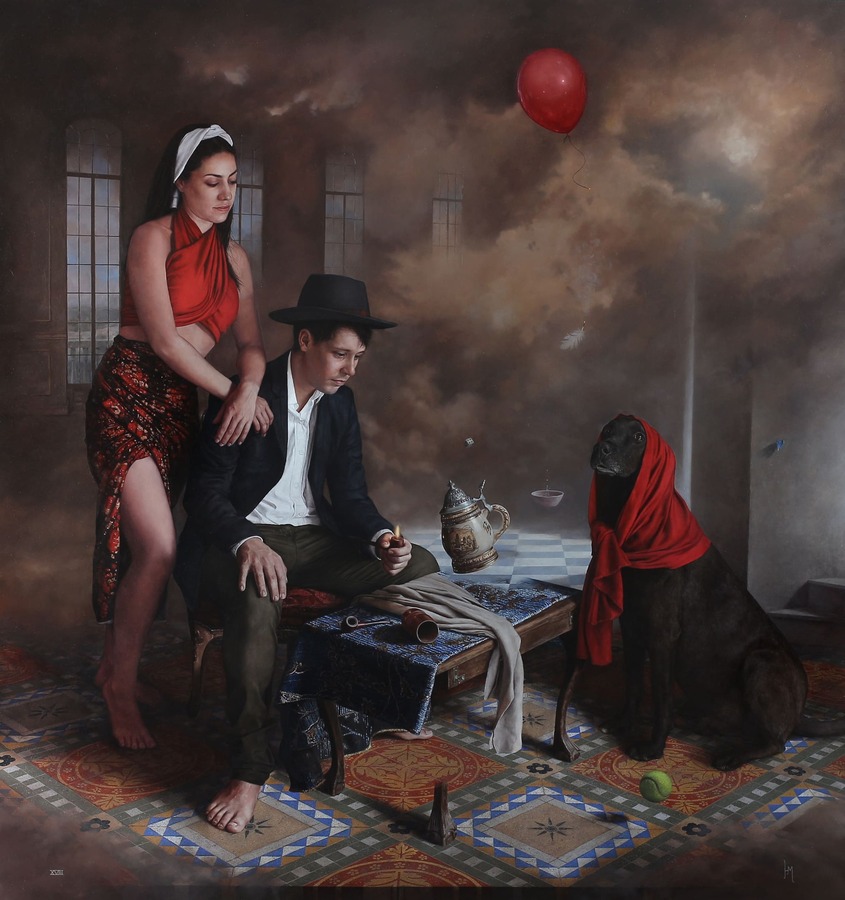
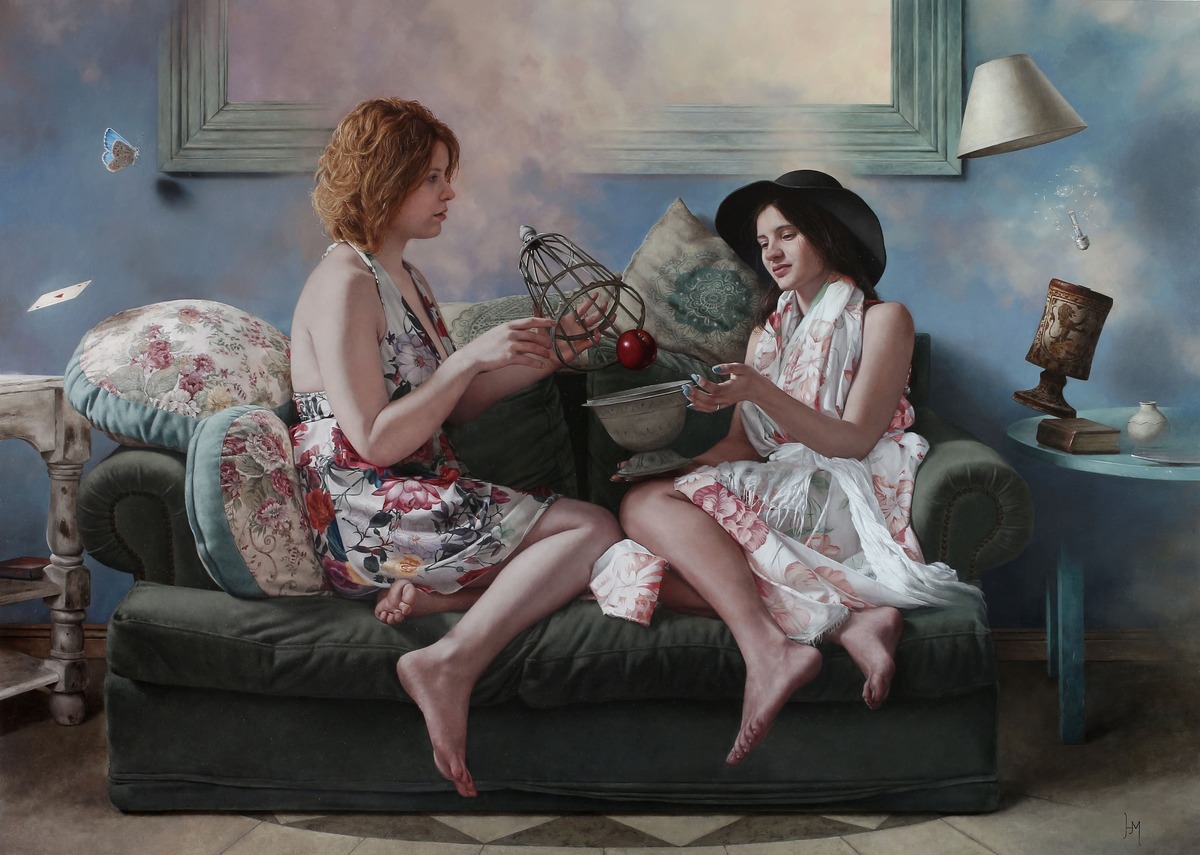
There is a point where dreams and memory meet, and that is where Havier paints. His canvases unfold like quiet revelations, merging the precision of realism with the boundless logic of dreams. Each work seems to emerge from a deep interior space, where the imagination of a child and the discipline of a master coexist.
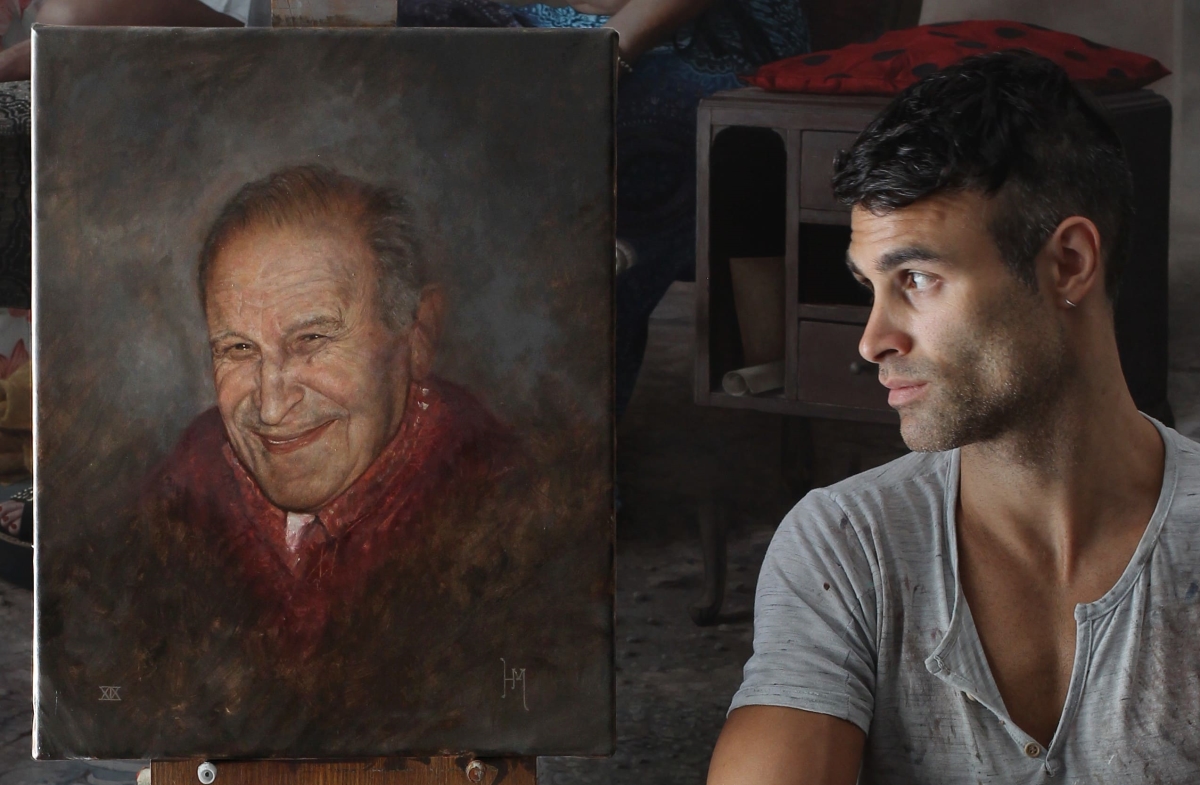
A self-taught artist from Buenos Aires, Havier transforms everyday experience into something luminous and uncanny. His paintings balance on the edge of the real and the impossible, where time dissolves and emotion becomes visible. Through his singular vision, he invites viewers to return to that state of wonder we often abandon with age, to rediscover the surreal as something profoundly human.
In this conversation, Havier reflects on the long road from art restoration to creative freedom, the discipline that sustains his craft, and the faith that art, in changing people, might still change the world.
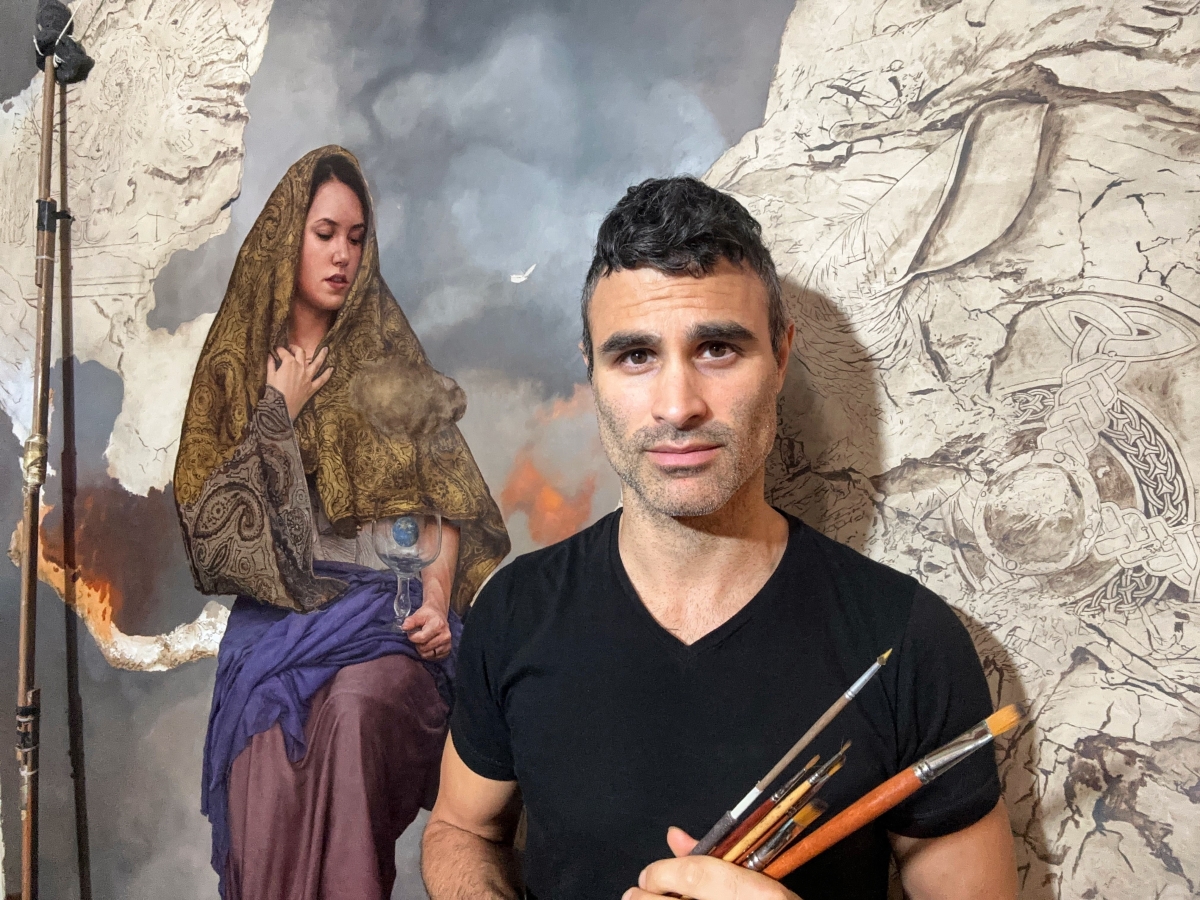
An Interview with Havier
By Carol Real
Do you remember the first moment when art revealed itself to you—not as an activity, but as something essential?
My parents collected a little comic strip called “Mafalda”—they were monochromatic and created by an Argentine cartoonist named Joaquín Salvador Lavado Tejón (Quino). I remember trying to copy those characters and then starting to invent my own. Then, I received some watercolors, which I used on a lined notebook like those from school, but with a soft cover. I painted all day long, always inventing and using my imagination. So, my exploration of art began at the age of 5 and 6.
You once worked long hours as a computer technician before deciding to paint full time. What gave you the courage to make that leap?
Starting at the age of 30, I tried to pursue art and I succeeded at 32 years old, after an odyssey. I worked as a computer technician 6 days a week. On Sundays I painted for about 4 hours to be able to send a work to a gallery that was supposedly going to introduce me to the painting world. In those two years, the gallerist did not sell anything and excused himself by telling me that my work was “unsalable”. Then after I uploaded my works on social media, a person named Carlos Aragon bought one piece. After a long conversation he told me: “Hernan, if I bought some more works, would you leave your job to dedicate yourself full time to painting?” And here I am 8 years later, living off my work.
How does a new work begin for you? Do you start with a clear concept, or does the process itself guide you along the way?
I simply try to confront an idea using the creative capacity of a child and the surrealism of dreams. When I have the idea, I begin the composition in my mind, and try to solve it as if anything is possible, as if the imagination has no limits, but for that I must find my inner child.
How does time unfold in your creative process? Do your works come together quickly, or do they demand slowness and reflection?
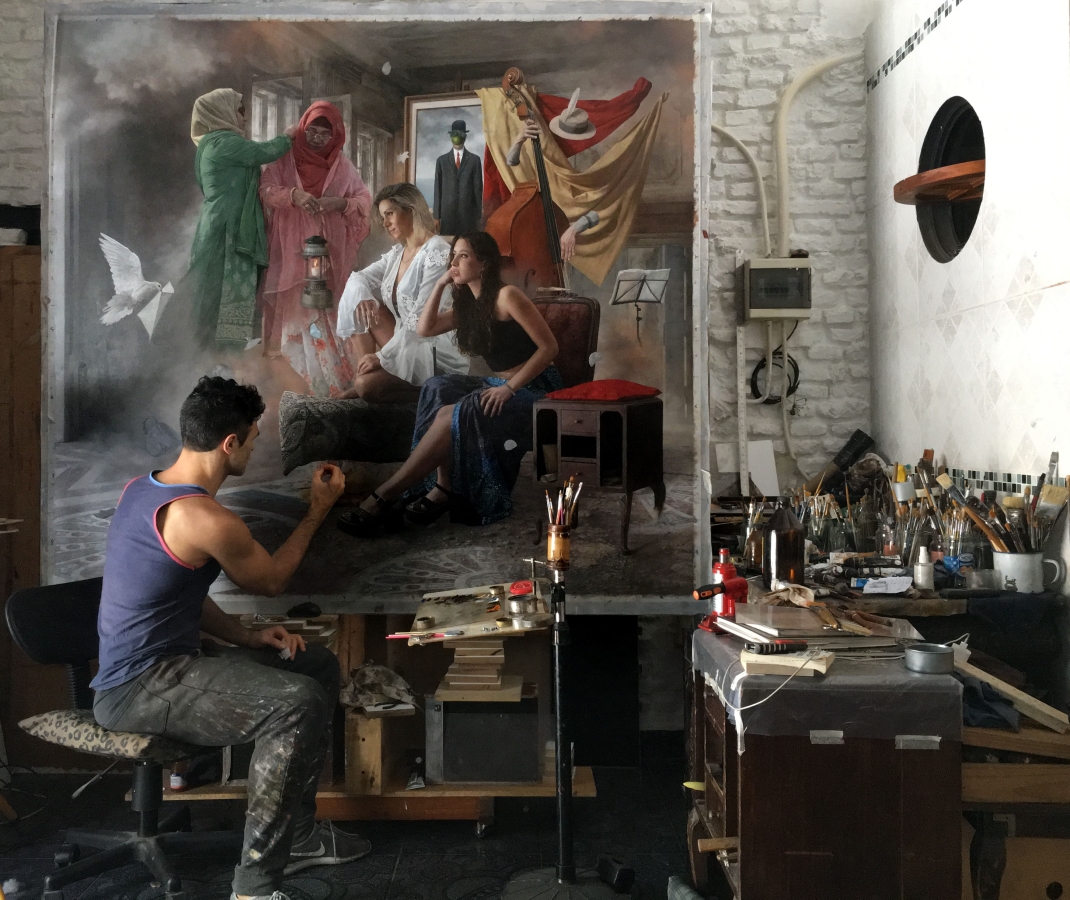
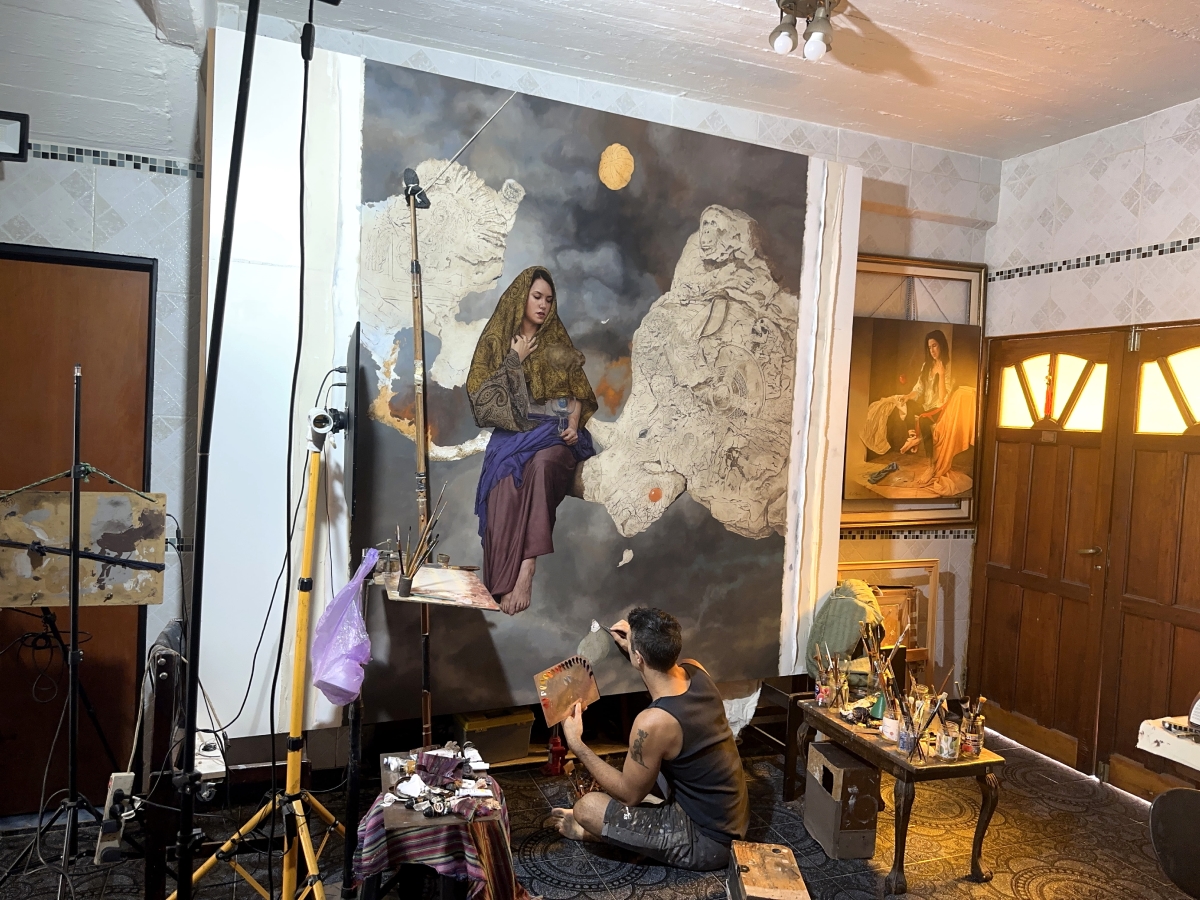
Between developing the composition and painting, an artwork of 6 x 6 feet takes 5 to 6 months, and for works larger than 7 feet, it takes 7 to 9 months.
Which artists or movements have most shaped your imagination?
There are too many, each one is worthy of admiration for what they have achieved in their periods (Renaissance, Baroque, Neoclassicism, Realism, etc.). However, I must acknowledge that Surrealism has inspired me, especially Salvador Dalí who was very influential for my path. I thank the great master for his legacy.
Your paintings demand both precision and patience. How do you experience time while working—does it disappear, or do you feel every passing hour?
My works are quite complex and depending on what part I am working on, I follow a timed routine. It is not the same to paint a face as to paint a simple object. If I have to change some parts of the composition, this could take several hours.
Generally, to paint, I watch YouTube and listen to audio books, biographies, documentaries and all kinds of historical shows. I don’t have time to read and my eyes are not at 100% after a day of painting, so I nourish myself with these videos that I listen to in the background.


Was there a moment when you realized your art had started to reach people far beyond what you expected?
What I didn’t imagine was being able to live from my work in such a short time after leaving my job. I felt successful from the first day I started to live from what I love and what I am passionate about. I think that being successful is more about the feeling that every day is worthy, getting up, and spending the day painting.
Is there a piece of advice that continues to guide you in your path as an artist?
The late great master Vito Campanella gave me the best advice. He told me you should always paint what you want and not what others want.
I don’t remember bad advice, and I’m sure there has been a lot of it. I’m very cautious because I’ve never had enough great support to risk bad decisions.
Luckily, I have painted what I wanted and sold 90% of my works. I think I’ve done pretty well in my short 8-year career.
When you paint, what are you seeking to communicate or awaken in others?
I can only talk about the purpose of “my art” where I intend to channel the combination of the physical and emotional, giving to the viewer the possibility to connect with the imagination of their childhood. This takes us away from the mechanics of the everyday and the constancy of chasing the future, giving the present the necessary time to feel that we are alive and we are moved.
Do you plan your future projects, or do you prefer to let each painting mark its own direction?
I have no particular goals, maybe each artwork is a goal, a challenge, but I have no control over what will happen with them. Vermeer was forgotten for almost two centuries and today The Girl with the Pearl Earring is one of the most famous works in the world.
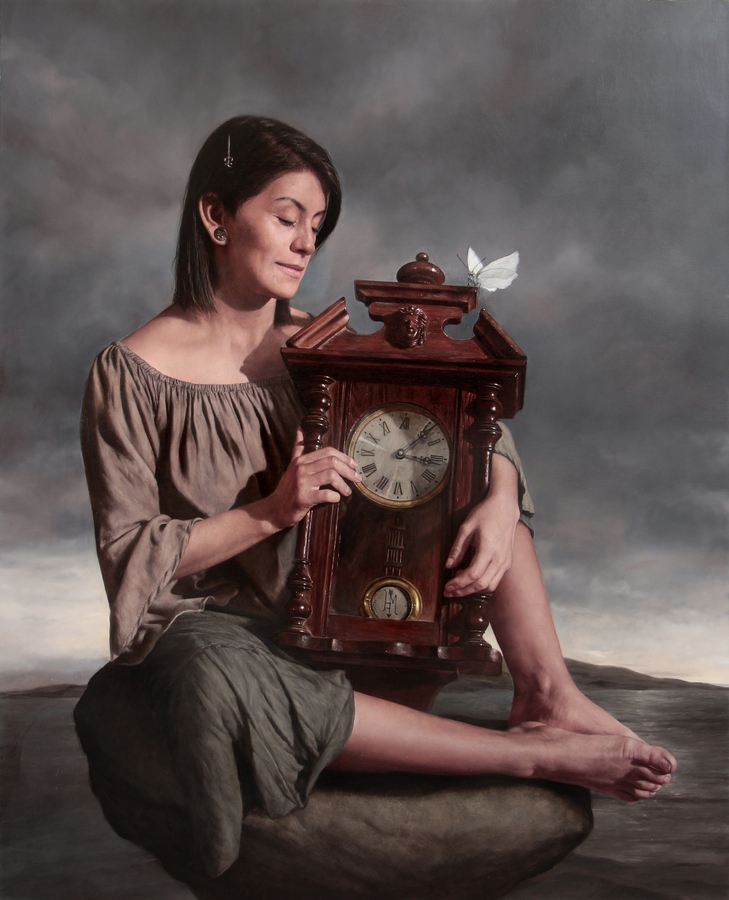
Hopefully in my lifetime, some of my works will become an everyday image for humanity, at least a fragment of them, like Dalí’s melted clocks.
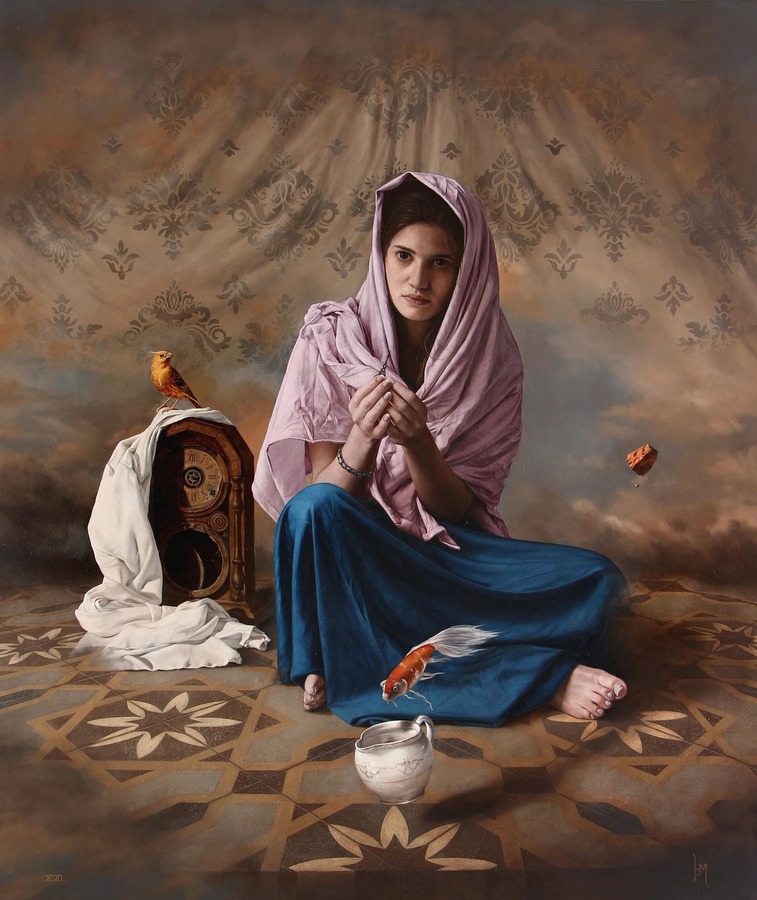
Dreams often seem to hold fragments of memory and imagination. What do they reveal to you about human nature?
Dreams are made by an extraordinary combination of fragments of various memories, united with imagination, sometimes defying logic and natural laws. Repressed desires form an important part of dreams because while awake we spend more time holding back emotions than letting ourselves be carried away by them. Dreams also make us face what we fear the most—as a kind of therapy to overcome our fears. Perhaps in dreams we are really who we would like to be.
Is there a phrase or idea that you return to when you need clarity or inspiration?
“Art can change people; and maybe they can change the world.”
Editor: Kristen Evangelista
IG @havier.art