José Camacho paints as if each canvas were a meditation on transformation. His works, layered with symbolism and material experimentation, trace the tension between matter and meaning, memory and reinvention. Through the language of allegory and alchemy, Camacho reimagines the still life as a living archive of history, identity, and the metaphysical act of painting itself.
Born in Puerto Rico and based in New Jersey, Camacho’s journey from the Caribbean to the American Northeast mirrors the duality in his art—between rootedness and displacement, intuition and intellect. His recurring motifs, such as the plantain, act as visual incantations that connect the colonial past to the contemporary search for selfhood. Each painting becomes both a reflection and a transmutation, where nostalgia is not sentiment but a form of inquiry.
Influenced by artists like Anselm Kiefer, Francisco Oller, and Jasper Johns, as well as poets from Silvio Rodríguez to Rainer Maria Rilke, Camacho builds bridges between disciplines. His process, as he describes it, is a practice of “controlled randomness,” where chance and precision coexist within the ritual of making.
In this conversation, Camacho reflects on migration, the philosophy behind his work, and the poetic dimensions of painting. His art reminds us that to paint is to think—to translate experience into matter, and memory into light.
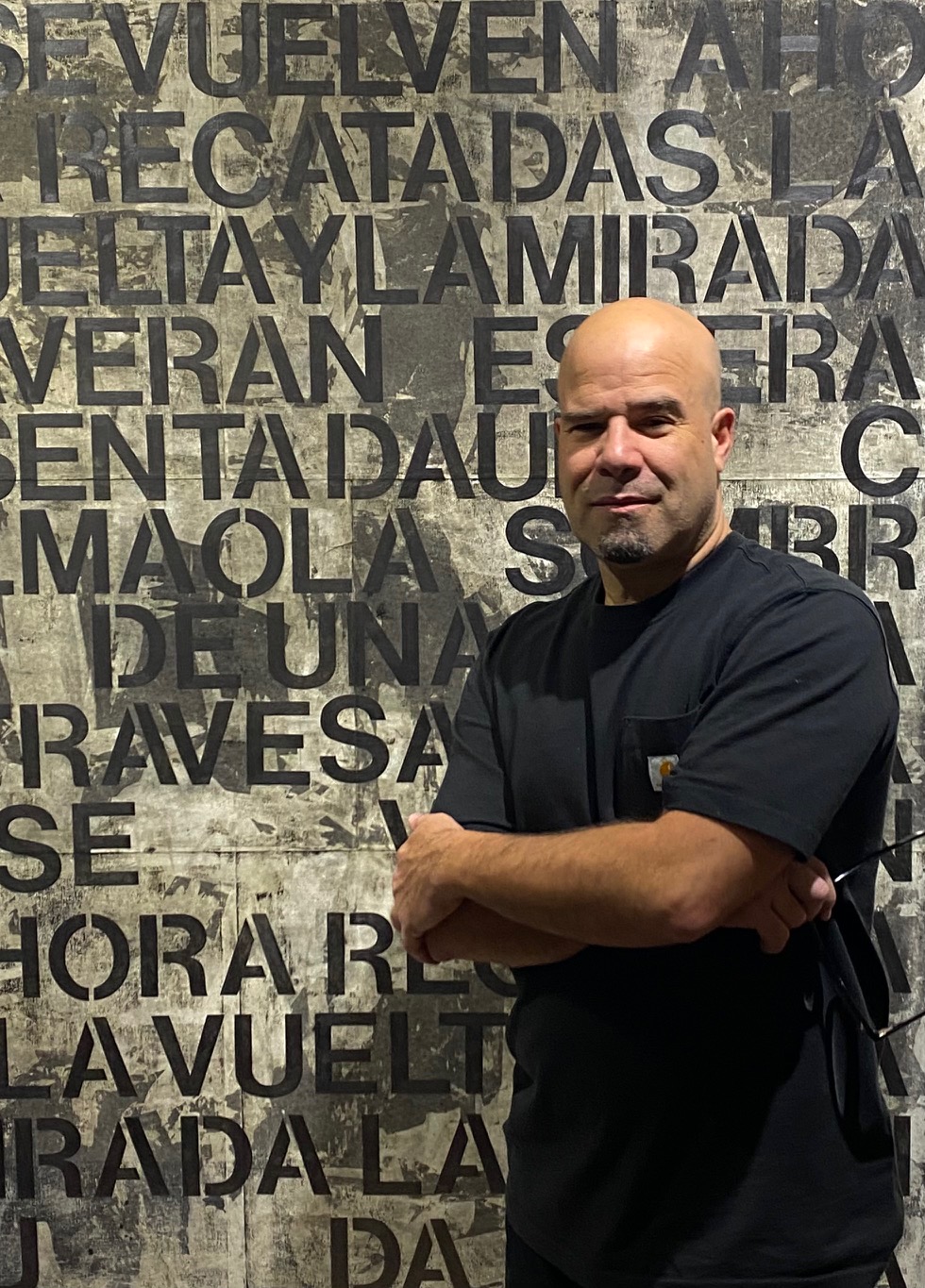
An Interview with Jose Camacho
By Carol Real
What first moved you to leave Puerto Rico for New Jersey, and how did that journey shape the way you see art and life today?
I didn’t face many obstacles coming here. Besides leaving my family behind in PR and dealing with nostalgia, my transition was pretty smooth. I had to adjust to the new culture and the difficulties of learning a new language. Studying at the university here in New Jersey became harder because I needed to work full-time to support myself. However, I got it done and earned my B.A. in painting from Montclair State University.
Who helped awaken your interest in painting during those early years, and which artists or thinkers have stayed with you along the way?
My artistic influences are many. Some of my art teachers influenced me in many ways during my early years in Puerto Rico. When I moved to New Jersey, I studied painting and art theory with two teachers: Miriam Beerman and Jonathan Silver. They helped me forge my understanding and sensibility in art and the alchemy of painting.
As far as the conceptual aspects and aesthetics of painting, artists such as Anselm Kiefer, Jasper Johns, Pablo Picasso, and Francisco Goya have influenced me. Also, I started finding inspiration in other disciplines, such as music and literature. I used that inspiration to feed my creativity and my desire for painting. Being an immigrant, I naturally developed nostalgia for my homeland and culture. One of my biggest influences around that time was a Cuban troubadour and folk singer named Silvio Rodriguez. His music and poetry kept me grounded and inspired me to think of bigger and deeper things. It taught me how to transform nostalgia into art. It was the fuel I needed to keep going. Facundo Cabral was also very inspirational for me as well. Among other poets that sparked my creativity were Rainer Maria Rilke, Pablo Neruda, and Luis Pales Matos. There is also an obscure writer from PR named Ivan Silén that I find inspirational.
I have not met any other artists in my family. Although my family has many draftsmen and engineers, I have yet to find a fine artist.
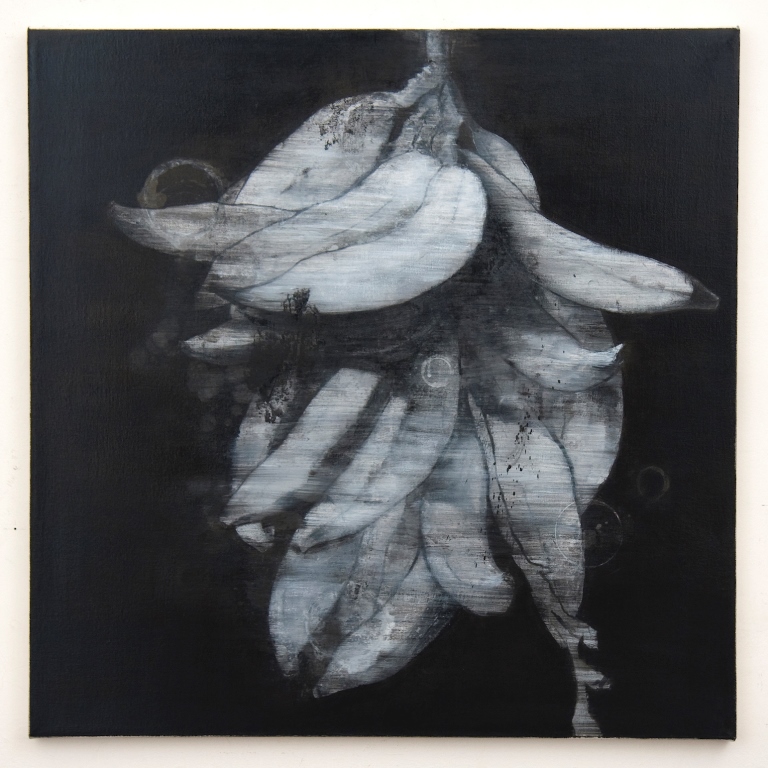
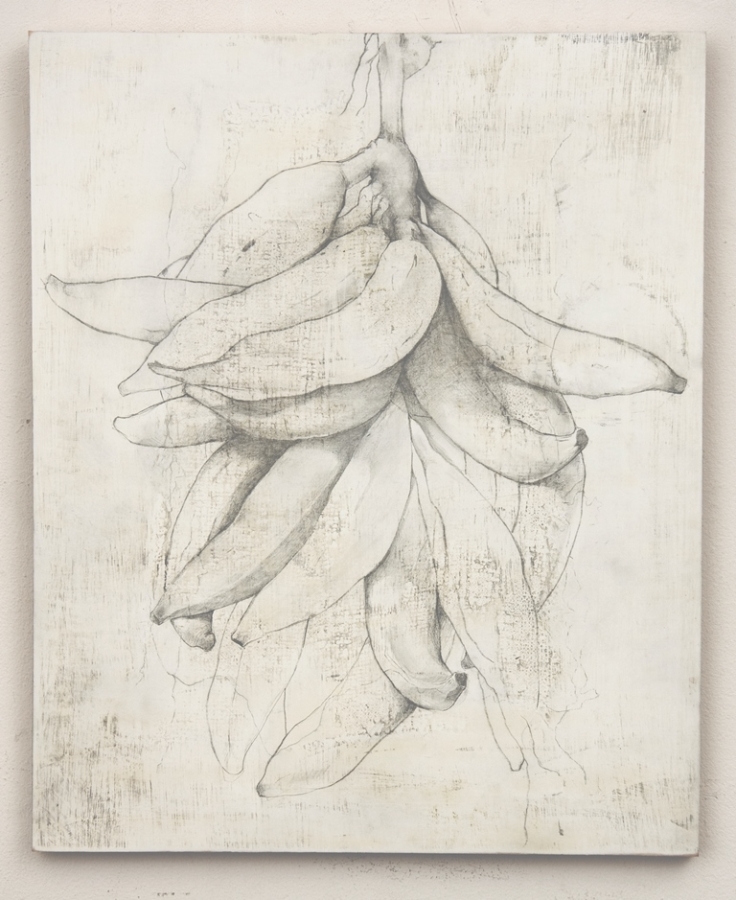
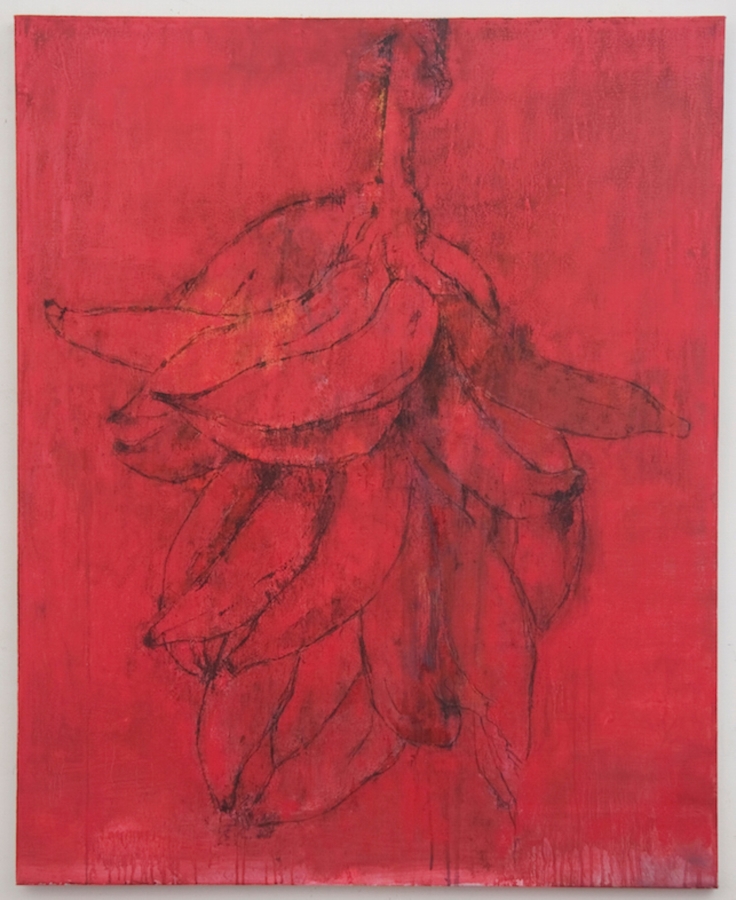
Your paintings often balance allegory and abstraction. How does an idea begin to take form, and when does a work tell you it’s complete?
Well, I’m interested in painting—painting that is aware of its constituent duality (i.e. metaphorical allusion and pictorial discourse). So my creative process is open and progressive and is in part what I like to think of as controlled randomness. Mixed media and collage have been the techniques in which my thought finds visual form. Ambiguity and automatism play a significant role in the process. Even though I’m interested in the agency of painting as the subject of the painting, I tend to add and/or bring a narrative to the work. This is to express and integrate into the work my experiences and my understanding of a given subject. So it is part of my creative process to find inspiration in my education, readings, and interpretations of life. I find myself experimenting and creating allegories within the material and the visual language of painting. The possibilities begin with the materials. During the process, I sometimes apply certain tricks that can result in a loss of control over the image, forcing me to let loose and evoke a notion of chance. I suppose humor plays a playful part in my creative process.
Plantains appear throughout your paintings, charged with both history and symbolism. What do they represent within your universe?
In my work, I explore notions of beauty, memory, time, and nostalgia. I have a strong concern for the cultural problem and the colonized status of the island of Puerto Rico.
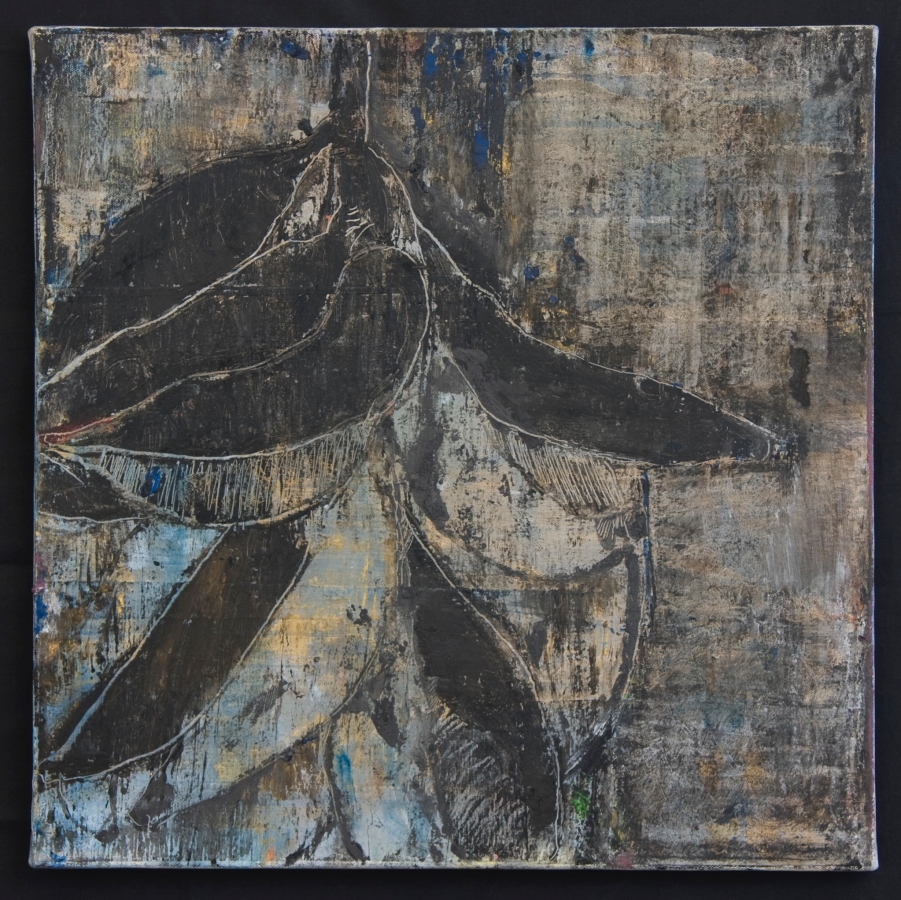
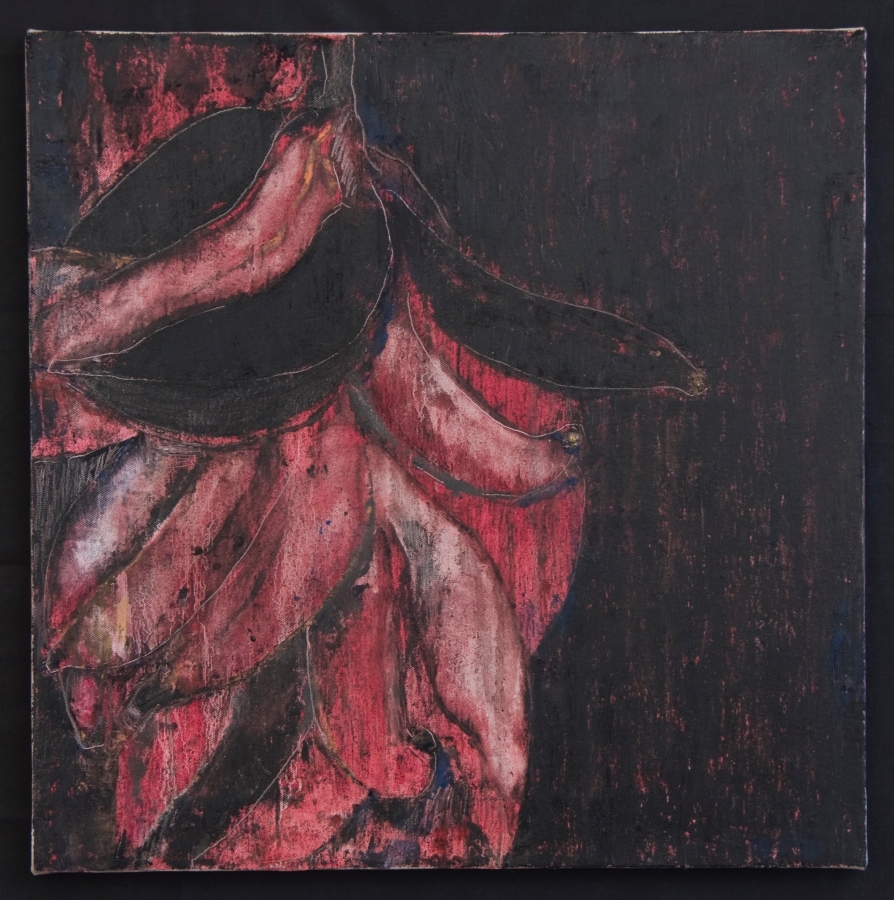
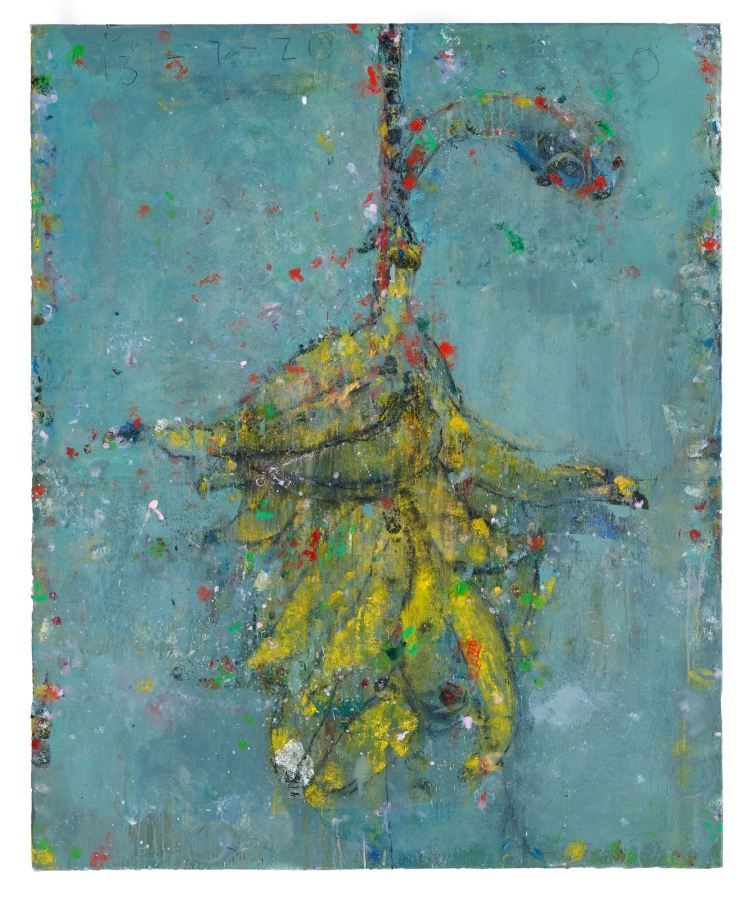
I started working with this idea of painting plantains as the main subject while studying the work of Puerto Rican artist Francisco Oller. I wanted to converse with Oller through painting. I specifically appropriated Oller’s oil on wood panel painting, a still life titled Platanos Amarillos (Ripe Plantains) from 1892-93. I wanted to explore and recreate the genre of still life in paintings and add a new context to this particular image. I repeated the same composition and reworked the original image, experimenting with different scales, media, colors, lines to add multiple layers of meaning within the works. Thus, I created new meditations that pay homage to their source. I started these paintings in 2010 and the first ones were titled Plantation. I had an exhibition with the same name curated by Mary Birmingham at the Visual Art Center in Summit, NJ in 2015. These first pieces explored a narrative that dealt with colonialism. Later on, the works became more esoteric and abstract; the narrative was more about natural law and alchemy. At the end of 2019, I began some new plantain paintings that I later finished during the quarantine period in 2020. These paintings continue the same narrative of alchemy and its relationship to painting throughout art history. Then I completed five large paintings and named them after the four elements and the ether.
Right now, I’m about to start another series on the same concept. This series will be oil on canvas grouped as a set of twelve plus one painting, 13 in total. This series of paintings will explore the theme of the Last Supper by Leonardo da Vinci and the mysticism in it.
Many of your paintings include fragments of text or phrases that seem to float between legibility and silence. How do you approach the dialogue between word and image?
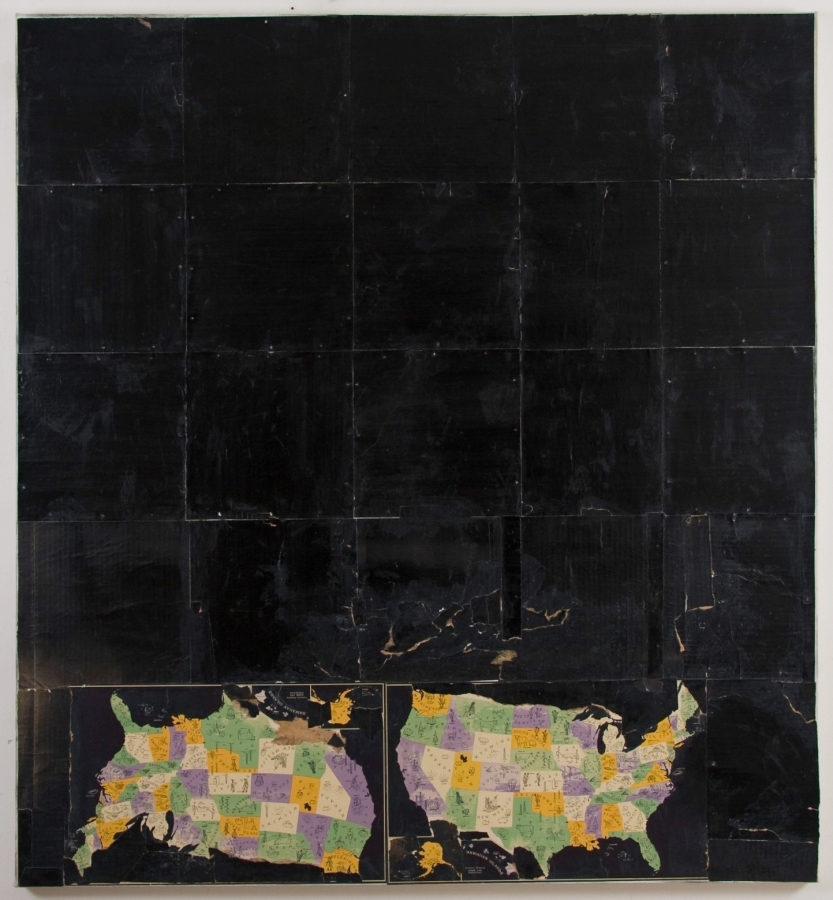
In some works, I retain the paper’s white surface, giving the text a ghostly appearance. The paper I used in those works often came from an older paper that was used in working on other oil paintings, and/or paper that has been stained or randomly soiled as a result of the art production process. I prefer paper that has
aged with visual information and has developed a studio patina.
For the darker paintings, graphite will be applied to darken and finish the surface. This part is extremely laborious. At some point, the canvas is removed from the stretcher bars and left on the floor or a table to collect physical evidence of my creative process inside the studio. In some of the last pieces, the text is becoming more intricate and harder to read as the text fades from being tainted with graphite and oil stains. I don’t need the text to be readable because I’m more concerned with the formal and abstract nature of the language. The whole process is ritualistic and tedious—somewhat akin to the ordeal of art making.
Painting can be a solitary act, but it’s also a way of being in the world. How does a typical day unfold in your studio?
It could be difficult to define an artist’s life. We don’t abide by society’s standard rules—meaning we play by working and work by playing. What I’m trying to say is that we make a living by playing with and scrutinizing our imagination, our fears, and our desires. We don't get to punch out, at least I don’t. I’m always thinking about paintings. Outside of the studio, there are other activities. I try to stay healthy and in shape by practicing some sports, occasionally meeting with some friends, and entertaining interesting conversations and dinners.
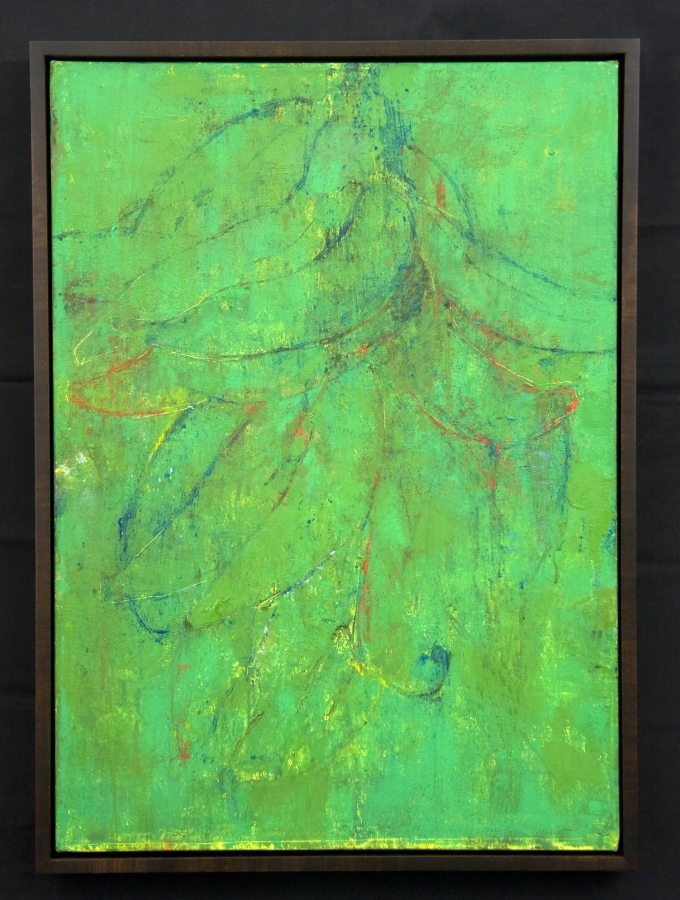
You often mention humor, memory, and spirituality as part of your creative language. What do gratitude and reflection mean in your life today?
I’m grateful for my good humor. It’s a good balance and healthy receipt against the nonsensical. I’m grateful for my parents. They gave me the possibility of being.
I’m grateful for experiencing the gift of poetry through painting. I’m grateful for the people I have met in my life. They taught me about the person that I am, the person that I could be, and more importantly, the kind of person that I don’t want to be.
When thinking about what’s next, what visions or projects are calling to be realized?
As a visual artist and painter, I just want to paint—develop my craft and find my unique voice. I have some ideas and concepts that involve paintings and art installations, which are complicated to describe right now. The question is how to rise and generate the finances to execute and develop these different projects. The enterprise of art, throughout history, has always been a complex activity in a civilized society. And as with any other human enterprise, it requires finance for possibilities to exist and manifest themselves.
Are there words or ideas that guide you when facing a blank canvas?
“Adopt new habits for yourself: consolidate your principles by putting them into practice.”
– Epictetus
“Pleasures, when they go beyond a certain limit, are but punishment.”
– Marcus Aurelius.
Editor: Kristen Evangelista
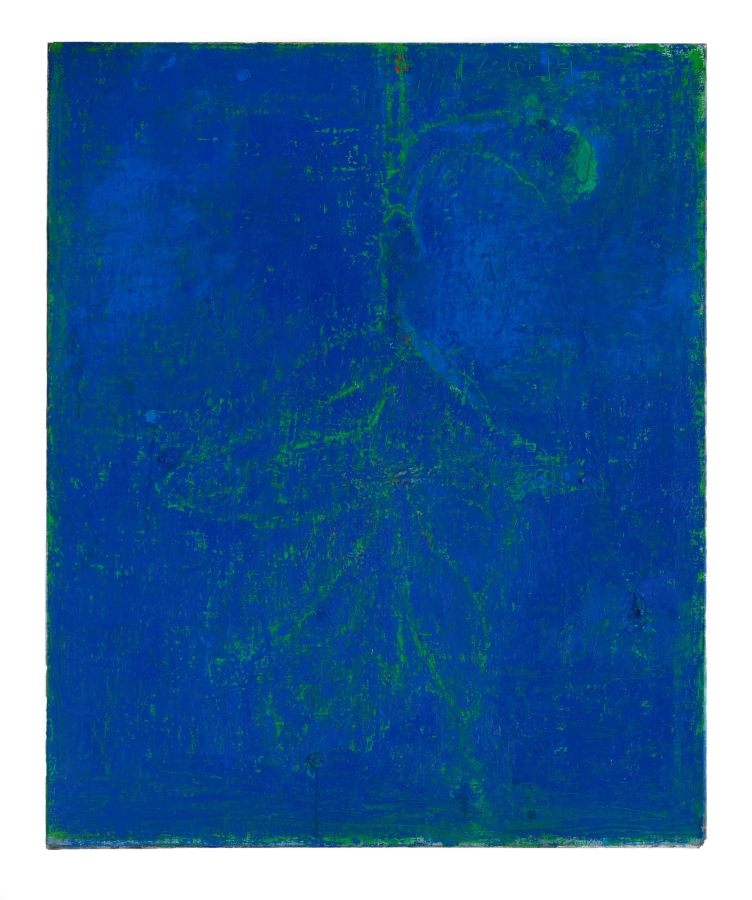
Oil on Linen, 52 by 42 in.
Ph Anthony Alvarez
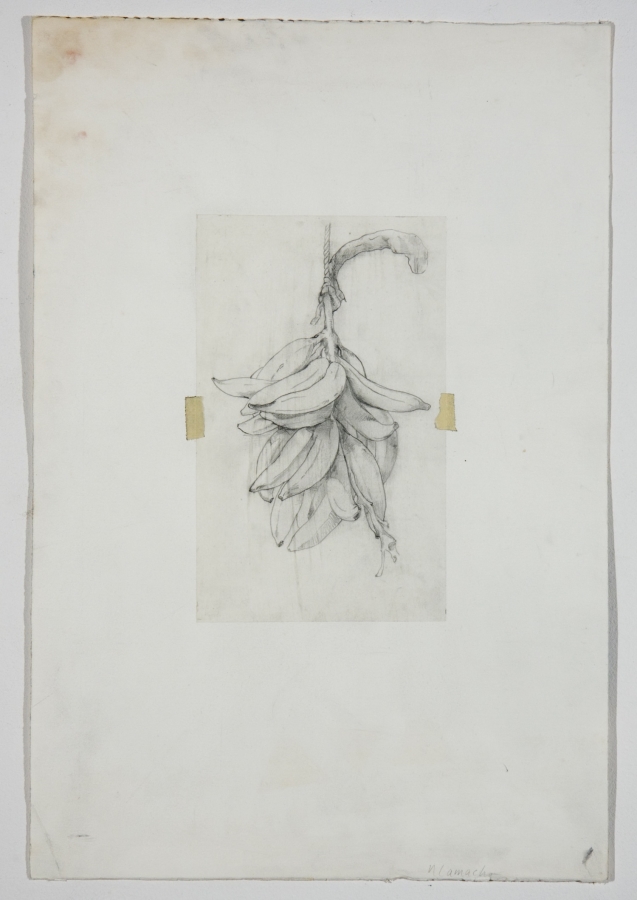
Pencil, masking tape on paper collage, 22 1/8 x 15 in.
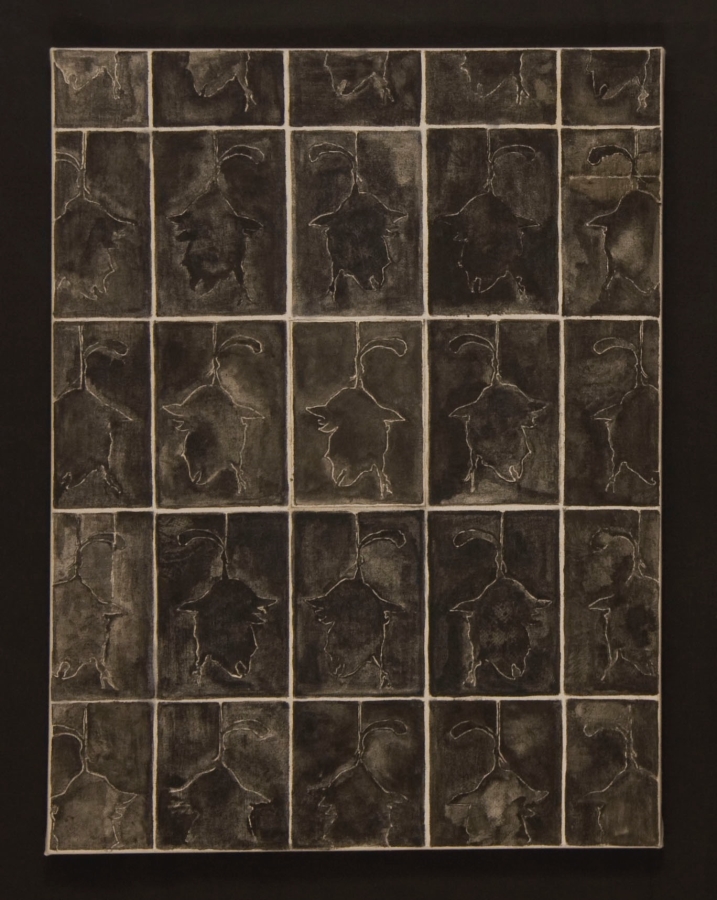
Oil on canvas, 25 1/8 by 18 1/8 in.
Ph courtesy of the artist
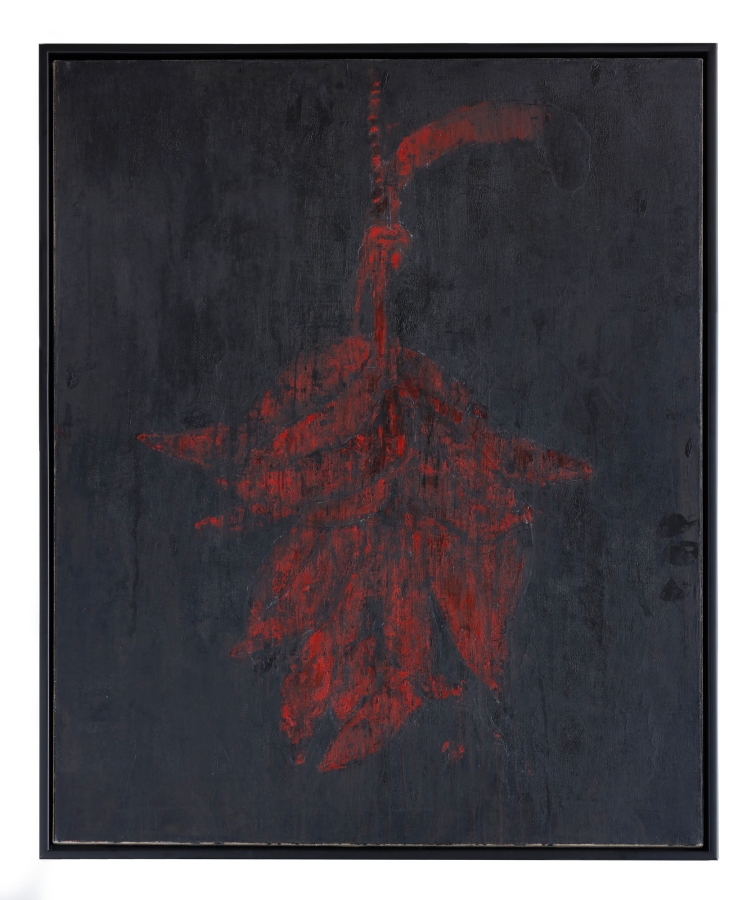
Oil on linen, 52 by 42 in.
Ph Anthony Alvarez
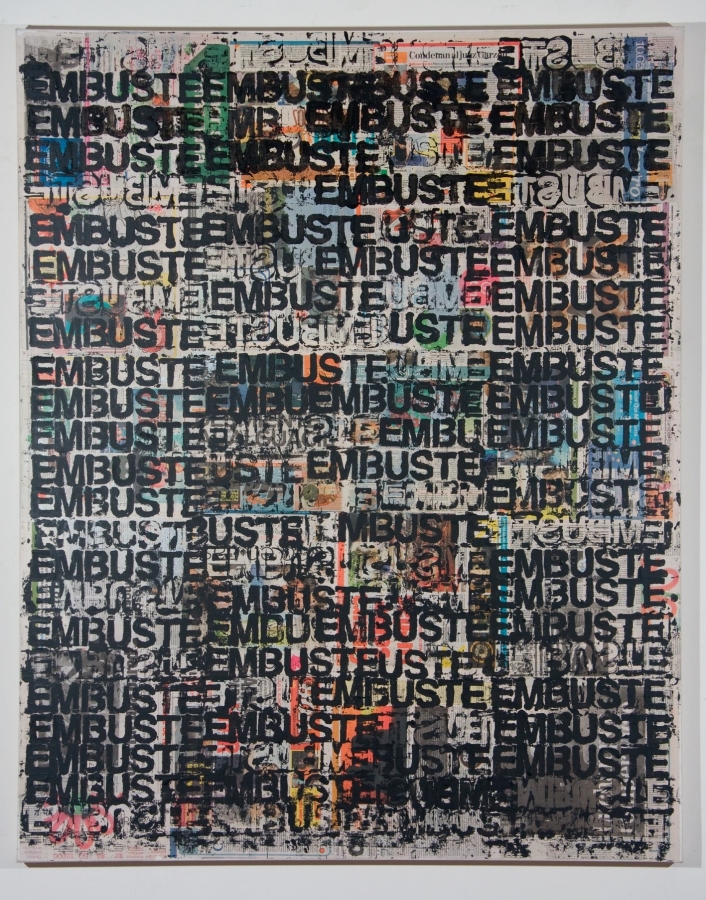
Mixed media on paper mounted on canvas, 60 by 48 in.
Ph courtesy of the artist
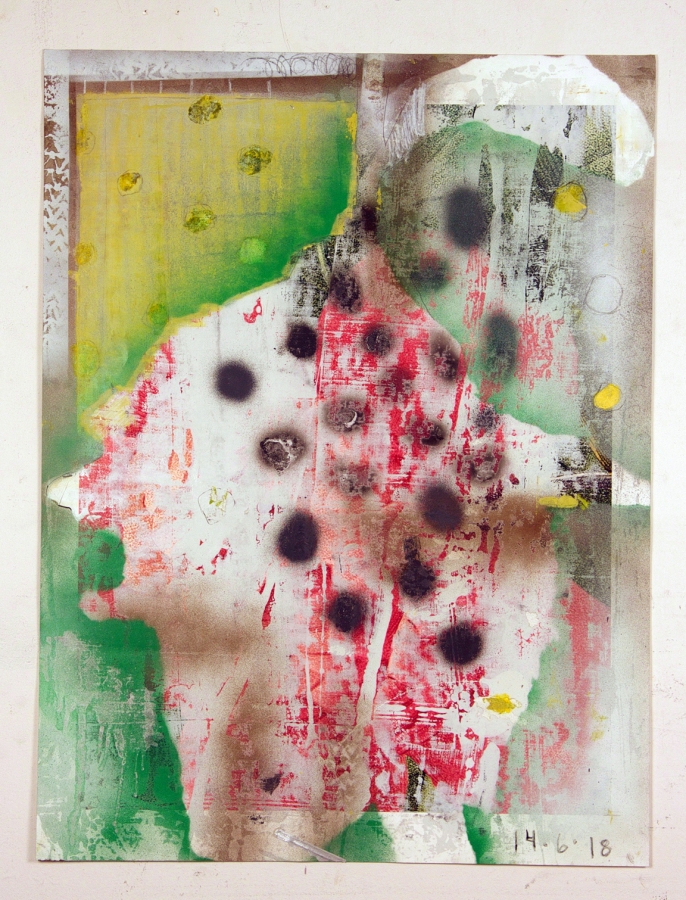
Mixed media on paper, 32 by 24 in.
Ph courtesy of the artist
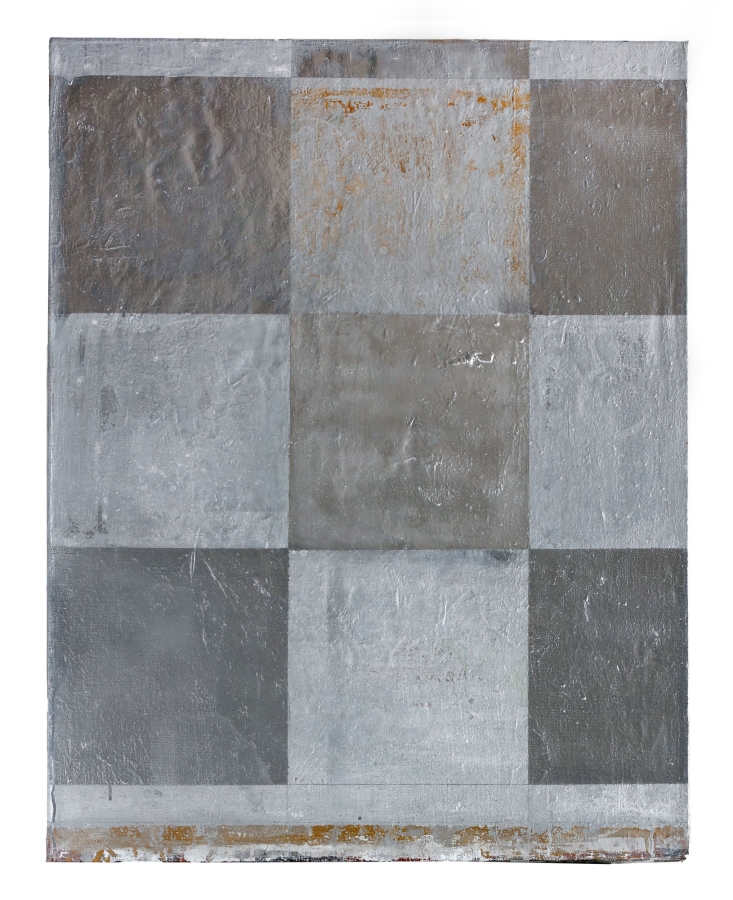
Oil and enamel on linen, 42 by 32 in.
Ph Anthony Alvarez
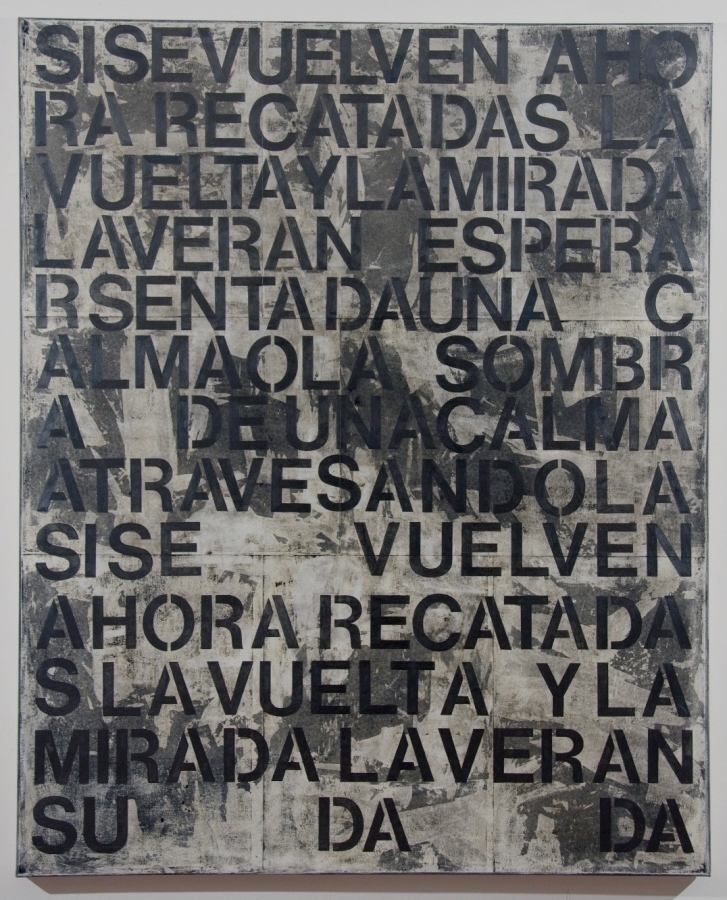
Oil stained paper and graphite mounted on canvas, 64 by 52 in.
Ph courtesy of the artist
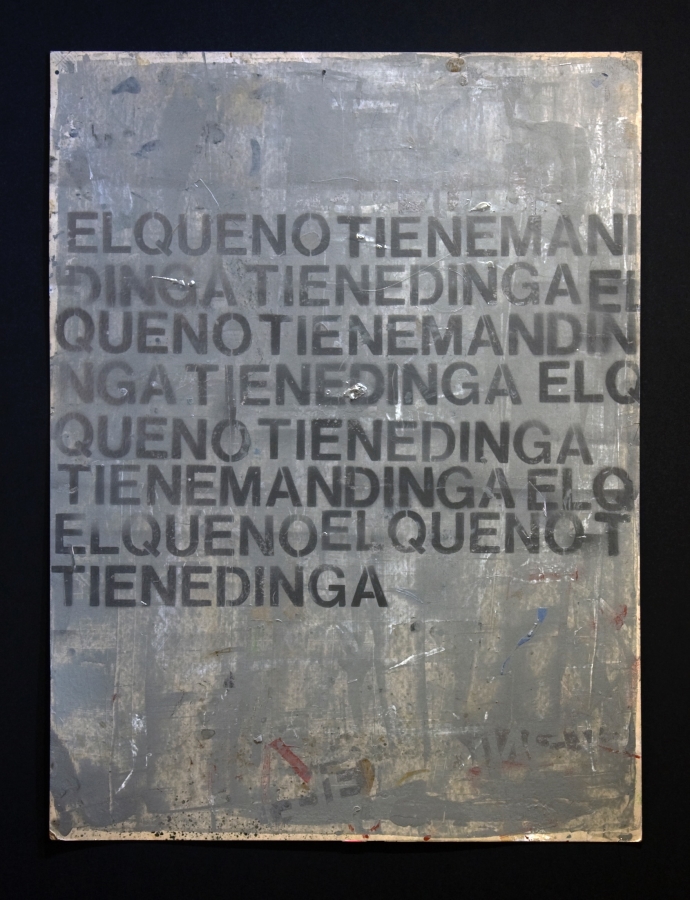
Mixed media on paper board, 40 by 30 in.
Ph courtesy of the artist
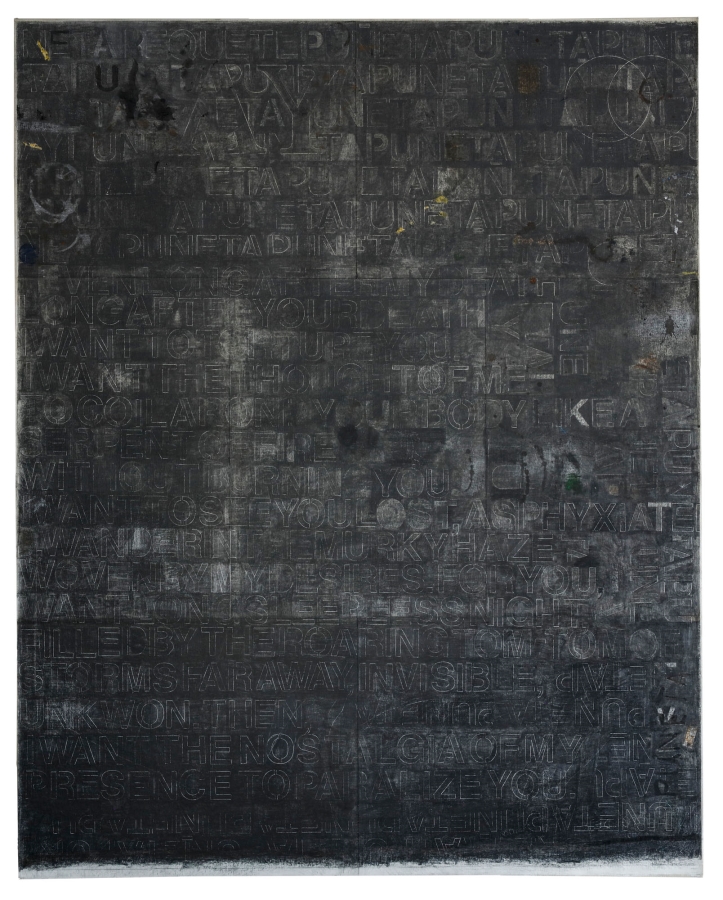
Graphite, mixed media on paper mounted on canvas, 64 by 52 in.
Ph Anthony Alvarez