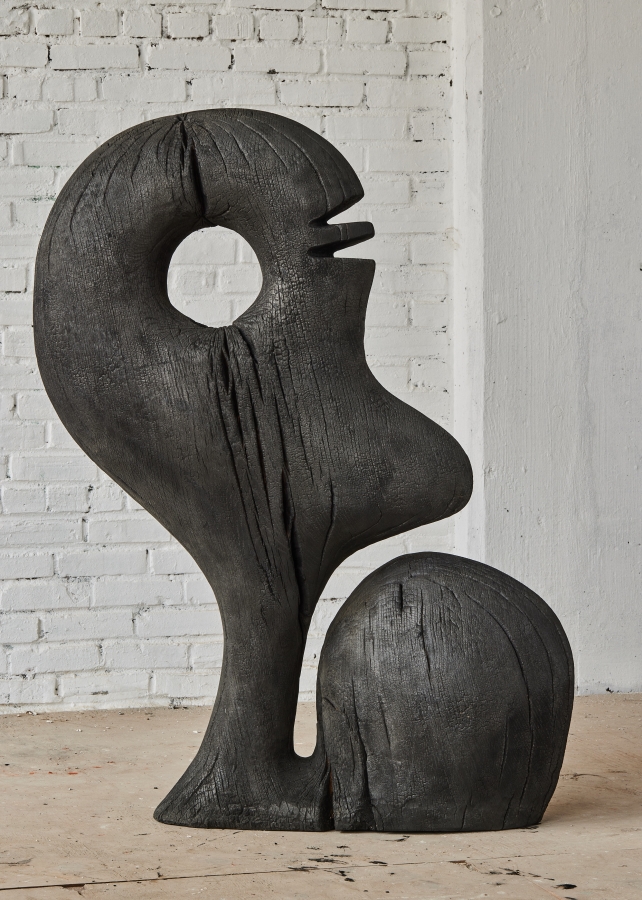
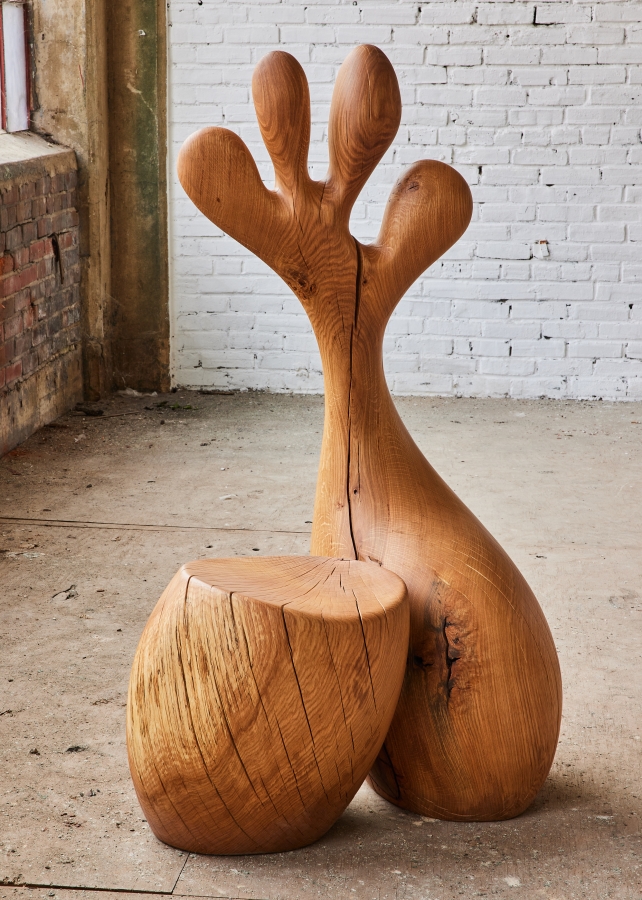
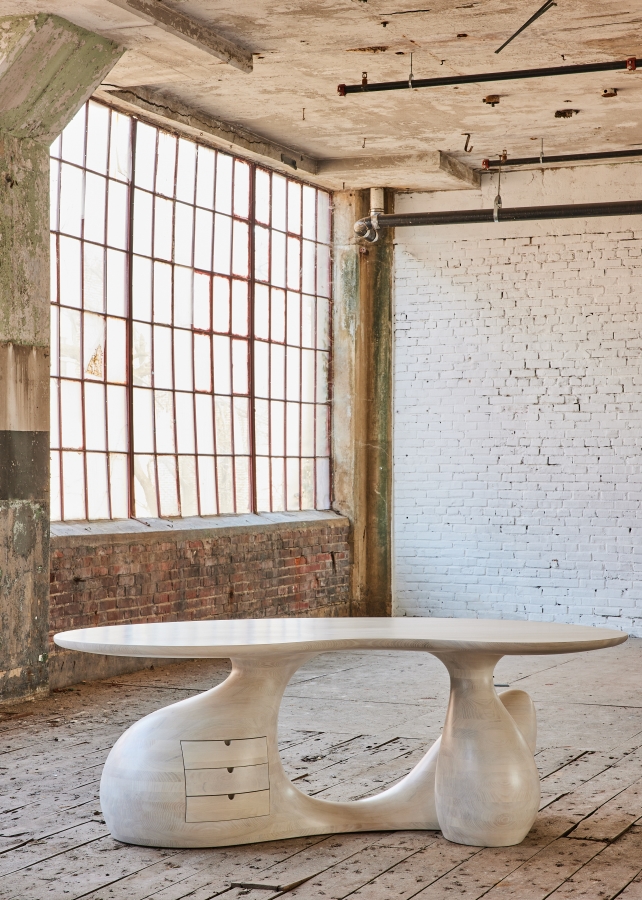
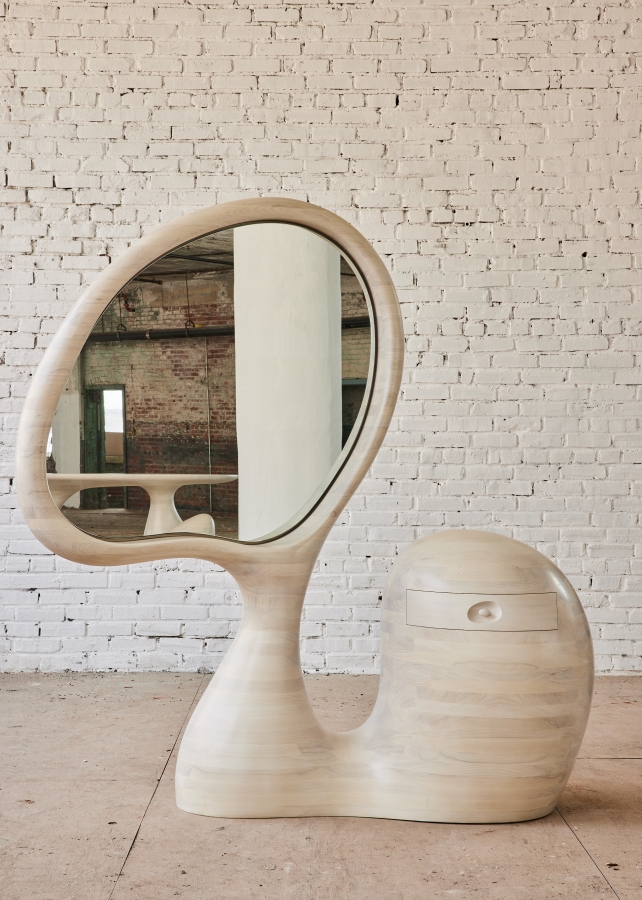
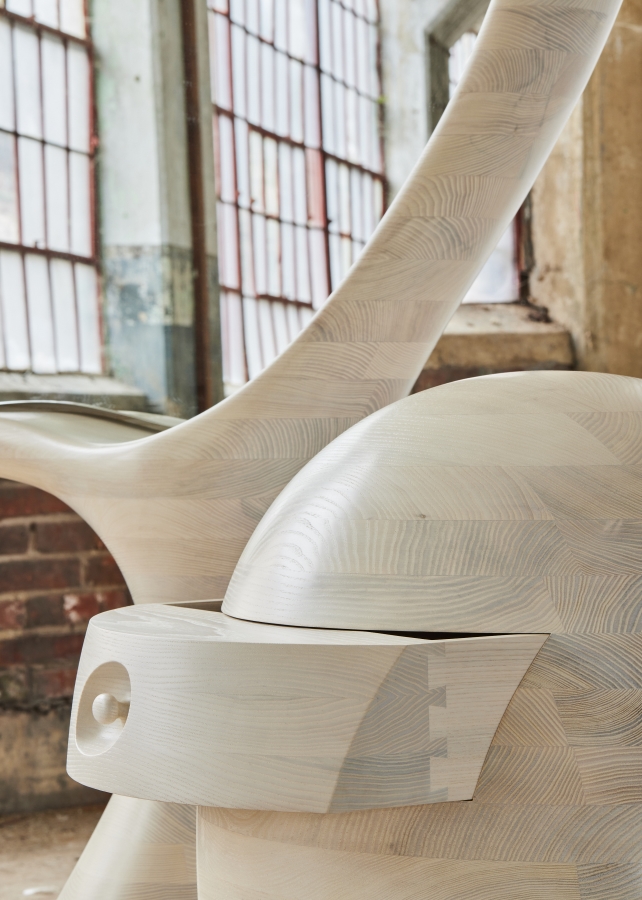
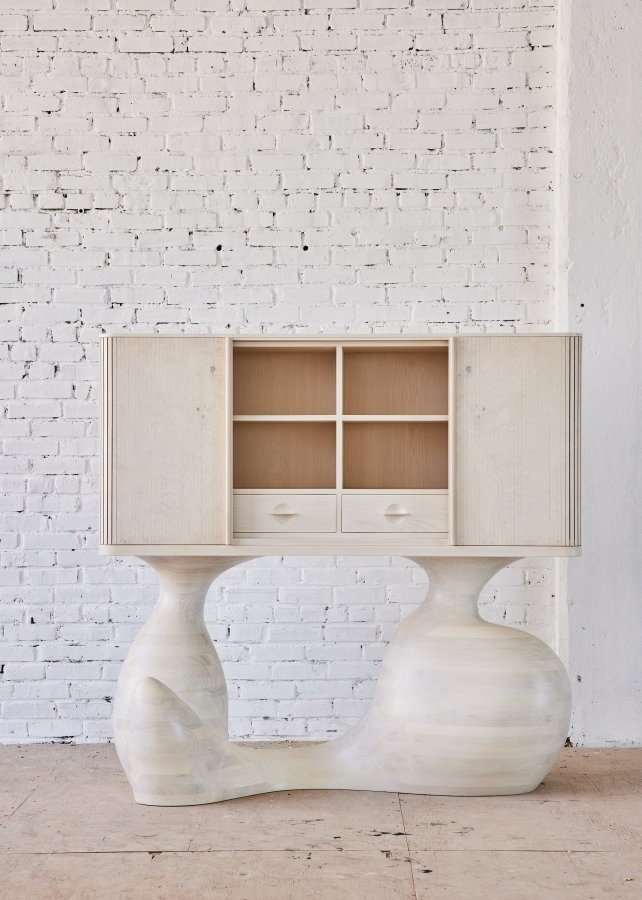
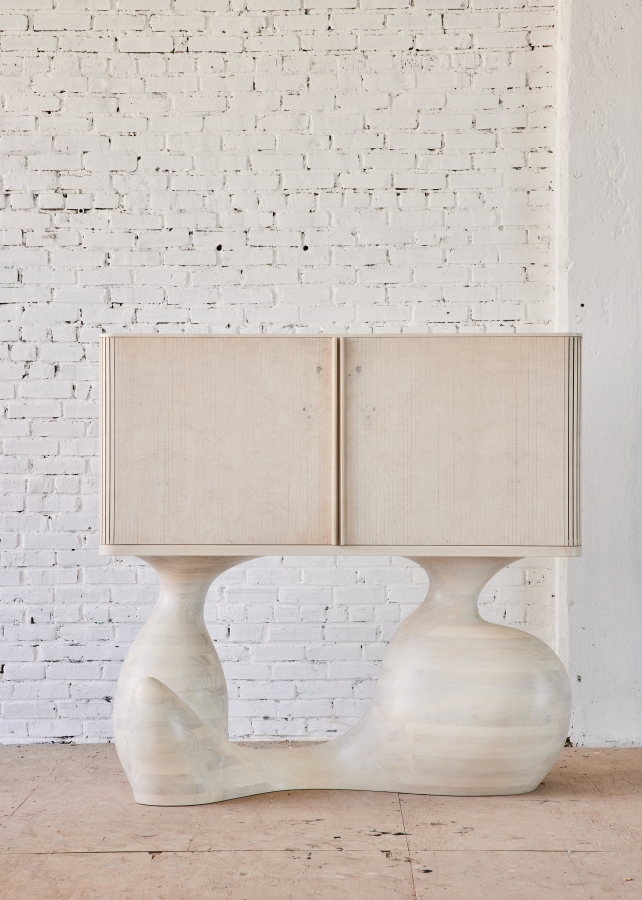
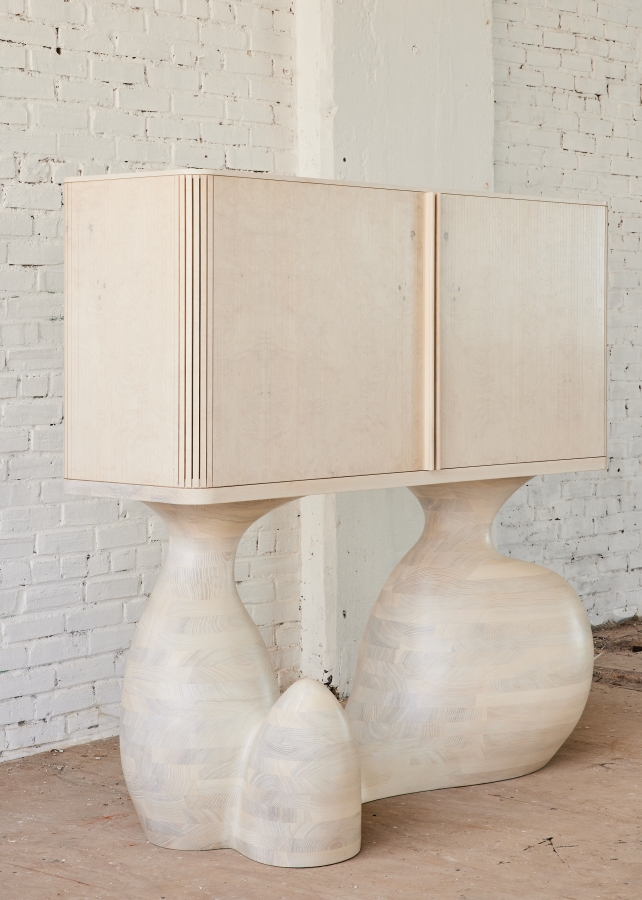
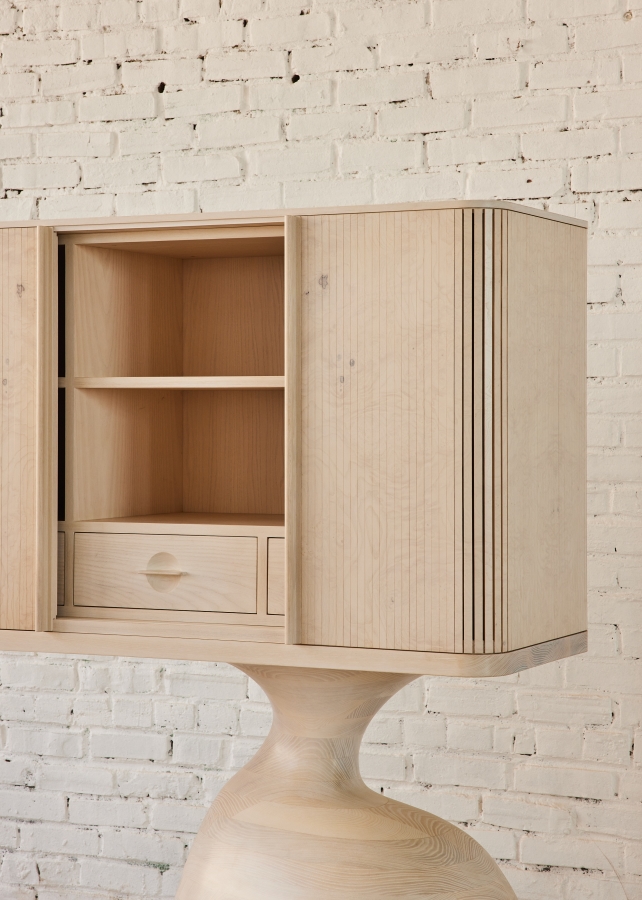
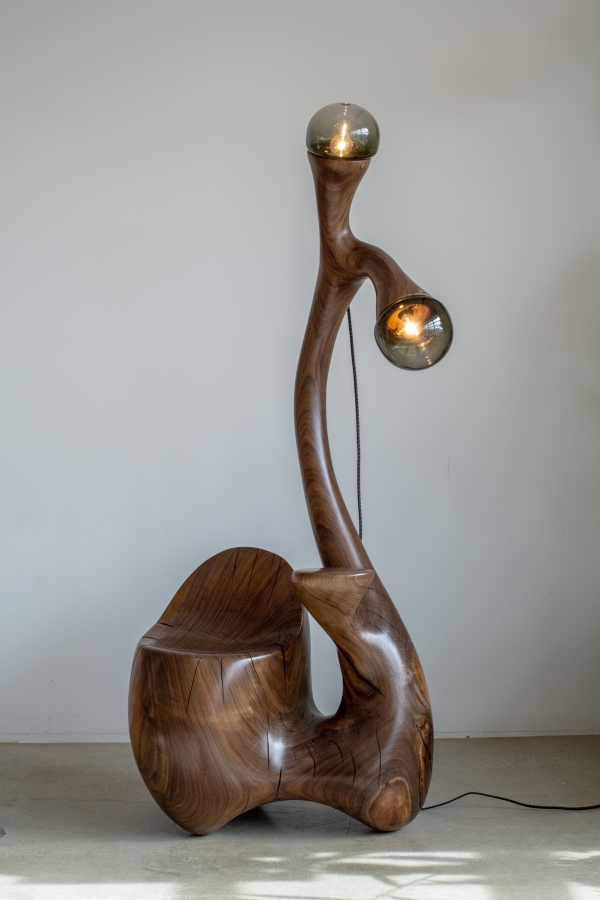
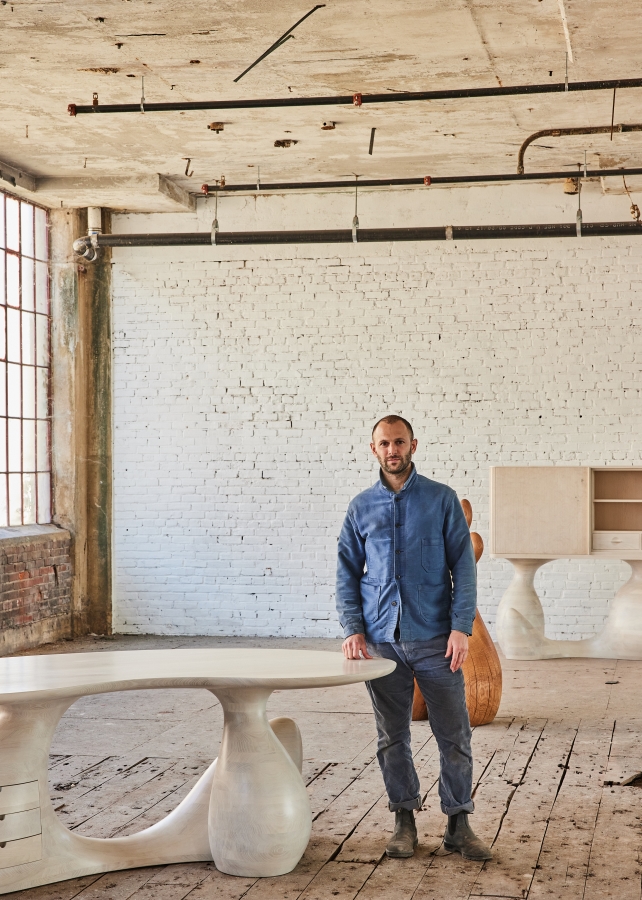
Aaron Poritz moves between design and sculpture with the ease of someone who understands both structure and intuition. Trained as an architect, he builds objects that are as precise as they are emotive. His furniture and sculptures, crafted from wood, stone, and ceramics, embody a quiet tension between discipline and play—a dialogue between the permanence of form and the impermanence of touch.
Born in Massachusetts and educated at the California College of the Arts, Poritz’s trajectory has been shaped by both craftsmanship and curiosity. After working with Morris Adjmi Architects in New York, he spent time in Ecuador and Nicaragua, where exposure to sustainable practices and indigenous craftsmanship reshaped his relationship with materials. What began as design rooted in architecture evolved into a more personal exploration of form, tactility, and memory.
From his Brooklyn Navy Yard studio, Poritz continues to blur the boundaries between art and utility. Each piece is both an object and a meditation, balancing digital precision with the warmth of the hand. Whether through a sculptural table or a chair that feels like a gesture, his work speaks to a search for timelessness—objects that live between eras, between art and life.
In this conversation, Poritz reflects on experimentation as the foundation of his practice, the role of robotics in his creative process, and the delicate relationship between client and creator. His vision is one of evolution, where material and meaning are never static but constantly in motion.
An Interview with Aaron Poritz
By Carol Real
Clay was your first language as an artist. What memories stay from those early days in the studio?
My dad taught sculpture (including welding and ceramics) and art at the University of Massachusetts so I was around clay and metal objects from a young age. I took my first ceramics class when I was around 13 and it came very naturally to me. I apprenticed with a ceramicist soon after and worked for her throughout high school. That experience taught me that I never wanted to be a production potter. However, I loved working with clay, which was critical for making decisions once I graduated and moved on to college.
How much room do you leave for experimentation when you work?
I would say that is one of the foundations of my practice. I am always playing and exploring materials, technology, and form. I seldom stick to a singular style or idea for more than a few years before trying new styles or ways of making. I enjoy the idea that each of my series almost looks like a different designer or artist designed it.
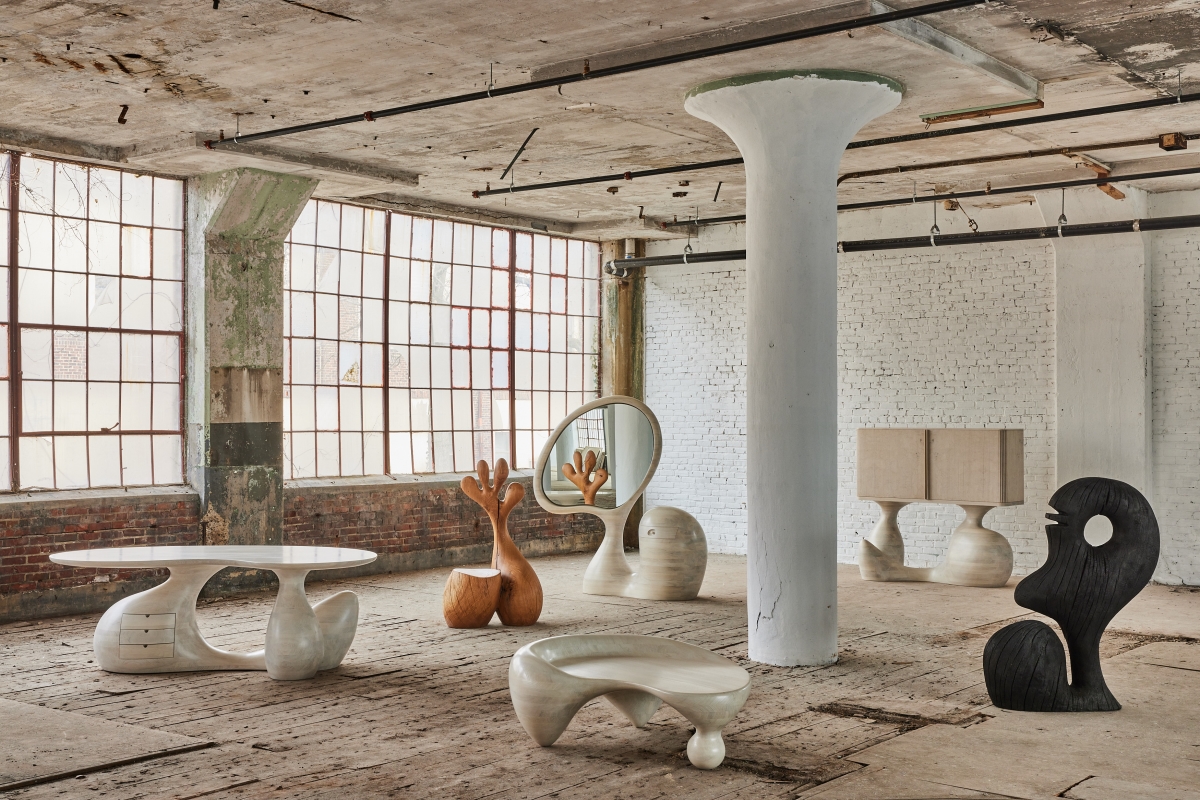
Lately there’s been an interest in robotics and its connection to sculpture. What opened that path, and how is it influencing recent pieces?
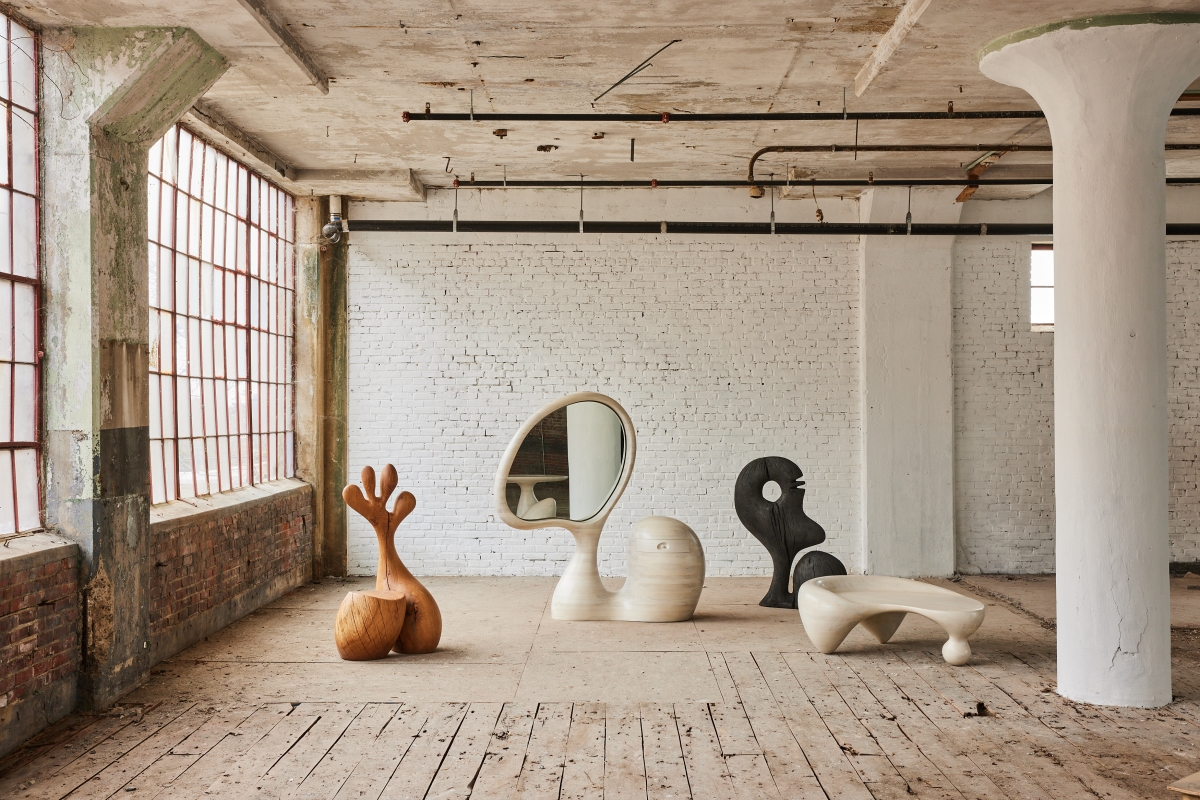
I have been exploring robotics and how it can help my sculpture workflow. I’ve always been fascinated by sculpture and excited about less traditional furniture. Playing with the idea of combining sculpture and furniture has been my main focus for the past few years.
Brooklyn has been home for years now. How does the city affect the rhythm of life and creation, and what do you miss most from where it all began?
I have been in Brooklyn for approximately 15 years. Living in New York has always had its ups and downs for me. It provides a healthy active creative environment but I’ve always struggled with the lack of space and access to outdoor activities.
Studio days often shift between silence and sound. What kind of atmosphere helps ideas take shape?
I tend to have a flow throughout the day. I like to start the morning with quiet time and computer emails or desk time. Around lunchtime, I like to do something physical and then work on a sculpture while listening to music.
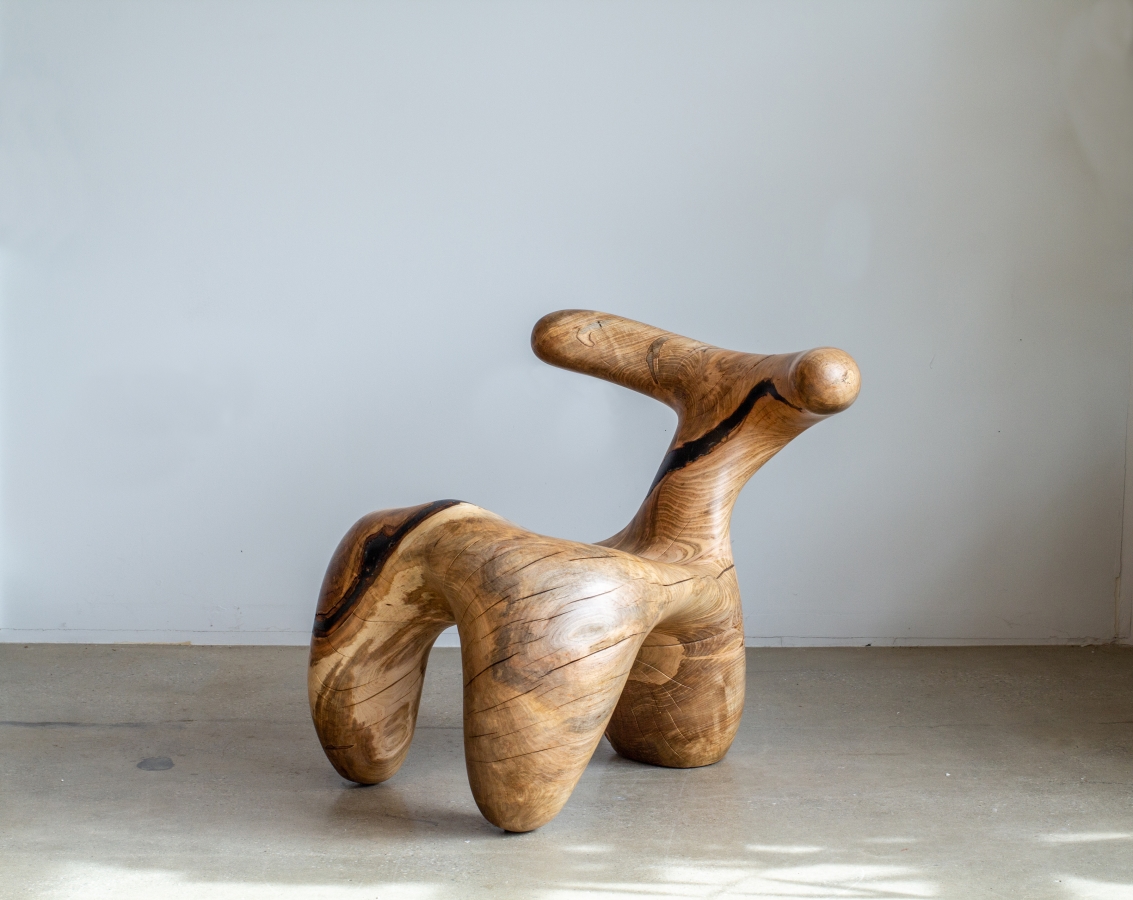
When a new piece begins to form, what’s the first impulse—a sketch, a model, a material?
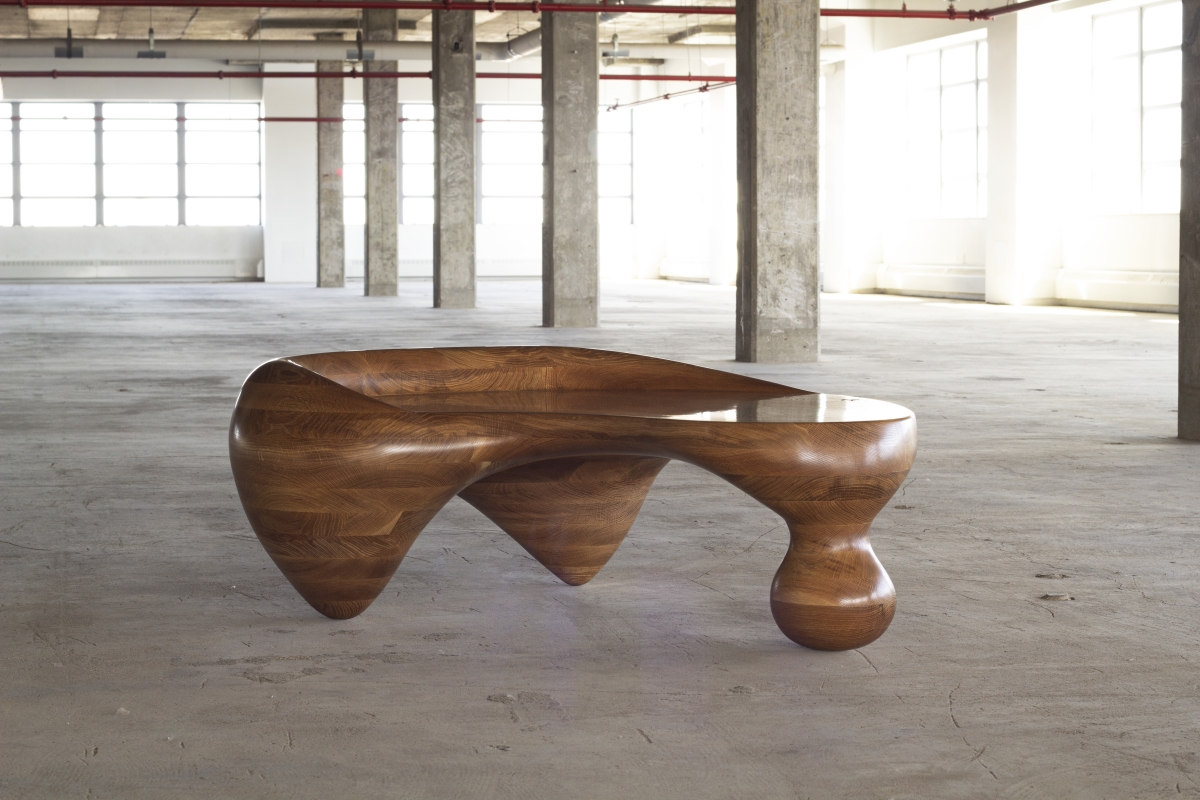
I always start with hand sketches and then move on to clay models. Once the clay model is where I want it, I scan and digitize the object. Once it is a three dimensional digital object, I do some final manipulation before setting up the necessary files to start fabrication.
Wood appears in almost every series. What guides the choice of one species over another?
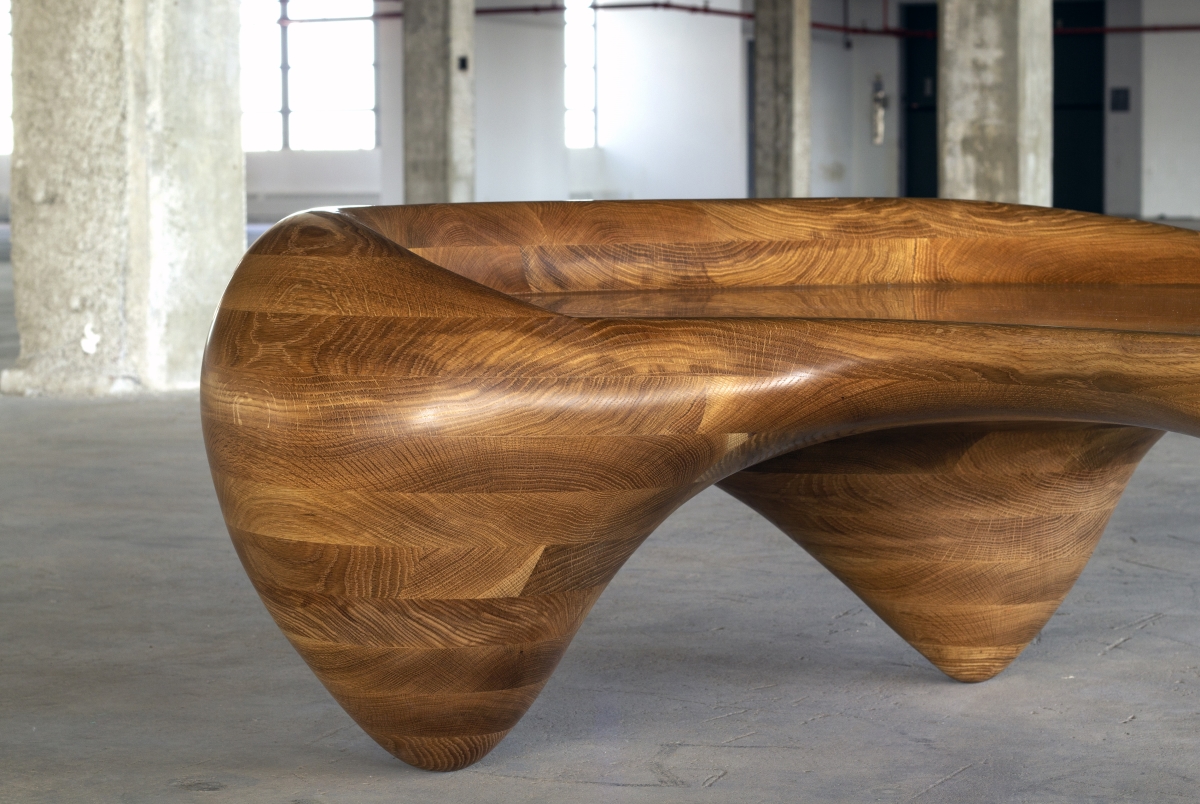
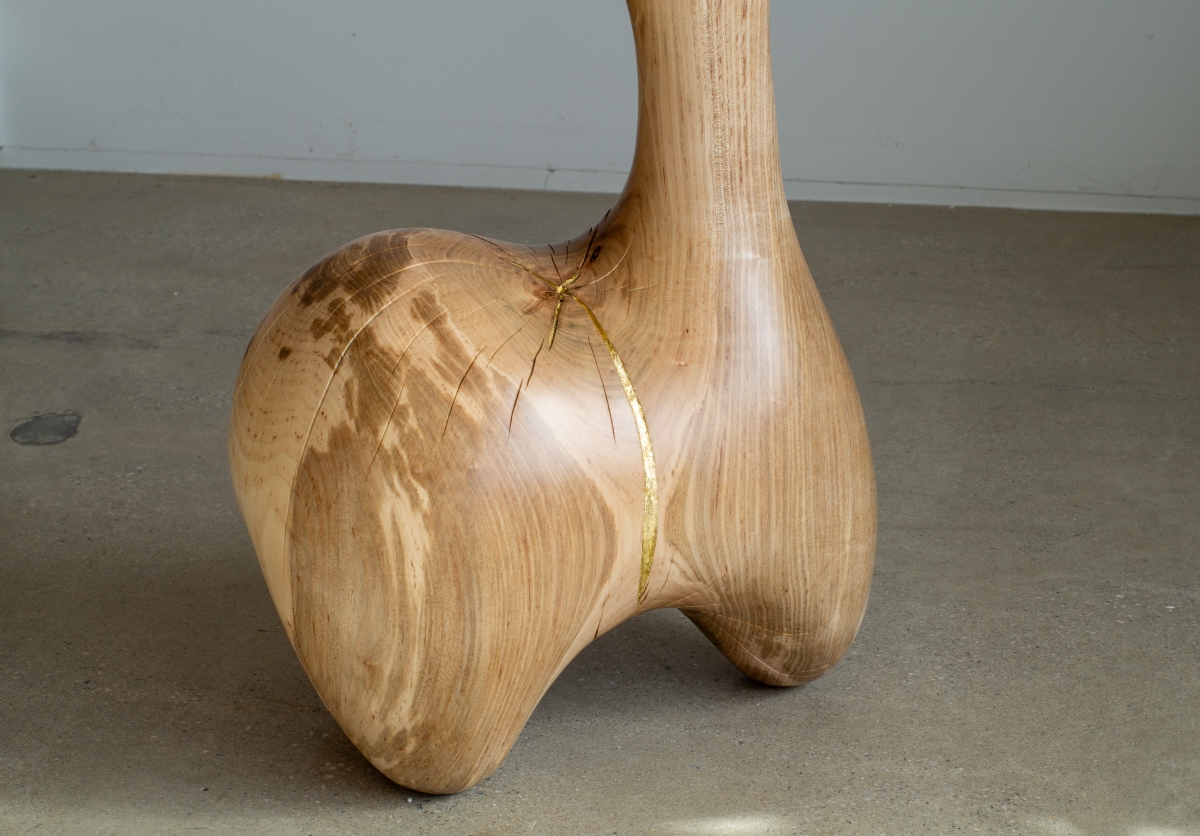
I love the way walnut looks but I also like working with ash, maple, elm, oak, and many others. All trees have their own distinct character and each has a slightly different workability, which is fun to learn about. I don’t really have a specific tree I like most. It’s more about what the piece will be about and what mood or feeling I want to convey in the work that drives the tree selection.
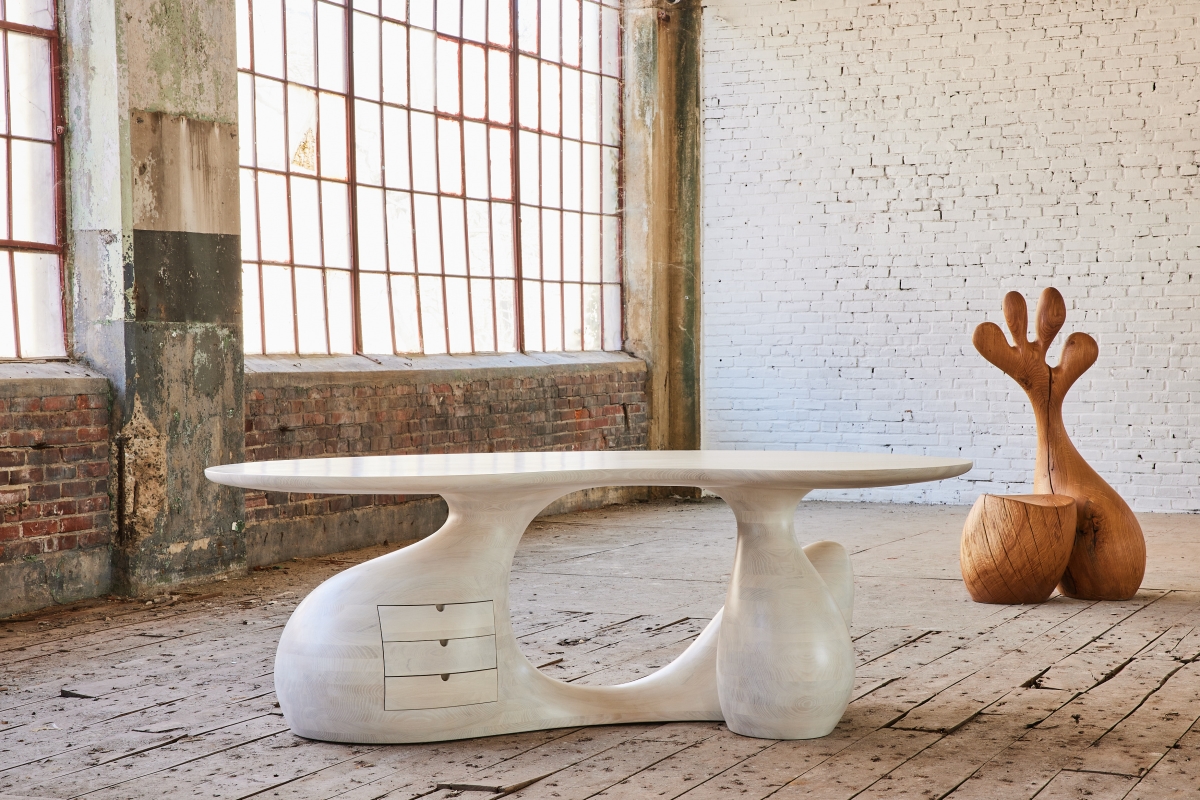
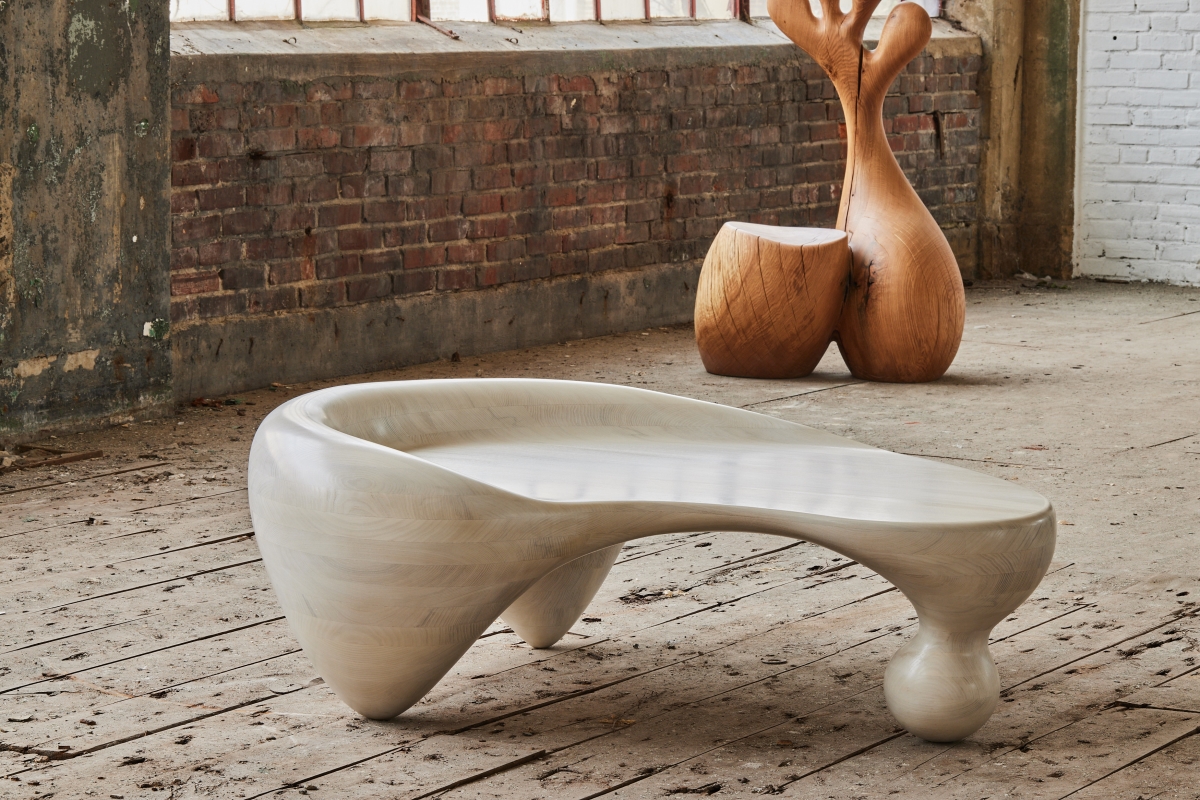
There’s a clear dialogue between architectural structure and organic form. How does that balance emerge in each piece?
The final outcome of the pieces often has an organic form, as does the initial material itself. However, the fabrication technology and the way I get to that final form is very precise and extremely technical. I think my background in a more technical field comes through in the process more than in the final form of my current work.
Collaboration often brings its own challenges. How is creative freedom negotiated when working on commissions or larger projects?
It’s always a combination of the two. I think many jobs come our way because of the work we do. However, you always have to be aware of and collaborate with the client to create something they are happy with and want. I like it when I have some constraints and need to meet the needs of a client. I think some of my best ideas and work come when I am forced to work within project guidelines and constraints.
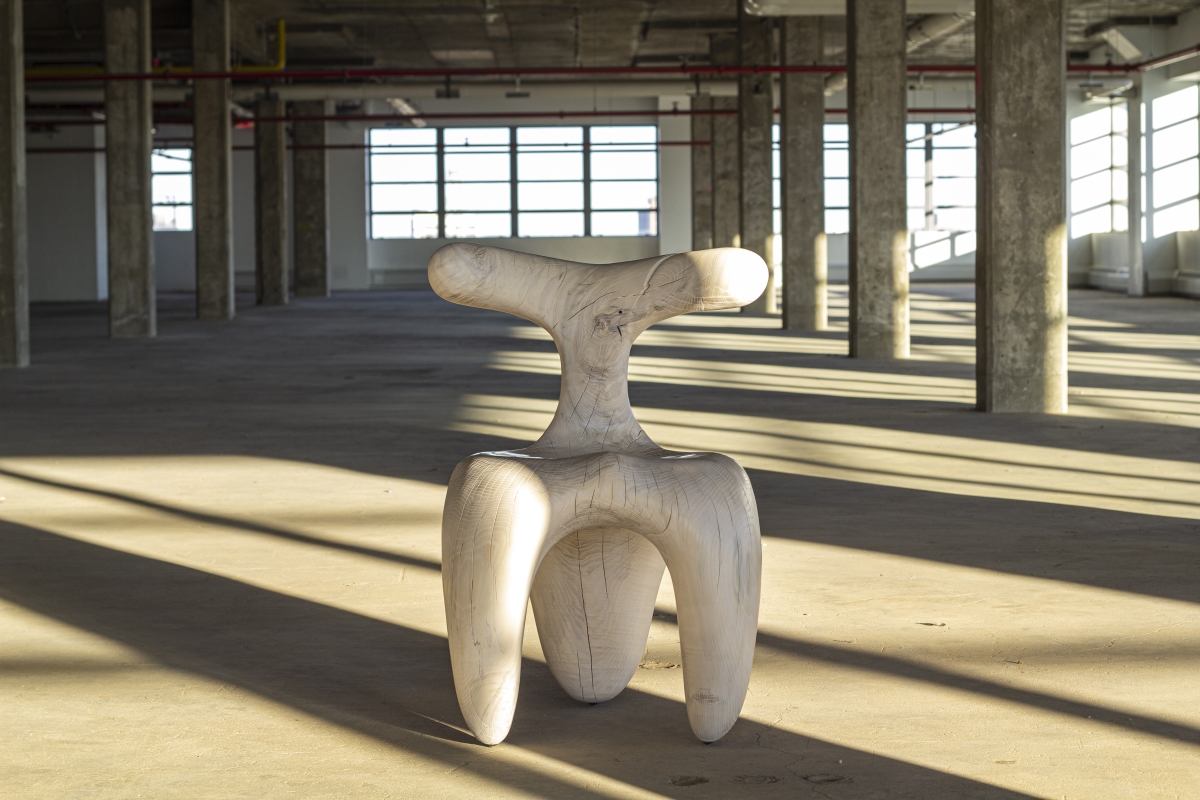
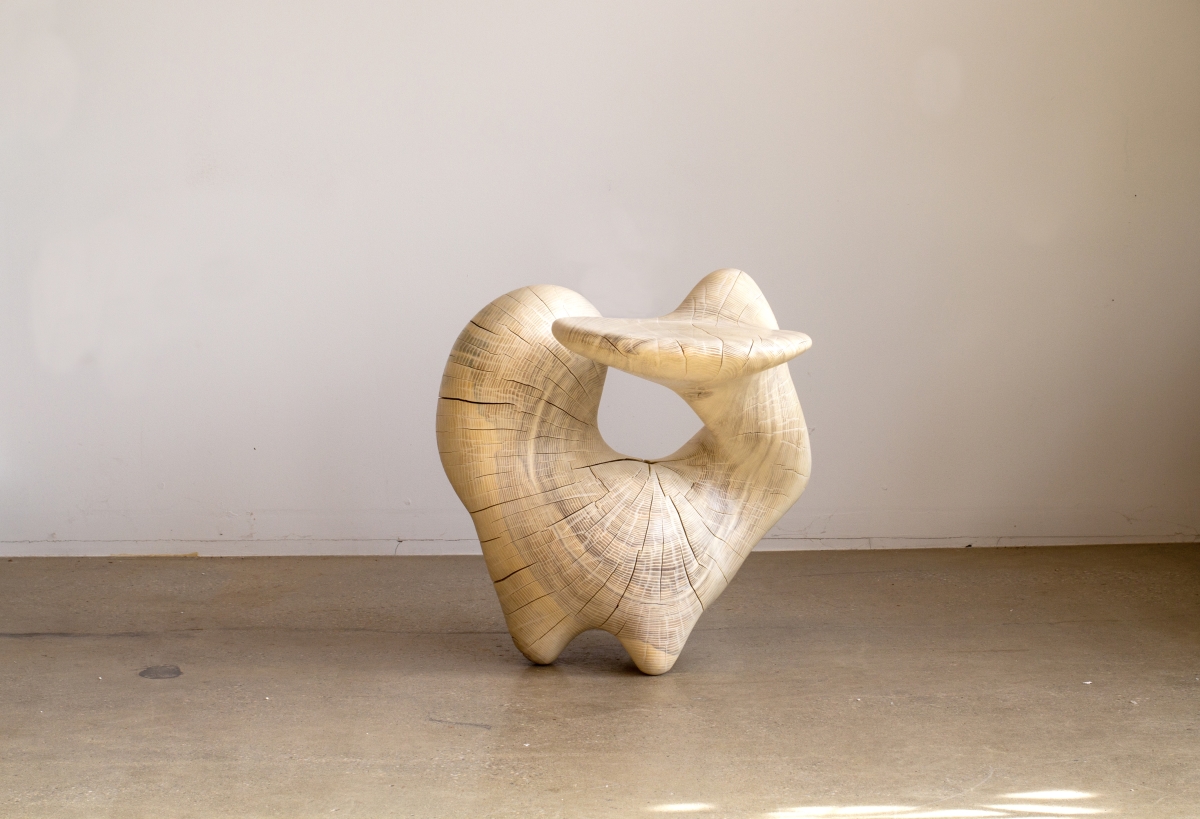
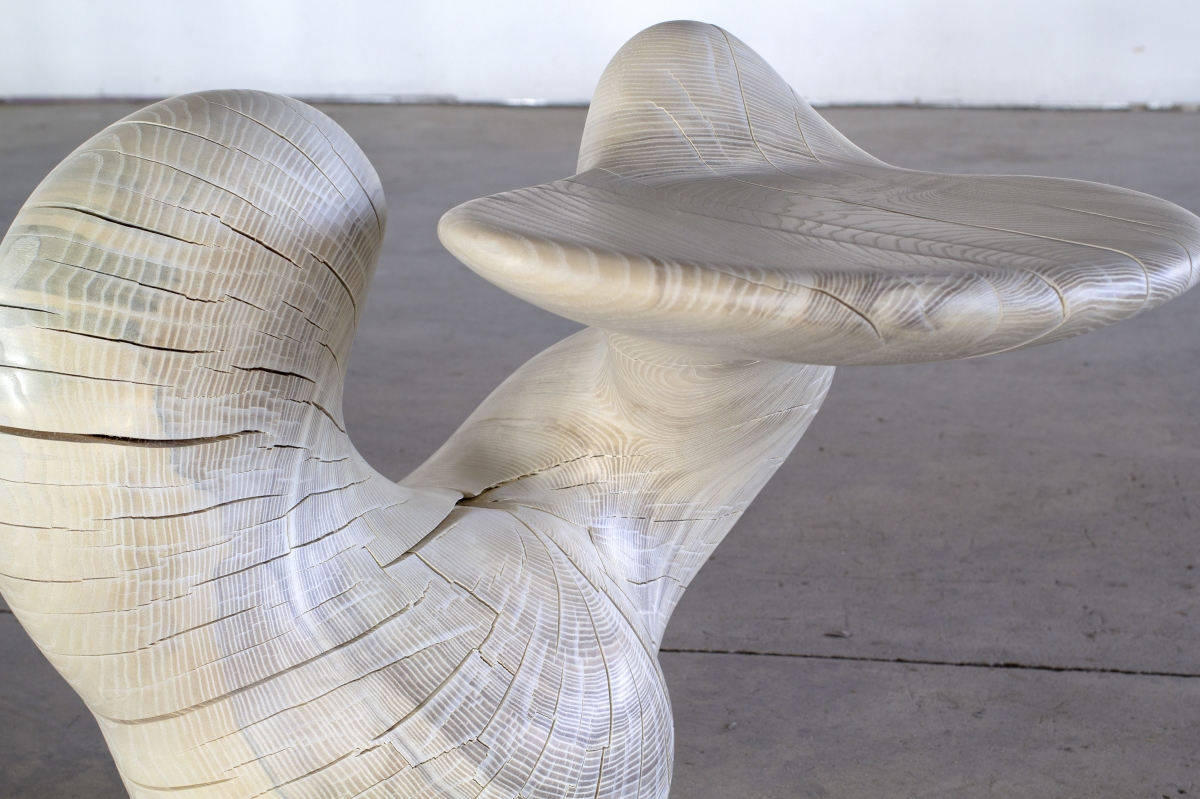
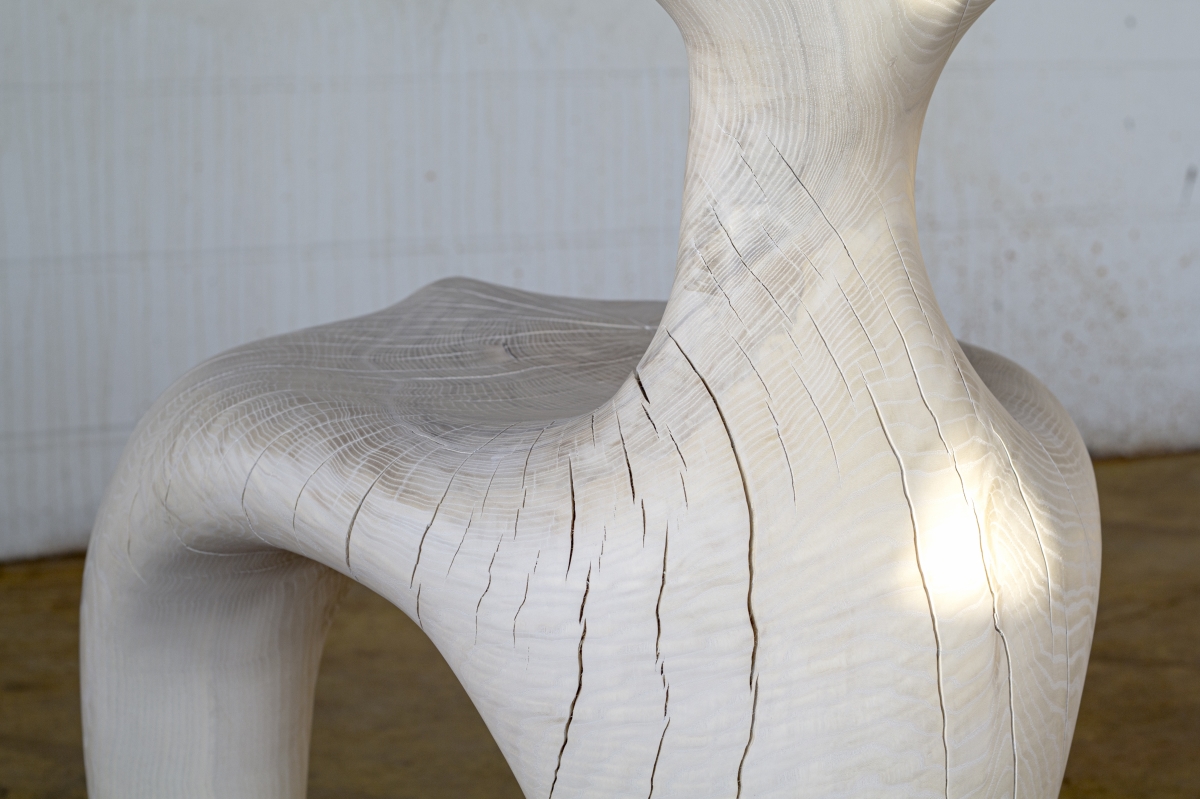
What’s currently unfolding at the studio? Any projects or ideas taking shape that you’re especially excited about?
I am most excited about expanding my personal collection, which focuses on multifunctional floor lamps and side tables. I’m also super excited about some large outdoor pieces that are in the works.
Is there a phrase, thought, or idea that tends to stay close while creating?
That’s a difficult question. I can’t say I have a phrase that is my favorite.
Editor: Kristen Evangelista