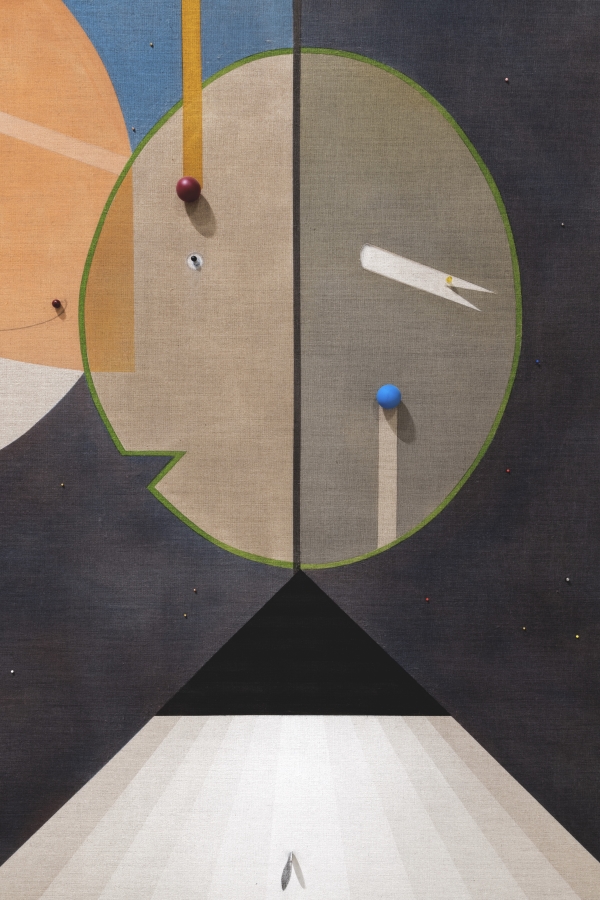
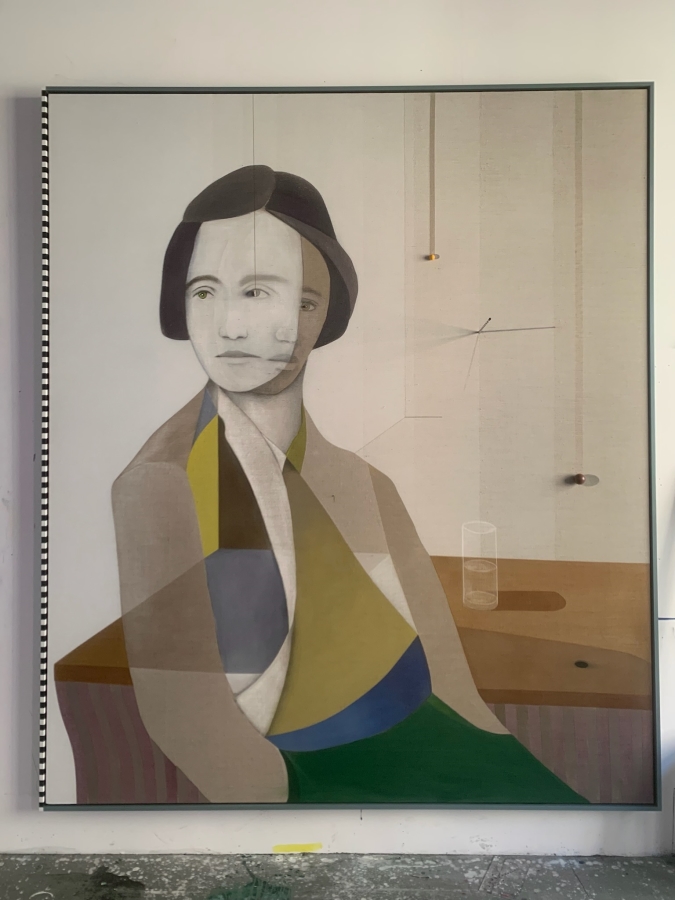
Matthias Bitzer (b. 1975, Stuttgart) is a Berlin-based artist whose practice unfolds across painting, sculpture, and installation, creating intricate visual constellations where time, memory, and fiction intersect. Drawing on figures from literature, philosophy, and history—from Emily Dickinson to Fernando Pessoa—Bitzer constructs spaces where identities overlap and narratives dissolve.
His works often appear as complex networks of geometry and portraiture, bridging abstraction and figuration. Through delicate lines, layered surfaces, and sculptural fragments, Bitzer explores how personal and collective histories are constructed, fragmented, and retold. Each exhibition functions as an evolving system, connecting recurring characters and symbols that inhabit both his visual and written worlds.
The artist’s ongoing interest in storytelling extends beyond the canvas. Many of the anonymous faces in his paintings reappear in an unfinished novel he continues to write, expanding his practice into a kind of literary architecture. This interplay between visual and written forms mirrors his fascination with how memory is shaped by imagination and perception.
Speaking with Art Summit, Matthias Bitzer reflects on the fusion of literature and art, the poetics of time, and his ongoing search for meaning within a universe that is constantly in motion.

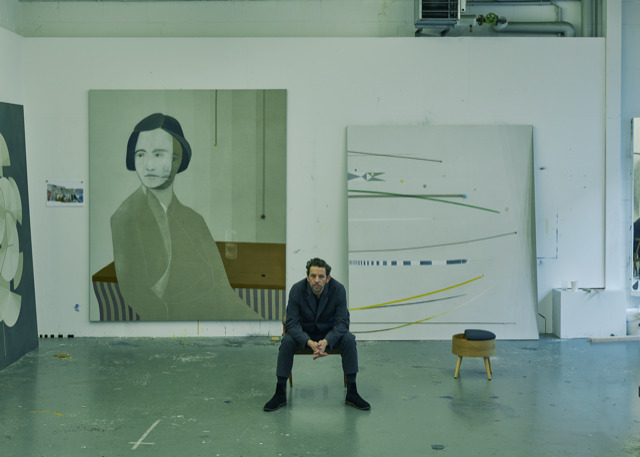
Interview Artist
Matthias Bitzer
By Carol Real
Can you describe your artistic journey and what led you to combine drawing, painting, and sculpture in your works?
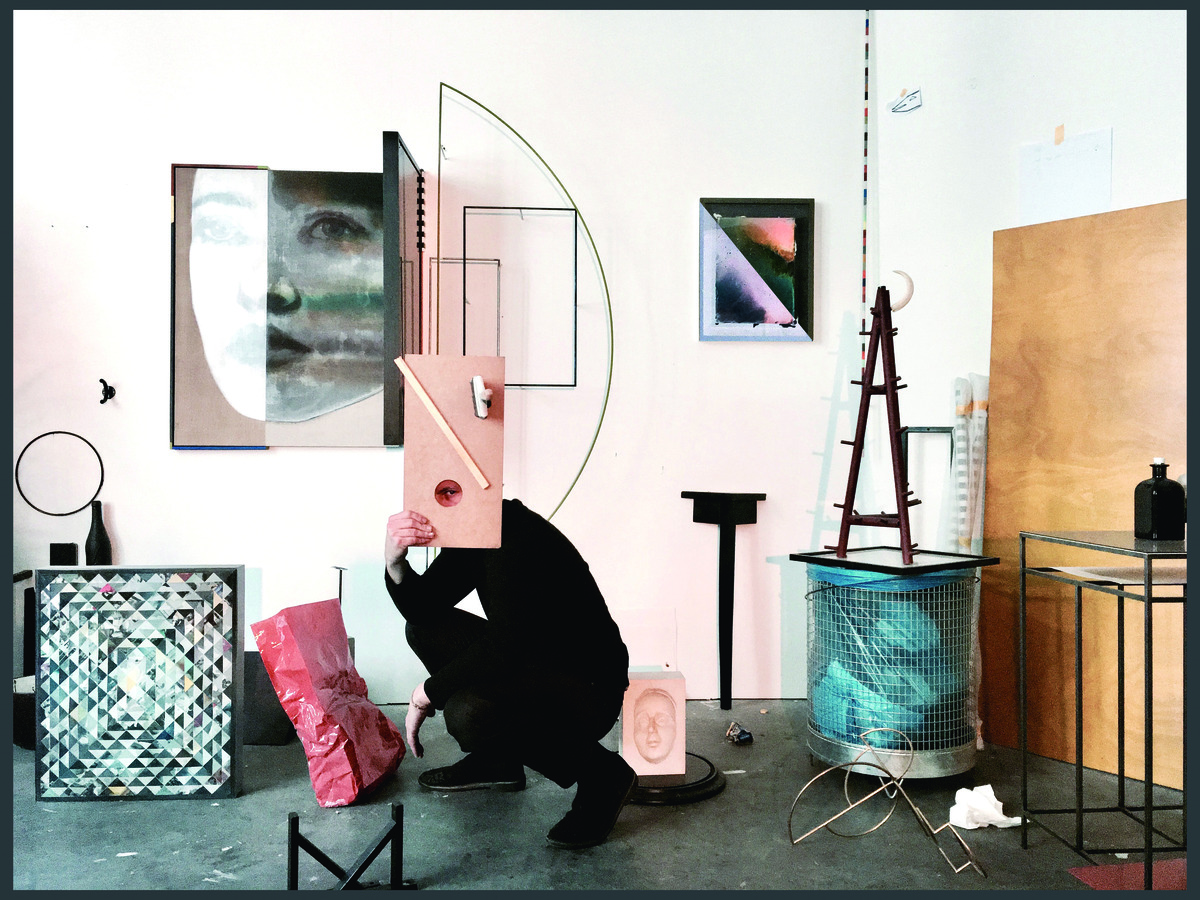
I started experimenting with various materials, media, and styles very early on. To approach a topic, I find it rather limiting to commit to one visual language or medium. When I work on an exhibition, I handle several pieces simultaneously, which creates a kind of mutual chemistry—the pieces develop relationships that I can interweave in the installation. When I install a show, I think of my works as pieces of a spectrum, each independent yet embedded in a larger structure.
The fusion of literary and artistic disciplines is a central aspect of your practice. How do you see these two realms enriching and influencing each other in your creative process?
My work has always been linked to literature, and poetry, in particular, continues to influence it. Good poetry contains a kind of ‘elusive quality’—a delicate arrangement that points at something specific but at any possible moment of focus, it continually eludes a final reading. I endeavor to create that moment in my work–an immersed space that I can charge with a contemporary feeling and respond to the world as I wouldn’t dare in any other way.
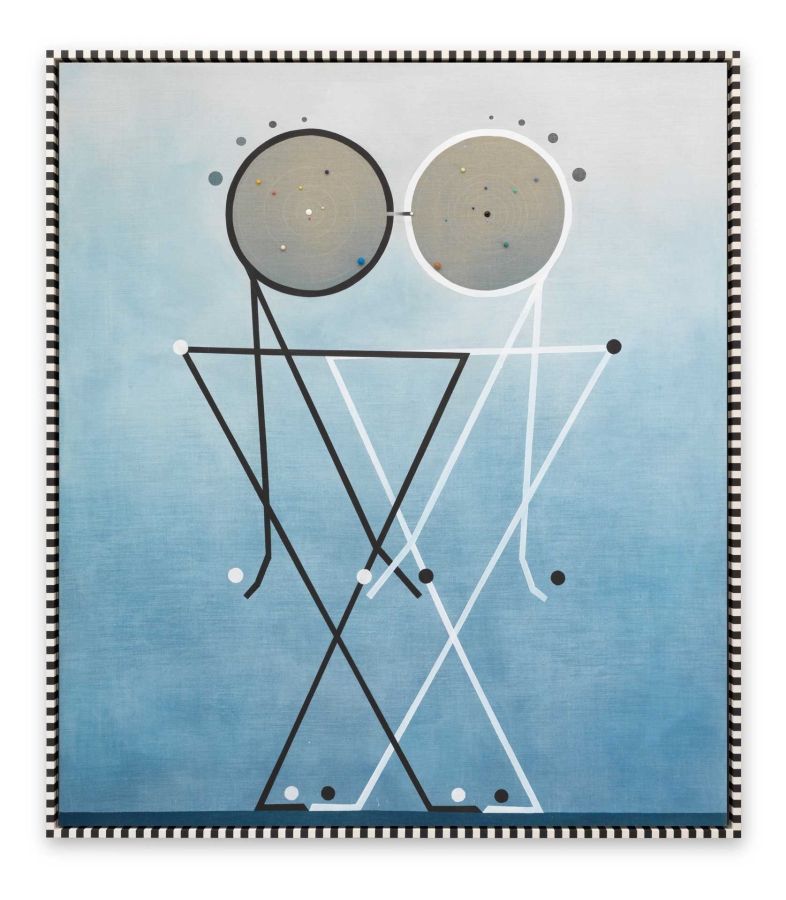
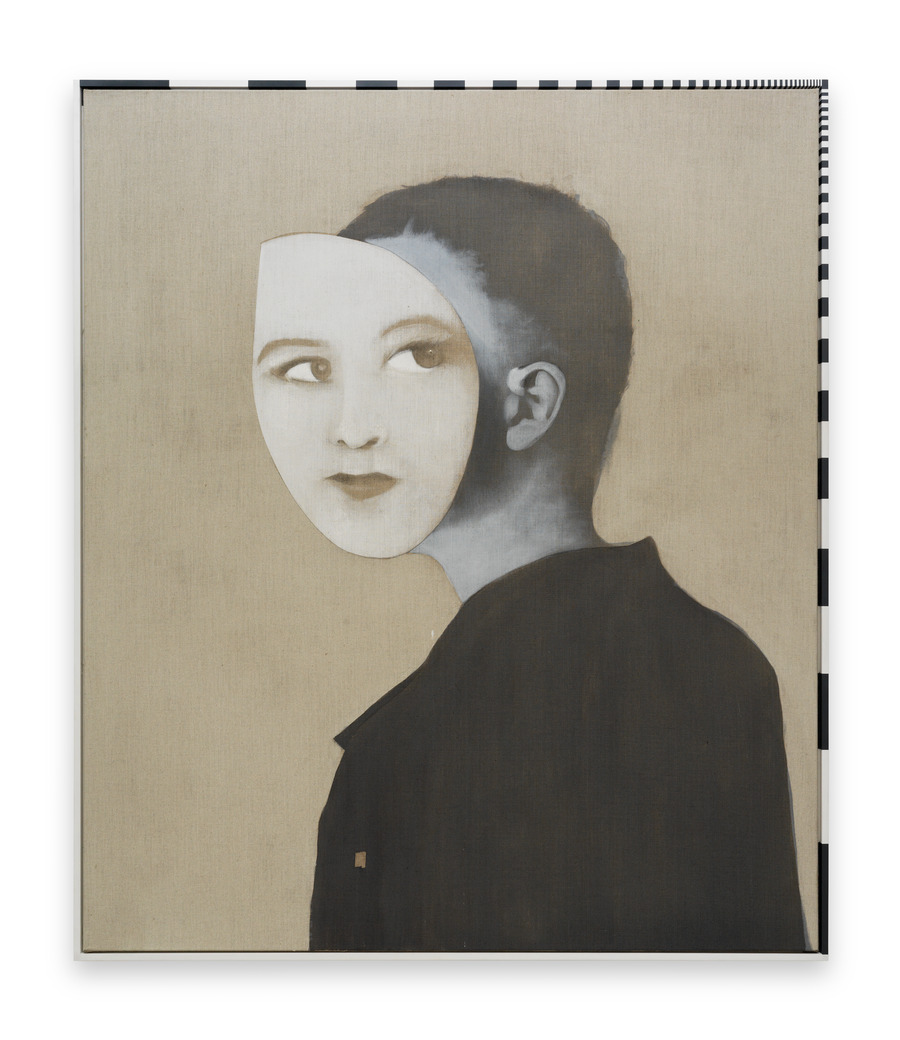
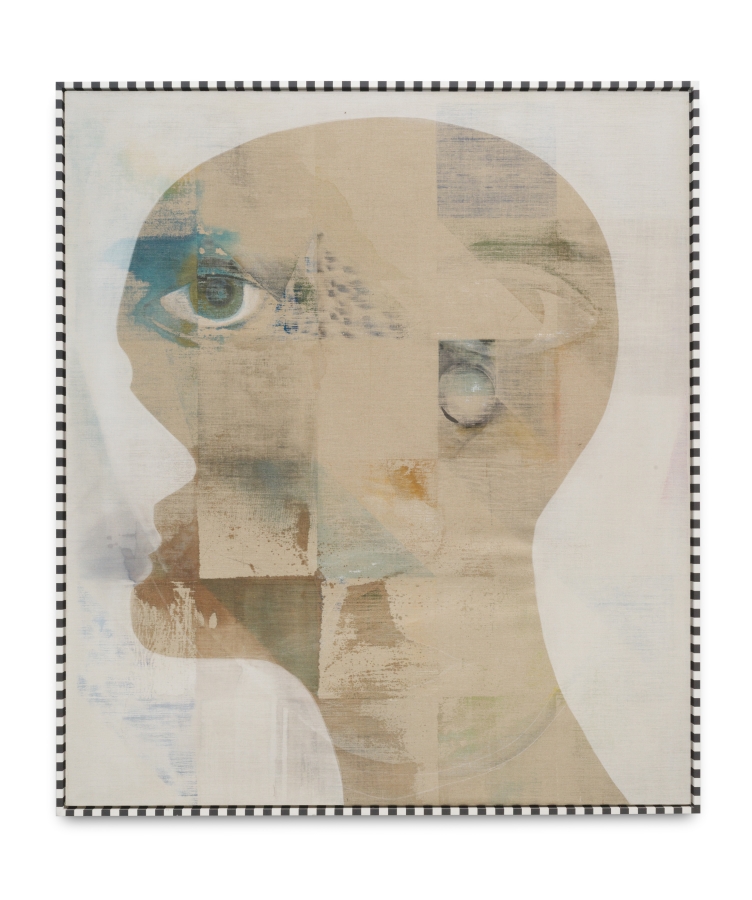
Your art delves into the realms of identity and existentialism. How do you personally relate to these themes and find them resonating in your own life and experiences?
The questions of identity and existentialism that I grapple with in my work are the everyday questions of everyday life—questions that emerge from dealing with the social, political, and my emotional state.
Can you elaborate on the poetic nature of your art and how you infuse meaning and depth into your works beyond their visual appearance?
My work stems from a poetic perspective, looking for rhymes and rhythms intending to draw a deliberate and independent awareness of myself to be creatively active. The idea is to be capable of interpreting the customs, thoughts, and phenomena of one’s era based on one’s judgment.
Have there been any defining moments or pivotal artworks that have significantly impacted your artist career?
I am influenced by many artists, such as James McNeill Whistler, El Lissitzky, Max Ernst, Mark Manders, Sonia Delauney, and Sigmar Polke, just to mention a few. For example, El Lissitzky’s Proun paintings had a profound impact on me. I was inspired by his approach, where he effortlessly blurred the conventional limits, transforming paintings into objects, spaces, and environments. This ease was not only inspiring but also liberating. This realization continues. It’s essential not to fear contradictions or opposing forces. By observing and exploring, one can find ways to bridge even the most contrasting ideas. It’s all about crafting a link that can both glue and lubricate.
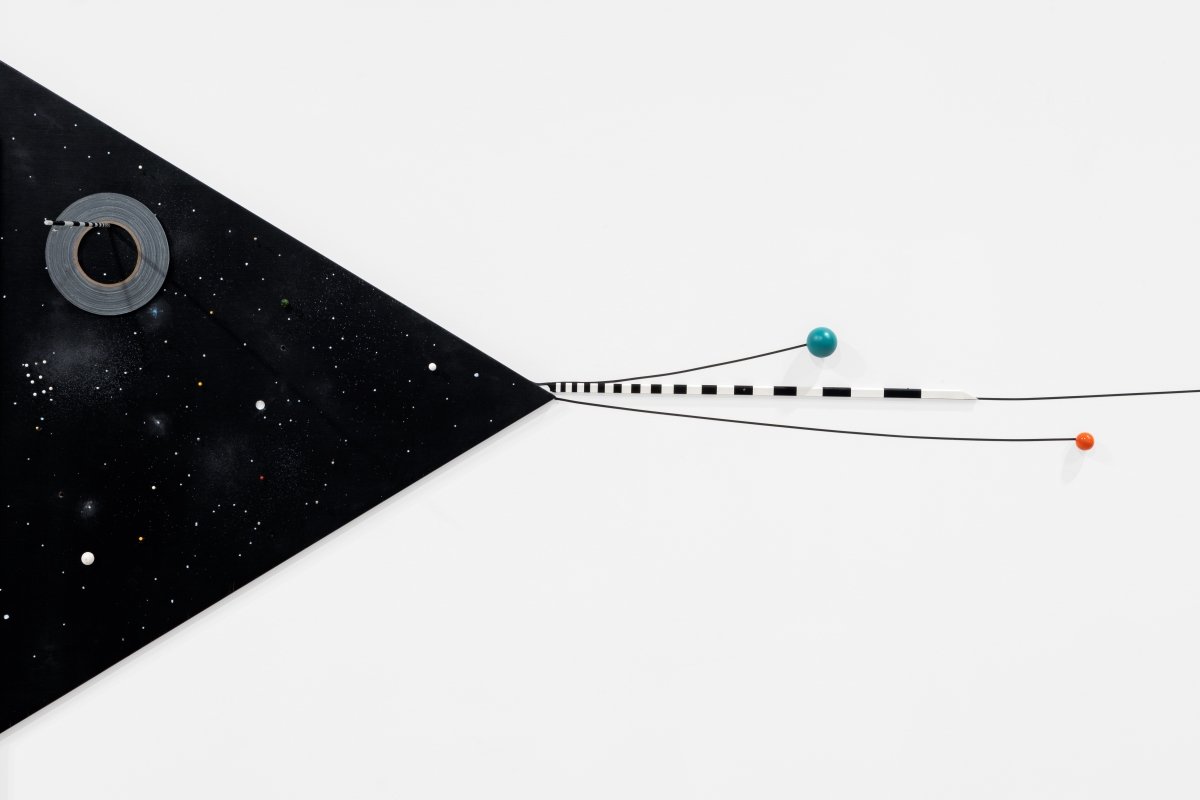
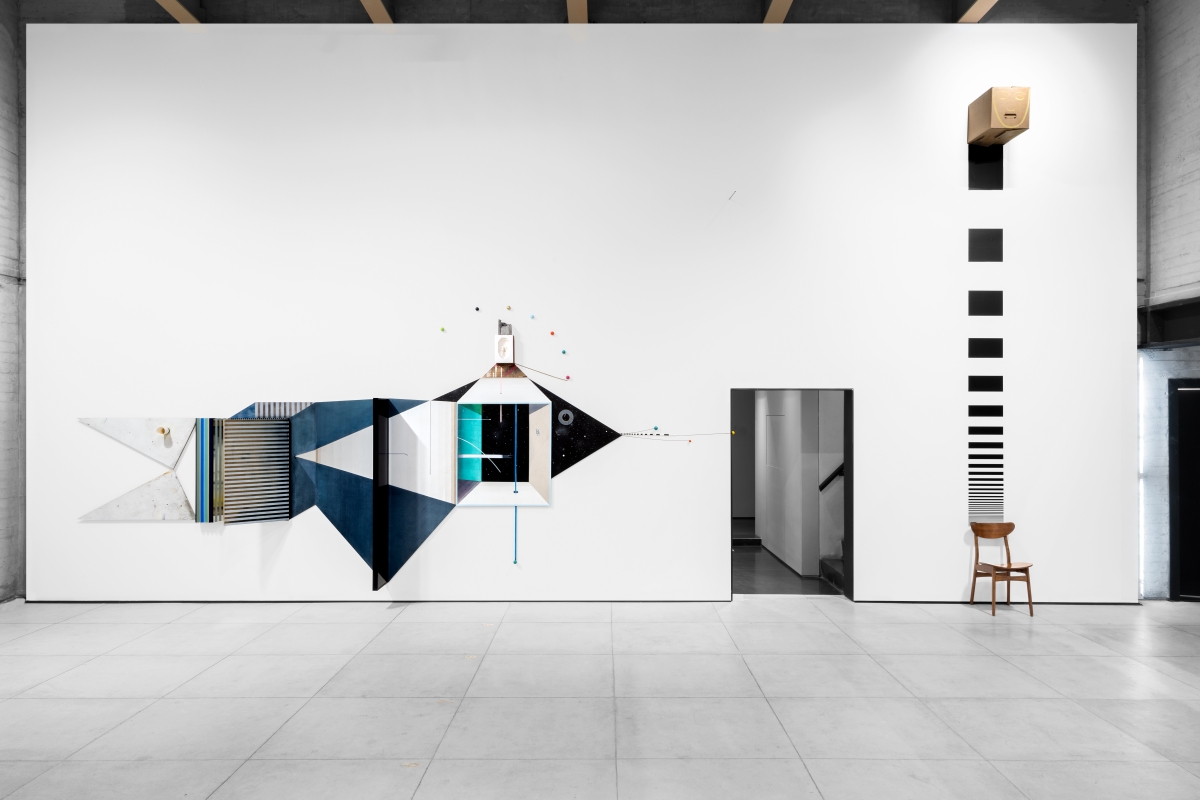
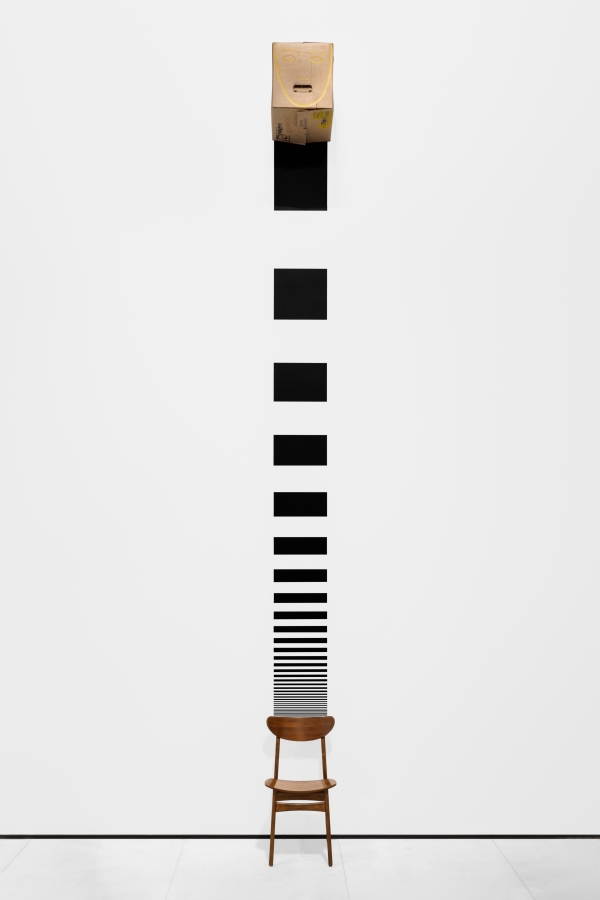
What is your perspective on time?
The answer varies depending on whether we’re considering an 80-year average life expectancy or the 14 billion years since the Big Bang. Time, as we perceive it, is a construct of consciousness, with each individual experiencing it uniquely. The anticipation felt by someone waiting for a meeting contrasts starkly with the hurriedness of someone running late to that same meeting. Descriptions such as ‘long’ or ‘short’ suggest a linear nature to time. However, I lean more towards viewing time as something that envelops us. I’ve learned that, before the age of precise timekeeping, people in China used to burn perfumed charcoal to demarcate time. The scent would persist for a set duration. This notion is quite intriguing.
What inspires you to explore history and identity in your art, and how do you choose the historical figures that become subjects in your pieces?
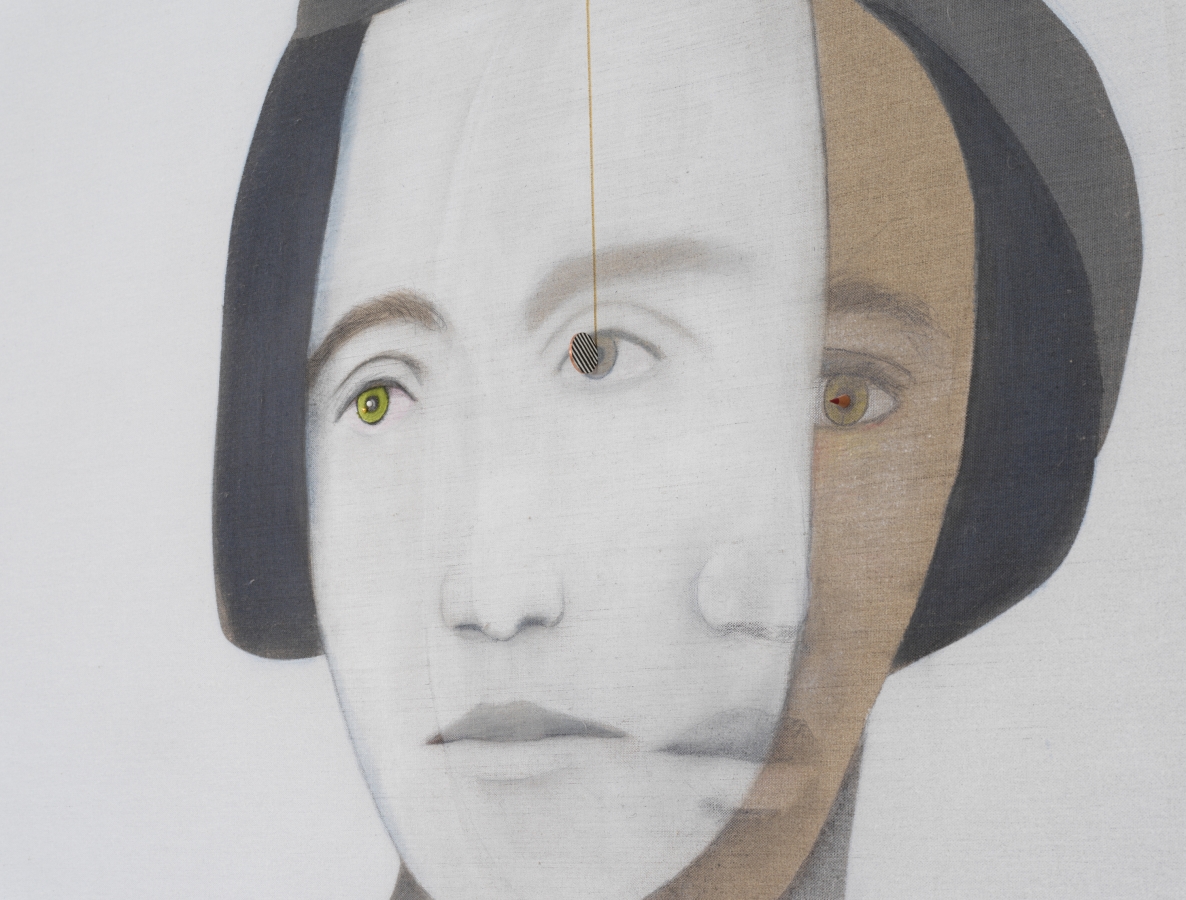
I have always had a keen interest in history, particularly biographies. I firmly believe that reading biographies is instrumental in gaining a comprehensive understanding of a specific time period. Throughout the years, I have focused on several figures in my work, such as Fernando Pessoa, Emmy Ball-Hennings, and Leopoldo Fregoli. What unites these diverse individuals is their shared desire to explore the world from various perspectives. Pessoa created heteronyms, while Fregoli managed to convincingly transform into a multitude of other characters within a one-hour stage performance. Both were able to see a larger image of the world.
You mentioned weaving concepts from various thinkers into your installation. How do these philosophical and literary ideas influence your artistic choices and resonate with your audience?
Engaging with philosophy, especially the literature of existentialism and new realism, greatly influences my work. Above all, it has instilled the desire to make sense of the world around us. Only then can one act and make decisions.
Your works often act as vessels that convey meaning. How do you perceive your artistic role and impact on the ever-changing world?
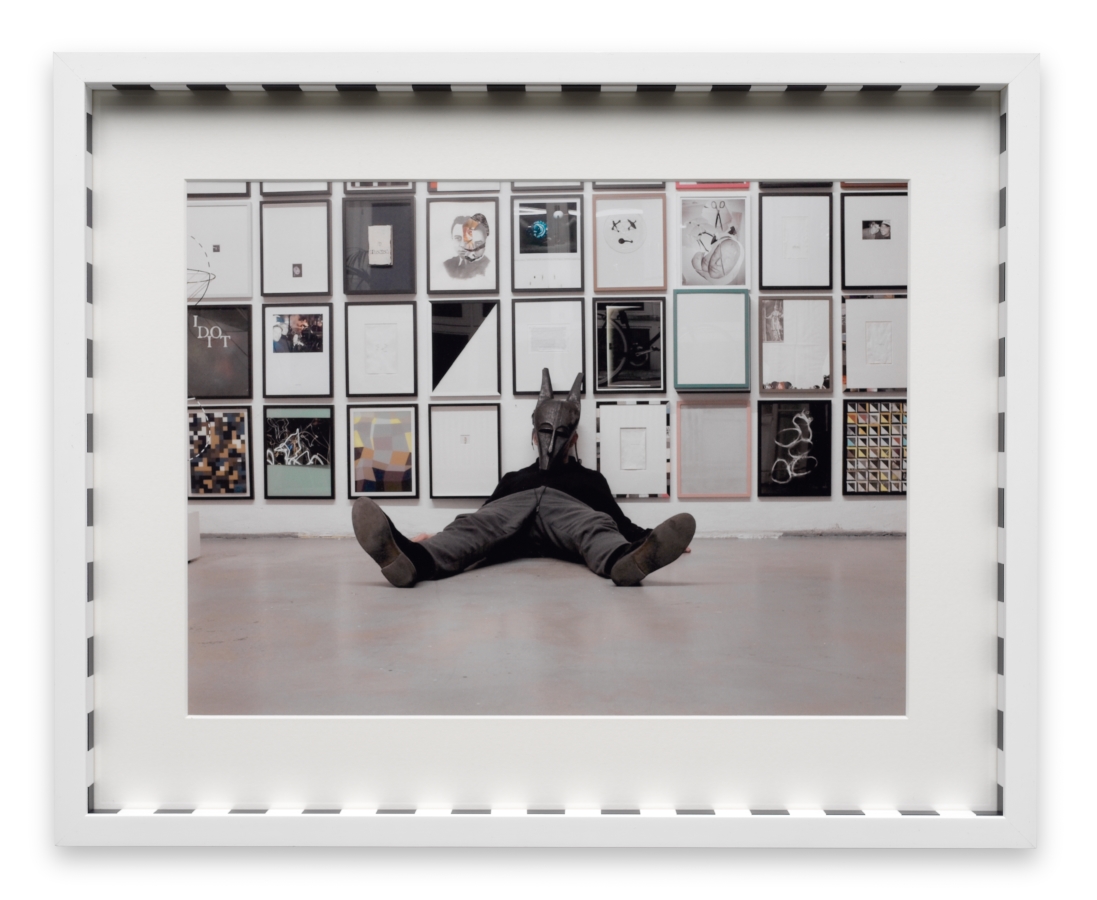
Fundamentally, in my work, I search for something that aligns with this idea of perpetual change. For example, Cosmic Rationality is a declaration of love to this elusive mechanism that somehow orchestrates our universe. Everything seems to just fall into place. Think about it: countless atoms continually impact our minds, and yet some concealed mechanism transforms them into concepts like Mondays, Tuesdays, raindrops, and pylons. It just blows my mind. I’ve poured countless hours into this piece, repeatedly refining it over months. I’ve added, removed, and modified various elements—cuts, coalitions, compartments. It has already undergone several iterations. I continued to make changes until the very last day before its debut. Even now, this might not be its final form.
How do you balance addressing current issues while allowing room for open interpretation in your artworks?
Proust once said, “Consider my work as a kind of glasses. Wear them. If they suit you and you see more with them, keep them.”
Can you share any upcoming projects or collaborations that inspire you and represent new directions in your artistic practice?
I am working on upcoming shows at Francesca Minini (Milan, Italy) and at Almine Rech Paris, both opening in early 2024. The shows will include new mirror paintings, drawings, and light installations.
Image credits: All images courtesy of the artist
Editor: Kristen Evangelista