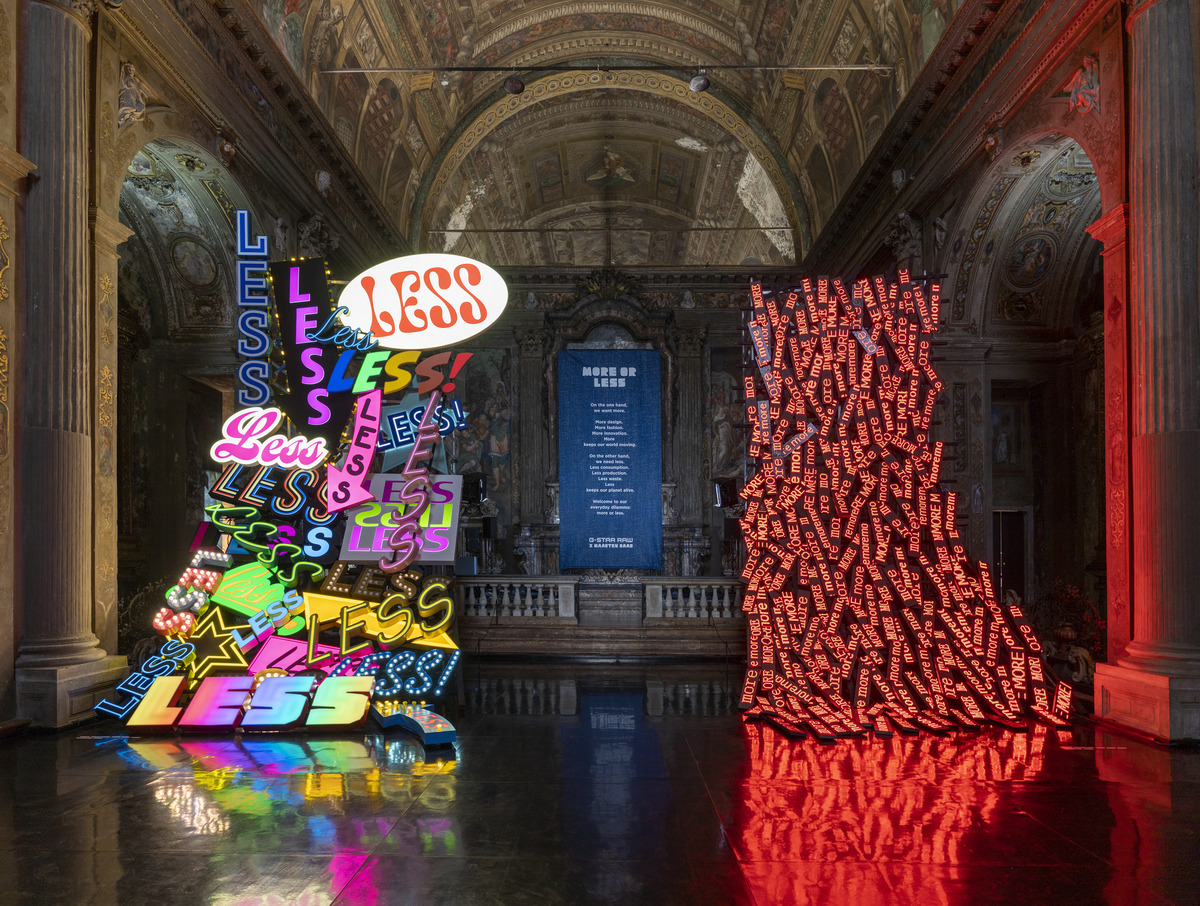
Maarten Baas (b. 1978, Arnsberg, Germany) is one of the most distinctive voices in contemporary design. His work blurs the line between art and functionality, turning everyday objects into reflections on time, imperfection, and human experience. A graduate of the Design Academy Eindhoven, Baas first gained international recognition with his Smoke series, in which he charred and preserved furniture in layers of resin, transforming icons of design history into meditations on destruction and renewal.
Throughout his career, Baas has embraced unpredictability. From Clay to Real Time and Haphazard Harmony, his practice has remained guided by intuition and the handmade. His works often appear playful or imperfect at first glance, yet they are deeply conceptual, rooted in questions about order, chaos, and the rhythm of life. Whether designing clocks that measure time through human gestures or sculptures that critique digital speed, Baas insists on restoring the human touch to the mechanical world.
Speaking with Art Summit, Baas reflects on the tension between precision and spontaneity, the illusion of control in our digital age, and the poetic value of imperfection. His words reveal an artist who doesn’t seek to master time, but to understand its texture—to remind us that slowness, irregularity, and fragility can be forms of truth.
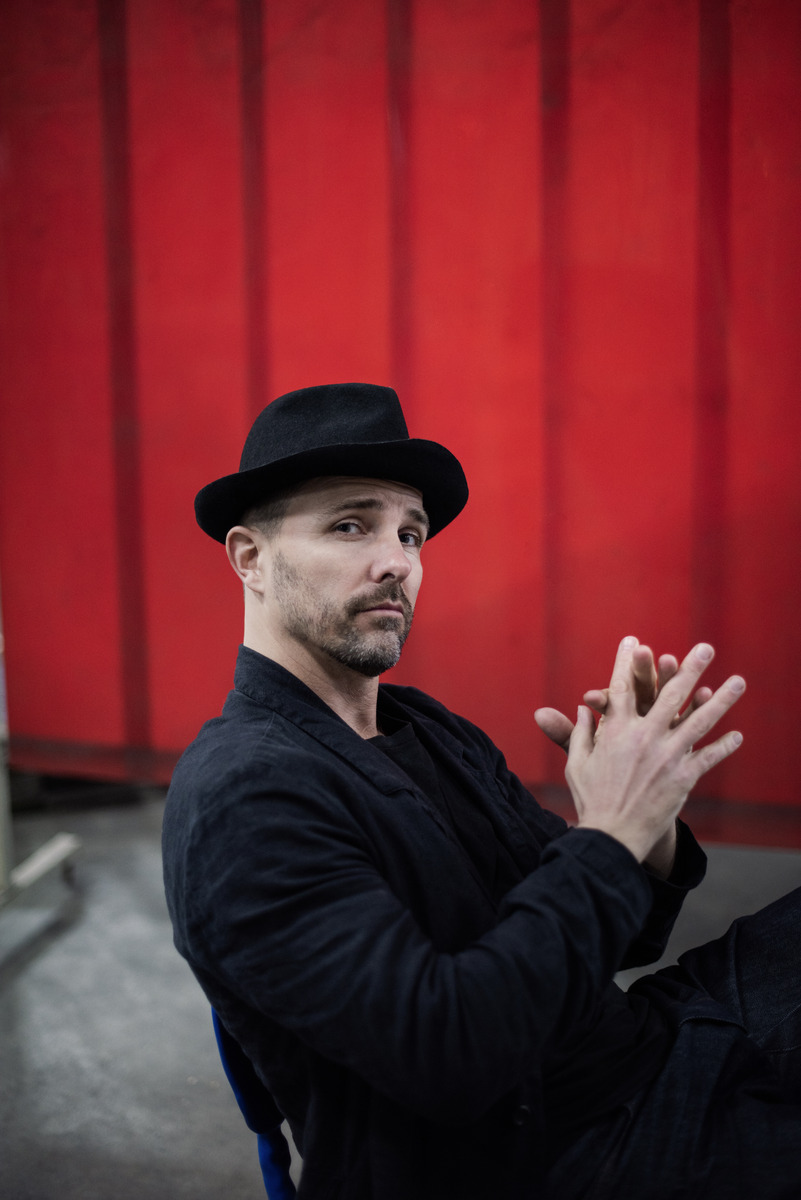
An Interview with Maarten Baas
By Carol Real
What inspired you to merge art and design in your artwork?
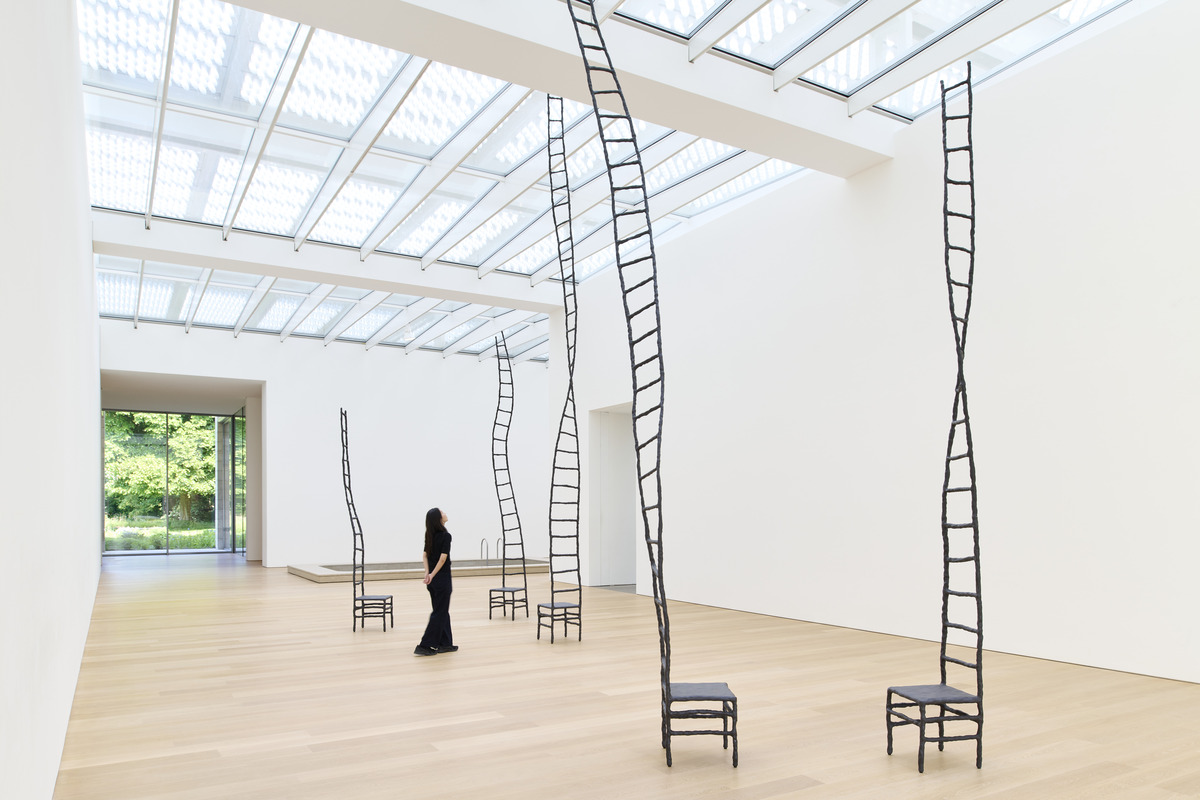
I consider myself more of an artist who expresses ideas, and these ideas happen to manifest in functional objects. While some artists use paint or photography, I use functionality as my medium of self-expression. Although I increasingly create non-functional pieces, my design background motivates my exploration. I often view functionality as an integral part of the artistic message. Consider the Real Time clock—it may not be the most efficient way to tell time, but it creates a unique artistic experience. It syncs with the actual time on your watch, adding to its artistic strength. The same applies to my clay pieces; despite their fragile and clumsy appearance, the fact that the drawer functions smoothly and you can sit on the chair makes them valuable.
How do you personally experience time in your creative process?
The creative process is a very irrational and non-linear journey, much like time itself. Despite attempts to depict it linearly as a progression from A to B, measured in equal segments like hours and minutes, our experience is complex. Time feels fast, slow, repetitive, and, especially within a creative process, you may find yourself revisiting the past. Sometimes, it’s necessary to revisit decisions that didn’t yield the desired outcome and redo certain steps more effectively. The creative process is even more chaotic; ideas can emerge from anywhere, including the subconscious, with delays between inspiration and application. Time pressure or simple actions can induce creativity, but recognizing incubation time is crucial. Time resembles more of a roller coaster or a labyrinth than a clock or a calendar.
In your opinion, how does the artistic exploration of time contribute to a deeper understanding of our existence?
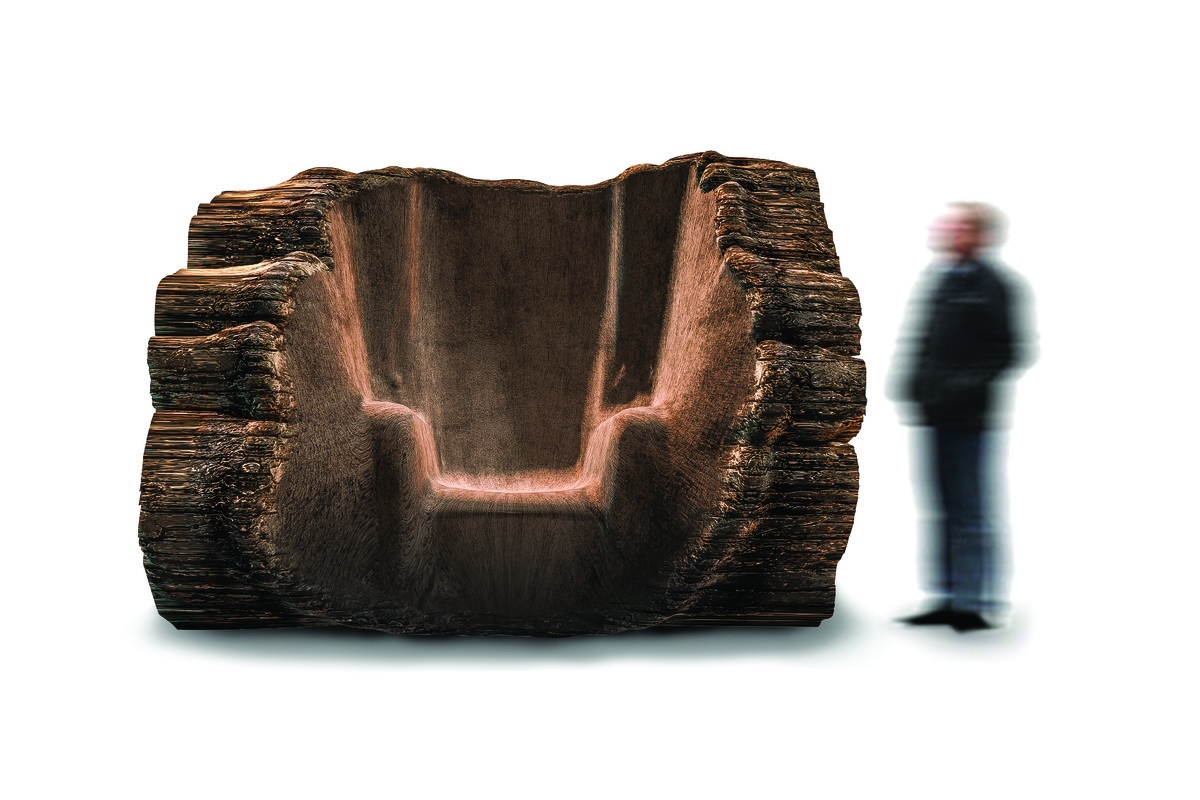
I appreciate the deliberate slowness in my “Real Time” series. In recent decades, or perhaps over a century, there’s been a push for speed in our lives, even when things naturally take time. For example, the Treetrunk Chair project involves a negative mold of a chair slowly growing into a tree, taking 200 years to complete. While working on this project, I gained a clear perspective on the relativity of time. Why worry about the next hour when there’s an eternity before and after that moment? The process of creating the tree trunk chair felt like “zooming out” and gaining a broader view of the “map of time.”
How do you perceive the relationship between chaos and order in your work?
I appreciate certain boundaries in most of my work, which is one reason I initially chose design as a path. There are inherent restrictions that one must adhere to. Similarly, the balance between chaos and order appeals to me. While incorporating chaos, irregularity, and imperfections, I also value the presence of boundaries, professionalism, and well-finished details. Without chaos, things become dull and impersonal, but without restrictions, the work can appear unruly and careless.
Could you provide more details on the social critique in your Sweeper’s Clock, specifically regarding labor and time?
One of my early creations, Sweeper’s Clock, represents the circular motion of time and the continuous act of sweeping, which can simultaneously evoke feelings of peace and comfort as well as boredom and sadness. The act of cleaning, particularly dusting–symbolic of the passage of time–is a never-ending task. This work was inspired by Dutch artist Teun Hocks. When I was a student, I asked him about his motivations as an artist and his response was quite thought-provoking: “Well, a man has to have something to do.” This statement was both demoralizing and motivating for me.
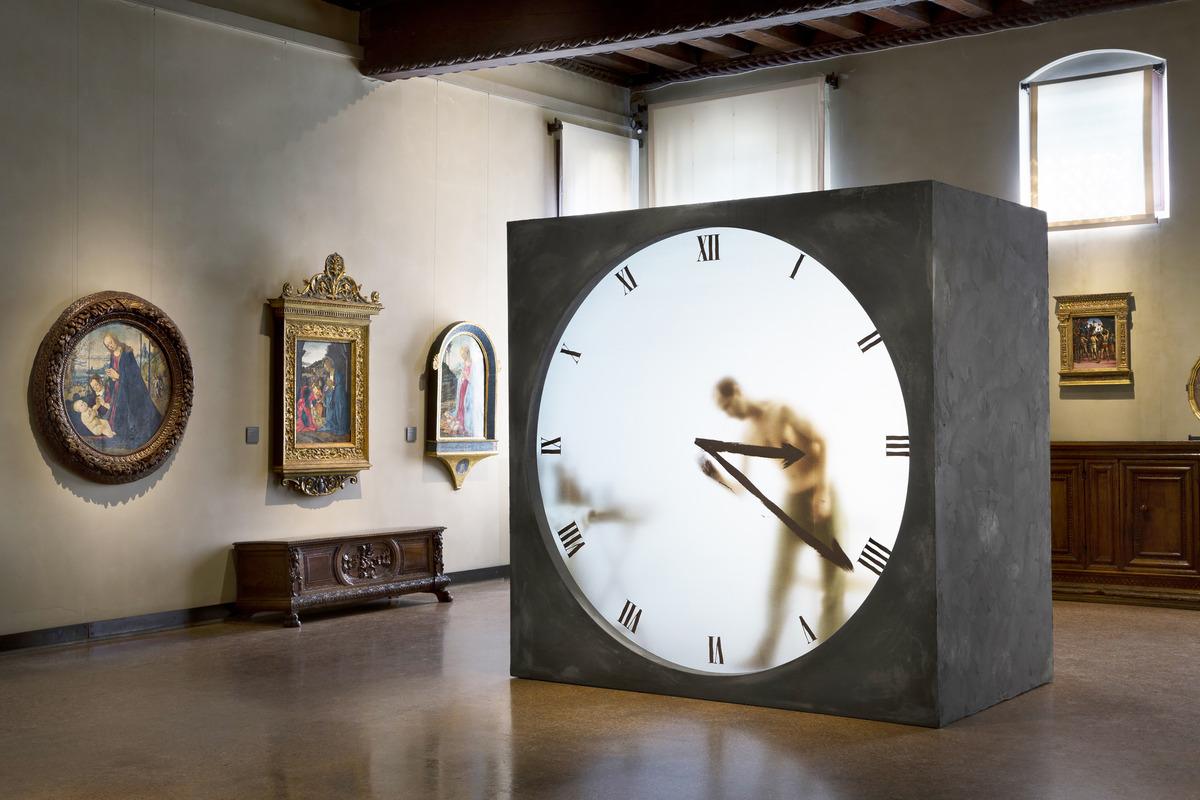
What message does your artwork Analog Digital Clock convey about our digital age by blending analog and digital elements?
The suggestion of precision in digital clocks fascinates me. It implies that humanity has a clear understanding of time, which isn’t necessarily true. Therefore, I reintroduced the human element into the concept of digital time, making it less accurate. Human perception ultimately shapes our understanding of time.
What do you intend for viewers to glean from your “Clay” series, which emphasizes the fluidity of time?
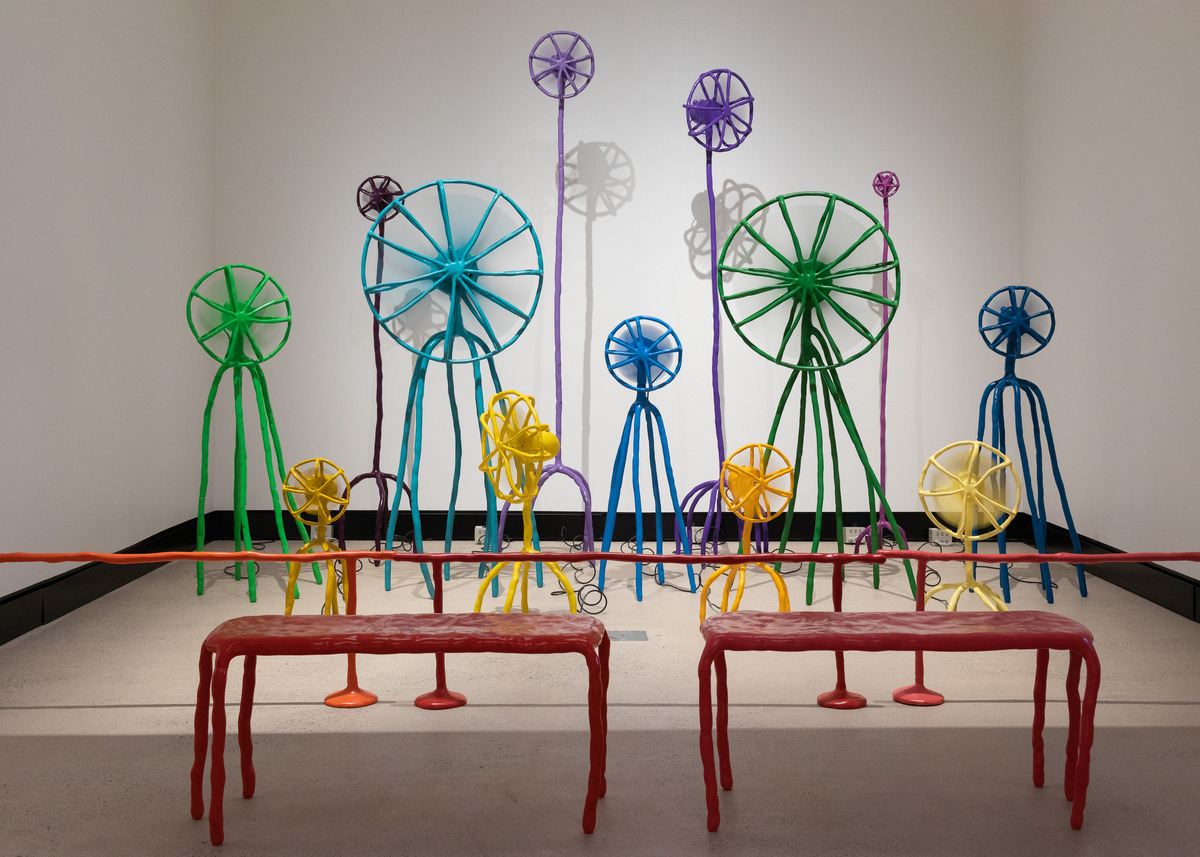
The “Clay” series consists of seemingly childish and clumsy pieces. However, they possess the functionality and strength that only an adult with technical skills could achieve. This series aims to bridge the gap between the spontaneity and open-mindedness of childhood and the acquired skills of adulthood. It reflects on the passage of time and how it transforms us.
Your “Where There’s Smoke…” series challenges our perception of time and creation. What was the inspiration for this series?
Each piece in the “Where There’s Smoke…” series is iconic and firmly embedded in people’s minds. These symbols are anchors in our perception of the world. By burning them, I seek to question these anchors. It’s a slightly uncomfortable process but also liberating as it challenges long-held beliefs and dogmas.
How does your art comment on the transitory nature of contemporary culture and society?
My work often responds to current events. The series “Smoke” was created after 9/11 as a symbol of a new beginning. The series “Real Time” was a moment of reflection following the 2008 financial crash. More recently, I crafted a private jet out of recycled materials to explore the tensions between consumption and the environmental agenda that pervades today. The installation I think therefore I was features thousands of people saying “I think…” in a cacophony of videos sourced from YouTube. It’s a commentary on the age of social media, where everyone has a platform and audience. I enjoy challenging people’s assumptions and being a part of the ongoing societal discourse.
How do you navigate the boundary between functional design and conceptual art?
I see no strict boundary between functional design and conceptual art, exploring various mediums and approaches based on the situation, context, and my creative vision. Whether through video, performance, theater, sculpture, photography, design, or a combination, I use whatever disciplines are necessary.