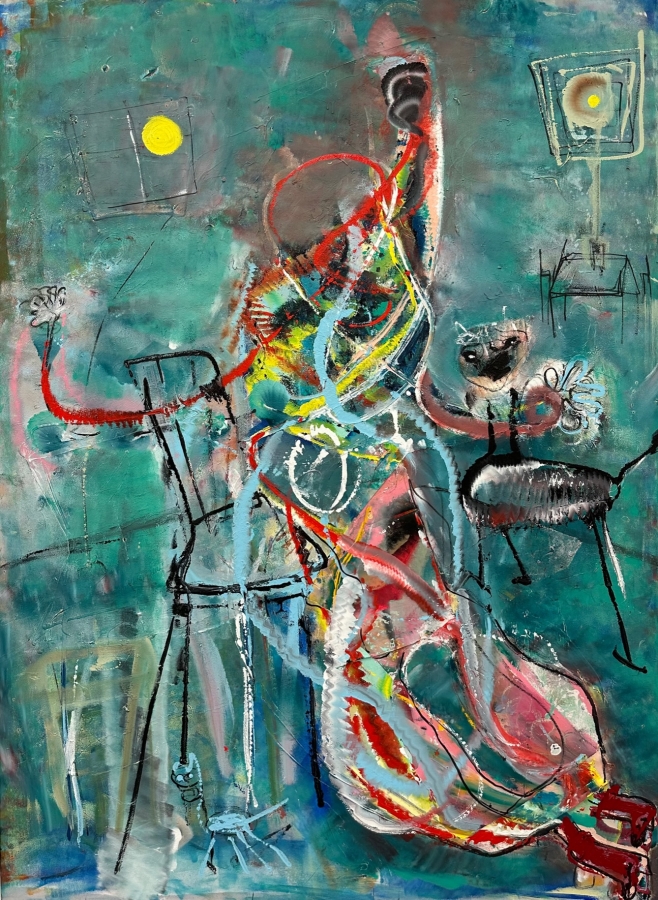
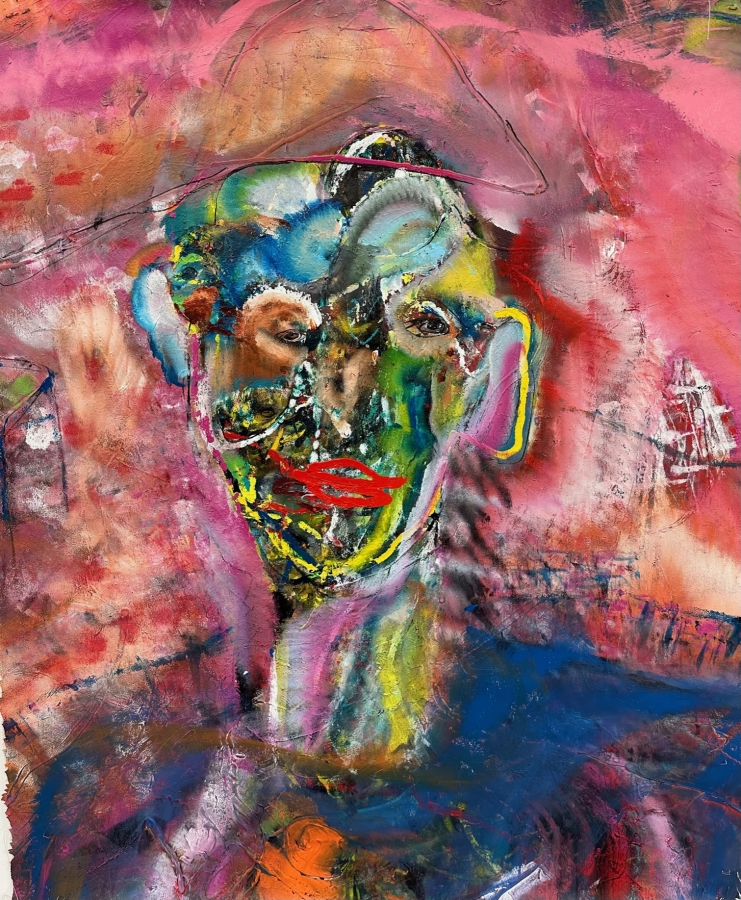
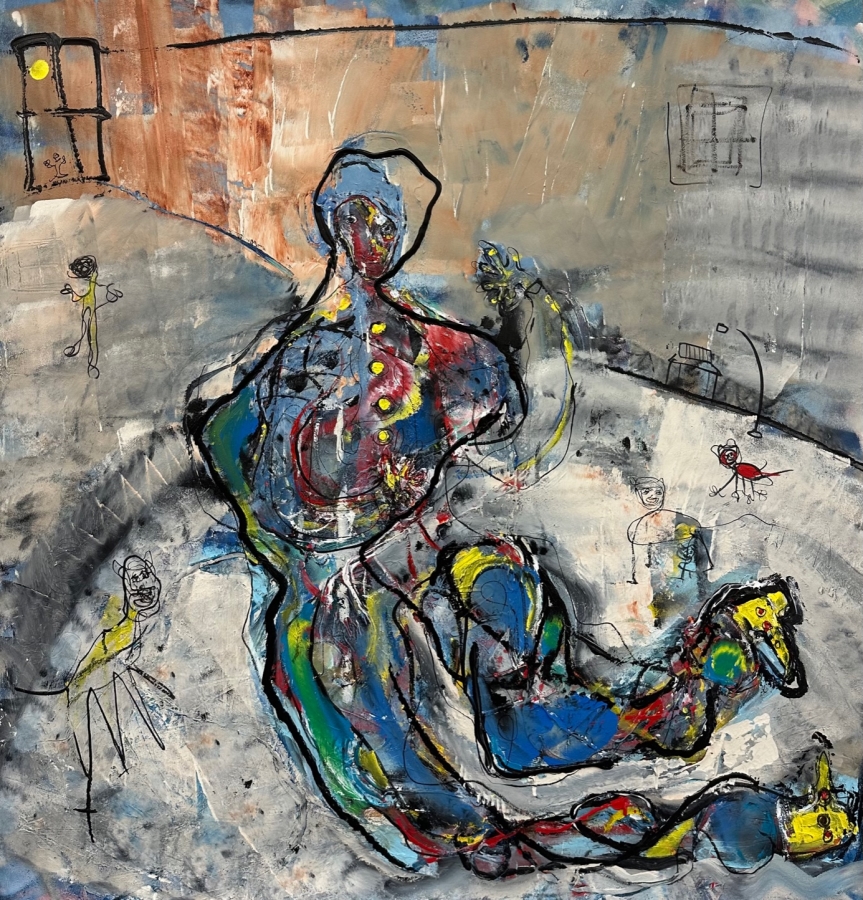
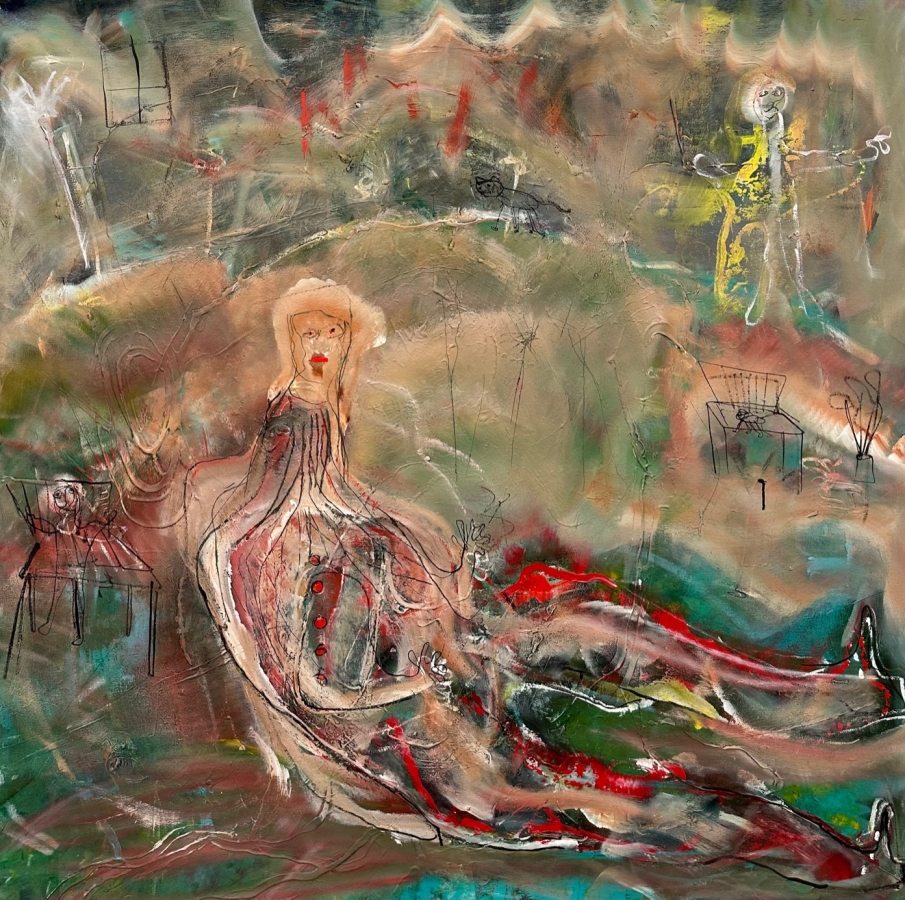
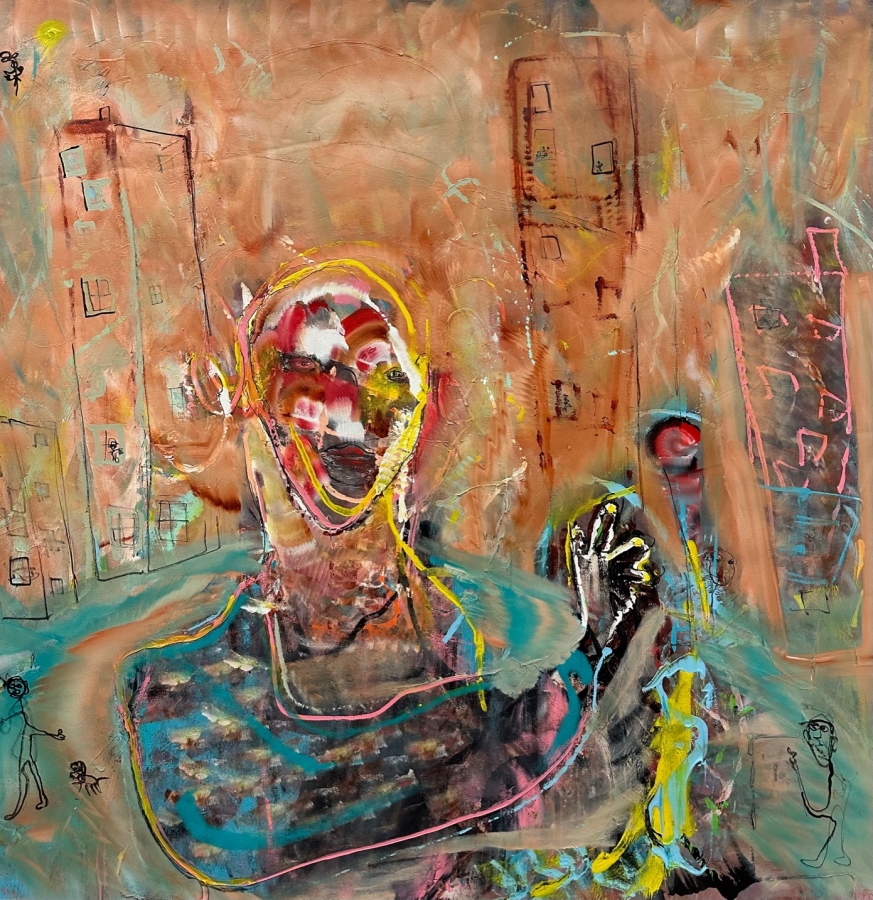
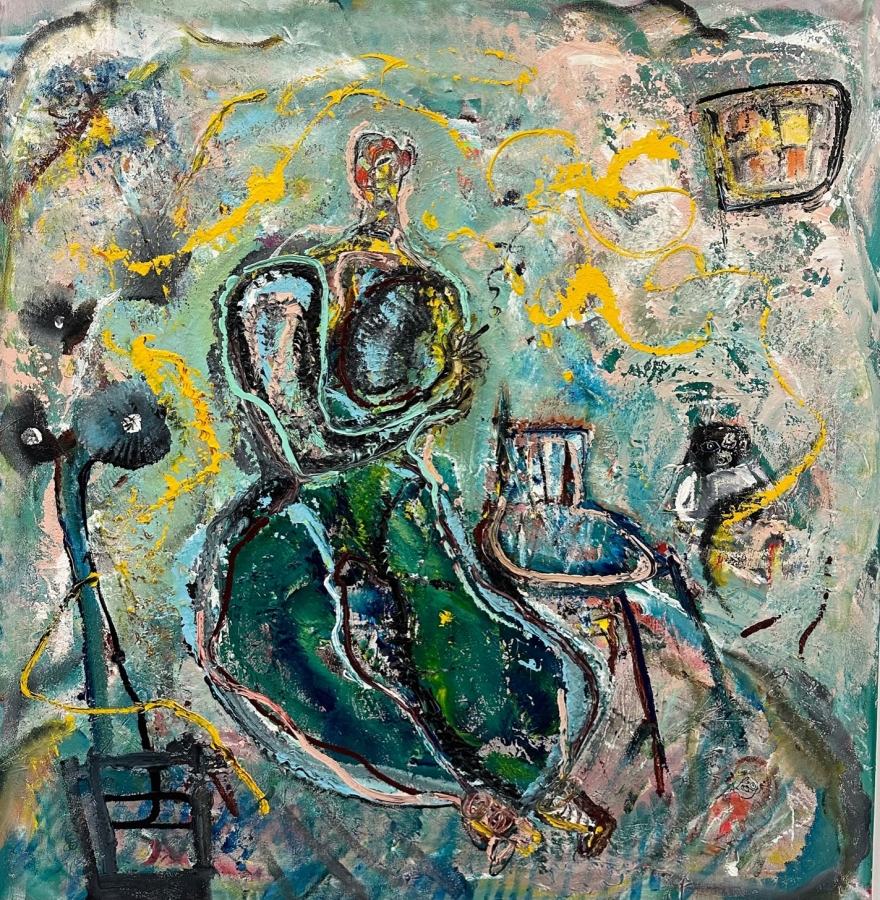
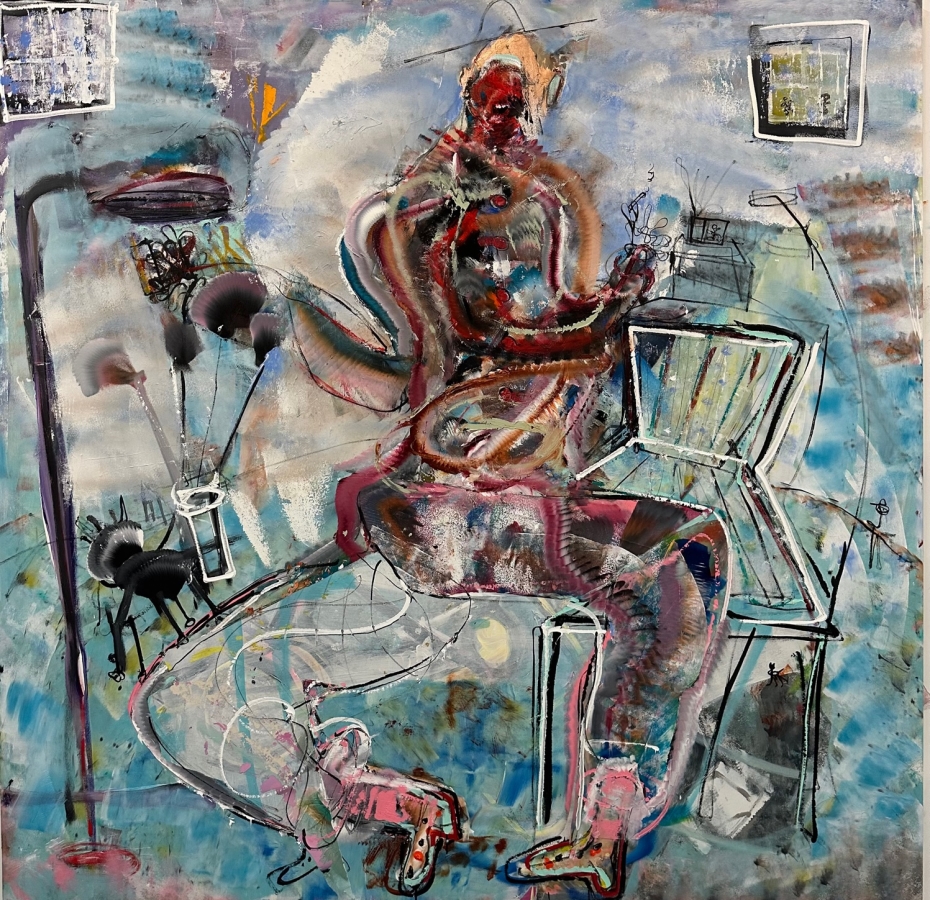
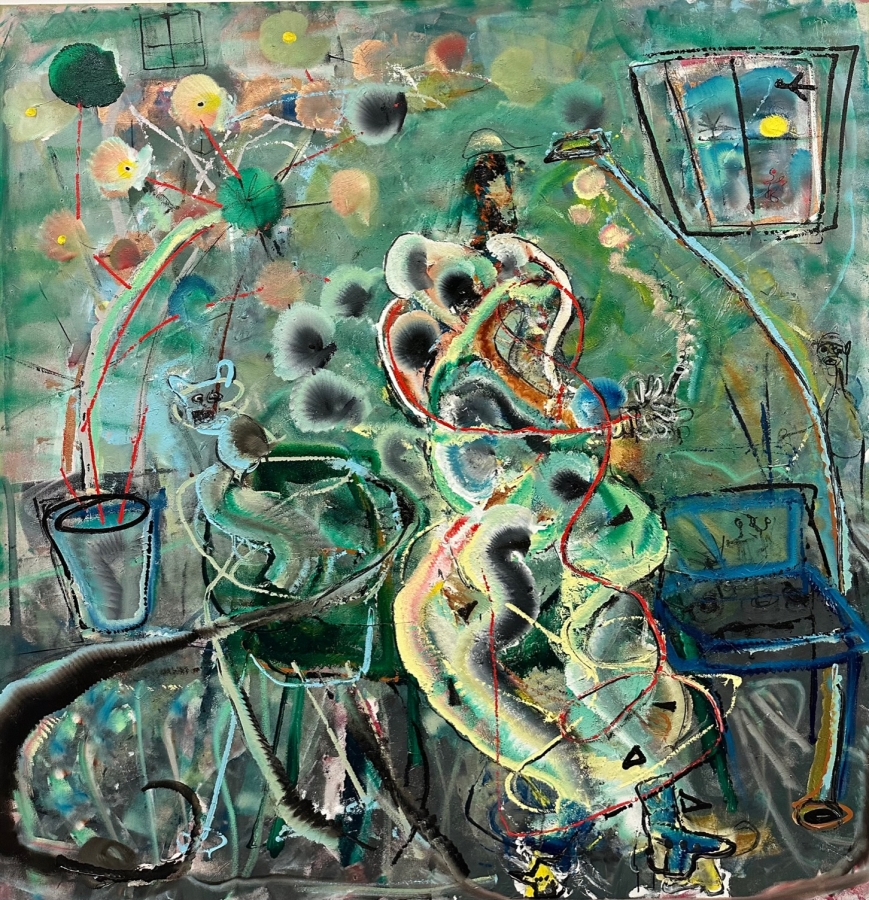
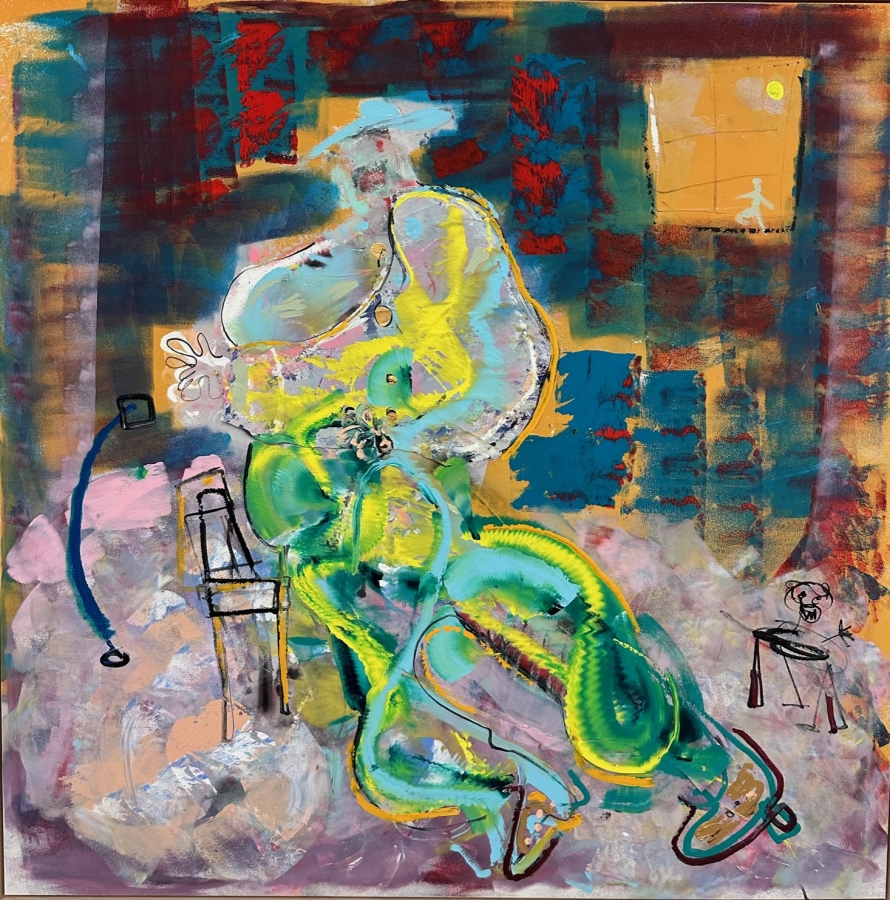
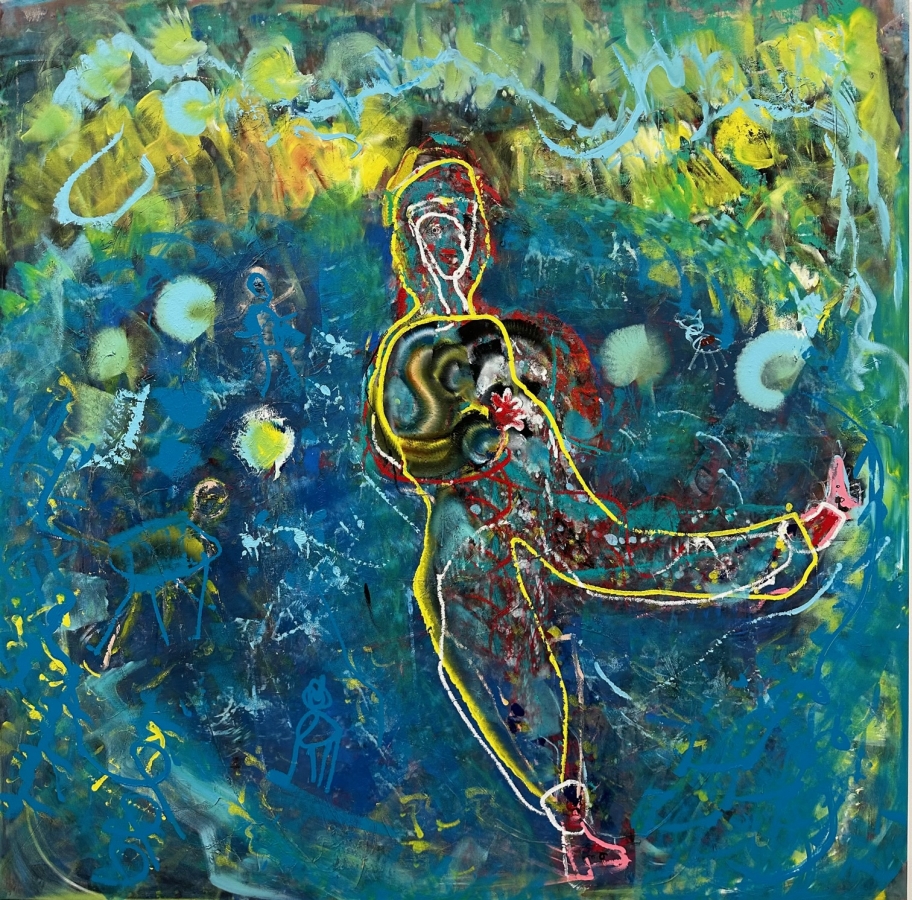
Color, gesture, and psyche collide in Alexander Yulish’s work, where every stroke feels like a conversation between control and surrender. His paintings move with a musical force, translating emotion into rhythm and silence into form.
Trained by experience rather than restraint, Yulish paints as though each canvas were an act of survival—a physical and emotional performance. The son of a sculptor and painter, he inherited both the precision of form and the instinct to let it collapse. In his studio, improvisation becomes a method, and uncertainty, a collaborator.
In this conversation, Yulish reflects on the inheritance of art, the pulse of New York City, and the delicate line between harmony and chaos. His words reveal a painter who doesn’t chase control but presence, who paints not to depict but to listen—to color, to silence, and to the unseen rhythm of being alive.
An Interview with Alexander Yulish
By Carol Real
You grew up surrounded by art and music, in a home where creativity was part of daily life. How did that early environment shape the way you perceive rhythm, gesture, and emotion in your paintings?
I grew up in NYC and in Riverdale, which is located in the Bronx. The strongest memories of my childhood are tightly woven together. They are filled with growing up in a life full of artistic expression. Classical music tore through the house. Artists of all kind were embraced in my home. I felt how important expression was. At the same time, I experienced the isolation that occurs with not feeling you have ever fit in. The immensity of my childhood memories and the delicacy of them are in my nervous system always. Every hour, second, and millisecond, the dance that occurs is a very mercurial one. It brings to the forefront what I strive for which is to be present as much as I can with all of the damage that has been created from the past. Without acknowledgment of the past, growth can stop in the work.
Your mother is a renowned bronze sculptor and painter. What lessons did she pass on to you—not just technically, but in terms of courage and artistic risk?
My mom was one of my biggest inspirations. She is an unbelievable sculptor and painter. She taught me how to take a work to the very edge of disintegration and then bring it back again and repeat until it fully occupies the work. It is as rewarding as it is scary. You could loose the painting at any moment. She would say a painting is one clear resolved emotional gesture and to go for it as if your life depends on it. She has been so supportive and I believe proud that I am a painter. She always knew but needed me to find out for myself that this is what I wanted for my life. Her advice was rise to the occasion in its entirety.
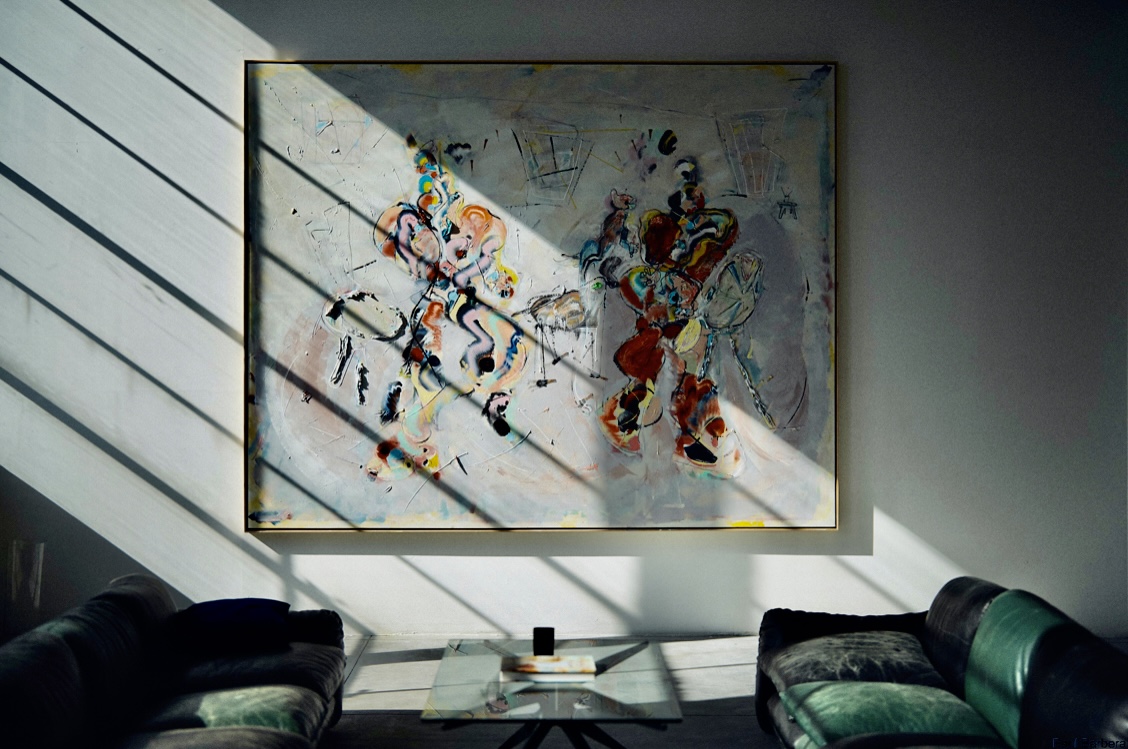
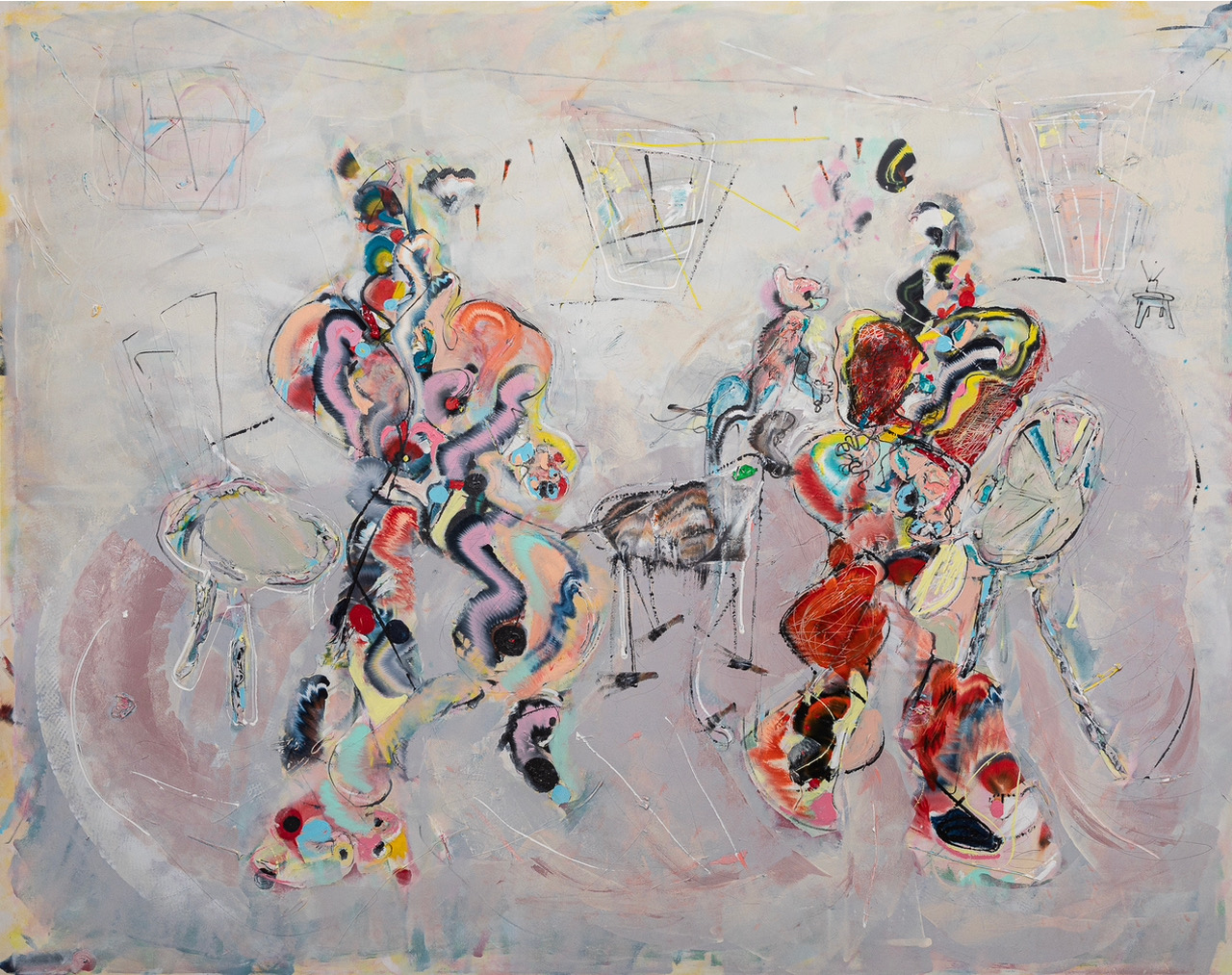
New York has an energy that artists often describe as both brutal and magnetic. How does the city shape your perspective and influence your work?
New York City right now has inspired my art. It’s an enormously physical pulse- pounding example of life—the exuberance and magic of it all. I am somewhere deep in the belly of the beast right now. It’s giving me my favorite adventures and injuries—all at the same time. I admire people not just artists who strive to search for what they love. It’s the originality of people’s experience that inspires my art. What is your connection to music, and how does it affect your creative process?
Music seems to play a central role in your studio practice. How does sound guide your process or affect your rhythm when you paint?
I am always listening to music when I paint. The sounds crash down on me as it fills my art studio. Music helps me to concentrate. Right now, some of what you would hear is Future Islands, The Walkmen, and Franz Schubert’s Symphony No. 5., playing on repeat in my studio. They are all so different on the outset, but they occupy the part of my mind that wonders. They put me into an intensely focused state by hearing them over and over again. It helps me to stop thinking, and then the ability to work from a deeper place has the chance of show itself.
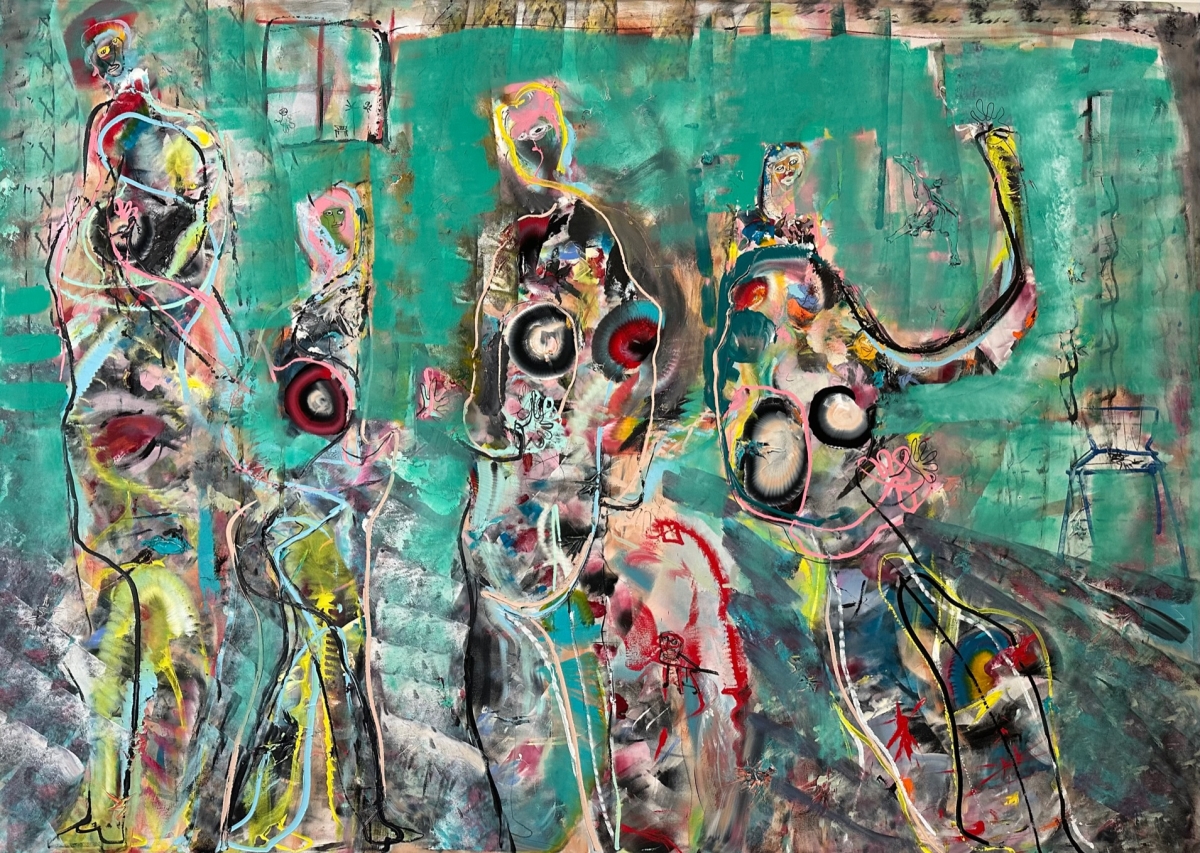
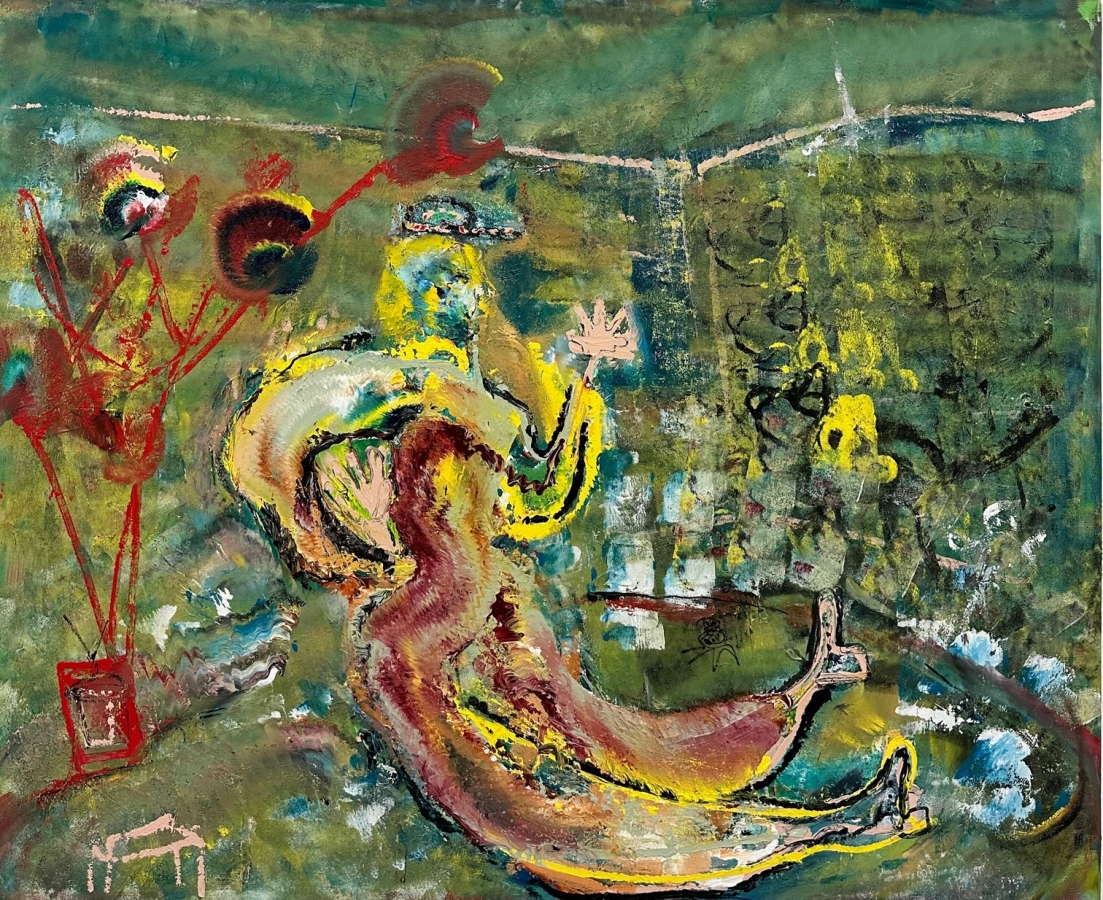
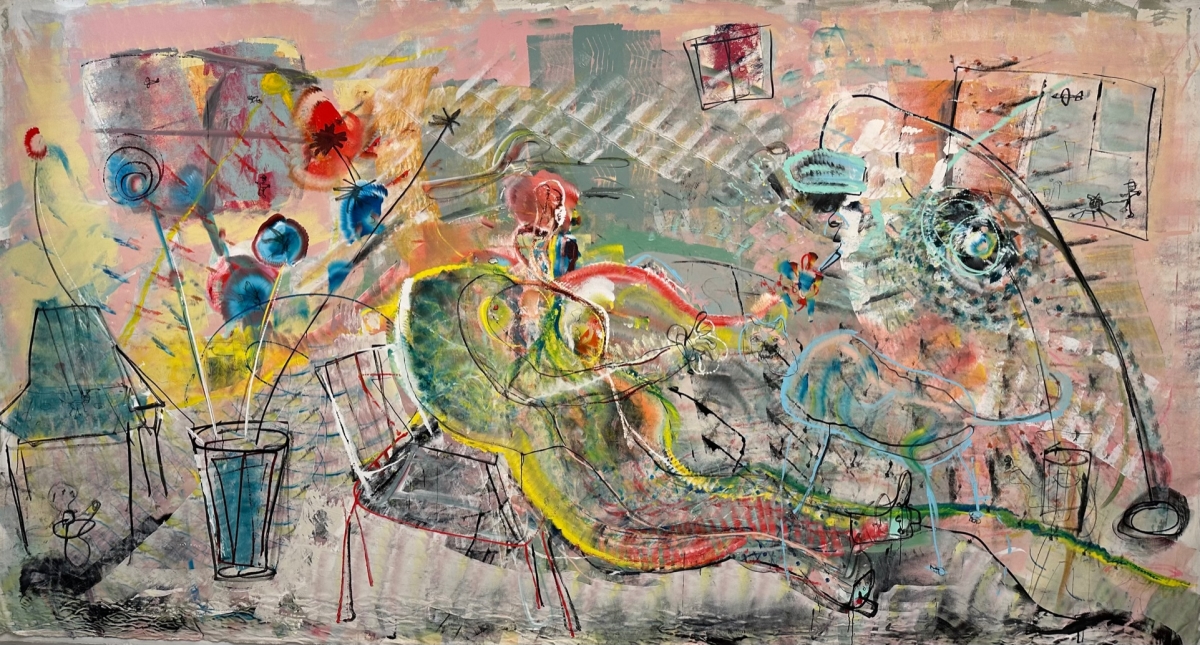
Your paintings often feel like emotional architecture—gestures building upon one another, almost sculptural in motion. How do you merge psychological depth with that physical rhythm?
By just doing the work and exploring the process as much as I can. I’m always trying to push the limits of creative expression. Psychologically, it is an exciting and terrifying experience all at the same time. Visible energy and immense movement is always present with gestural rhythm. The psychological process is right there and my relationship with the piece can get annihilated at any moment. It’s more the ability to stay in rhythm with your inner dialogue that can dictate the ability to create a meaningful expressive painting.
From Out of Order to Immovable Thoughts, your work has shifted in tone and structure. How do you read your own evolution, and are there ideas that persist through every stage?
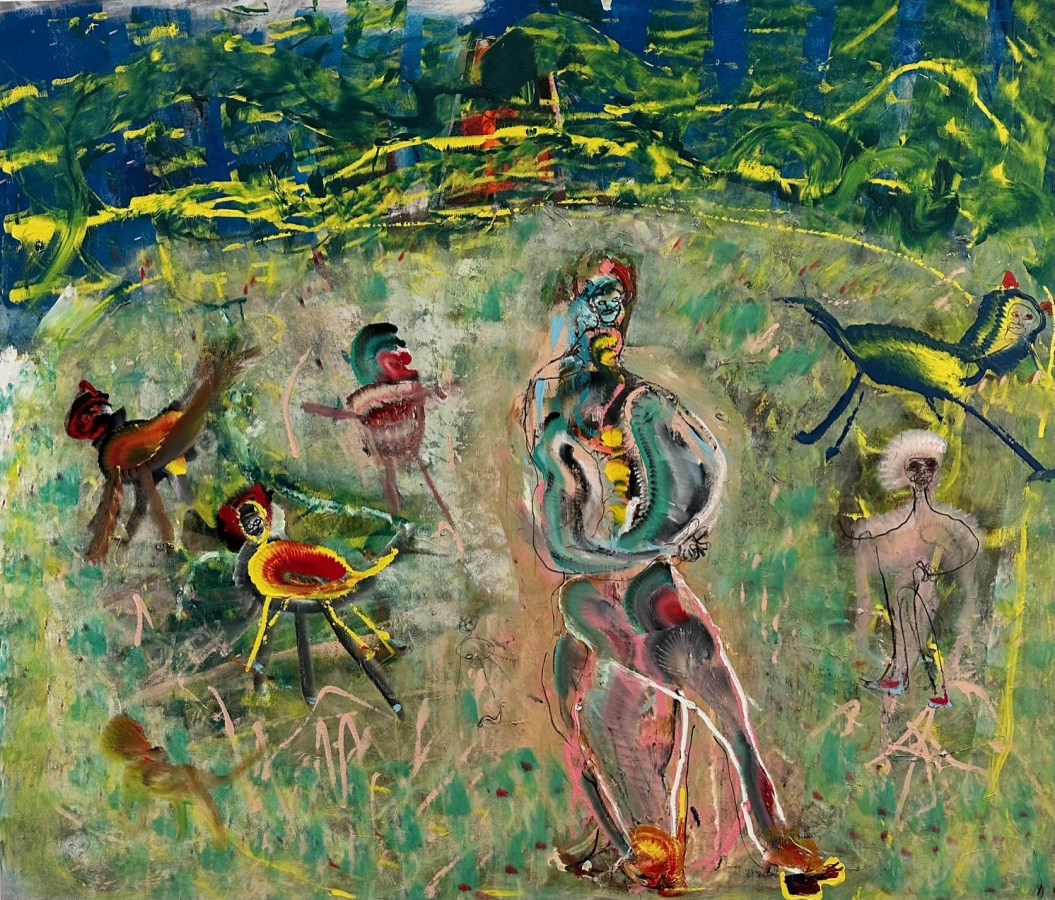
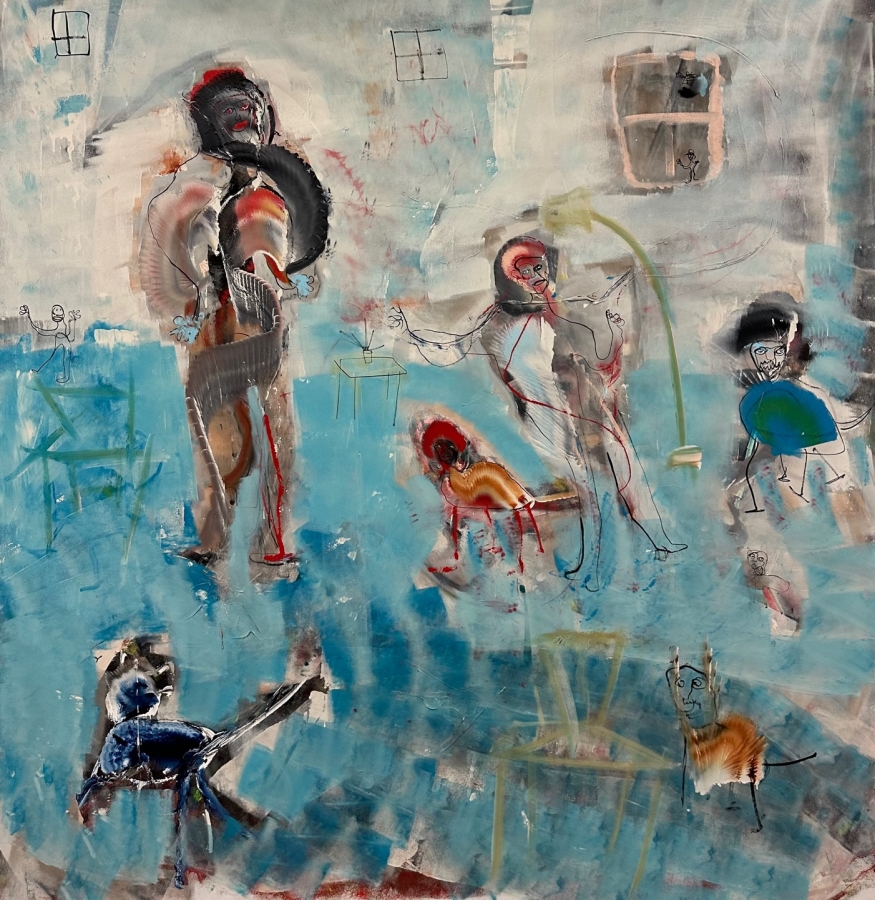
Interiors and figurative abstraction interest me. Bringing those elements into rooms, or outside in nature with creatures, has become a recurring theme for me.
Repetition is important, but you never want to get comfortable with a pattern. You always want to push the dial as total command of a piece can very quickly cause the obliteration of a work. When you fight vigorously and risk everything you possibly have, a painting will emerge.
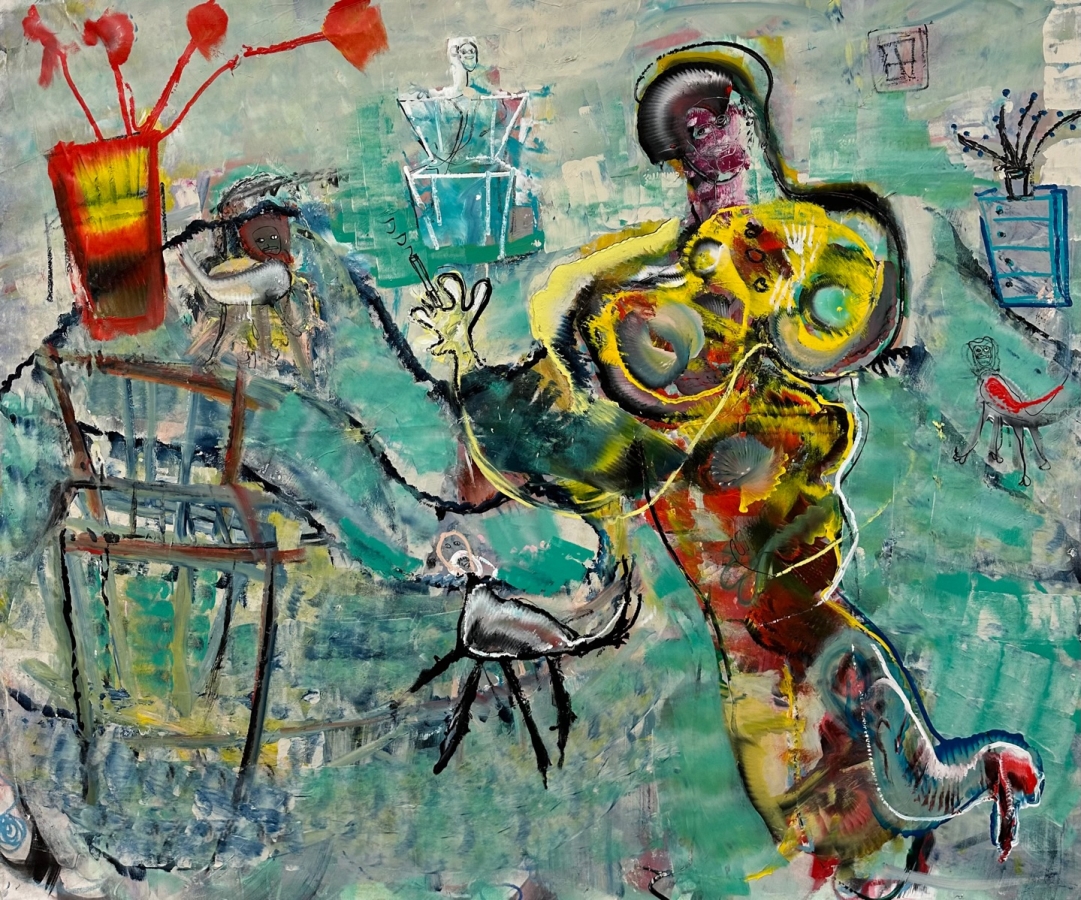
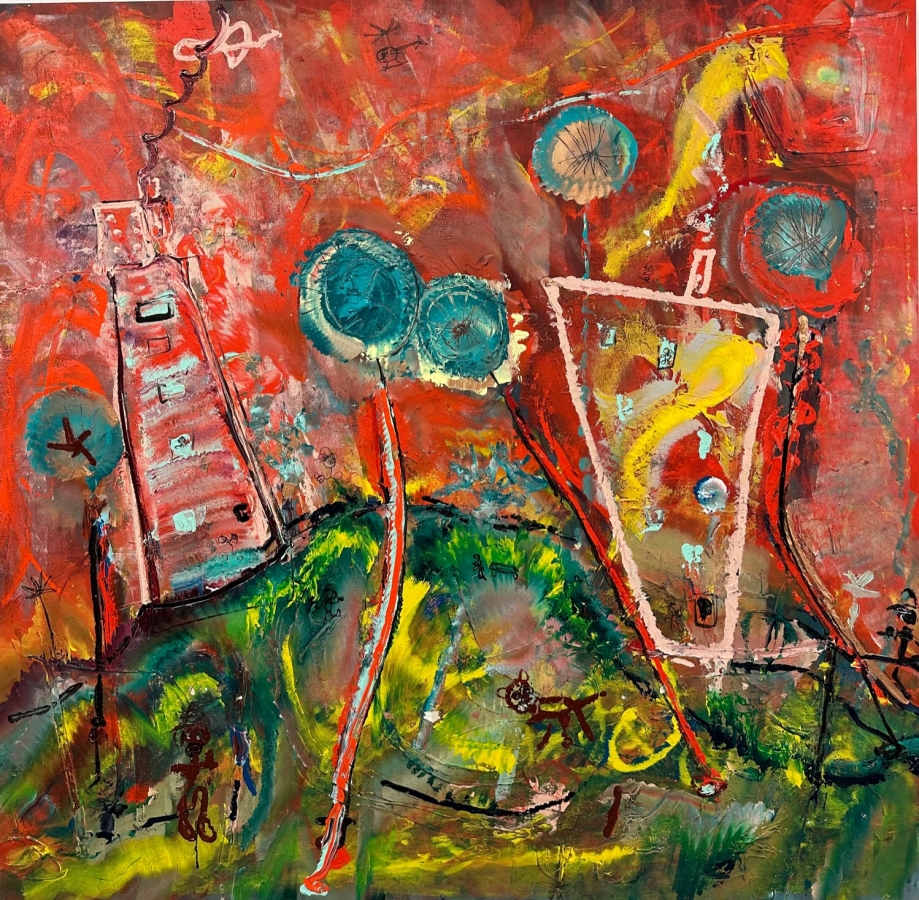
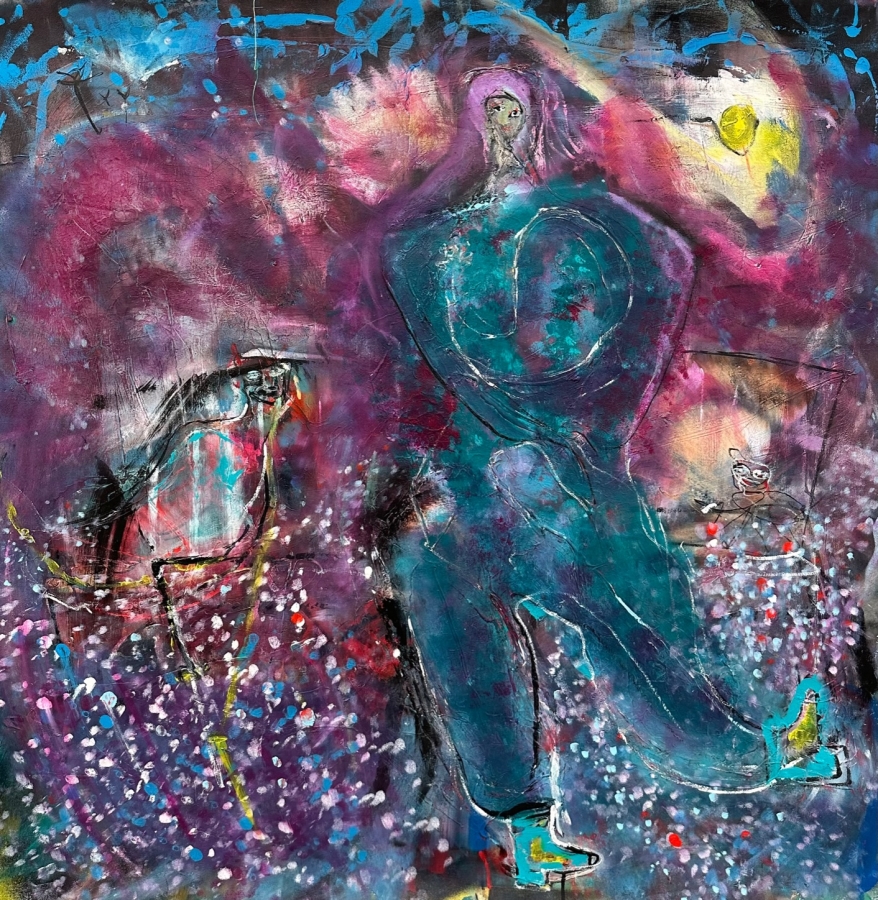
Walk us through your studio process. What does a day of painting look like for you, and how do intuition and structure coexist when you start a new piece?
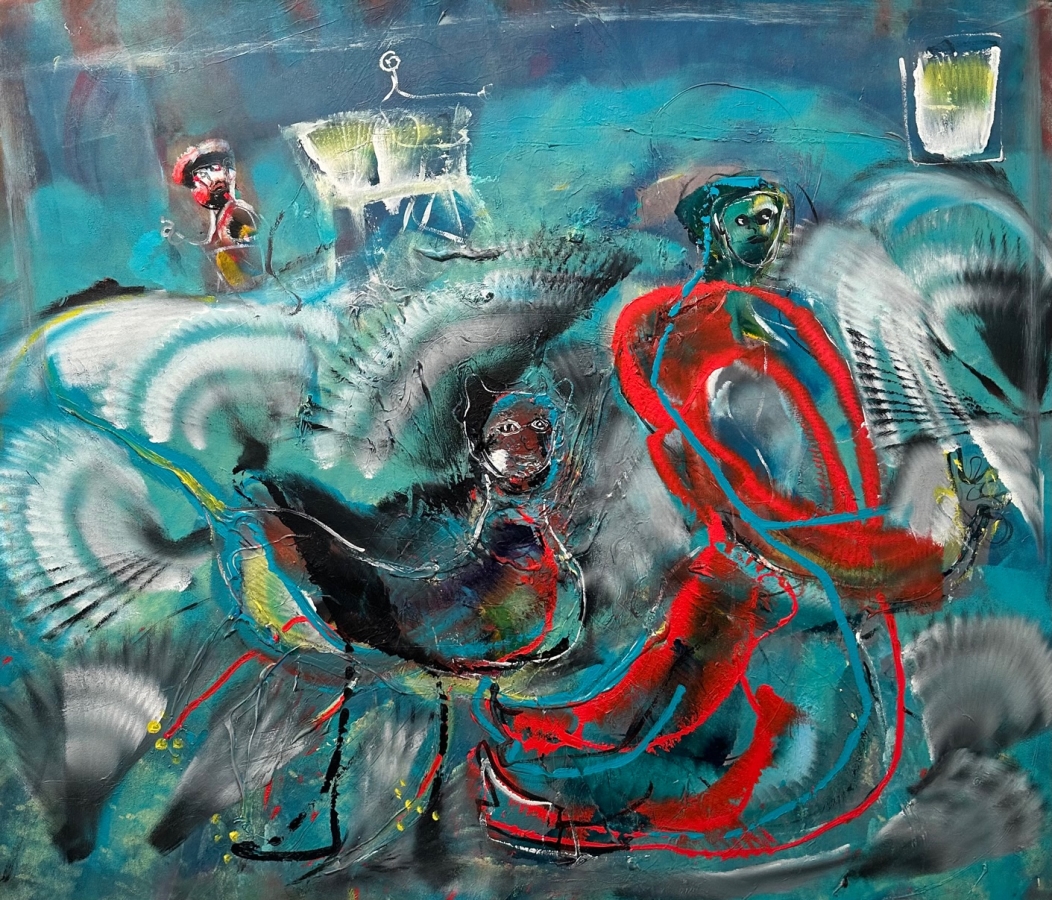
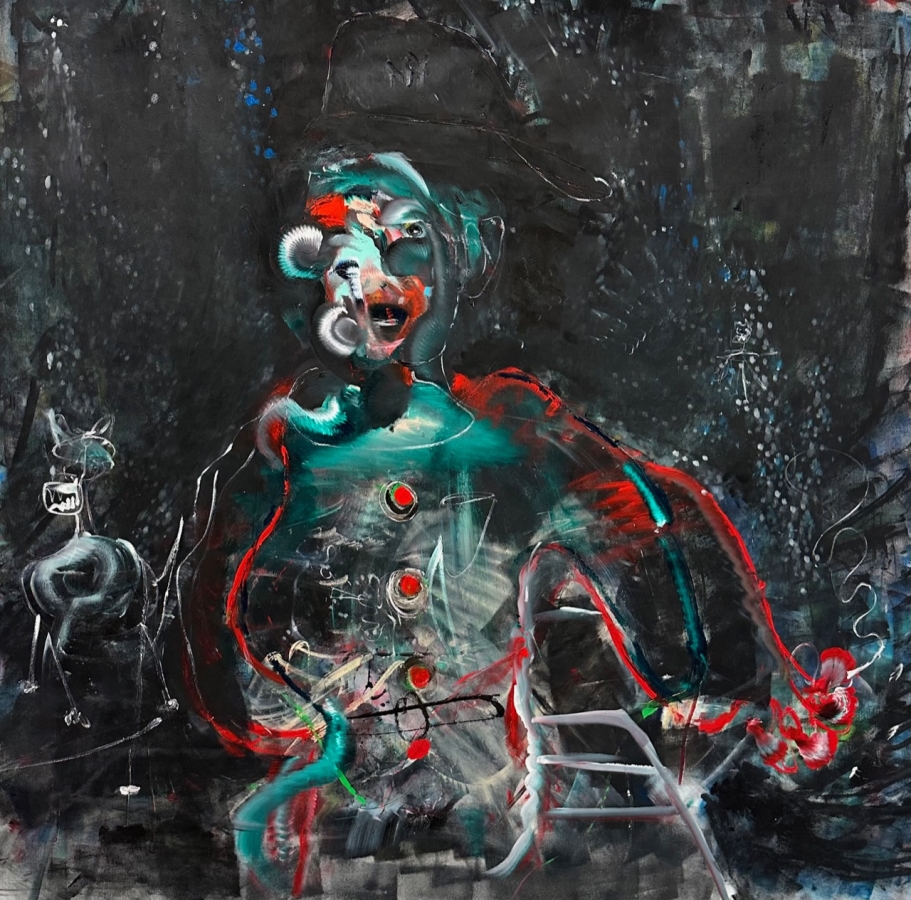
I have been waking up no matter what time and heading directly to the studio. I like working in the morning—the earlier the better—because I am the most present then. When I paint, I work straight through with no breaks as they tend to impede my ability to concentrate. Sometimes it is not nearly enough, but I can say I am trying my best to share what is happening internally for me right now. In my life, I struggle to say these things through words. Painting is a place that reaches a dimension of expression that I would not find otherwise. Painting says a lot more about who I am. The insecurities, damage, and strength that I walk around with are what I also hope to share in the work along with the beauty and ferocity of being alive in this world. It’s moving in a blink of an eye and I feel that I have an obligation to build a process that can give structure to my life and work. I tend to like colors that have an electric quality when mixed together. I work with an outline of the figures and then I start to carve them out and define them. Next, I implement colors that reflect the emotional dialogue that the painting has begun to ask for. I work with a brush and a blank canvas. That’s as far as I go with technology at this point.
What fascinates you about working on a large scale? What is your fundamental goal when creating a painting and what would you like the public to take away from each show?
Large scale and small scale are all intimidating for me. I strive for the most uncomfortable path when painting as it can be the most rewarding. So, I guess I like both.
My fundamental goal when creating is making a painting that explores the deepest areas of my life and brings them right to the viewer. I would love people to walk away feeling a sense of how connected we all are. I want someone to understand the work or the complete opposite.
Which piece has demanded the most from you, both physically and emotionally?
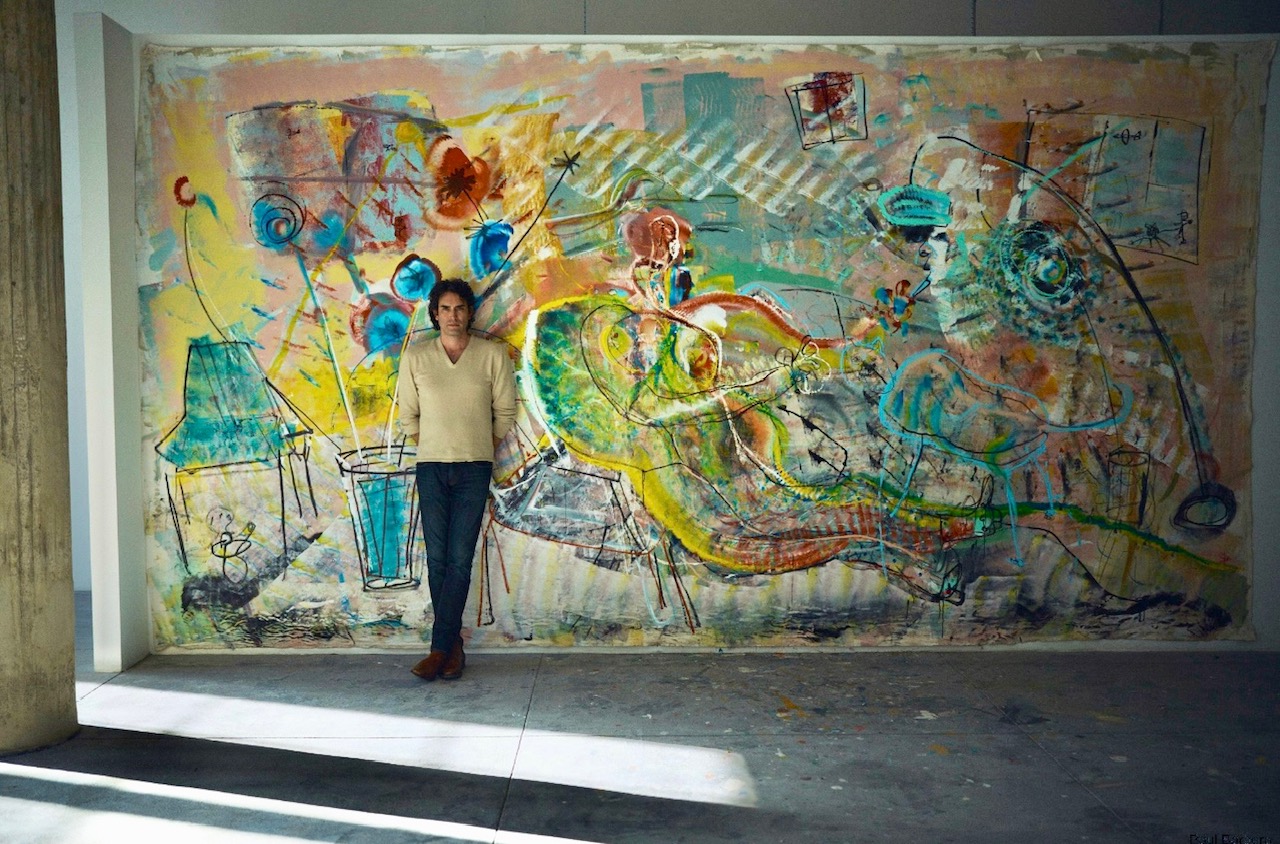
The 10 by 18 foot painting was one of the most difficult physically and very satisfying to complete. It took everything I had. Each piece, whether it was a success or failure, brings me to the next painting so this journey depends on every single one that has been done before it. I can’t separate them. I truly love when a passionate collector buys the work for their home. In a way, we become part of each other’s lives. It’s a very personal relationship that emerges.
What were you exploring in your latest series?
It is about being alive and breaking apart all at the same time. It’s about how life is a balancing act at every corner and every step. It brings the unpredictability of life to light in a way that is deeply personal for me.
Do you keep a phrase or idea close when painting—something that keeps you grounded in the work?
“Fuck‘em, fuck em all”. Said by the late Roberts Evans to me one night.
Editor: Kristen Evangelista