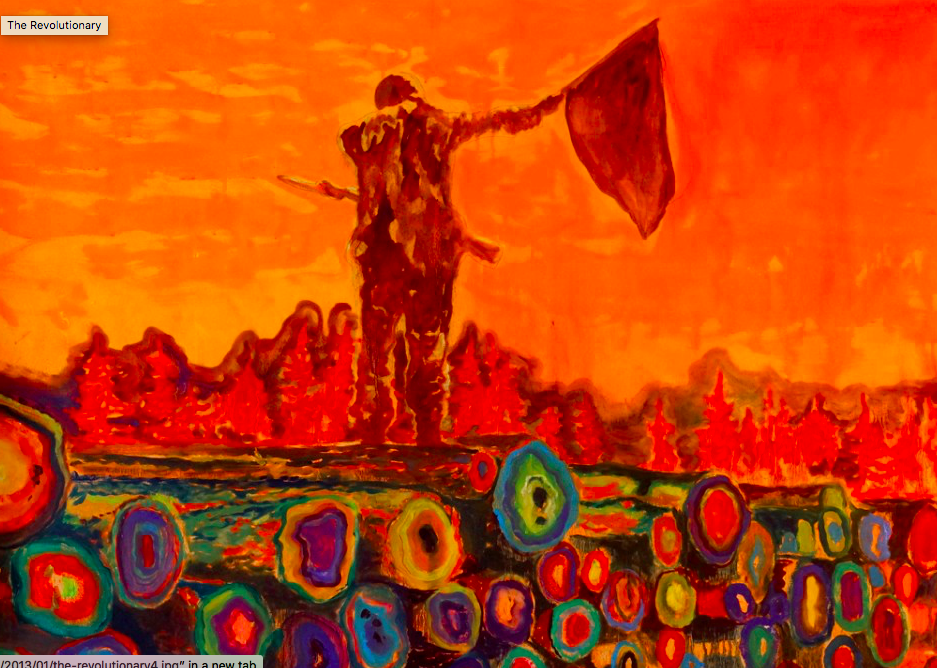
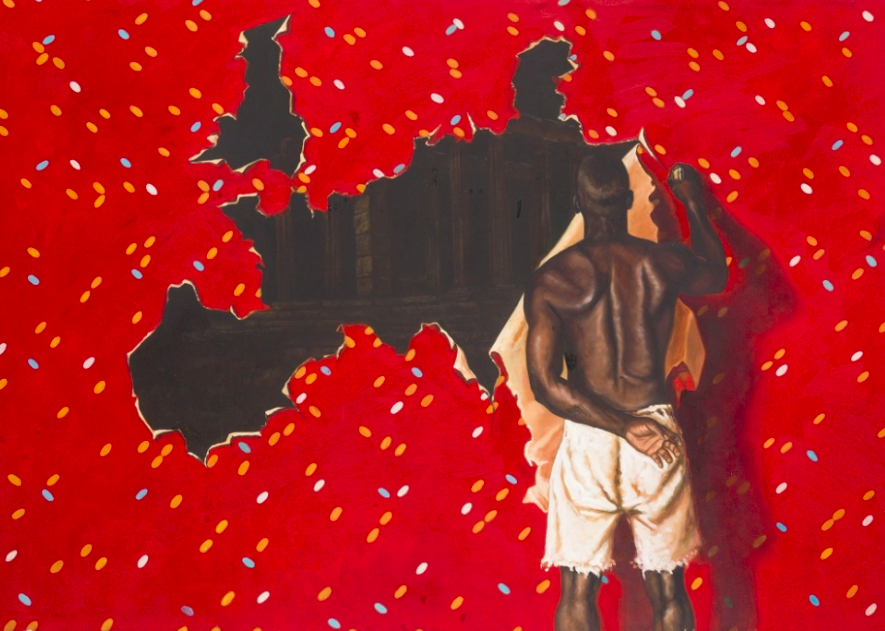
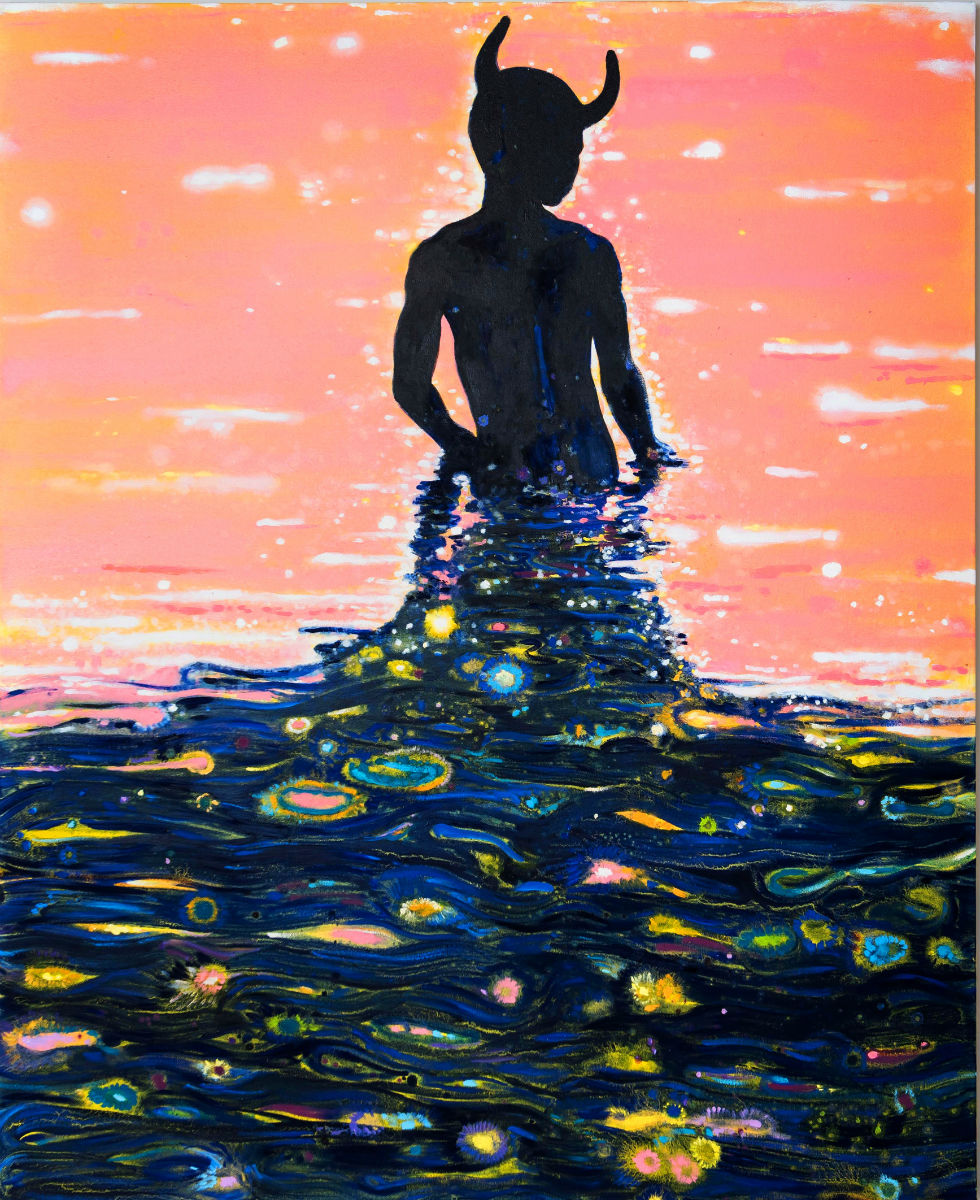
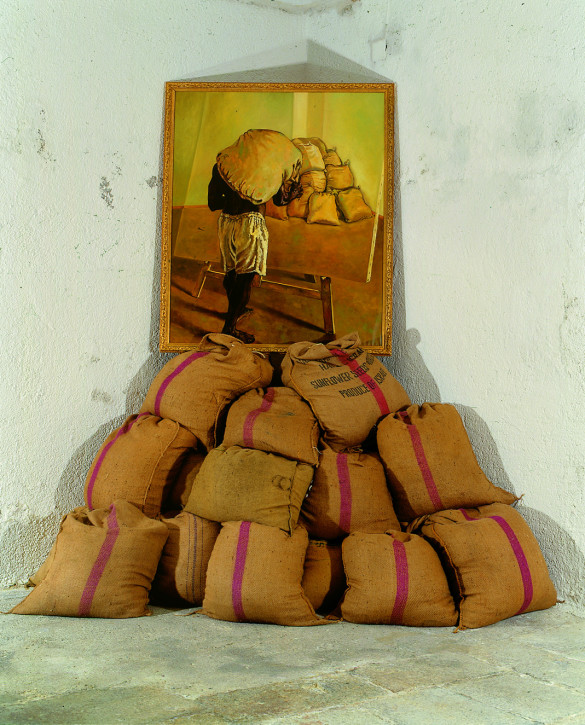
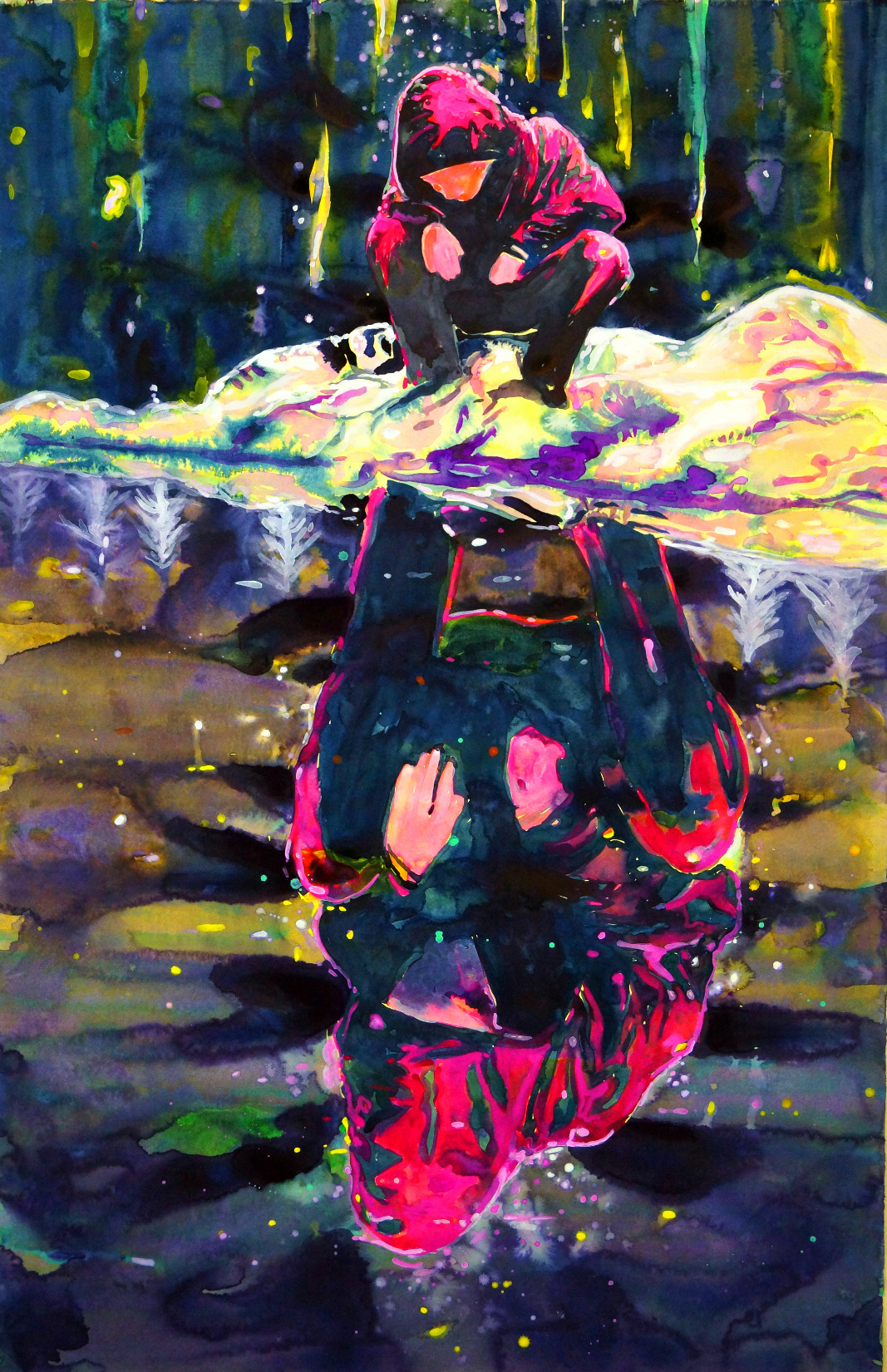
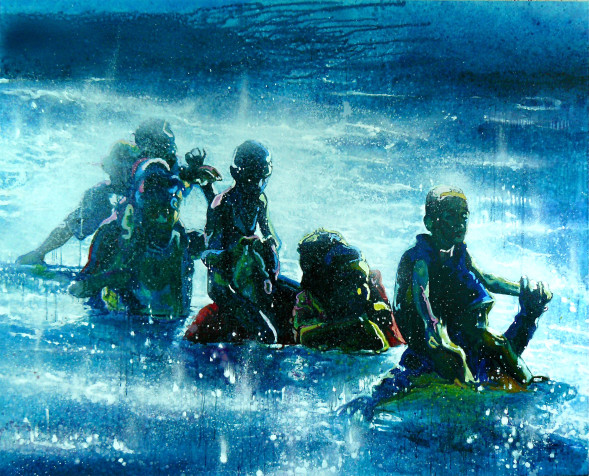
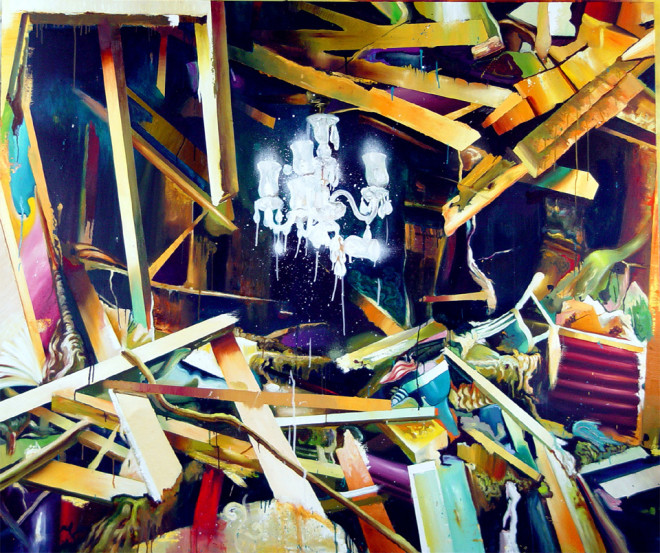
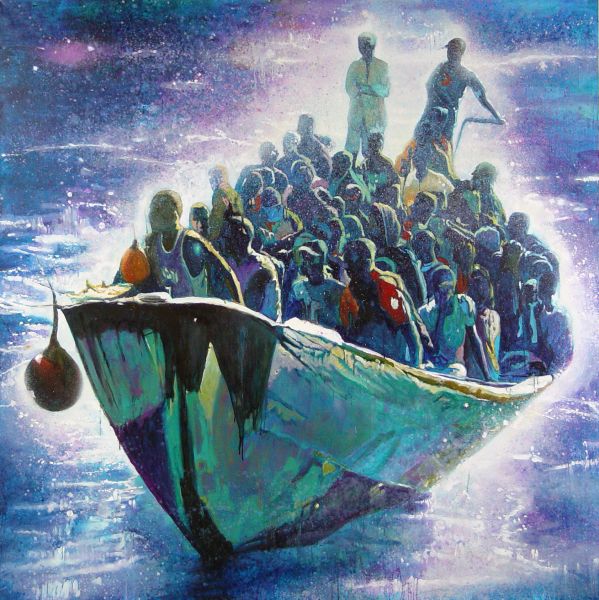
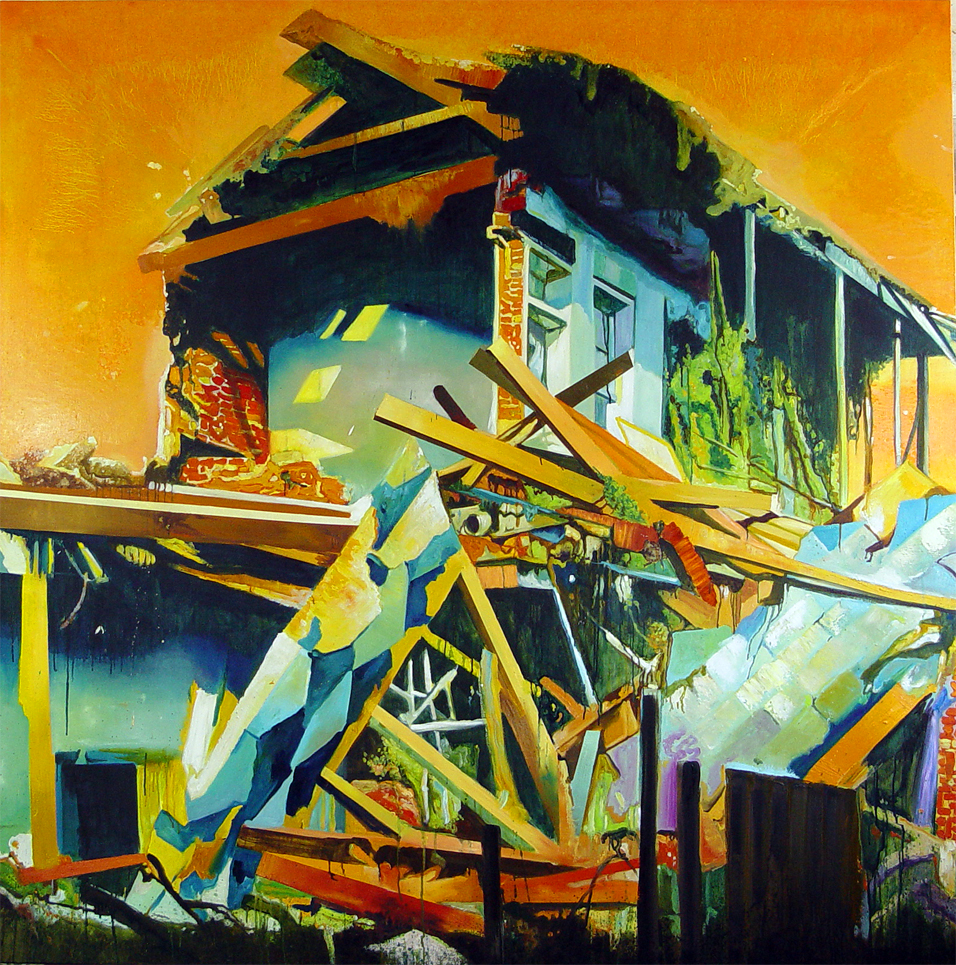
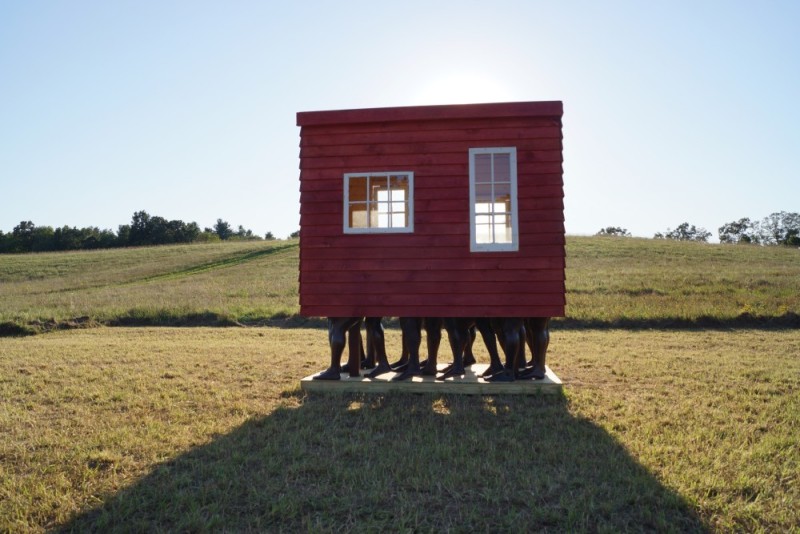
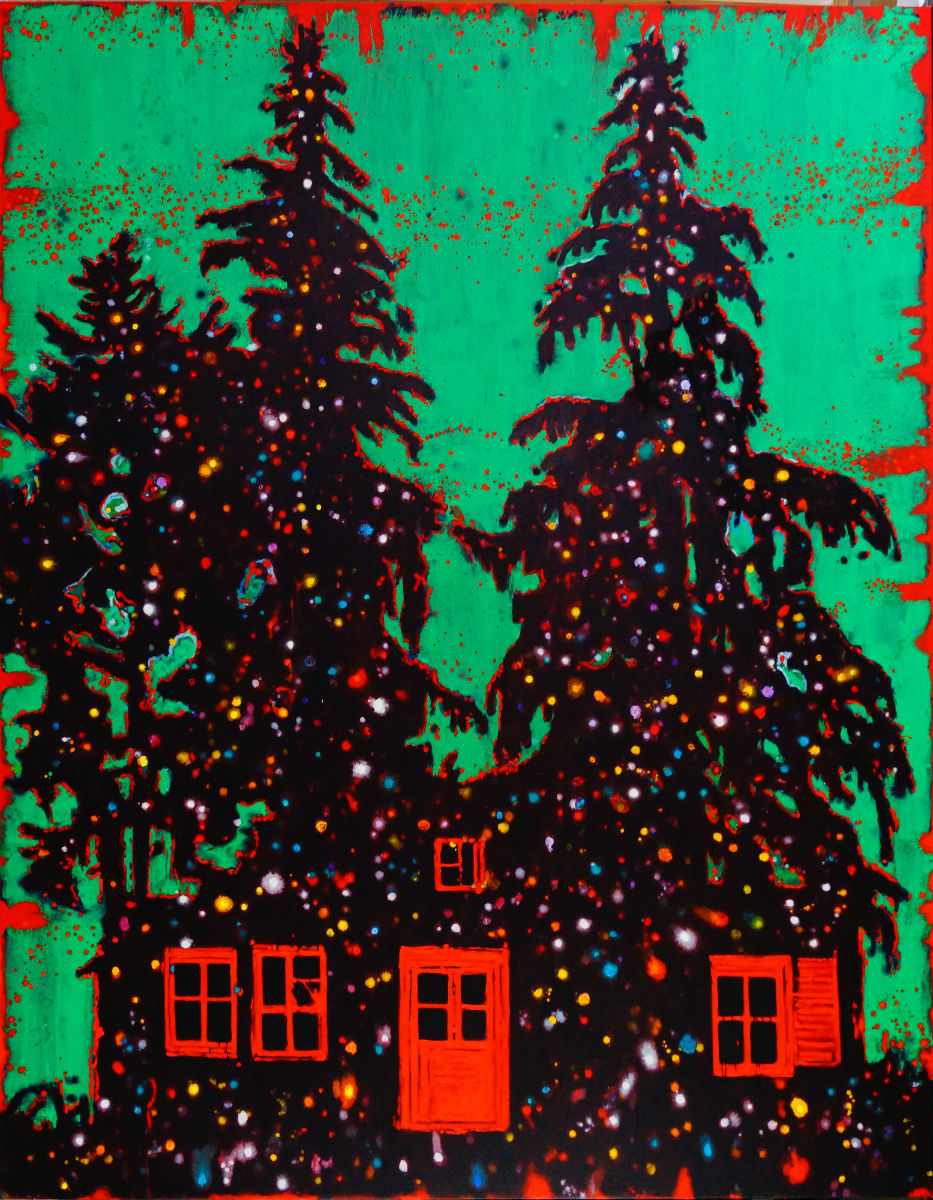
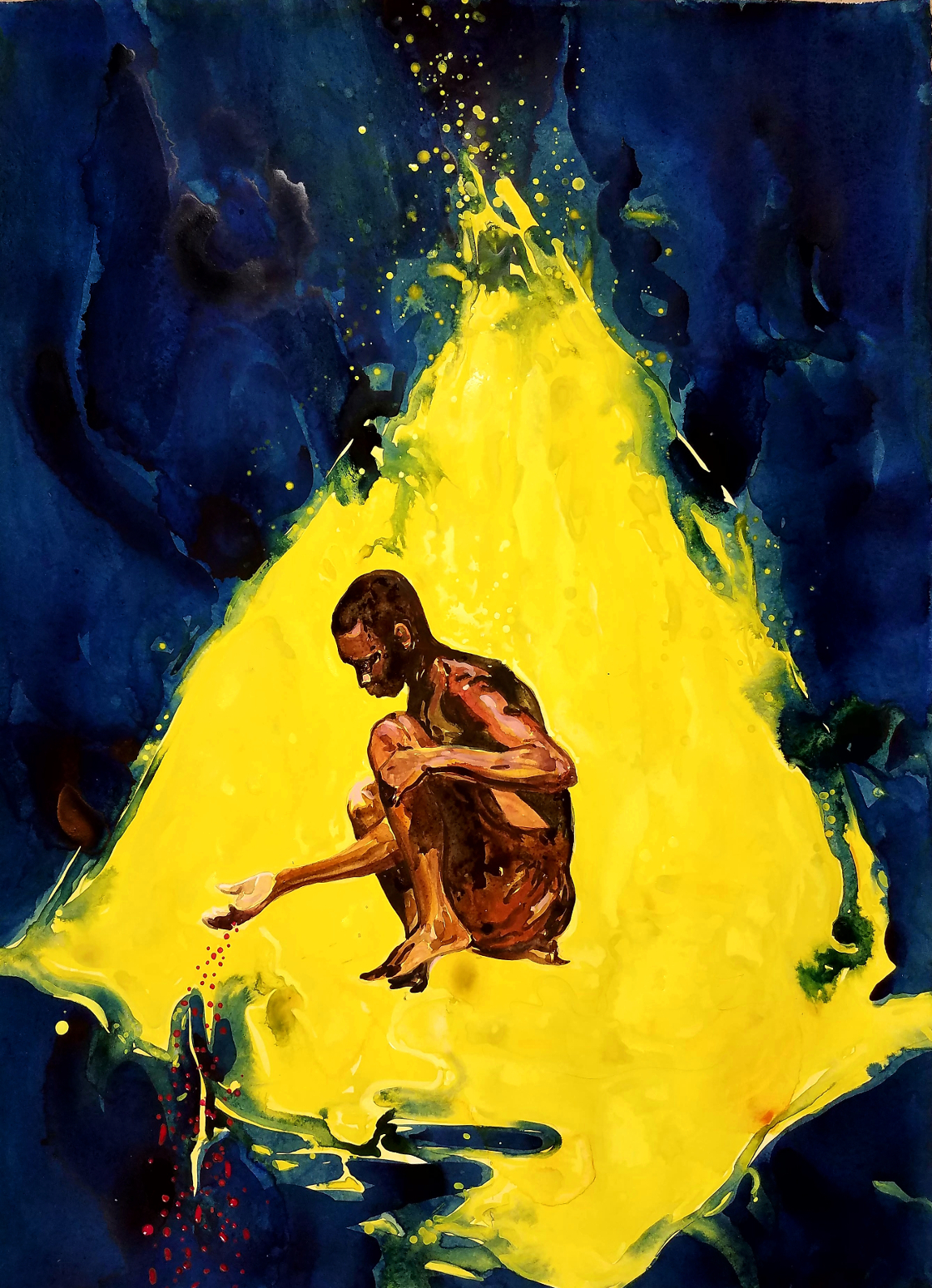
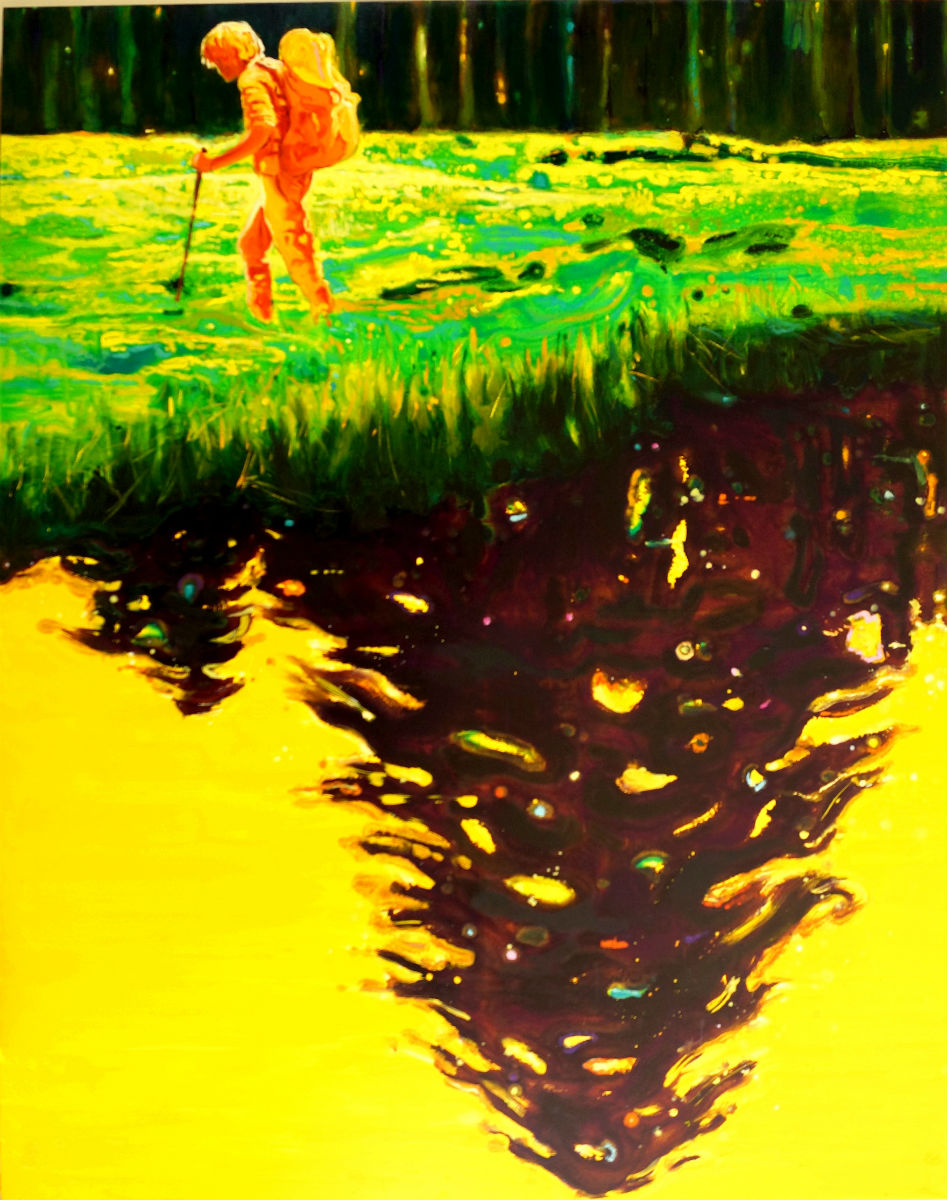
Armando Mariño stands among the most distinctive voices of contemporary Latin American art. His practice, marked by sharp social awareness and visual poetry, navigates themes of migration, identity, and resilience with both humor and conviction. From his early years in Cuba to his time in Spain and now New York, Mariño has turned displacement into a language of strength and belonging.
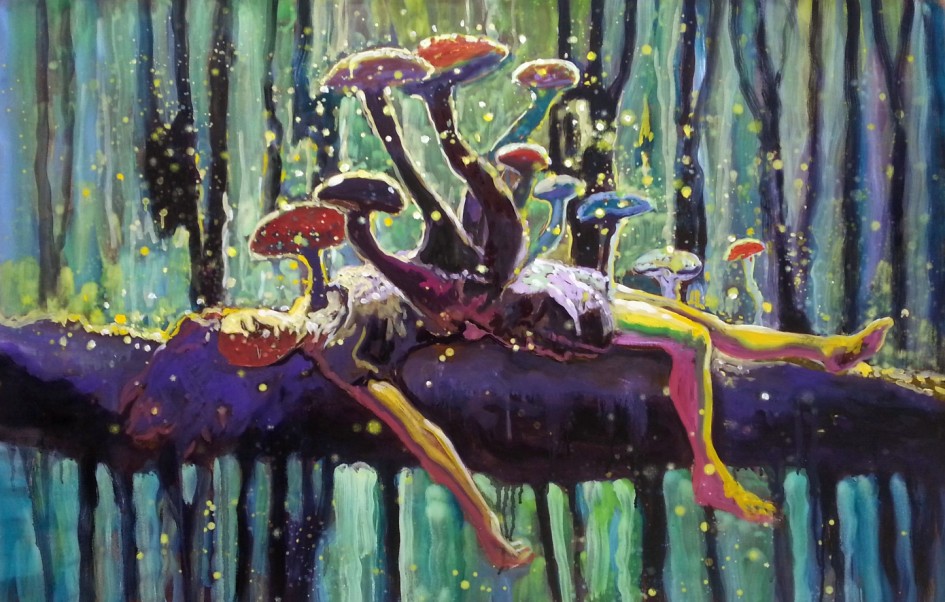
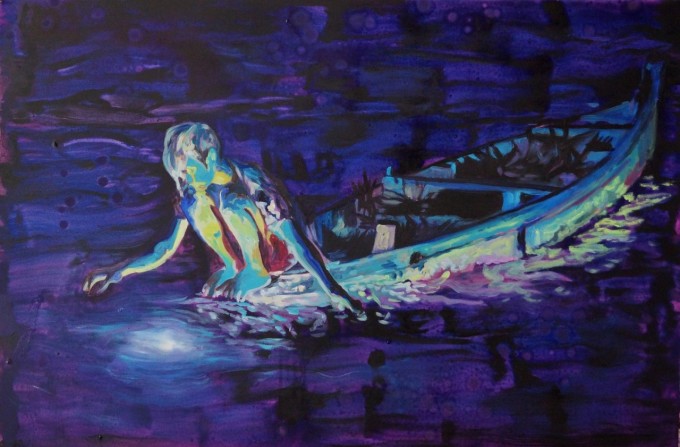
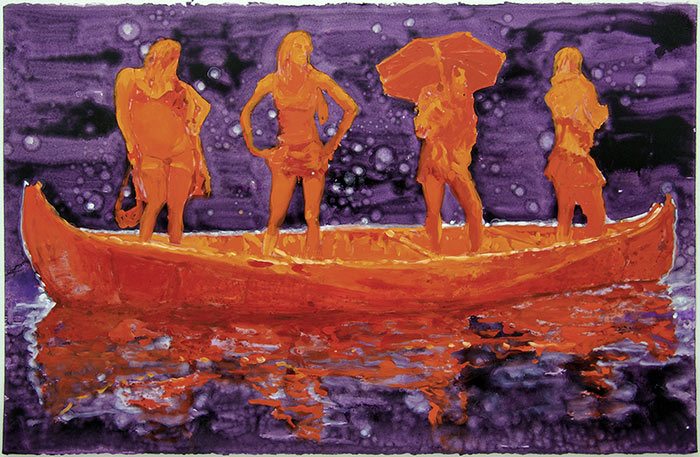
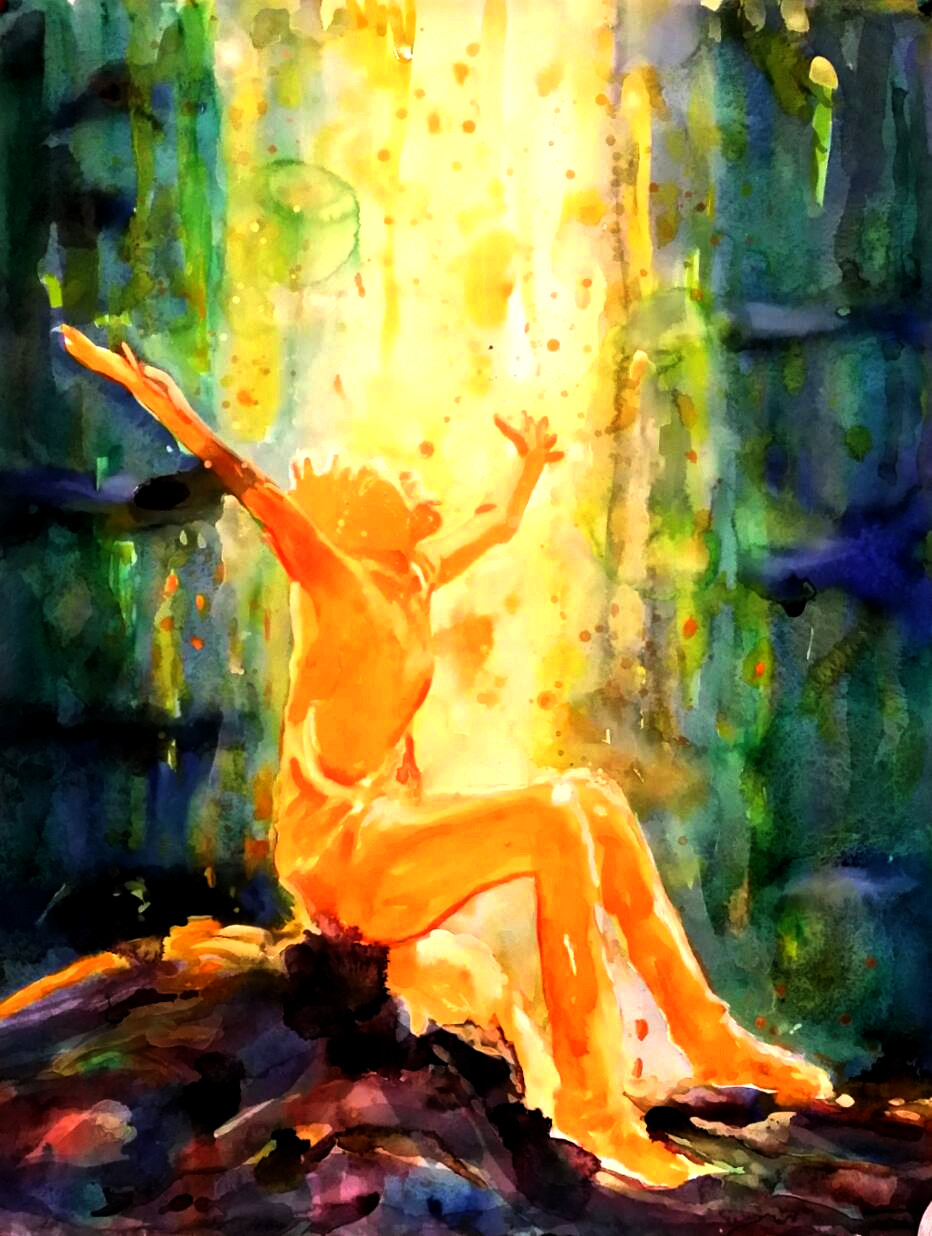
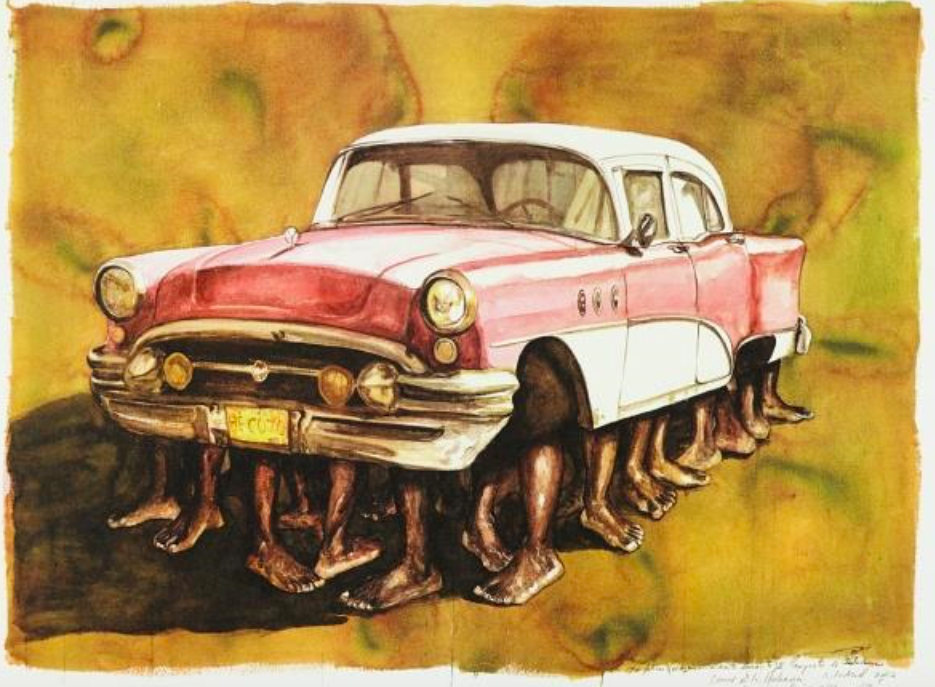
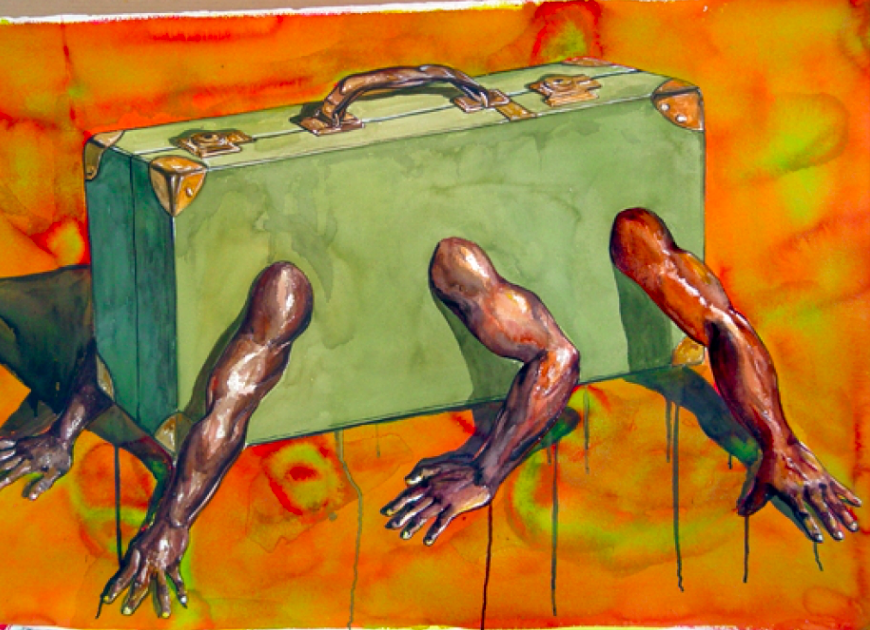
Known for his vivid compositions and emblematic works such as The Raft, Luggage, and The Displacement, Mariño explores the tension between memory and reinvention. His paintings radiate vitality even when rooted in nostalgia, revealing humanity’s enduring capacity to adapt and imagine freedom.
In this conversation, he speaks with rare candor about the challenges of exile, the evolution of his art, and the creative pulse that continues to drive him. Thoughtful and direct, Mariño reflects on his role not only as an artist but also as a curator and observer of his generation, sharing insights that resonate far beyond the studio.
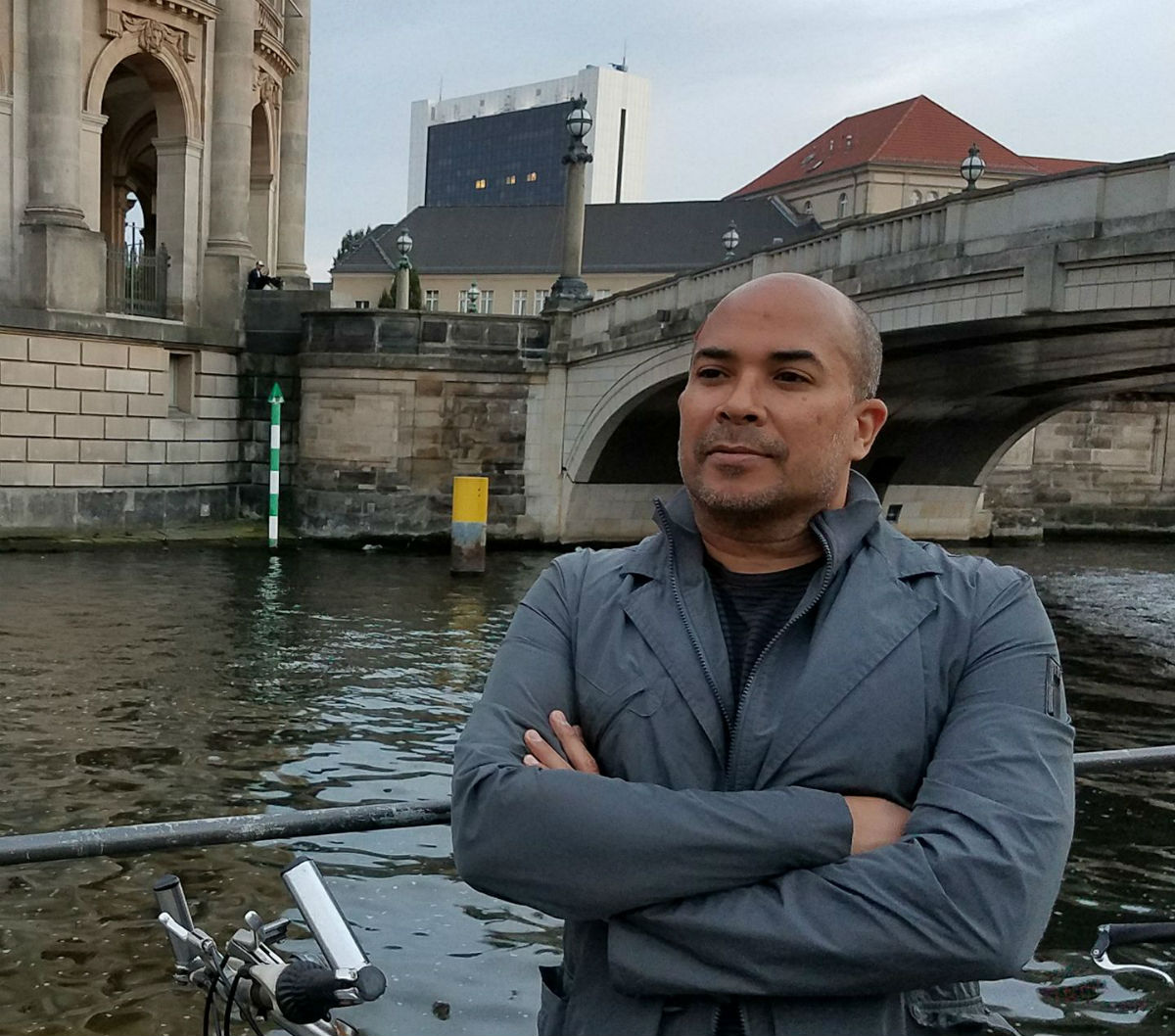
An Interview with Armando Mariño
By Carol Real
When you first arrived in New York, what struck you most about the city, and how did that energy shape your early years there?
Of course it was the energy of the city. It did not so much surprise me as impress me. It put a lot of pressure on my life and work, and with the art-world nearly in my hands, I wanted to take a piece.
Your work often reflects exile, migration, and resilience. How have your own experiences of displacement and adaptation shaped the way you see the world and make art?
The fact that I was an immigrant from a dictatorship- country has influenced my work a lot. My character, culture, and behavior have been changed by environments that are very different from my homeland. They have reshaped my work.
You move between painting, sculpture, installation, and curating. How do these roles feed one another?
I feel more comfortable painting than doing anything else; but I am a creative person in any media or material. That is what defines me.
Works like The Raft, Luggage, and The Displacement have become emblematic. How did those ideas first come to you, and what continues to resonate about them today?
Yes, they are unfortunately “emblematic,” as you said. I did them more than fifteen years ago, but people still want me to talk about that time. Postcolonial conflicts in Cuba (immigration, racism, postmodernity, politics and repression) are a part of my past. I’m okay talking about them, but I consider my recent work more interesting.
How do you see the growing visibility of Latin American art today—its dialogue with global audiences and institutions?
Latin American art, like art from many different latitudes, is getting the attention it deserves because it is powerful. The boundaries between “center” and “periphery” have eased, and curators, museum people, and art-marketers are aware of that. Many Latin American artists live and work in Western countries, and their work cannot pass unnoticed. We are here! And we have market. A perfect combination!
Your recent exhibition, All That You Have Is Your Soul, brings together artists who share a common origin yet distinct voices. What connects them, and how did the title come to you?
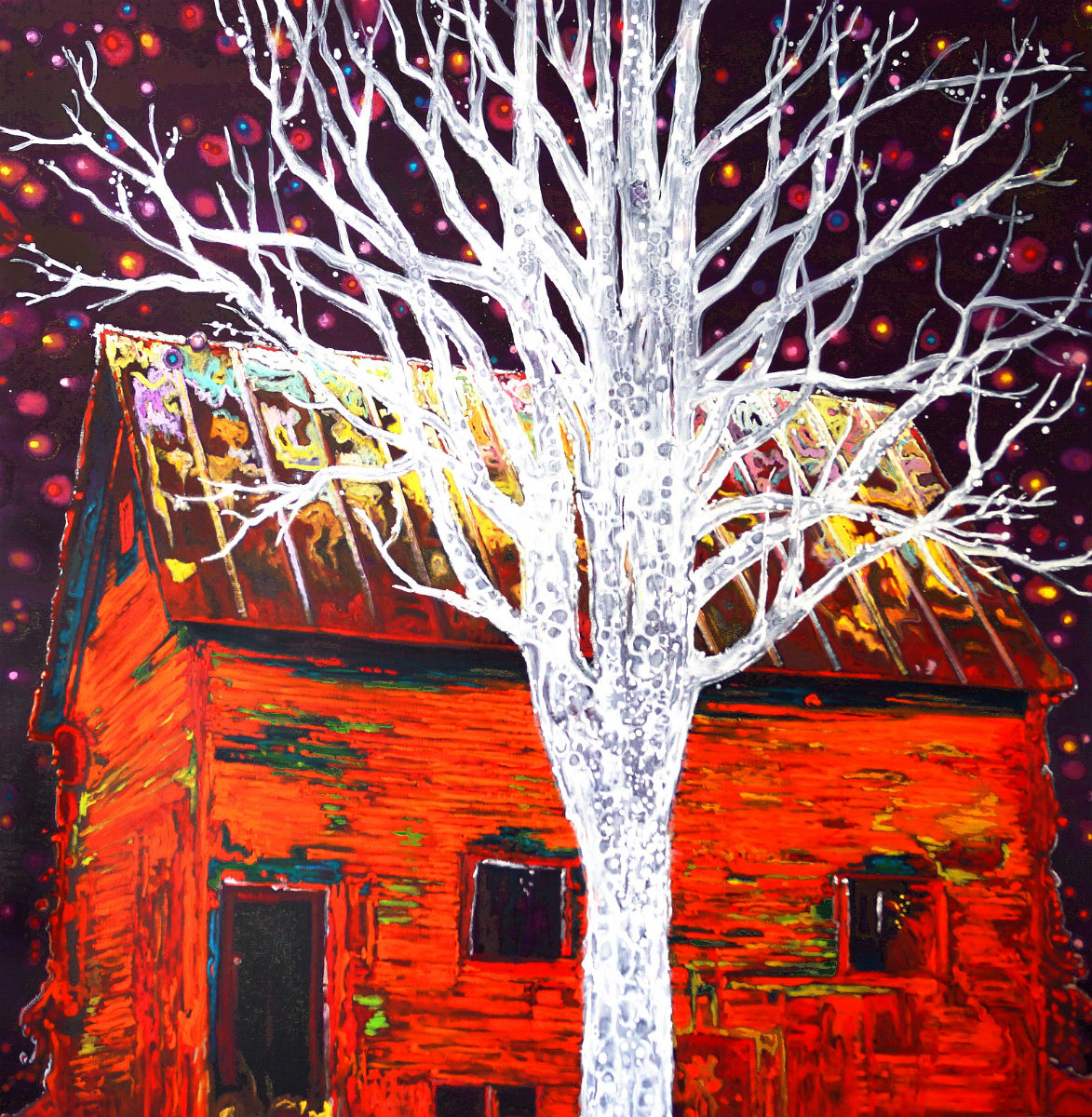
You will find a group of artists who have built their identity from inside themselves and by means of the art they produce. The fact that they all came from Cuba is mainly a device for gathering their work together. (I have included one of my own paintings: “White Tree.”) I had a clear concept of what I wanted this show to do, but I was struggling with the title. One day, in a friend’s house in Miami, I heard the Tracy Chapman song, “All That You Have Is Your Soul,” and that was it–a lovely song related to my idea and the perfect title.
What do you hope visitors carry with them after seeing this show?
I want him to relate these marvelous artworks to himself and ponder the role of identity in all of us.
What memories from your early years in Cuba continue to inspire you as an artist?
When I arrived in Havana from Santiago de Cuba to start the University, I felt extraordinary enthusiasm, strength, and anxiety. Since then, my arrival in Madrid and my arrival in NY have felt the same. It was the new “thing.” A city to devour.
If you could name one dream—or perhaps one ongoing pursuit—what would it be?
I don’t dream. I fight to get the things done.