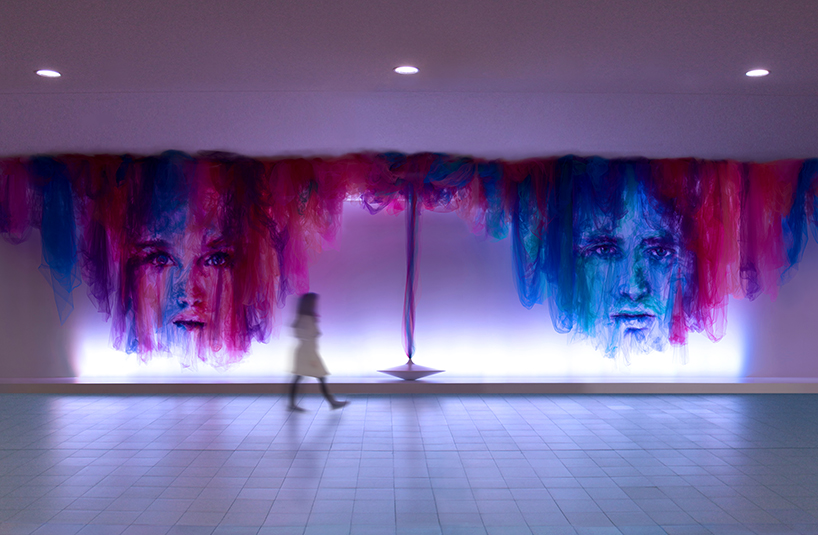
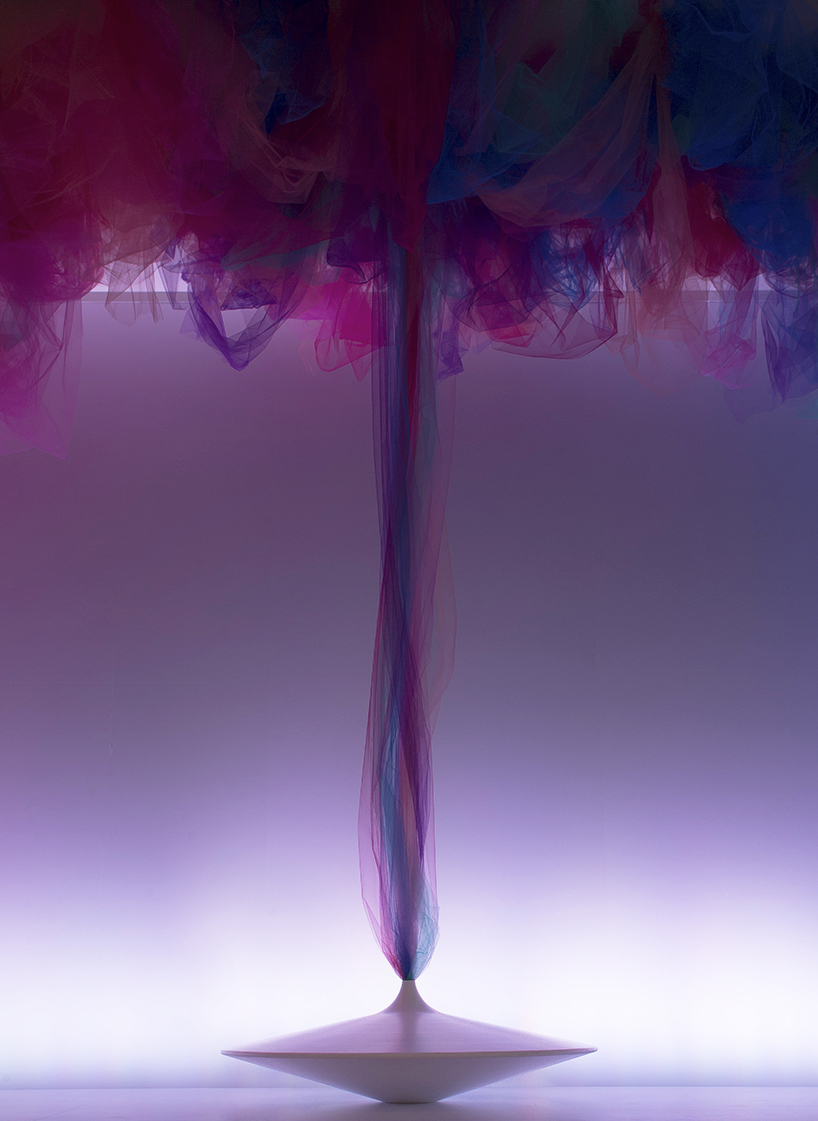
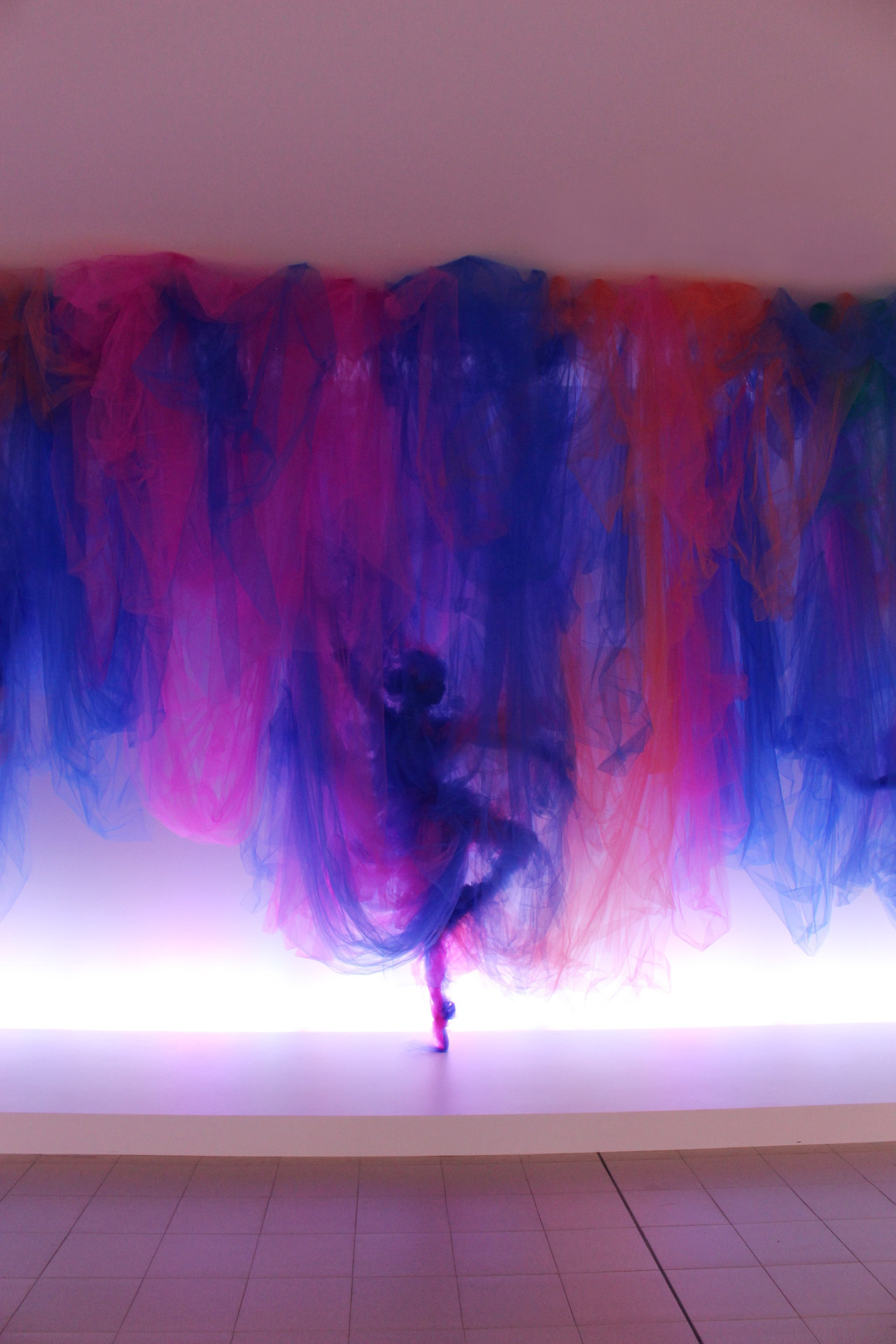
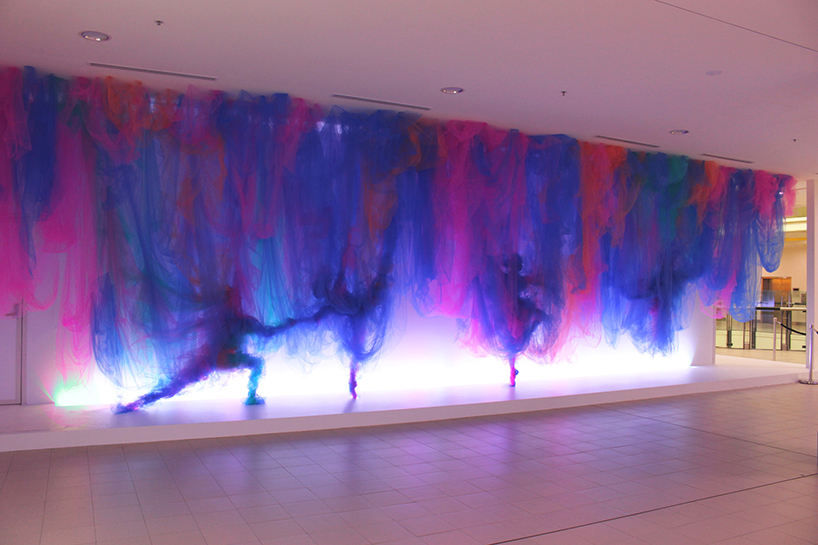
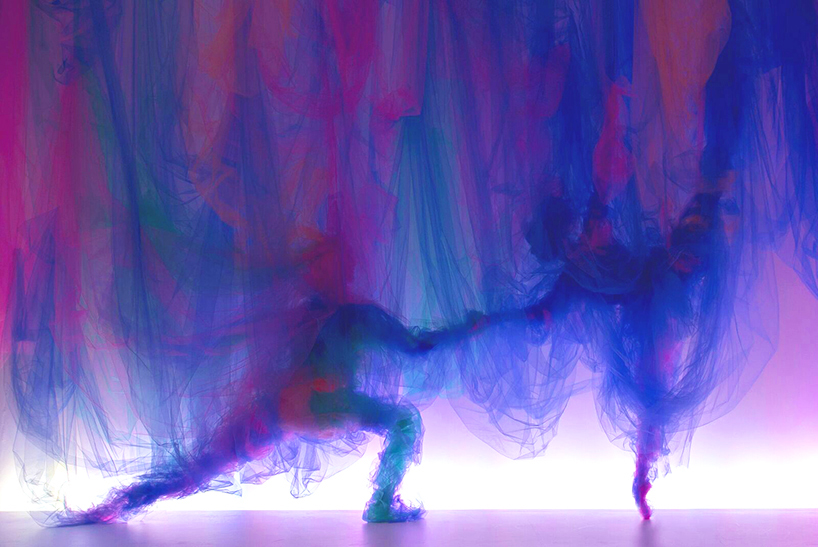
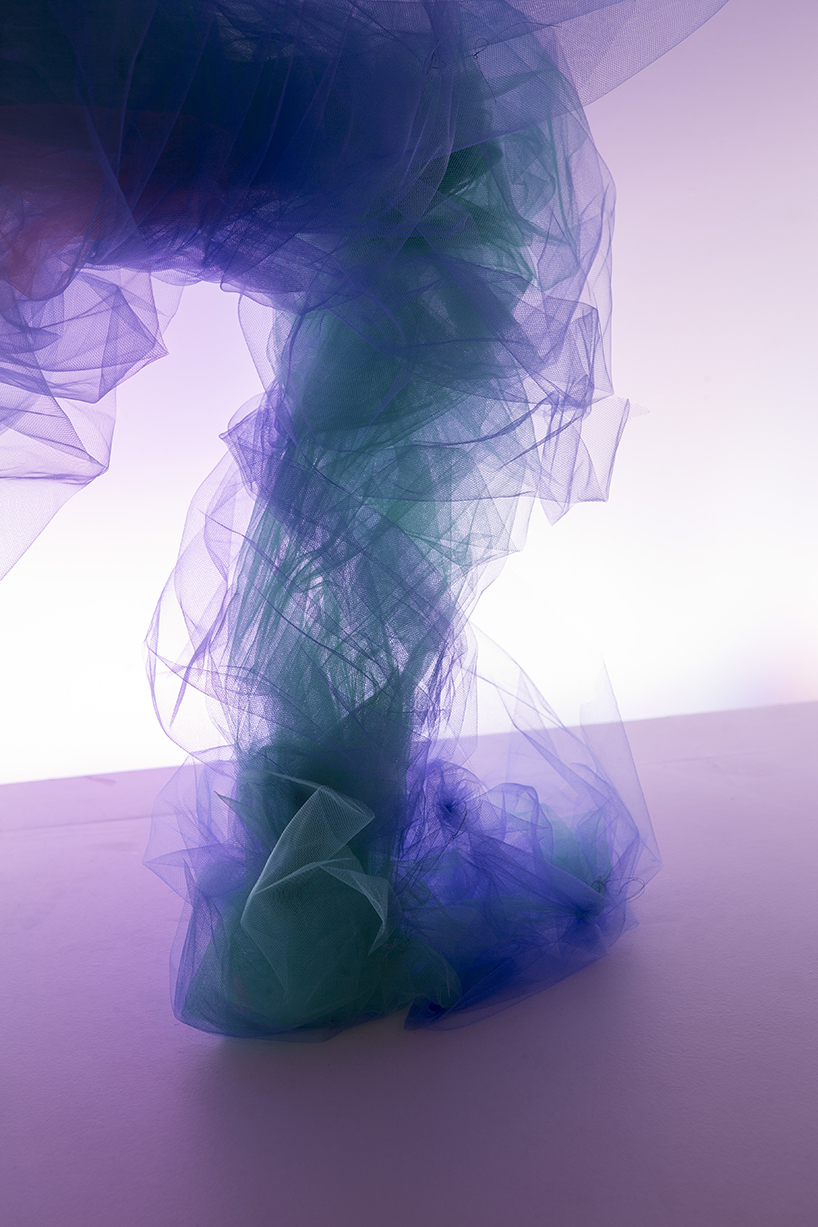
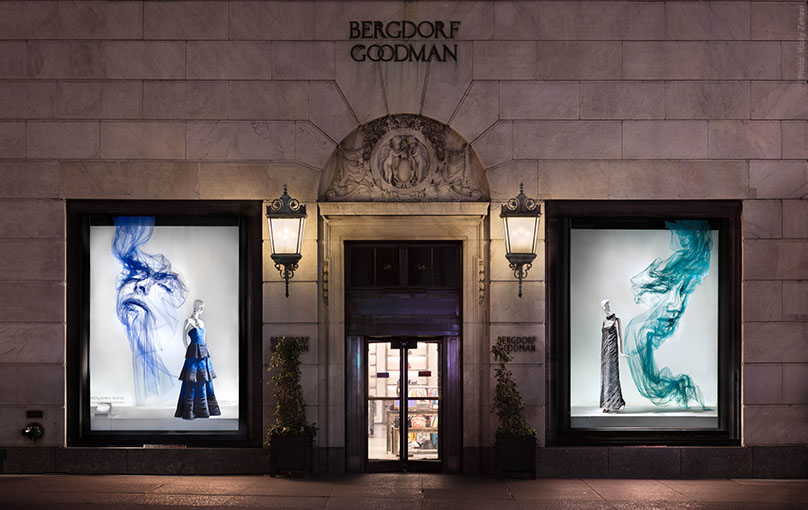
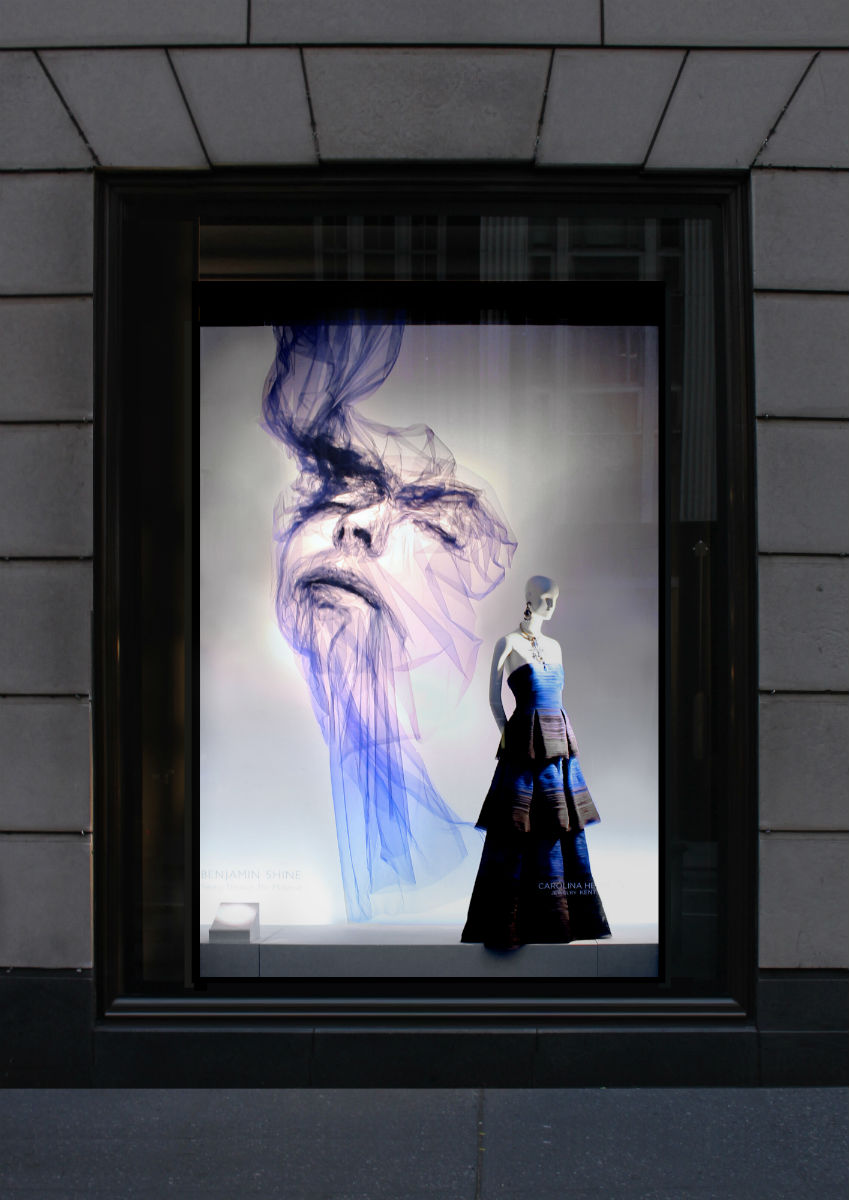
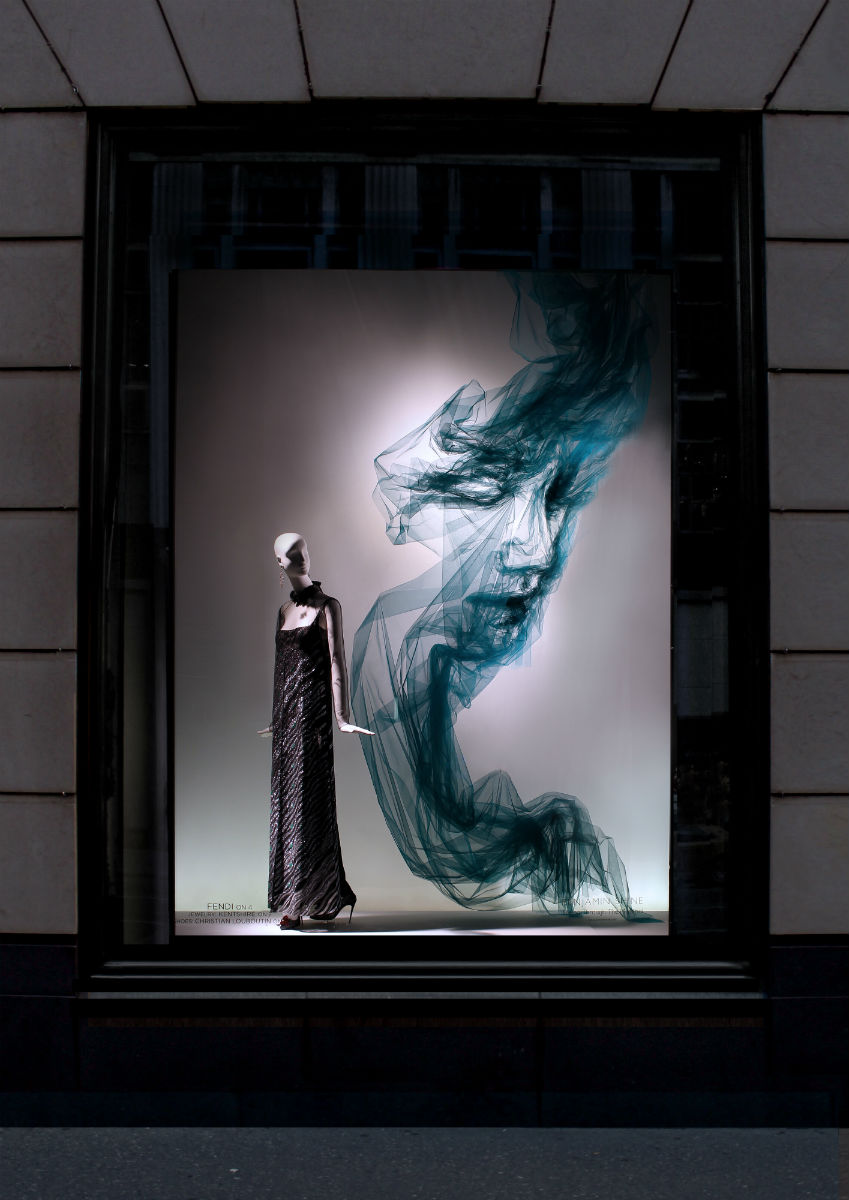
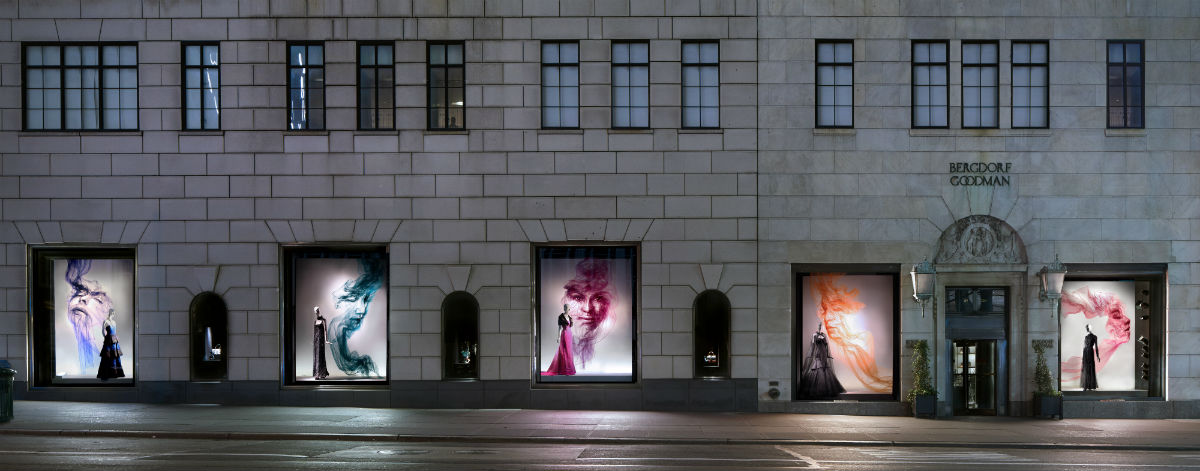
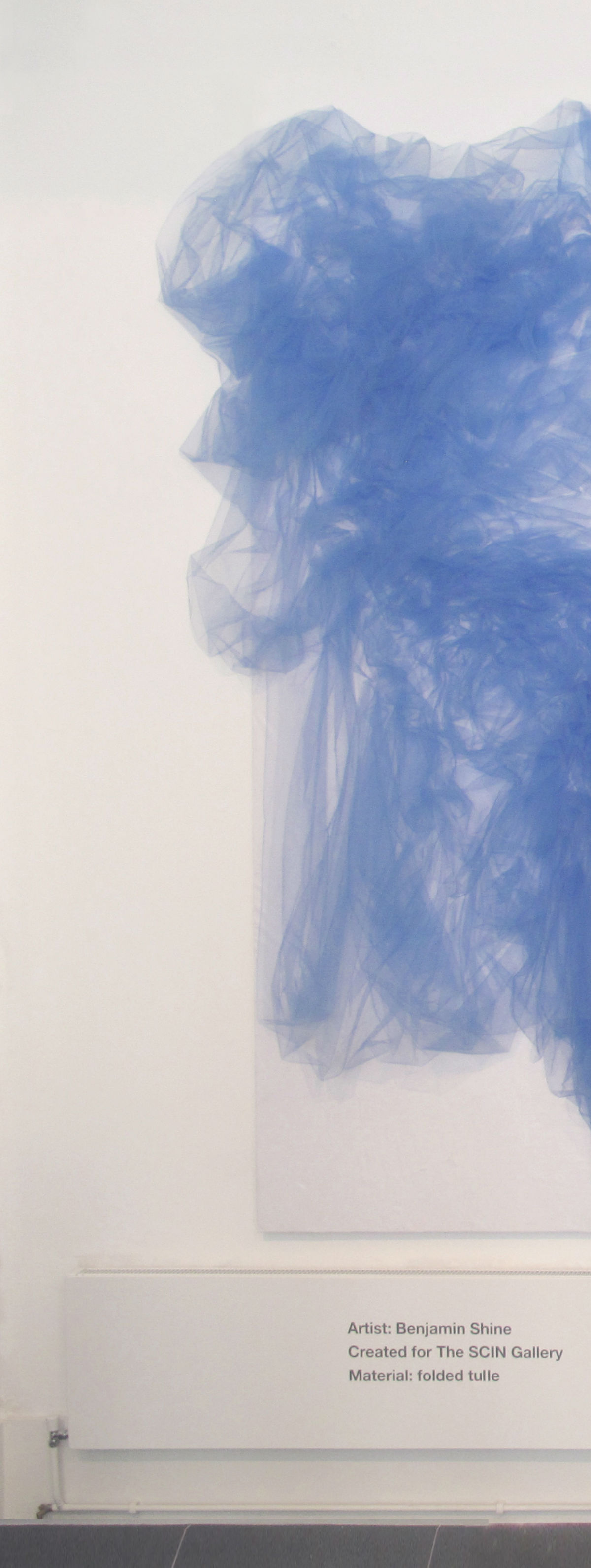
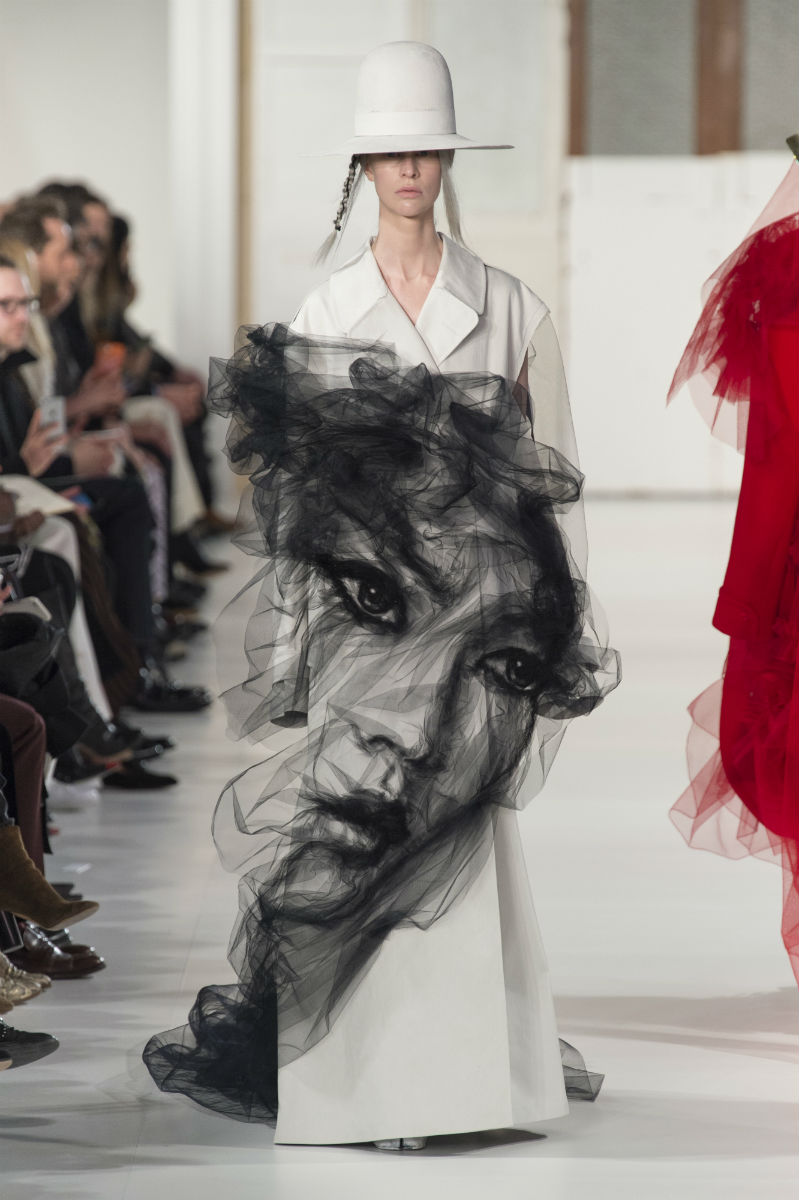
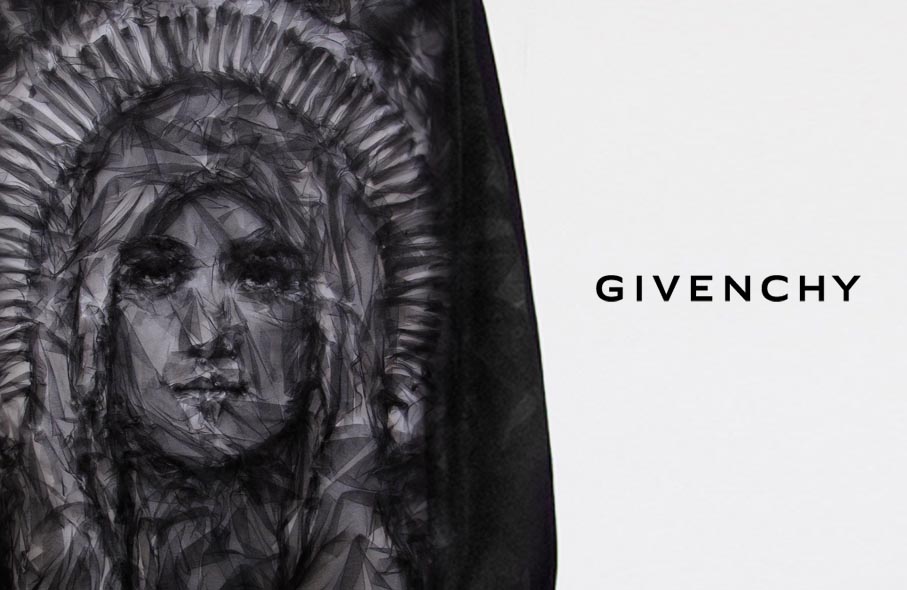
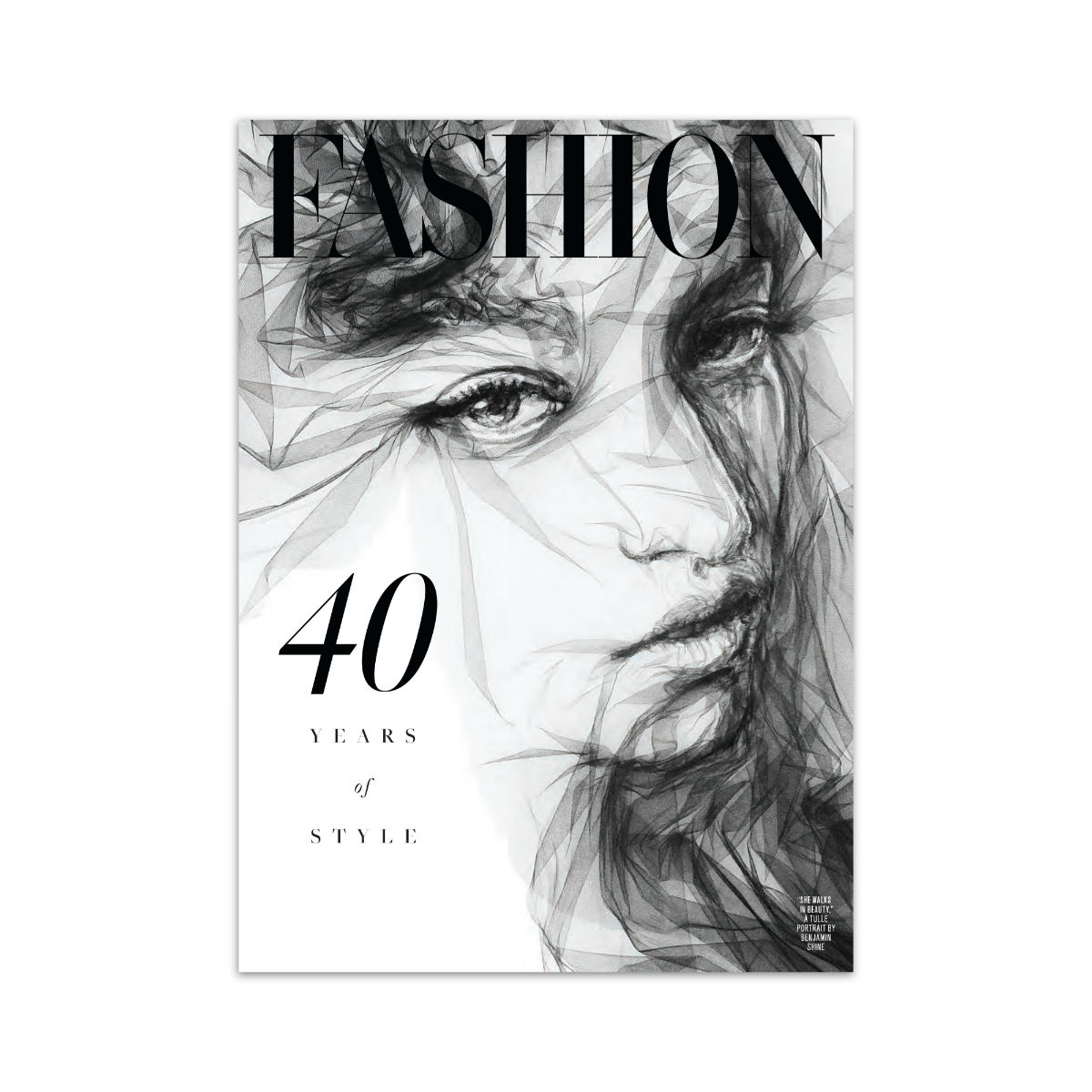
Benjamin Shine works with fabric the way a painter works with light. His material is tulle, a translucent textile usually reserved for couture and costume, which he manipulates into faces, figures, and flowing abstractions that seem to appear and dissolve at once. In his hands, a single length of fabric becomes a drawing in space—a meditation on form, movement, and the ephemeral nature of perception.
Educated in fashion design at Central Saint Martins, Shine approaches creation not as a stylist but as an inventor. His practice moves fluidly between art, design, and engineering, guided by an almost scientific curiosity about how matter can hold emotion. From delicate portraits pressed beneath glass to monumental installations that shift with light, his works reveal a fascination with transformation: the moment when fabric ceases to be material and becomes presence.
Based between Australia and the UK, Shine has collaborated with global institutions and brands while maintaining an independent, exploratory vision. His process is patient and precise, yet grounded in intuition—a continuous dialogue between control and surrender. What drives him is not the repetition of a technique but the pursuit of discovery, the challenge of bringing something unexpected into being.
In this conversation, he speaks about invention as a creative philosophy, the discipline behind spontaneity, and the invisible boundary between art and design. Shine’s voice, much like his work, reminds us that beauty often lies in what is barely held together—fragile, shifting, and full of light.
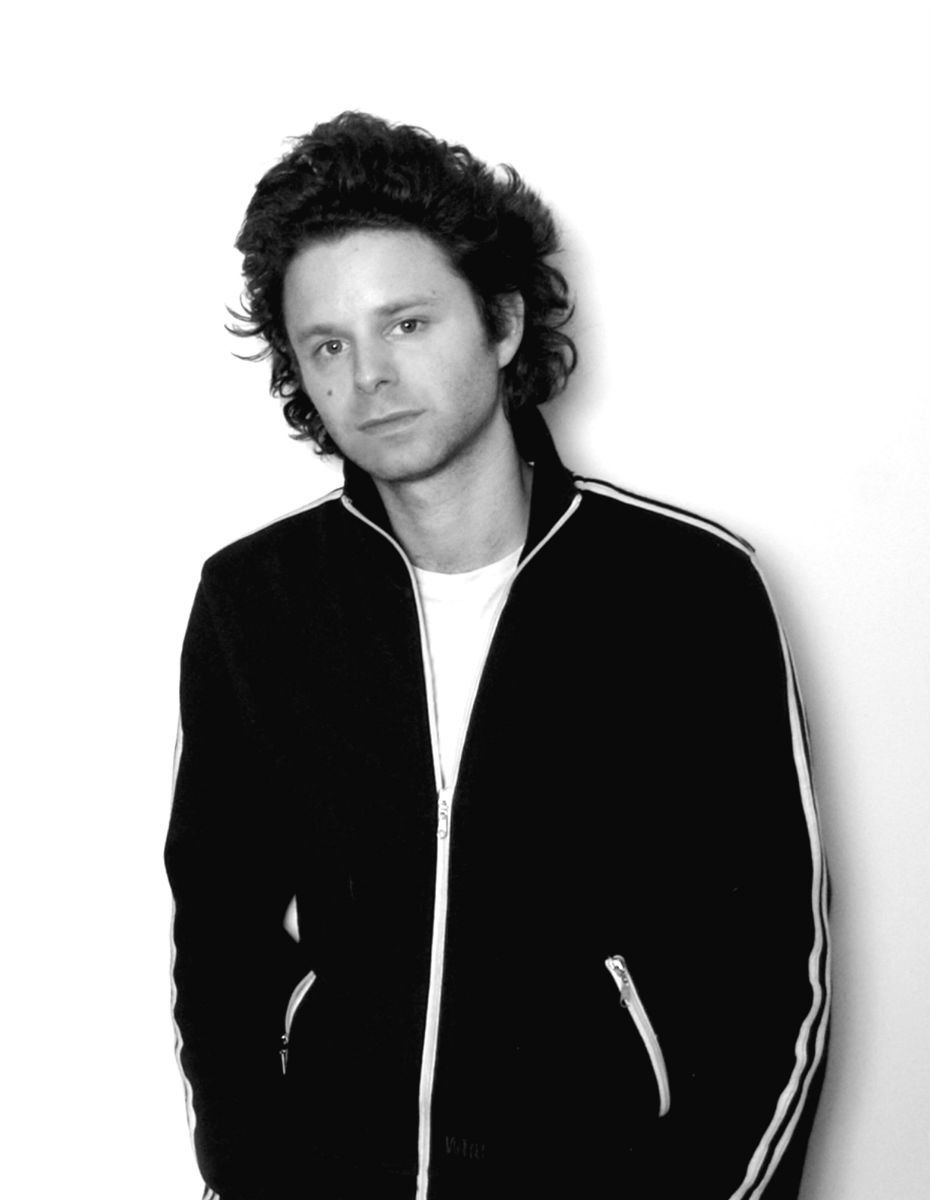
An Interview with Benjamin Shine
By Carol Real
The work resists easy classification, existing between painting, sculpture, and design. How can the essence of this practice be defined, and what techniques shape its visual language?
I actually think of myself as a creative explorer and inventor. At heart I’m an ideas person, and while my work often gets classed as art, painting, sculpture or design, it’s all a form of invention and creative thinking. I have a constant desire to develop ideas that are fresh and worthy of existing; and if the end results provoke the reaction “How?” or “Wow!” at the very least, then I’m satisfied it has connected and made a positive impact on a person.
Fabric appears as both subject and medium. How did this material become central to the creative process?
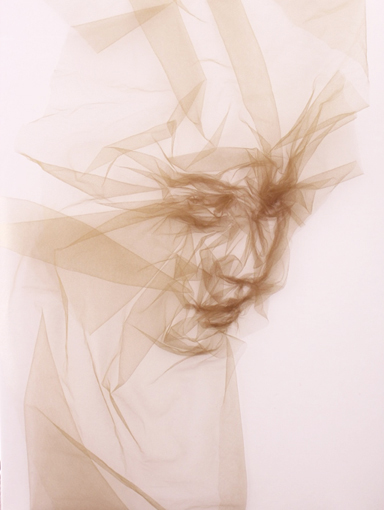
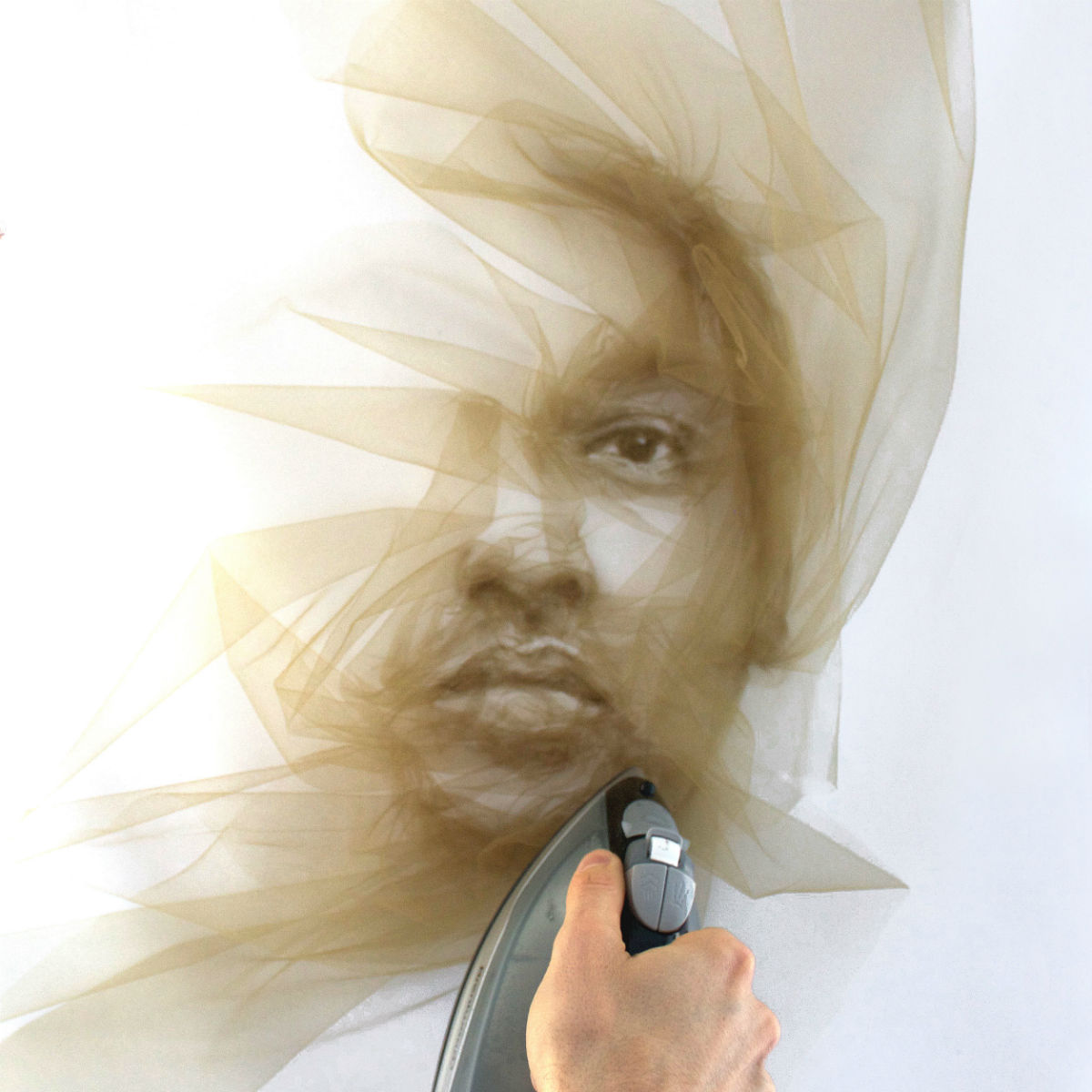
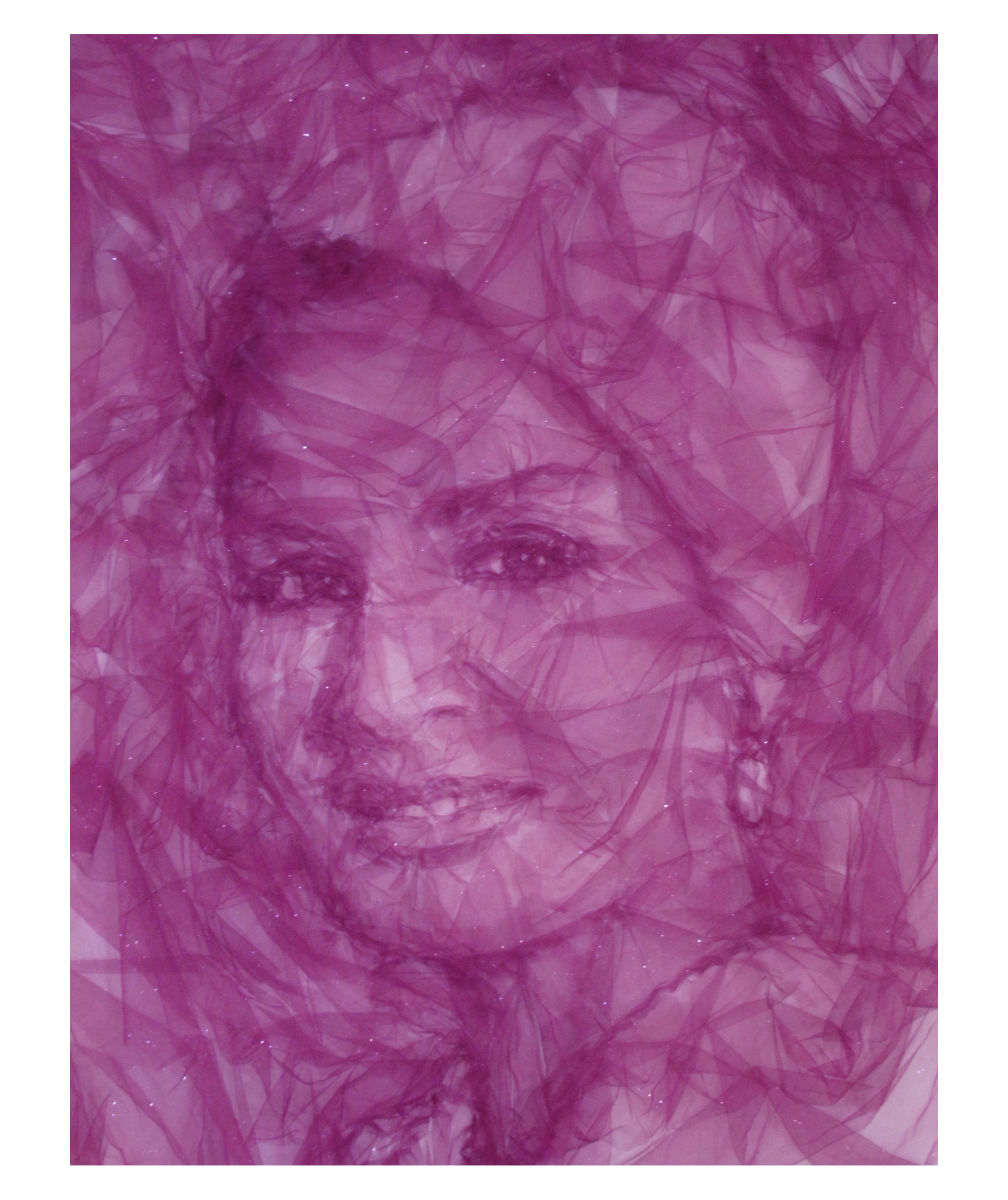
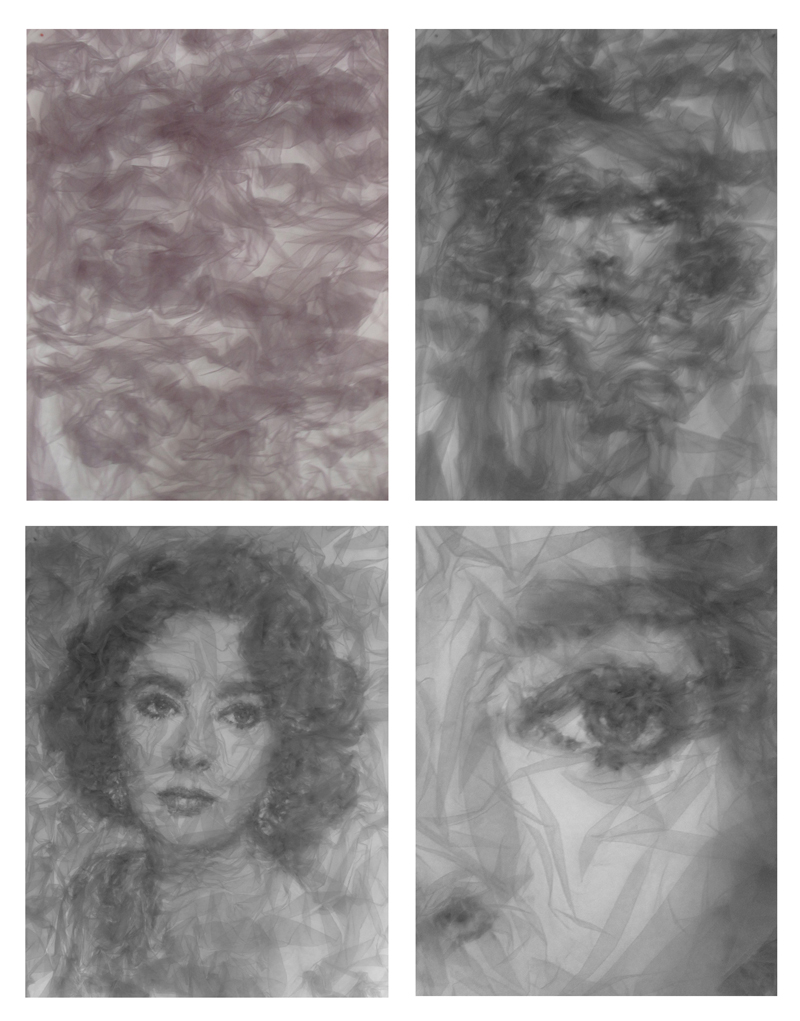
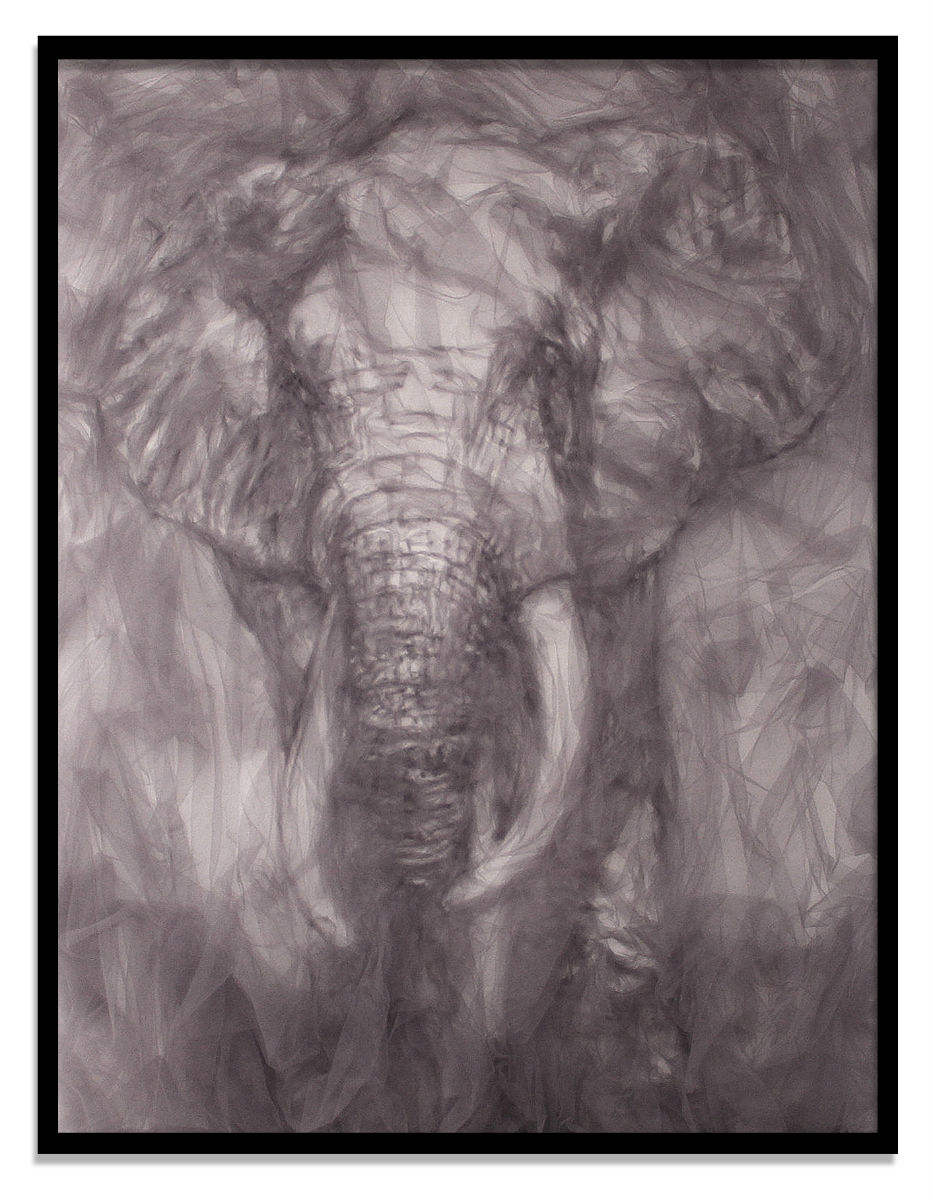
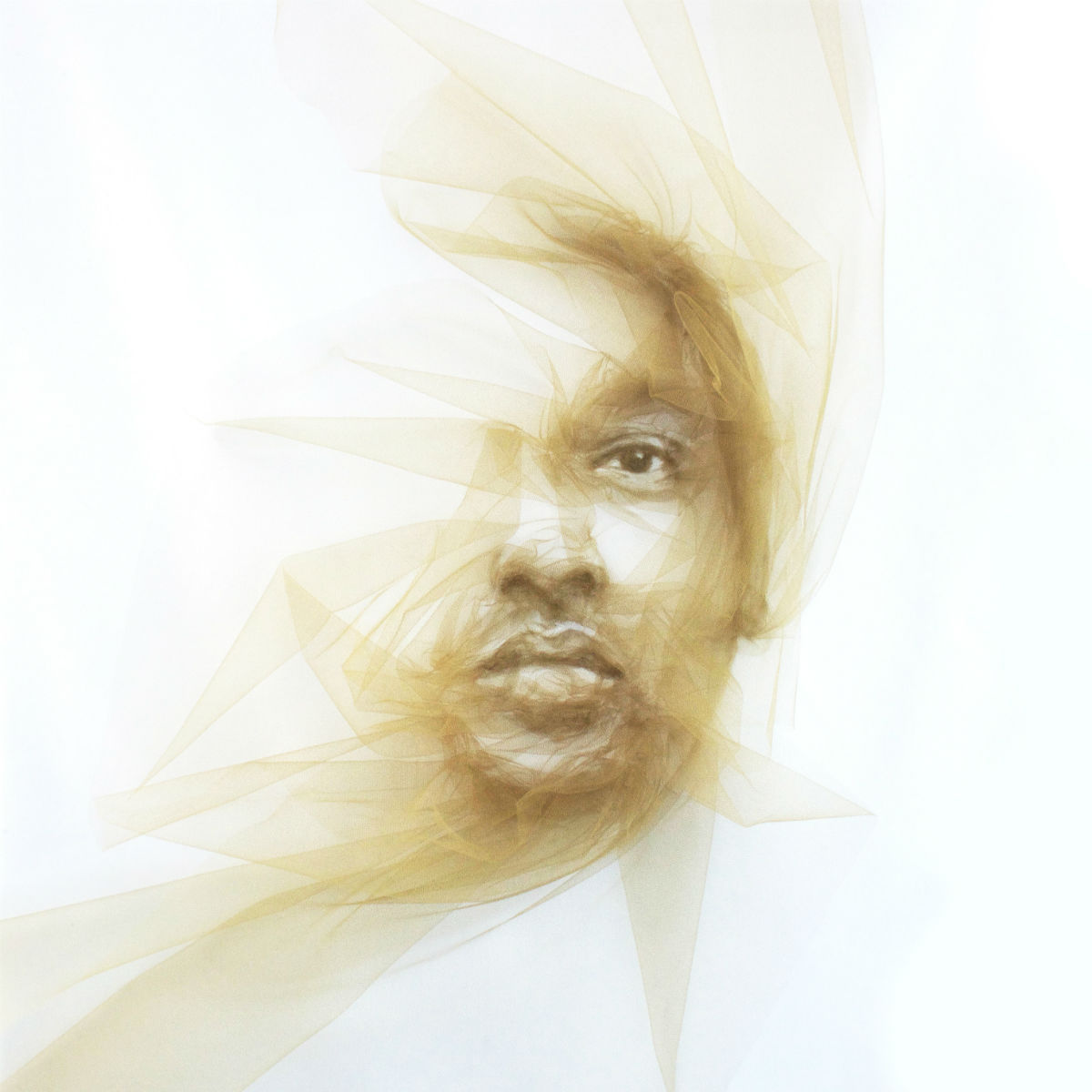
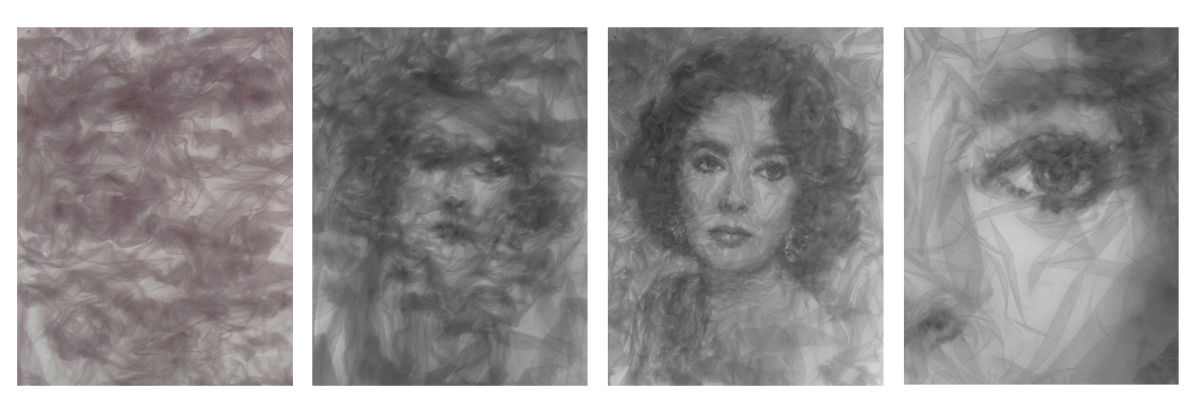
When I studied fashion design at the Surrey Institute of Art and Design, and then at Central St. Martins, I was quite obsessed with creating clothing from a single length of fabric. The pieces were very technical and required precision cutting in order to balance all the seaming perfectly. While I loved constructing clothes in new ways, I saw even more potential in fabric as a medium from which to create ideas away from the body. I saw it as a sort of three-dimensional paint to create forms and images. The tulle technique is the most recent development in my quest to bring the painted line to life through fabric. I have worked with torn strips of tulle in early pieces, but it wasn’t until I saw a crumpled ball of it on my studio floor that I noticed its potential. When I pressed it under glass, various tones became apparent from the layers of folds, and I began to test ways to create identifiable images from those folds. Much of my work explores one-piece construction, and the tulle technique epitomizes this train of thought. A single piece of tulle is manipulated into an image.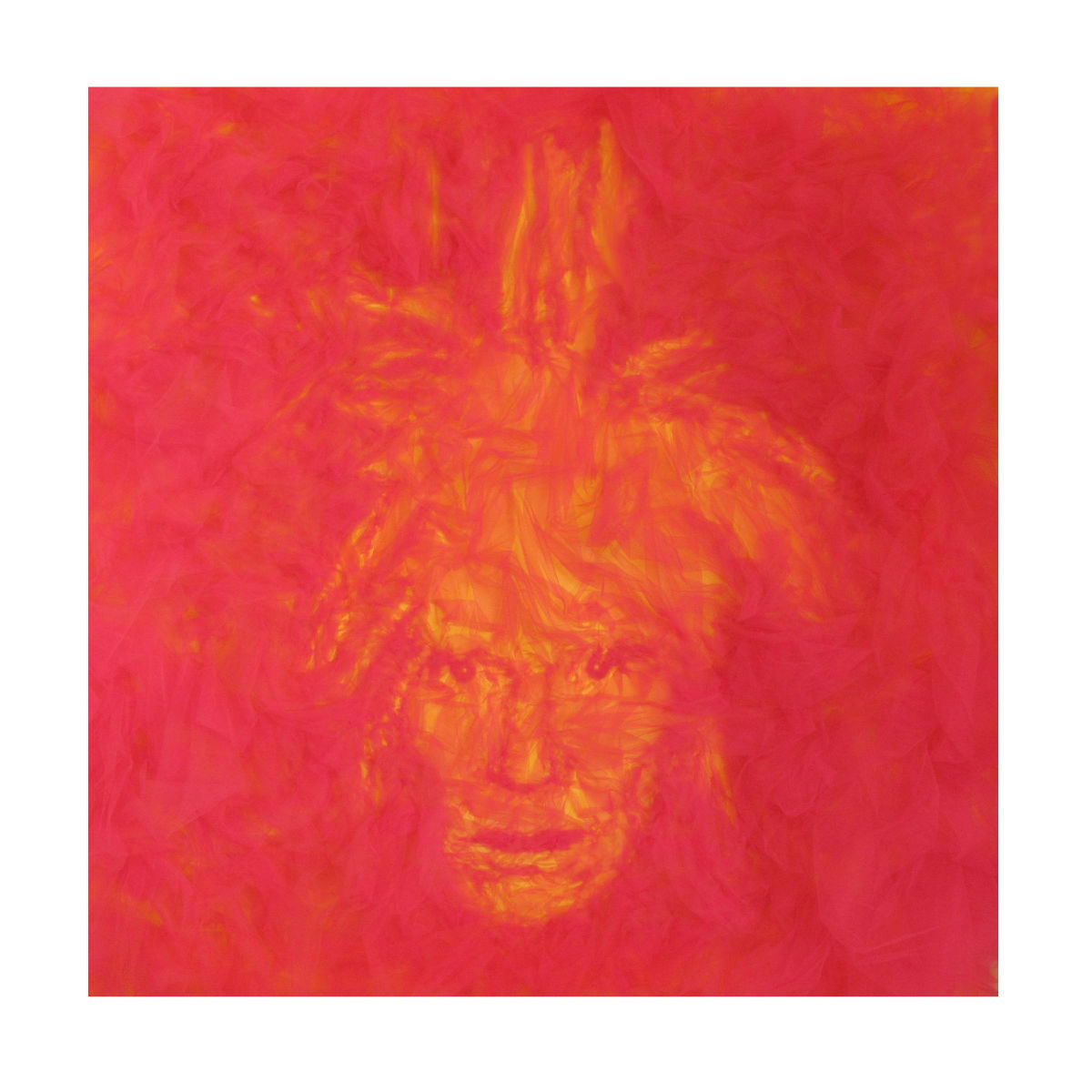 Inspiration often arrives through intuition and circumstance. What sources or experiences tend to ignite new ideas?
Sometimes it’s the simple process of being given a brief that sparks ideas in a particular direction. Other times it can be a conversation. But mostly, as my work progresses and fills certain gaps that I‘ve wanted to fill, it exposes other gaps to investigate! Once I feel somewhat satisfied that I’ve reached a particular point with an idea, I feel the urge to do something that is somewhat removed from, or contrasted with what I’ve done before—something that will challenge me again.
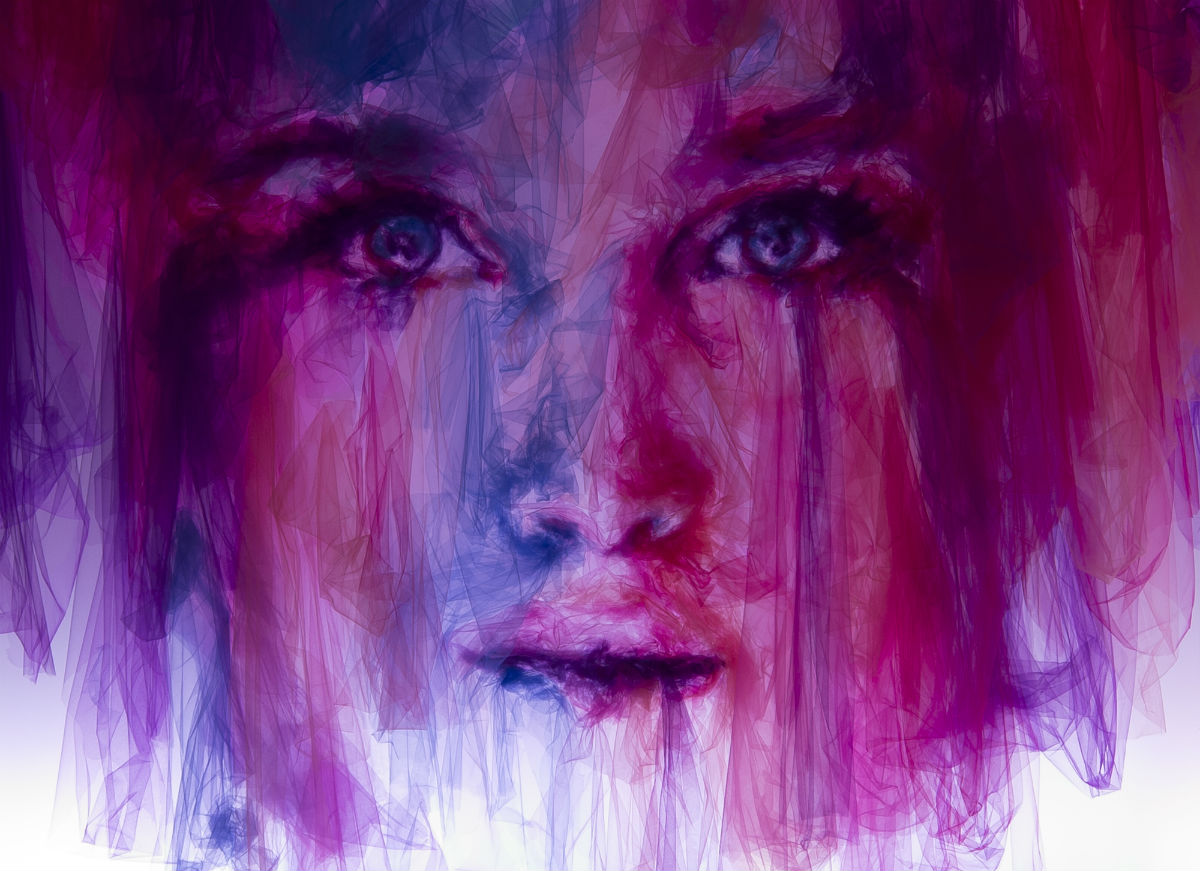
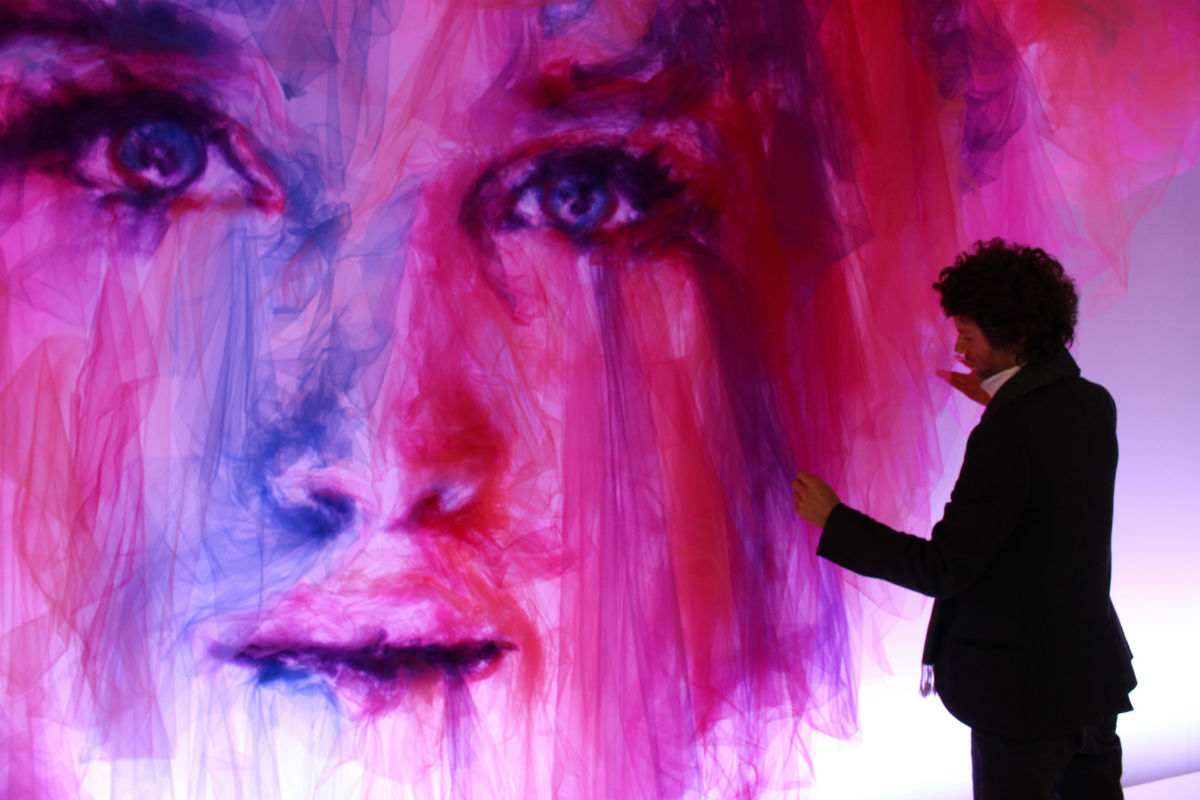
The tulle portraits are known for their precision and delicacy. How does the process of shaping and composing each piece unfold?
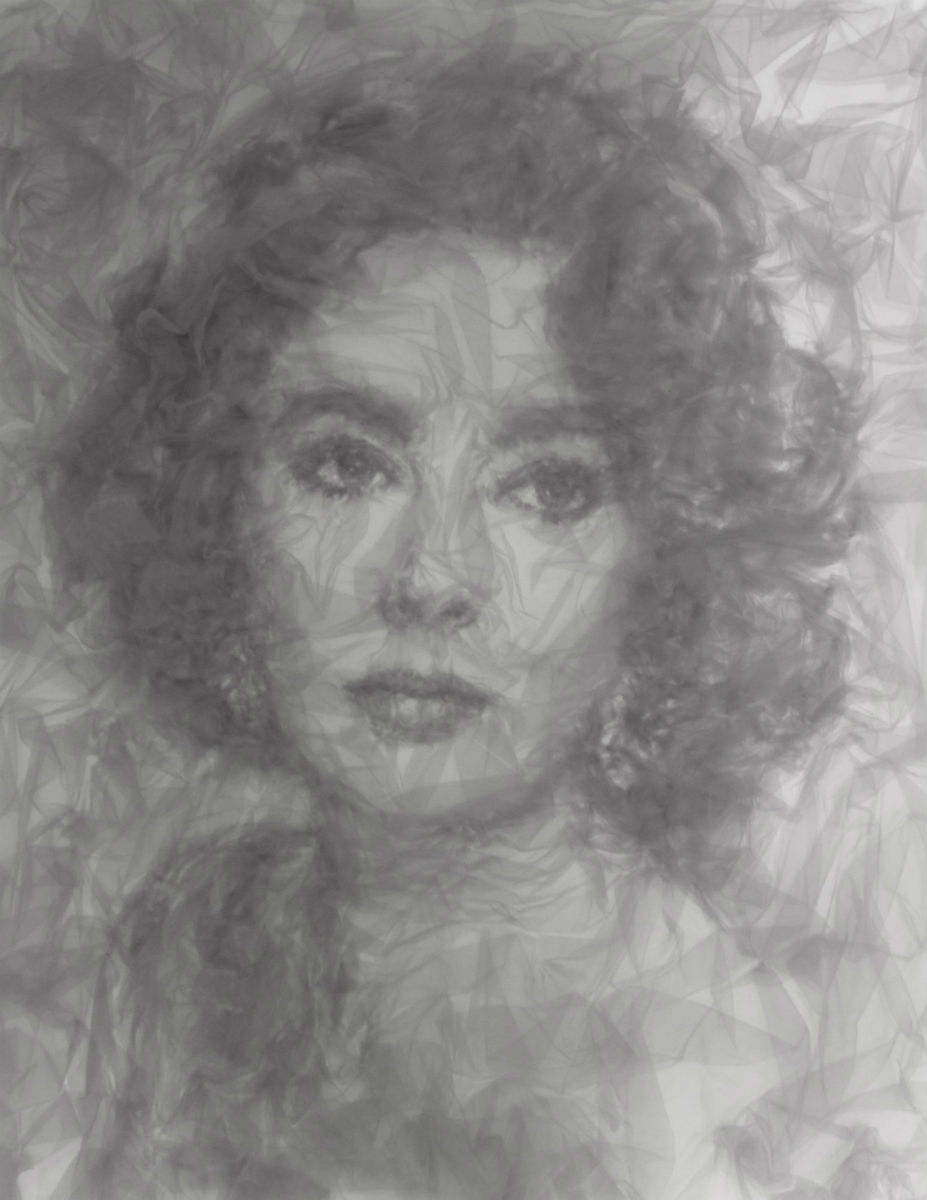
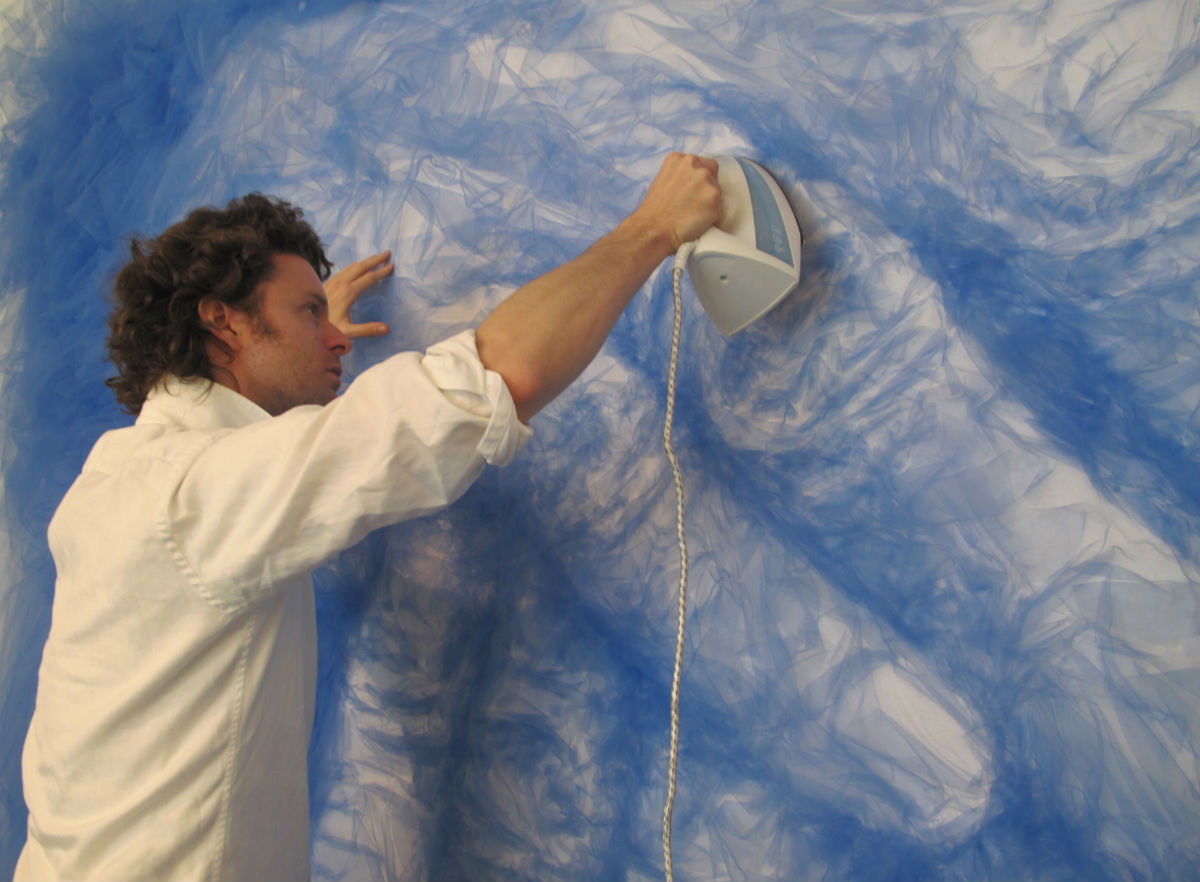
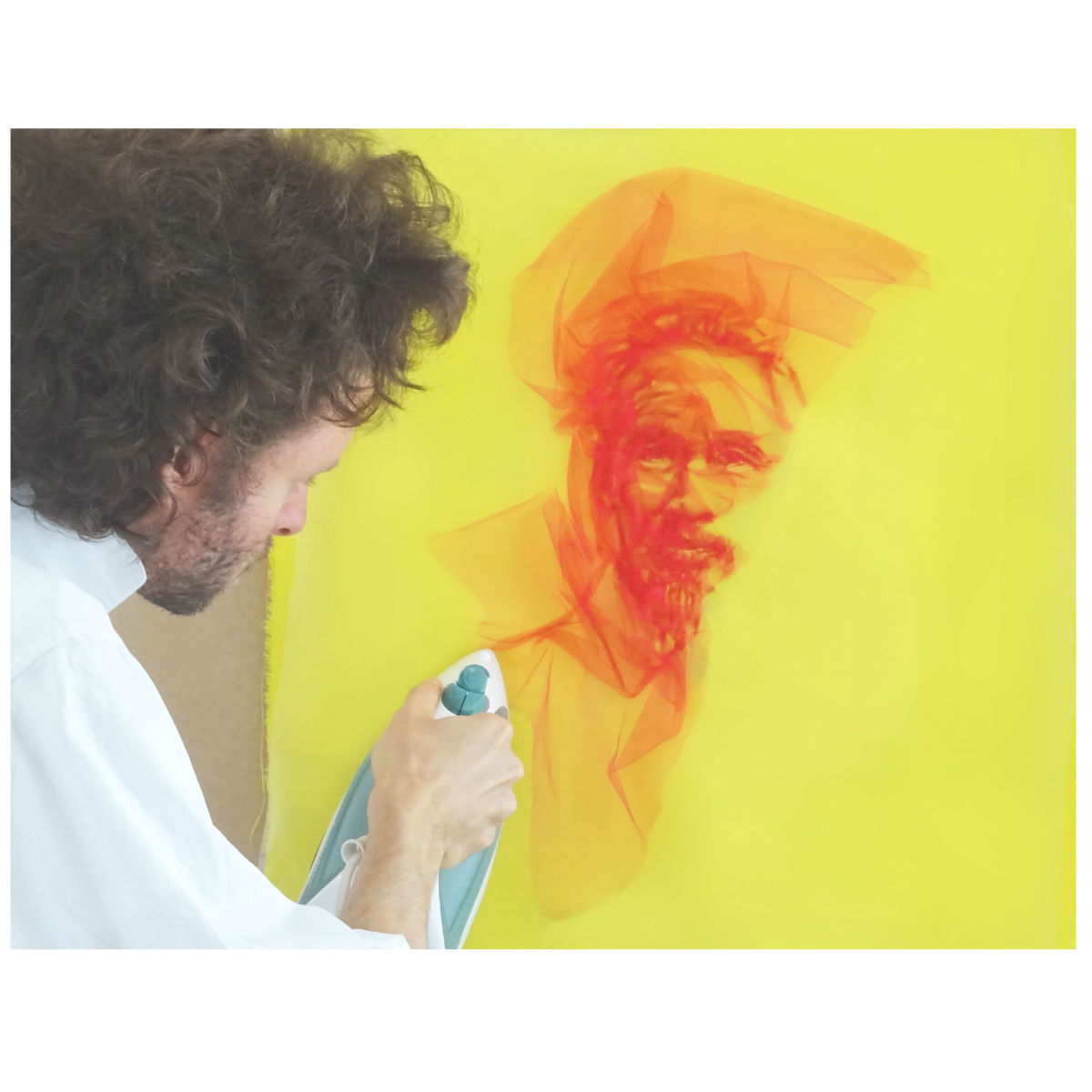
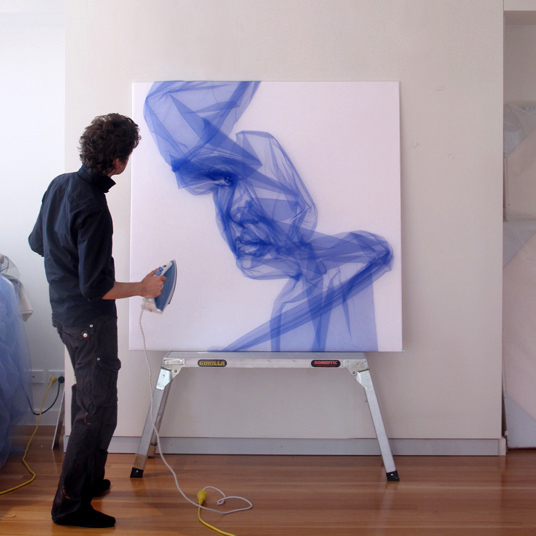
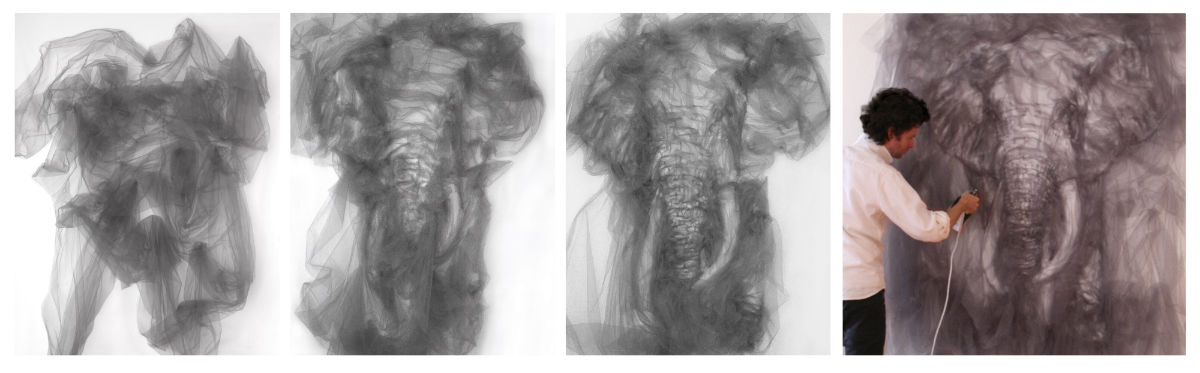
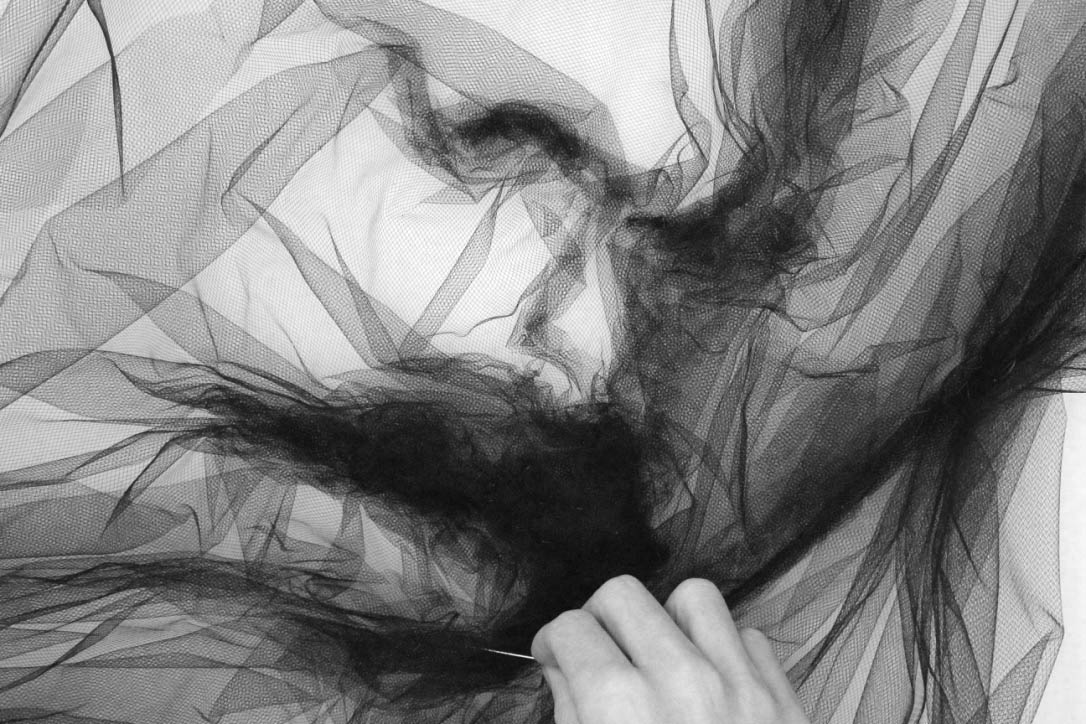
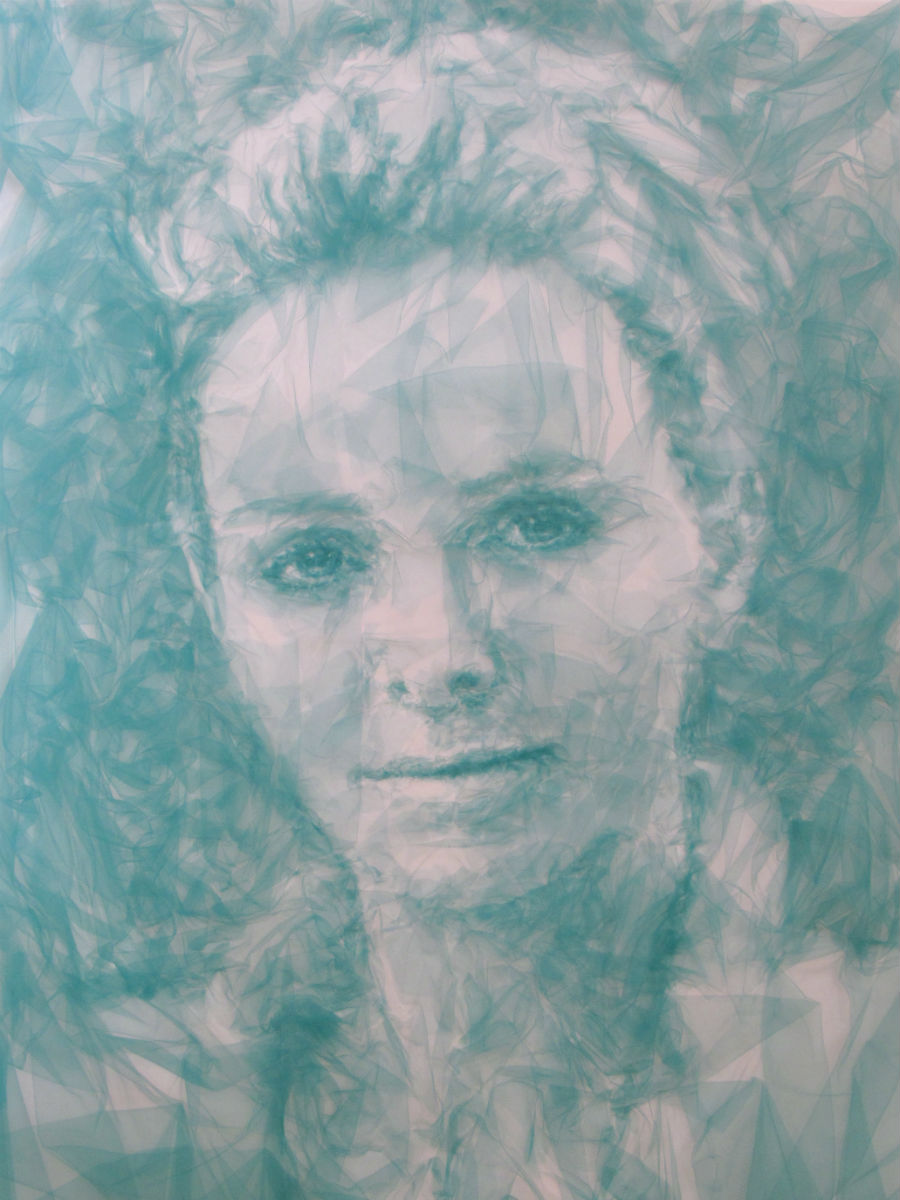
The tulle portraits are created from a single length of tulle fabric. A long length of about 20 meters is piled onto a canvas in a dense, voluminous layer. I start by moving the tulle around to define the basic tones. Then, I work on the detail by either pressing and manipulating it with a hot iron (to bond it), or hand sewing it into place.
Every sculpture involves patience and control. What are the most demanding aspects of the process, and how is time managed from concept to completion?
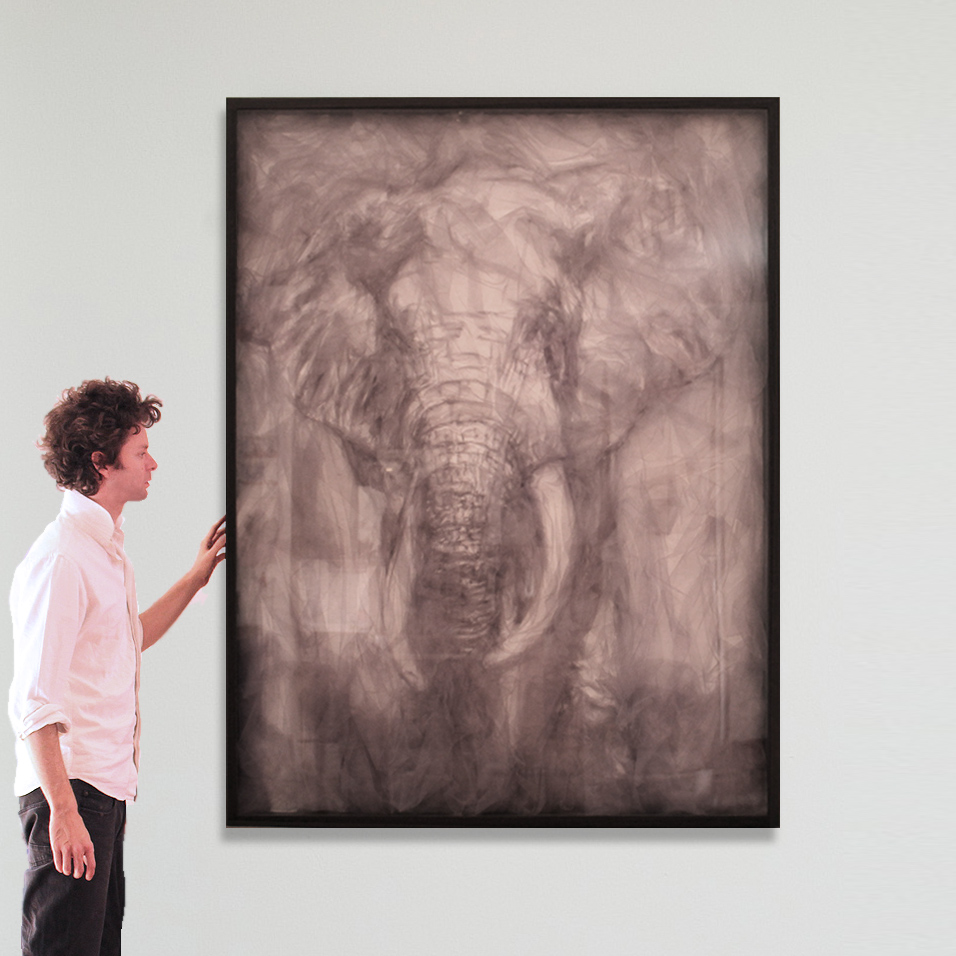
The most challenging part of the process is finding the organic sense of flow and movement within the piece, making sure that it does not feel forced. With the highly detailed portraits, it’s always the last five percent that can take an enormous amount of time. I may minutely tweak the eyes or other fine facial details to be sure that it looks like the person being depicted. The time spent is generally relative to the scale of the piece; but usually a portrait takes several weeks to complete. I often keep it hanging in my studio for longer, as I sometimes notice incidental things once I have experienced a bit of distance from it.
Beyond the studio, where does balance and inspiration come from in daily life?
Outside of making art, there’s very little that goes on, as art happens to provide me with a lot of enjoyment and satisfaction! Still, I do try to spend time with family and friends whenever I can.
The studio itself often reflects the artist’s mindset. How is the space organized, and what atmosphere supports creation?
My main studio is in Australia. It’s essentially a big white box, and I often have up to 15 pieces-in-progress on the walls at any one time. There is also one wall of windows, which are sometimes diffused to create a very large light box for backlighting the installation pieces and sculptures. In recent years I’ve also enjoyed renting studios in the countries where I have projects to complete.
Moments of failure can redefine direction. What early setbacks proved most instructive, and how did they shape resilience in the creative path?
Probably too many to mention! But I learned early on that nothing is ever really a failure in the sense that it was useless or a waste of time. Secondly, to have a number of projects in development at the same time takes the sting out of any that are lagging or not working out. At least a feeling of achievement can be felt via other projects that are doing better!
Creation is a process of discovery. What new horizons or transformations are envisioned for the coming decade?
Hopefully, I will still be pushing the edges of my comfort zone and unearthing new discoveries.
\