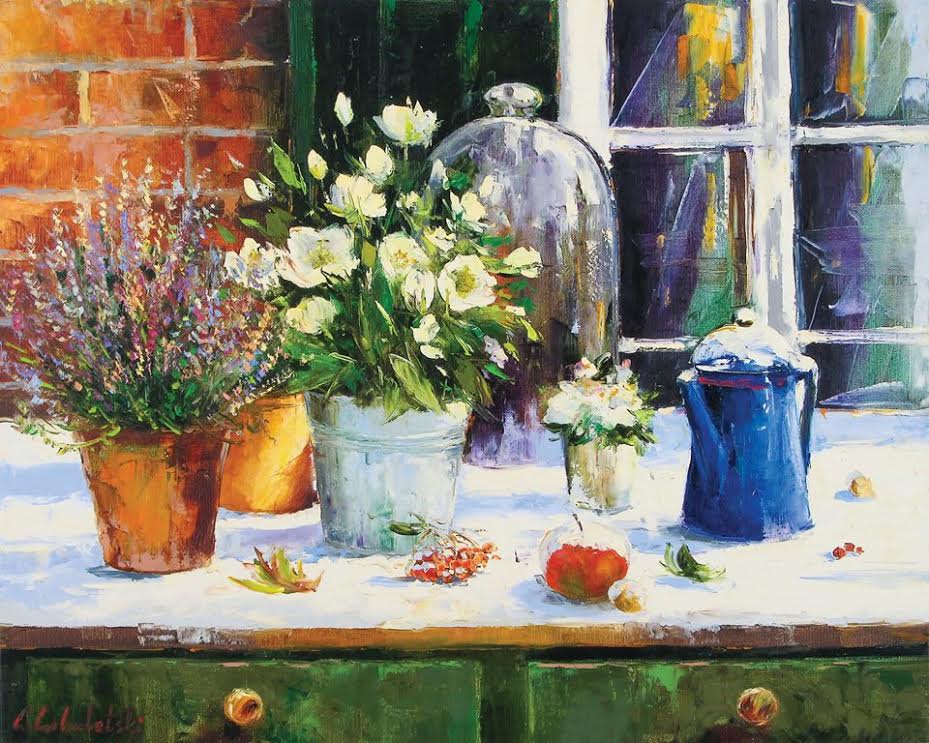
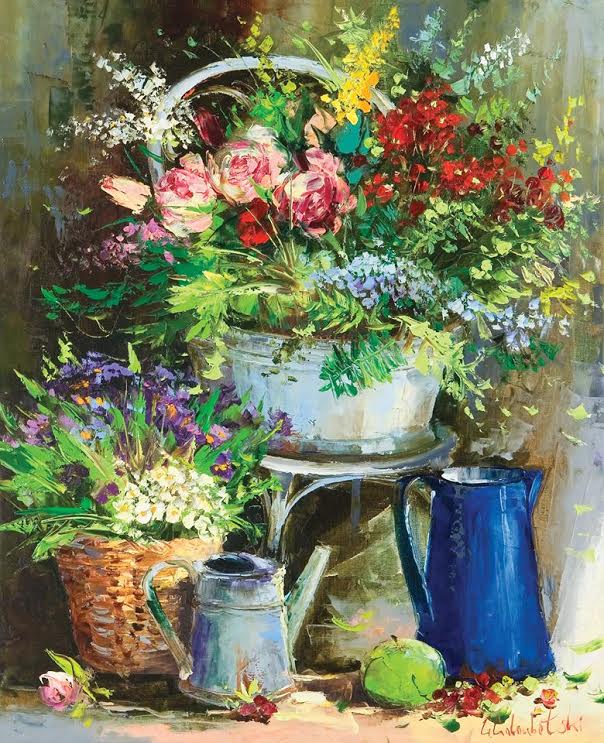
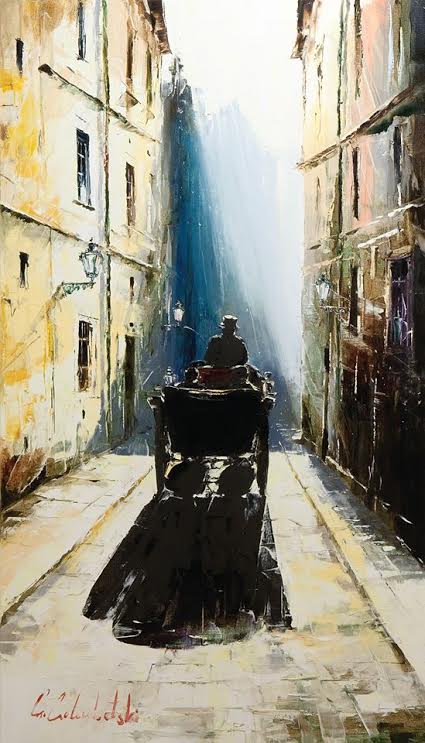
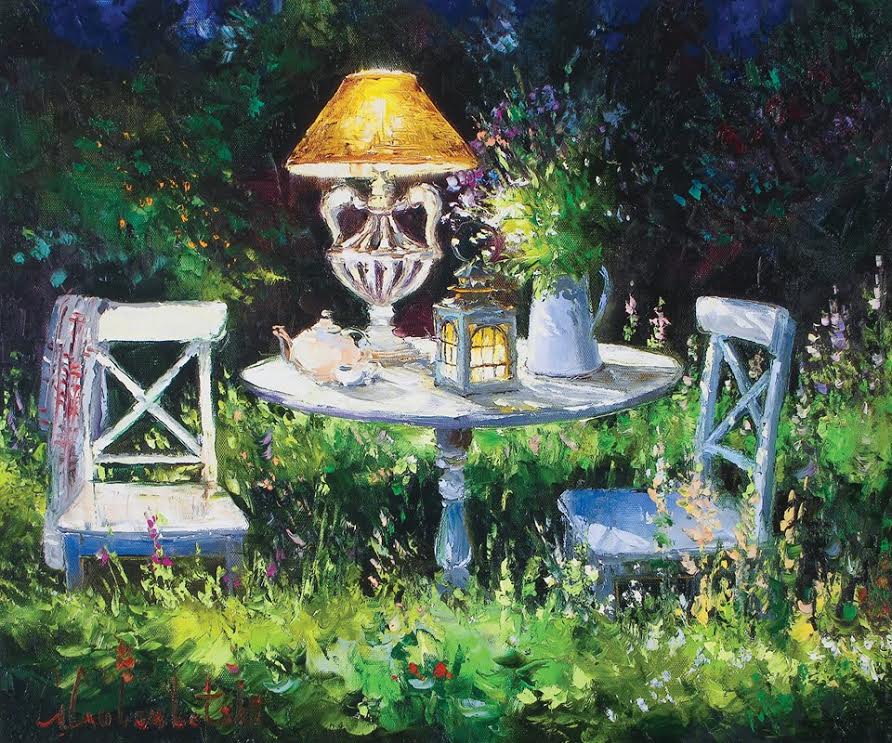
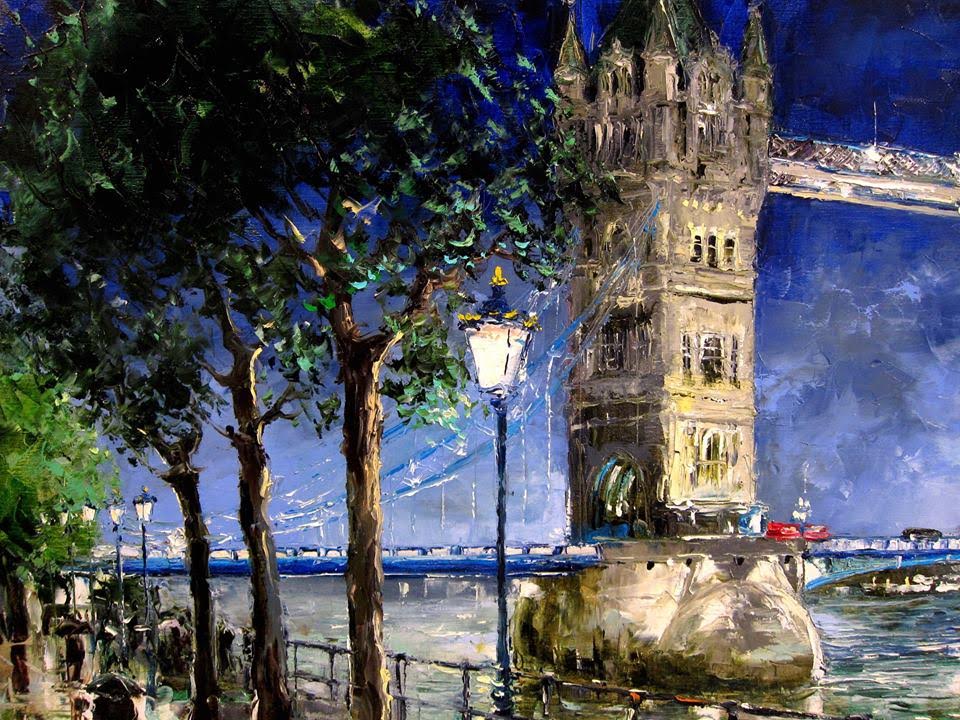
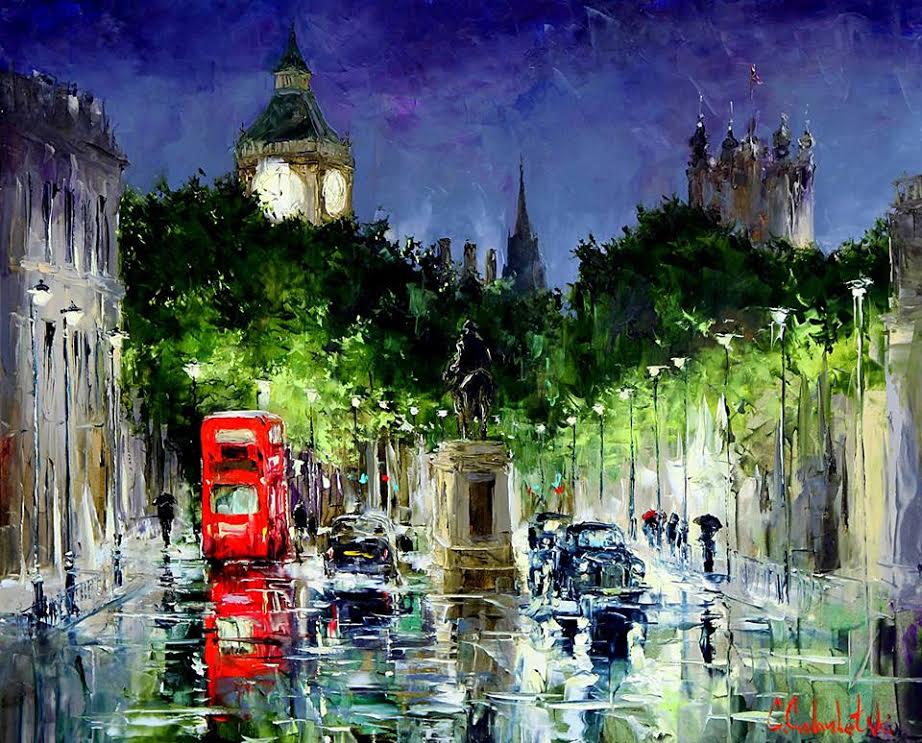
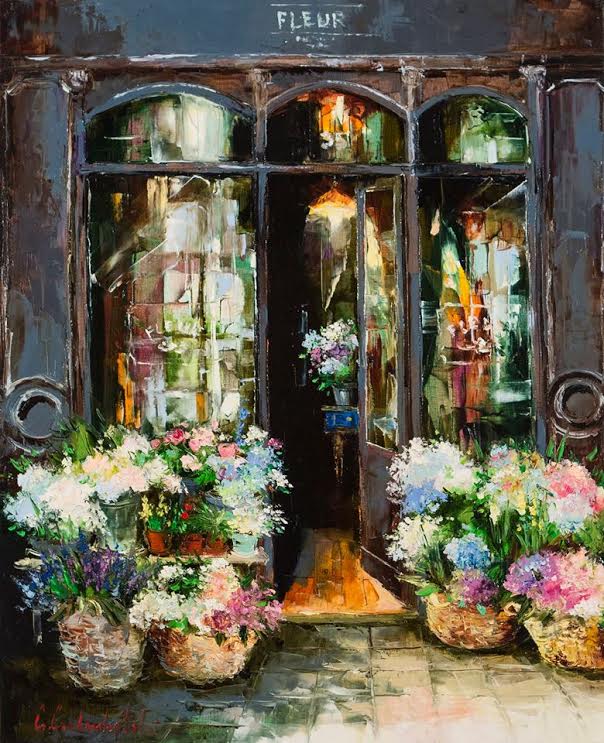
Born in Omsk, in the former Soviet Union, Gleb Goloubetski inherited not only a lineage of architects and painters but also a profound sense of visual harmony. His father, an artist himself, became both mentor and muse, instilling in him the belief that painting was not merely a vocation but a way of being.
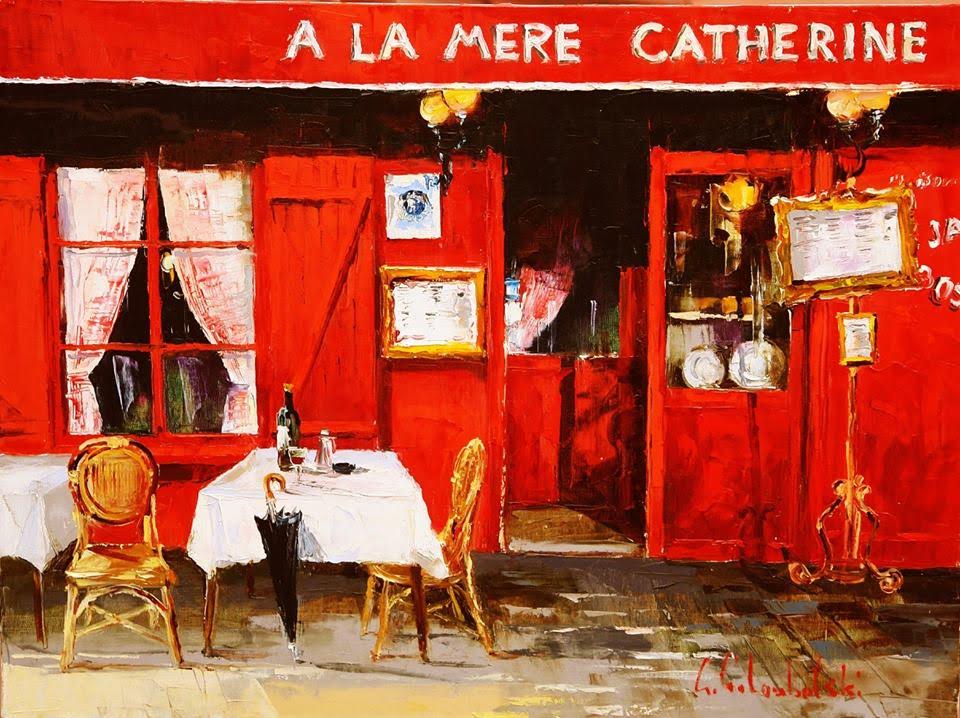
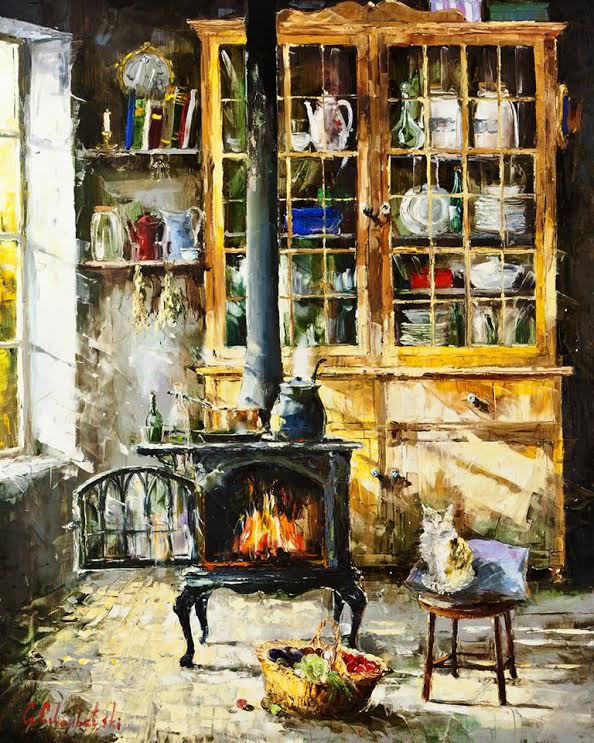
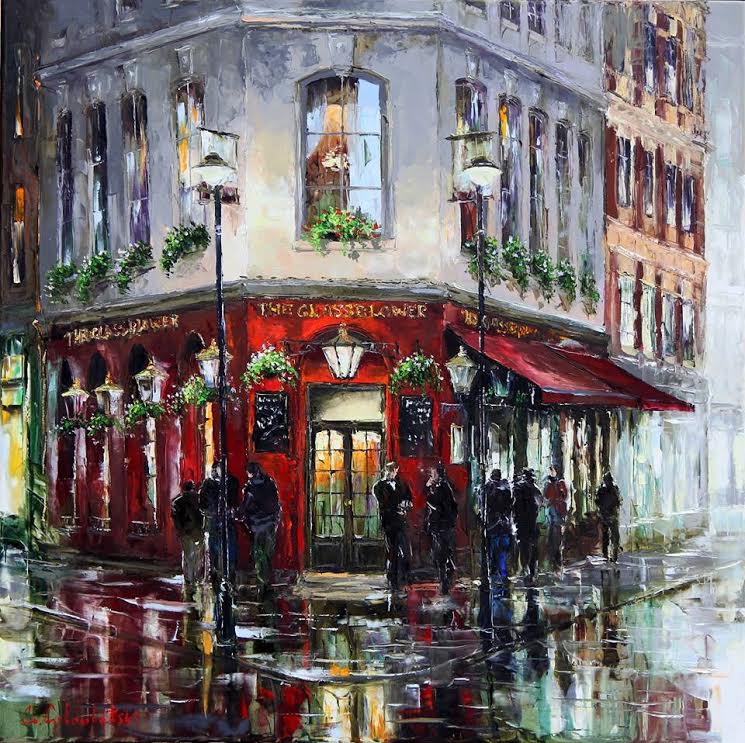
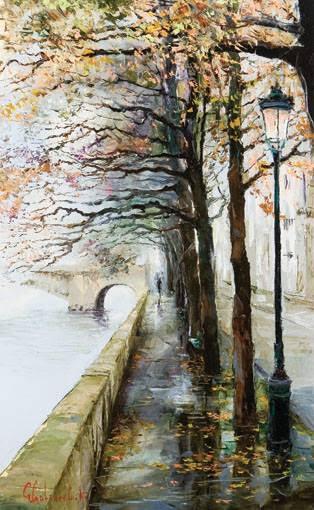
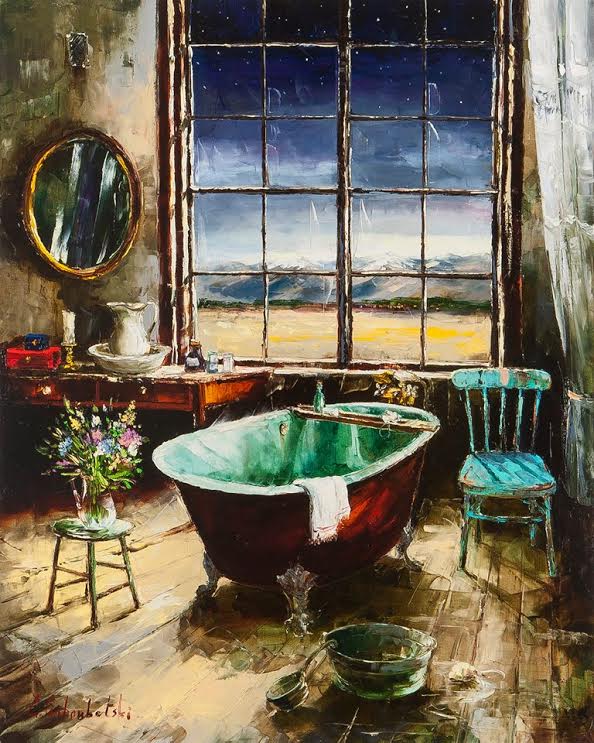
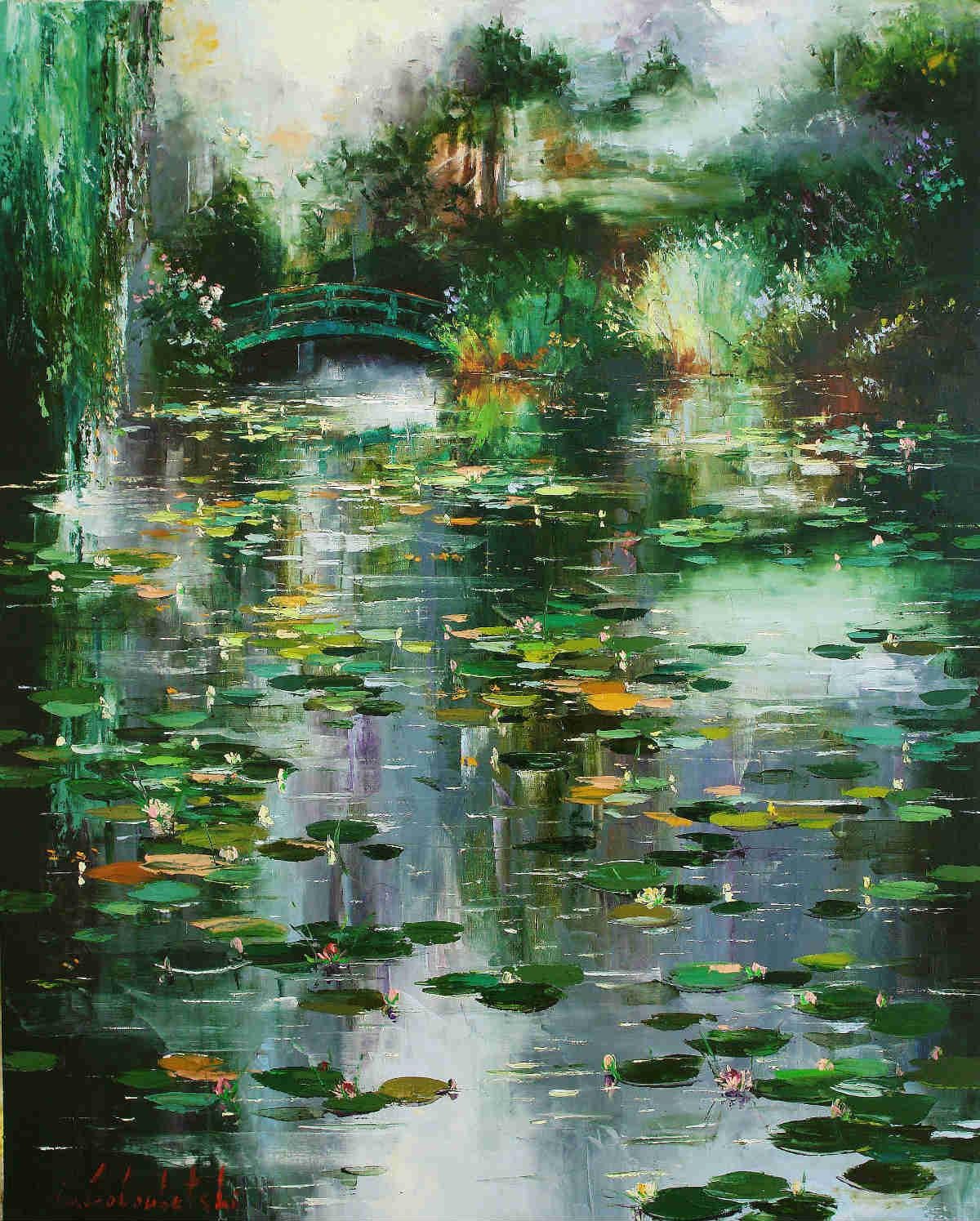
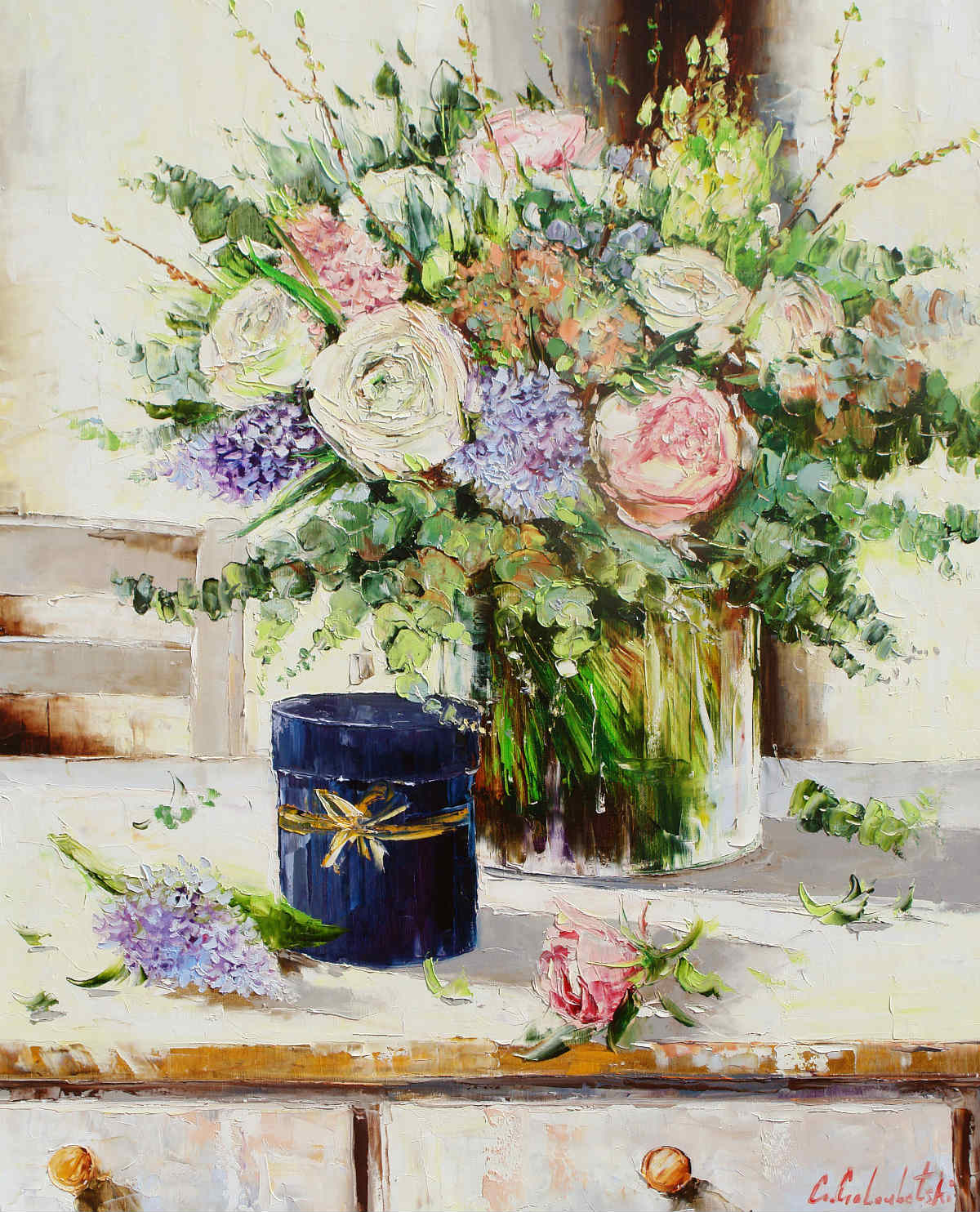
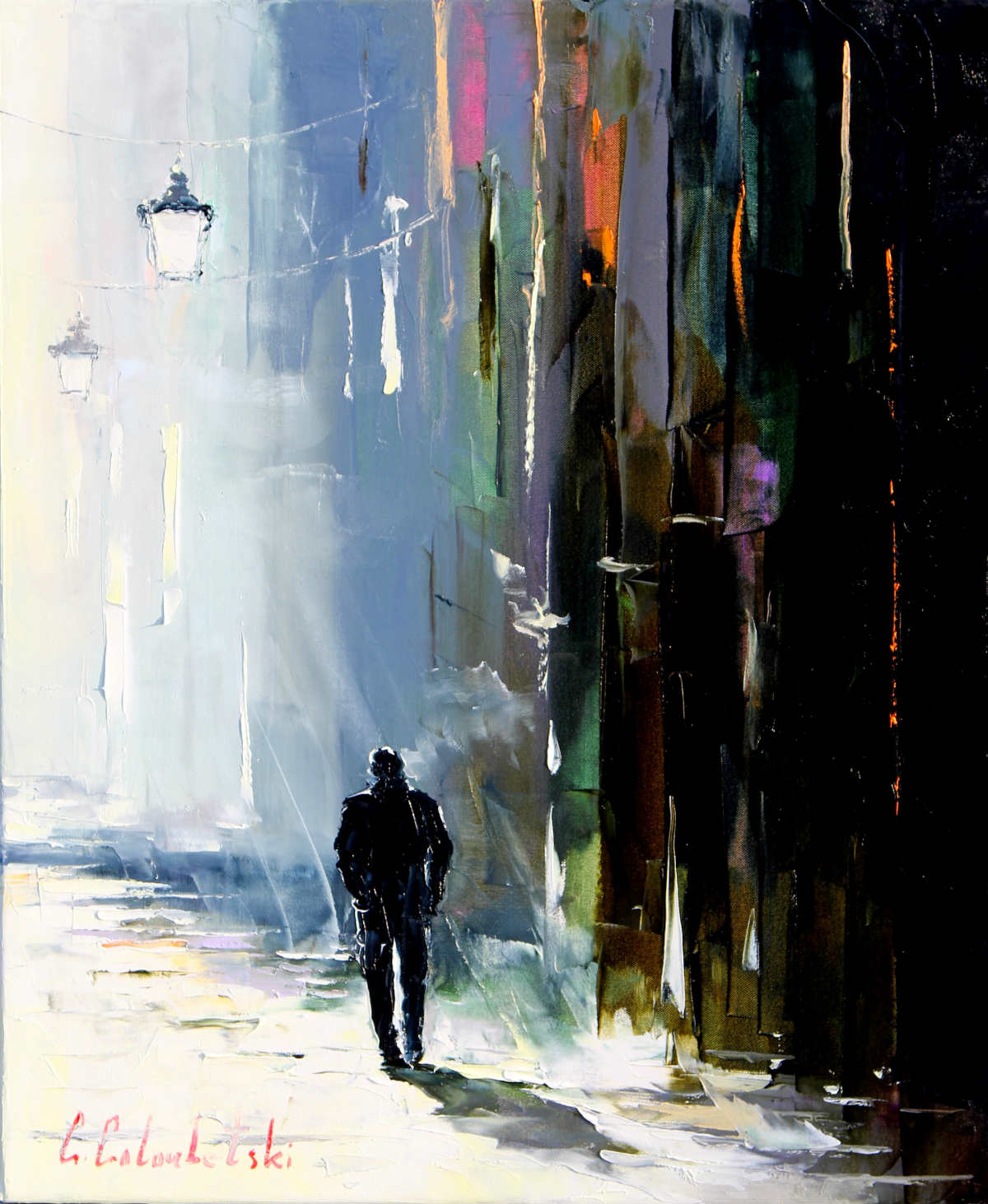
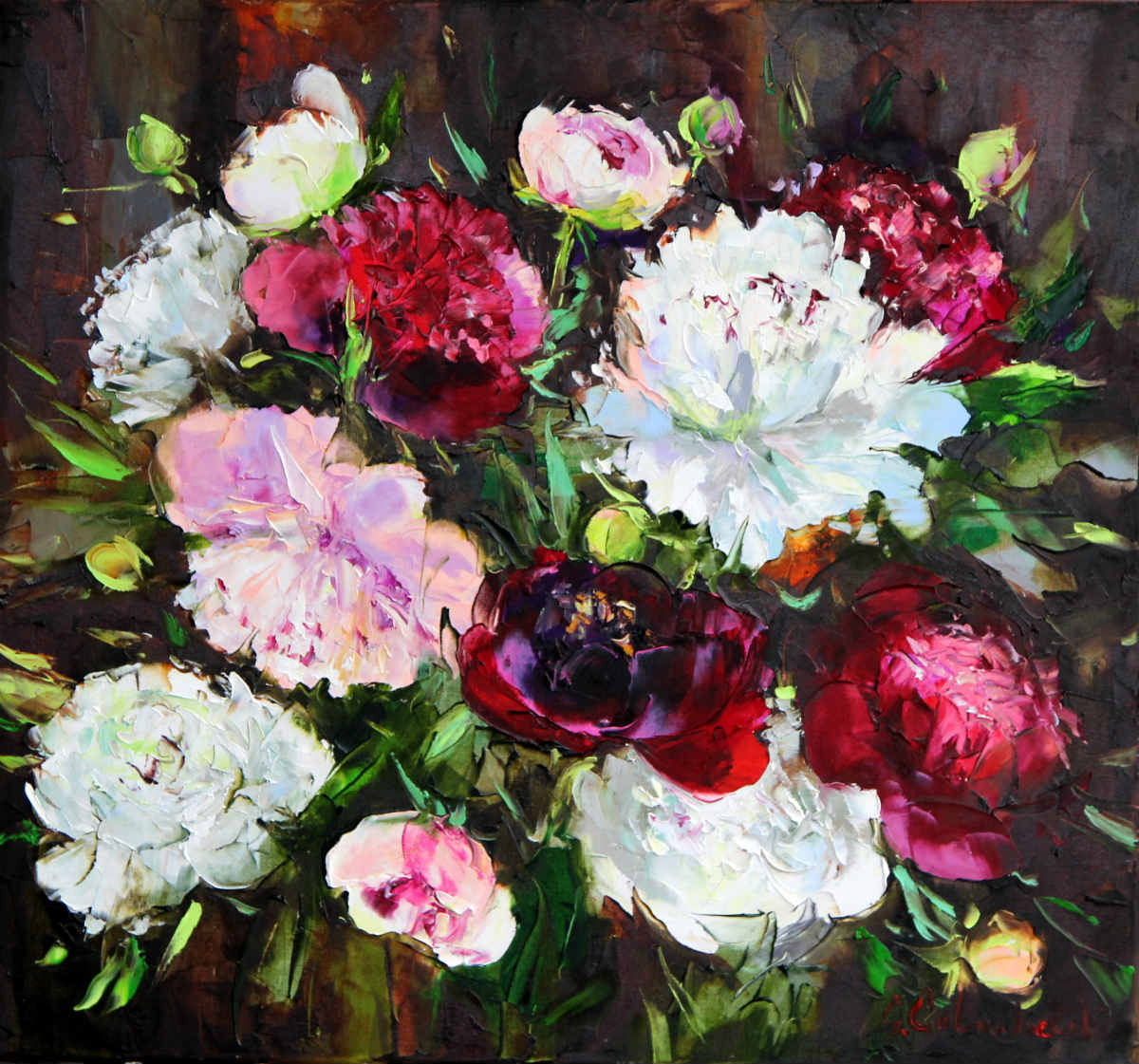
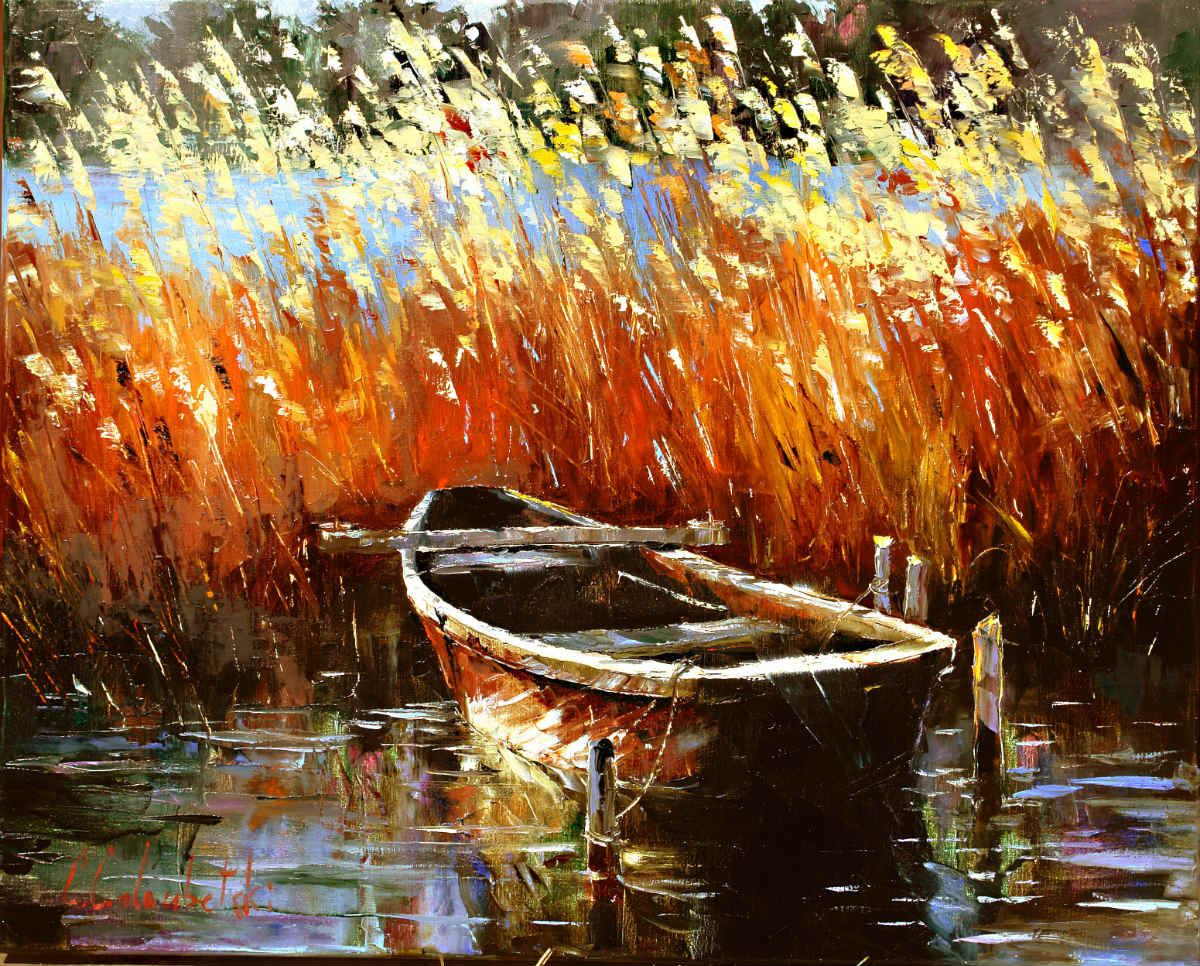
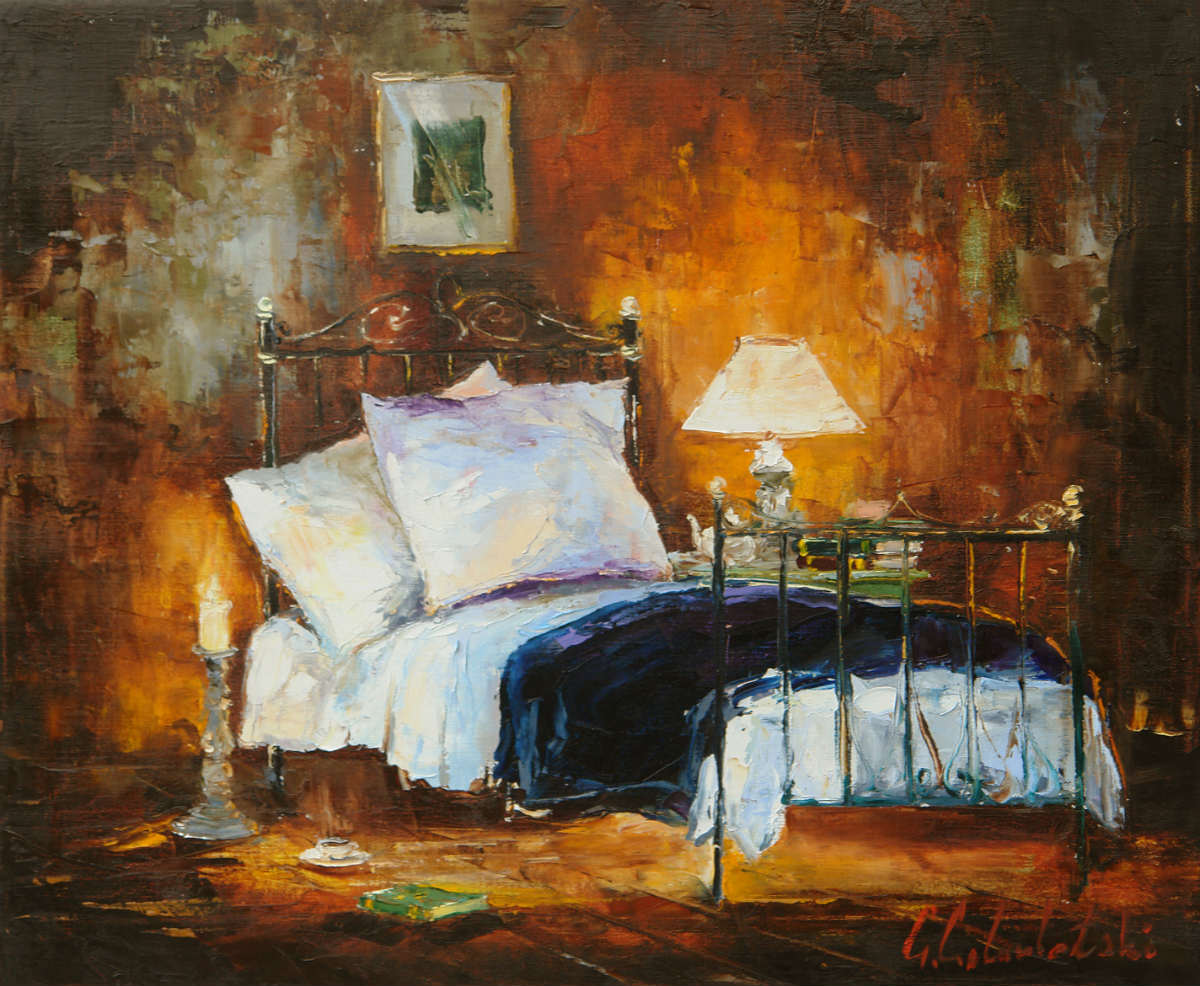
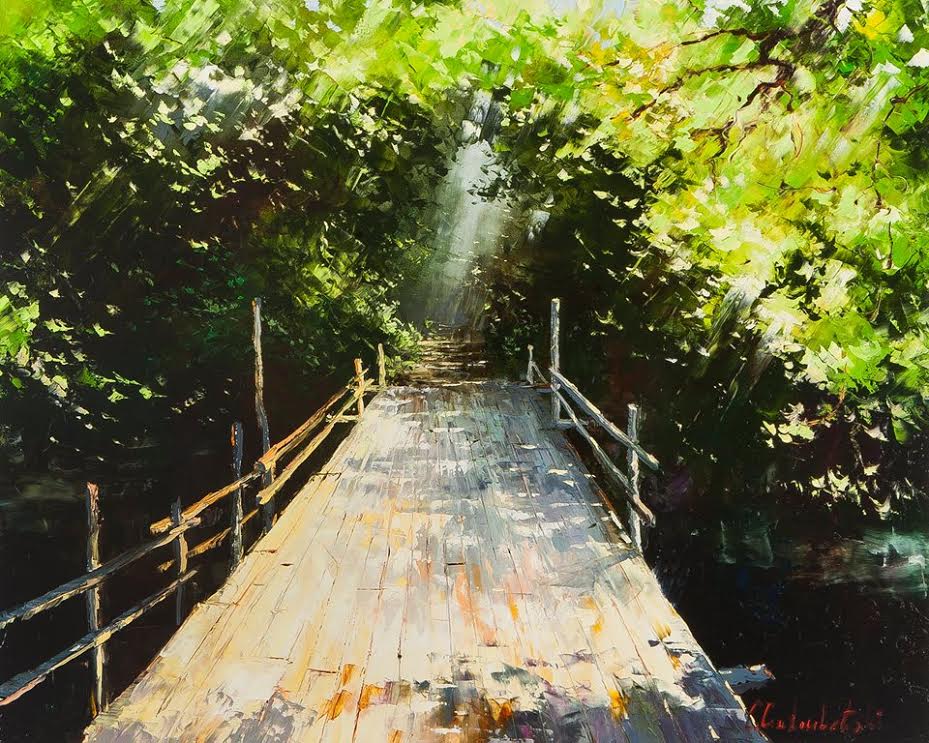
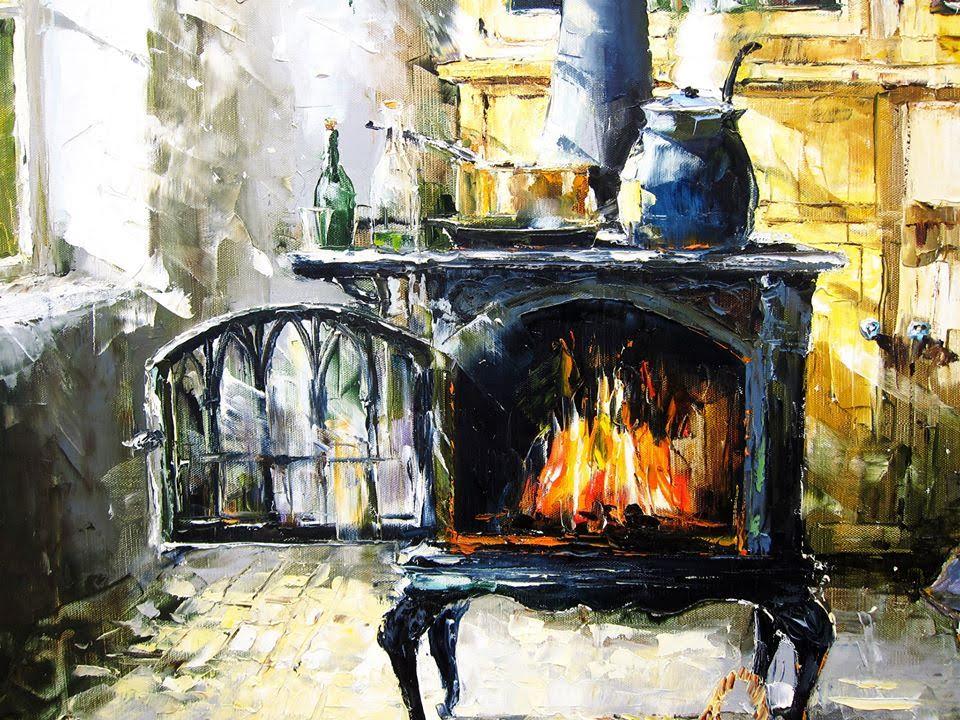
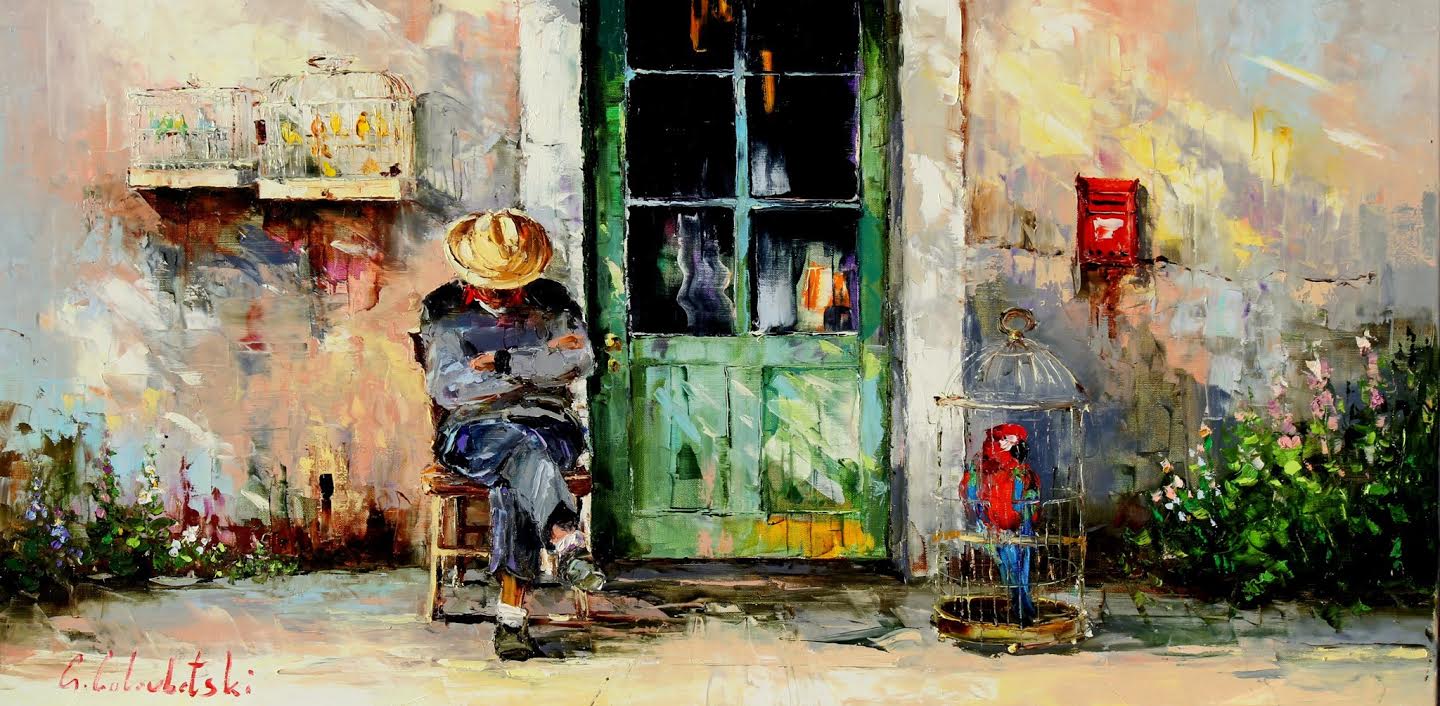
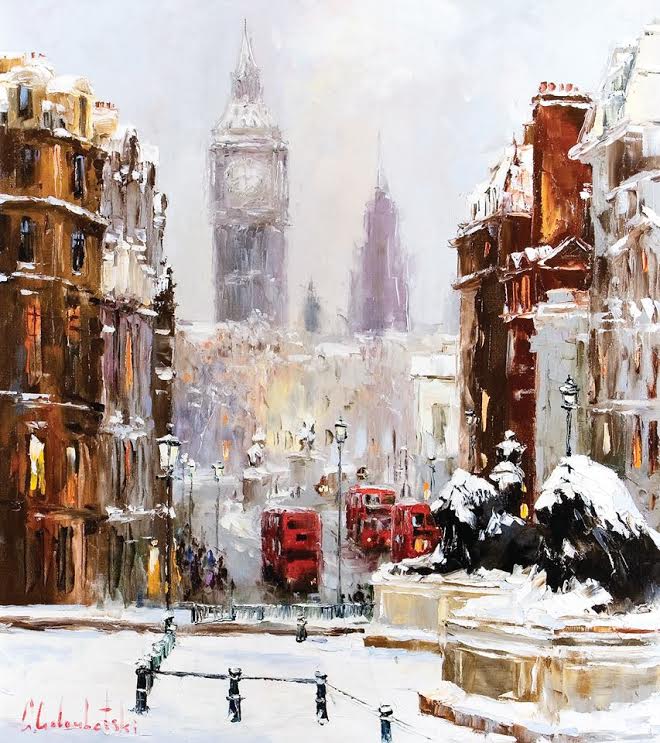
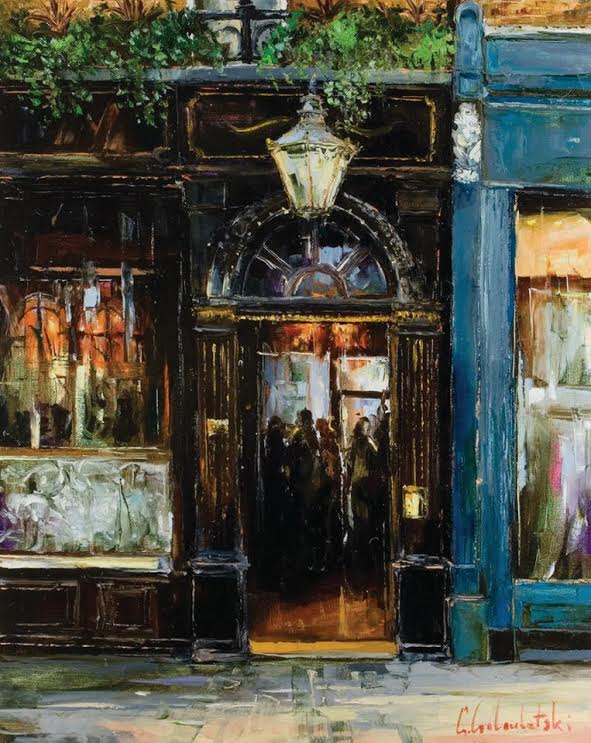
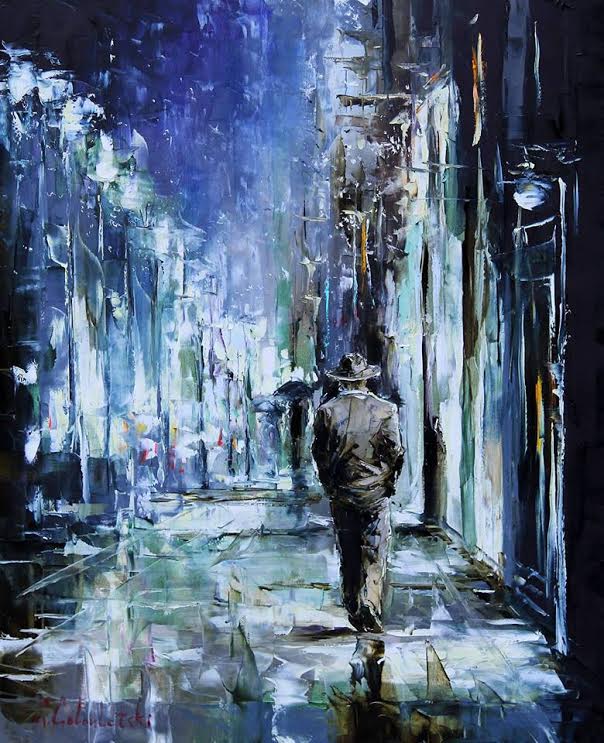
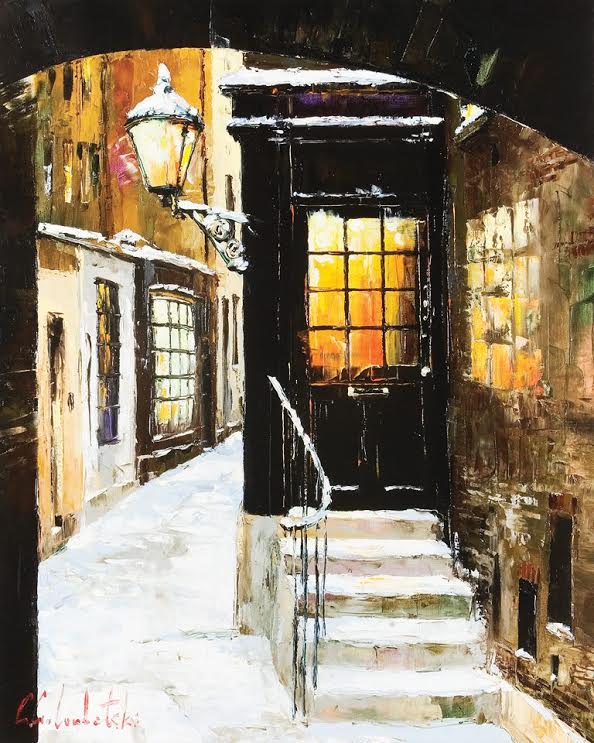
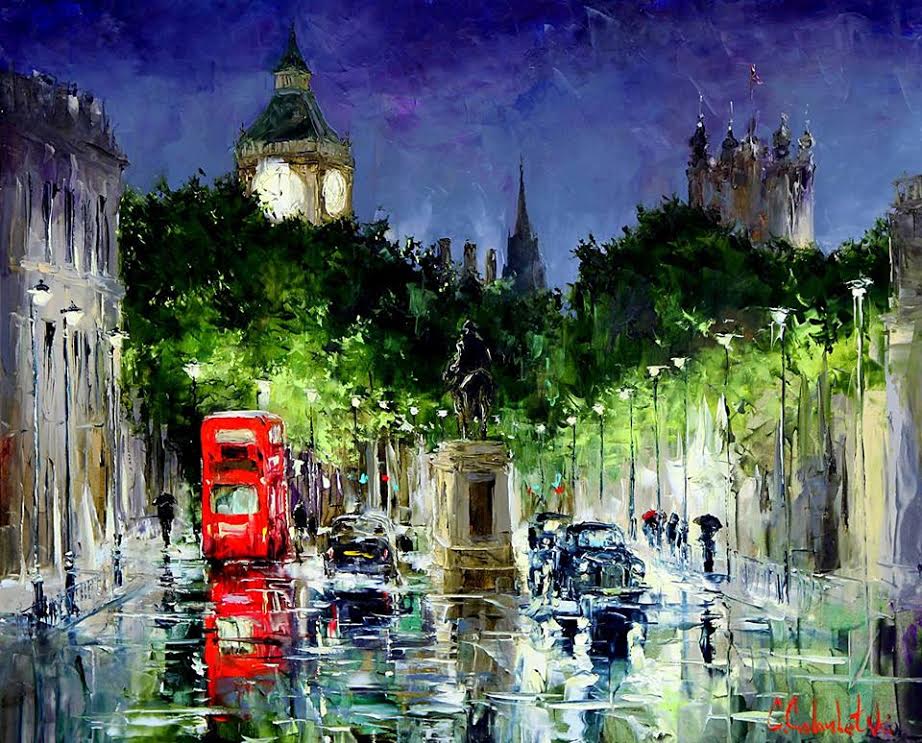
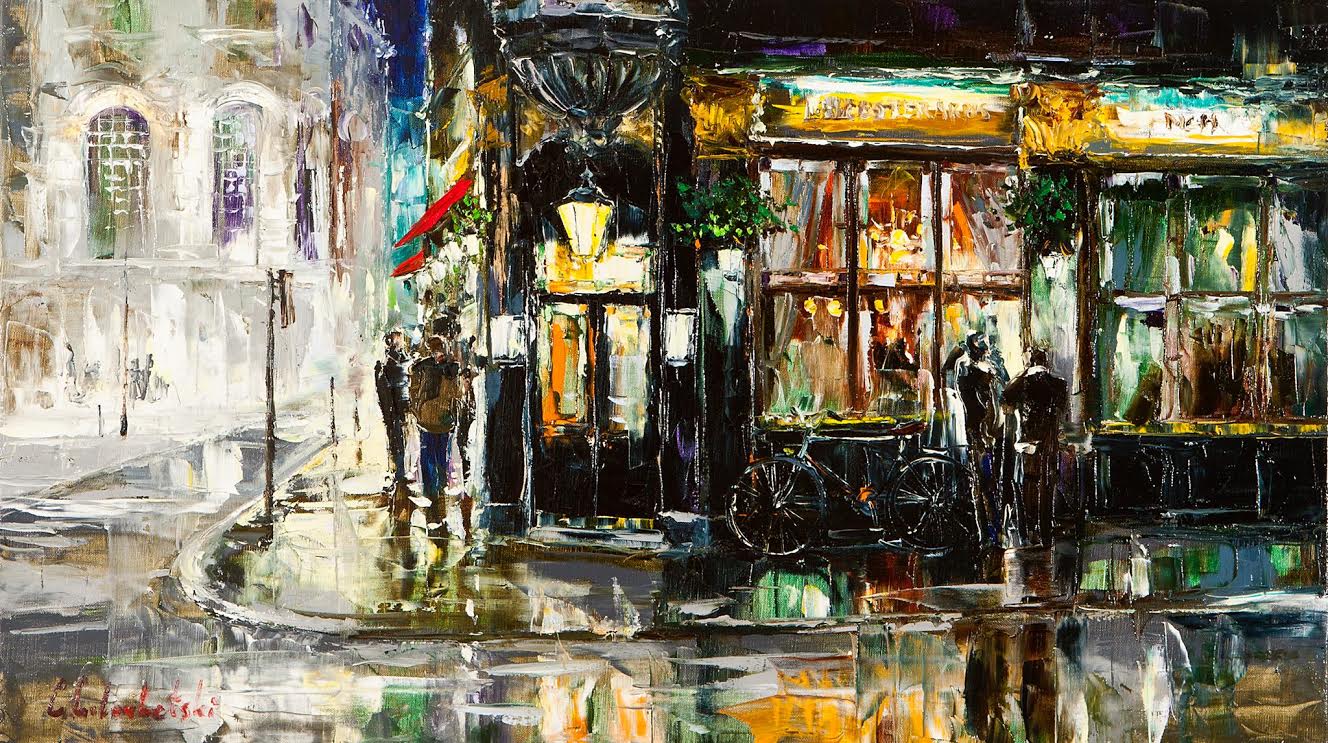
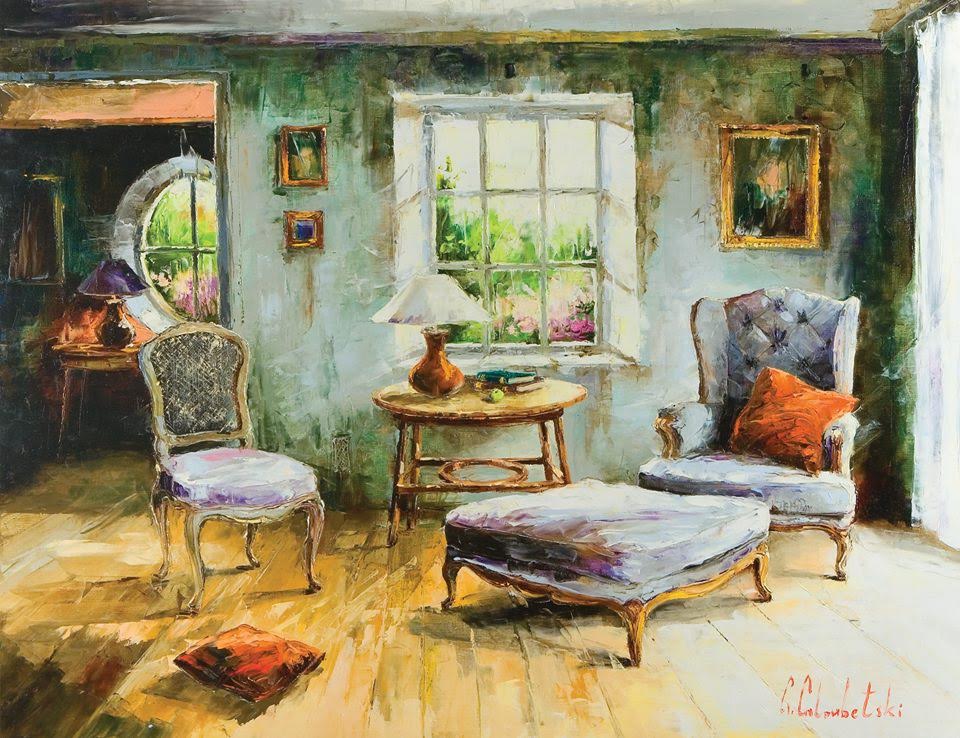
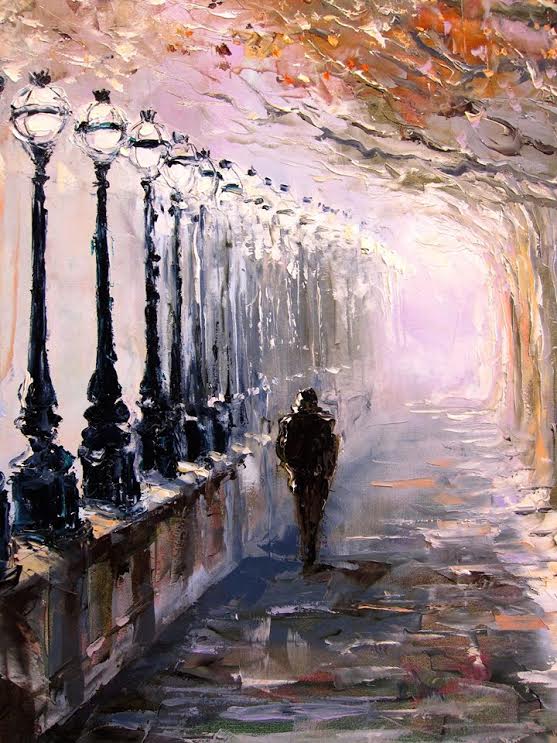
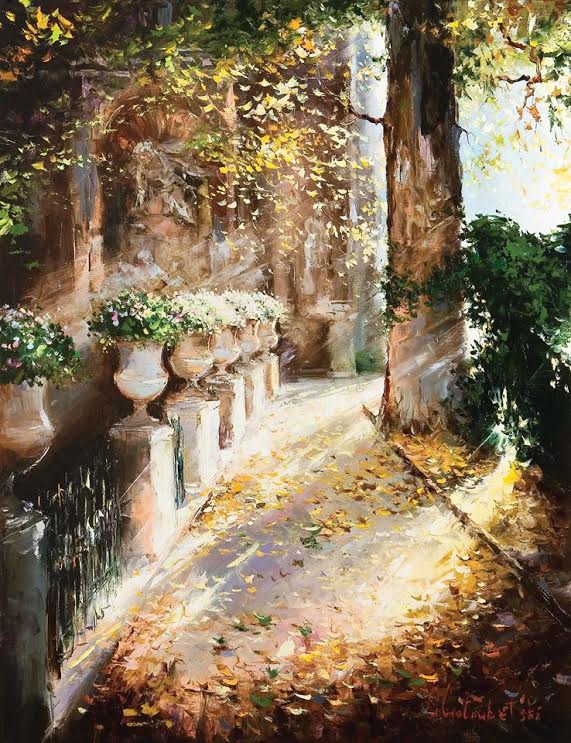
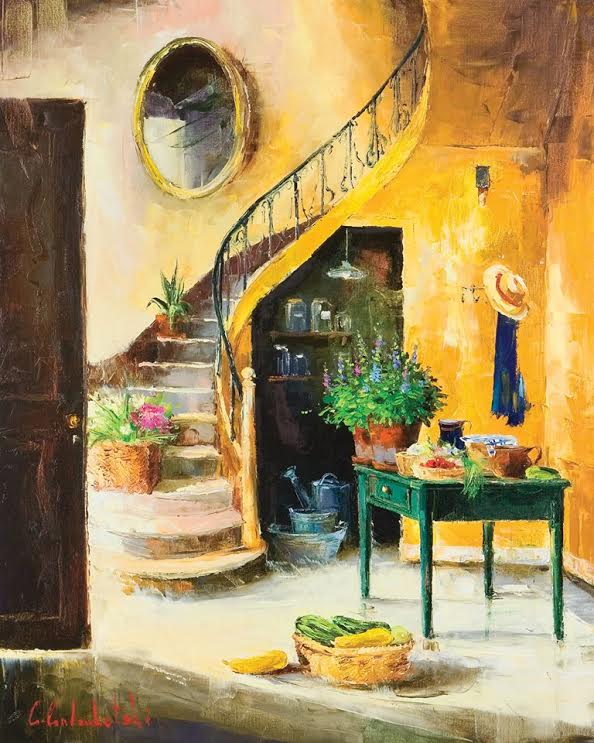
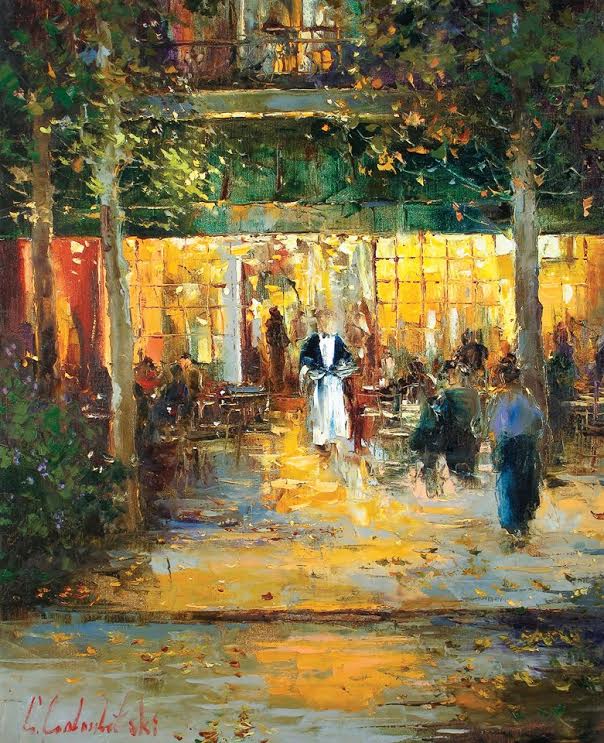
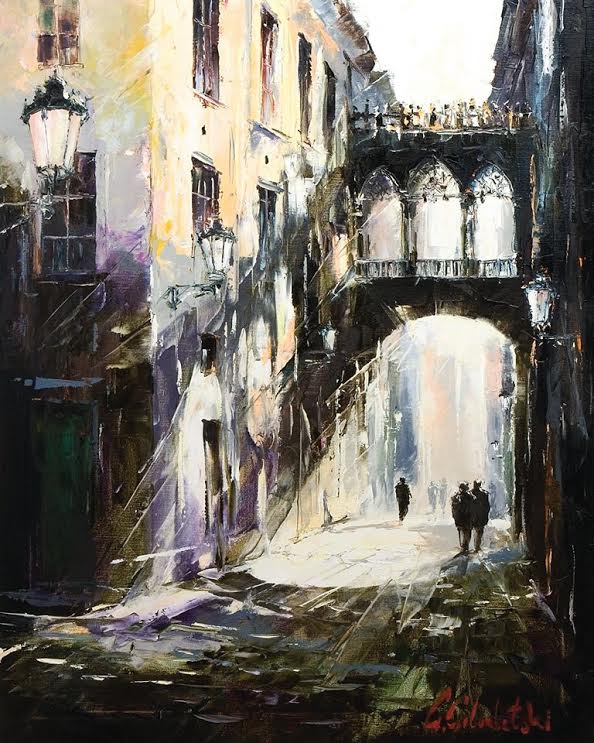
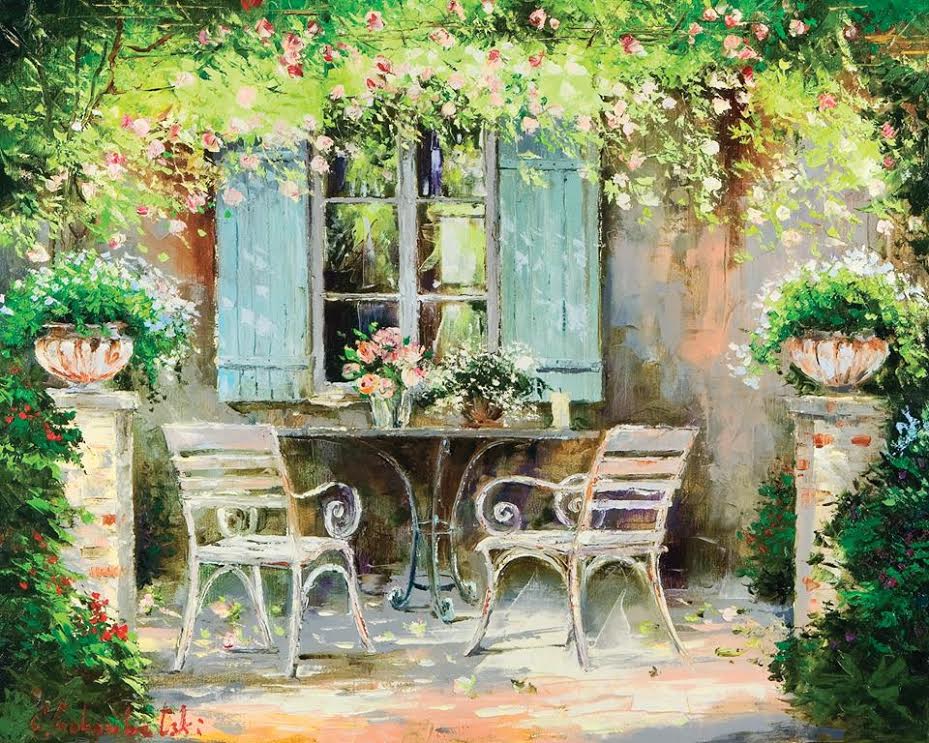
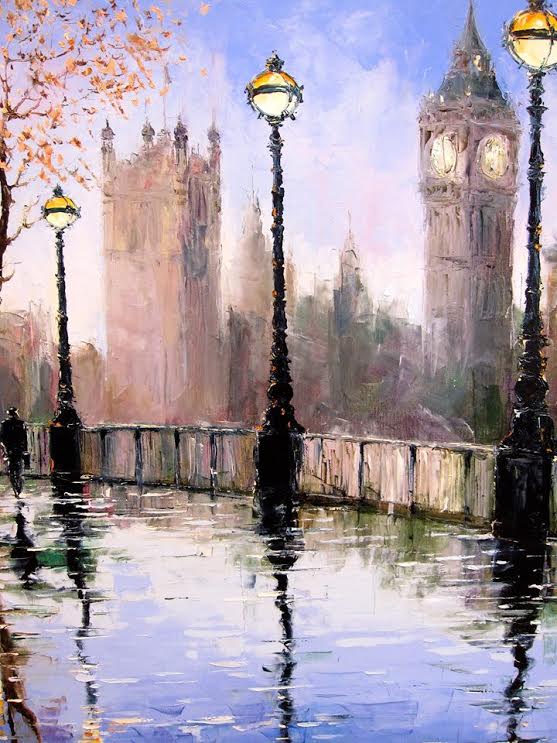
Trained at the prestigious Academy of Fine Arts in St. Petersburg, Goloubetski developed a language rooted in light and emotion. His works, often painted with a palette knife, capture the quiet resonance of European architecture and the transient moods of cities bathed in changing light. From the sun-washed facades of the Mediterranean to the misty streets of London, his canvases evoke both nostalgia and immediacy.
Goloubetski’s art is an act of contemplation, a dialogue between memory and place. Through texture and color, he searches for what he calls “the spirit of a place”—a sense of belonging that transcends geography. In this conversation, the artist reflects on his creative process, the legacy of Russian painting, and the enduring pursuit of beauty in a restless world.
An Interview with Gleb Goloubetski
By Carol Real
Do you remember the first time you felt you wanted to become an artist?
My father was an artist. My grandfather was an architect. In earliest childhood all my family told me that I would become a painter, and I have not had any other thoughts about my future profession.
Who influenced your artistic journey the most, and what is the most valuable lesson you learned from them?
It was an artist and friend of my family; and he taught me that the main thing is to have freedom on the canvas and a technique of for working with a pallet knife.
Your work often reflects both personal and cultural memory. How would you describe your creative process?
In the beginning, I was inspired by painters from the early 20th century, especially Impressionists and painters of the Russian School. Later, when my style was formed, I began to take inspiration from my travels. I tried to sense the atmosphere of a place and bring it to canvas.
How has your artistic style evolved through the years?
During these painting years I have come to pay more attention, not to details and forms, but to what I feel in a place. What is the spirit of this place?
Was your family always supportive of your decision to become an artist?
I was lucky. My family has always supported me in my path.
What challenges do you see in today’s art world, and what do you find most difficult about being an artist?
I dislike it when curators manipulate the art-process and try to dictate the artist’s path.
What does a typical workday look like for you in the studio?
The most important thing is to summon enough power and inspiration for the process—and to find a correct distribution of rest and work.
What is the deeper goal behind your art?
It is to create beauty and evoke emotions of joy.
How does your Russian heritage shape your artistic identity?
I want to become a successor to an artist dynasty and an heir of the Russian school.