Iranian brothers and artistic duo Icy & Sot have become powerful voices in the global street art movement. What began as skateboard culture and stencil experimentation in Tabriz has transformed into a bold visual language that tackles censorship, displacement, climate crisis, and the fragile state of human rights. Today they live in Brooklyn, where they continue breaking boundaries through public art, installations, and sculptures that confront viewers with urgent truths.
Their practice is rooted in resilience and freedom of expression. From evading authorities in Iran to presenting major museum shows in Europe and the United States, they have remained committed to using art as a tool for awareness and dialogue. In this conversation, the duo discusses their early challenges, their shift into new materials, and why they believe creativity must stay fearless.
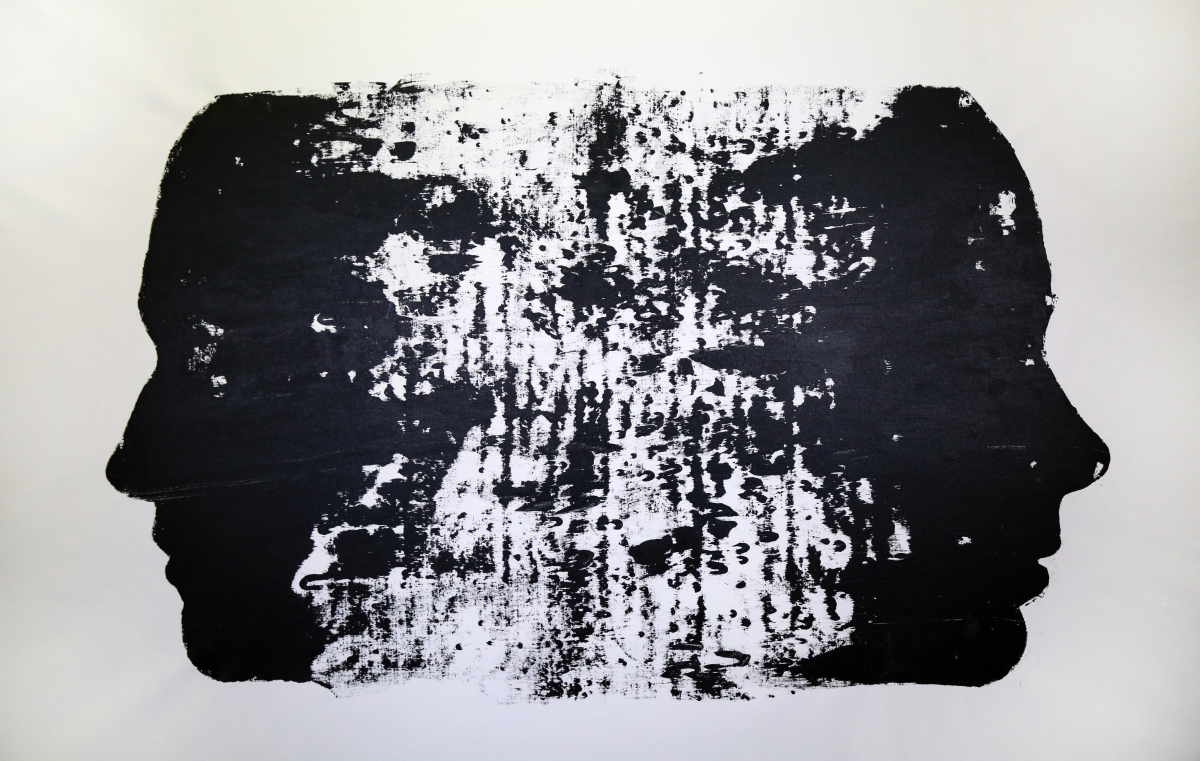
An Interview with Icy & Sot
By Carol Real
How did your backgrounds lead you into art? Were you self-taught or did you receive formal training?
We’re self-taught artists. It started with our career in skateboarding. We used to make small stickers and stencils. We liked the medium because it was fast, you could take your time to prepare them at home then put them up quickly in the streets around the city. It was also the safest way for us to put up works on the street since it’s all illegal and underground in Iran.
What were the biggest challenges you faced as young artists working in Iran?
It was more risky working in Iran because there’s no definite crime for graffiti, or doing street art, like here (the US). Cops or religious police or other types of authorities could charge you with things that are not even related to your art. They would tell you your work is political. It was just hard to grow as an artist especially as a street artist in Iran. We couldn’t ship our works easily to our shows internationally because they would check each work at the post office. Sometimes we had to cover a painting with another layer of canvas and paint, something different, to be able to ship it.
But nothing really stopped us making work. They used to paint over our works by the next day, but we would go back and put another one up. That’s what drives us to do more and to continue to make work about censorship and freedom.
How did your practice change once you moved to the United States?
Yes, here we have freedom of speech and we can talk about anything we want in our work. That allows us to be more creative. Making art is easier. We appreciate that we can talk about issues happening in the US and worldwide. We don’t censor ourselves. We never really did it in Iran either.
You began with stencil work and later expanded into sculpture and photography. How do you choose your materials, and what mediums are you interested in exploring next?
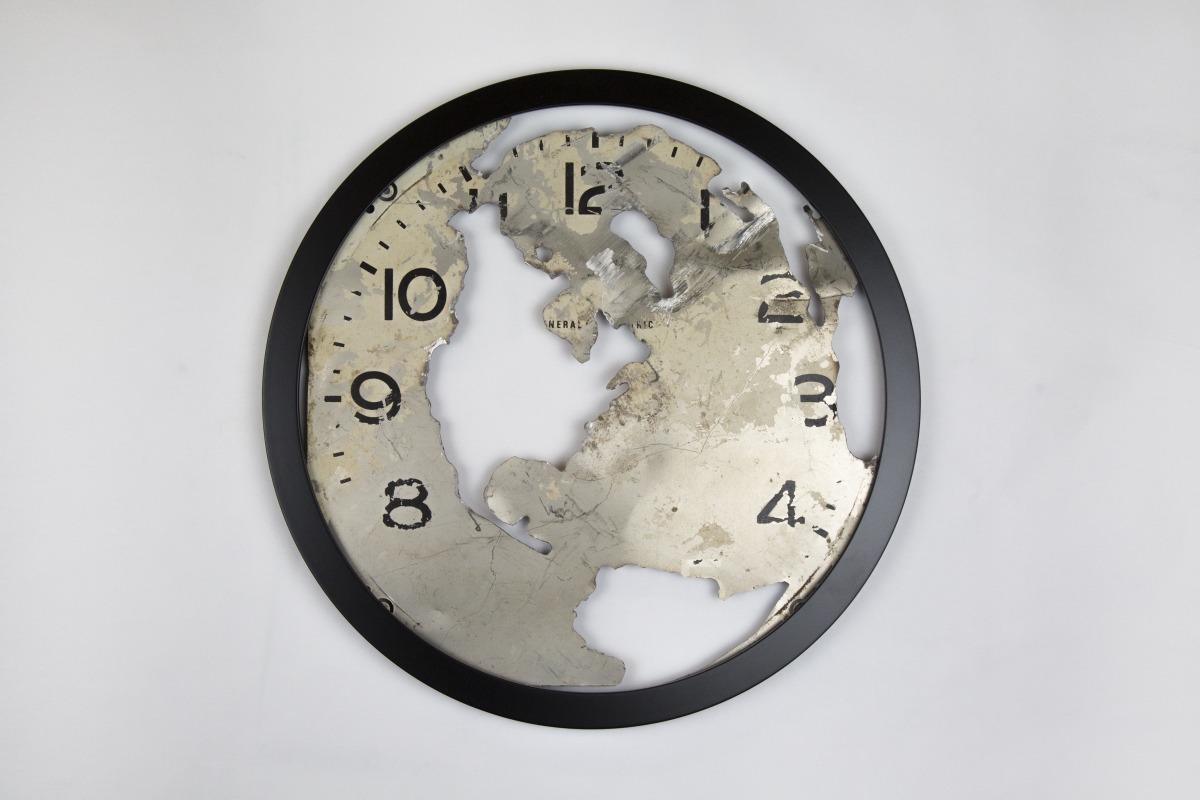
Over the past two years we’ve been making more sculptures and installations with varied materials and objects. We have always liked to change and try new things and not limit ourselves to one medium. We think it’s more impactful if we choose a medium based on the idea we have. For example, in a series about borders and immigration we used a real fence. It was more powerful than just painting a fence.
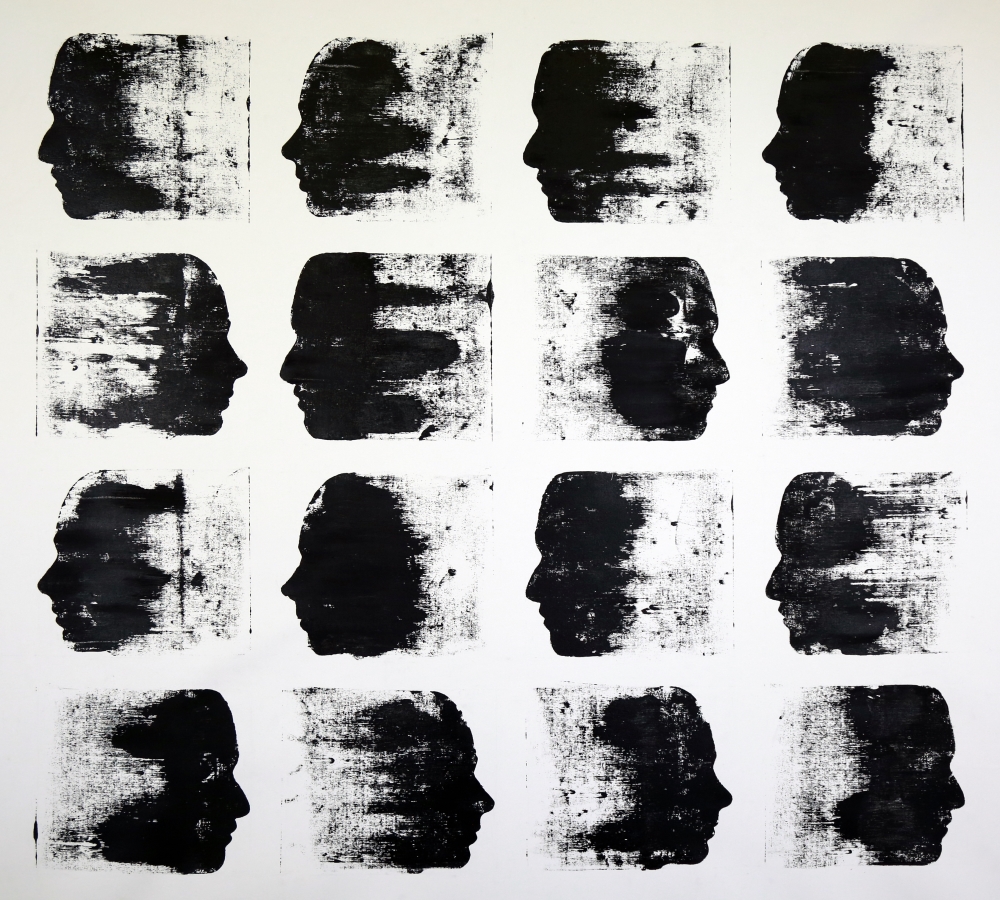
Your work addresses poverty, violence, women’s rights, immigration, climate change, and many other social issues. How do you see the world today, and do you think art can influence change?
It’s sad to see the world going backwards, but we think there are more people who want to fight against these issues, such as climate change, equality, violence, etc. Social media has helped and made it easier for people to be aware of what’s going on in the world. People can take a video of police violence, post it, and few moments later millions of people can see it. So, we feel like there are more and more people talking about critical issues, which inspires others and brings about positive change. Making art about these issues is not going to change the world, but it might have an impact on some people.
What makes Brooklyn a unique place for your work and for artists in general?
It’s not actually the most exciting place for street art, but art in general. It’s a special place for all types of artists because New York is one of the most culturally diverse cities in the world and there is always so much going on in arts. There are more opportunities for artists here.
What does a typical day look like for both of you, and how do you collaborate creatively?
We basically collaborate on everything together. The work starts with brainstorming ideas. We share ideas with each other and try to play with them until we come up with something that we are both happy with. This process usually takes place at home at night while having some beers. We start our day catching up with emails and planning, then we go to the studio and start working on projects.
Recently we have been mostly inspired by different materials and objects. We like trying different things and in the process, we learn a lot and come up with fresh ideas.
Street art has moved from being labeled vandalism to being exhibited in major galleries worldwide. Why do you think this shift happened?
Street art has gotten more popular in the last couple of years and there has been an increase in the number of street artists. The fact that the art is on the streets means it reaches a variety of audiences, in other words, it is for everyone. The reason street art has gotten a prominent place in most galleries is because there are more people into it and want to collect it. Lots of people who once called it vandalism now hire the artist to paint their real estate, so the value will increase. There is money in street art now so that is why galleries showing more of it.
Tell us about your recent show at the Moco Museum in Amsterdam, “A Moment of Clarity.” How did it come together, and what could audiences experience?
“A Moment of Clarity” is our first solo museum show. We have about 70 old and new works from 2006 to 2018. In the last decade, we tried different ways of stenciling but in the last 2 years, we have been doing more sculptural and installation works. There are several types of work and different mediums, but one thing that is the same in all the works is their simplicity, anyone can understand them at first look.
Your collectors, especially younger ones, connect with both the aesthetics and the message in your work. How do you handle the recognition you have achieved?
We appreciate the support of all the fans and the collectors that have been following our work. It’s an amazing feeling to be able to do what you want to do, and we always just want to continue making art.
All images courtesy of the artists
© 2025. All rights reserved.
© Art Summit Magazine