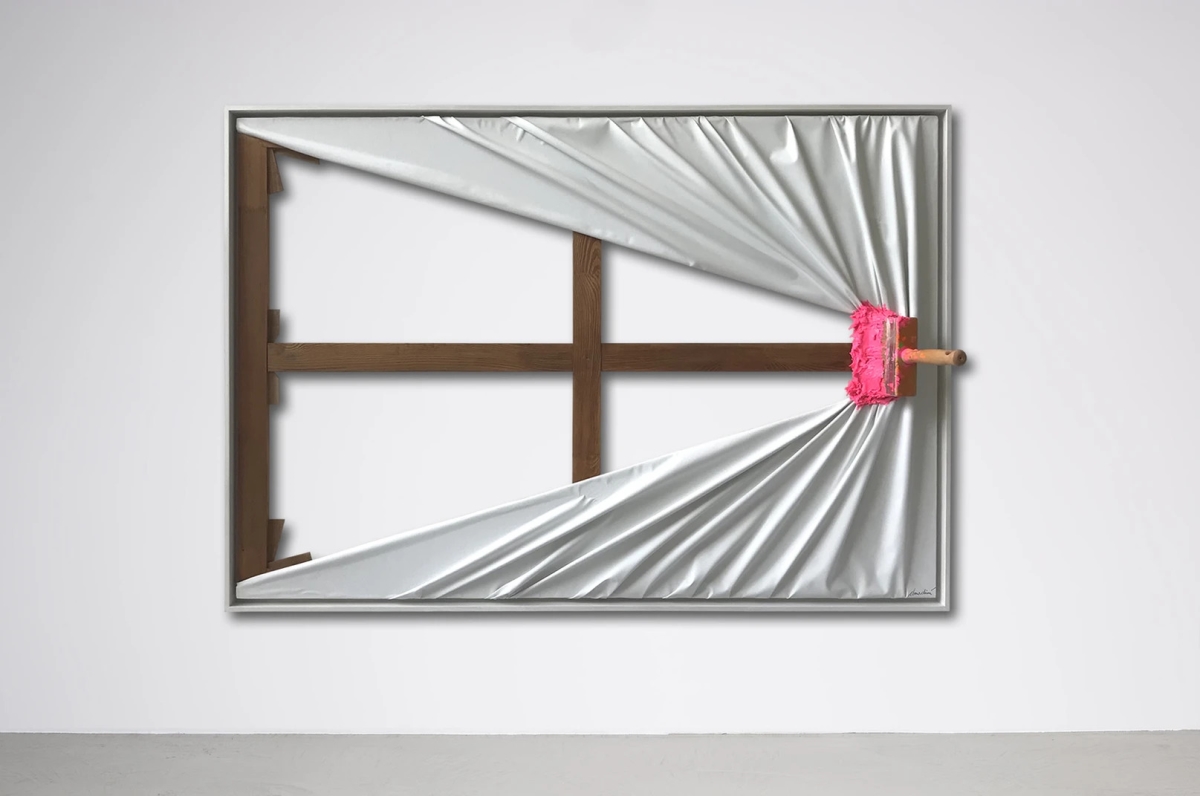
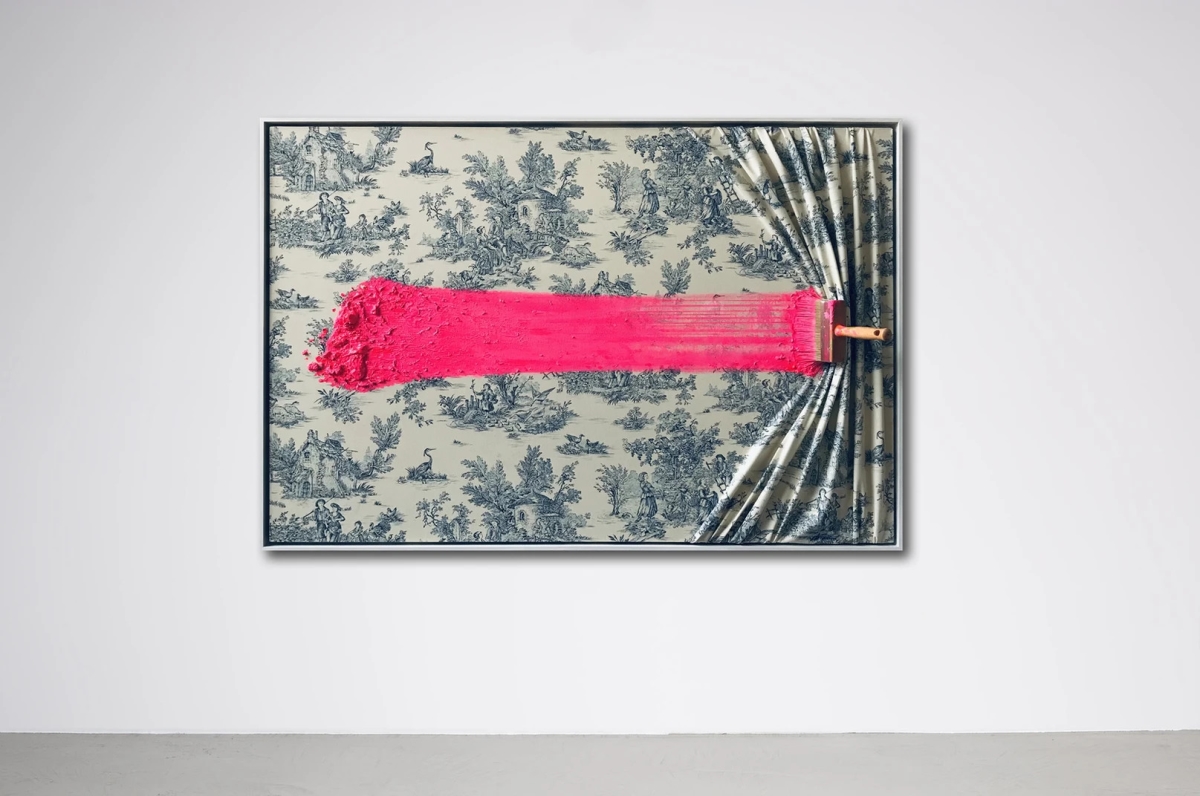
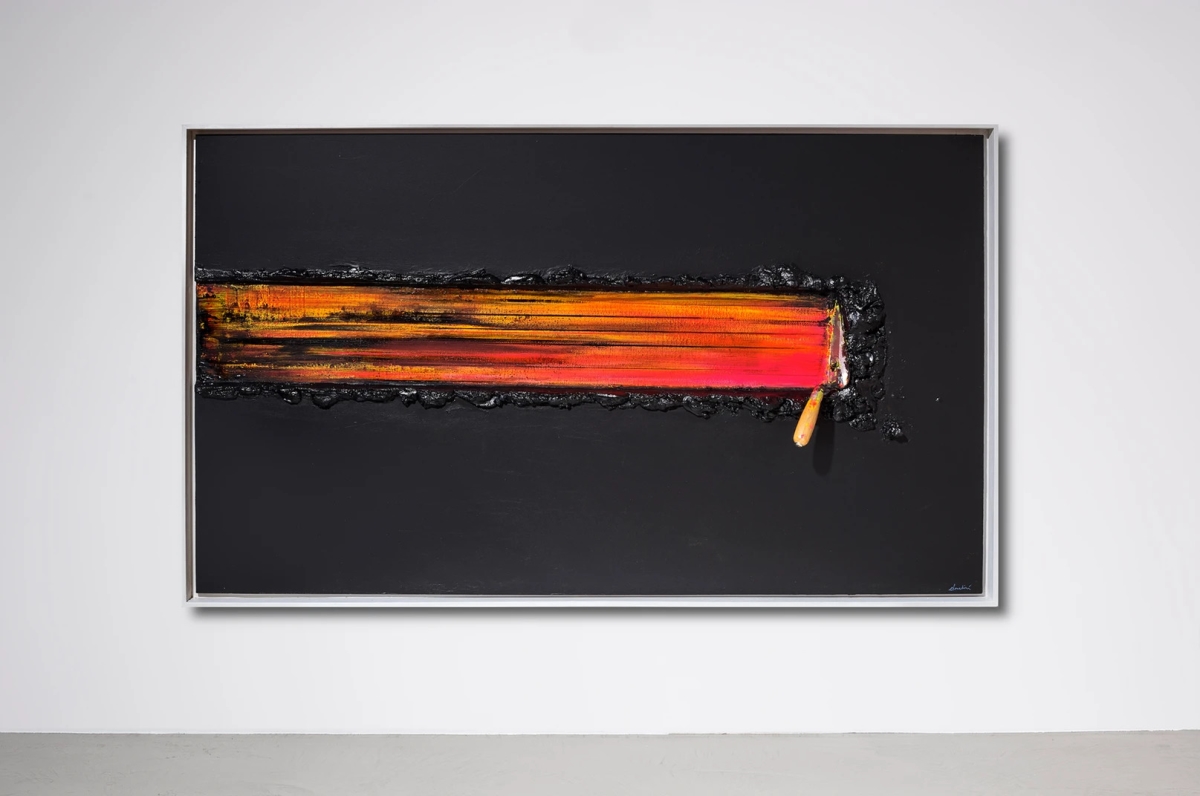
Jean Paul Donadini approaches painting as both ritual and rebellion. Known for his playful wit and conceptual rigor, the French artist transforms everyday gestures—the trace of a brushstroke, the crease of a canvas—into reflections on the act of creation itself. His works, often centered on the brush as both subject and symbol, celebrate the sensuality of paint while questioning the boundaries between art and artifice.
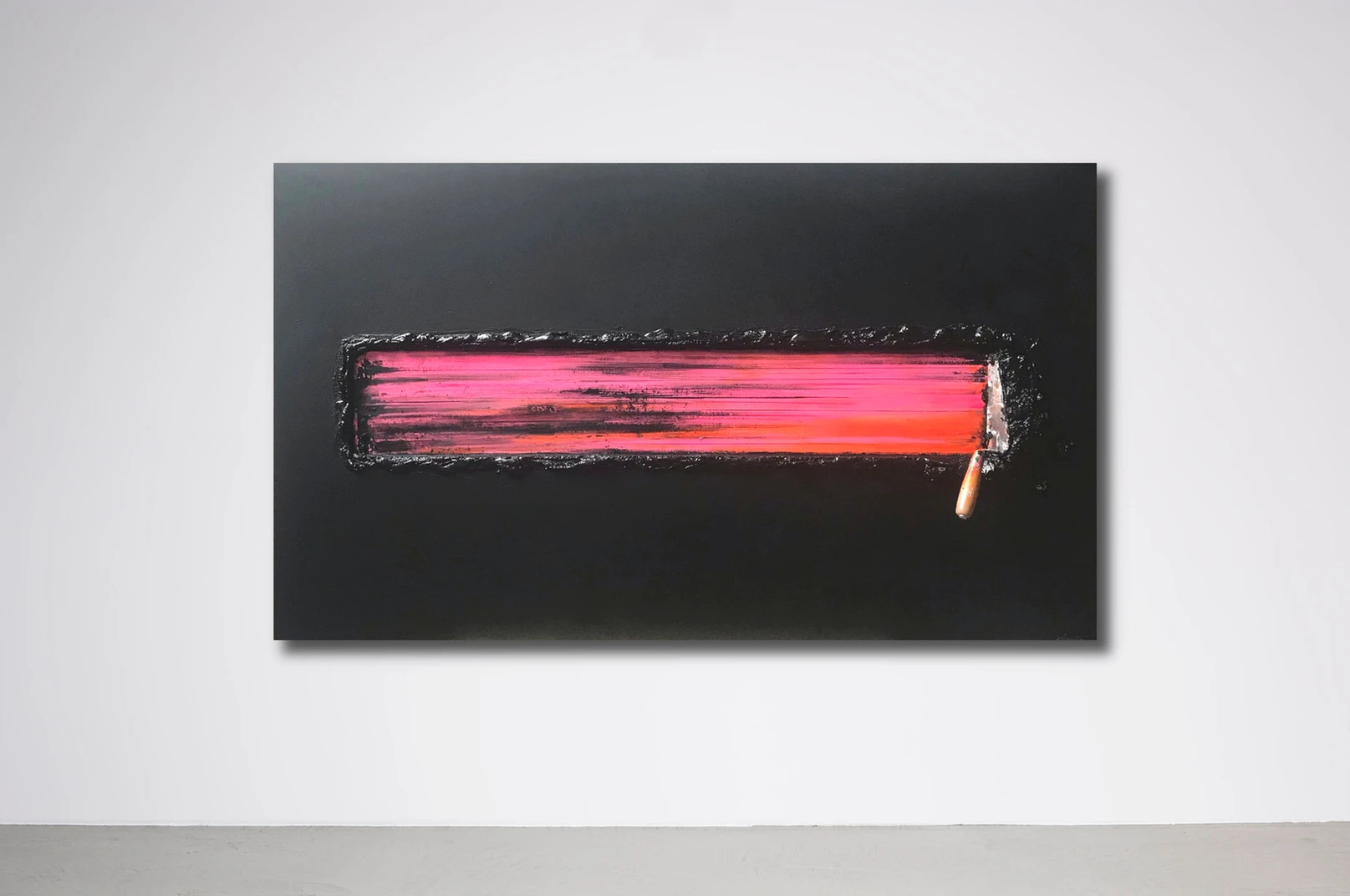
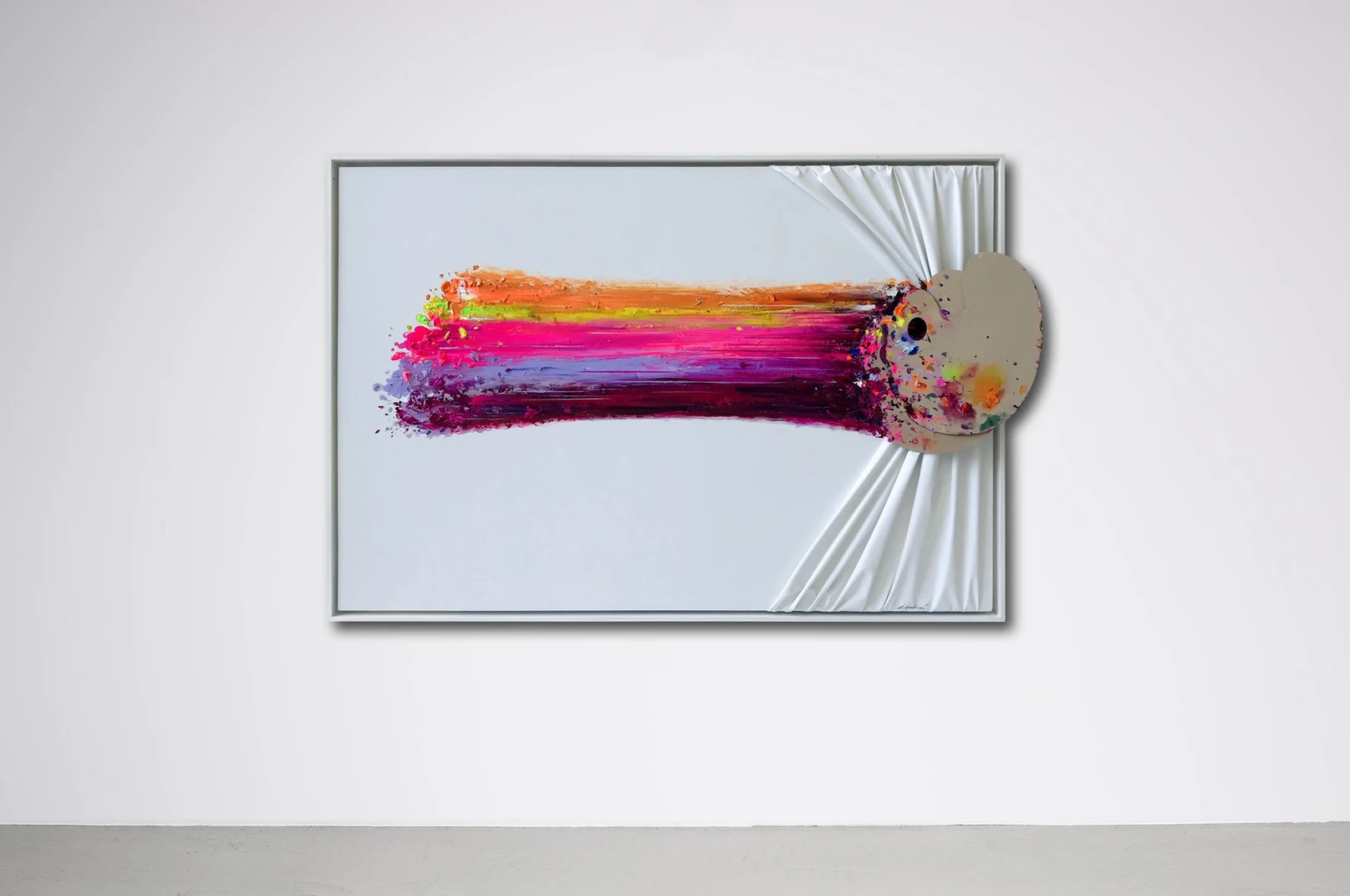
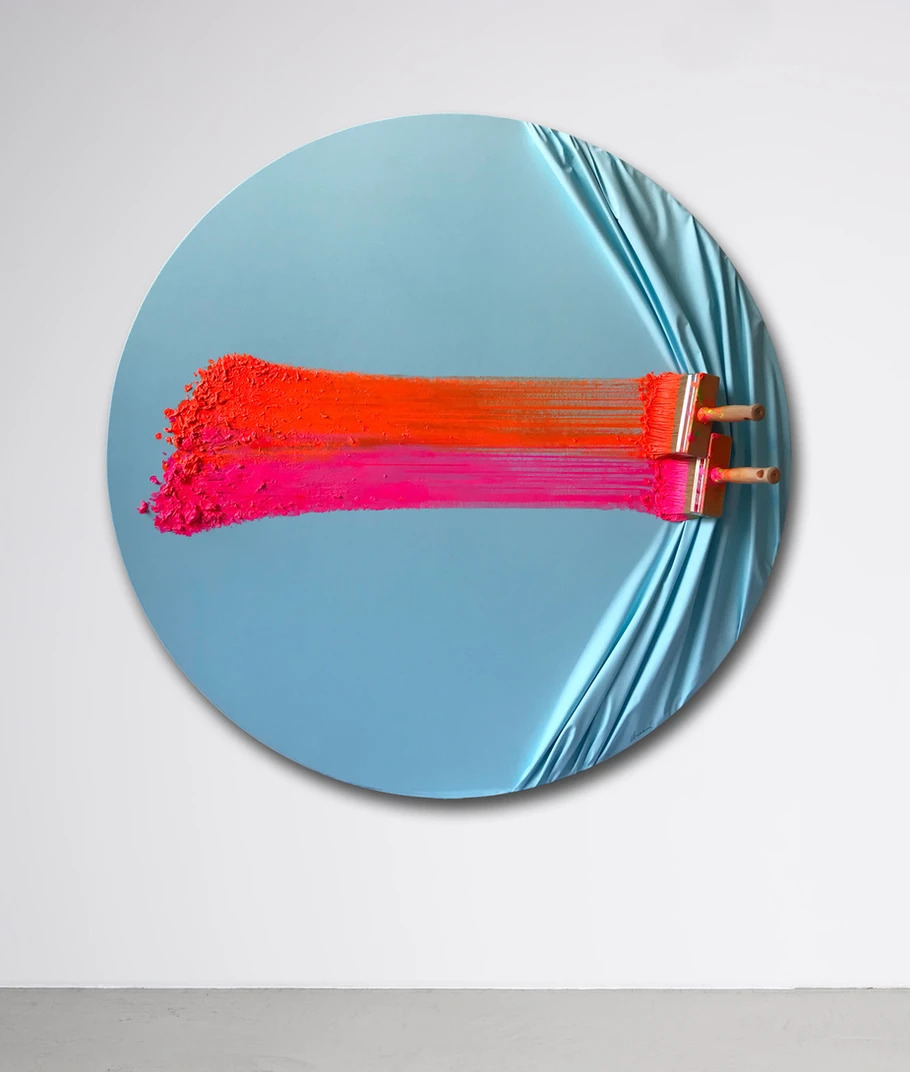
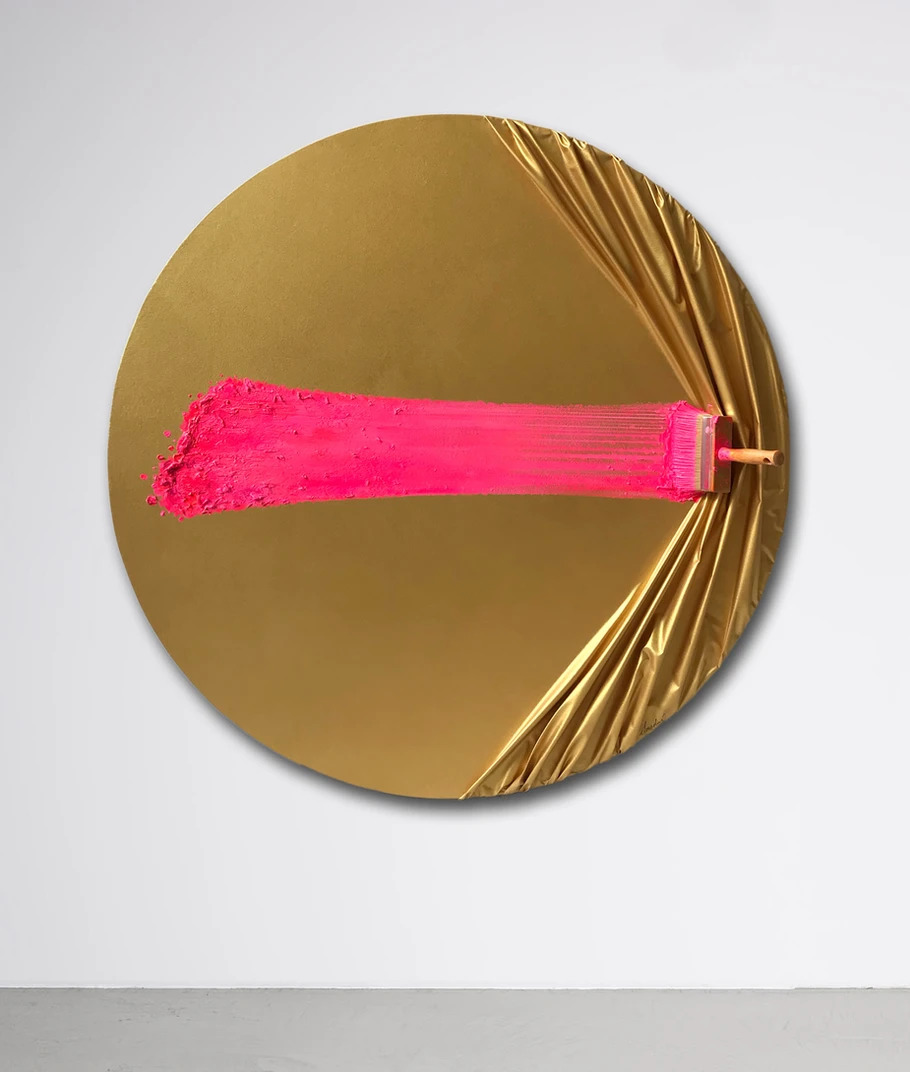
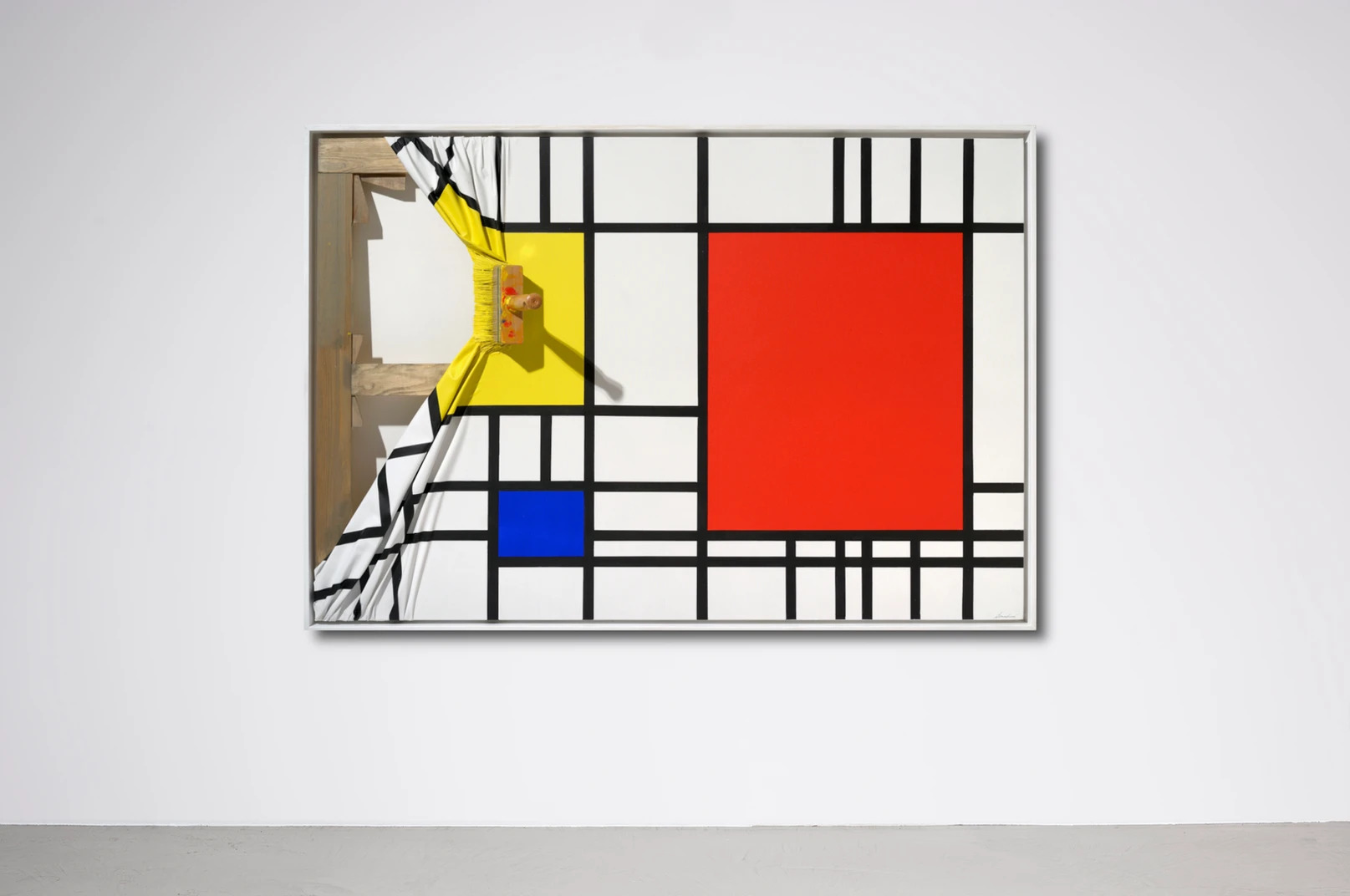
Born in Troyes in 1951 and trained at the Écoles des Beaux-Arts in Nancy and Paris, Donadini has spent his career reimagining what painting can be. His series Brosse arrêtée (“Stopped Brushes”) crystallizes the moment of artistic pause—the instant when motion freezes, and time itself becomes pigment. Infused with humor and theatre, his compositions recall the Surrealist audacity of his mentors, Salvador Dalí and Man Ray, whom he assisted early in his career.
A colorist at heart, Donadini’s art carries the duality of French refinement and Italian exuberance. Whether exhibited in Paris, New York, or Seoul, his works reveal a devotion to curiosity, travel, and the beauty of imperfection. To him, art is less a product than a state of attention, a way of seeing the extraordinary in the ordinary.
In this conversation, Donadini reflects on his formative encounters, his love of chaos in the studio, and his belief that every painting is “an unfinished work—because only the artist can decide when to stop.” Behind his words lies the same spirit that defines his canvases: freedom, wit, and the enduring pleasure of invention.
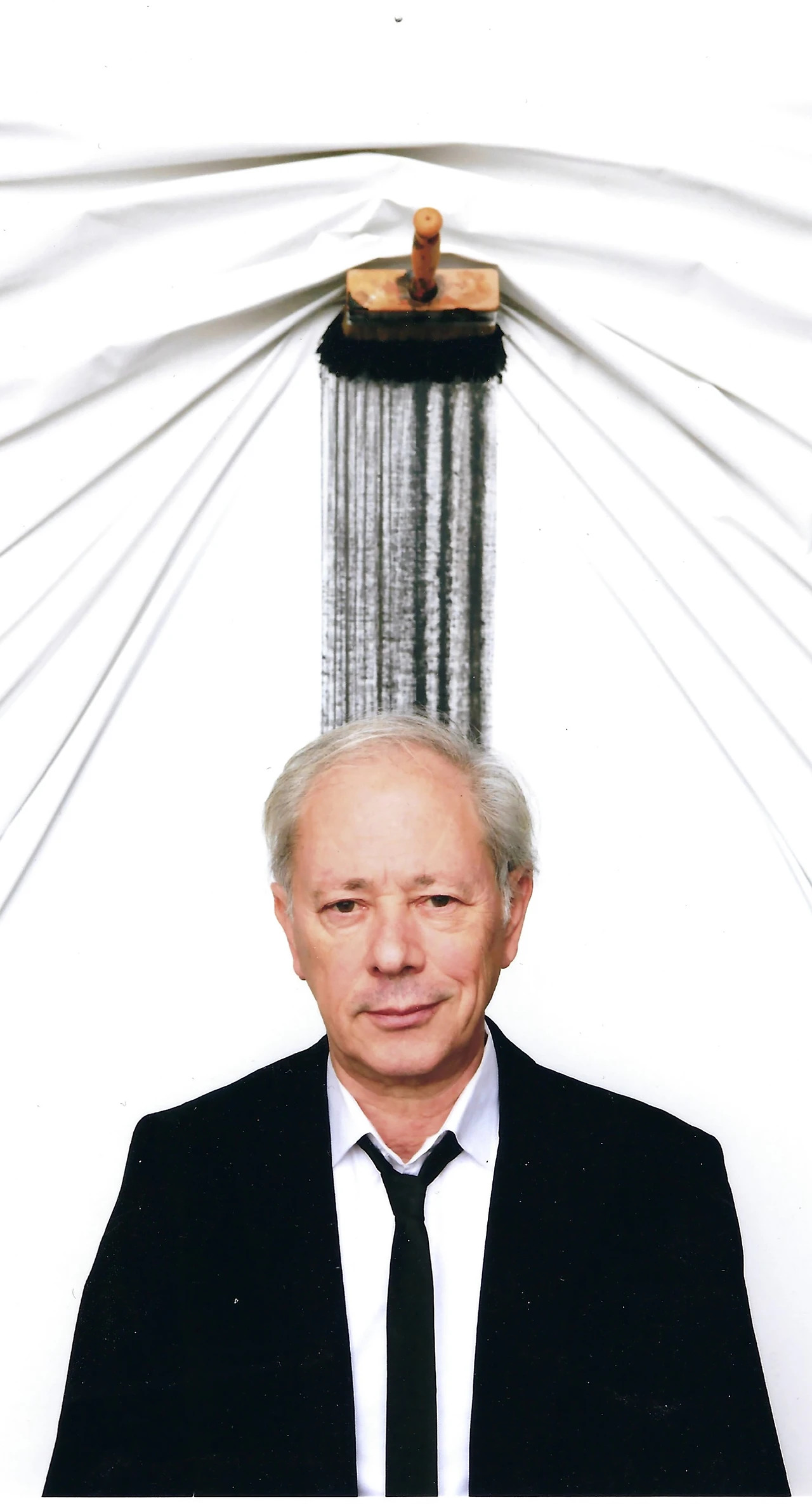
An Interview with Jean Paul Donadini
By Carol Real
Early memories often reveal an artist’s first spark. Which childhood moment remains most vivid in shaping imagination and practice?
At seven, I was fascinated by knife paintings created by my great-grandfather. Wanting to
reproduce his works, I used a kitchen knife and gouache tubes in my first paintings, which take up his themes.
French and Italian heritage, with its layers of culture and history, has deeply marked artistic identity. In what ways do these roots influence the work, and which contemporary artists resonate most?
In my opinion, French culture is marked by its history, a mosaic of cultures. Very early on, my Italian origins led me to be interested in the great Italian masters. Afterwards, I watched with interest the works of De Chirico, Morandi, Mimmo Rotella, Rudolf Stingel, etc. My current favorite artists are George Condo, Jonas Wood, Erwin Wurm, Anselm Kiefer, Kaws and Banksy.
The decision to devote life entirely to art often comes from both passion and conviction. What led to that turning point?
I didn’t like school, I was bad. The only enjoyable time for me was drawing class, I was good at drawing. I can’t thank my father enough for encouraging me to go to Fine Arts. His friends told him, “Artist is not a job!” Following the first successes of my painting, I chose to combine the useful with the pleasant and to make it, from the 1990s, a full-time activity.
Early encounters can define a trajectory. What was the first professional project that opened the path forward?
In 1973, after the Ecole Nationale des Beaux-Arts in Paris, I collaborated with two geniuses, Salvador Dali and Man Ray, whom I regularly met and who made me discover audacity and madness. I personally assisted them in a lithography workshop in Paris, before starting my own lithograph activity.
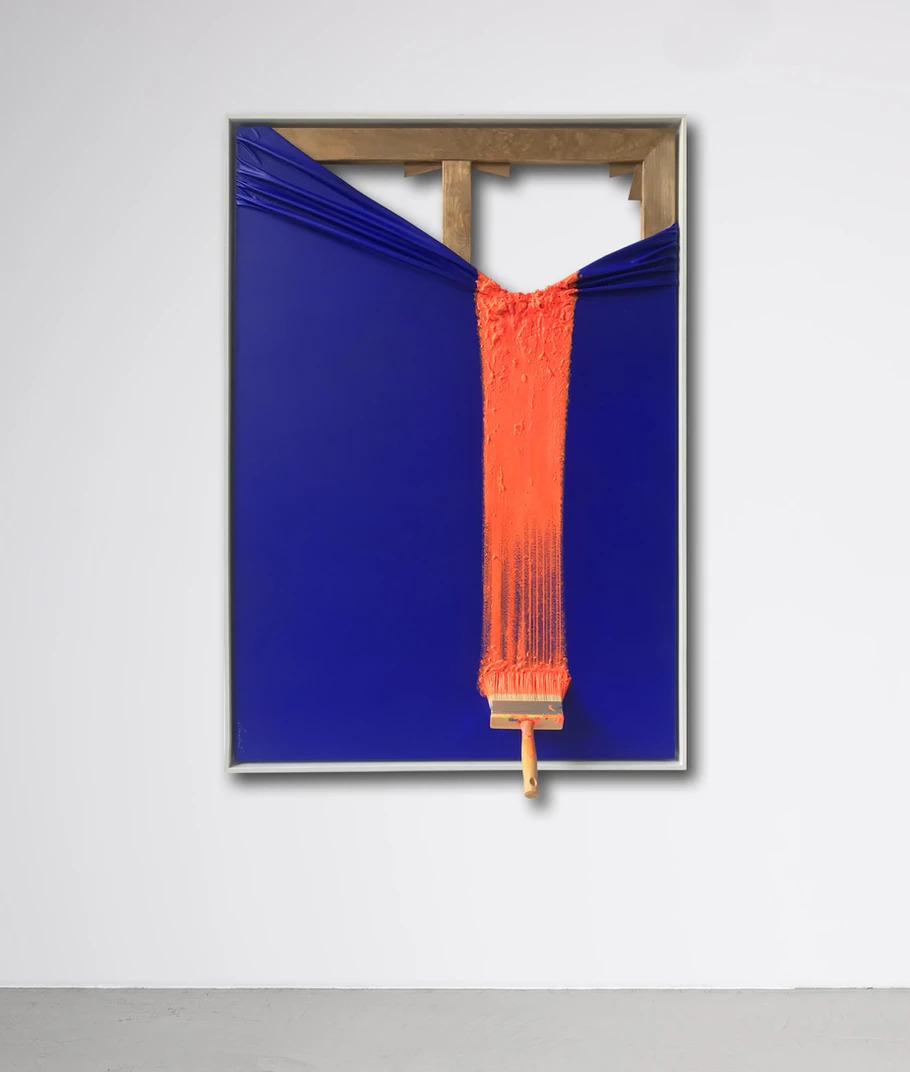
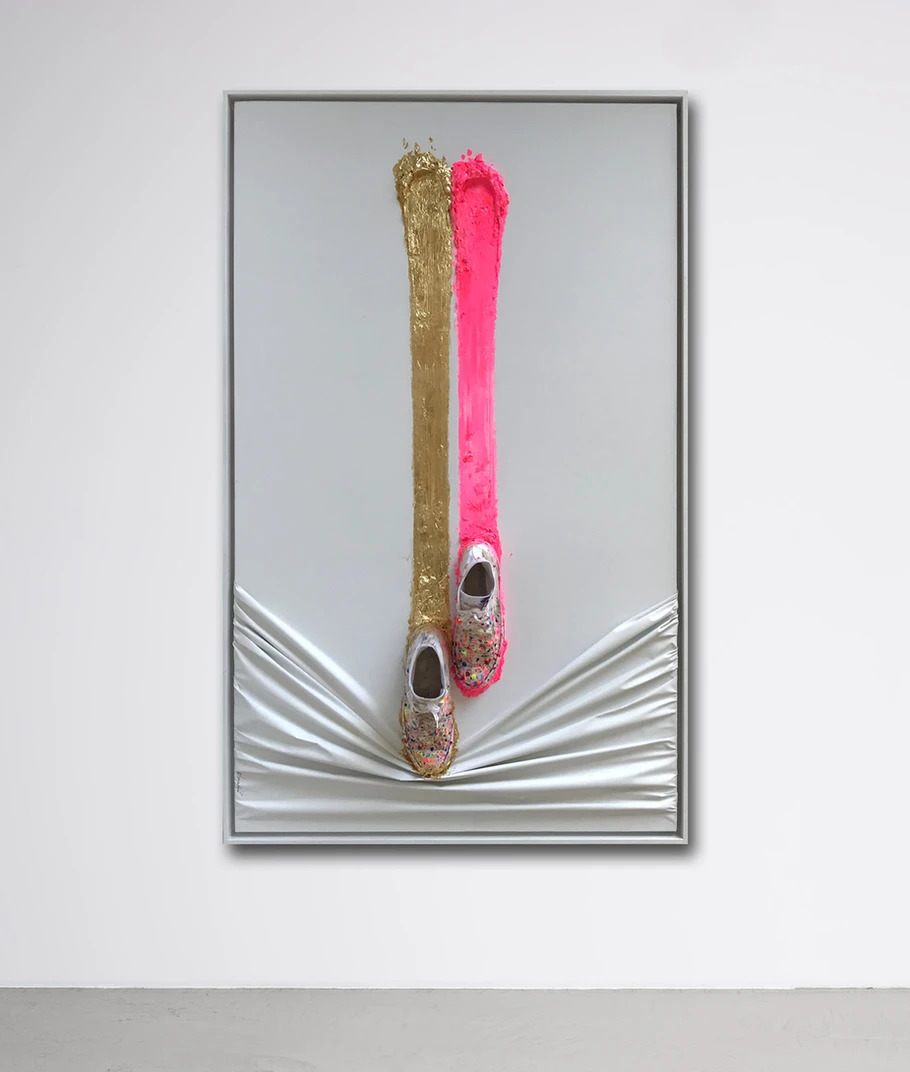
The series Brosse arrêtée reflects a meditation on gesture and process. What does this work represent, and how would the style be described today?
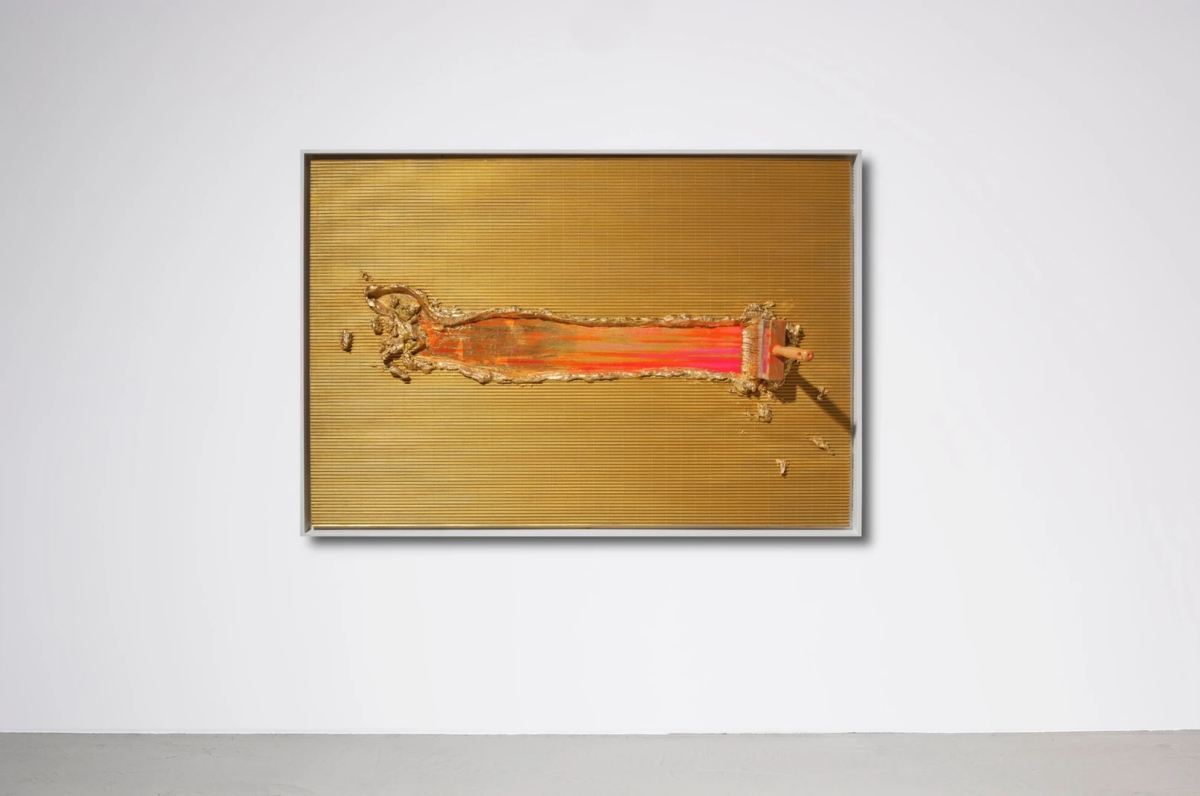
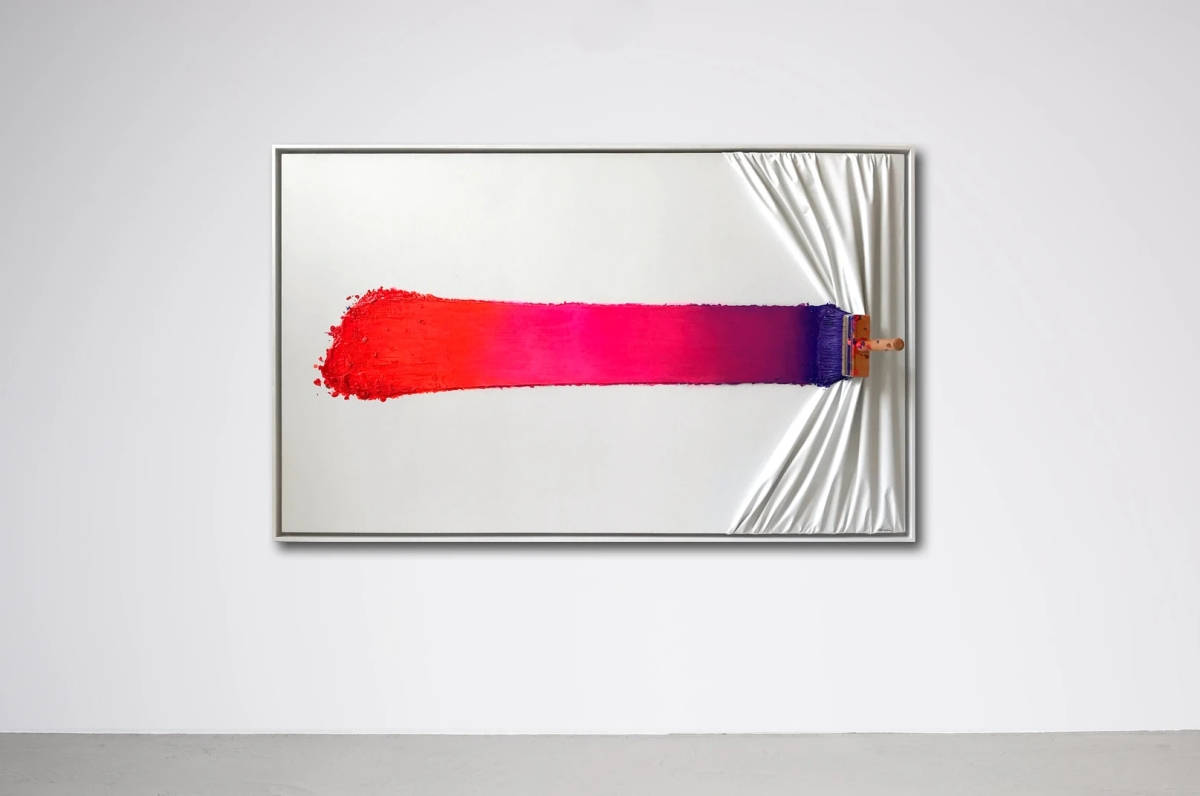
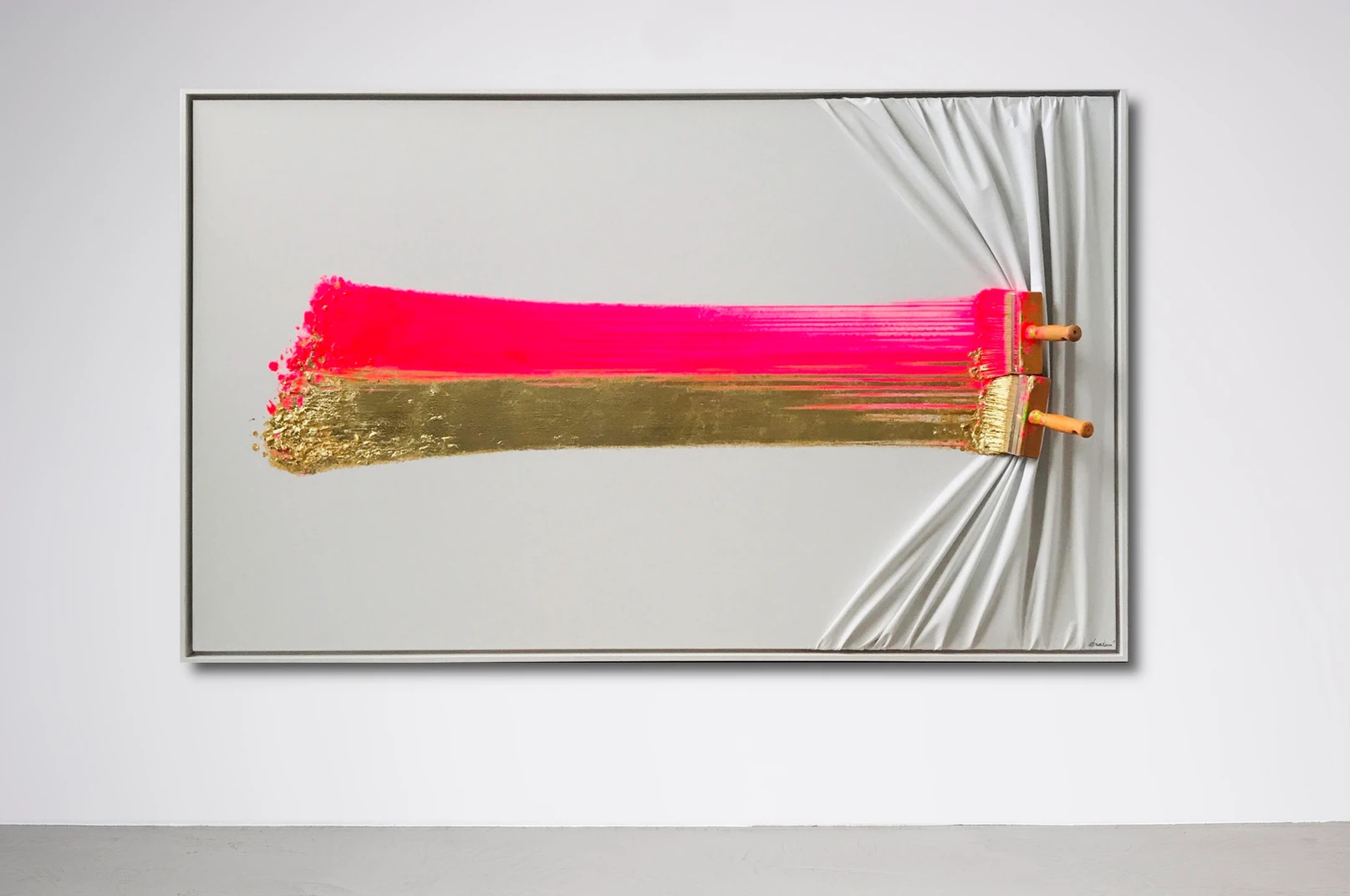
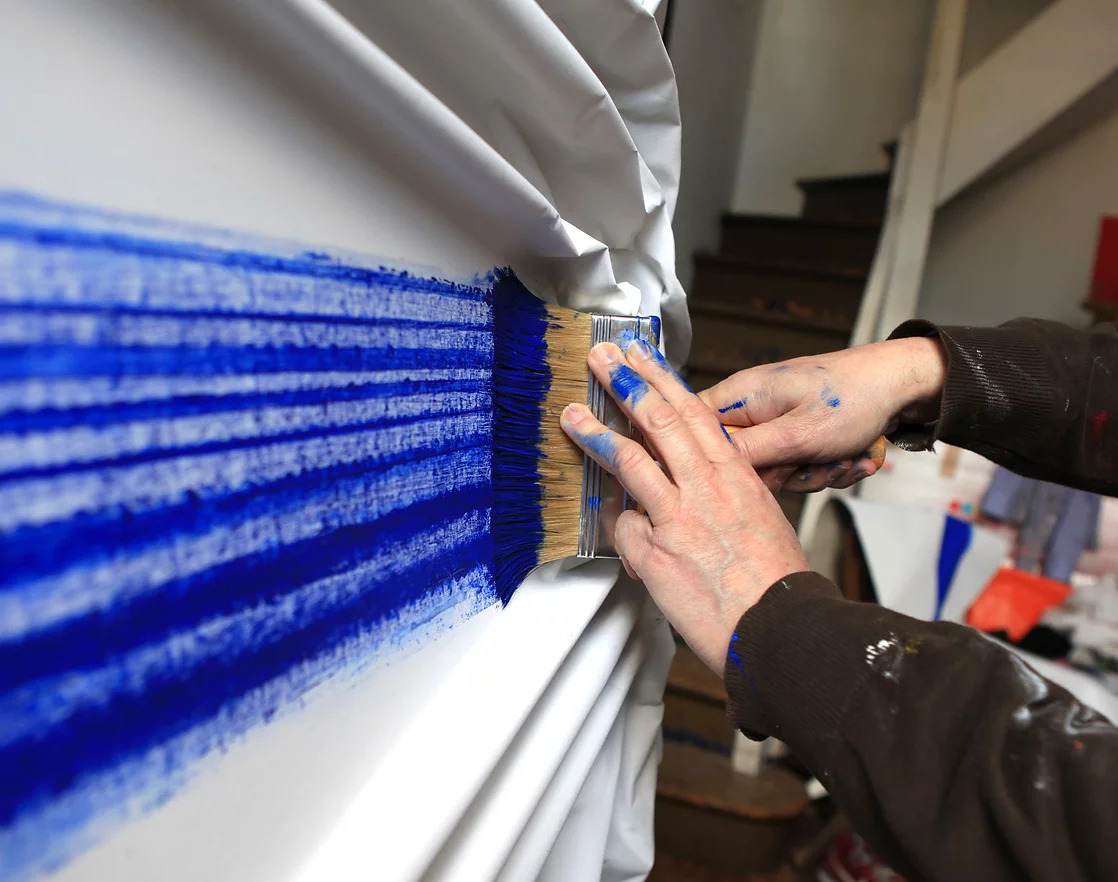
The stopped brush evokes for me personally the gesture of the artist, materialized in a painting. I wanted to make a reference to the process of creating a painting, but also as an artist working in his studio, to honor all these little poses that make up our activity. A painting is comparable to an unfinished work, only the artist can decide to put an end to it. I wanted to use his crumpled canvas as a reminder that life is a theater, when the curtain opens, magic operates, full of mirages and illusions. However, I do not like interpretation dictates. I invite everyone to let their imagination run wild.
Each painting is an adventure rather than a task. How does time function within creation?
There is no notion of time to finish a work, every painting is an adventure.
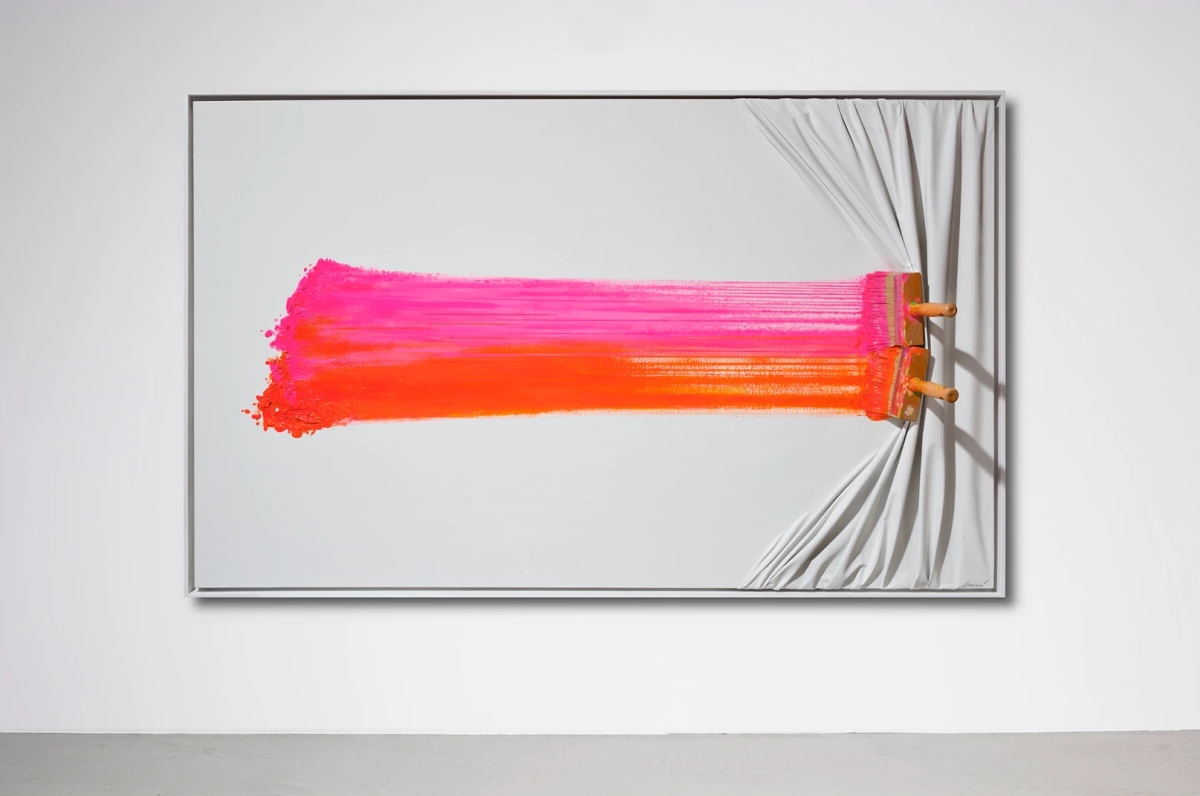
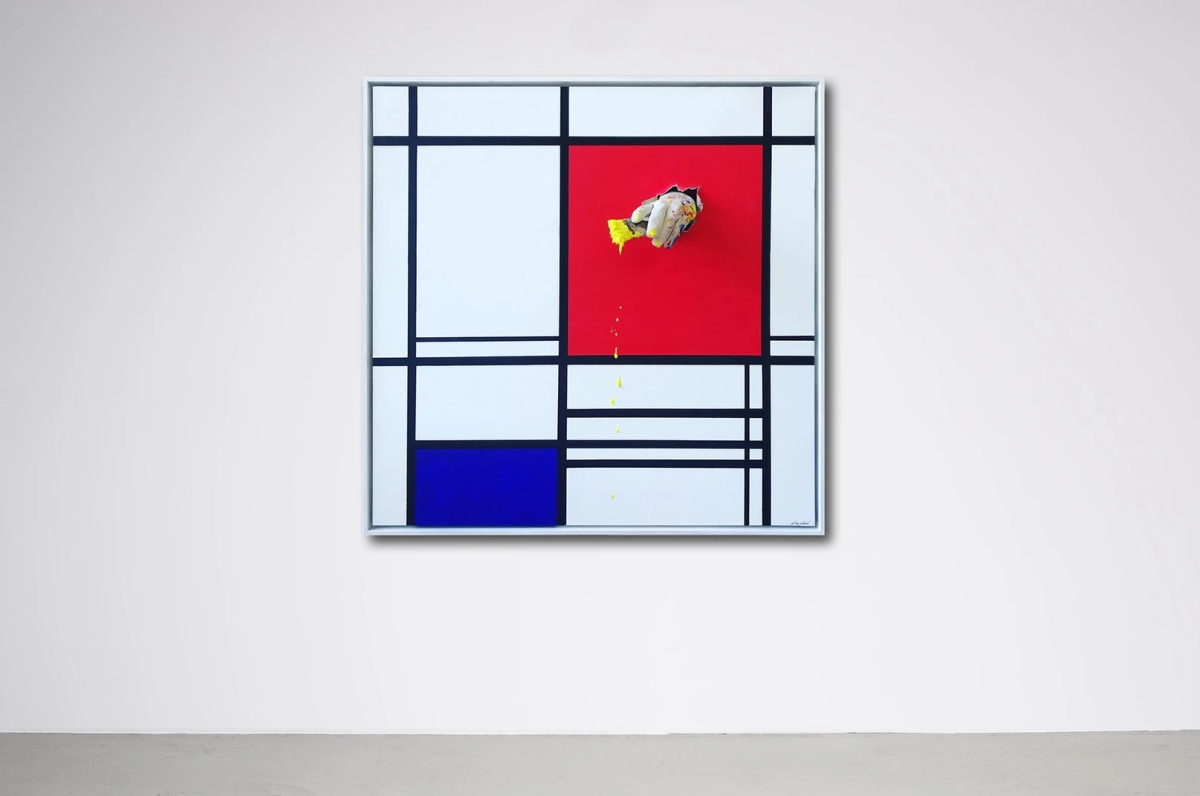
Routine can be both ally and enemy. What does a typical day in the studio look like, and which tools are indispensable?
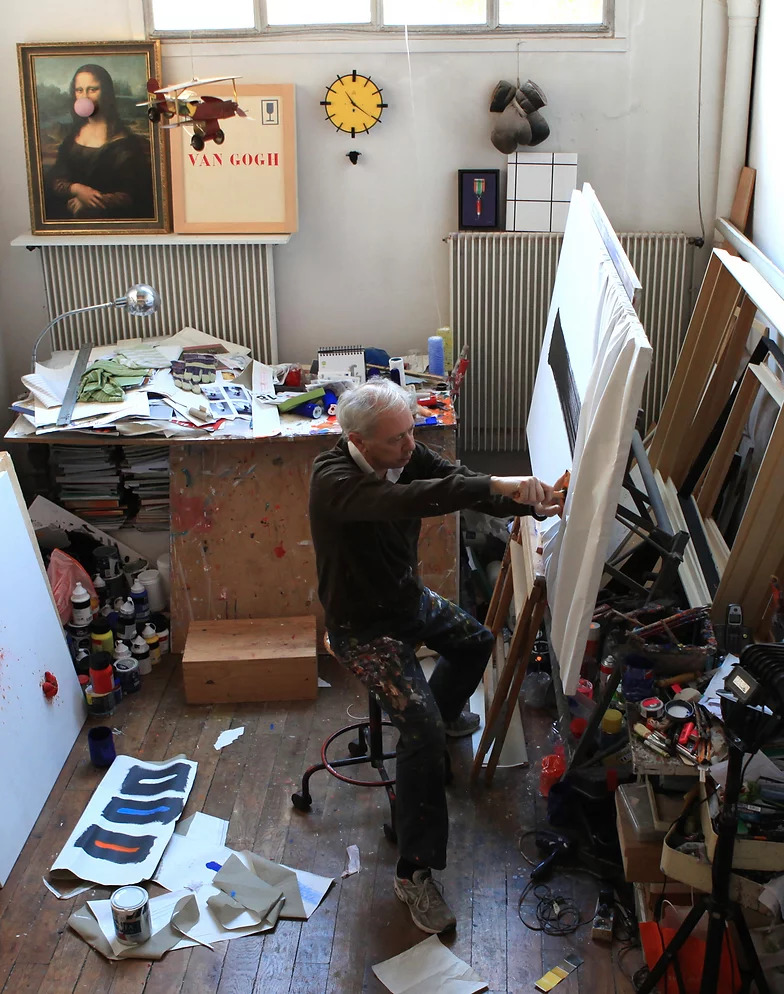
When I arrive at my workshop, first I put on music. The real enemy of the artist is routine. Creation never leaves you alone. I need to spend 8 hours in the workshop, whether it’s good or bad and solve the problem. My workshop is a capharnaüm, everything and its opposite, brushes, paints, drill, saw, and even lipstick (which is an interesting material because it is difficult to handle). The tools allow exploration.
Observation fuels imagination. Beyond the studio, where does reflection and inspiration take place?
Of course, it is outside that I do the intellectual approach, in museums, galleries…I am like a sponge: a color, a word, a sentence, an image, a sound, the street…nothing escapes me.
Everything starts with observation. Most people don’t look, they don’t know how to watch.
Travel is an inspiration to me. I love New York and its avant-garde. I discovered Japan 35 years ago when I first exhibited there. I have been there many times since and every time I travel, I am still fascinated by this culture full of tradition and at the same time eccentricity. In Japan, I discovered the Teshima Art Museum in the inner sea of Soto, a magical place, created by Ryūe Nishizawa and Mutsurō Sasaki. You are forbidden to take pictures so must enjoy the experience and see the moment (air, light and water).
Travel often transforms perspective. How have encounters with people and places enriched understanding and artistic language?
At the base of my painting is an immense curiosity. In the cafes, I like to sit and watch the walkers pass, I find a source of joy. It is the same during my long walks on the Norman coast, where I stay several months a year.
A single phrase can encapsulate a life’s philosophy. Which quote best represents your outlook?
My favorite quote is “We can shake hands; talent can’t be caught!”
https://www.jeanpauldonadini.com/
Editor: Lisa Portscher
https://www.instagram.com/lisaportscher/