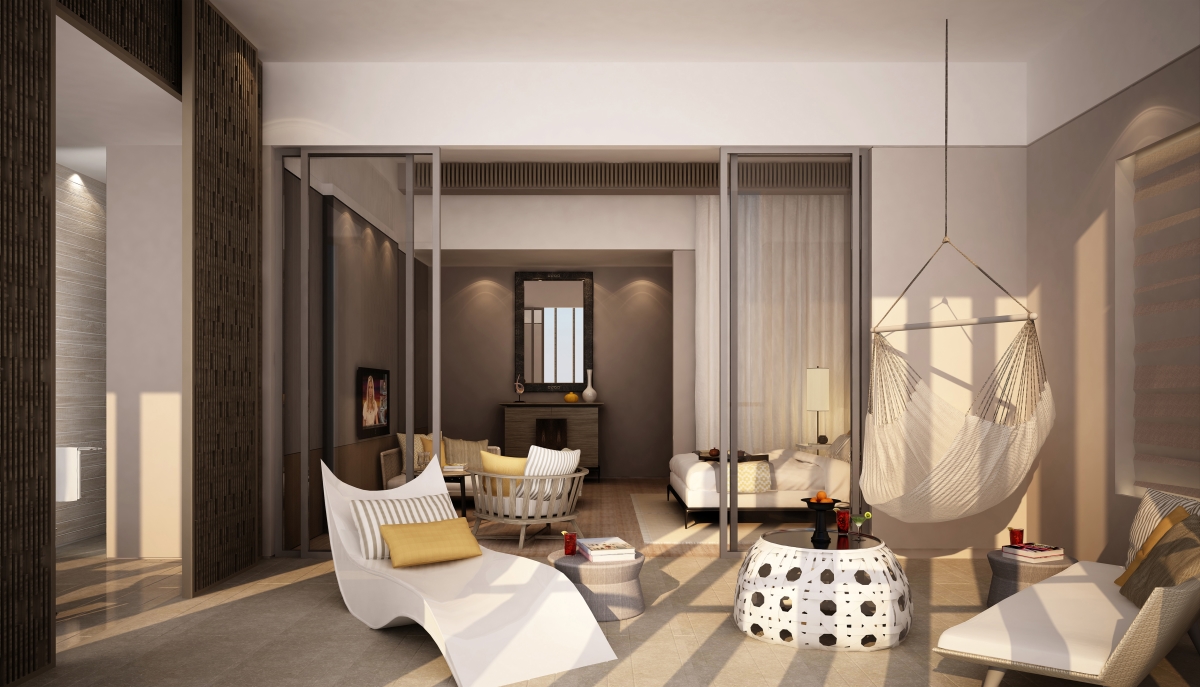
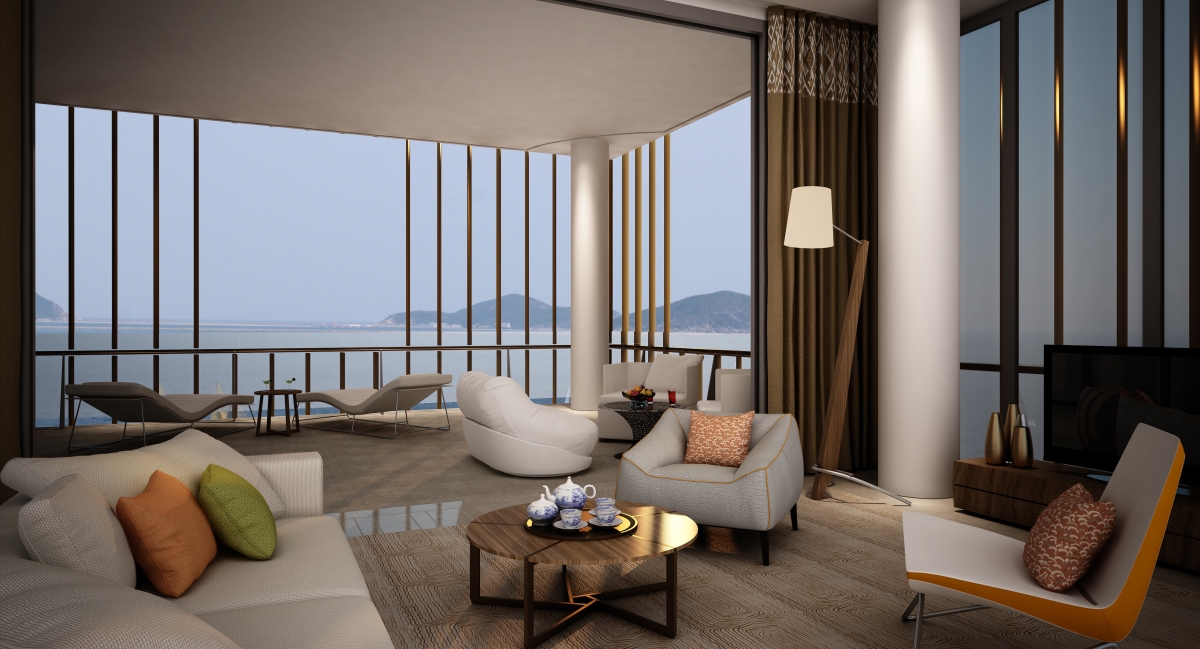
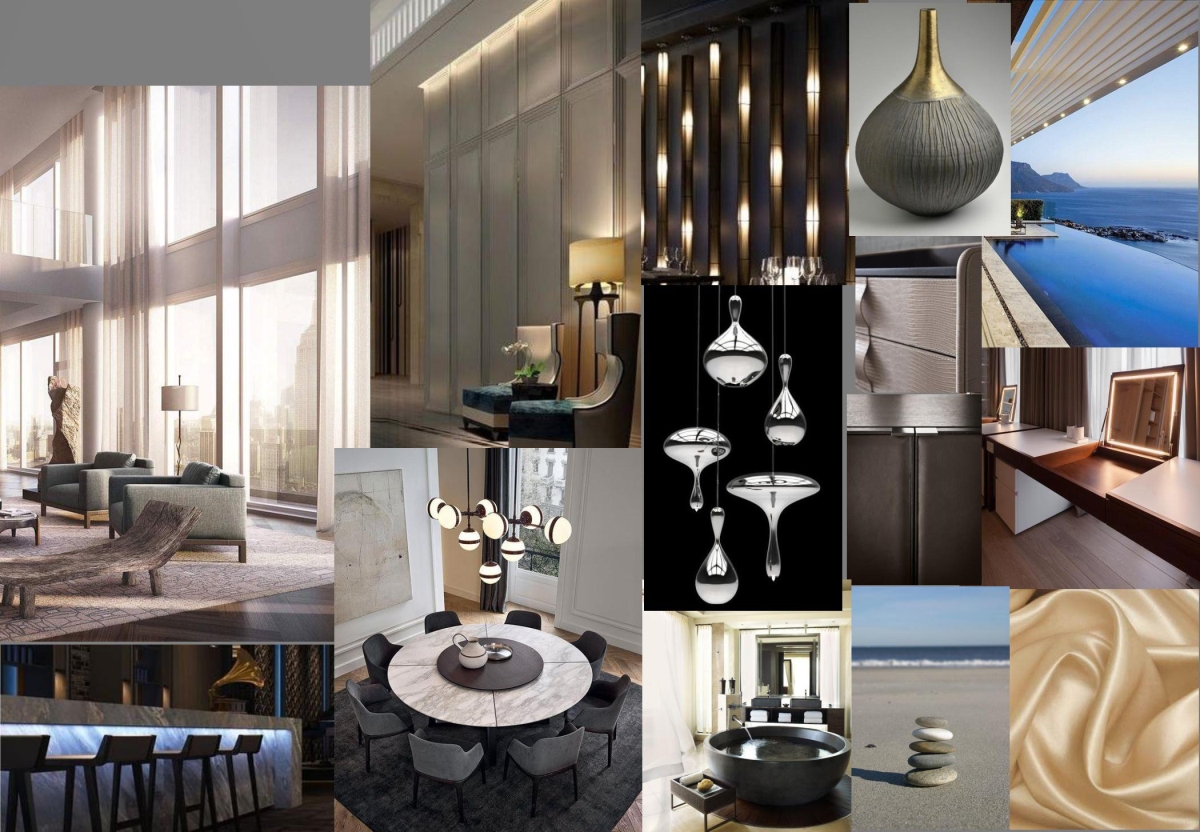
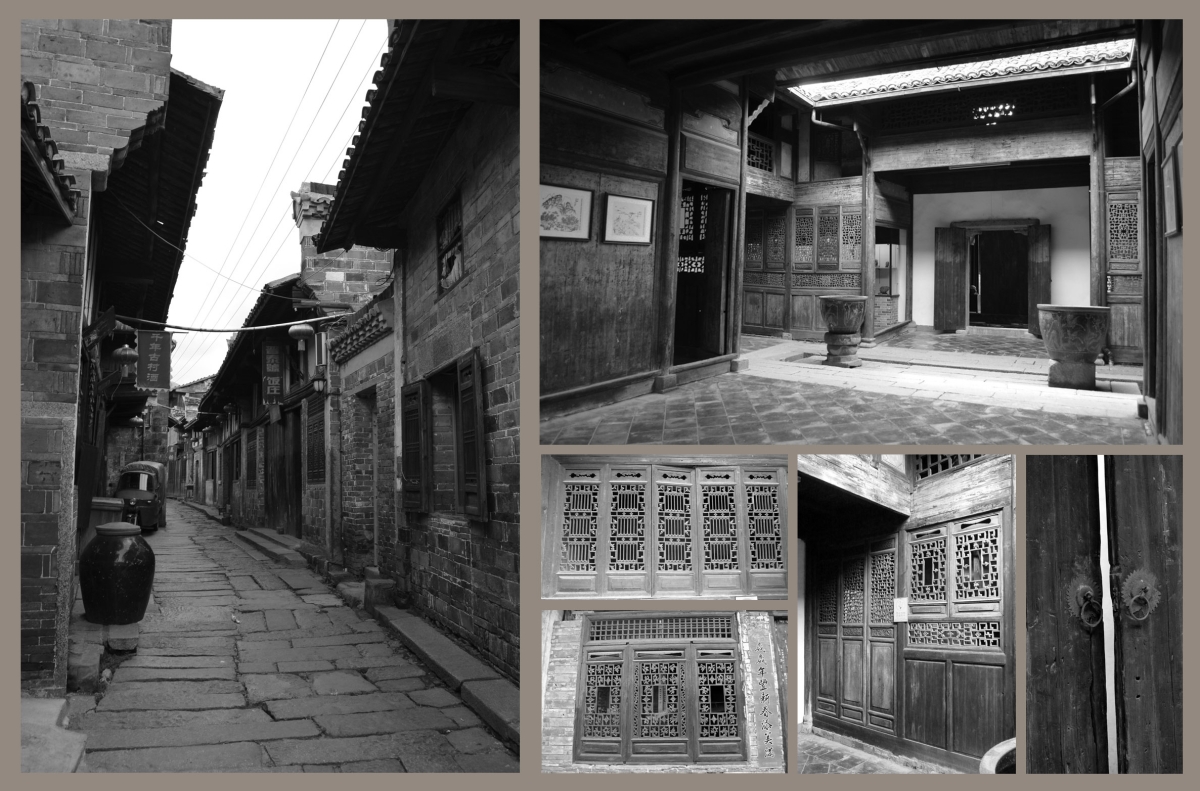
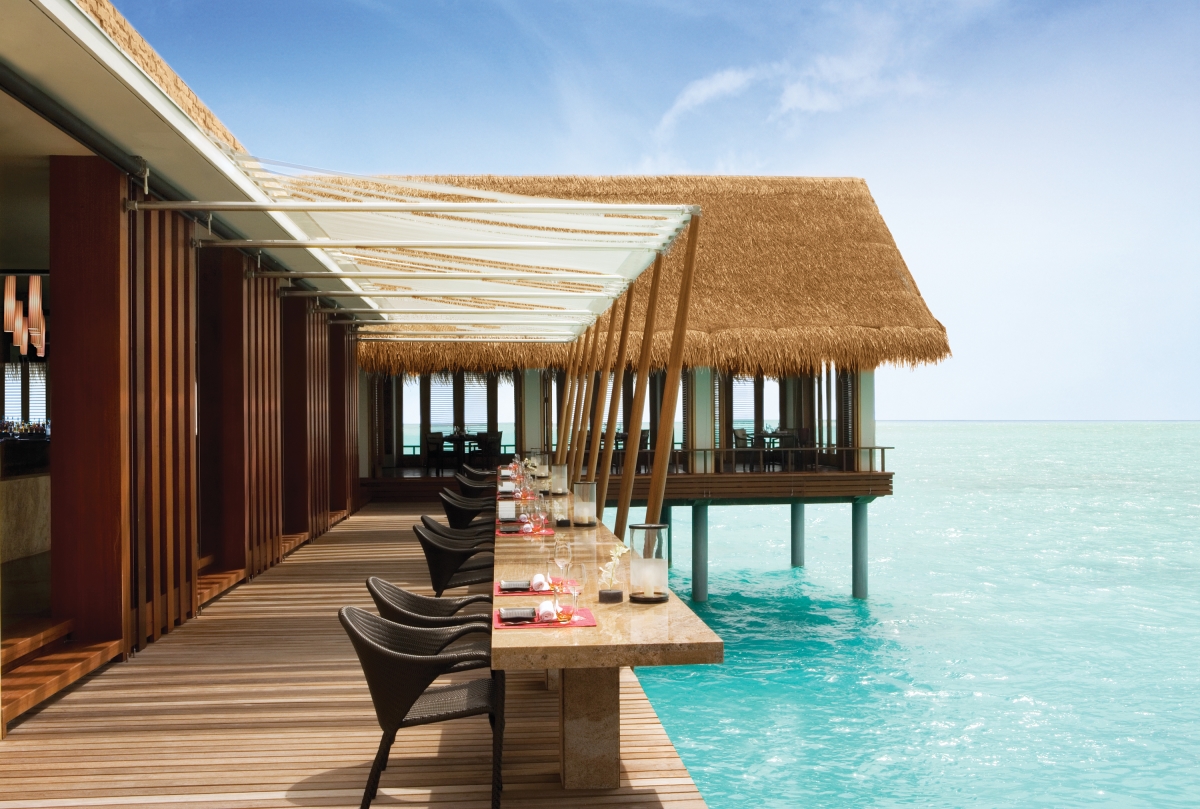
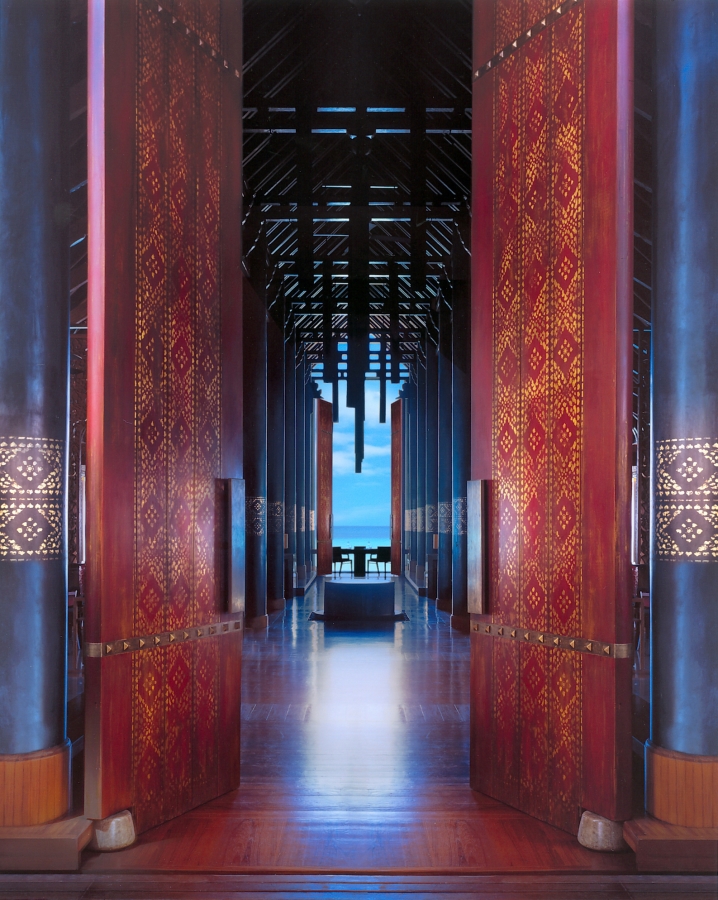
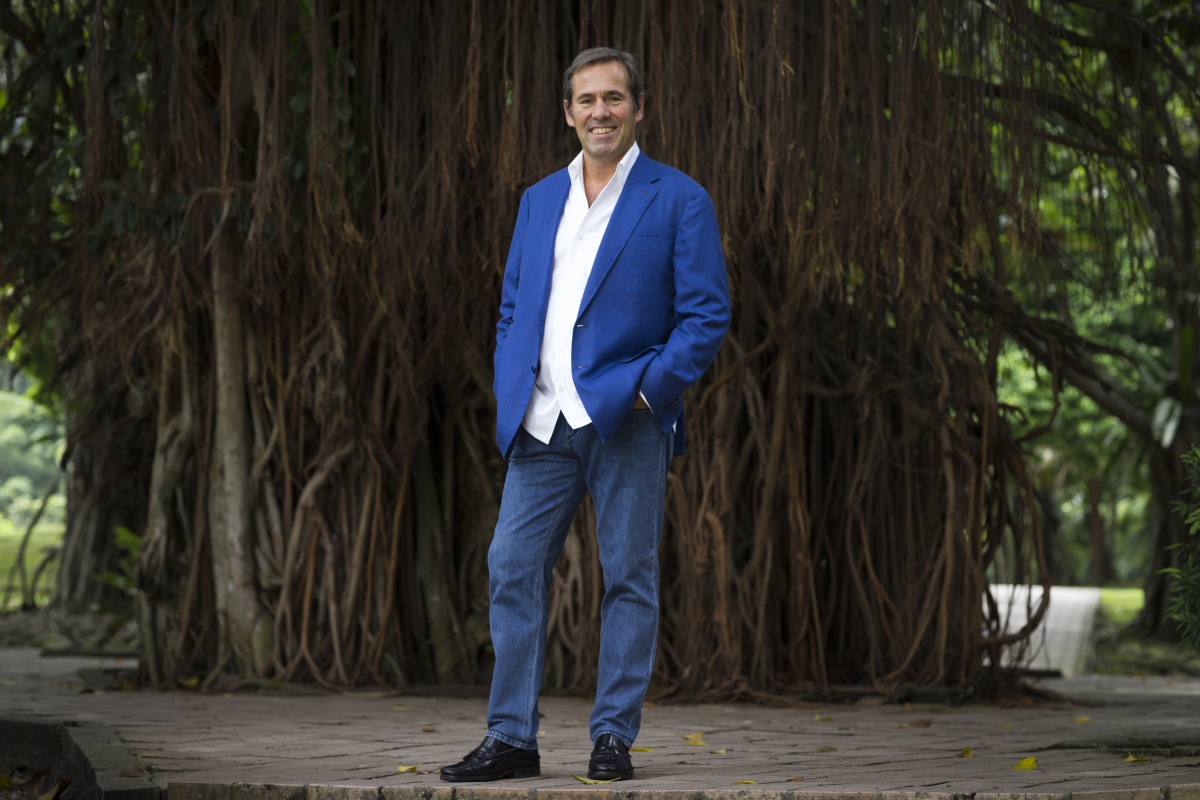
Jean-Michel Gathy is a visionary architect whose work has shaped the visual and emotional language of contemporary luxury hospitality. As the founder and principal designer of Denniston, he has spent over three decades redefining what a hotel can be, merging architecture, landscape, and interior design into experiences that feel both intimate and monumental.
Born in Belgium in 1955, Gathy began his career in the 1980s and soon attracted clients like Cartier, Rolex, and Ralph Lauren before dedicating himself to the world of ultra-luxury hotels. His collaborations with Aman, Four Seasons, Cheval Blanc, St. Regis, and One&Only have produced some of the most iconic resorts on the planet—from private plunge pools and floating pavilions to his signature infinity pools that blur the boundary between water and sky.
Now based in Malaysia, Gathy approaches each project with an understanding that great design begins with emotion. His buildings are choreographed to guide guests through moments of calm, reflection, and awe, emphasizing comfort and connection rather than spectacle. “I don’t design objects,” he says. “I design experiences.”
Speaking with Art Summit, Jean-Michel Gathy reflects on the origins of his creative path, the meeting with Aman founder Adrian Zecha that changed his career, and the values—authenticity, curiosity, and humanity—that continue to define his work.
Interview with Jean-Michel Gathy
By Carol Real
I would like to begin this interview from the very start. Professional skills often manifest at an early age. Can you recall your initial experiences as a builder or artist?
It’s hard to pinpoint exactly when it all began. I believe that it’s something inherent. You either have a passion for art or you don’t. It’s either you like mathematics or you don’t. This starts at a young age. I’ve always been attracted to art. I have fond memories of admiring the designs of fortresses by Vauban or military architecture, as well as the artwork my grandma had displayed in our house in Belgium. My grandma had spent time in Congo, and during that period, she collected some artifacts that I grew to love. We also had a great uncle who was an artist in the South of France. My grandma would often say, “When I pass away, I’ll leave you this and that,” already recognizing my affinity for art, which gradually developed over time. When I began to travel with my parents, I would take charge of planning our trips and include visits to museums and cathedrals, among other things. I’ve always had a deep passion for it, and it’s something innate that started from a young age. It’s not like I woke up at 25 or 18 and suddenly decided, “Oh, by the way, I like art.” Rather, I’ve had this interest within me from the beginning.
Are there any memorable anecdotes or advice from the early stages of your career that influenced your journey?
Each career–unless you are born into a royal family or something similar–is the result of opportunities. Everyone has opportunities–it’s all about how you use and shape them.
Let me share a bit about my background. I lived in Hong Kong during my early years, and when I was 25 years old, I fell in love with the city’s energy. It provided me with numerous opportunities to design offices and buildings, among other things.
In 1988, a significant turning point in my journey occurred when I met Adrian Zecha, the founder and chairman of Aman Resorts. He invited me to design Amanwana, and I instantly connected with this niche market. This experience had a profound impact on my career.
Adrian Zecha had the most significant influence on my journey. After that, Sol Kerzner opened up opportunities for me to transition from being an architect and designer to working in commercial property design. As a result, we now offer a wide range of services.
Could you describe a typical day in your life? Do you follow a set routine?
Describing my typical day is impossible since I travel 220 days a year. Nevertheless, when I’m home, my routine usually involves waking up at around 7:30 in the morning, although I tend to take it slow. We have offices on the other side of the world, so I start my day by reading emails and calling places like Mexico and clients in different time zones. Depending on the time zone, they could be waking up or getting ready for bed. We work with various regions, including the United States and Mexico.
I typically head to the office around 10:30 AM, where I work until approximately 9 PM, on average. It’s a little different now compared to my earlier years when I worked regularly until midnight. As I’ve grown older, I’ve scaled back. The rest of my time is spent traveling, and any spare moments are devoted entirely to my wife and children. I don’t have the luxury of playing golf as much as I’d like, simply because time doesn’t permit it. However, I maintain my fitness by going for 4 or 5-kilometer walks outdoors, ideally around four times a week.
My life isn’t highly structured or regular; it’s rather hectic.
What activities or hobbies do you enjoy the most during your free time?
I have very little leisure time at home because I have an office. Even if I leave the office at 9pm or 10pm, I often work until 1am or 2pm. However, when I take vacation, my wife and I love to travel to remote places, with our top favorite destination being safaris. We enjoy viewing wildlife on safaris, not hunting them. Over the years, we’ve been on about 49 safaris, each lasting three or four days, in various locations in Africa and India. So, safaris are our passion when it comes to hobbies.
In terms of another hobby, I’m deeply passionate about art. I adore visiting art galleries and have a particular fondness for paintings rather than sculptures. Additionally, as a pastime, I thoroughly enjoy exploring real estate opportunities. I love browsing homes for sale, whether it’s in a quaint English village or somewhere in Japan. I often visit real estate agents out of sheer curiosity, as I’m not necessarily looking to make a purchase; it’s more about satisfying my interest in the subject.
Your training combines classical European principles with an appreciation for Asian culture. How do you believe this fusion has influenced your architectural style and approach?
It’s the most crucial aspect of my work, specifically the company’s adherence to European classical education. My parents were very insistent on us understanding the value of history, architecture, and the environment. They were very classic. While still alive, my father embodied a truly classical demeanor, and these principles have stayed with me. I’ve lived in Asia for 42 years now, out of my 68 years. When you reside in a place for an extended period, you can’t help but absorb various cultural and mental influences. Our approach is charismatic because it represents a fusion of European classical education, which I was raised with, and the influence of living in Asia for over four decades. My wife is Malaysian, and my business operates in Malaysia. Thus, consciously or unconsciously, our designs blend Asian culture and classical European education.
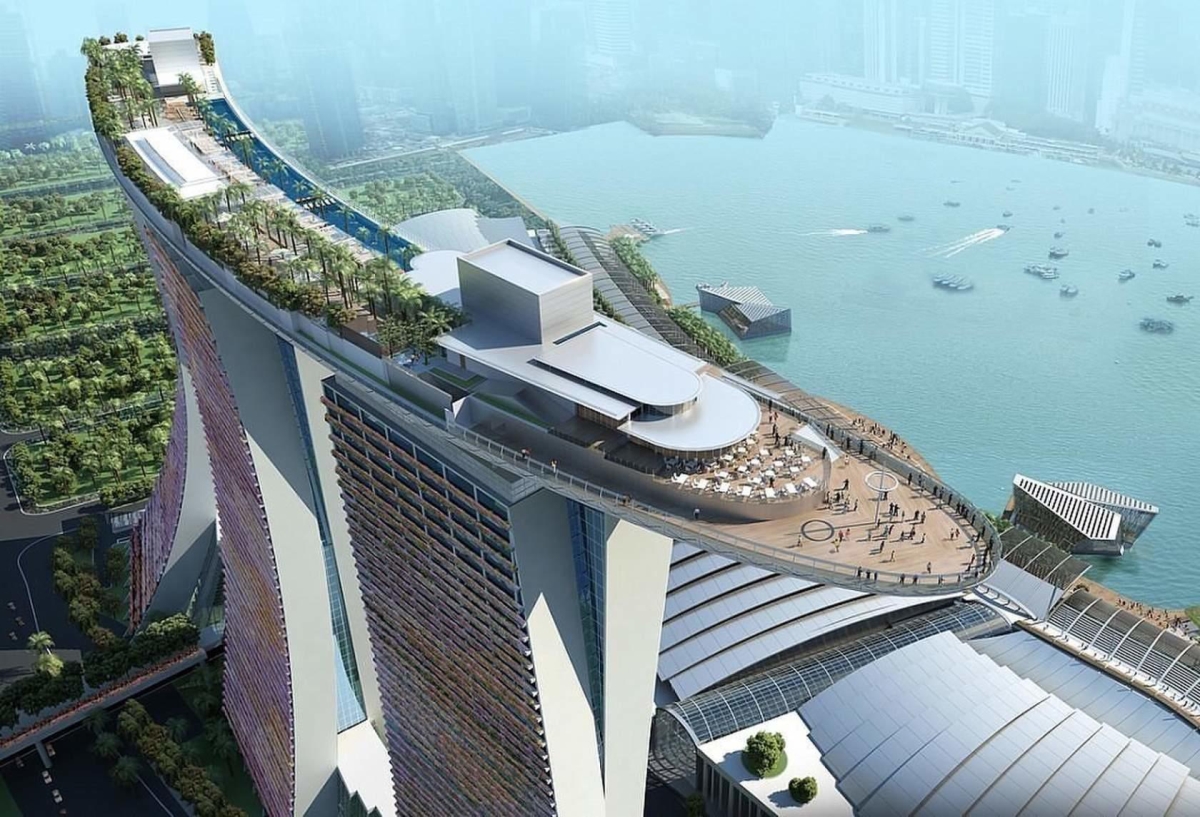
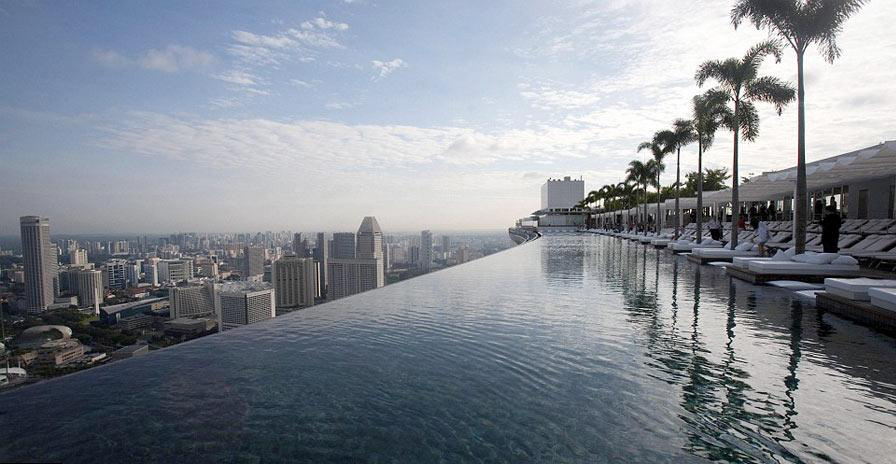
Your name has become synonymous with luxury hotels and contemporary architecture. What are the most pressing challenges that the field of architecture faces in the present times?
The most pressing challenge in the field of architecture is the challenge of choice. Our work must integrate a multitude of materials, numerous technologies, and various sustainability issues. The abundance of options presents us with the problem of choice. It is better to have abundant choices than too few.
As architects and professionals in the construction industry, including builders, interior designers, landscape architects, and others, we have a responsibility to honor and respect our dear Earth. This means making use of whatever technologies and materials are available to us. This is our challenge: we have a moral obligation to incorporate these new products and knowledge into our designs.
As an avid art collector, who are some of your favorite artists? Please tell us about any artworks you own that hold a special place in your home.
I like Fernando Botero, Marc Chagall, and Pablo Picasso. I also have an appreciation for contemporary artists. I’m cautious, though. I lean more towards figurative artists. The act of splashing color on a canvas and it being worth $50 million seems more like marketing and commercialism. I enjoy artists who draw inspiration from Dutch masters. I also admire Japanese screens, which feature decorative painting and calligraphy and are used to divide interior spaces. Additionally, some Indian artists are exceptional. I am very eclectic in my choices, but I enjoy it when they are relatively figurative.
Have you considered collaborating with artists you admire for your architectural projects?
Yes, I have collaborated extensively with a French artist named Christian de Laubadère, who created fantastic artwork while based in Shanghai. He primarily pursued “The Neck Painting” series, which are portraits of Chinese women. We selected his work for The Setai in Miami, the Fuchun Resort in China, and The St. Regis Hotel in Lhasa. It was a genuinely outstanding experience because we gained valuable insights from a different perspective on the same wall.
When you look at a wall, you typically see it one way as the architect or designer of the entire project. However, when viewed through the eyes of an artist, it takes on different depths and dimensions. I learned a great deal from collaborating with Christian.
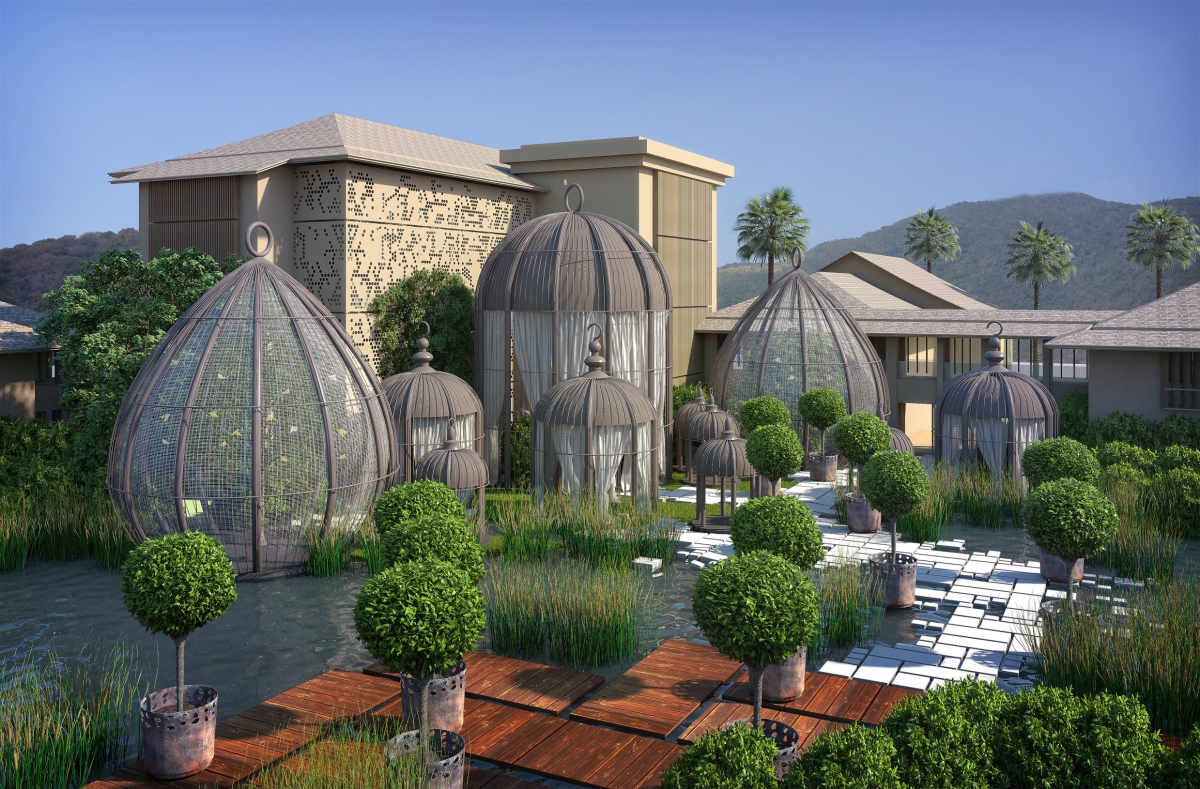
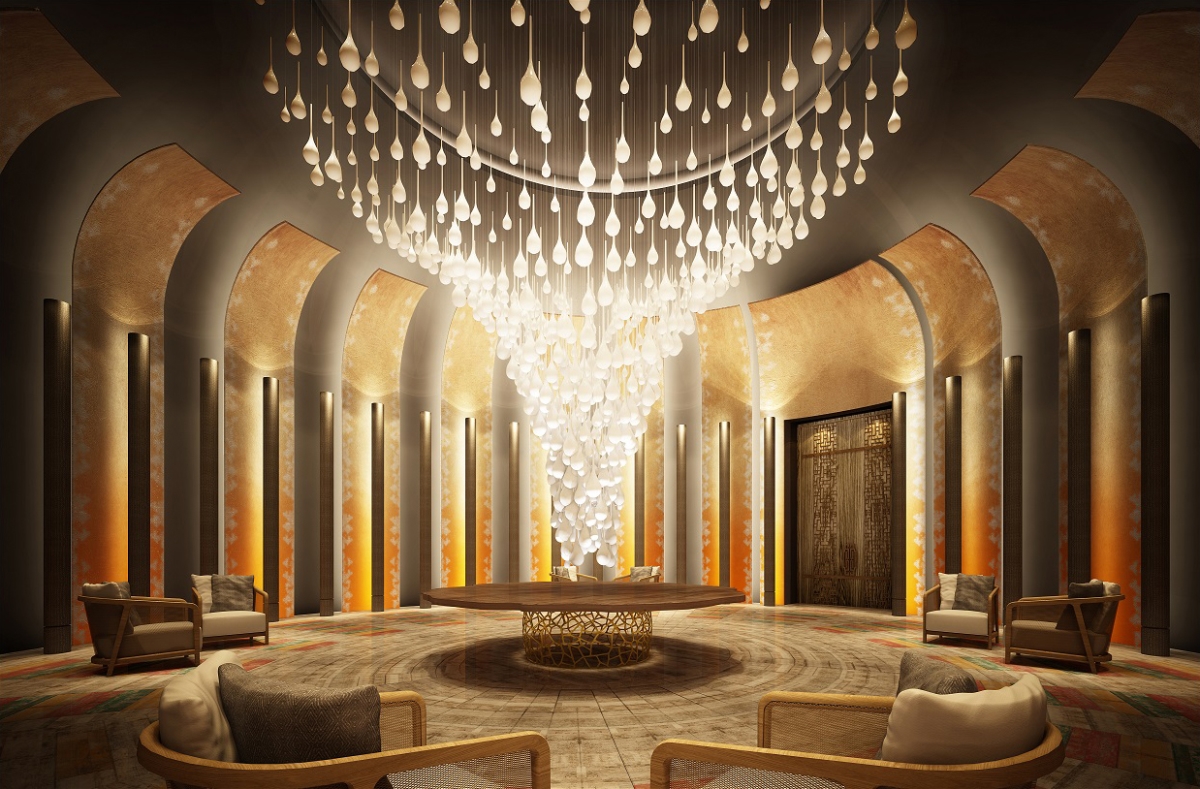
Your work requires a high level of intellectual thought and creativity. Do you initiate a project without first visiting the location?
It’s almost impossible for me to design a project without visiting the site because that location inspires me, and provides me direction, size, proportion, and a sense of depth. I can feel where the building should be located, where the views should be, and so on. I do not design objects; I design experiences. I believe in experimental design rather than traditional architectural or technical design. It holds much more interest, and people become attached to a soul rather than a shape.
Luxury hotels are more than just transient spaces; they often bridge cultures and engage all the senses. What elements do you prioritize when designing hotels as opposed to private residences?
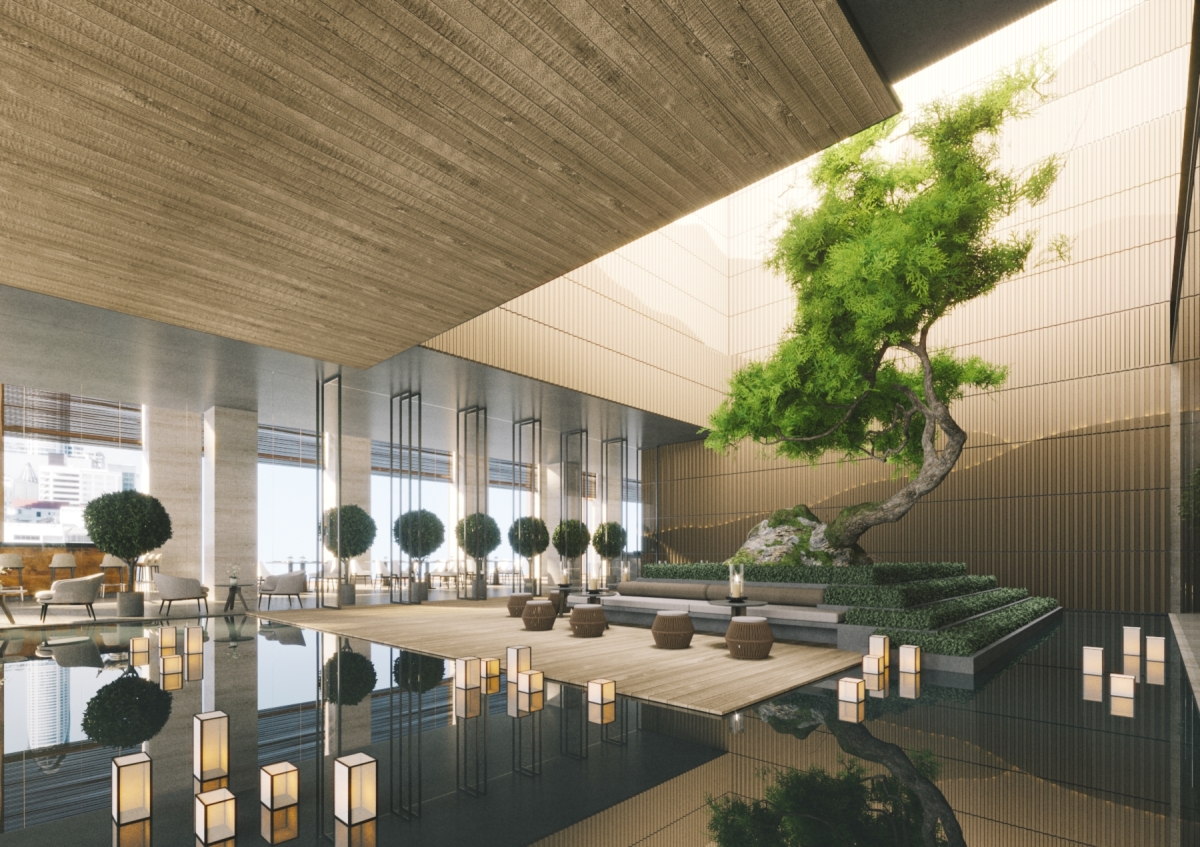
Luxury hotels are more transient spaces. They often bridge cultures and engage all the senses. It’s undeniably true. This is well articulated. When I design a hotel, I prioritize comfort. Ultimately, it has to be comfortable because when you’re away from your home, you want to feel a reference point. You want to feel at ease psychologically, philosophically, intellectually, emotionally, and so on. You want to feel comfortable and say, “Oh, I like it here. I don’t know what it is, but it doesn’t matter; it is what it is now.” How do we achieve that? That’s the challenge. Of course, the essence for me is to avoid anything indicative in the design—no aggressive colors or statements. Yet, it has to be a succession of emotional and charismatic spaces, and other dramatic spaces for you to remember the place. If everything is just an uninteresting little village, you won’t remember the village. You want the village to have a beautiful castle. You want the village to have a beautiful plaza. Well, it’s the same in architecture; you want your hotel to have a castle, a fantastic lobby, a great bedroom, or whatever. But you also need to have a fantastic bed and a fantastic shower. So, there is this sequence of drama and intimacy that I prioritize.
Have you encountered situations where you had to turn down projects or take on projects that proved to be unfeasible or challenging to execute?
We regularly receive one or two project offers per day at our office. Consequently, we decline projects on a daily basis. This can happen for various reasons. On occasion, it’s because we’re hesitant about the project’s leader, sometimes it’s due to the project’s location, other times it’s because we’re short on time, and occasionally it’s because we anticipate difficulties visiting the project site. There are instances when we conduct a thorough assessment and are uncertain of the client’s reliability. However, most of the time, it’s because we have an excessive workload, and we are unable to accept every project. I strongly emphasize my involvement in designing the project’s foundation, and if I won’t have the necessary time, I must decline.
If you were to write an autobiography, what title would you choose for it?
The title of my autobiography would be “What a Journey.”
Are there any guiding principles or “lines to live by” that have shaped your personal and professional journey?
Yes. Authenticity. You must remain true to yourself, always straight, do not abuse, do not cheat, and put in hard work. That’s truly my motto.
Image credits: All images courtesy of Denniston.
Editor: Kristen Evangelista
More Images: