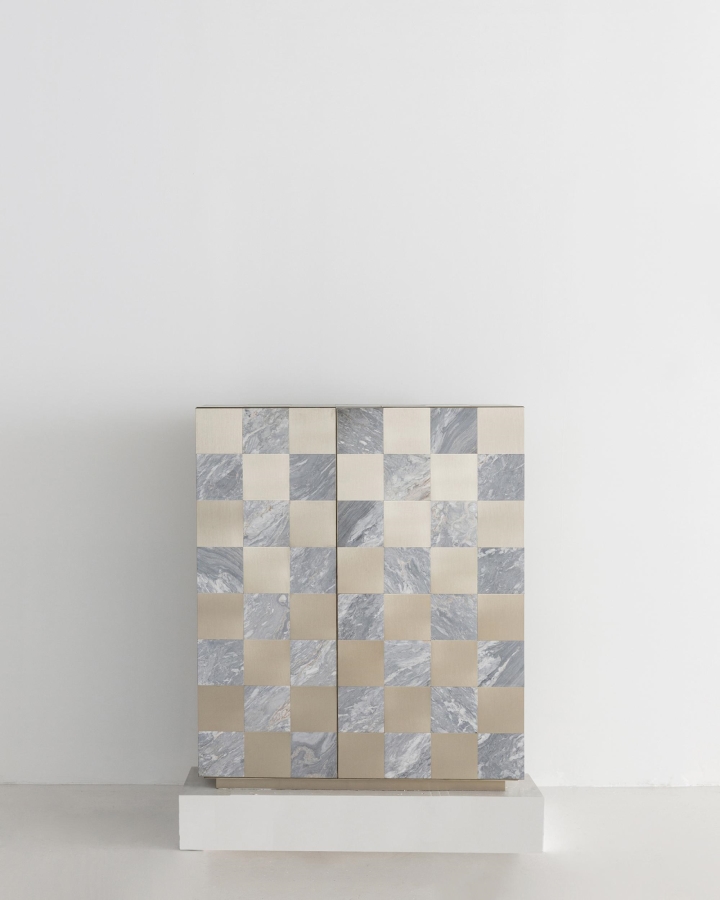
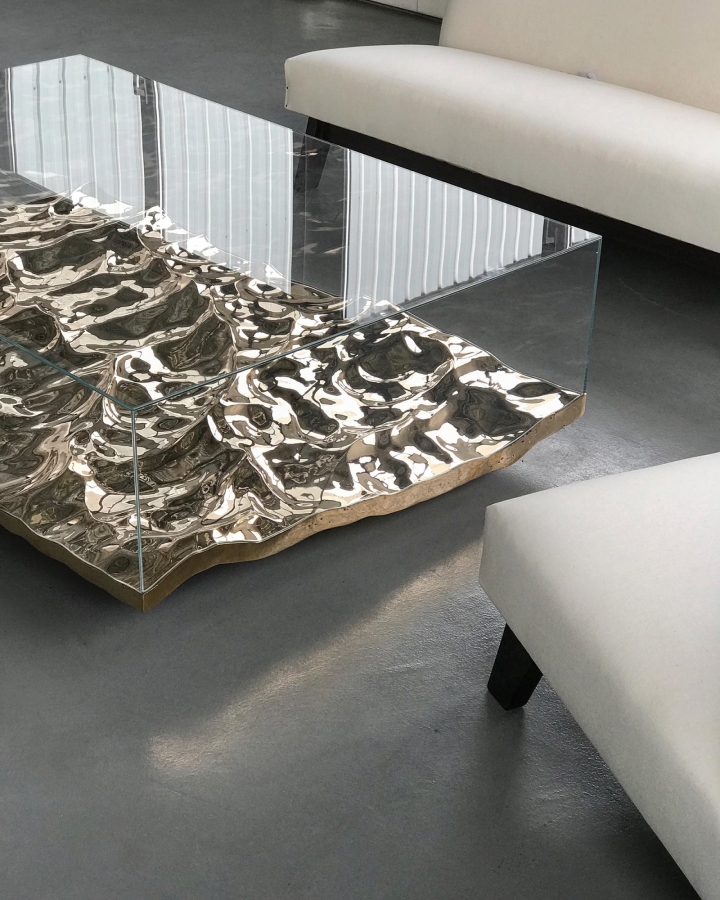
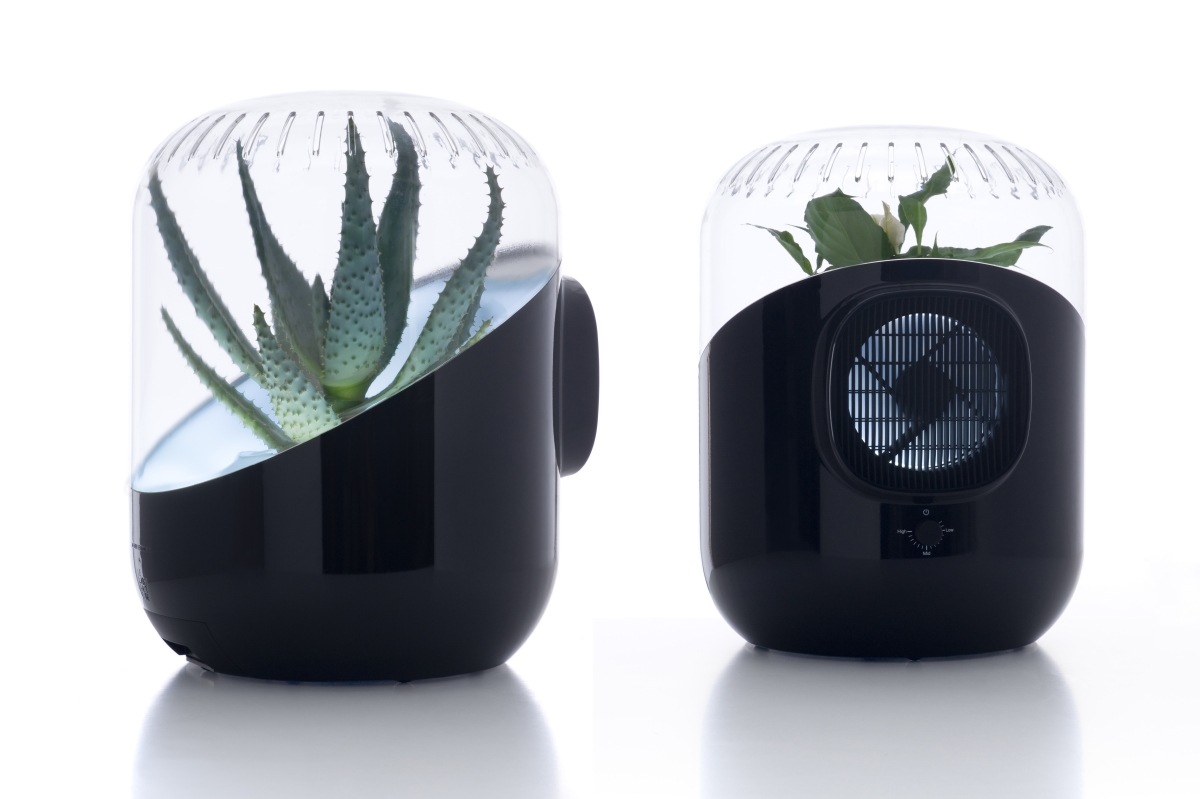
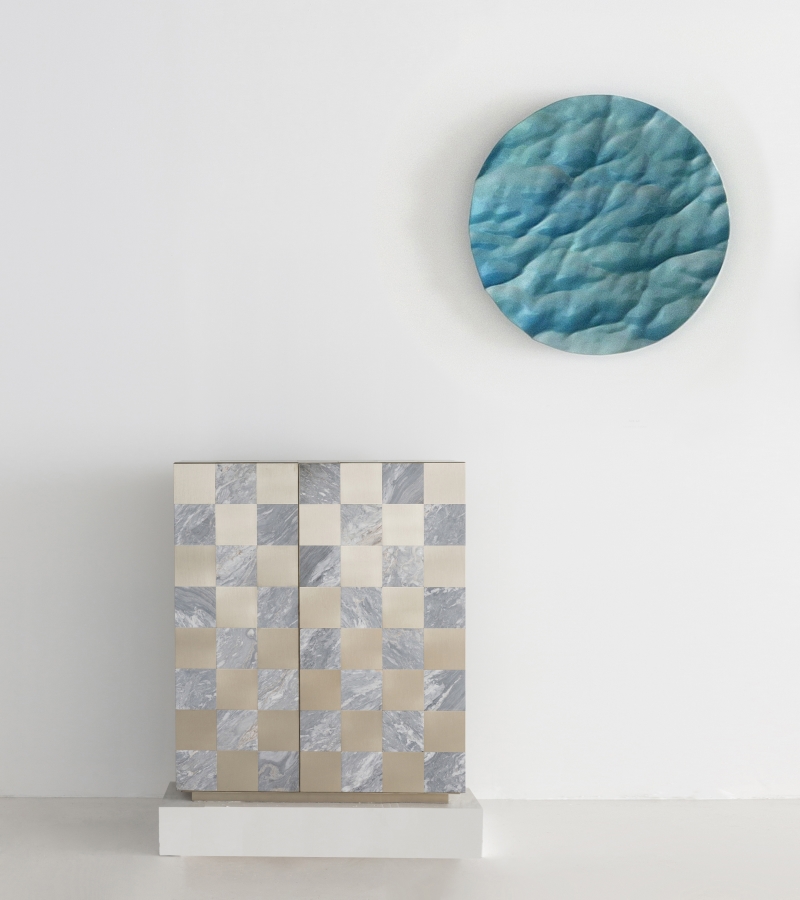
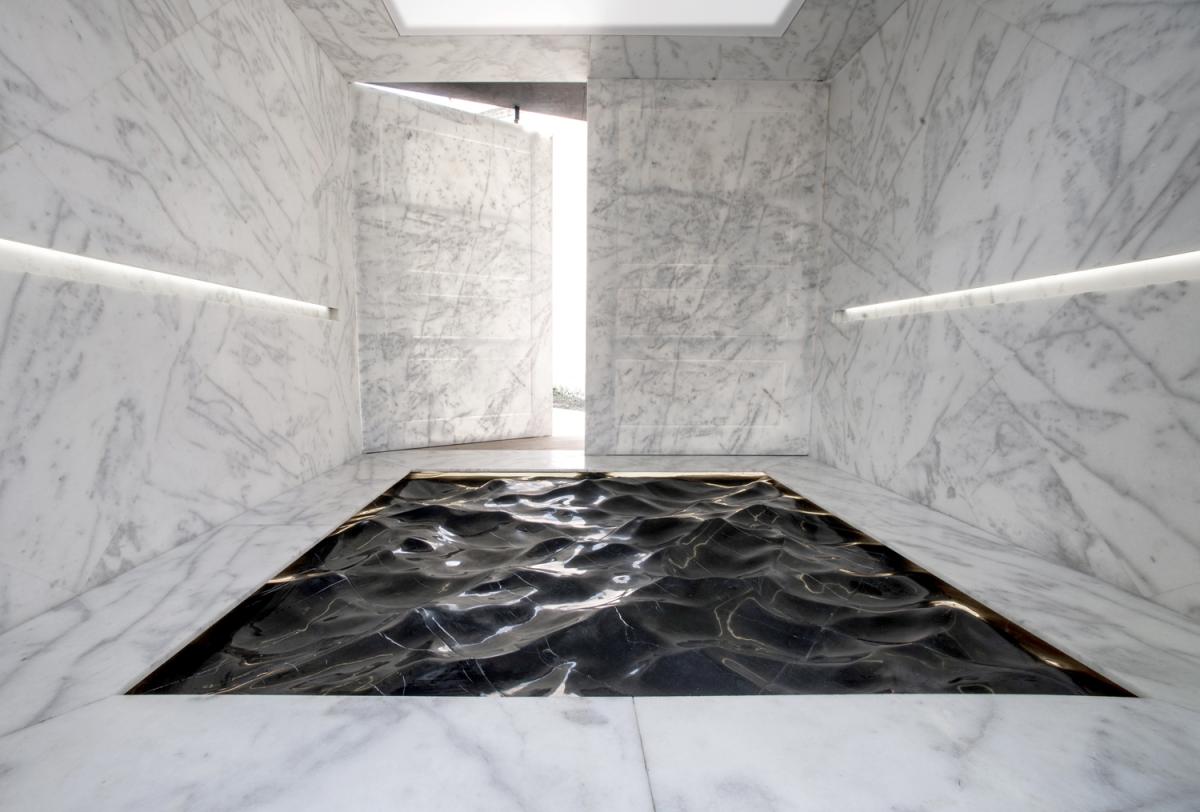
Mathieu Lehanneur moves through disciplines the way light moves through glass—changing form without losing clarity. His work occupies the fertile space where science, design, and art converge, guided by a desire to improve the human condition while invoking wonder. Whether shaping air with a living filtration system, sculpting water in marble, or transforming data into atmosphere, his projects invite both reflection and enchantment.
Born in France and educated in design, Lehanneur has never accepted the boundaries of his field. For him, an object is not complete until it alters perception—until it awakens a mental or emotional response. His creations, at once poetic and technological, blur distinctions between the organic and the artificial, the measurable and the mystical. They remind us that innovation can be sensual, and that the future can carry the grace of the handmade.
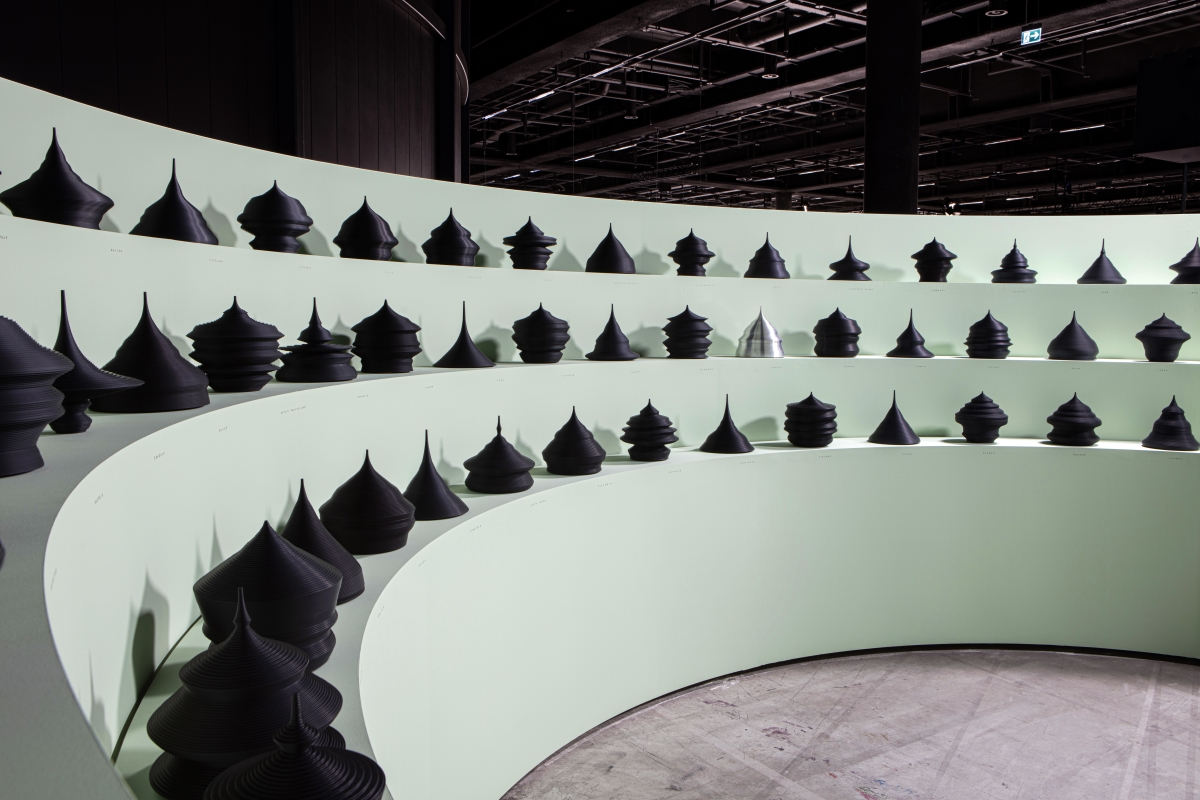
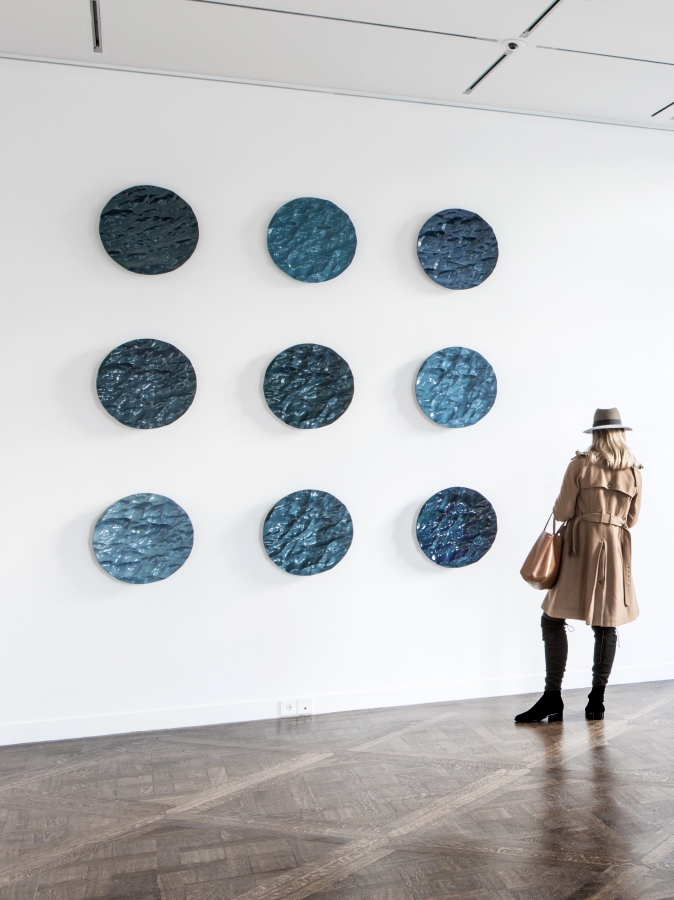
Over the past two decades, Lehanneur has built an extraordinary body of work that ranges from furniture and architecture to digital systems and public installations. He collaborates with leading brands and institutions while remaining fiercely independent in his vision. His “50 Seas” series translates the ocean’s shifting colors into ceramic form; Tomorrow Is Another Day transforms hospital walls into windows of hope. Each piece is a meditation on time, life, and our fragile connection to nature.
In this conversation, Lehanneur speaks about his mentors, the discipline of saying “no,” and the enduring challenge of creating “something real but aspiring to the extraordinary.” What emerges is a portrait of a designer who sees creation not as problem-solving but as a search for transcendence—one that unfolds, quietly and persistently, in the space between science and soul.
An Interview with Mathieu Lehanneu
By Carol Real
You’ve mentioned that several people guided your early career. Who were the mentors that most influenced your creative path, and what did each of them teach you?
I think about three of them…I met the architect Francois Roche just after I left design school. His approach, freedom and vision have been key in my creative journey. He was mixing philosophy, science, and art in his practice. We have worked together on several experimental projects.
The scientist and Harvard University professor David Edwards has also been a mentor for me. He taught me that every single idea needs to be protected and carefully raised. It doesn’t mean that every single one needs to be developed but each one is a potential seed that could turn into a millenary oak tree.
The third one is Paola Antonelli, Senior Curator of the Department of Architecture and Design at MoMA, New York. She has supported me since my diploma project and continues to inspire me to this day.
You grew up in France as the youngest of six. How did your childhood environment shape your imagination and the way you see the world today?
I grew up in a large family, with six siblings and I am the youngest one. My childhood was pretty happy, but I was more of a contemplative child due to my position in the family.
You once said that your goal is to create “something real but aspiring to the extraordinary.” What does that process look like for you, and how do you balance intelligence, intuition, and transcendence in your work?
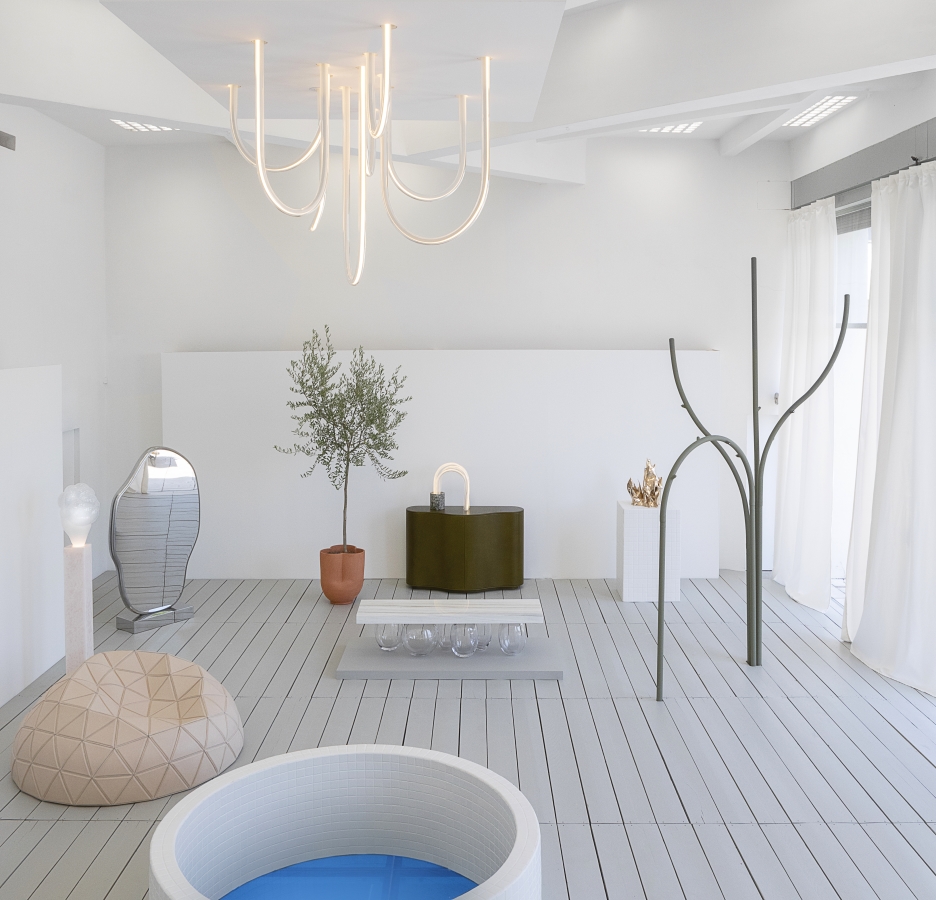
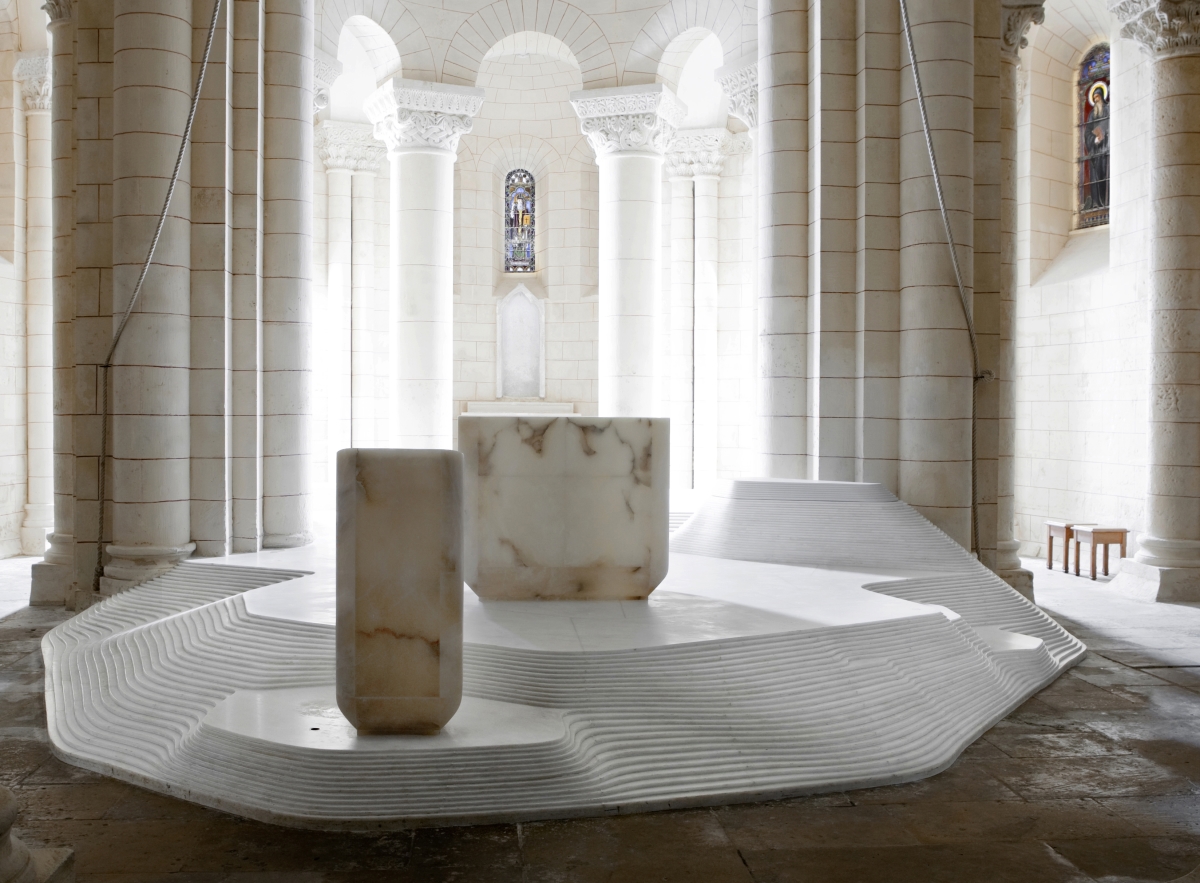
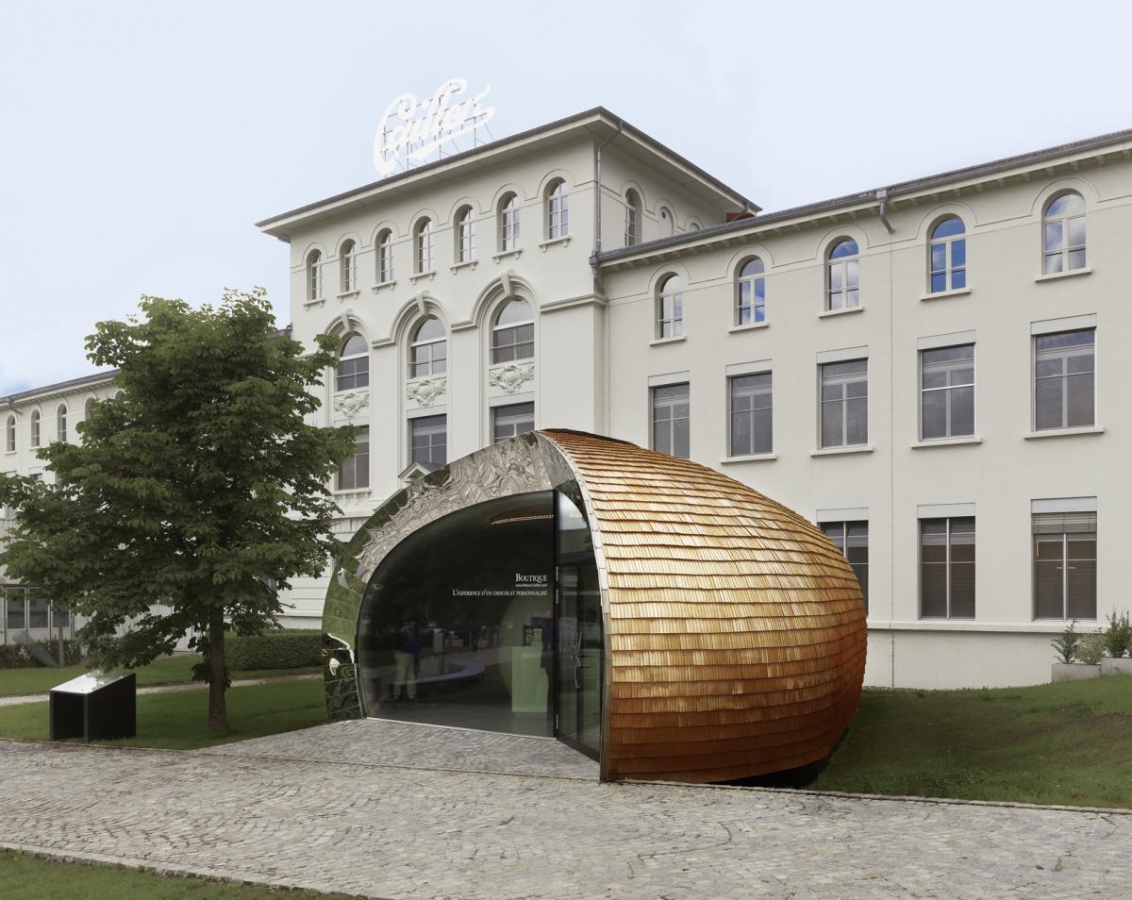
First, I love the way you summarize my target and expectations: “Something with intelligence and transcendence. Real but aspiring to the extraordinary.” The most important thing to reach is to try to forget the definition and traditional limits of my discipline. I don’t care if I am a designer, an artist, or an architect. My focus consists in what I want to create in the mind of the users or viewers. Whatever the material, whatever the processes or functions, the only thing that counts is the mental, fundamental, and spiritual experience it can create in your brain.
What is the most indispensable element in your studio or creative practice—the one thing you couldn’t work without?
The “no.” This verbal ‘item’ is key to keep aware of exigence and consistency. Every piece, every idea needs a lot of time, energy, and money to be developed. Nevertheless, I want to keep the freedom to say “no.” Like a “not yet,” “not that way,” “not now,” my “no” never means end, it only means to do it again, in a different way. “No” is always a new start.
Your projects move fluidly between design, science, technology, and art. What challenges have you faced in navigating these disciplines, and how have they expanded your creative approach?
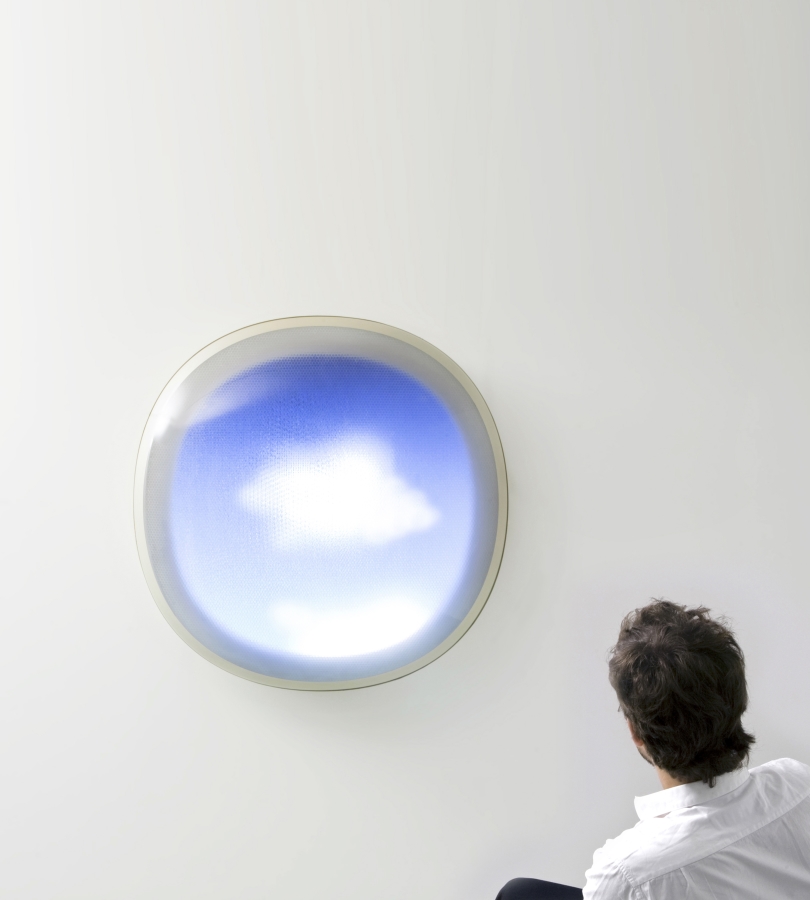
A few years ago, I was commissioned to design a piece for a palliative care department in a famous hospital in Paris. The goal of my client was to bring art into this difficult context. I came up with the idea of creating a digital window in every single room. Titled “Tomorrow Is Another Day,” this work aims to bring a visual and interactive escape for each patient. It consists of a circular LED screen embodied in a UFO-like object hanging on the wall. Each screen diffuses the sky of tomorrow in every location on Earth you want to be connected to.
Turning an idea like this one into reality has been a huge challenge. It was not a question of material or process but finding a way to create an animation of the sky always unique, as the real sky can offer. We finally decided to get live information from one of the biggest worldwide weather-forecasting platforms and use that information to create auto-generative digital skies. In many projects like this one, the main challenge is not about design, materials, or processes but finding the best experts and systems to turn your scenario into reality.

Your work often merges emotion and technology in unexpected ways. How has your creative method evolved over the years, and how do you approach the relationship between science, psychology, and art today?
I began to investigate the relationship between physiology, science, and psychology when I was in design school. My diploma project was research about how we could reinvent the design of medicine according to our compliance with medical treatment. I studied human behaviors towards medicine to improve the way to follow the treatment. I keep working on the same approach but in every aspect of our lives. I consider my pieces or works as active principles that can modify our states of mind.
Your piece Deep Time, Chandelier evokes both light and infinity. How did you conceive this work, and what drew you to the idea of transforming time into form?
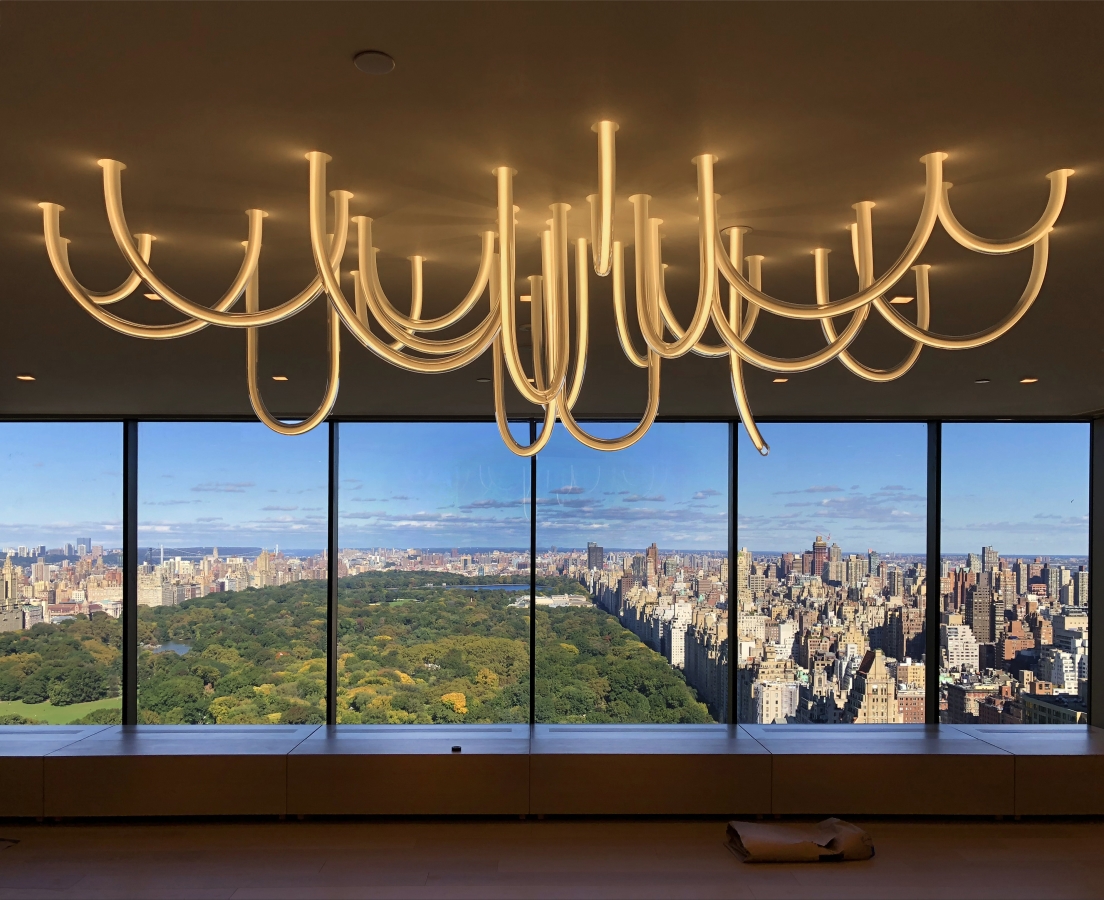
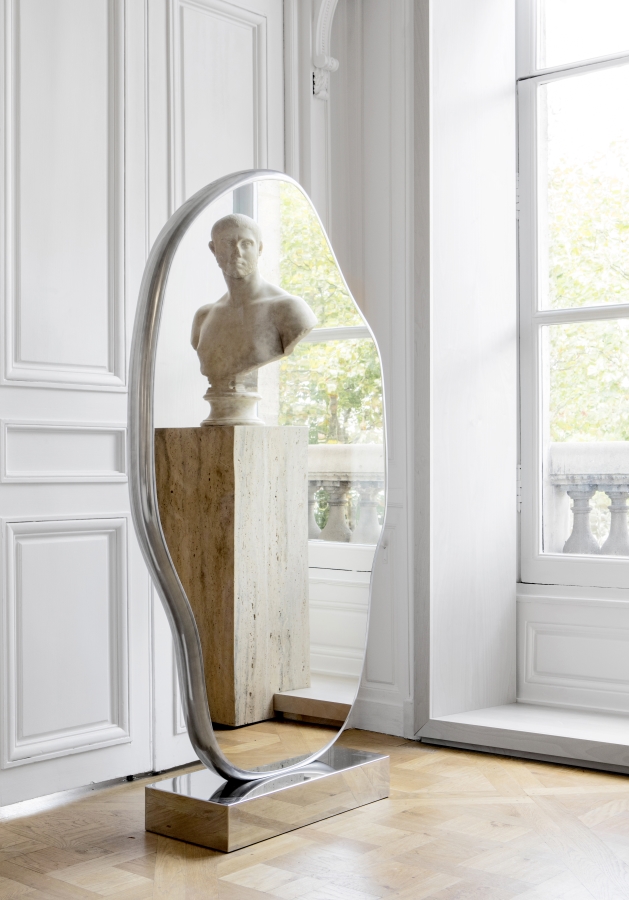
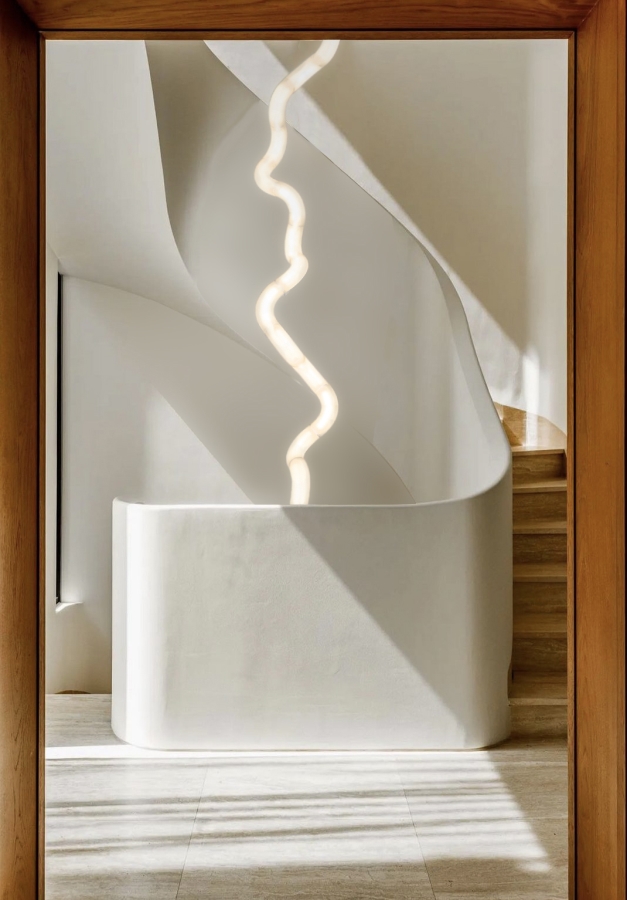
Deep Time is an endless streak of light, as Brancusi’s endless column. I love the idea of an object that would never stop growing, like the branch of a tree. It is made of bent glass tubes. I am currently trying to make it in porcelain. Porcelain can diffuse light in an exceptionally beautiful ethereal way. I have never worked with porcelain before, but it really makes sense for this project as it is one of the most ancient materials and perfect for a piece that talks about endless time.

You’re considered one of the most innovative designers in the world. What new concepts or directions are you currently exploring?
Making pieces able to live longer than you.
Making pieces as unique as you.
Beyond your ongoing projects, you’ve spoken about wanting to design a new kind of school. What inspired that vision, and what would a “school 2.0” look like to you?
I would like to create a school. I was bored in school for years. I wanted to move, to learn by walking, by fighting or by playing. Our common educational tools are still not taking into account the way our bodies and brains work. I would love to design a school 2.0, from building to pencil.
If you weren’t creating art or design, what other path do you think you would have followed?
I would be a doctor who would create his own medicine.
What advice would you give to emerging artists who are trying to define their own voice in a world saturated with influence?
Before being sure that your mind and paths are strong and clear enough, do not spend your time seeing what others do. Try to focus on yourself, expect and accept to be lost, and eat only raw creative food. Being inspired by other artists means eating food that has been already digested. Inspiration must come from wild fields; this is the only way to get it rich with nutrients!
What latest projects would you like to share with our readers?
My Factory. Based near Paris, it is our new place to think, to draw, to test, to make, and to show!
Editor: Lisa Portscher
https://www.instagram.com/lisaportscher/