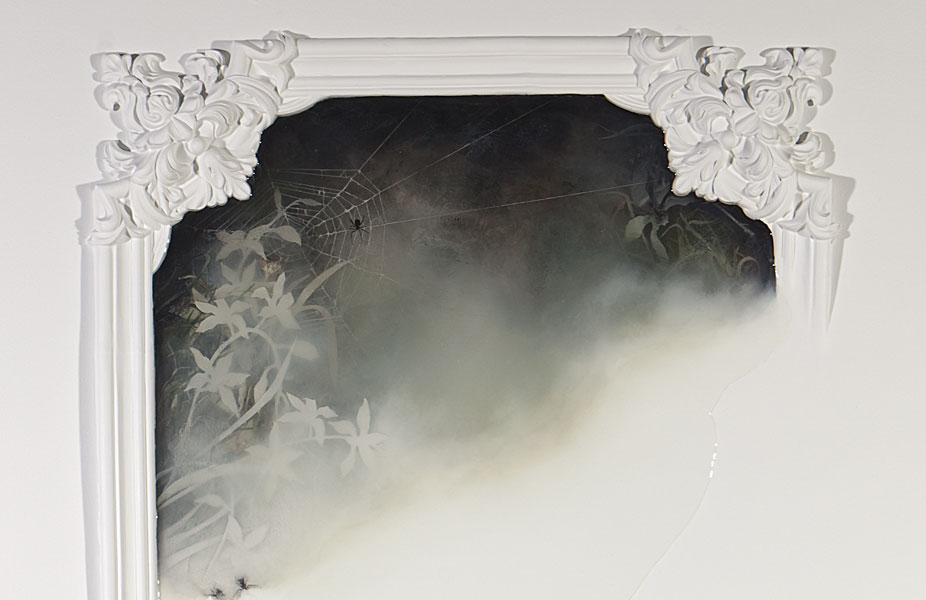
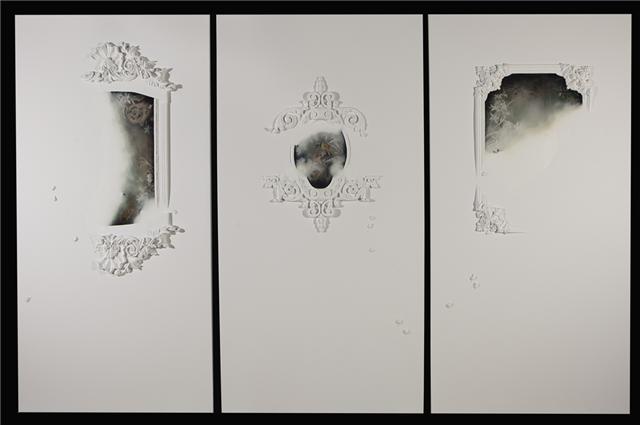
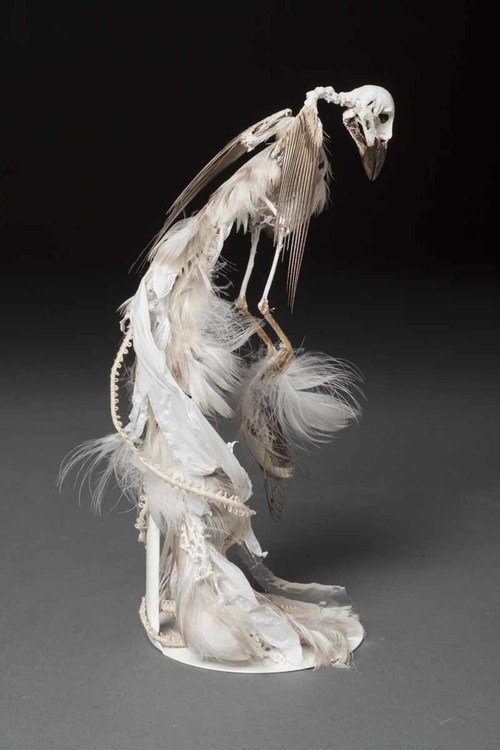
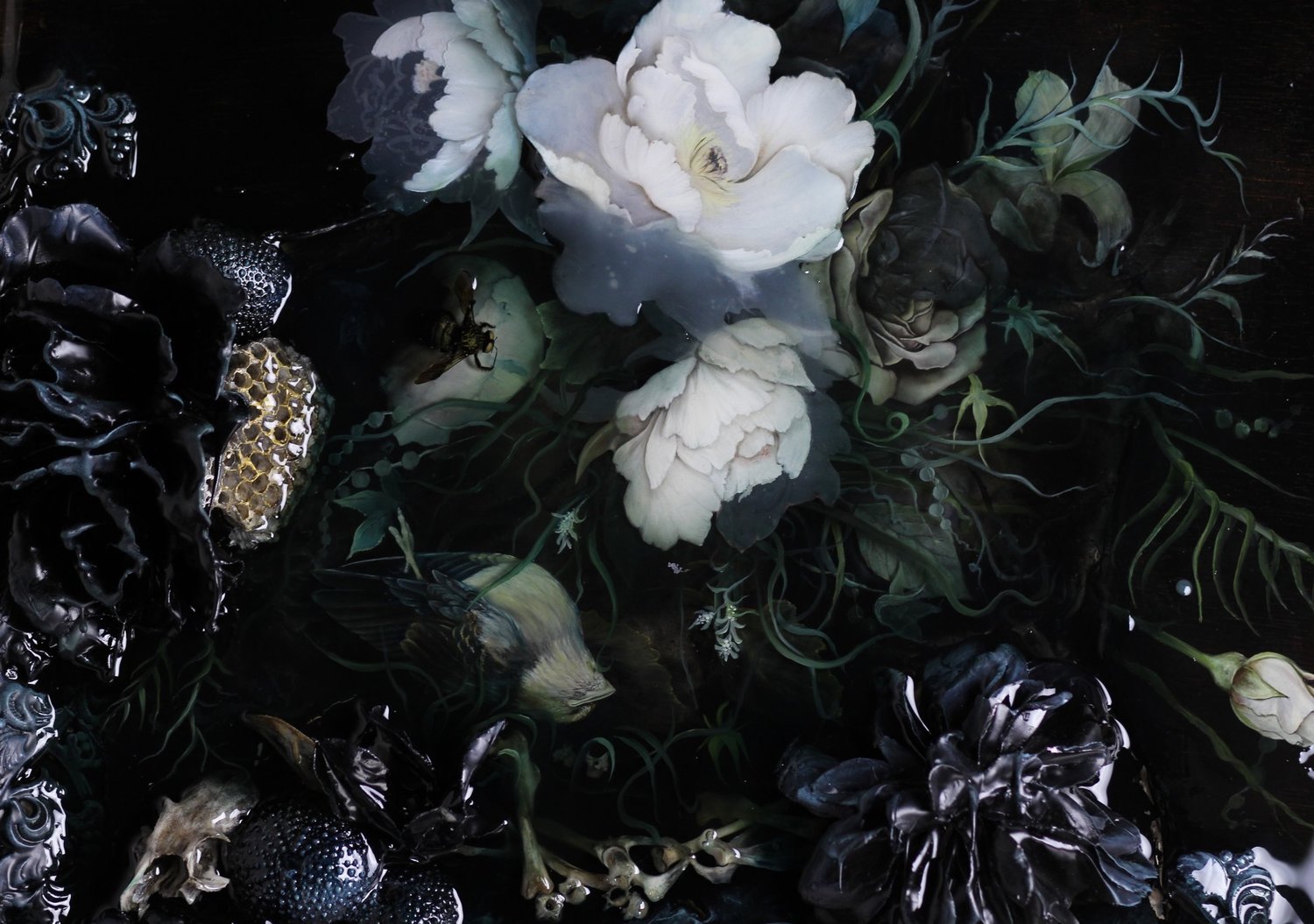
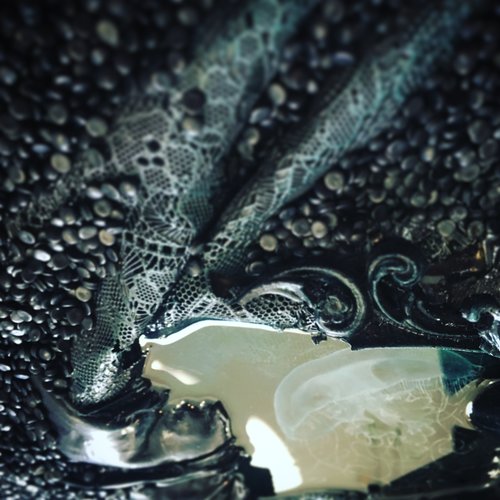
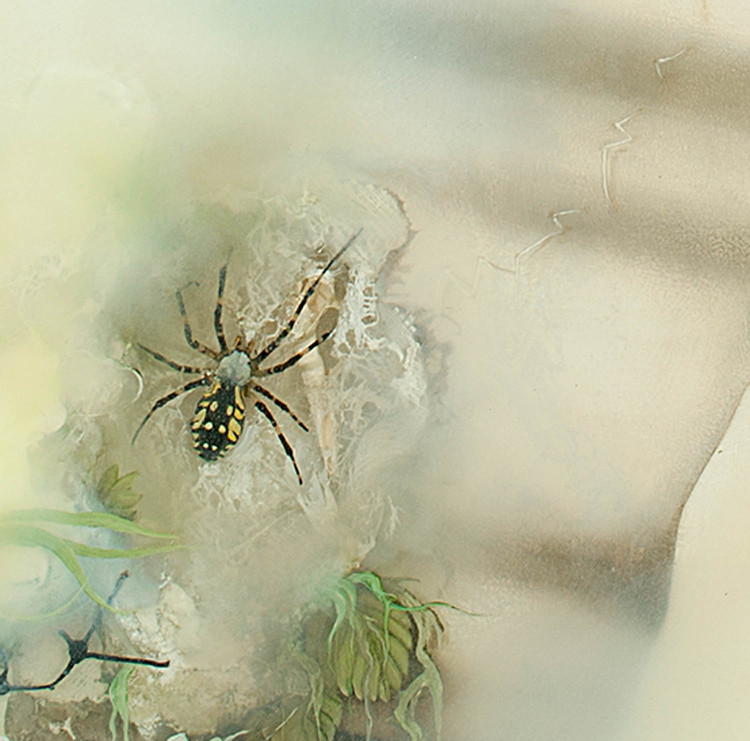
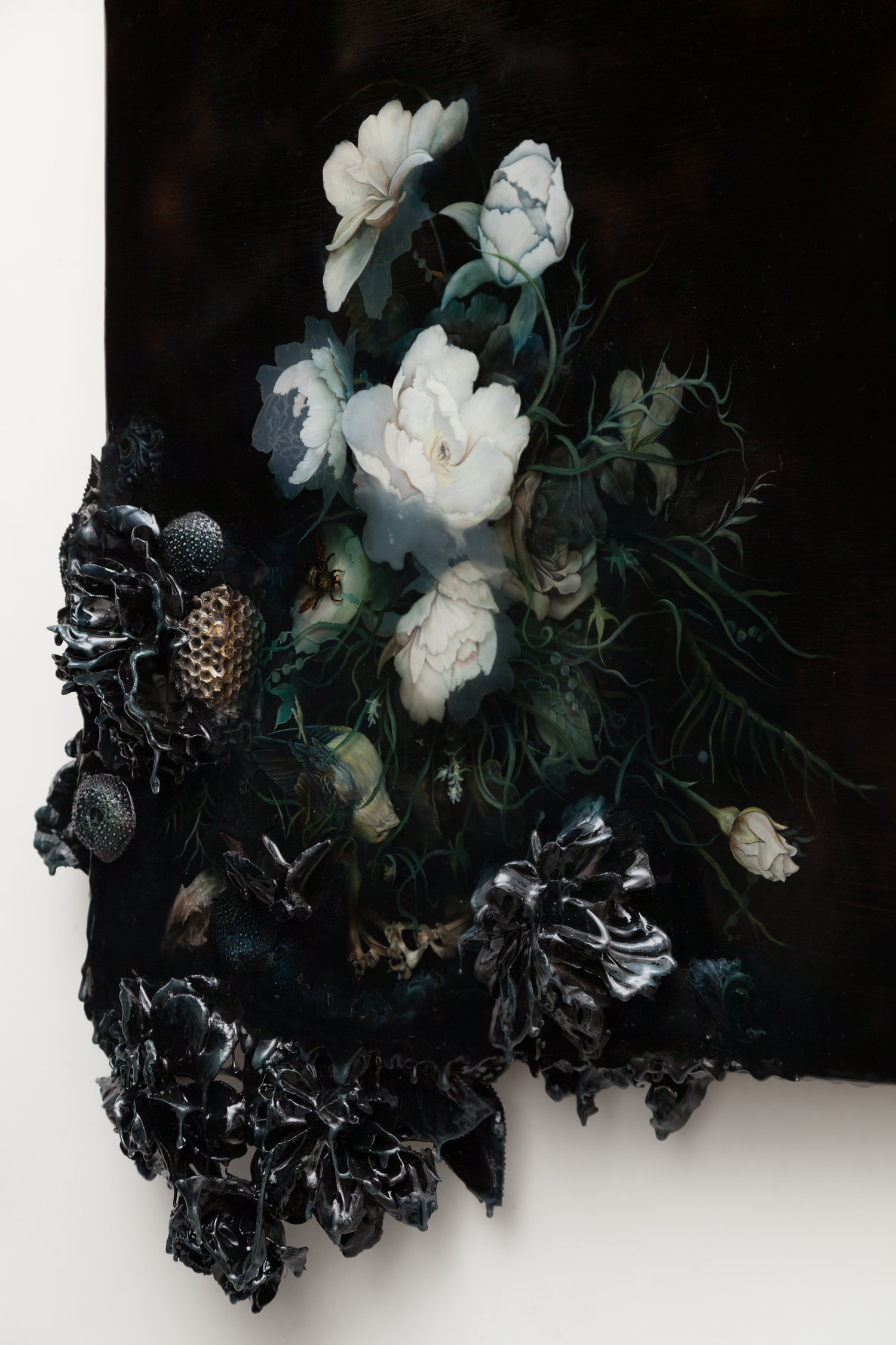
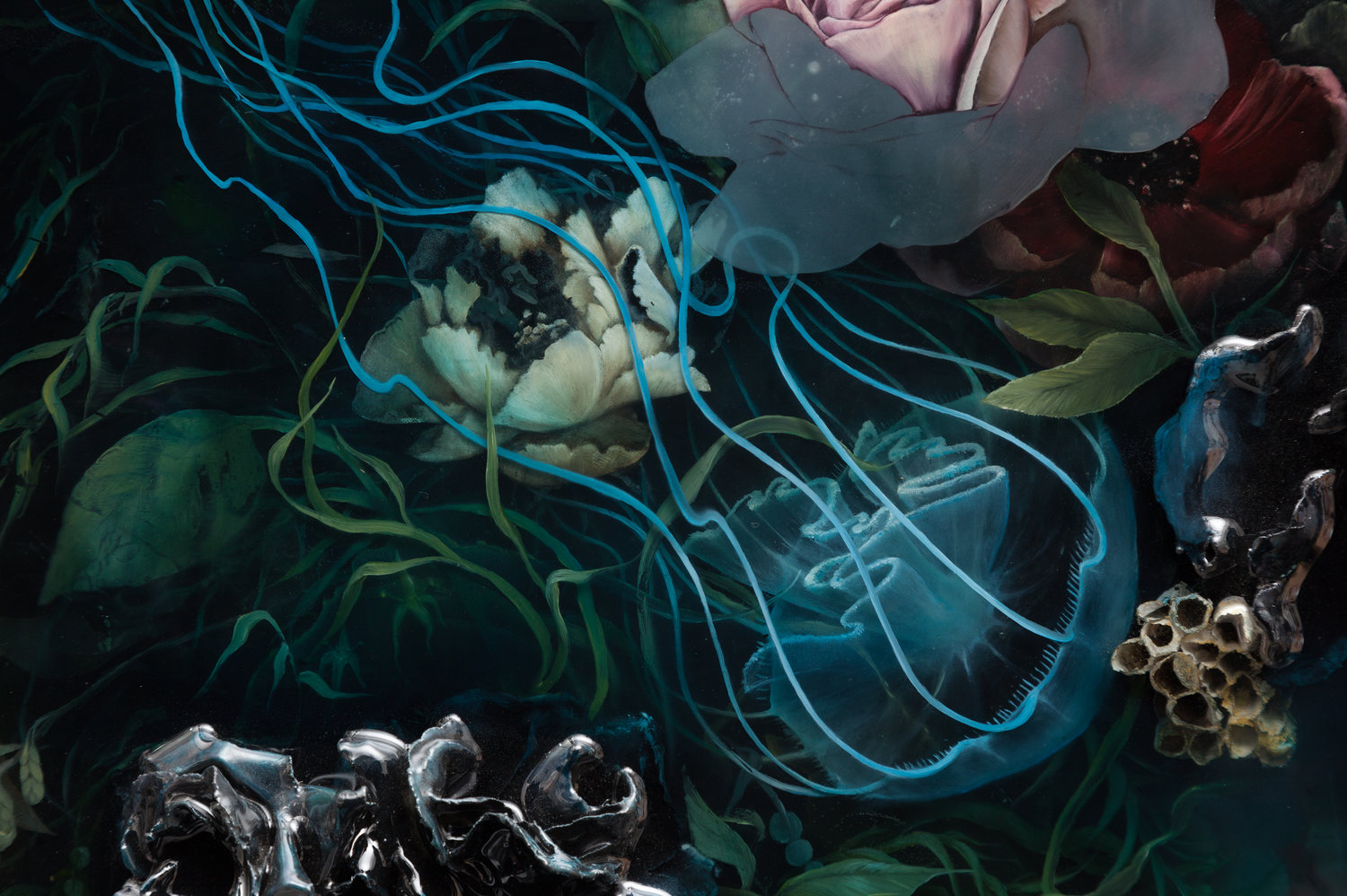
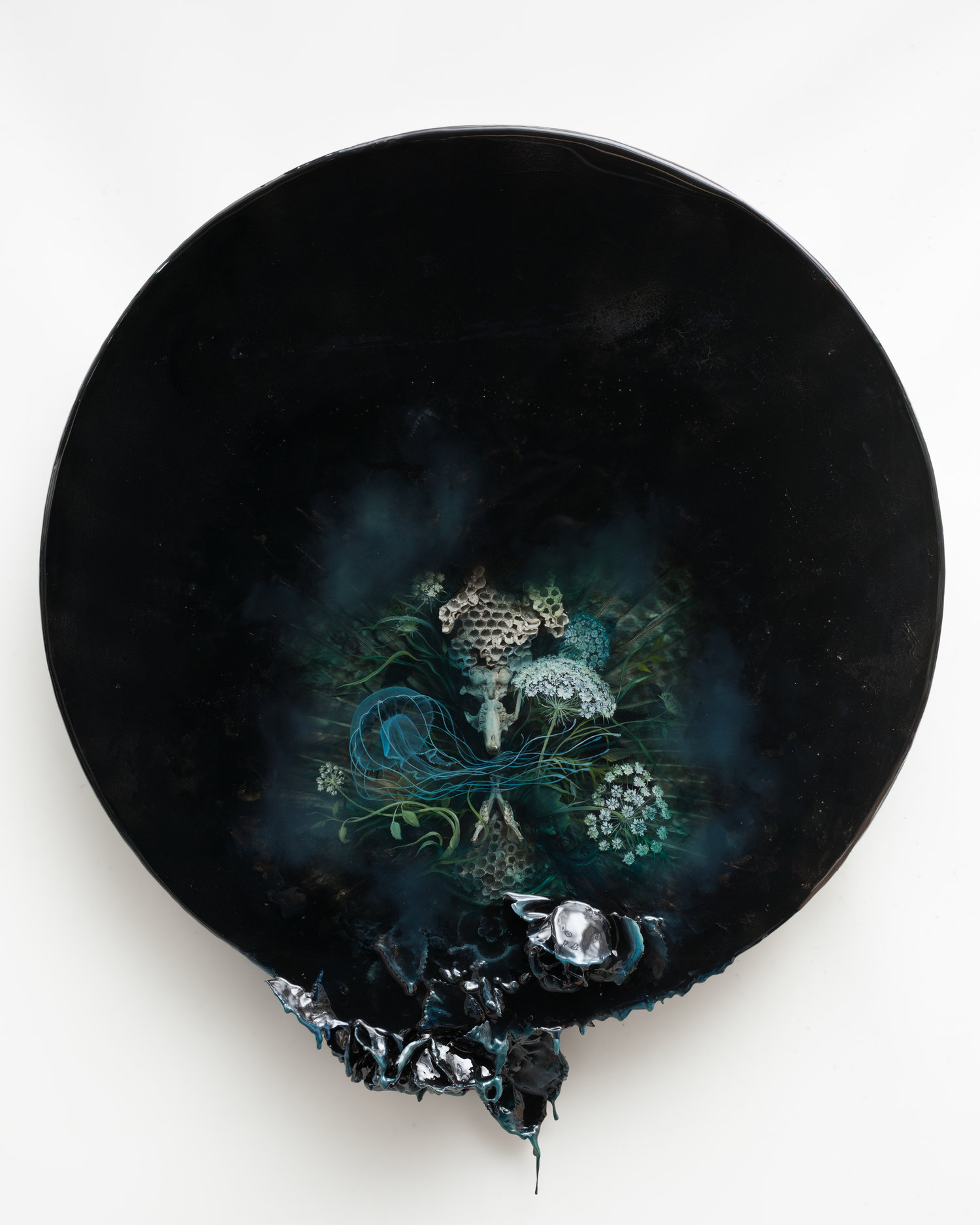
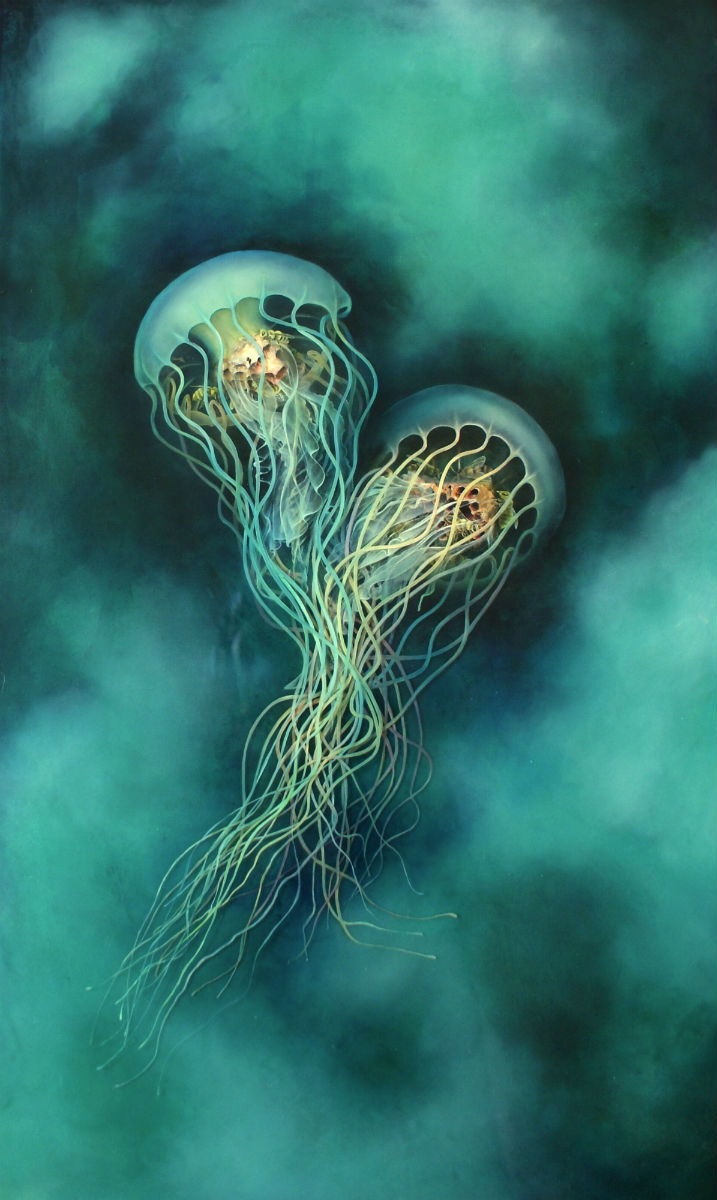
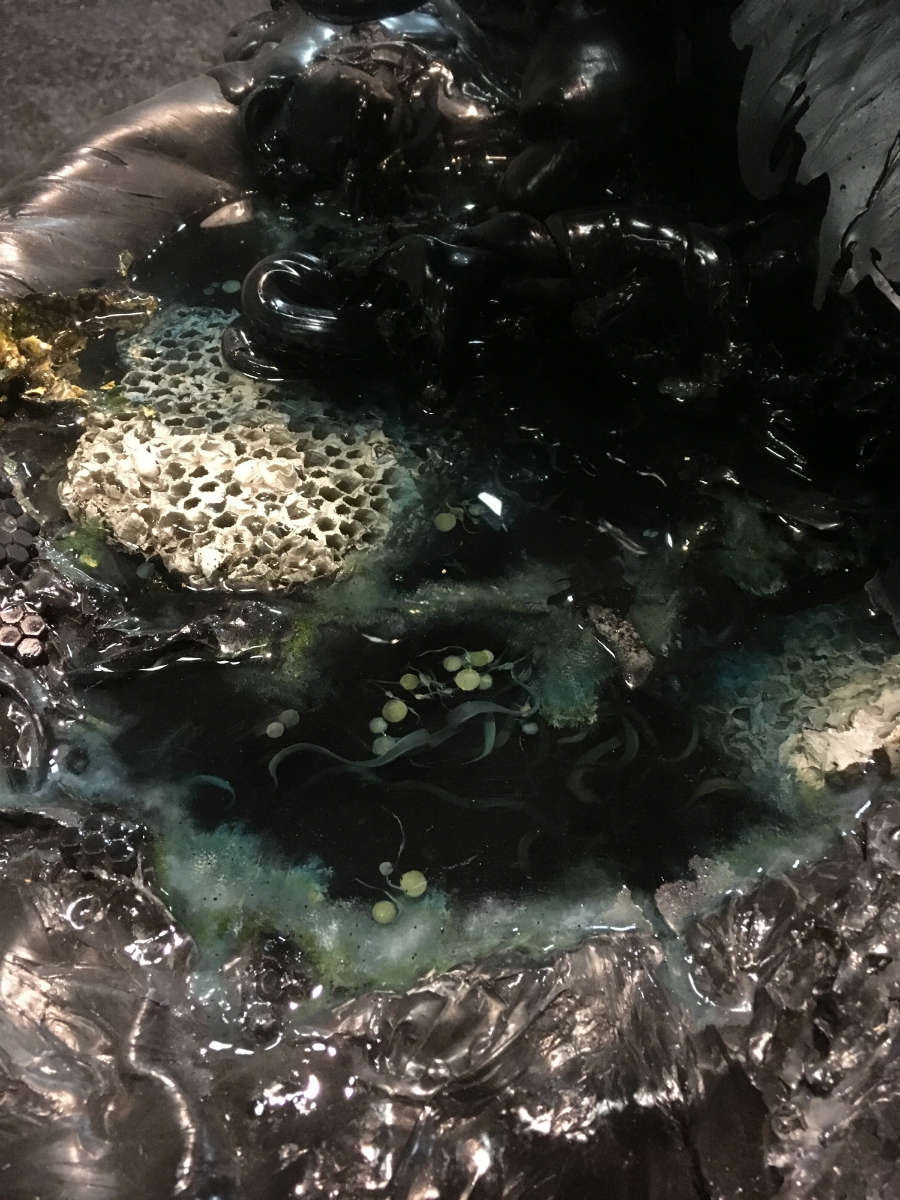
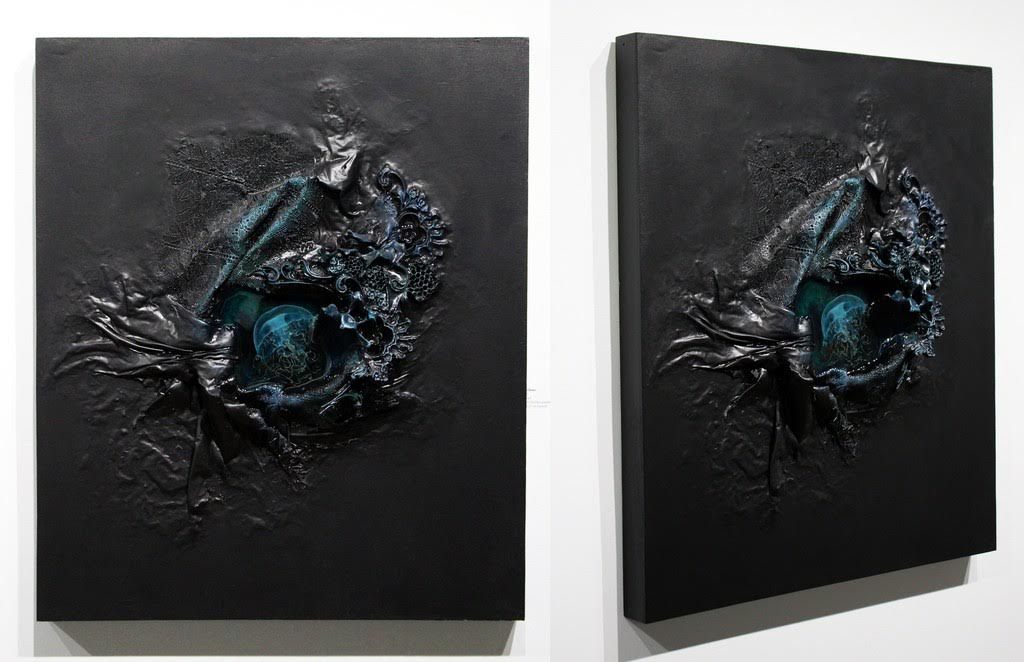
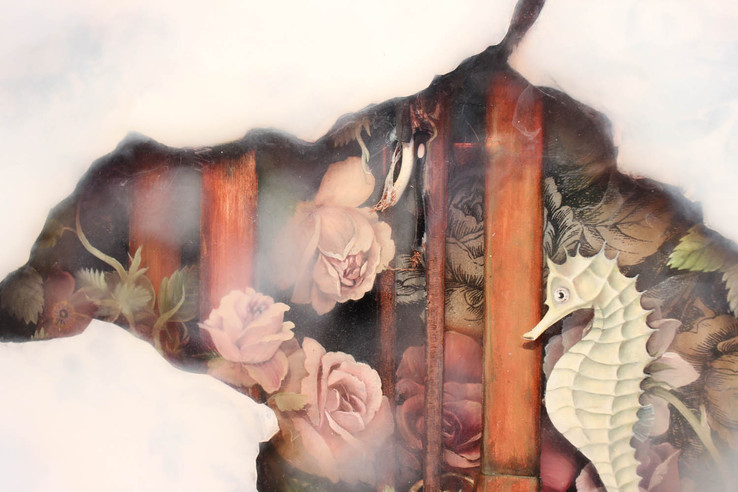
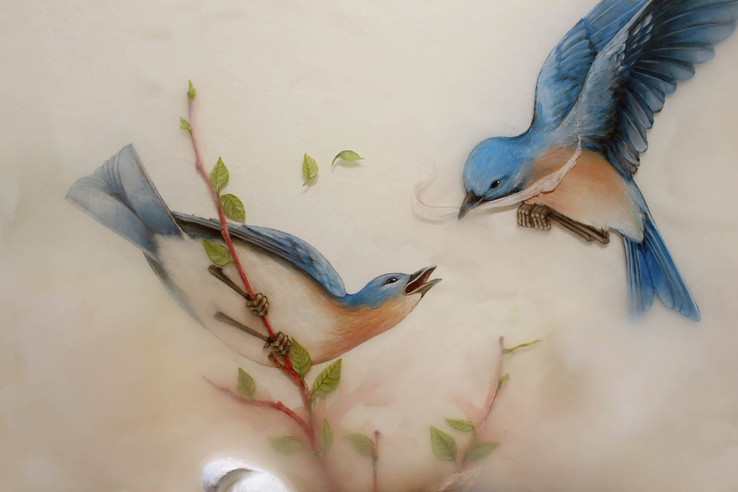
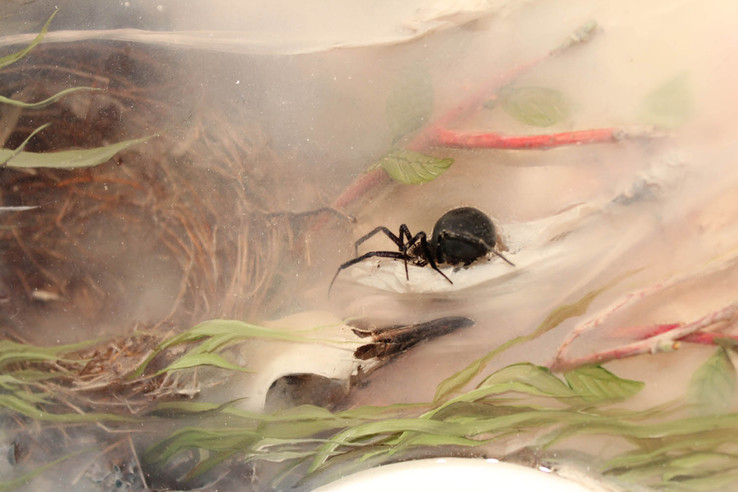
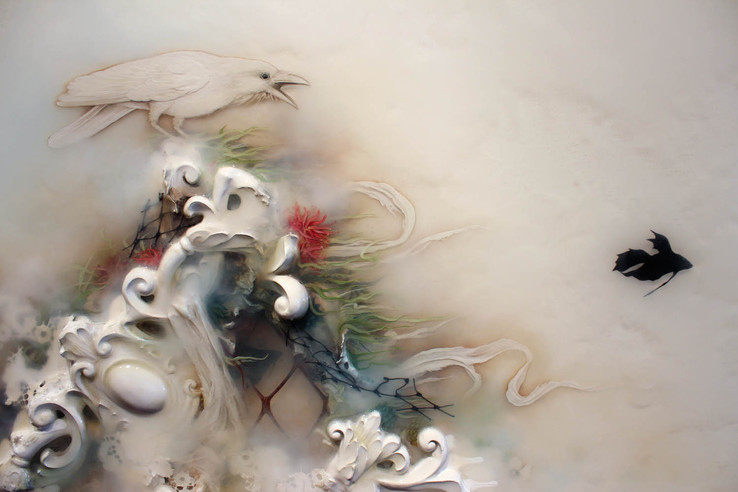
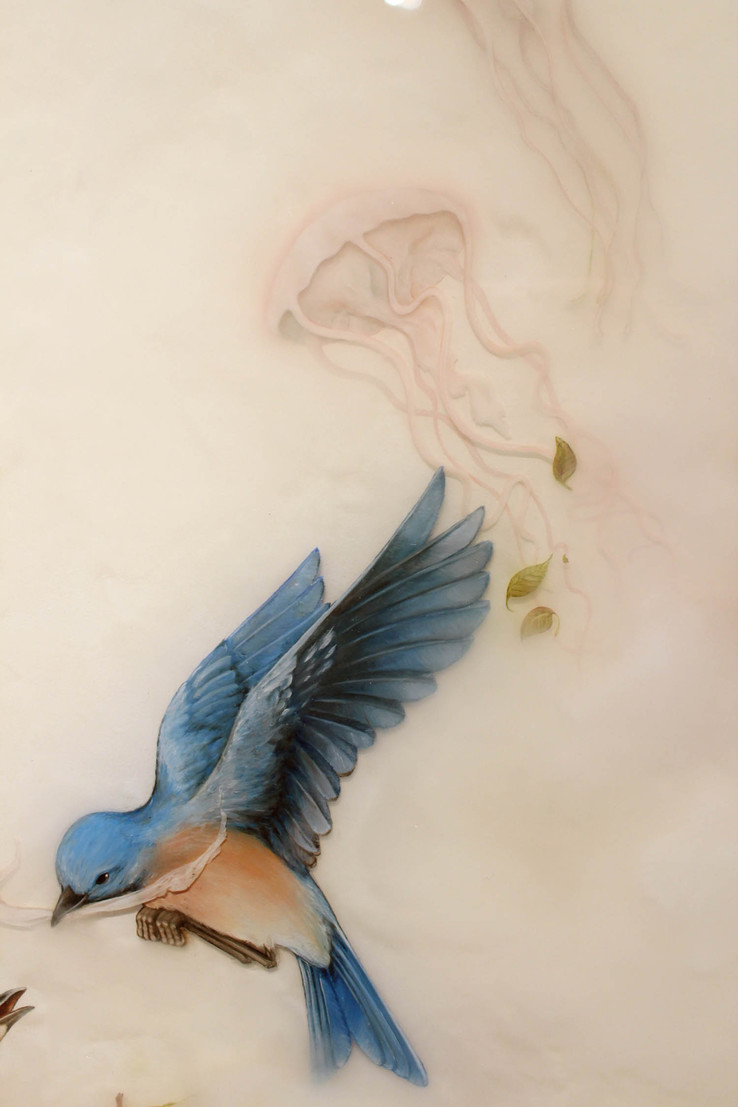
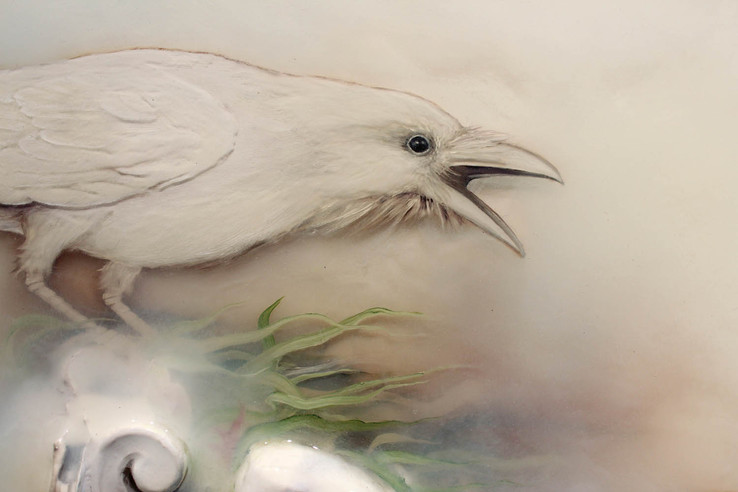
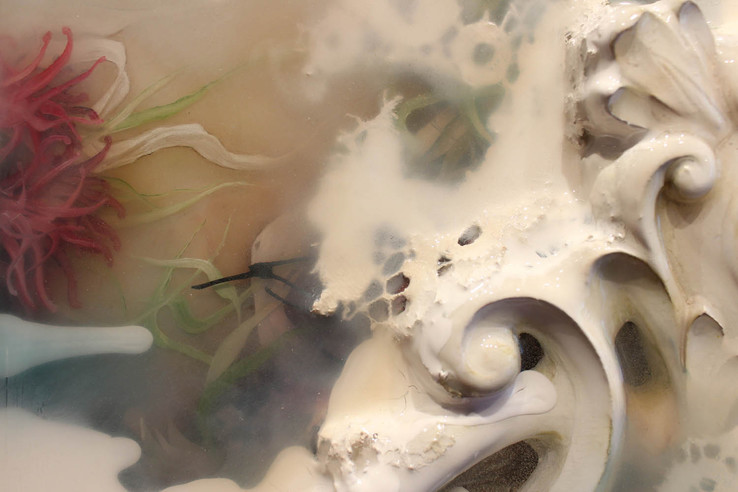
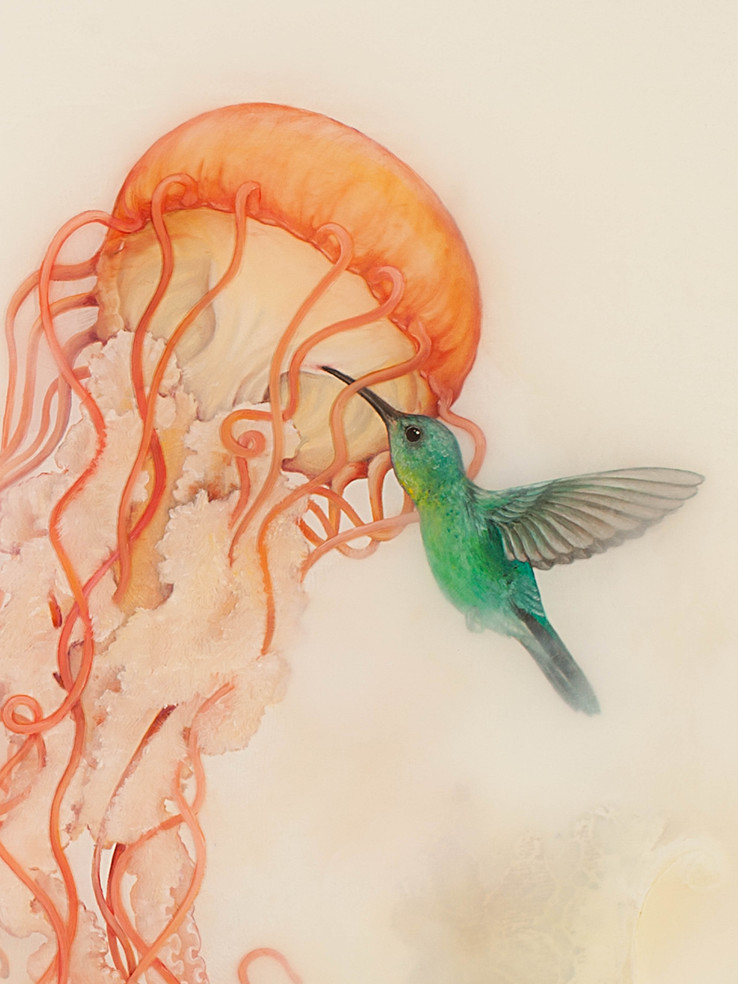
Regan Rosburg’s work moves between beauty and mourning. Both artist and naturalist, she transforms bones, insects, feathers, and resin into intricate ecosystems that explore the tension between life and decay. Her practice examines how collective grief, environmental loss, and the mania of modern consumption shape our emotional and ecological landscapes.
In this interview, Rosburg reflects on the psychological impact of pollution, the discipline behind her resin process, and the delicate act of honoring nature through art. Speaking with calm conviction, she shares how travel, observation, and grief have become inseparable parts of her creative language—and how art, in her view, remains one of the few forces capable of reconnecting us with the living world.
An Interview with Regan Rosburg
By Carol Real
Do you remember your first memory of wanting to create art?
My earliest memory of connecting nature to art was when I won an Arbor Day coloring contest in Kindergarten, and they awarded me a small tree. Our family planted the tree on my family’s property in Colorado Springs, and I see it every time I go home.
How has witnessing pollution and plastic waste influenced your artistic practice?
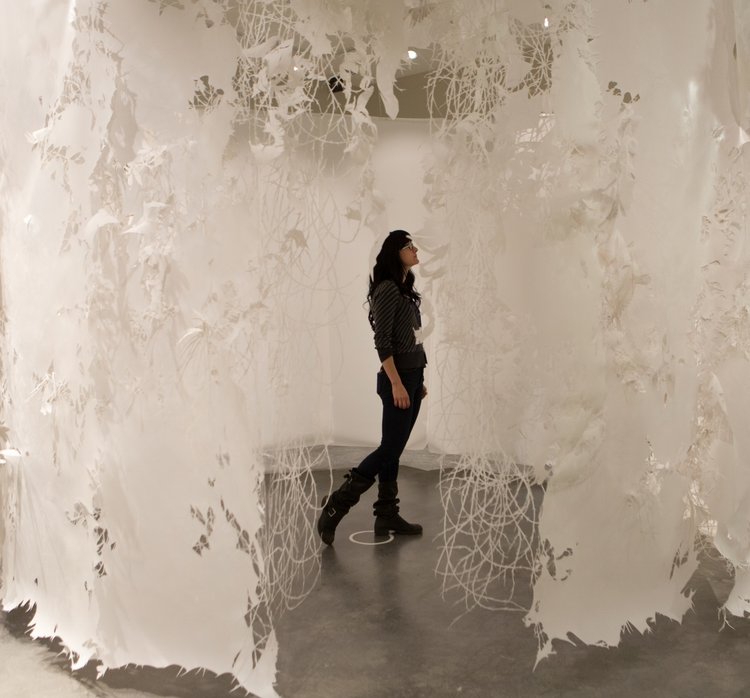
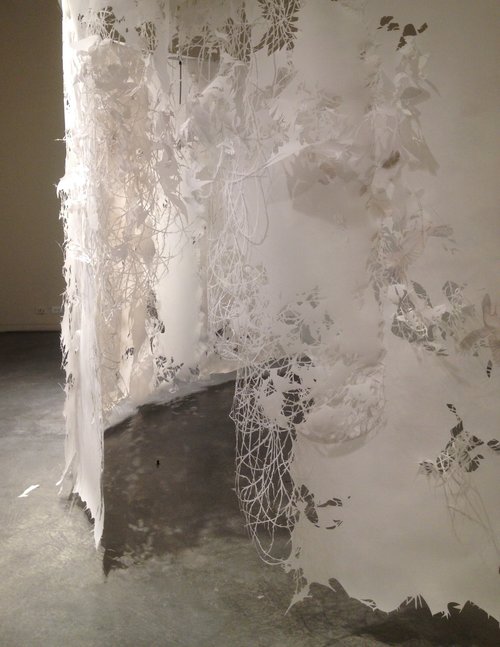
Because I am a nature lover, I have witnessed how pollution is affecting areas all over the world, big and small, far and wide. The first time I was truly shaken was when I was 25 years old, watching plastic wash up on beaches off the coast of Thailand. That was at the beginning of the plastic deluge, and it stuck with me for years. Because I make paintings out of plastic and natural objects, I must take responsibility for my materials and my methodology. I try to stay away from making “stuff” and instead aim to make small bodies of work or large installations that provide visitor interaction and contemplation about these bigger questions and issues.
You often use unconventional materials such as bones, feathers, insects, and resin. What draws you to these elements, and how do you approach combining them in your work?
It is challenging, the mediums I work with. Resin is not forgiving, and it has taken me the better part of two decades to perfect my methods. That said, my materials are allowed to showcase these gorgeous relics of lives that have past. I am not usually grossed out by cleaning my bones and skeletons, or by spreading insects. To me, I am honoring their lives, and recreating a permanent home for their spirits.
Do you have a favorite color palette at the moment? What does it represent for you?
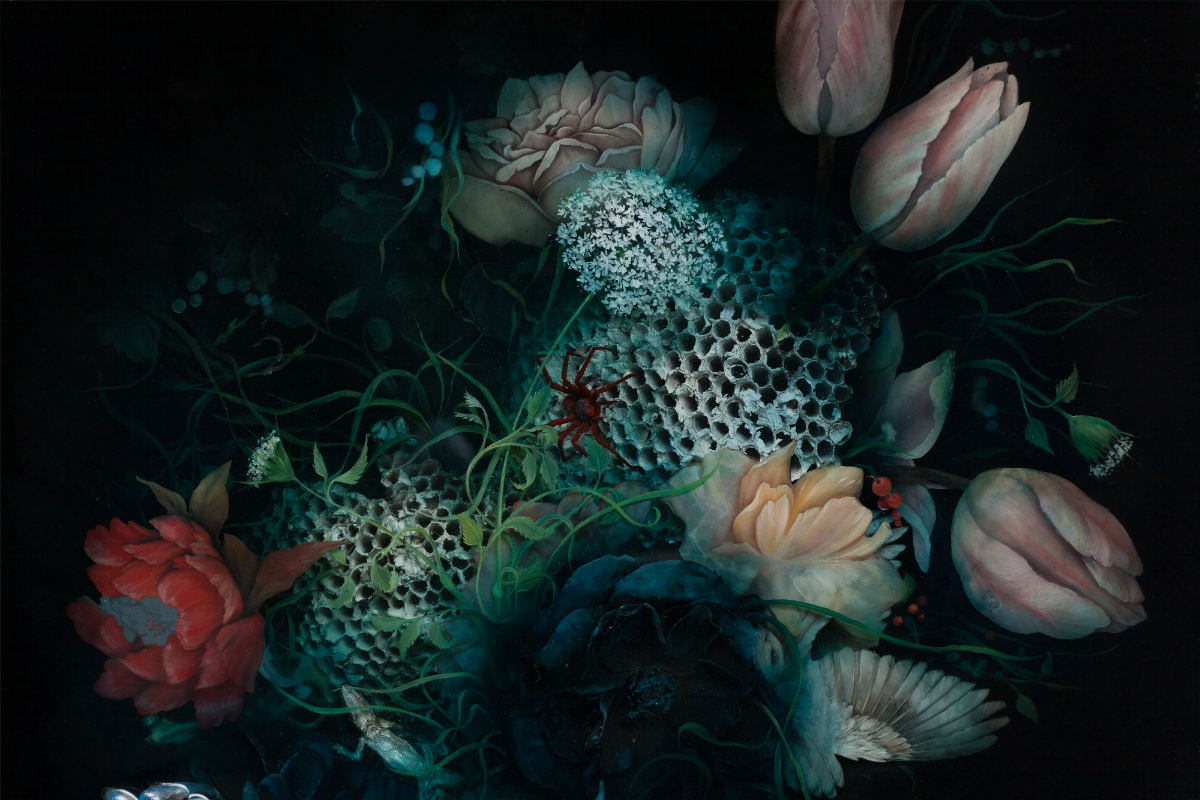
I am very much into black lately… It has to do with the void I feel, the inherent sadness, the mourning. But it also represents a vast potential, a backdrop of possibility.
You wear many hats—sculptor, painter, writer, professor, critic, and activist. How do you balance these roles?
Oh geez… well I am constantly switching but I have learned to focus on small projects, and to do that small project as well as I can. I do not make jewelry anymore, it felt too commercial. Teaching my students at the university is immensely rewarding, and I try to cultivate their critical thinking skills, and get them to relate their projects to the changing world around them. As for everything else, I simply do my best with what is asked of me, and see how best I can be of service to others with my work, activism, and research.
You’ve lived and worked in places as diverse as Denver, the Bahamas, Canada, Costa Rica, Indonesia, and Thailand. How do these environments influence your art?
Absolutely! Each time I travel I learn more how people are alike/different, and how ecosystems survive/struggle in these crazy times. I am on the hunt for new places to explore all the time. I have my eye on the northern regions of the earth right now.
Your work often evokes the spirit of Vanitas—art that reflects on mortality and change. How does this concept appear in your practice?
Excellent question. In essence, all of my work is a Vanitas in concept. My materials address the permeable wall between death and decay, and life and existence. Every single person, animal, and plant that has ever existed has been on the same massive ball of magma and dirt that we all stand on right now. I find the idea and notion of Vanitas has become something of a sickness in our way of living. We are so terrified of death that we distance ourselves from it, and in so doing, we distance ourselves from the rich teachings that experiencing grief can give us. When you truly grieve something, it is because you truly love it. With our busy lives, our many options of avoidance/mania/desperatio, we are not fully experiencing the LOVE for the beauty of this earth, the long evolved processes that have interlaced into a superbly sensitive network of life… its all around us, and yet we do not see. Our vanity has perverted itself into consumption, and that is killing the planet.
You’ve written about “environmental melancholia” and “collective social mania.” How do these ideas connect to your artistic vision?
When you do not properly mourn something, you are not able to grieve it’s passing. When this goes on long enough, you might enter what is known as “melancholia.” Renee Lertzman coined the phrase “environmental melancholia” to describe the unresolved, unmourned feelings related to overlapping environmental events. Basically, many things are dying on the planet, and we cannot possibly mourn all of them. We are too out of touch with our emotions. But the business, to me, is the other side of the issue. I call it “collective social mania” and it is basically all of the things we do to distract ourselves from feeling any pain, guilt, sadness or grief related to the environmental collapses around us. Our drive to forget, and to forget by consuming, is causing the environmental collapse that we are trying to escape. It is a vicious cycle that I outline in my research paper, “The Relentless Memorial.”
The good news is, art can stop the cycle. Art can reconnect us with the world, our emotions, and our responsibility.
What legacy do you hope to leave through your art and teaching?
I want to connect people back to themselves and to the Earth via my art, and by helping other artists do the same. We are an army, growing larger everyday, fighting the good fight. Currently I am working on multiple projects, including a huge commission about an endangered bird in Michigan, a 2019 show in Halifax Nova Scotia dedicated to art.