For more than three decades, Roberto Dutesco has followed a single intuition: beauty has the power to protect the world. The Romanian-born, Canadian artist has traveled to over 75 countries, capturing the delicate balance between nature, humanity, and the untamed spirit of the wild. His long-term project, The Wild Horses of Sable Island, stands as both a love letter to nature and a visual call to action.
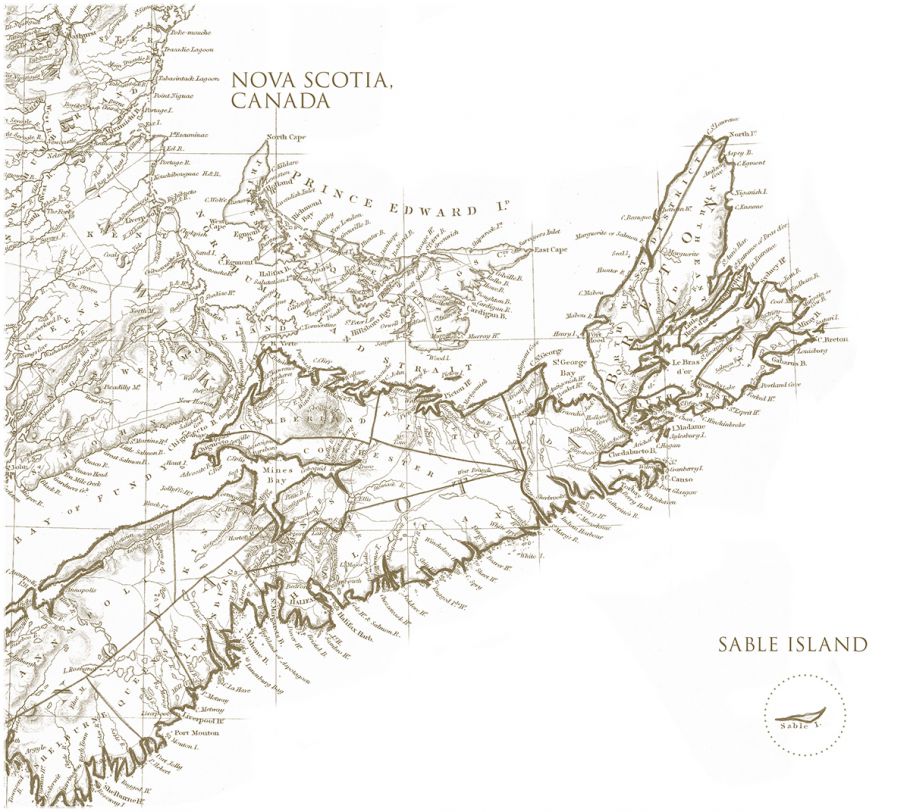
Through his lens, Dutesco reveals a world untouched by fear—a sanctuary where 400 wild horses roam freely on a narrow strip of sand off the coast of Nova Scotia. His photographs, films, and poems invite us to witness this fragile paradise and remind us of our responsibility toward it.
In this conversation, Dutesco reflects on his decades-long journey, the transformative encounters that shaped his art, and his conviction that “art and beauty will save the world.” His work is not only about seeing but about feeling—an invitation to reconnect with wonder, empathy, and the wildness that still lives within us.
Interview Artist
Roberto Dutesco
By Carol Real
How did your journey as an artist, photographer, filmmaker, poet, and explorer begin?
I believe that everything starts the moment you first open your eyes. As time passes, you’ll close and open your eyes countless times, and each time brings a new observation. I was fortunate to grow up in the countryside; our house was on a small road facing a hilly forest with a river in the back. Observing was easy, so I kept looking. My grandparents had many books, and I kept searching through them. That was the beginning. Poetry and philosophy sprouted from those books. My father had a fondness for the philosophers Aristotle, Seneca, Aurelius, and more. There were two small boxes at my grandparents’ house–treasure chests I opened and closed throughout my early years. One held photographs of faraway lands–journeys mostly taken by my father and his grandfather, along with images of the past from Mom’s parents. Dad and Mona Lisa were there, before the painting was behind glass. The other box contained letters between various family members–notes of love, sorrow, longing, and the richness of life, spanning from 1930 to the 1980s. I always had a camera on hand and loved to draw, paint, sculpt, create, and think. I suppose that’s where it all began.
What inspired you to focus on capturing the beauty and freedom of the wild horses of Sable Island?
For about 25 years, I photographed fashion, mostly beautiful things like lingerie, jeans, bathing suits, and sportswear. Sable Island crossed my path, as things tend to do. After years of consideration and two years of requesting a visit, I finally made it there. Initially, I thought of witnessing something so rarely seen and, as a “professional photographer,” documenting my findings. At that time, images of Sable Island were scarce. The 500 wild horses looked like nothing I’d seen before, yet they resembled my fashion models. To this day, I often view them as models rather than horses. The freedom I witnessed on the island reminded me of my wild childhood surrounded by wilderness. Sable Island became a home to me–a feeling that continues to this day.
Could you share insights into your 25-year journey to capture the essence of the Wild Horses of Sable Island?
Since 1994, and almost thirty years later, after ten visits, the word “love” comes to mind–passion, determination, strength, belief, kindness, peace, not knowing and knowing, luck. Being there at the right moment, and ready to bear witness to what unfolds.
What message or emotions do you hope to evoke through your photographs and films of the wild horses?
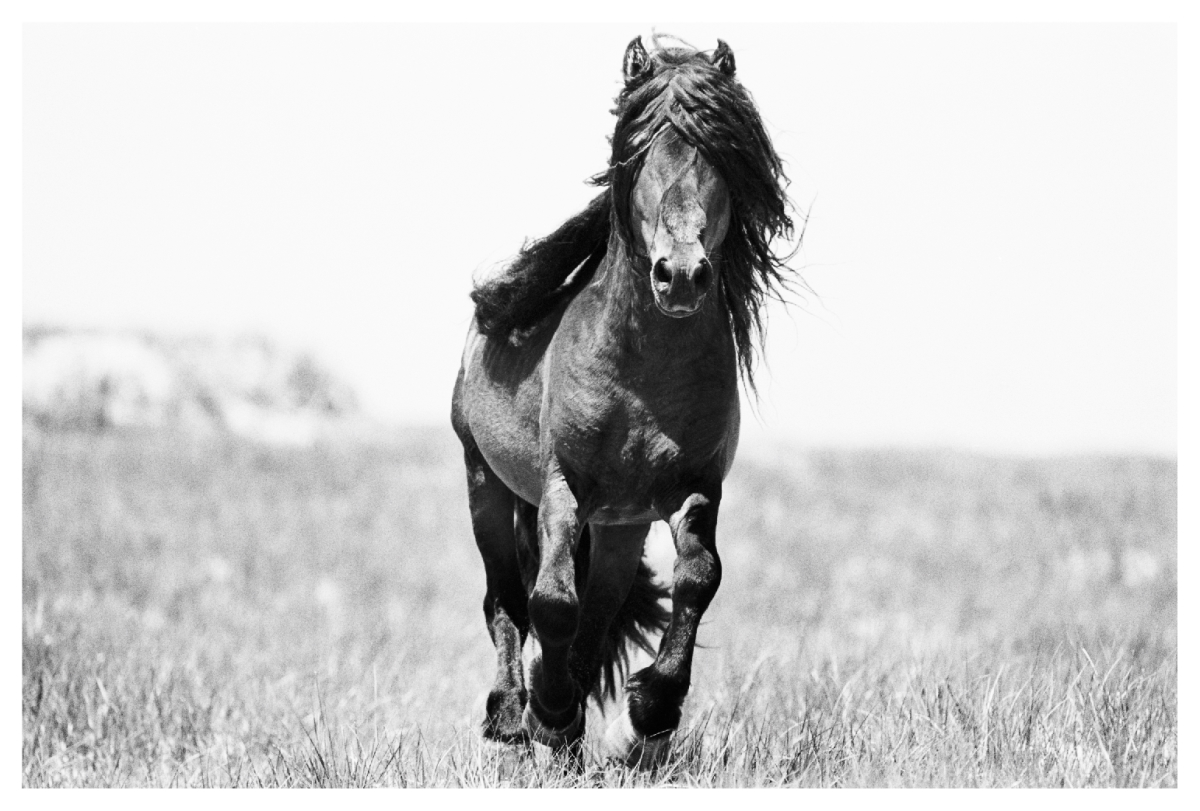
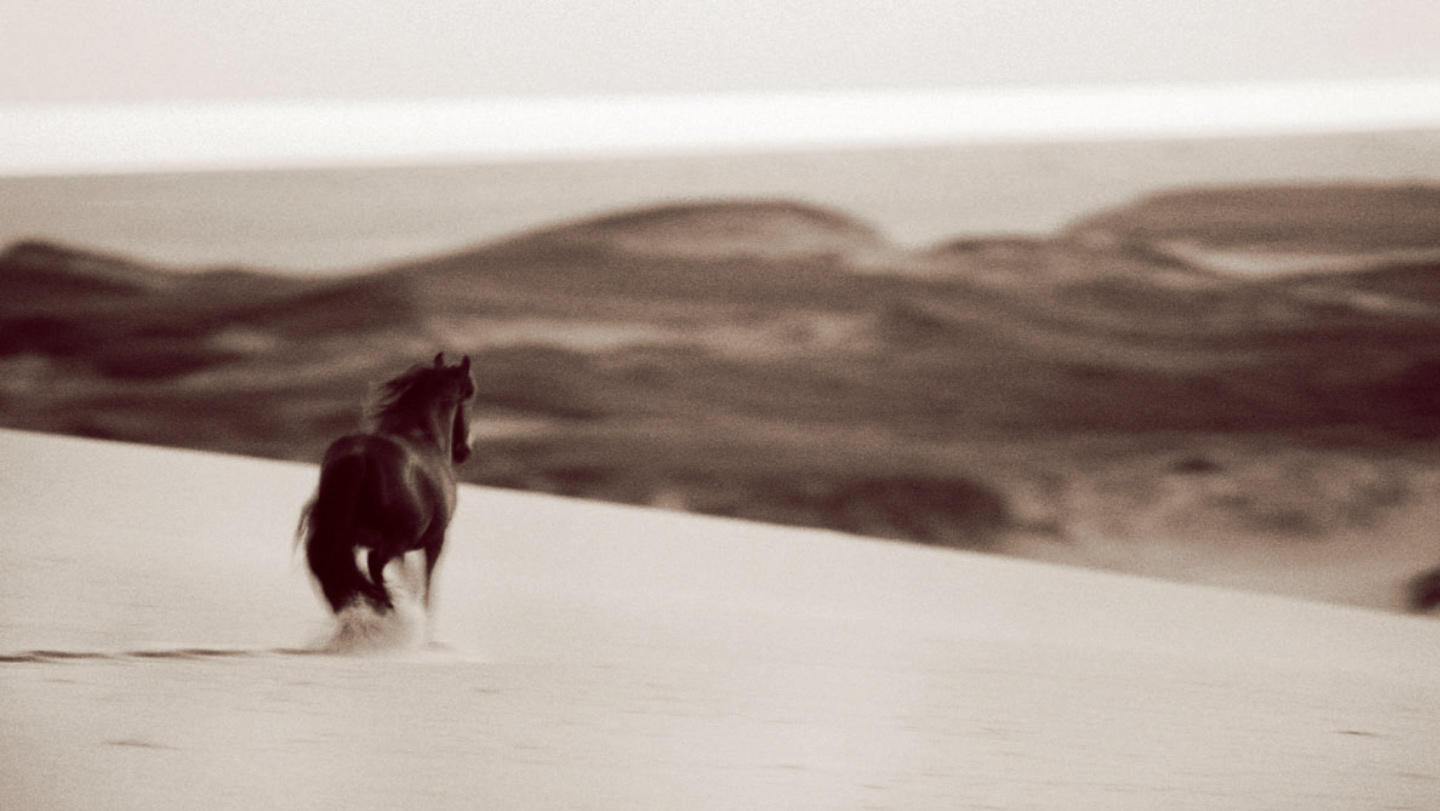
All the emotions we consider human are out there. Perhaps the one emotion diminished on Sable Island is fear. Horses lack predators and have no concept beyond themselves; they are free and unafraid of humans. It’s beautiful to witness a world unafraid of humans.
How can art and beauty change people’s attitudes about conservation?
I often say, “Art and beauty will save the world.” Art is integral to our history and what makes us human. Art brings people into new possibilities, perceptions, and realities. It breaks boundaries and unites us through observation. The more we observe, the more humane we become towards what we see. You can only protect what you love.
Can you tell us more about the Wild Horses of Sable Island Gallery in SoHo and its significance in showcasing your work?
Initially, galleries rejected my work, questioning whether horse imagery constituted art. They accepted cave paintings, rock etchings, and human decoration as art but they had difficulty with horses. After numerous failed attempts, I opened a 5,000 sq. ft. gallery in SoHo myself. Many predicted we would fade away–calling this art a fad. However, we persevered, becoming one of the longest-running single-artist, single-theme shows in the city. Sometimes, you must overcome resistance through persistence.
What has been the most memorable exhibition or event where your works were showcased, and why?
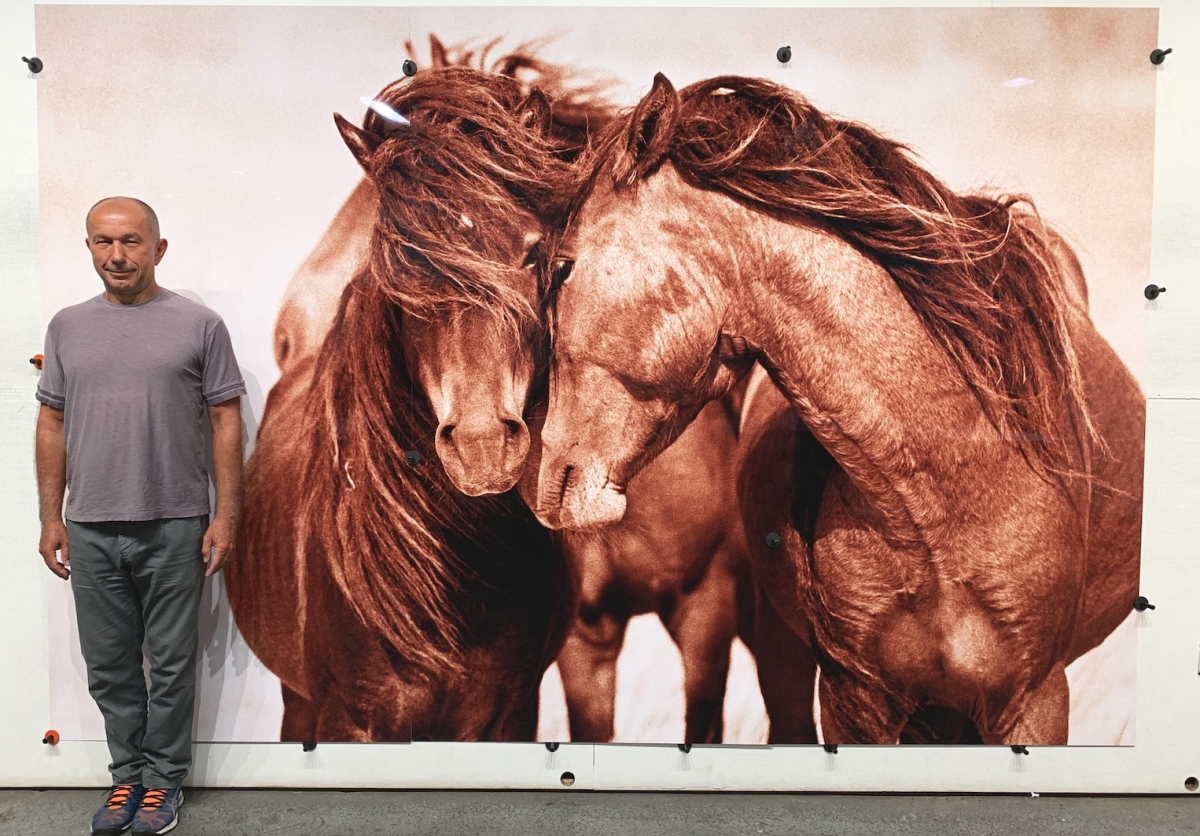
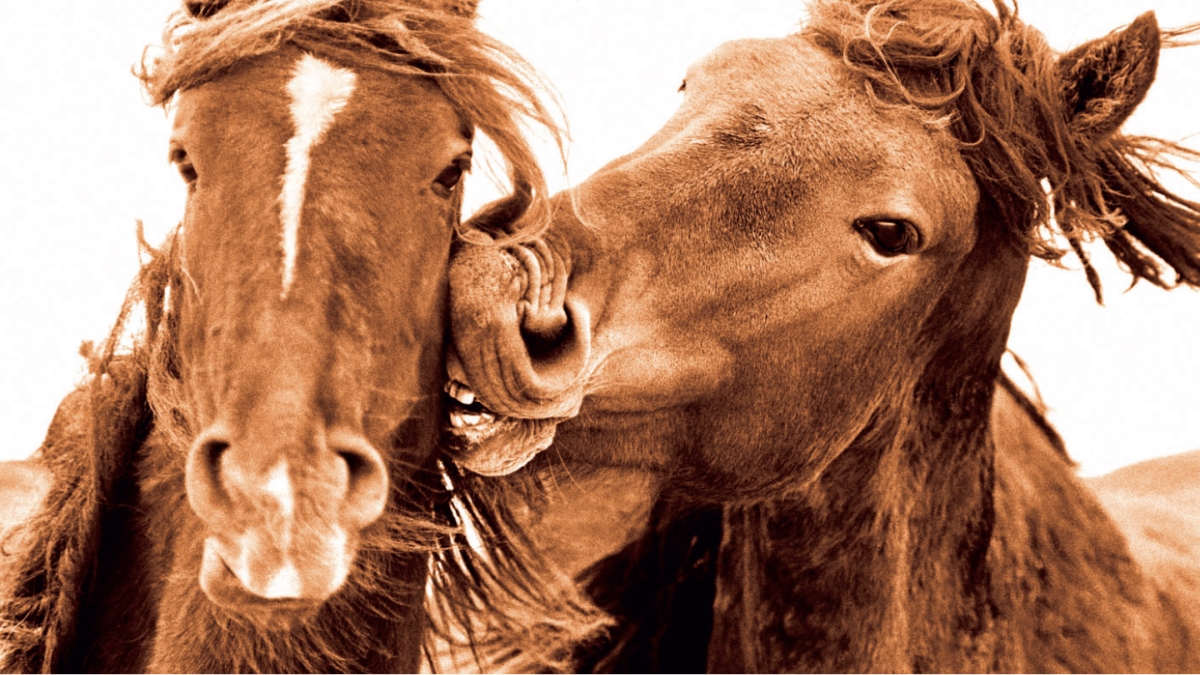
The first exhibition at the National Arts Club was significant on multiple levels. They’d never seen 8 x 12 foot images in their century-long history of shows. This was an exaggeration of possibility. I aimed to immerse visitors in the world of Sable Island, making them feel what I felt. The images succeeded, immersing many in the reality of Sable Island.
How do you incorporate poetry into your artistic expression? Does it play a significant role in your work?
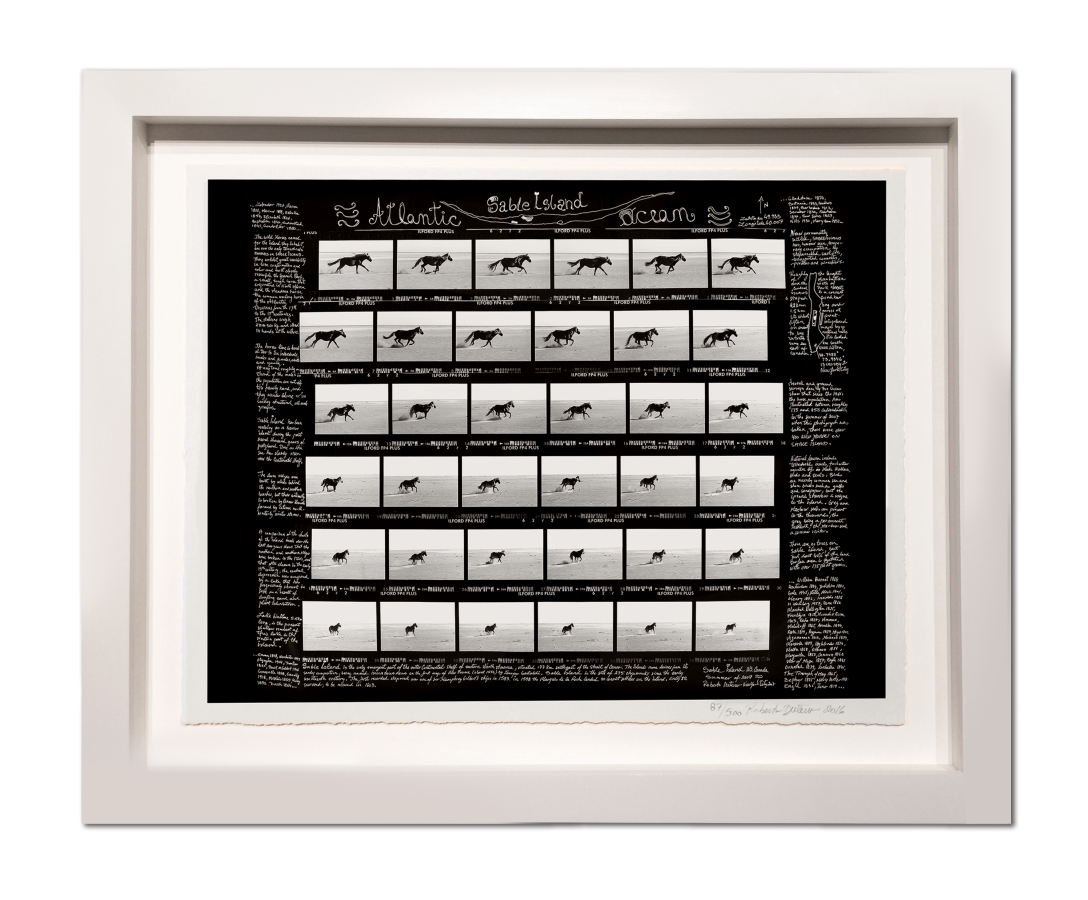
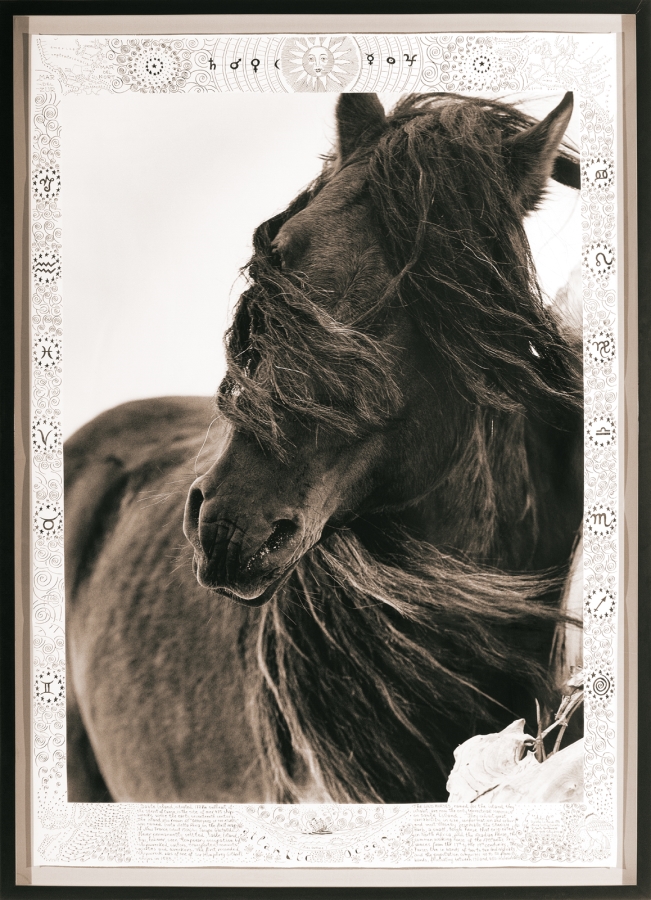
Poetry is life, so yes, it’s woven into various subjects, including wild horse images, annotations, and descriptions on borders. I let myself be with the work, and the words flow effortlessly. At that level, it’s not about creating; it’s about unveiling what’s already present.
Could you elaborate on the impact of your efforts, talks, and charitable activities on raising awareness about Sable Island and its wild horses?
Through various shows, including one at the UN, we reached new audiences, fostering an understanding that beauty transcends borders and ignites a love for horses, especially the wild ones on Sable Island. We’ve hosted charitable events and contributed to numerous foundations. These ventures revealed the power of artists to make positive changes in diverse ways.
What role did the Chasing Wild Horses documentary play in driving international awareness and securing protection for the wild horses?
The film inspired Canadians to learn more about Sable Island, leading to conversations and eventually legislation for ecosystem protection. Some of my notes even influenced protective measures. Sable Island became a national park reserve, securing the freedom of its wild horses.
Can you share details about the IAMWILD Foundation and its mission to protect and preserve the beauty of the wild?
IAMWILD emerged as a concise name: a reminder that we are part of the wilderness. It’s a statement that aligns us with nature. Our mission is to connect people globally, fostering awareness, unity, and action for conservation. By highlighting interconnectedness, we strive to protect the Earth and all its inhabitants.
How does the IAMWILD Nomadic Museum contribute to the collaborative movement for conservation?
The IAMWILD Nomadic Exhibit serves as a decompression chamber, offering a space for reflection and transformation. It’s an inspirational mechanism to spark change. When inspired, humans can achieve remarkable feats. I hope to inspire people to view the world with love and a sense of unity.
In what ways do you empower leaders, artists, creators, brands, communities, and forward thinkers to take action for conservation through IAMWILD?
IAMWILD envisions a global network connecting people, transcending boundaries. It provides a platform for collective influence, enabling everyone to contribute to a sustainable future. A web of interconnected spaces dedicated to conservation, art, and empowerment can inspire positive change on multiple levels.
What are some notable projects or initiatives IAMWILD has been involved in to protect and preserve the beauty of the wild?
Even though IAMWILD is still a young organization, it has taken part in diverse projects. These include adorning cancer hospitals in New York with images, supporting veterans’ rehabilitation through BraveHearts Therapeutic Riding, aiding children of incarcerated parents through ArtRageous, and contributing to various foundations aligned with art, education, empowerment, and conservation. These projects aim to create awareness and positive impact.
What is your perspective on the interconnection between art, beauty, and environmental sustainability?
Art, beauty, and environmental sustainability are interconnected. Art communicates ideas and emotions that foster an appreciation for beauty. This appreciation, in turn, encourages a desire to sustain and protect the environment. By creating art that captivates and resonates, artists can influence attitudes and behaviors towards environmental conservation.
Have you noticed any specific changes in people’s perspectives or behaviors towards conservation as a result of your artistic work and advocacy?
I’ve witnessed people moved by my images in ways they struggle to explain. Tears, silence, or emotional reactions are common. These experiences often lead to a deep desire to protect these creatures. Meaningful conservation begins with self-awareness and empathy. My goal is to spread awareness and ignite a passion for conservation.
What challenges have you faced during your artistic journey, particularly in capturing the essence of the wild horses?
Once I conquered the hurdles to reach the island, finding the horses was a challenge. They eluded me initially, despite the island’s small size. However, once I connected with them and gained their trust, documenting their essence became natural. The challenge lay in the journey that led to that profound moment.
How do you ensure that your work accurately represents the beauty and undisturbed freedom of the wild horses?
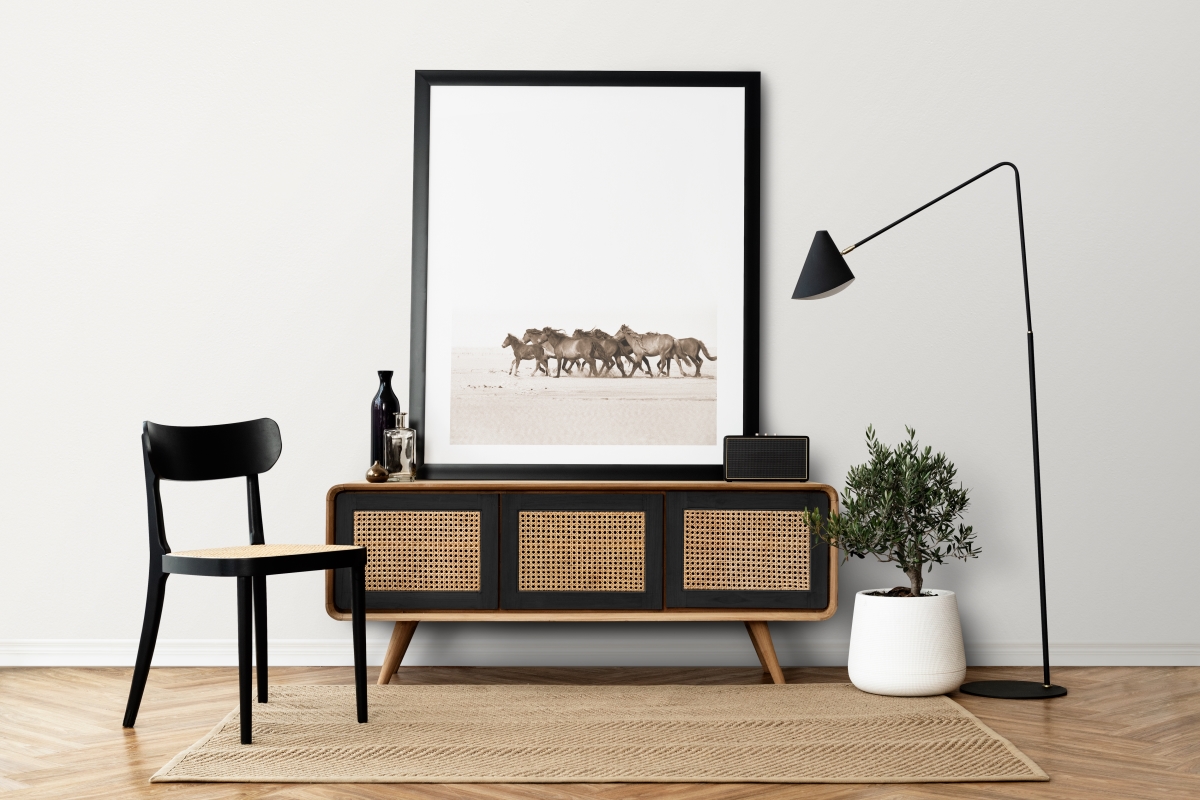
My work reflects my love for the place and its wild horses. My goal is to offer a window into this forgotten realm, capturing it exactly as it is without manipulation. What I present is the subject as it exists, unaltered and authentic.
Are there any other animal or nature-related subjects you are passionate about and would like to explore through your artistic endeavors?
While I’ve pursued various projects, such as “The American Sandscape,” “Rocks & Things,” and others, my primary focus remains “The Wild Horses of Sable Island.”
Can you share some of the techniques or approaches you use to capture the essence and emotions of the wild horses in your photographs and films?
Technical mastery is essential; deep familiarity with your craft enables spontaneous creativity. Confidence arises from self-trust, not arrogance. This trust establishes a bond between photographer and subject. Capturing emotions requires being present in the moment and understanding how each subject uniquely unveils itself.
What role do you think storytelling plays in conveying the importance of conservation and preserving the beauty of the wild?
Storytelling is integral to human history, passing down wisdom and values. Conservation and storytelling go hand in hand, recording the past, present, and future. Stories evoke emotions, promoting empathy and understanding, thus encouraging a commitment to preservation.
How do you personally connect with the wild horses and the environments you capture through your art?
The connection forms in the space between the subject and the observer–filled with intention, emotion, and ideas. This space is where connection, creation, and magic occur. Observing the subject, understanding it, and allowing it to be comfortable with my presence create a bond.
What do you hope future generations will learn or gain from experiencing your works and the wild horses of Sable Island?
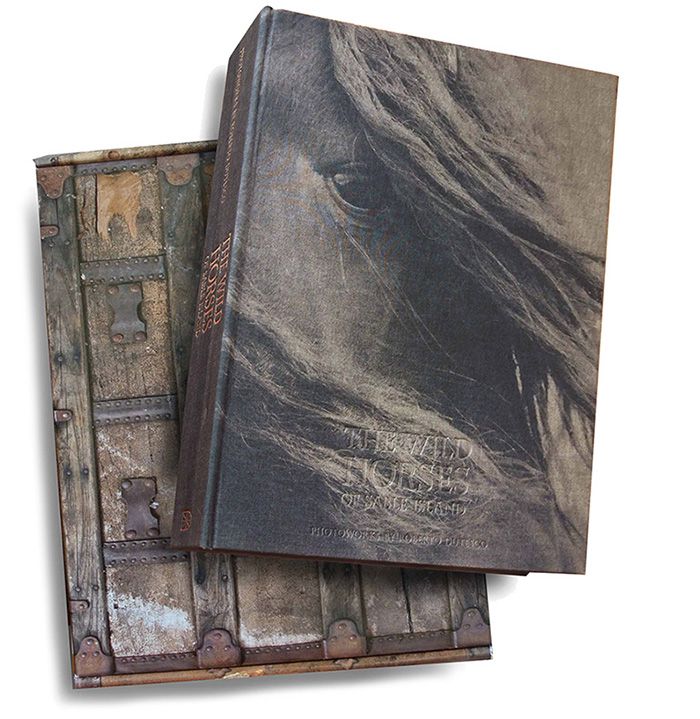
I hope they learn that a single idea backed by hard work can reshape history. Art is born from enjoyment and passion, not solely financial gain. Persistence and inspiration create an enduring legacy.
Are there any upcoming projects or exhibitions you are excited about?
Yes, “Larger than Love: The Wild Horses of Sable Island presented by IAM WILD” is a thirteen-year endeavor. It runs from September 10 to December 10 at 375 Hudson Street in New York City, in a renowned 10,000 sq. ft. art space.
How can individuals outside the art world contribute to conservation efforts?
By aligning consumption with positive impact. Imagine if each purchase benefited the environment. We must realize our role as machines of consumption. Supporting conservation through conscious choices can collectively safeguard our planet.
What advice do you have for aspiring artists who wish to make a positive impact on environmental issues?
Start now. Begin your 10,000 hours of practice.
Are there specific photographers, filmmakers, or artists who have influenced your work and approach to capturing the beauty of the wild?
Certainly. Influences include Eadweard Muybridge, René Magritte, Helmut Newton, Richard Avedon, Irving Penn, Herb Ritts, Peter Lindbergh, and René Burri. Their creative styles and perspectives have shaped my artistic vision.
How do you foresee the future of art’s role in conservation and environmental activism?
Art’s future in conservation and environmental activism is crucial. Art transcends boundaries, communicates emotions, and inspires change. Artists possess the power to ignite passion, shift perspectives, and drive meaningful action.
How can people engage with your work and support your mission to preserve the beauty of the wild?
People can experience my work through exhibitions, galleries, and IAMWILD initiatives. Supporting IAMWILD and similar endeavors contributes to a sustainable future and the preservation of our natural world.
Image credits: All images courtesy of the artist
Editor: Kristen Evangelista