Roe Ethridge’s work moves through the unstable territory where images shift meaning depending on context, sequence, and proximity to other pictures. Commercial assignments, personal photographs, art historical references, and fragments of visual culture coexist in a practice that treats photography less as isolated works and more as a field of relations. His images often hover between polish and imperfection, seduction and awkwardness, surface and underlying tension.
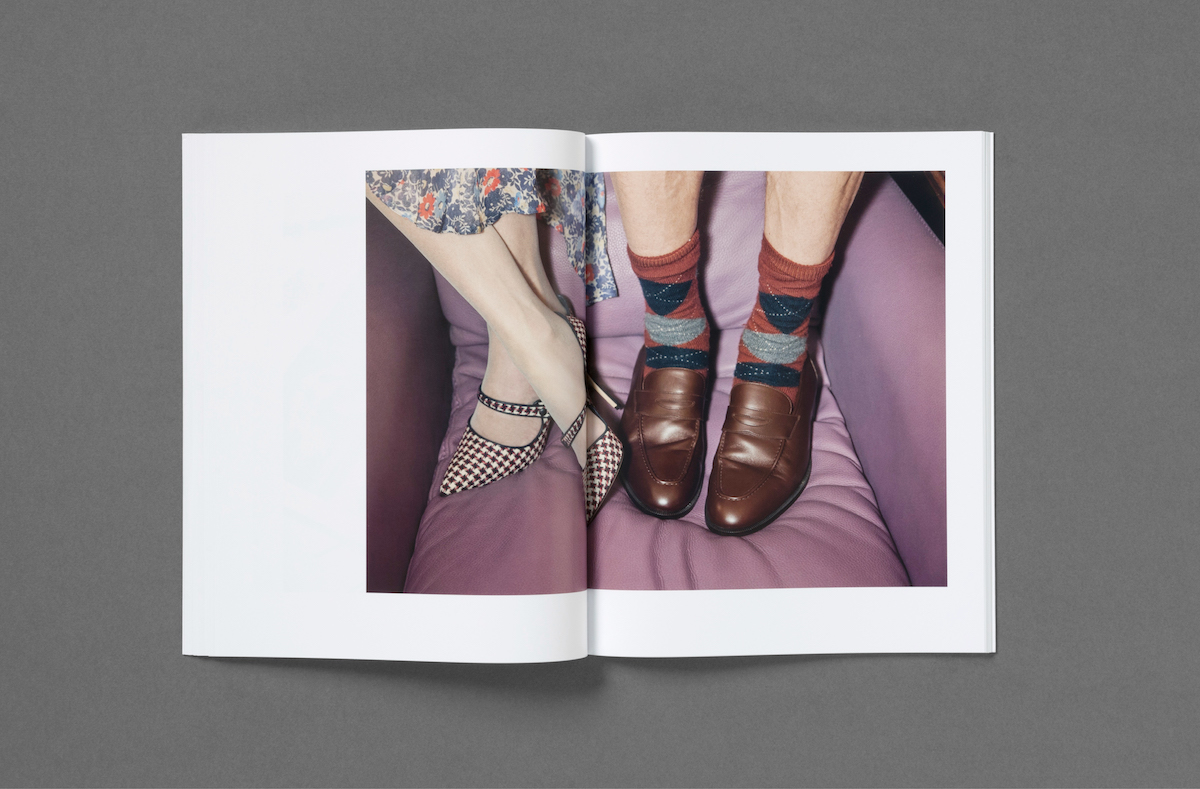
Rude in the Good Way, published on the occasion of Ethridge’s exhibition at Gagosian in Athens, brings this approach into a more intimate register. Questions of desire, memory, authorship, and collaboration become more visible, particularly through his ongoing work with Lulu Sylbert. Glamour, private life, advertising language, and art historical echoes occupy the same space without being fully resolved. Instead of clarifying these contradictions, Ethridge allows them to remain active, letting friction produce meaning.
In this conversation, Roe Ethridge reflects on sequencing, the archive, beauty as something unstable, and the porous boundary between commissioned and personal work. What emerges is a view of photography as something that does not settle into fixed interpretation, but continues to shift through circulation, context, and the viewer’s encounter with the image.
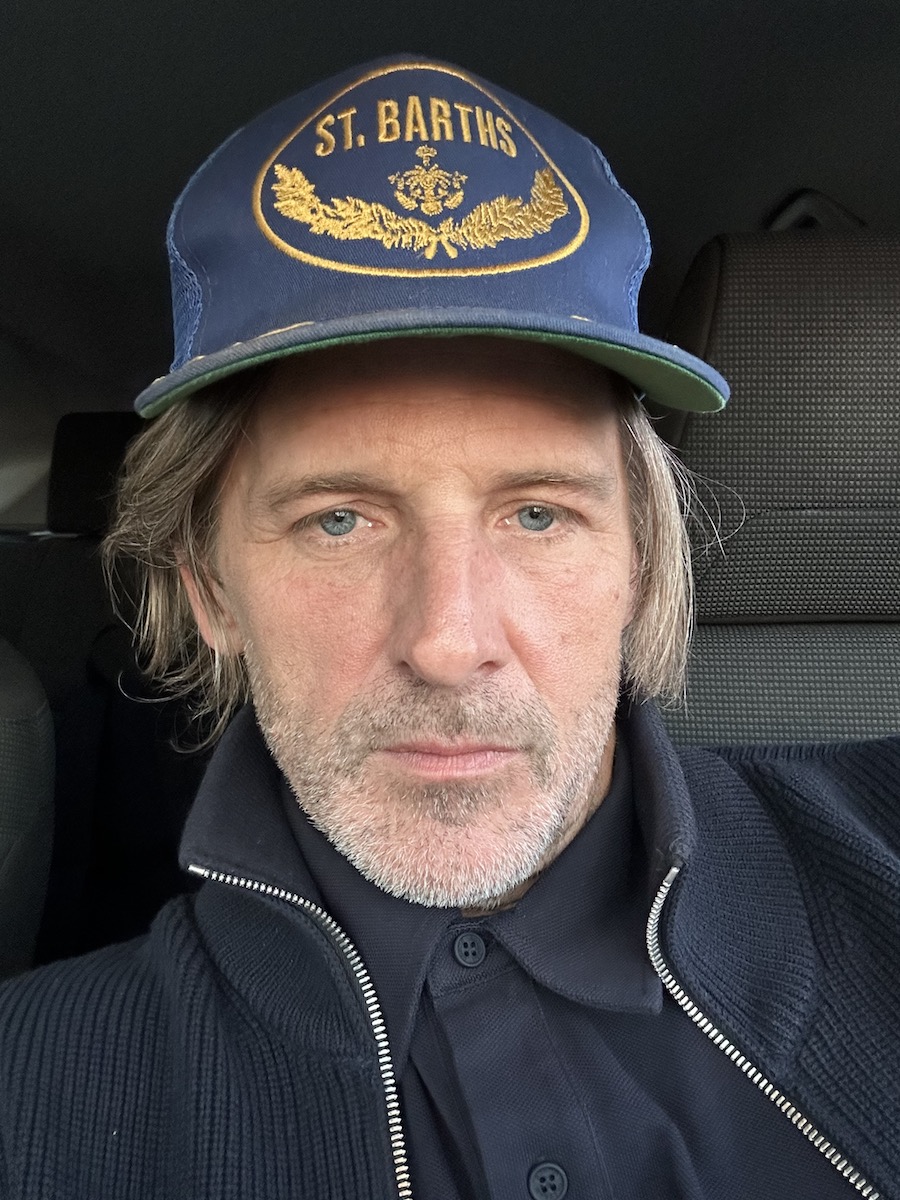
An Interview with Roe Ethridge
By Carol Real
In this exhibition, the images feel less like individual works and more like a network of relationships. When shaping the show, were you thinking about photographs as objects, or as meanings that only fully exist in relation to other images?
Definitely in relation. That is how I’ve been thinking forever. My interest in the sequence and how it fits together has always been a part of the work. I think of them as autonomous or individual pieces, but almost always in terms of how they will fit together.

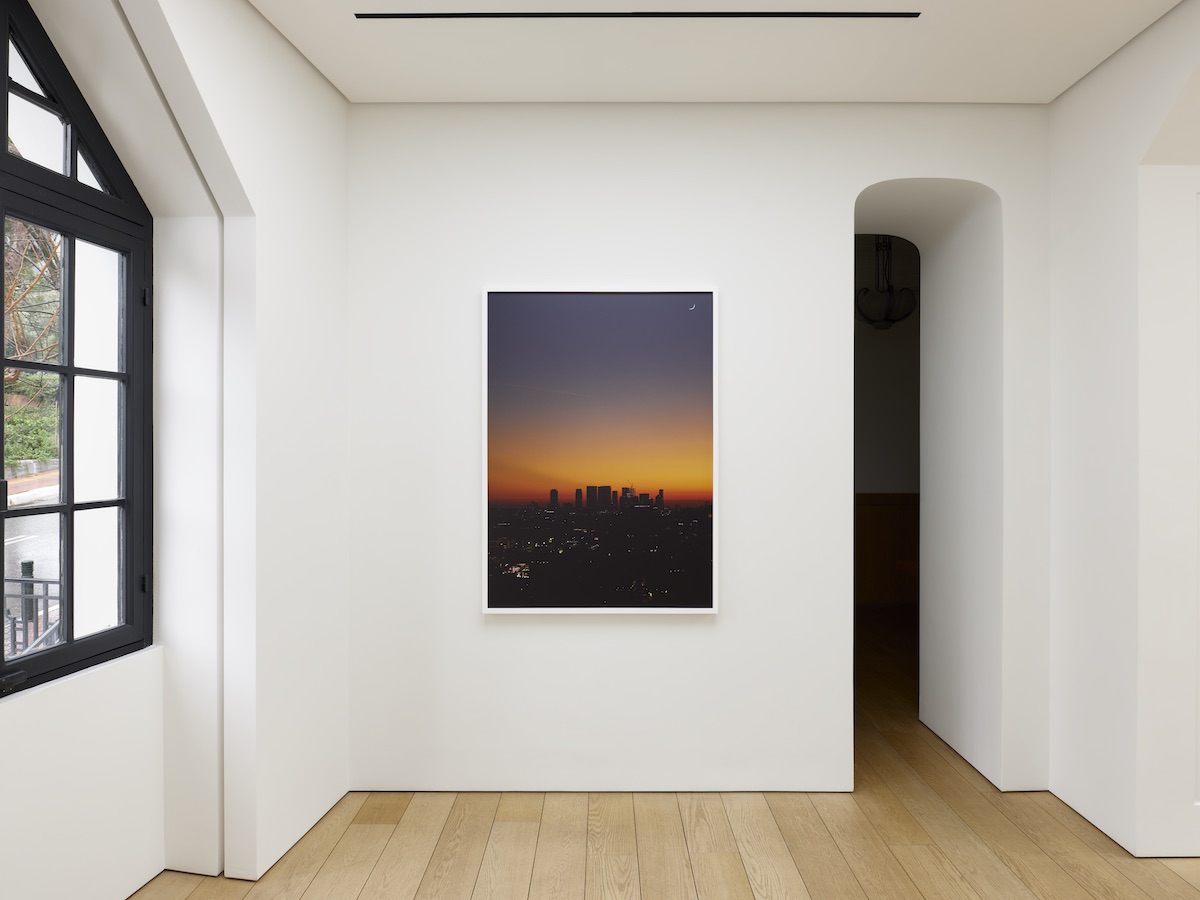
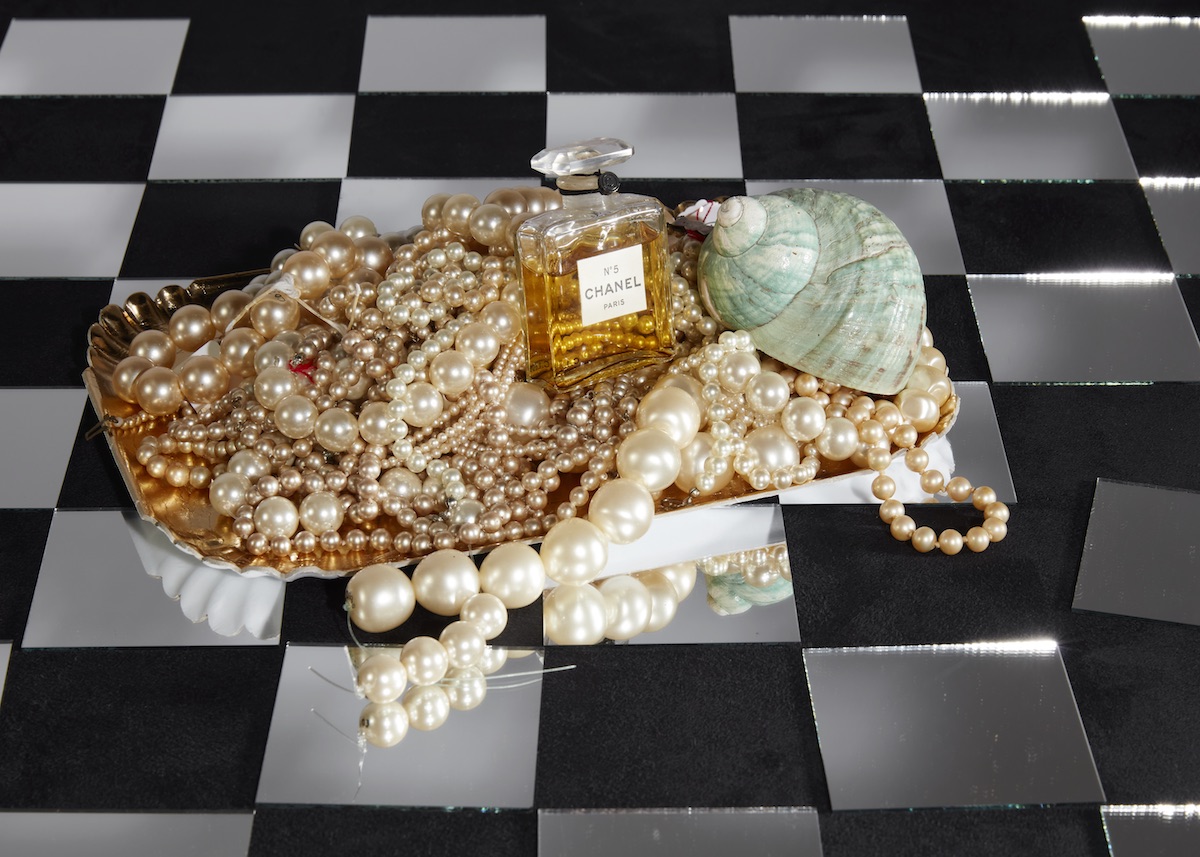
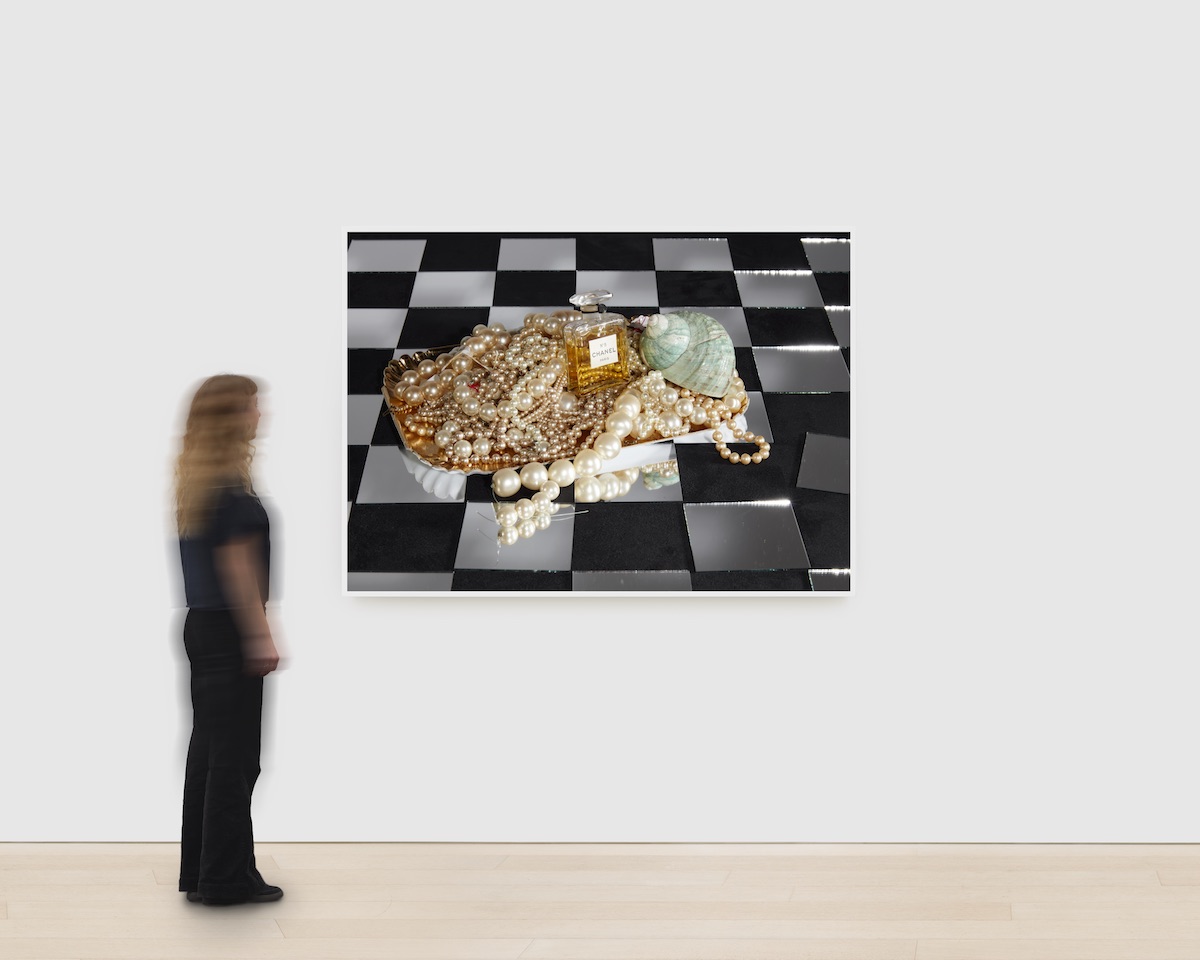
The Chanel images carry childhood memory, but they also come from one of the most powerful image industries in the world. At what point does personal memory become inseparable from images that were already shaping your desire from the outside?
That’s a good question. In the case of the Chanel No. 5 bottle, it’s such an iconic memory. It’s an image memory of seeing that bottle in my mother’s vanity area and thinking that we were rich because it seemed like the fanciest thing. We were middle class, so in a way it was the most valuable thing in the house. Most of my exposure to expensive things in real life was through the department store. I’m certain that I saw many images over the years of Chanel advertising or Chanel perfume images that would have preceded even my conscious memory. It’s like Coca-Cola or any ubiquitous brand that has been part of the image world through advertising. It’s relentless. There isn’t really a separation. I can see how my personal experience runs through the ubiquitous. The image is experienced en masse, but also in the intimate confines of your home or in the magazine you are looking at. It’s part of your visual landscape.
The photographs of Lulu feel emotionally more exposed than much of your earlier work. Did making them shift something in how much of your own life you are willing to let enter the work?
Something different is happening in the collaboration with Lulu because the imagery is so charged. It’s provocative and explicit. There are certain genre aspects, especially in the images in the show. We’ve made a lot of pictures over the last year, and I’m excited to do something with those in the future. There is more at stake, especially with the idea of a male-authored image and the conversations that surround that, which makes it feel almost controversial. In this case, it is very much collaborative with Lulu. Both of us are bringing intensity and aesthetic decisions to it.
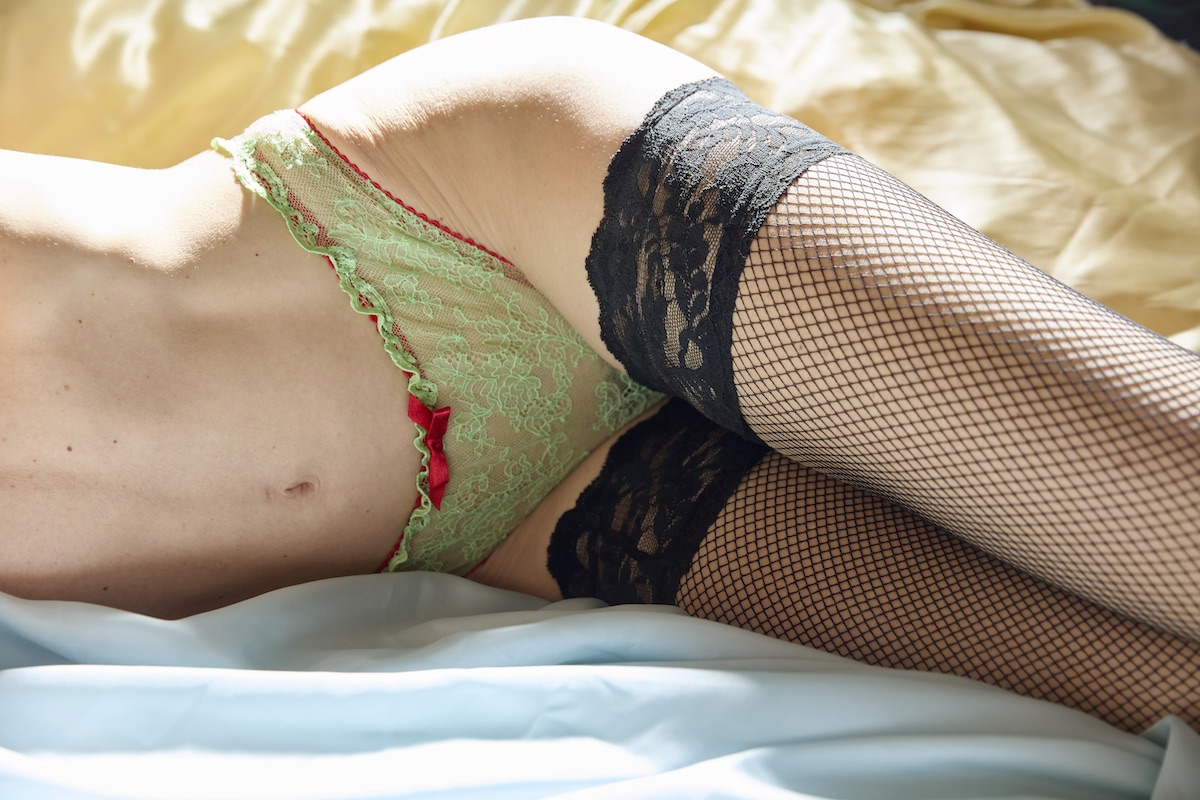
These intimate images are clearly collaborative. When the subject is also a creative partner, how does that complicate ideas of authorship, control, and responsibility for how the image functions in the world?
It massively affects it. It’s an ongoing conversation between us. When we started making the images, it was pure enthusiasm. When it comes to how they function in the world and what happens after, it gets more complicated. Lulu challenges me, and I challenge her. The term in couple therapy is “co-created.” You could call it a dialectical spirit creating a third thing if you want to sound artsy. It can be joyful, and it can be challenging, but it creates new energy. I’m grateful for that, and I think people sense it in the work.
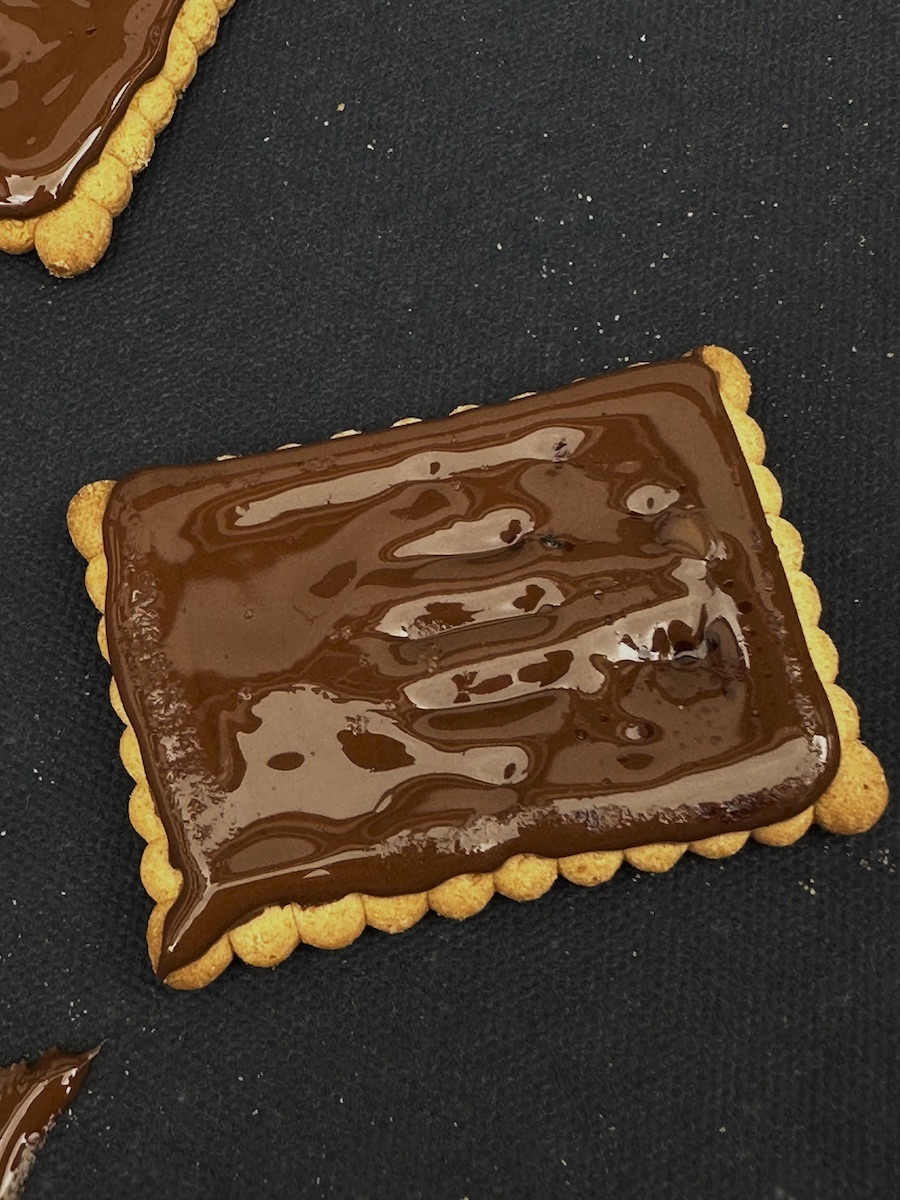
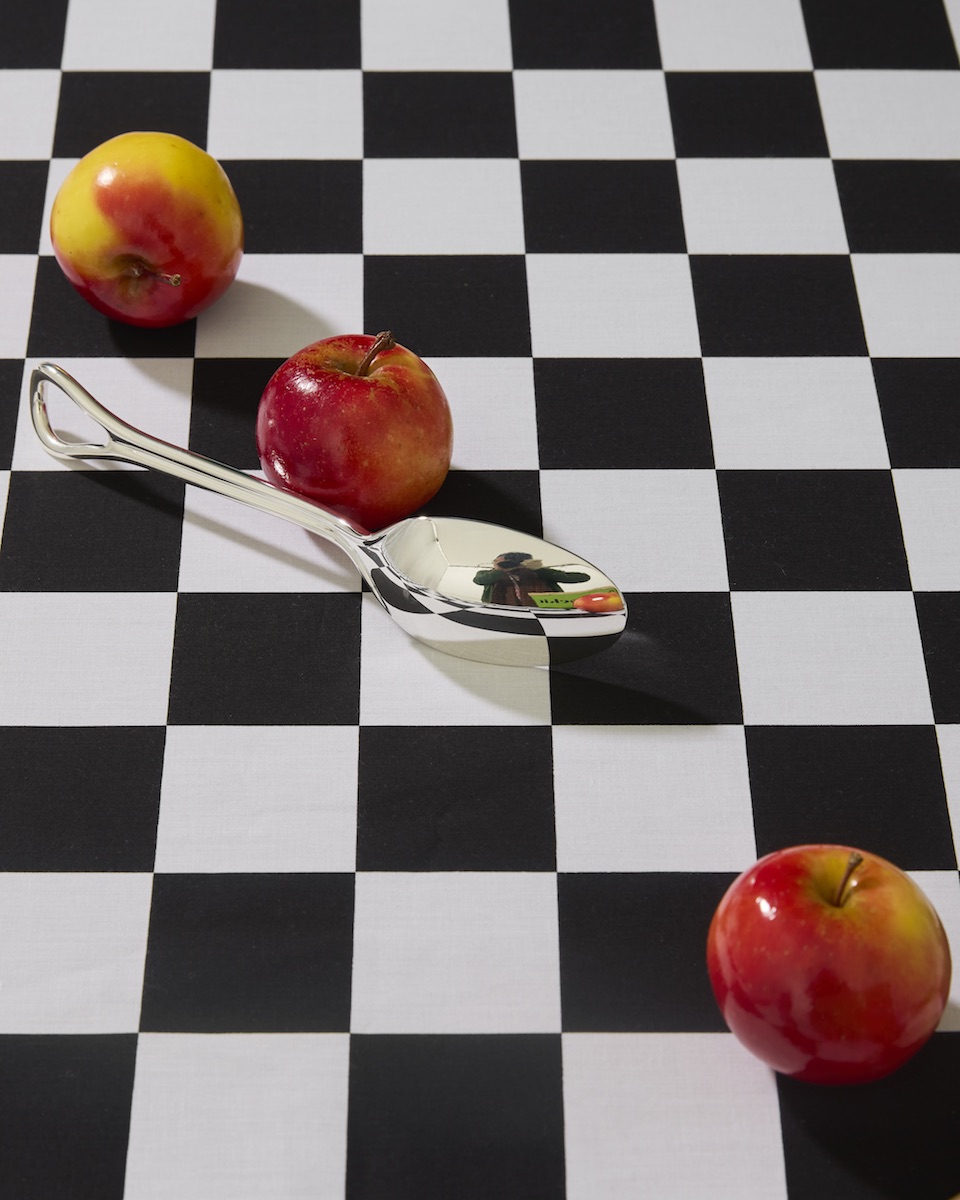
Many of your still lifes hover between elegance and collapse. Melting chocolate, unstable objects, flickering flames. Are you drawn to moments when the image begins to slip out of control?
I don’t think about it consciously that way, but it reminds me of the idea of things being imperfect and not fully resolved. A perfectly polished object is less interesting to me. Warhol said something about getting it exactly wrong. From the first time I did a portrait of a model for a beauty editorial job for Allure magazine, the model’s lips were chapped and cracked and peeling. Even after lipstick, they were not perfect; her smile was archaic bust meets “what the fuck is wrong with this guy.” I wound up showing it at Gavin Brown’s Enterprise and then the Greater New York show at PS1. That crystallized something for me, the life or humanity underneath the veneer of perfection. It could be unfinished, collapsing, or in tension. Two forces push against each other and make a third thing.
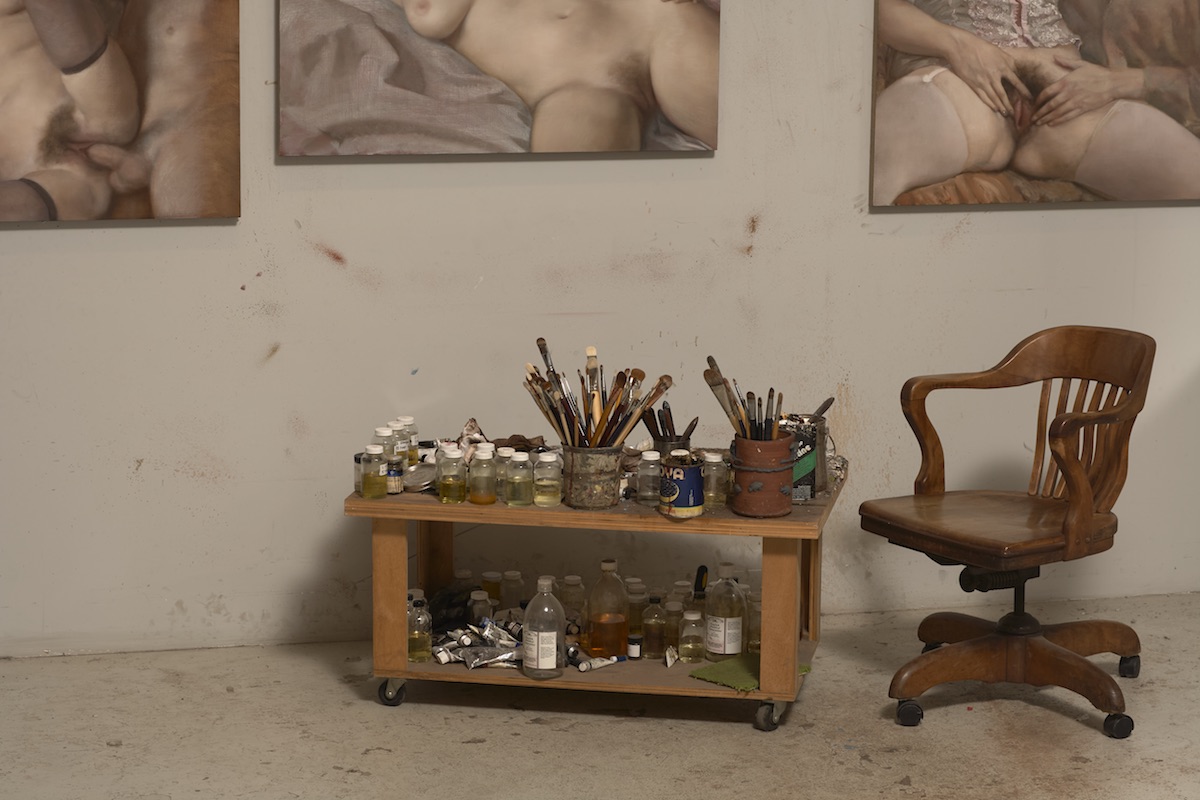
You bring older photographs, like the John Currin studio images, into a new present. Do you see your archive as fixed history or as material whose meaning keeps shifting?
It is an inventory. I like to think of it as a stock library, but they are particular images. They reveal their purpose much later. The John Currin pictures from 2008, I wanted to use them for years, but culturally it didn’t feel possible. When Lulu and I started working together, those pictures found their new purpose.
You move fluidly between commissioned and personal work. Do you still feel a psychological difference between those spaces?
It’s different all the time, even within those categories. Personal work can be light or very intense and labor-intensive. Editorial work can be effortless or full of endless preparation. There are generalities, but it’s always different. Sometimes people commission me to do something that looks like an outtake from another shoot, which becomes very meta. It can be confusing, like copying myself doing something accidental. After many decades of working this way, I have a kind of expertise. I am experienced, though I still get humbled. Like all the time. It’s hard to do.
Your pictures often begin in seduction but end somewhere uneasy. Is discomfort necessary to prevent an image from being easily consumed?
I don’t think about it like that. I can’t help myself. My notion of what is easy to consume might be different. The joy of consuming an image can be that it is spicy, that you need a sip of water afterward. A TV show might be easy to consume, but I would rather watch something like Twin Peaks: The Return, which is not easy, but delicious to me.
When do you feel you lose authority over an image?
I sometimes feel like I am a conduit. The artist has intention and energy, but you can’t control what people think. The work is completed when it is seen. That completes the circuit. I have authorship, but much depends on my experience, childhood, culture, and upbringing. With Lulu, it is what happens between us. With advertising, I’m in the world with other people making decisions. It’s more like being in a band than being alone in a studio.
Do you approach subjects as already carrying cultural baggage?
It depends. A celebrity carries a certain kind of context. A new young person from a street casting may not. My goal is to speak to what I know, composition and restrained expression. I try not to fully resolve the object. I think of Gilbert Stuart, who painted George Washington many times and left the same part unfinished. He mass-produced it but kept it incomplete.
Are you honoring painting traditions or misusing them?
Both. I grew up around photography, but later I became interested in painting and art history. I considered being a painter, and after making a copy of Manet’s “Mademoiselle V. in the Costume of an Espada,” I thought, ugh, painting takes too long to master, then realized being great at photography also takes a long time, because the truth is anyone can make an image, and it has always been the case. What is hard is keeping it going. I think that’s why I sort of worship at the altar of discovery.
Is beauty persuasion or manipulation?
It depends on the viewer. I want the right to make something beautiful, but beauty can be oppressive if too complete. It needs something just a bit off, something to give it life. Beauty could be dirty snow. I don’t want beauty to deny darker parts of life. Smiling in my pictures can feel sweet and human, but it can also imply a shadow. The light implies the dark.
What does being rude in a good way allow you to do?
Have fun. The phrase is open-ended. The Lindsay Lohan collages feel rude in a good way. They are not tidy, made quickly in Photoshop, which gives them off-kilter life. Oppositional forces create a third thing. The slightly kinky pictures of Lulu also feel rude in a good way. Self-appropriating an image made for Chanel and putting it on a gallery wall can feel rude, recontextualizing something. The phrase “Rude in the Good Way” popped into my head a few months ago and just could not be replaced. Sometimes that’s how it happens.
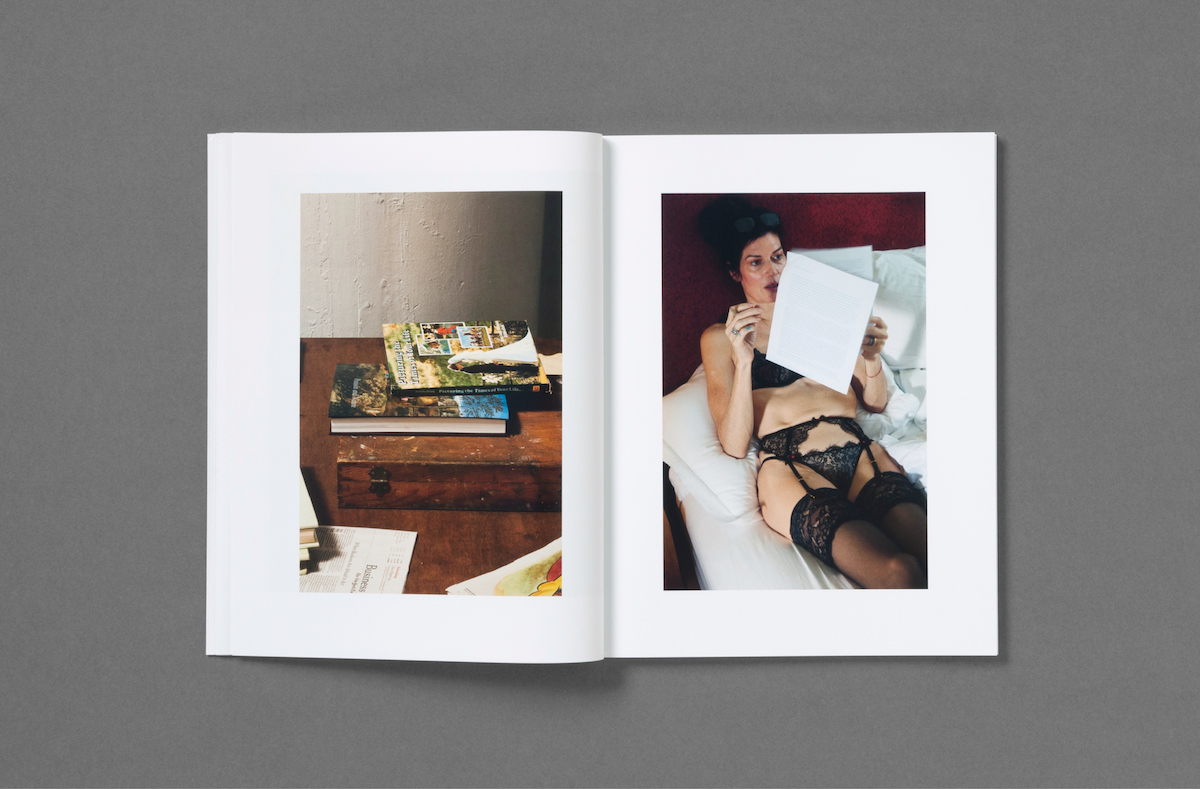
Does meaning emerge more from sequencing than single images?
It’s both. Some images become singular in the world, like Andrew W.K. with the bloody nose, the Cat Power cover, or the High Line/Divorce Lawyer billboard. But in books and shows, it’s about sequence. Some choices are conscious, some unconscious. Meaning is open and must be interpreted, like a tarot card.
Where are you taking greater risks now?
It all feels pretty risky to me right now. It feels like there was a quiet period for a while. Then in the last year or so, things turned, and suddenly it’s not quiet. I did this commission for Chanel, the work I’ve been doing with Lulu, and these shows with Andrew Kreps Gallery, Mai 36, and Gagosian. I’ve got this upcoming two-person show with Araki at Anton Kern Gallery. It feels like everything is amplified at the moment and sort of intense and personal. And I’m going to show some pictures with Anton that are from 1995, so it’s really going back.
All images courtesy of the artist and Gagosian, except book images.
Book images © Roe Ethridge 2026 courtesy Loose Joints.
Rude in the Good Way by Roe Ethridge is published by Loose Joints.
www.loosejoints.biz