Vincenzo De Cotiis moves between architecture, art, and design with a language that resists classification. His work does not seek harmony among disciplines but explores their points of friction, where material, form, and time reveal their instability. Born in Gonzaga, Italy, in 1958, and trained at the Politecnico di Milano, De Cotiis has developed a practice grounded in process and transformation.
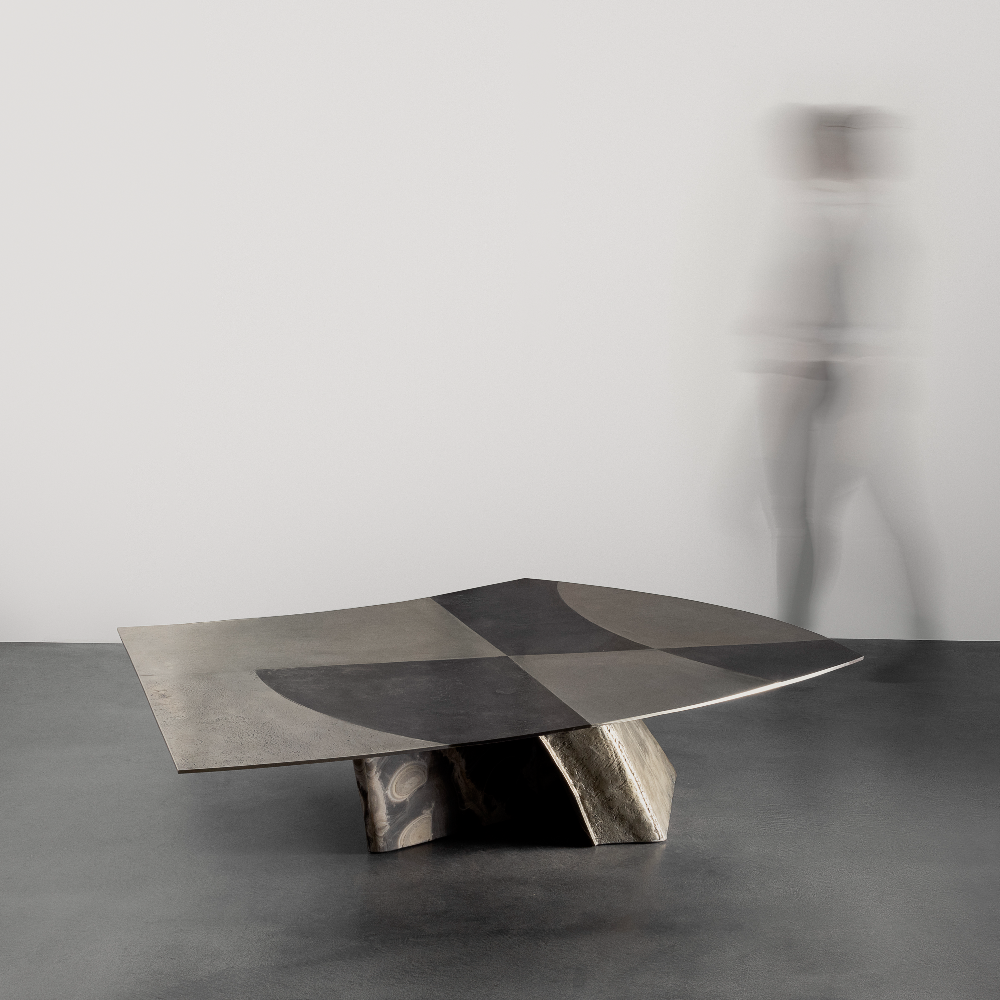
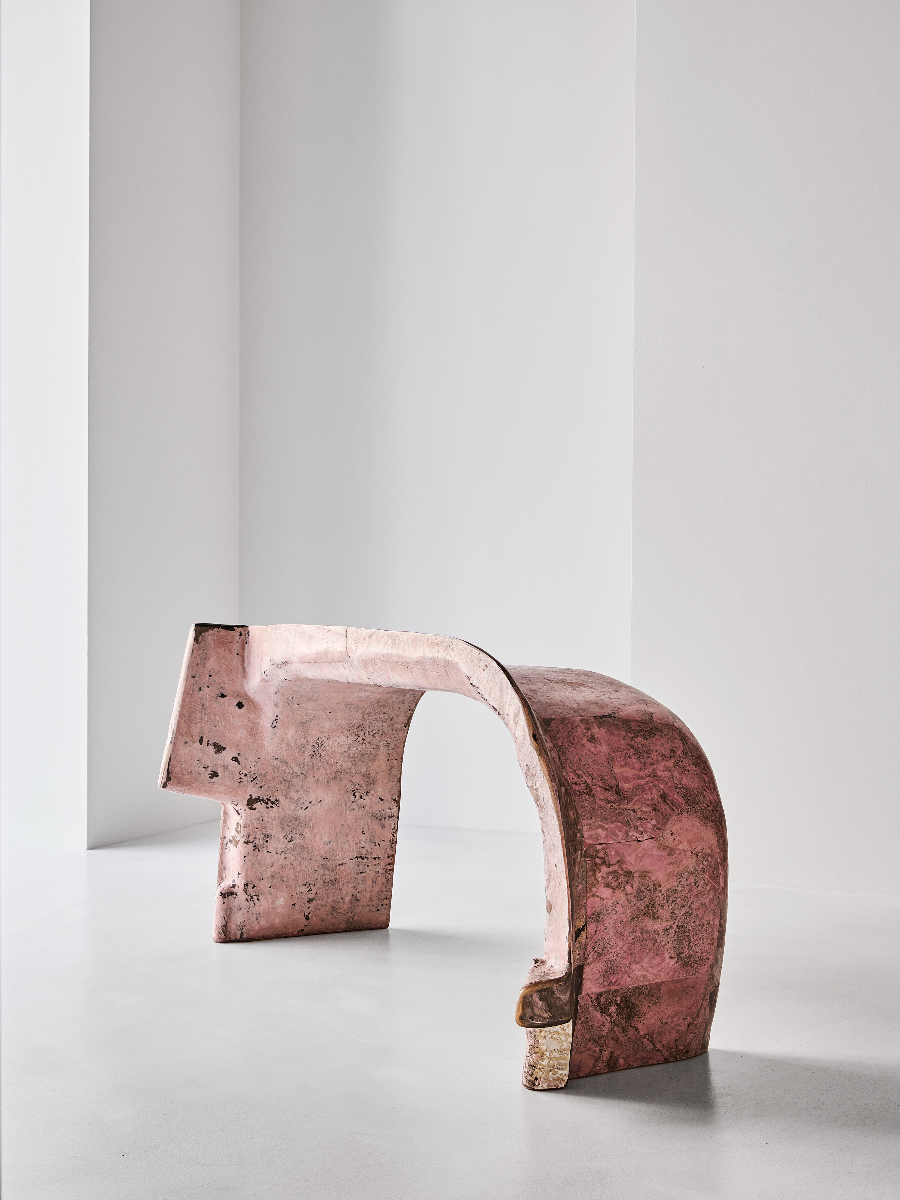
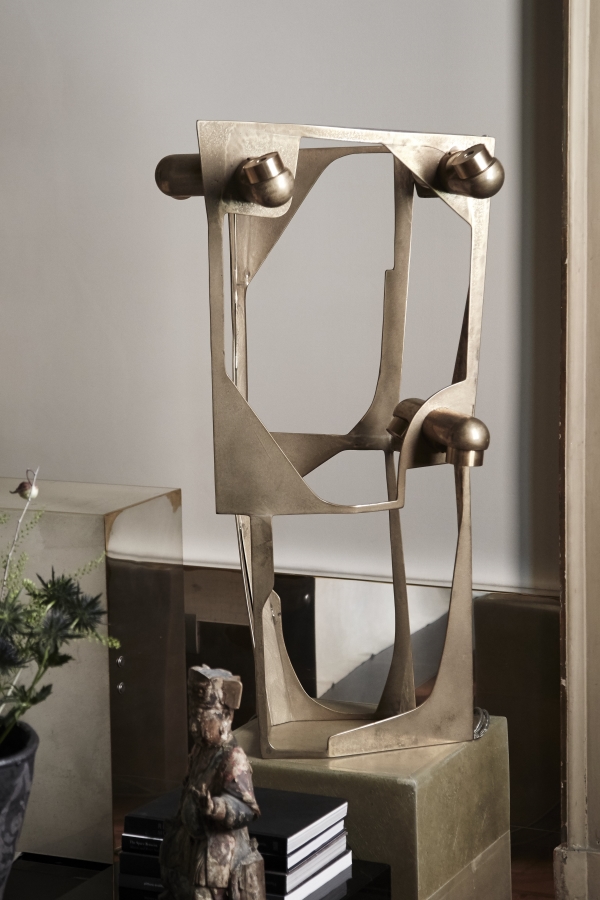
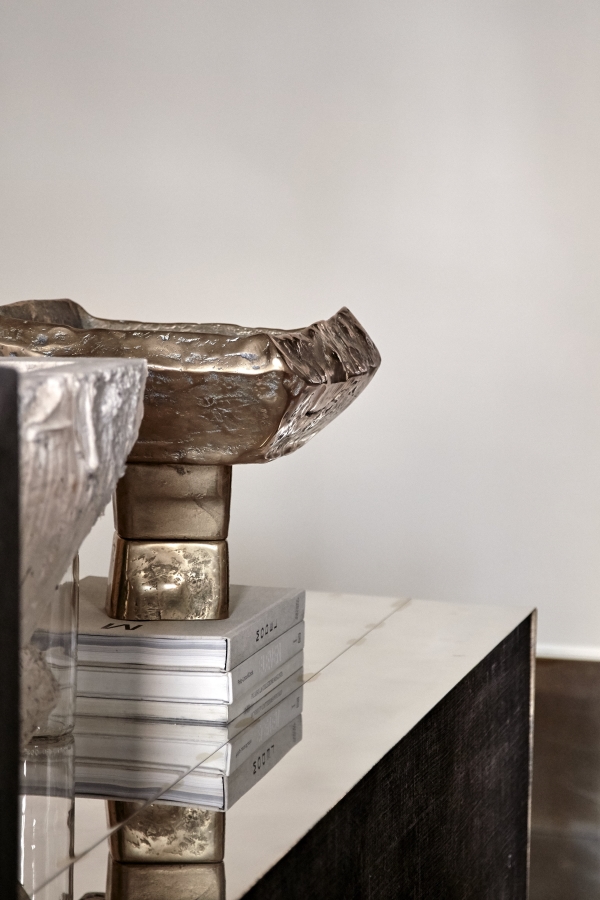
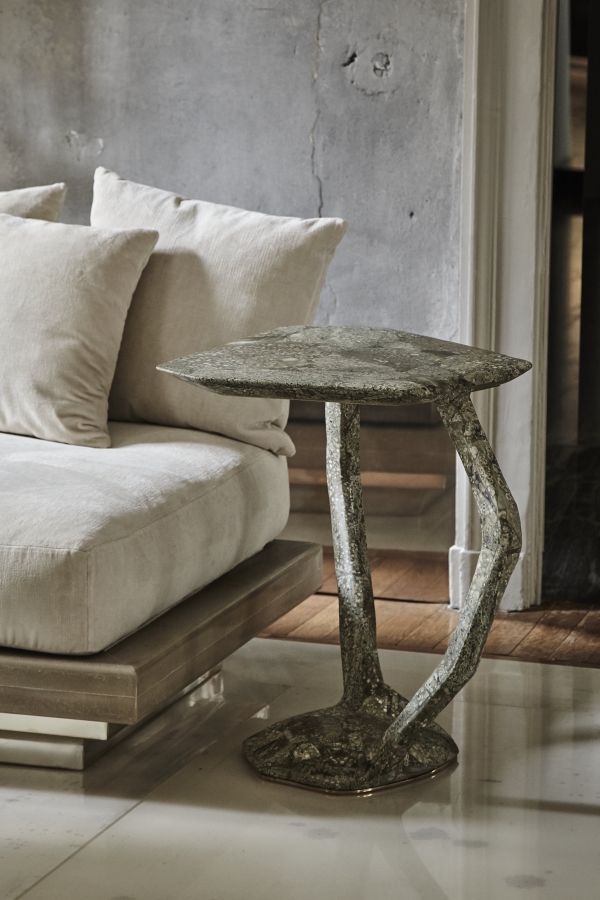
Each work begins with matter—fiberglass, marble, salvaged metal—handled not as neutral substance but as a record of use and erosion. De Cotiis allows these materials to speak through their irregularities: cracks, oxidation, and patinas that undermine the notion of the pristine. His approach turns imperfection into a form of language, a way of thinking through decay. “I’m very material-led,” he says. “I try to understand how different elements coexist and influence one another.”
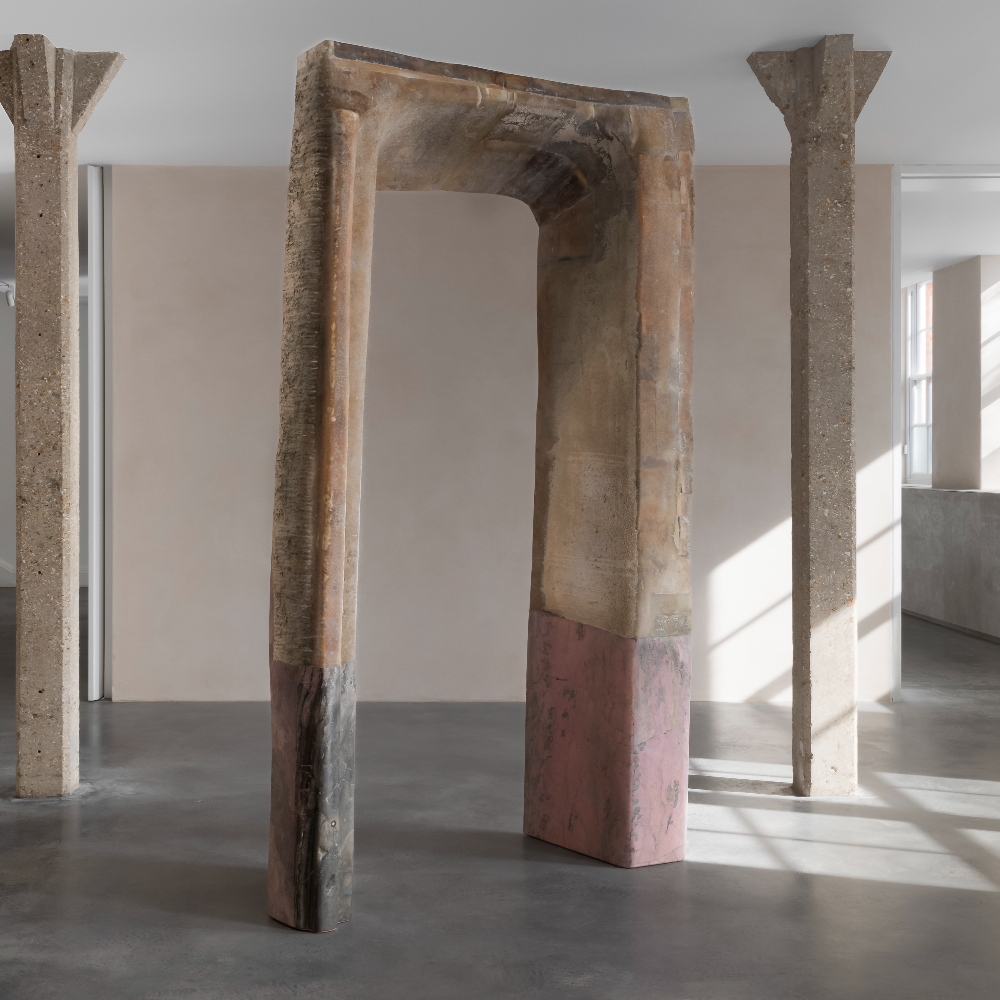
Over time, this attention to material history has evolved into a distinct spatial sensibility. Exhibitions such as Archaeology of Consciousness articulate his interest in how form carries memory, how structures like arches or surfaces of stone can hold traces of both ancient architecture and contemporary abstraction. His work is less about design than about what remains—what time inscribes on the surface of things.
In this dialogue, De Cotiis reflects on duration, transformation, and the continuous negotiation between what is preserved and what is lost. His words reveal an artist concerned not with style, but with the endurance of form and the quiet persistence of matter itself.
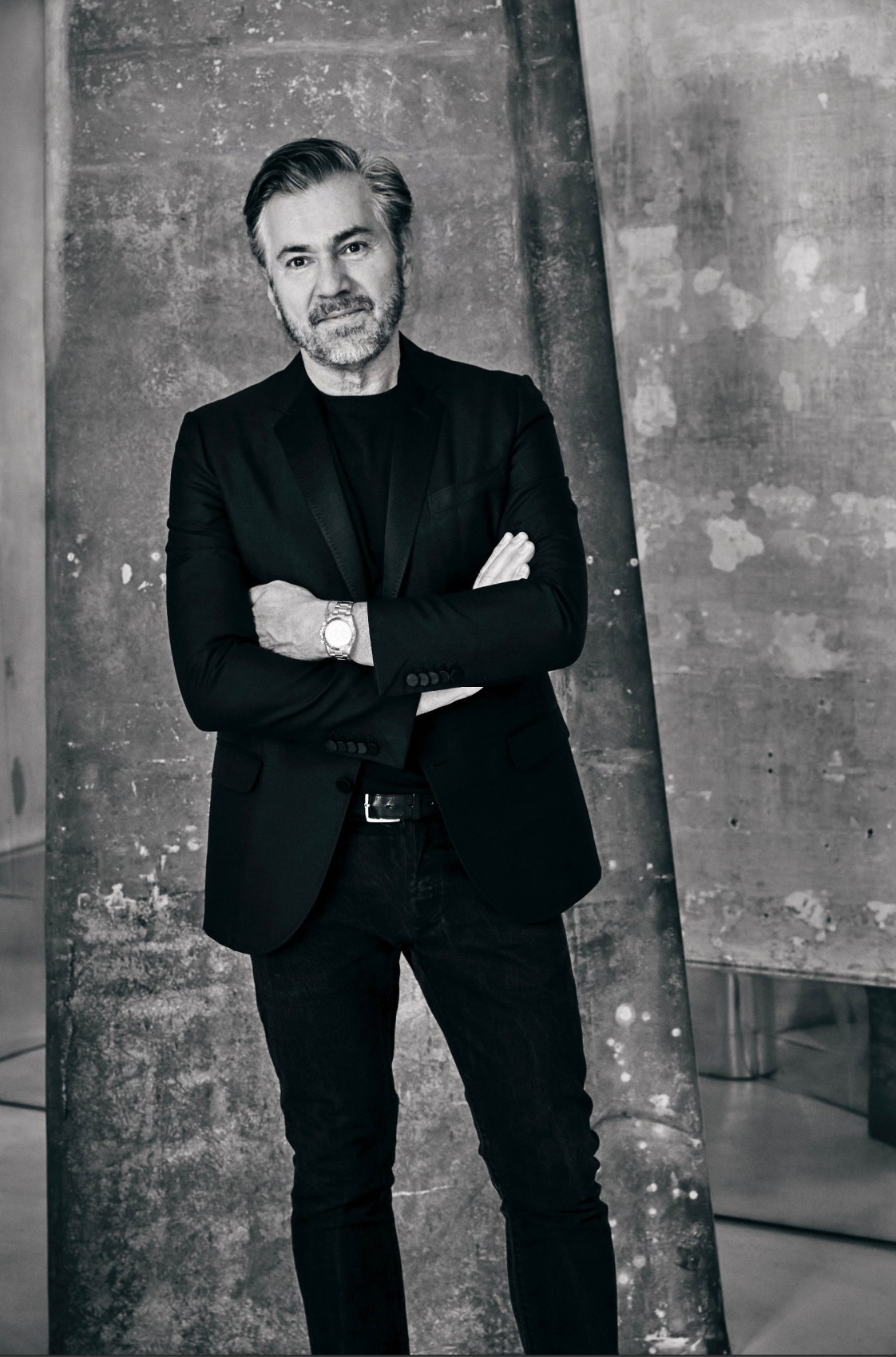
An Interview with Vincenzo De Cotiis
By Carol Real
How does your creative process dissolve the boundary between art and architecture, allowing both disciplines to coexist within your work?
Creatively, my work operates not as a bridge between two separate disciplines but as a focal point where they meet. Often my artworks exhibit architectural qualities involving a sense of balance, structure, and function, but this is rarely their goal. My approach is to represent history, time, and sensation in material form as an inherently artistic mentality. I’m very material-led. I can be influenced by pre-existing spaces when I work with interiors, mainly inspired by natural light and antique architectural features. I also need to comprehend the physical way in which the diverse materials in my artwork coexist and complement each other’s characteristics.
Vincent Van Duysen has highlighted your ability to unite art, craft, architecture, and design. How do you find harmony among these disciplines while preserving their individuality?
Often, the distinctions between these disciplines can seem arbitrary, but it is important to create objects that can be interpreted through many aesthetic systems, either through the language of craft, architecture, design, or art. When you work with materials in a very sensitive way, elements of craft emerge. When you consider an object’s functional ability to influence a space or atmosphere, then you begin to understand its nature within a design vocabulary. These aspects are all highly related to each other, and I find it stimulating to work in a symbolic way so that individual elements can overlap several disciplines and traces of influence can be translated in many ways.
The coexistence of the old and the new is a recurring theme in your practice. What draws you to this dialogue, and how does it manifest in your creative process?
In my work, the past and the future are not just consecutive; they are concomitant, coexisting within the same creative breath. As an artist, my gaze is firmly fixed on the horizon of the future, a testament to my pursuit of innovation and uncharted territory. Yet, this forward momentum is deeply rooted in the bedrock of our cultural heritage. I am not just a man of my time; I am a man of the future, crafting a dialogue with history through the walls of old buildings, transforming them into vessels of contemporary expression. The originality in my art stems from a profound conversation with the primordial and the untouched ideals of the past. It is in this unique intersection, where the untouched essence of bygone eras meets the visionary leap towards tomorrow, that my work finds its true identity.
Courtesy of Benjamin Baccarani
Courtesy of Benjamin Baccarani
You often describe time as non-linear. How does this perception shape your design philosophy and the materials you choose to work with?
I understand time as a spectrum, where two points that seem very distant from each other can often still have ways of impacting one another. These intersections are non-linear, and loop back over themselves. It is my challenge to express these relationships physically, crafting materials that simultaneously relate to many points through time.
Archaeology of Consciousness brings together materials as contrasting as marble and fiberglass. What inspired this exploration, and what narrative unfolds through this collection?
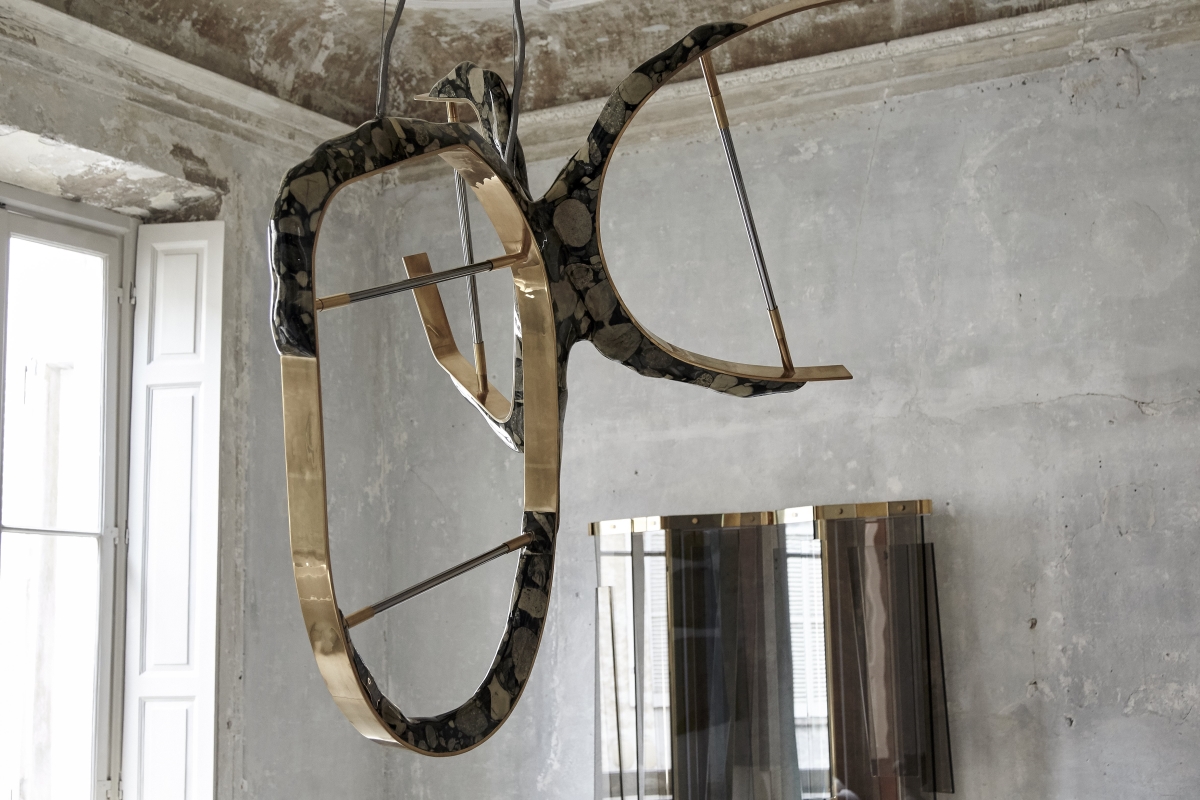
The exhibition is a material journey through my own consciousness, revealing forms that relate to lost or undiscovered cultures in the same way archaeologists dig down through layers of sediment to find fragmented objects that only hint at their original forms or functions. My choice of materials through this collection aid with the idea of layering histories over one another. Marble stone and fiberglass represent many physical and conceptual opposites–purely through their wildly different natures– so I find ways to bring them together in harmony.
This exhibition is also one of the clearest examples of how art and architecture meet in my work, as it was heavily informed by the idea of the arch. In a way, I wanted to brutally interrogate the symmetrical, balanced, perfectly conceived connotations of arches. I have found a way to dismantle this semblance of perfection, yet keep its structure intact.
You often describe your art as a projection of your inner world. How do your personal experiences and memories take form within your creations?
I’m highly influenced by what I see on my travels, and my own memories of these experiences. It’s interesting the way memories distort in the mind.
Engaging with other cultures also provides relative context to my own. For example, I’ve been fortunate to immerse myself in Japanese design, learning from the strong connection between their contemporary designs and their own traditions and history. These experiences all deepen my own consciousness, and provide me with more tangential references as I navigate my subconscious for inspiration.
My work is personally expressive. Each artwork bears hand-made marks and patinas with which I leave traces of my experiences for future generations. Making a mark on the surface of a material is one of the oldest and rudimentary artistic actions possible. Crafting these sculptures– both their bodies and skin–is purely a projection of my deepest senses, my thoughts madeflesh.
The marks and imperfections in your works feel like traces of time. How do you imagine future generations interpreting these gestures of material memory?
The way I approach the temporal aspect of my artworks means that they convey intentionally timeless messages. Considering how they would interact with future generations equates to considering how they interact with generations from the current moment, and even the past.
There are structural, aesthetic, and material references embedded in each piece that are universally accessible. Notions of beauty, function, and art are eternal, to which people will always respond.
The fact that I leave my artworks intentionally scarred is a manifestation of time’s passing. My acts remove each artwork from our current timeline, almost as a release. None of them are left referencing anything specific to our current moment, nor their specific period of production. They bear marks comparable to those of artifacts removed from the ground after millennia. Time stands still around them.
The marks and imperfections in your works feel like traces of time. How do you imagine future generations interpreting these gestures of material memory?
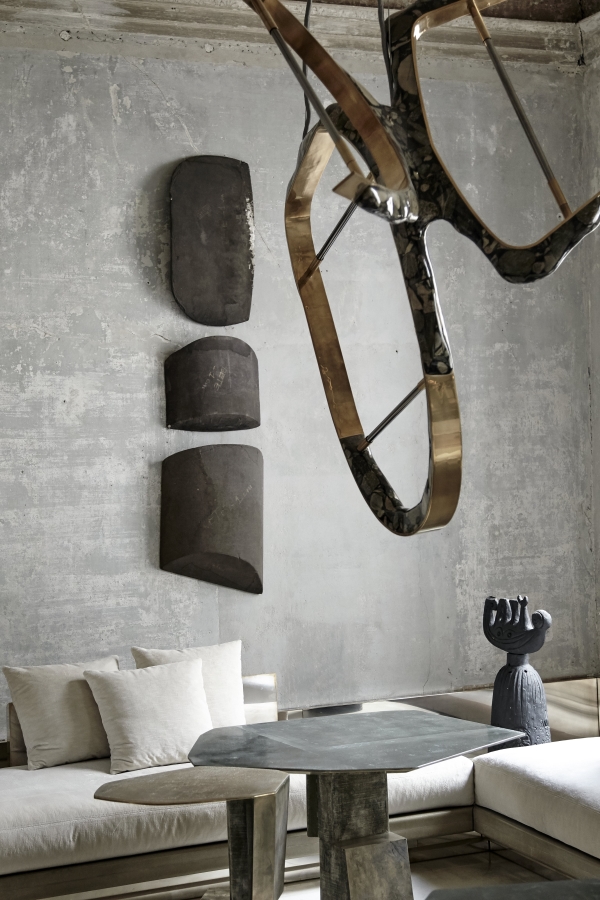
The Ladbroke Hall restaurant celebrates the conjoining of life and art. The setting I’ve created is a destination, only activated through the presence and use of people. The motivation behind a large part of my work is to elevate life, and the creative atmosphere of Ladbroke Hall is a singular opportunity to bring people into an environment where any separation between art and life is dissolved, and it’s possible to exist in a higher realm.
The details of the scenography, such as its monochrome color scheme, are brought forward from original features of the building into the contemporary renovation. The large overhead windows provide incredible light into the central space of Ladbroke Hall, enriching the heart of the building. The primary concept behind the restaurant’s redesign is this interplay with light, as seen in the central granite bar. It functions as an opaque shelter, creating an idea of an inner sanctum, but it is also brought alive by its highly polished and reflective elements, interspersing shards of light within the black stone.
Your work often reinterprets tradition through innovation. How do you balance the preservation of cultural heritage with the pursuit of new creative possibilities?
The idea of innovation is far more conceptual than technical. In design, innovation is a mental approach towards th e tools and materials at our disposal. We live in an age when our technical capabilities have suddenly leapt ahead of our conceptual understanding of how to utilize them creatively. In my opinion, the future lies in the past. My art focuses on emotion and vitality– embracing the traditions of the past, and cultural knowledge preserved through generations, provides soulful, emotive connections between art and audiences. It’s the only way forward if we are to maintain cultural relevance in our work as artists.
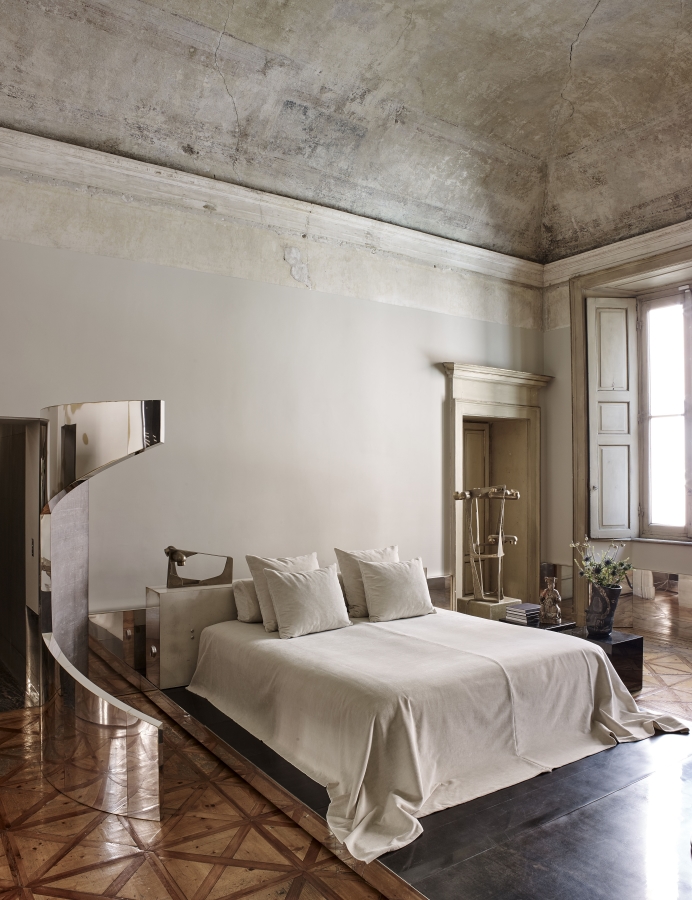
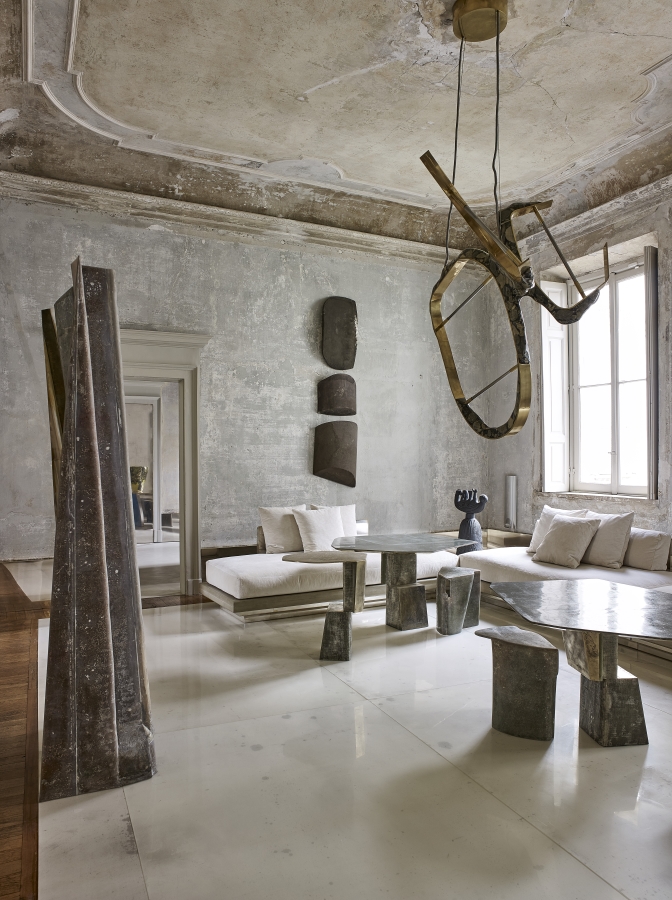
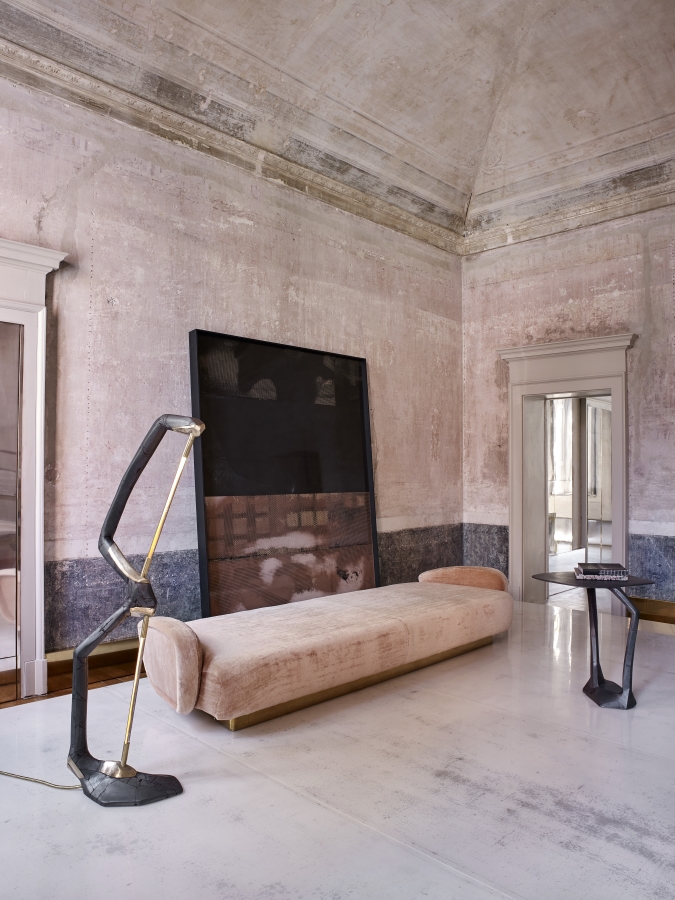
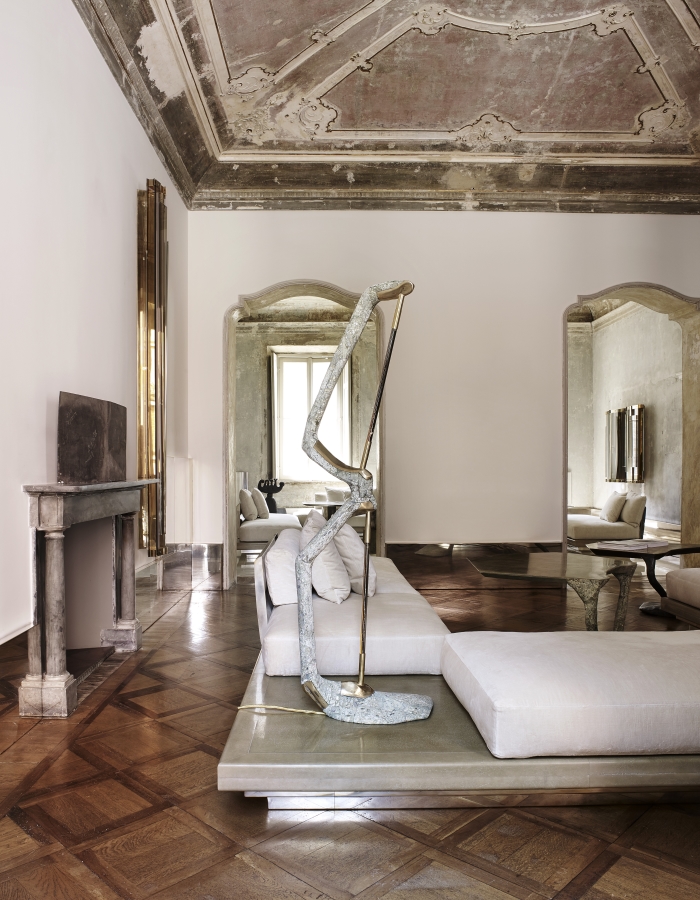
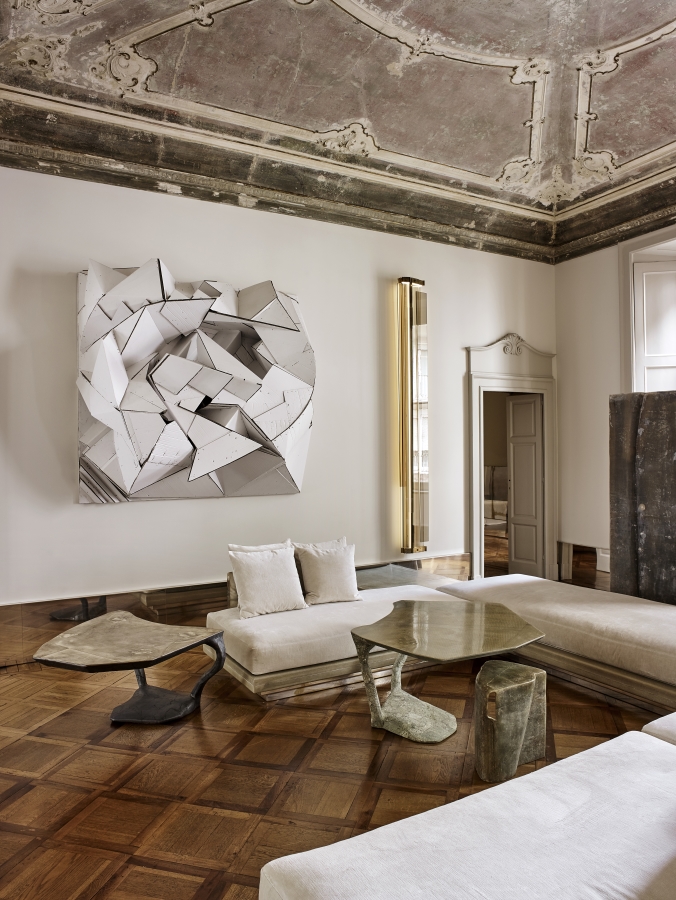
Your 18th-century palazzo in Milan seems to embody your aesthetic philosophy. How does this space reflect your approach to light, material, and the passage of time?
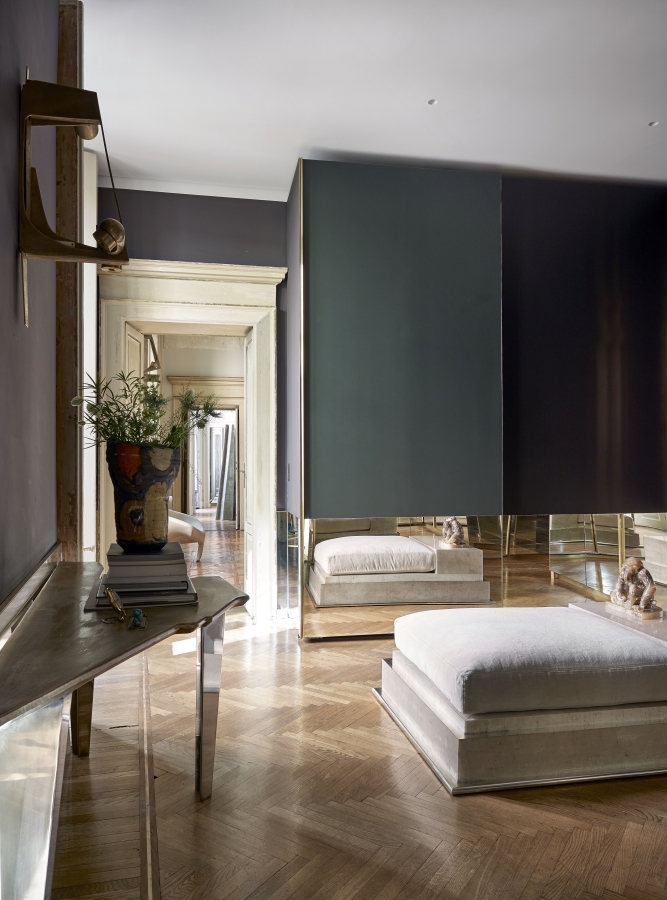
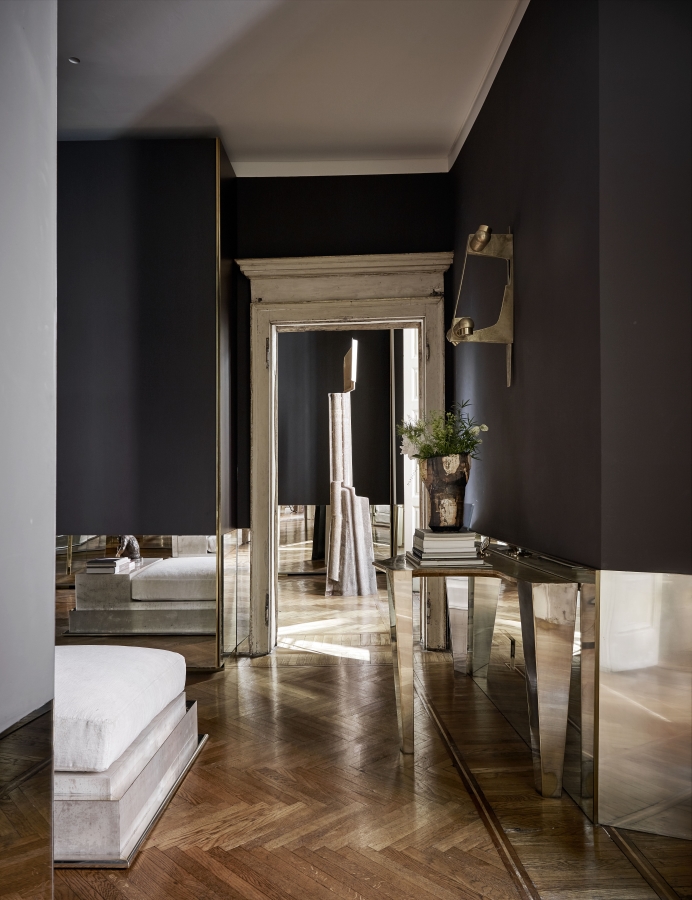
The palazzo shows how specific and personally expressive my design style is, as it is first and foremost a home. Claudiarose and I fell in love with the building immediately, but it still required a long project to renovate the space, deciding which original features to restore and which aspects would benefit from a contemporary revitalisation.
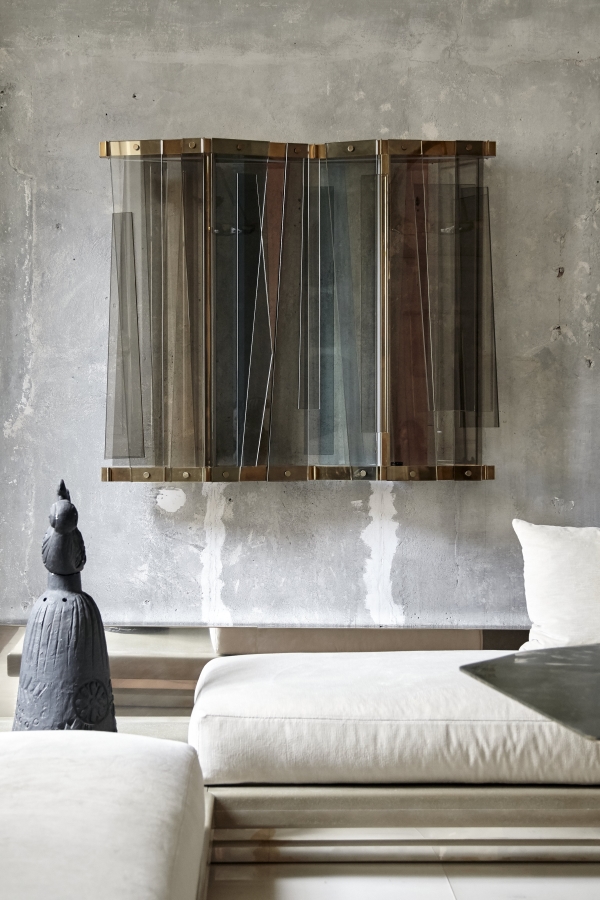
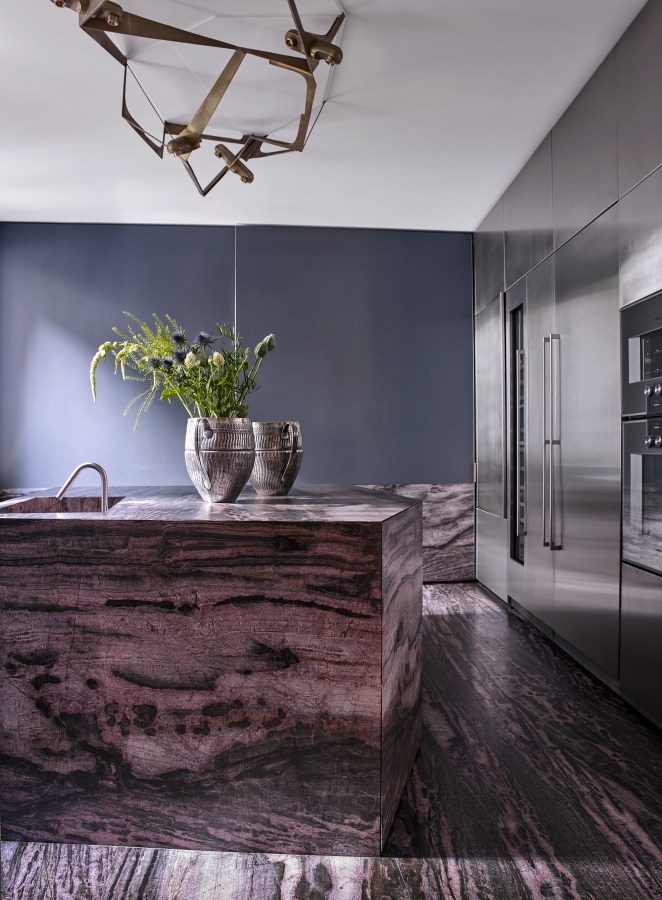
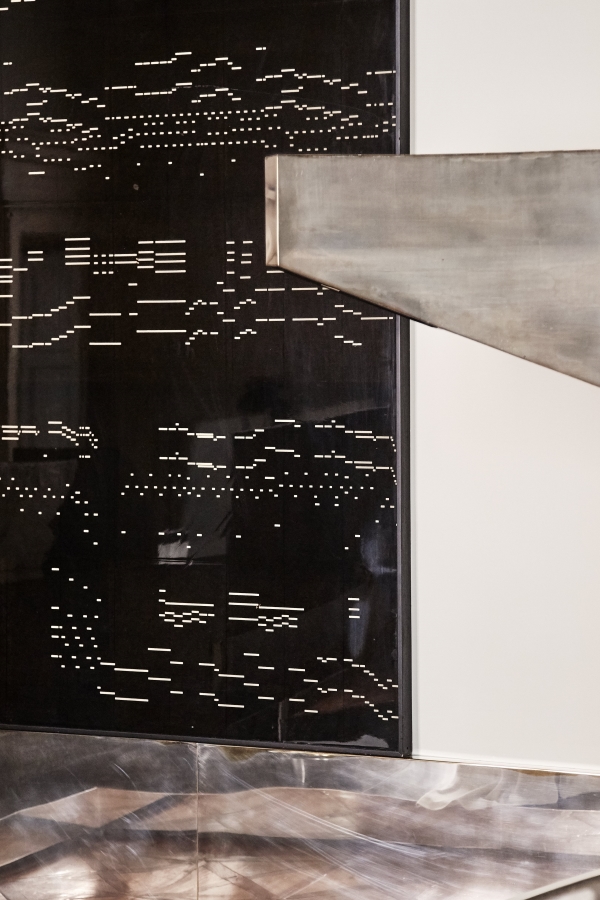
The primary focus of the renovation project was to understand the space in relation to my closest collaborator: light. Every element in the home stands in relation to the light that floods in from the ceiling-high windows. We have allowed it to form a narrative journey through the space, either through reflections off metal and stone, or softened by fabrics and other furnishings. The Italian sun’s bleaching effects can also be seen in the plaster, which holds centuries of history in its delicate textures. There are many reflecting surfaces and further elements of glass to add heightened refractions throughout the home, and brass fixtures remain a consistent presence in every room. Light is inextricably linked to both art and life, as neither would be possible without it, so it has been my lifelong quest to keep finding new ways to augment its vital effects in my work.
Image credits: All images courtesy of the artist
Editor: Kristen Evangelista
More images: