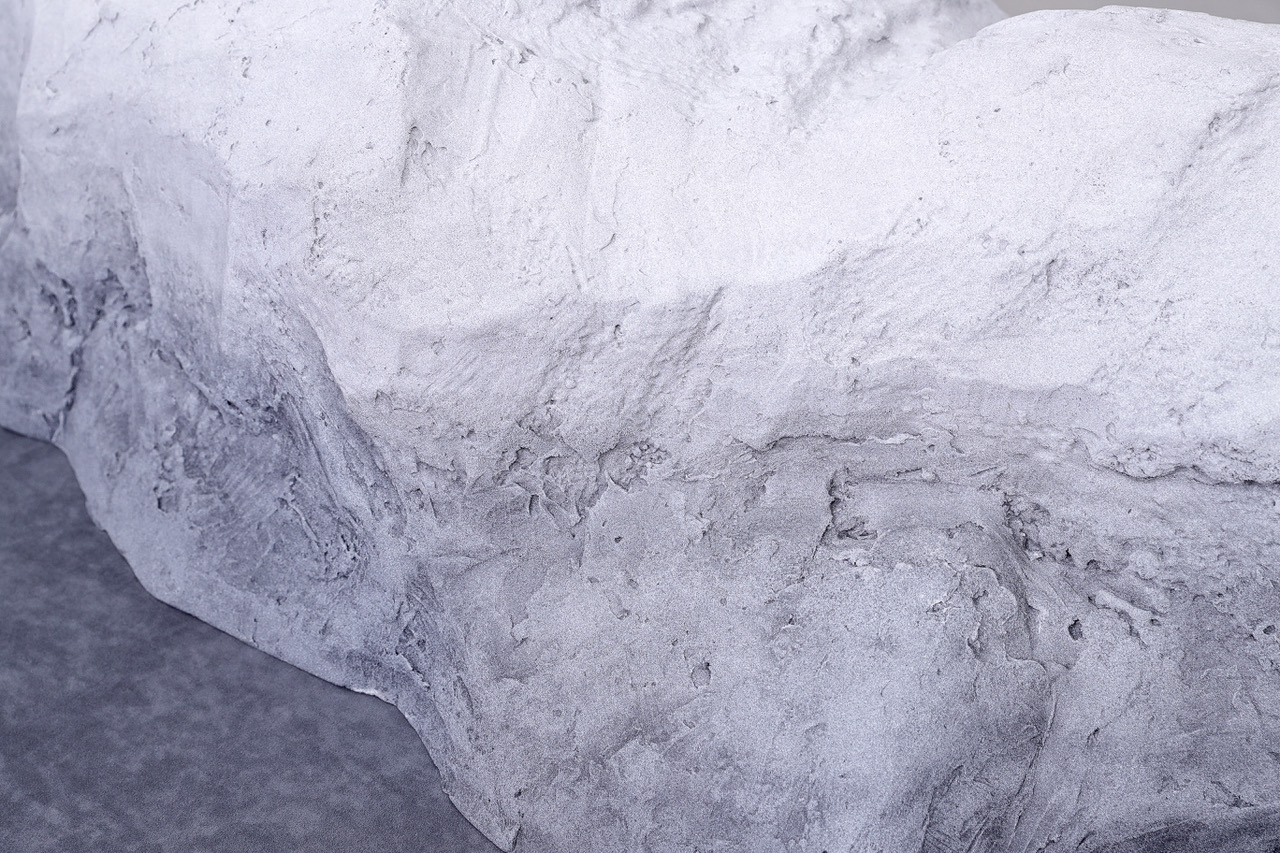
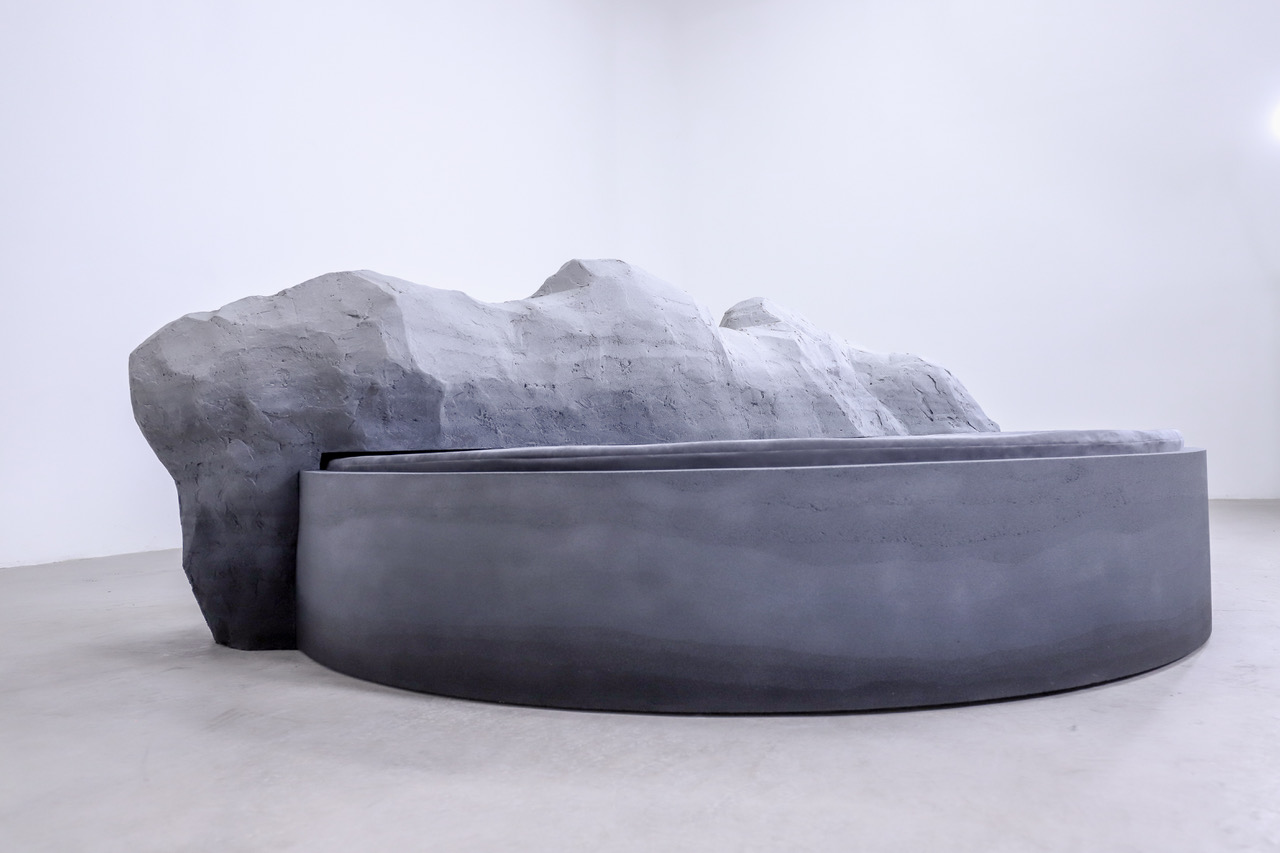
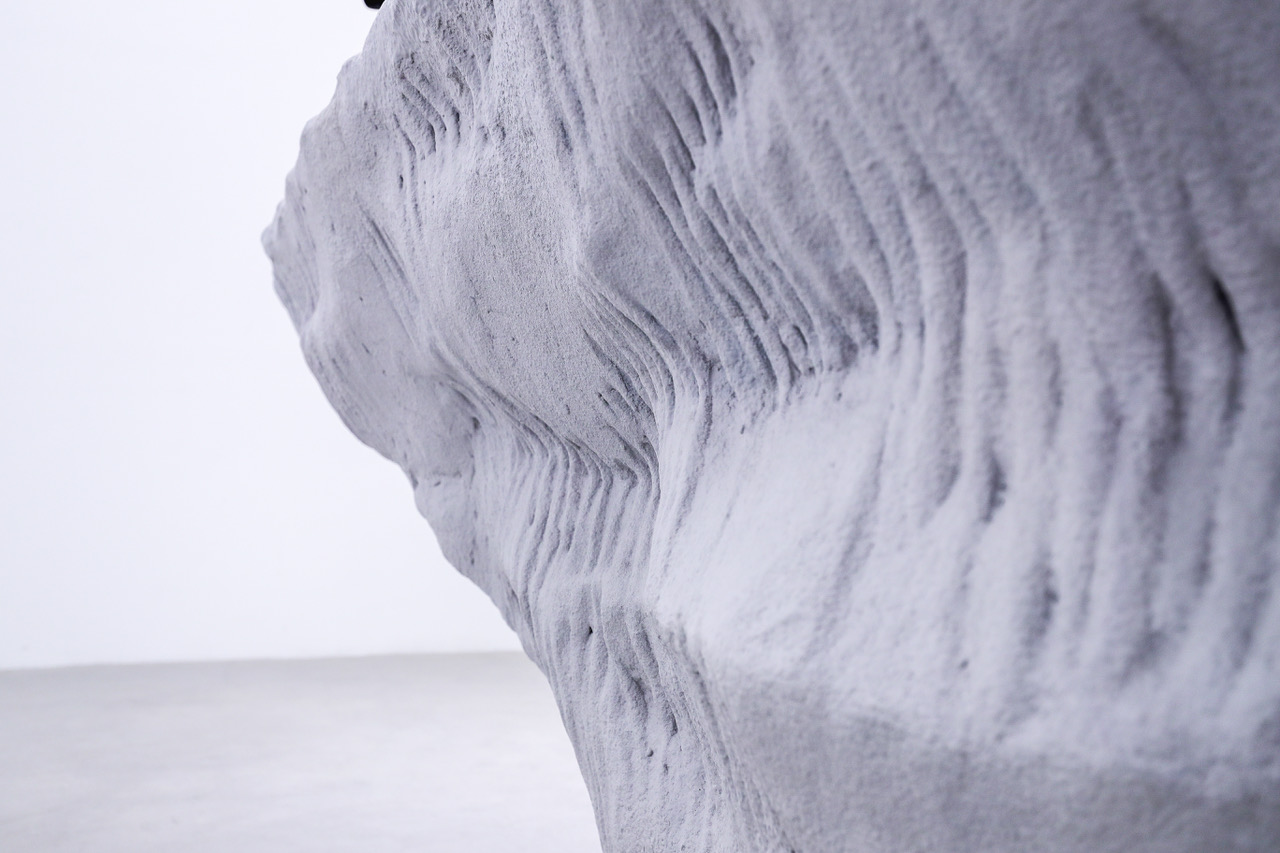
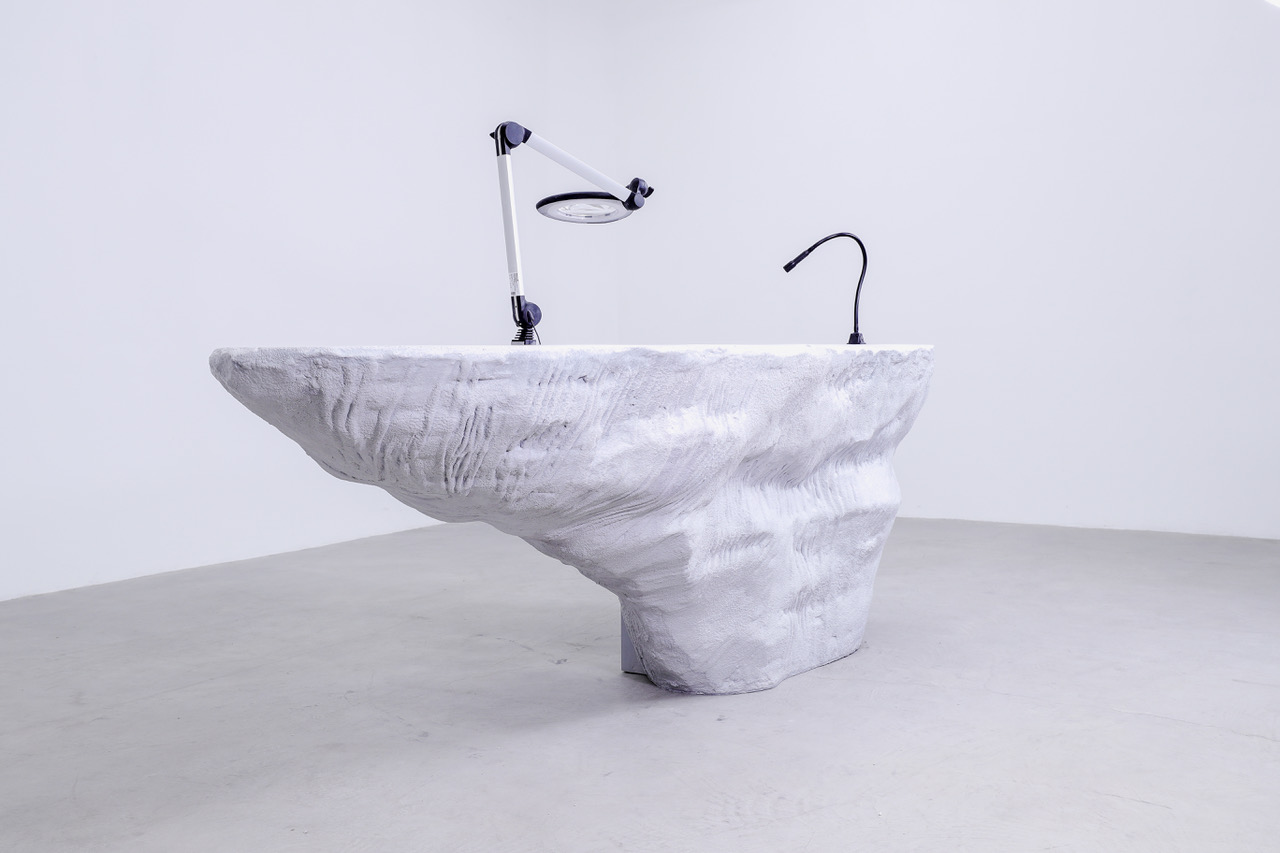
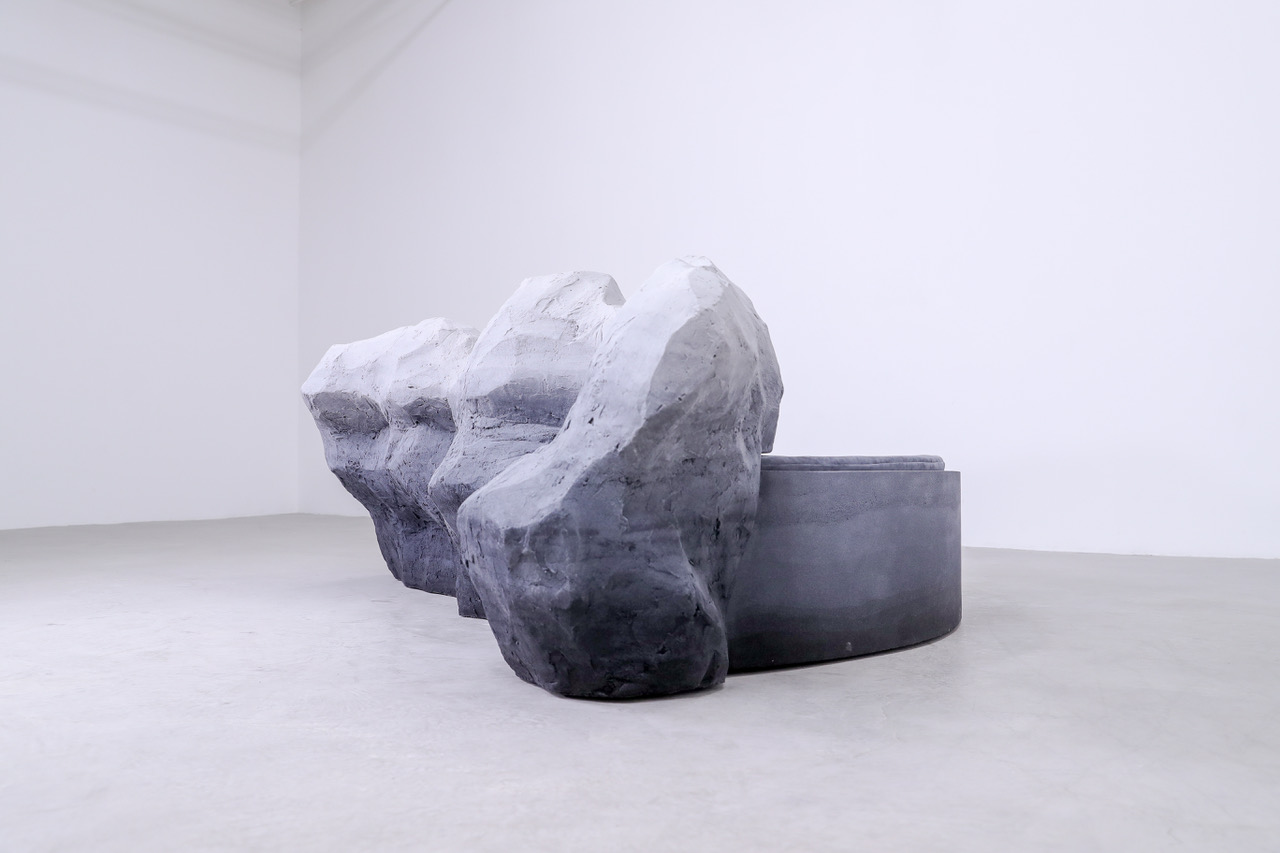
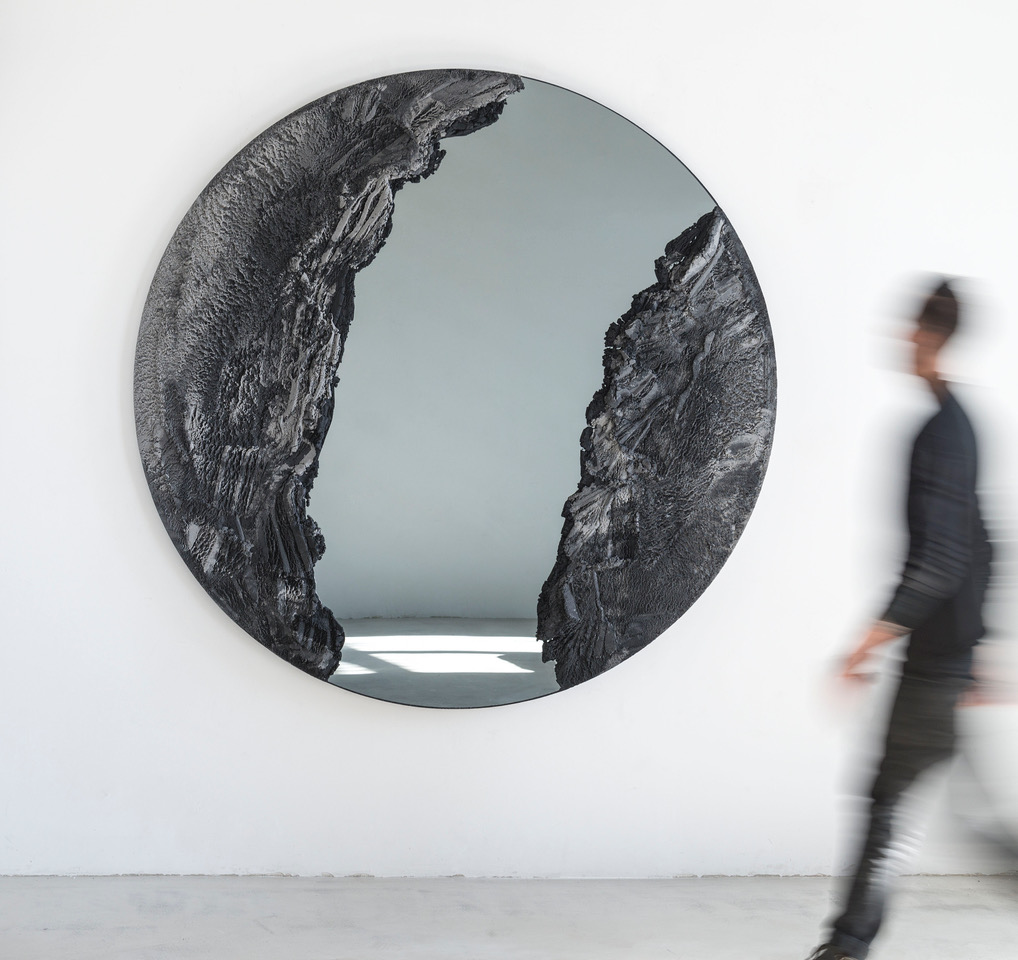
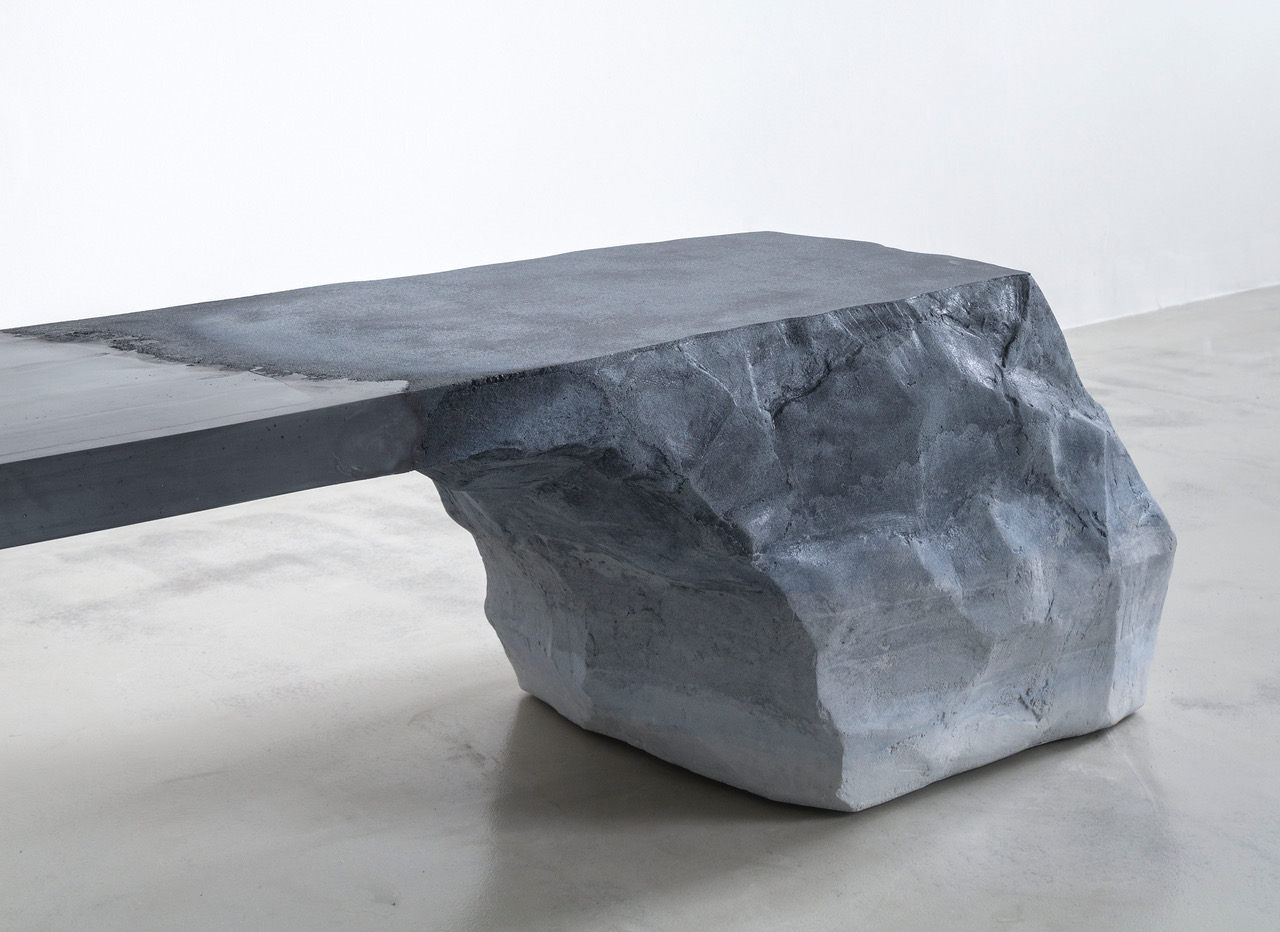
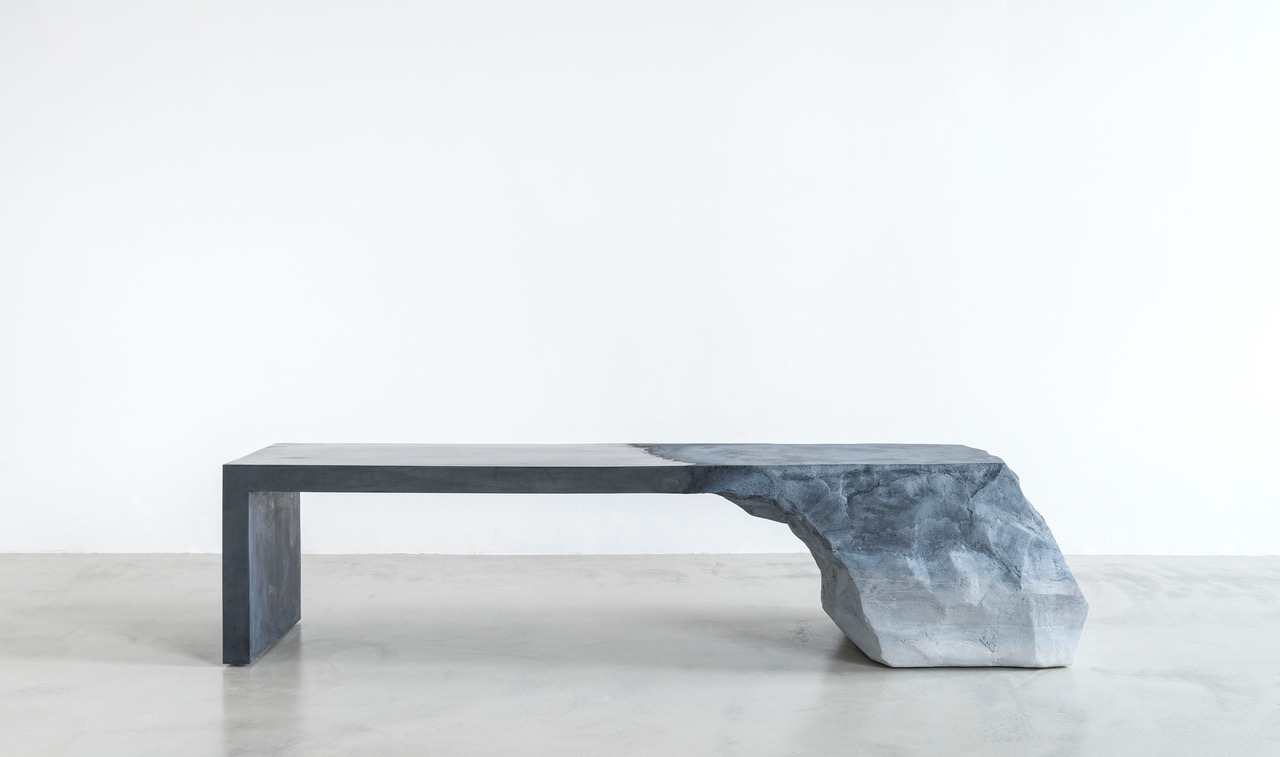
Fernando Mastrangelo has built a language out of matter itself. His works, carved and cast from materials like sand, salt, powdered glass, and sugar, blur the boundary between sculpture and design. Each object becomes a meditation on time, landscape, and transformation—a reflection of how the natural world and human emotion can coexist in a single form.
In this conversation, Mastrangelo revisits the journey that shaped his practice, from his formative years in Mexico and Argentina to his time in New York under the mentorship of Matthew Barney. He speaks about the moment he discovered sculpture, the discipline it demanded, and the philosophy that continues to guide his studio today.
What emerges is a portrait of an artist who treats material not as a medium but as meaning itself. For Mastrangelo, creation is both process and philosophy—a dialogue between nature, the body, and the built world, where every grain and surface holds memory.
An Interview with Fernando Mastrangelo
By Carol Real
You spent a few years of your early childhood in Argentina and Mexico before moving to US. What is your deepest childhood memory?
My deepest childhood memory is of spending my days in the Marco Museum in Monterrey, Mexico where I grew up. The famous Mexican architect Ricardo Legorreta designed the space and I remember being enchanted by its beauty and how the art resonated inside the space.
Who were your early influences?
My early Influences are Matthew Barney, Anish Kapoor, Richard Serra, Frank Stella, Richard Deacon.
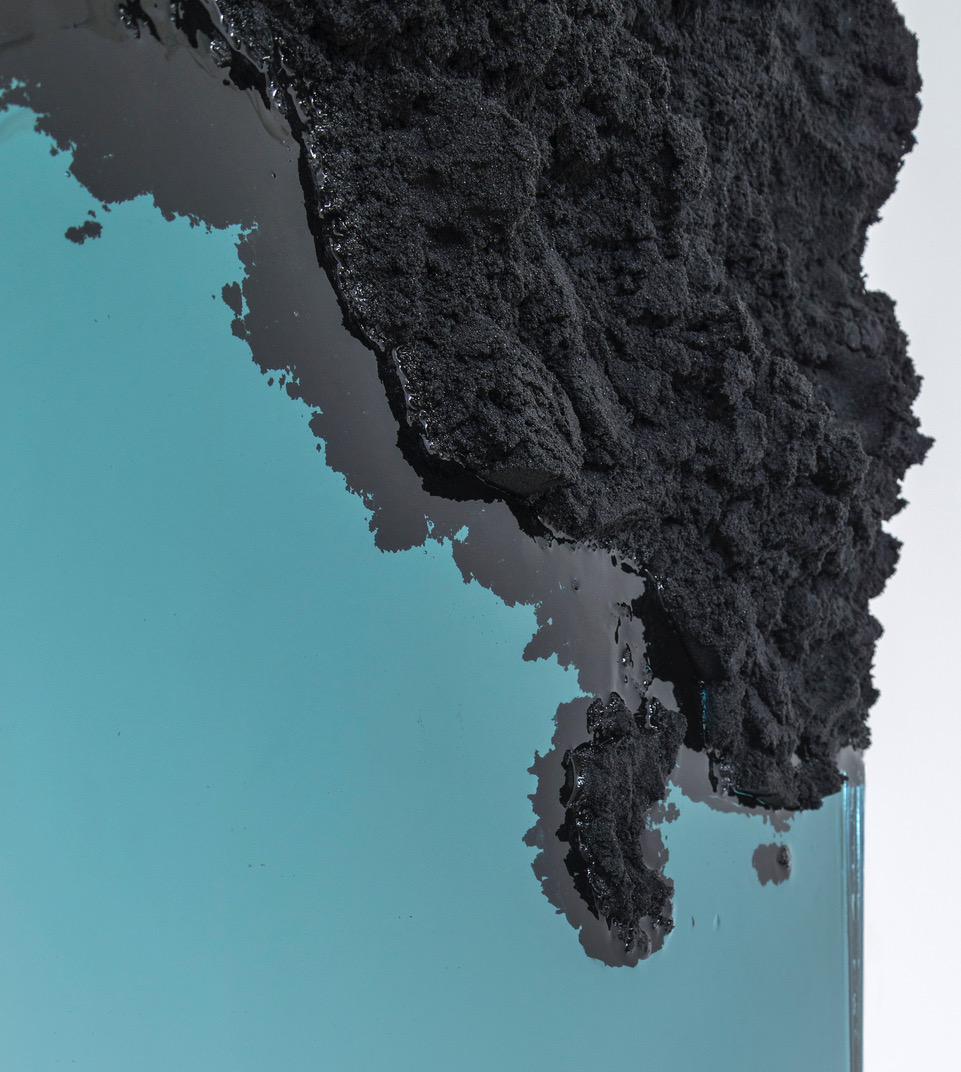
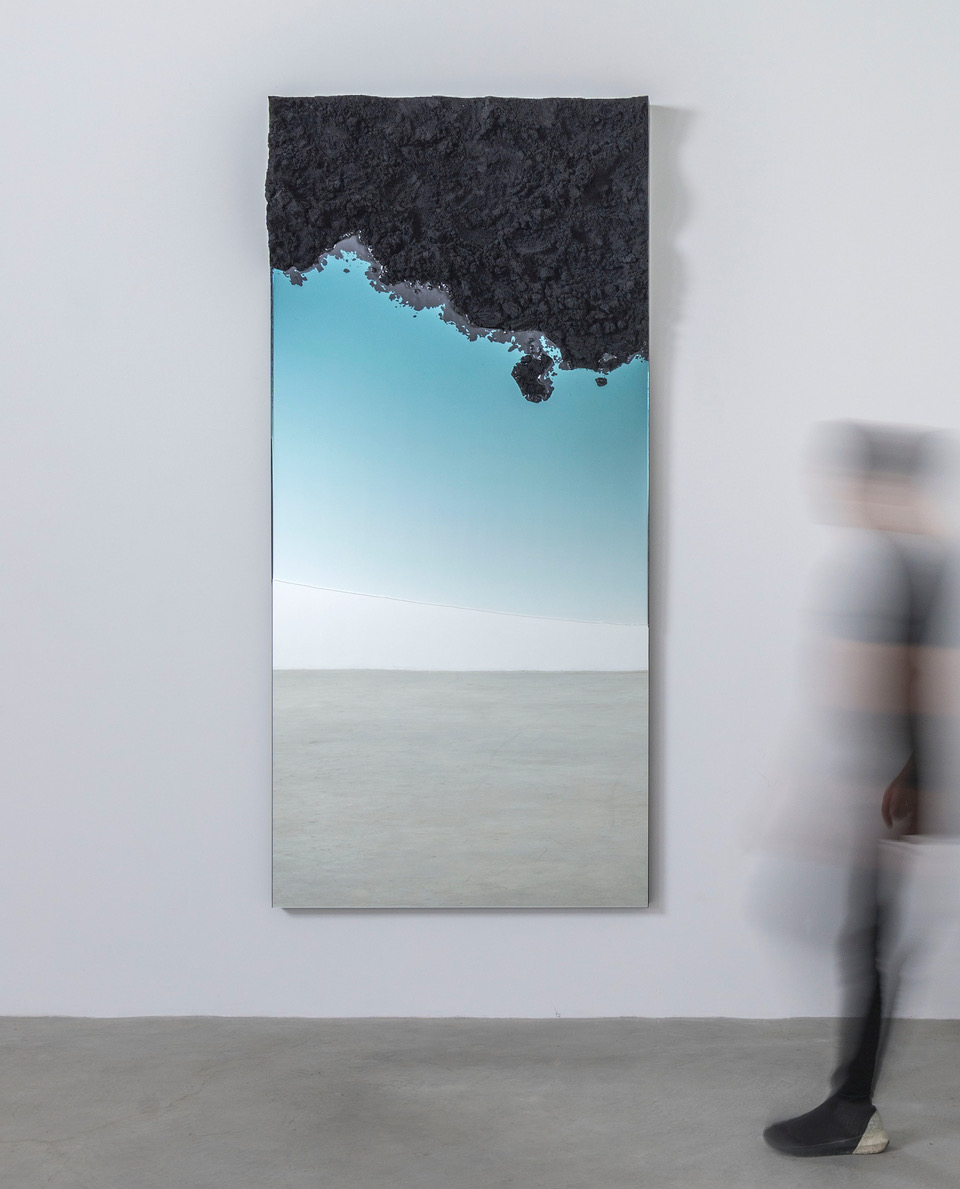
How do you compare the very different artistic terrains and the influence they have on you?
The resounding quality that all those artists share and that I’m also trying to accomplish is, scale. I have always admired studios that make large scale sculptures. I also love that they all use metaphor to imbue their work with meaning. I think I strive for that in my work.
How would you describe the evolution of your work?
Copies, copies, copies, copies, copies, and then the “Aha” moment happened. That’s when I made my first sugar cast sculpture. After that day, I knew that materials would be at the center of my practice and today, as I make furniture, those materials have defined my language, my voice, and my ideas.
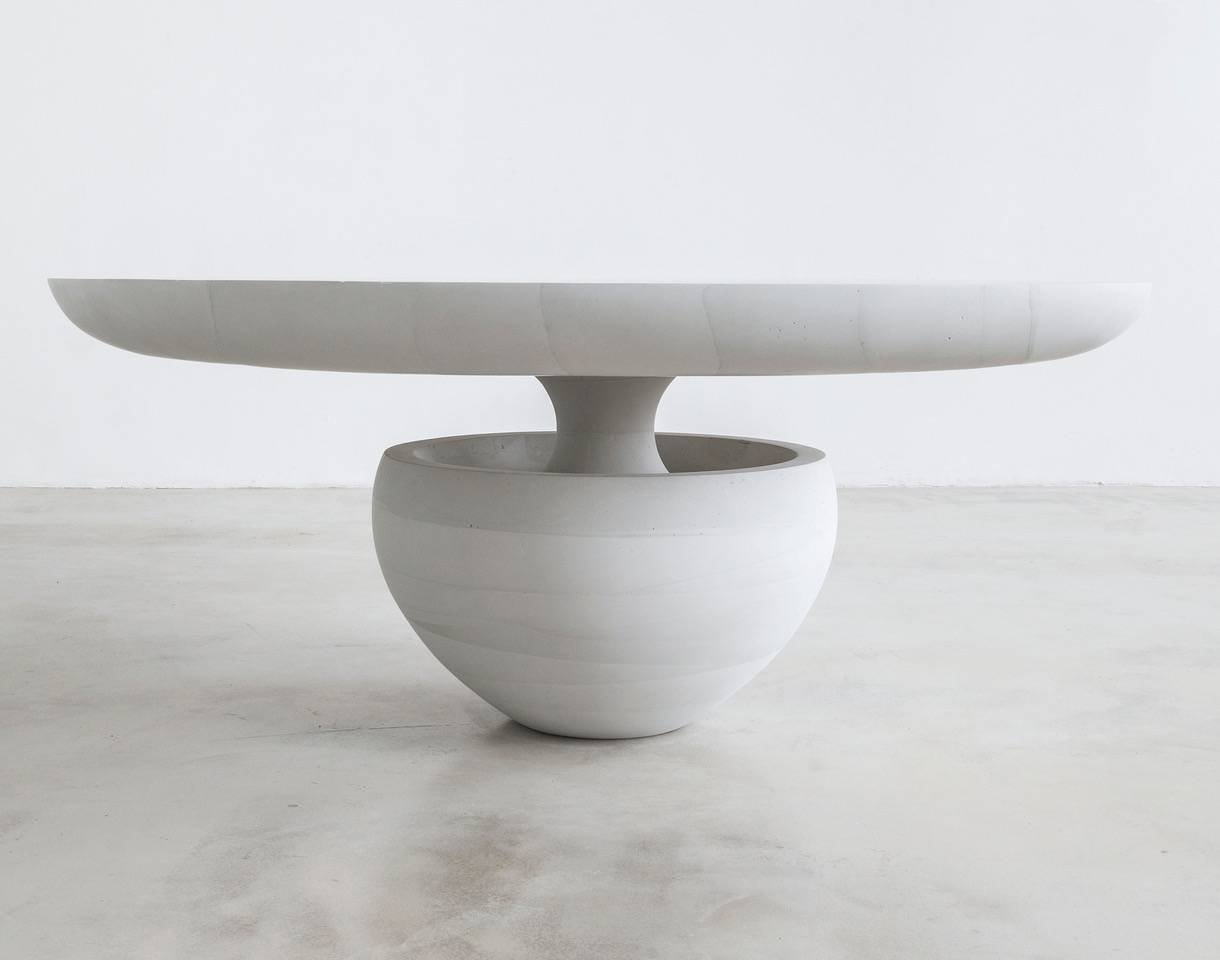
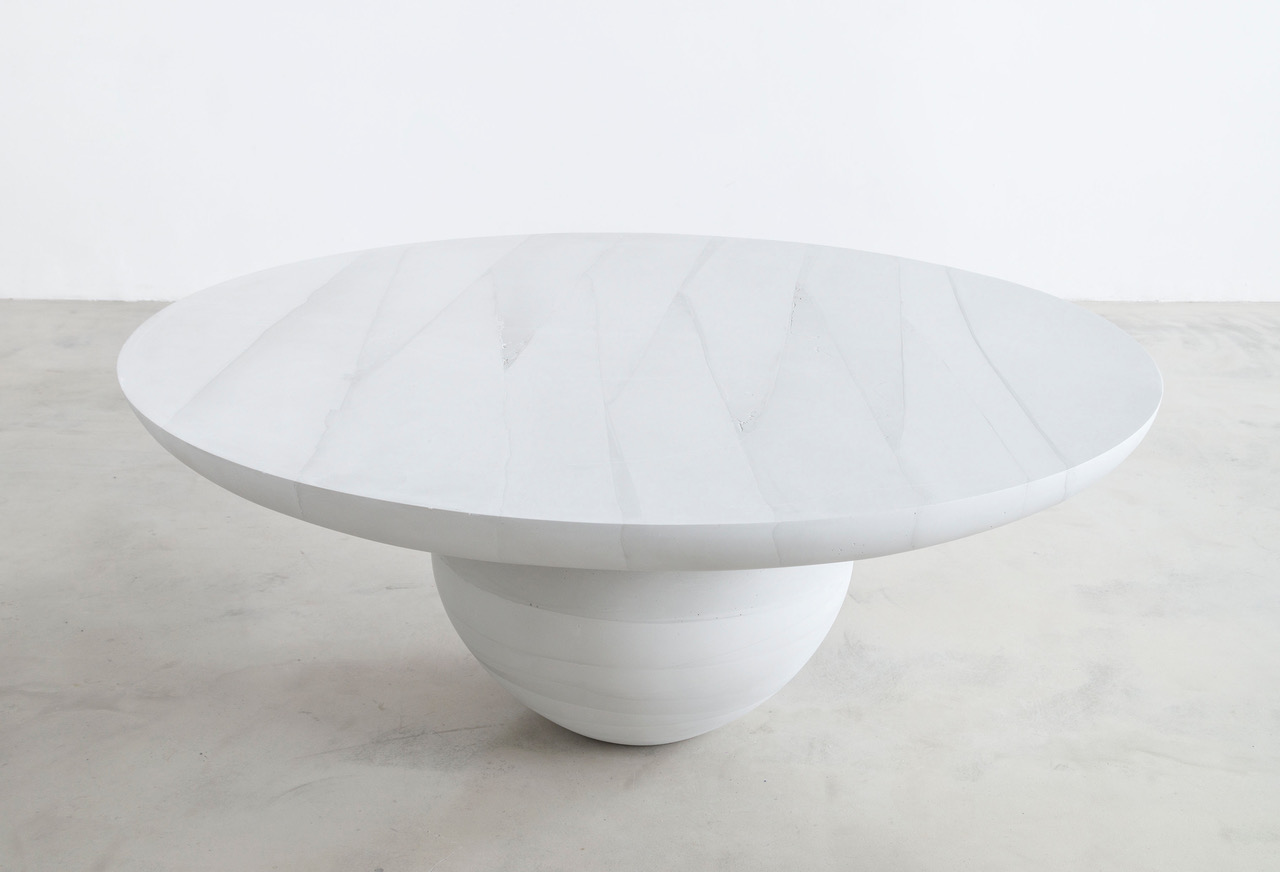
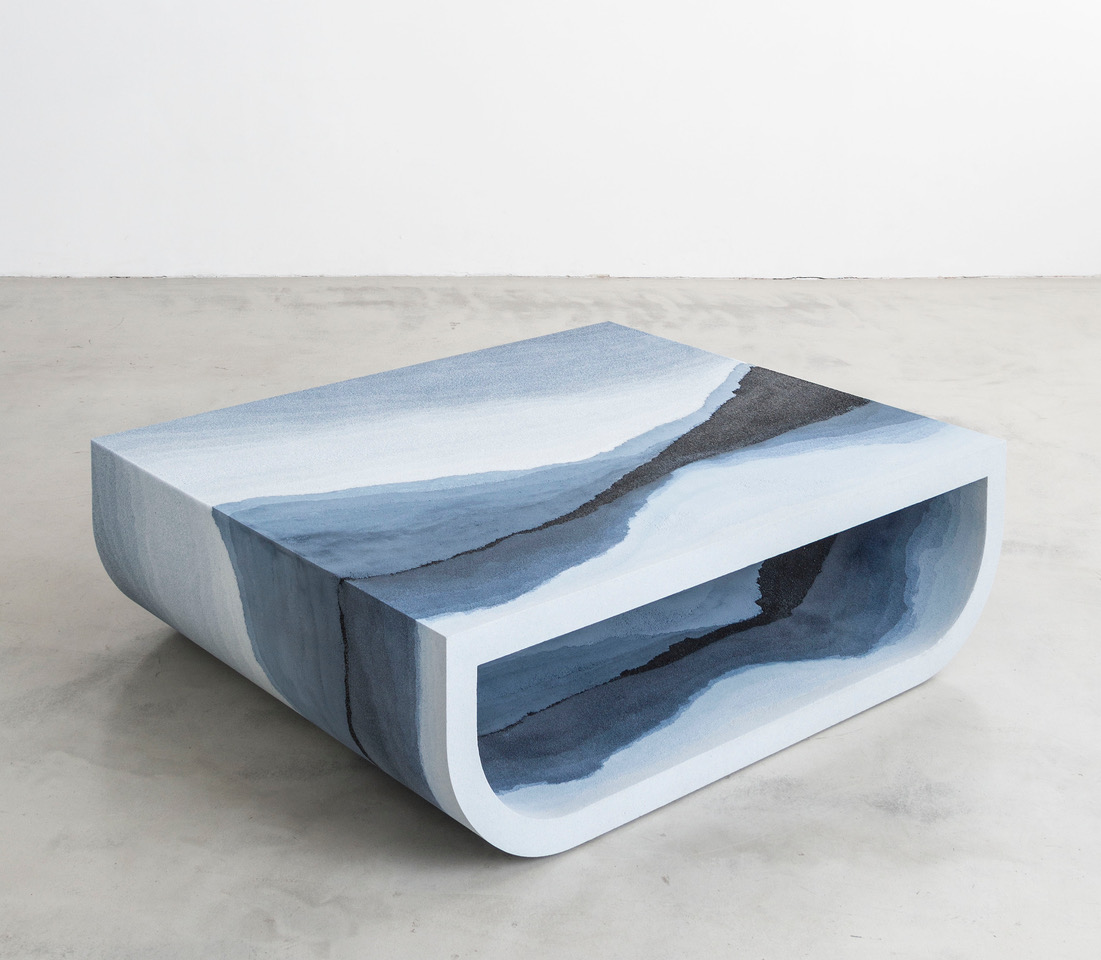
Which medium or material do you like working with the most? What techniques do you employ to get the results you want?
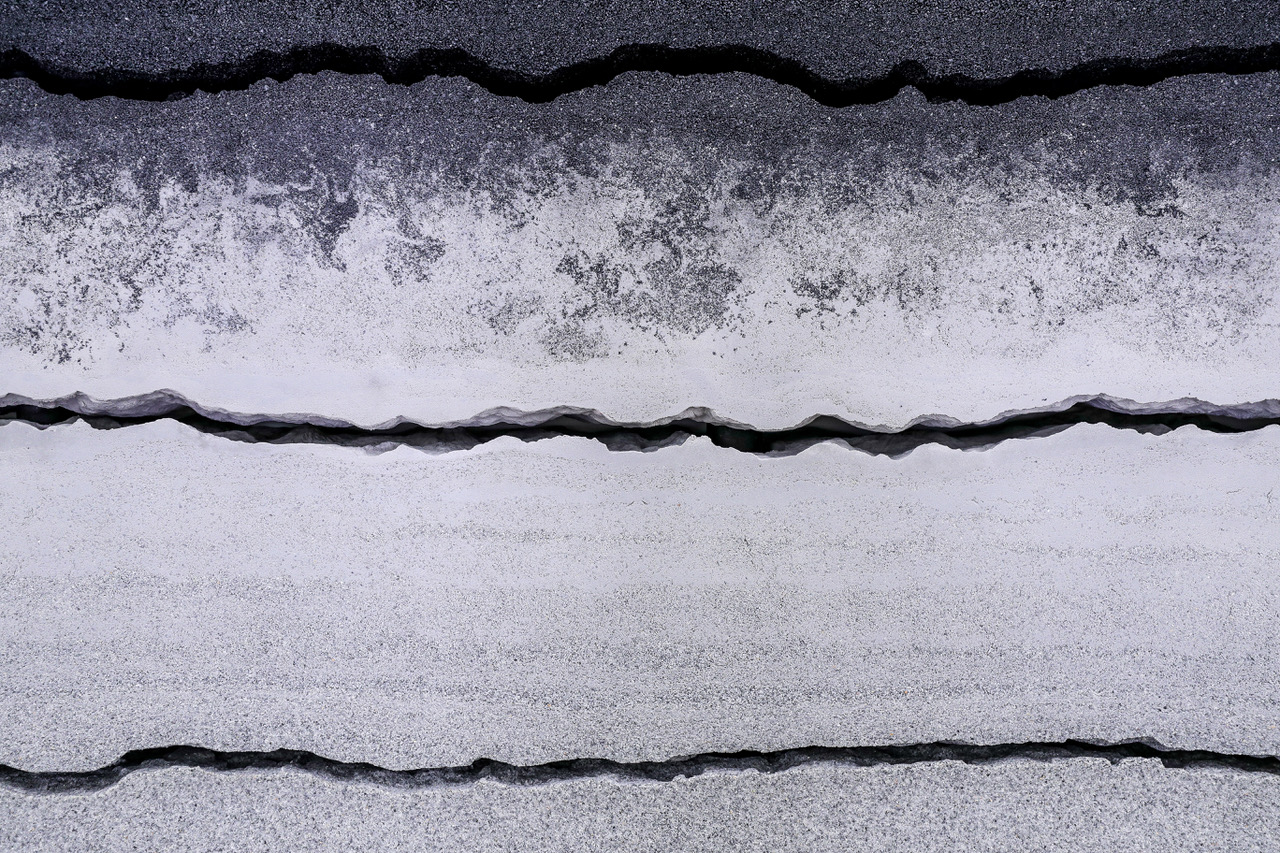
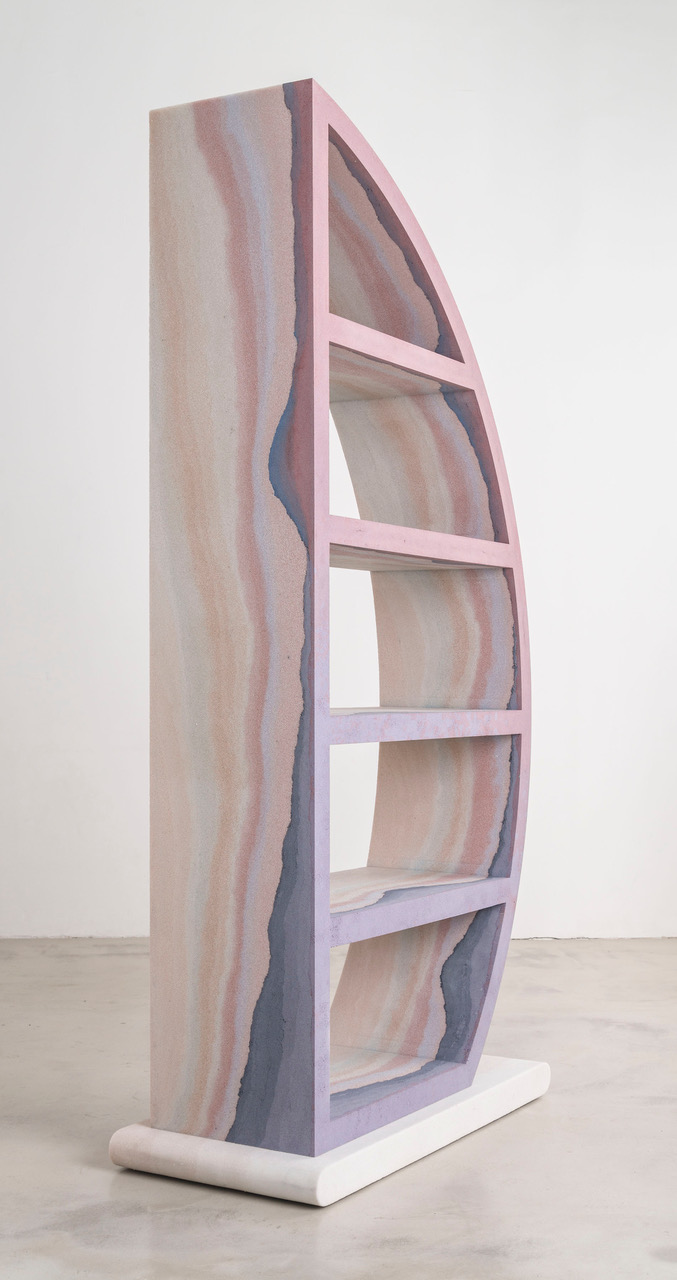
I love powdered glass. I can scrape, rake, press, push, pack, ram or crush the material into landscape paintings or three dimensional furniture objects. We can make it any color and it’s extremely archival.
How did you first come up with the idea of creating sculptures with diverse materials, such as sugar, corn, human ash, gunpowder, illicit drugs, concrete, salt, sand, coffee, glass, and cement? What is the best part about creating art using various organic and non-organic art materials?
It was in 2006 and I was making a sculpture about Brazil, whose main export is sugar. I wanted to use sugar to make the sculpture, so I started experimenting. I think of three things when making a piece, FORM, CONTENT, MATERIALS. When those three elements are in harmony, the possibilities become limitless. So, I choose a piece of content I want to discuss and then I choose the form and the material to best express that. The best part of using these materials is that they’re unexpected.
Your functional pieces are astonishing. How do you ensure that you incorporate aesthetics into objects of everyday use?
Thank you! I don’t think I have any other way to think, I have been involved in aesthetics since I was a child, I only see things that way.
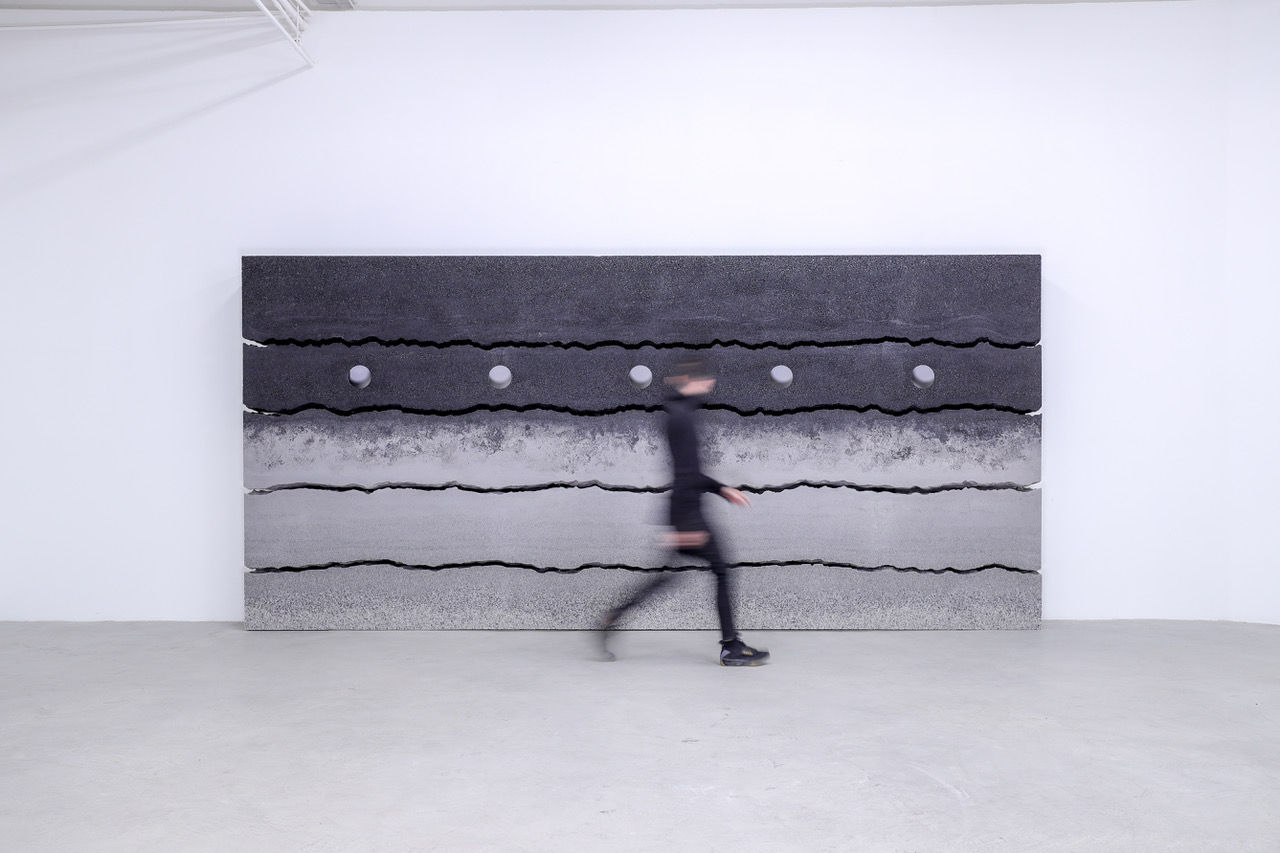
How was working with an artist you admire, Matthew Barney?
It changed my life. I often think about those days especially since I have such a young team of sculptors here too. I learned a lot about how to manage large projects, and of course got to see how Barney got his ideas to come to fruition.
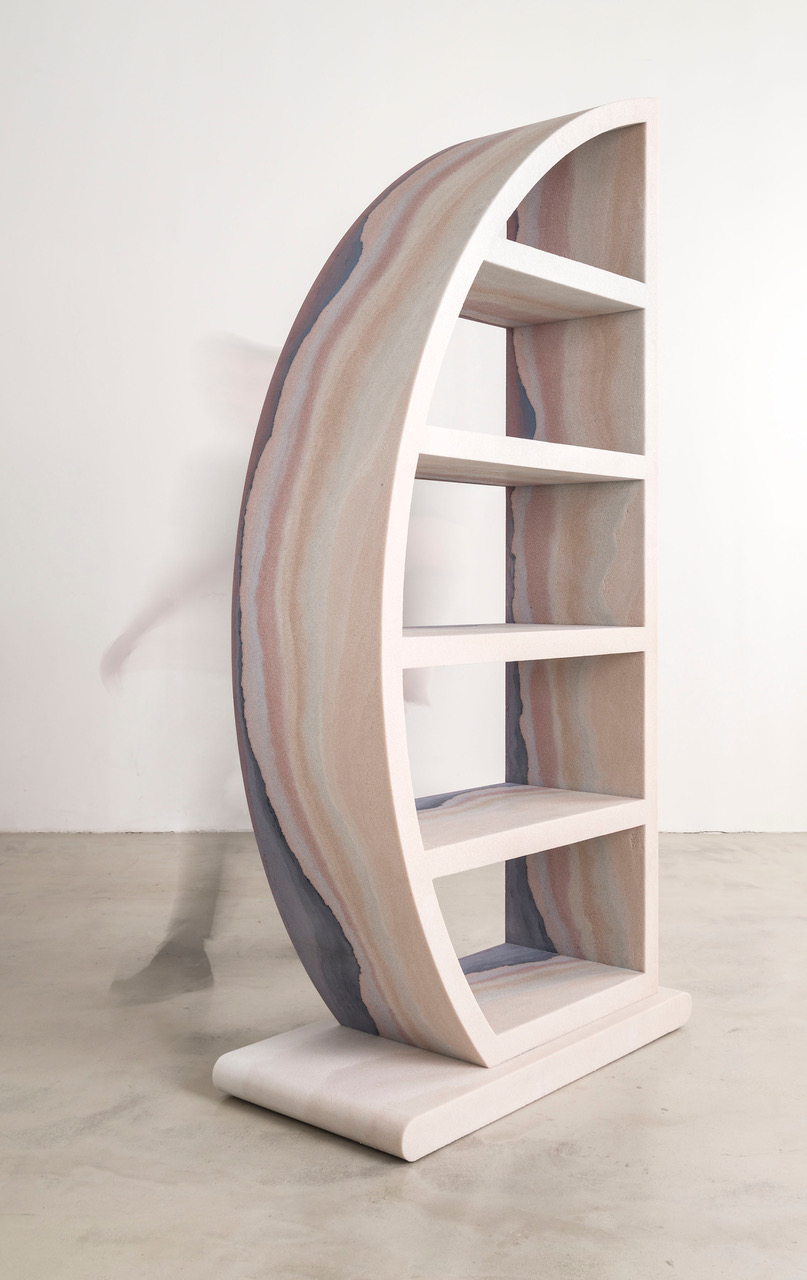
What work of art do you wish you owned?
This changes all the time, so today I would say, a David Altmejd giant.
Is there a new style that you’re working on or considering?
I have a landscape series that I’m working on, inspired by contemporary footwear.
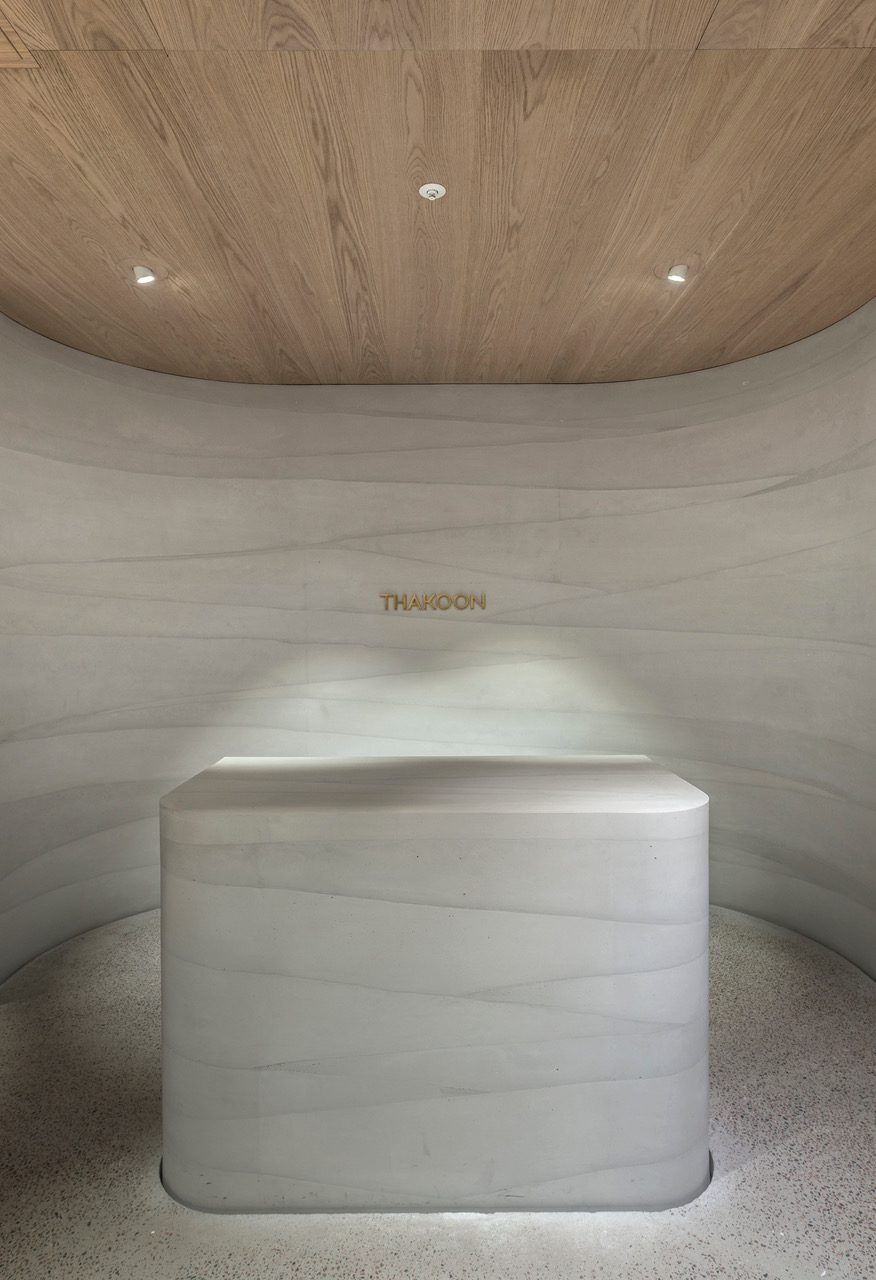
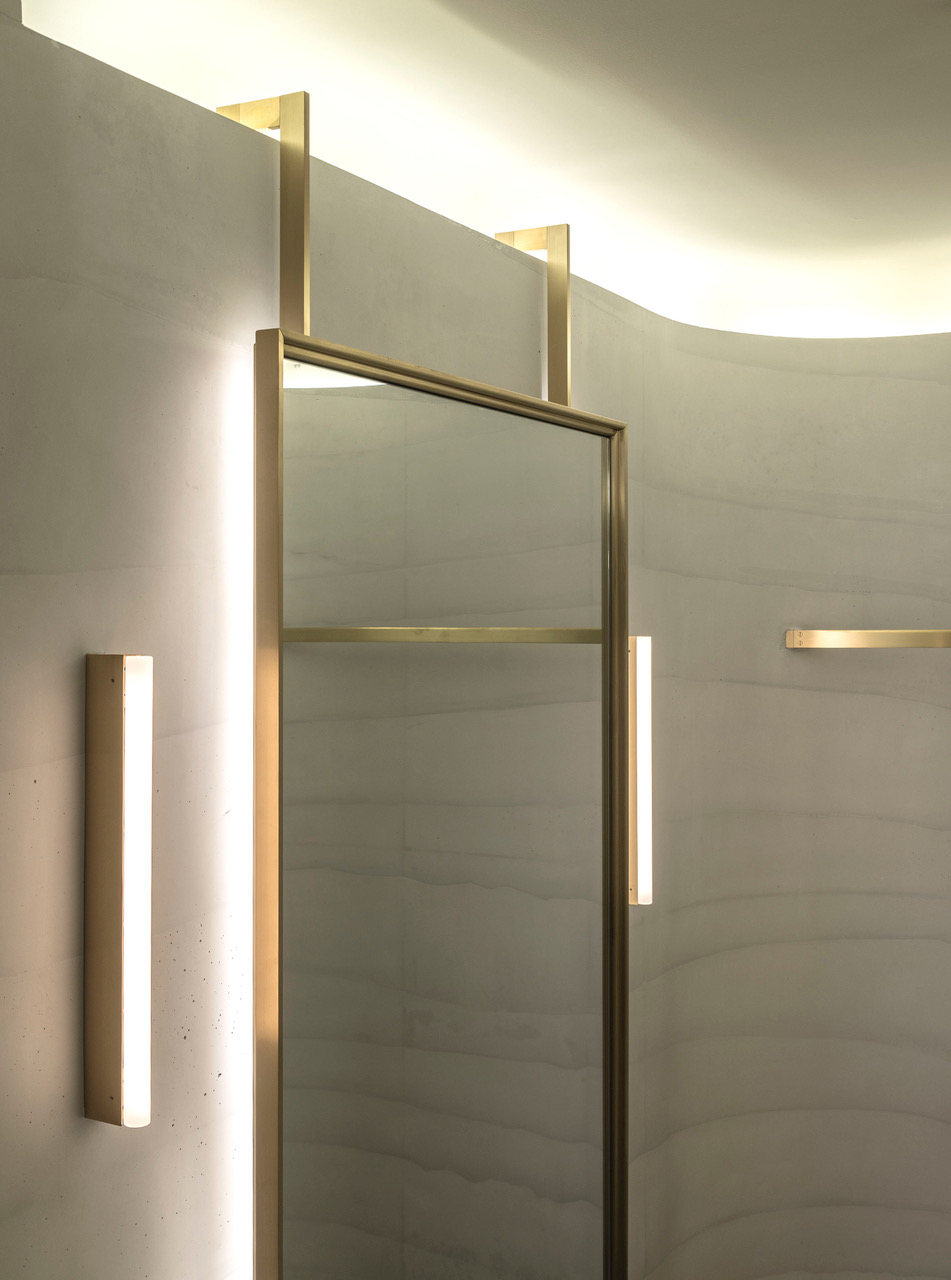
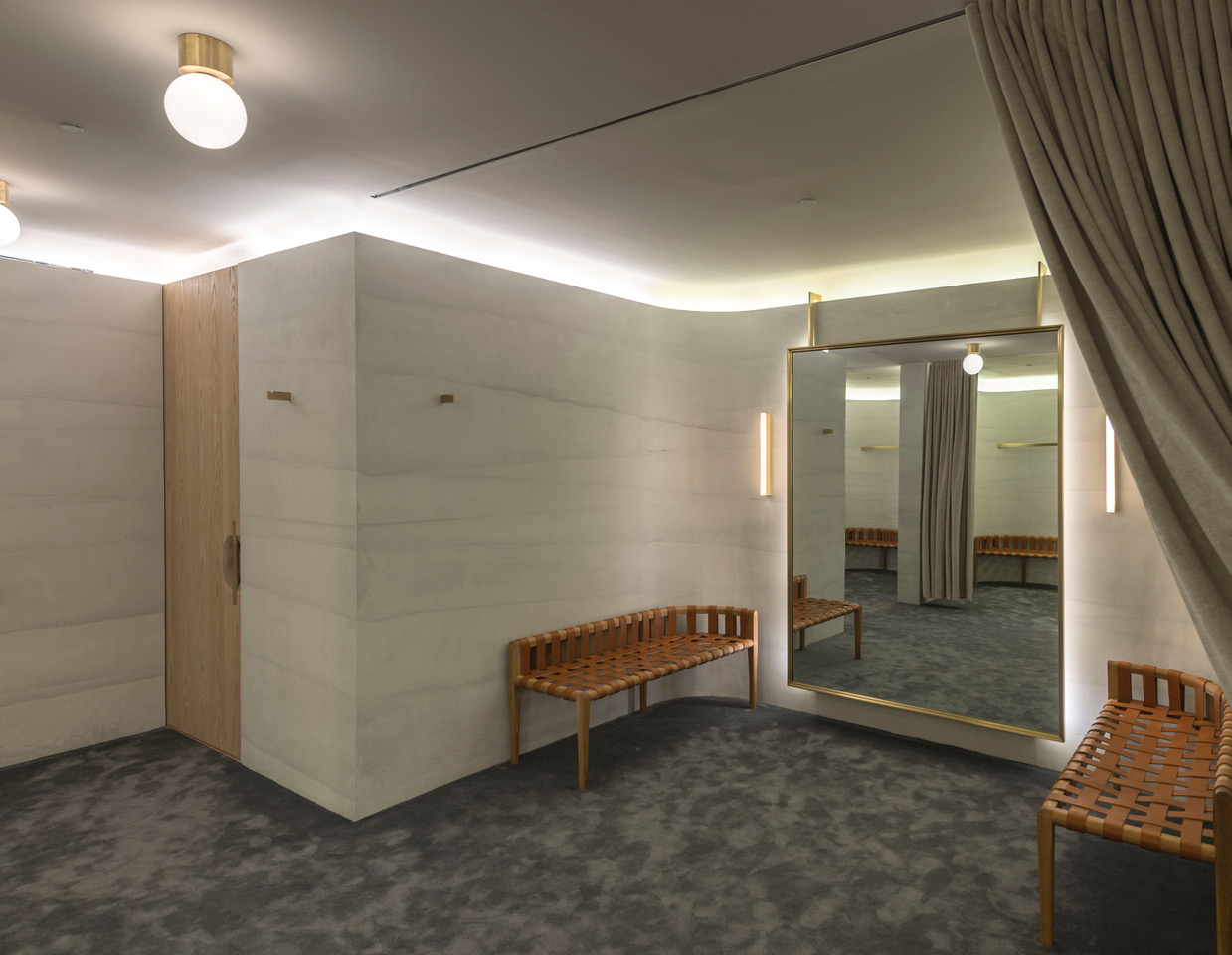
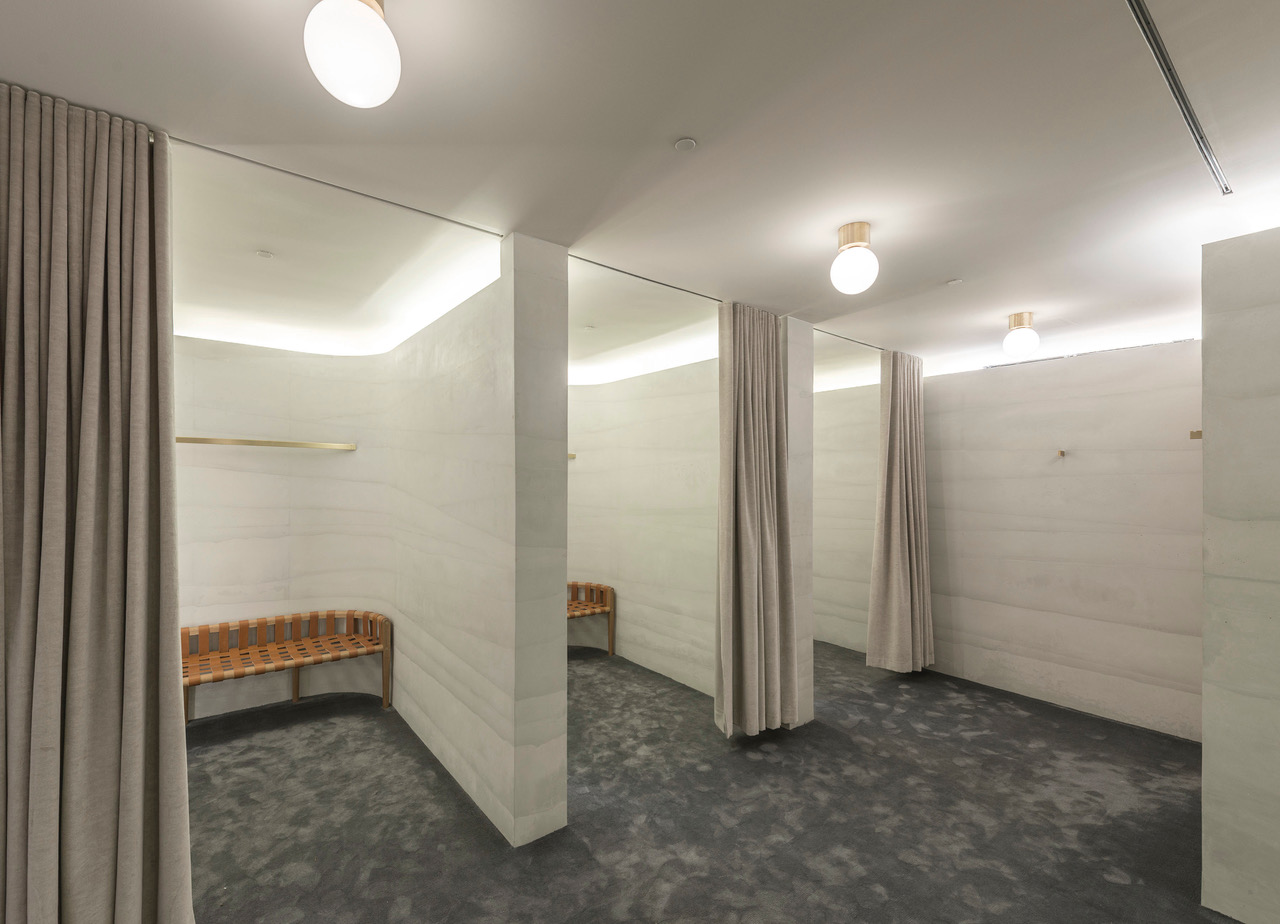
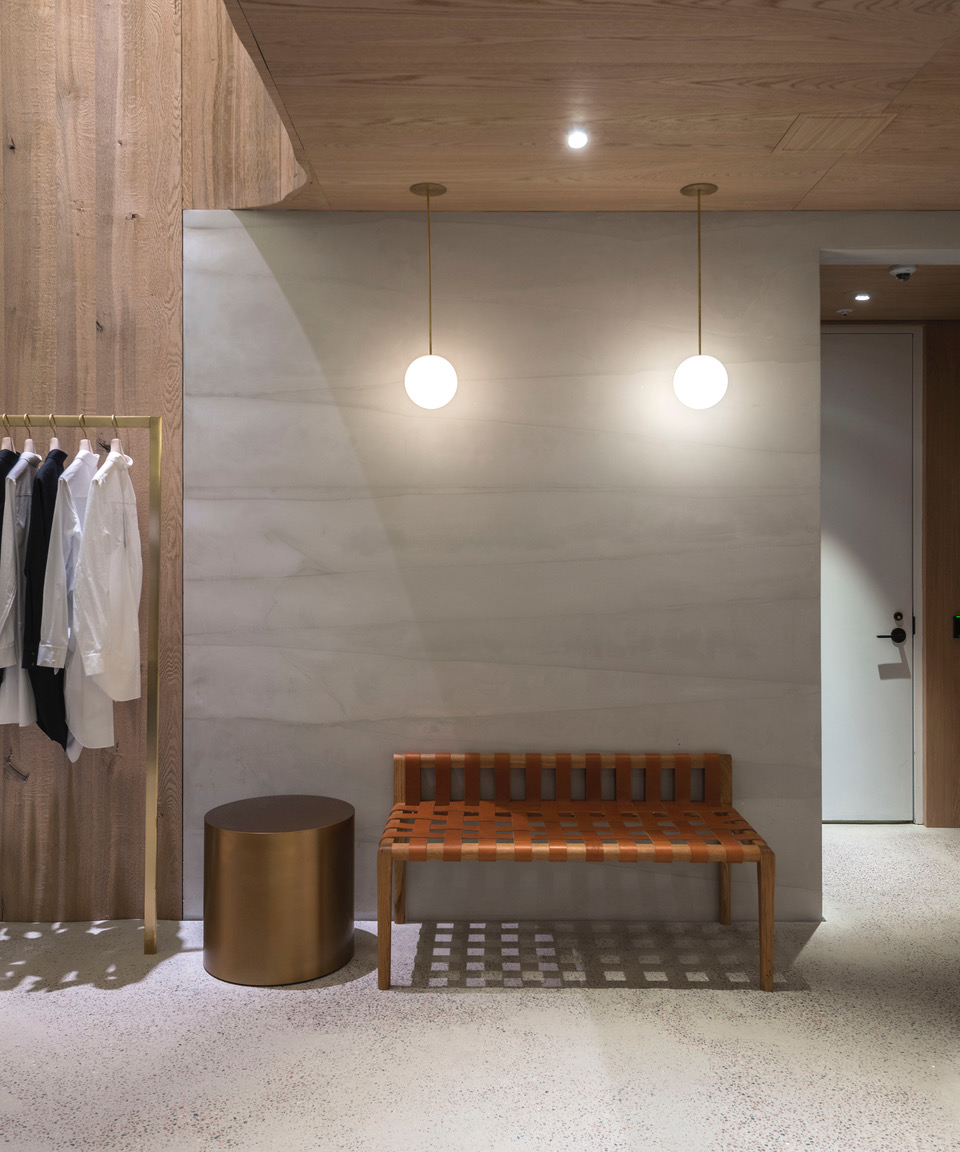
You are young and have reached a high success in your career. Your sculptures and designs are in homes of notable collectors and you have worked for important brands such as Thakoon, Dior, and Stella McCartney. What does success as an artist mean to you?
I don’t feel successful in my head. I understand that having a large studio, a relatively large team (14) and making a living as an artist is success, and I don’t want to come off as ungrateful, but I have worked non-stop from the day I went to college (1998). I gave up my twenties to make sculpture, I spent my early 30’s struggling because I hadn’t landed a great gallery that could support me fully. 5 years ago, things changed, after 10 very hard years, my work tipped, I started making furniture and thankfully I was mature enough to manage the rapid growth of the studio and had the chops to sustain it all until I could afford a team. So, success is more internal for me, success is surviving the insanity of working in a tough city like New York and somehow not ending in total catastrophe.