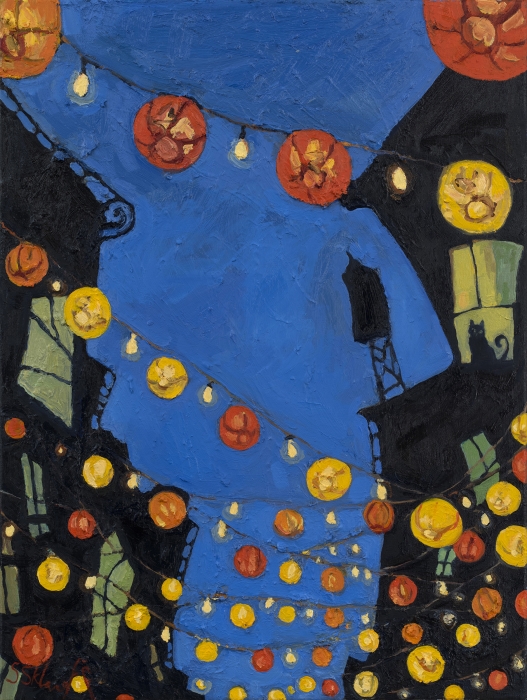
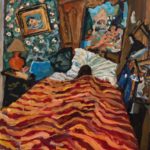
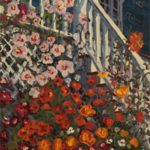
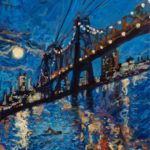
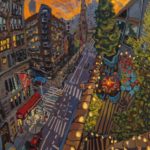
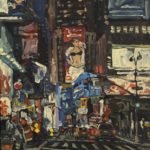
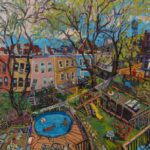
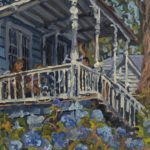
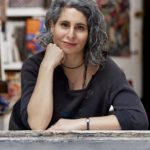
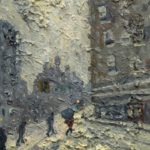
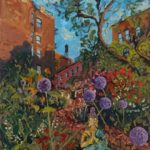
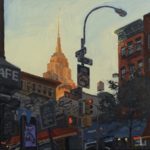
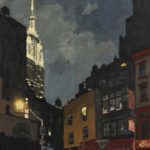
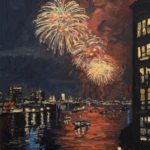
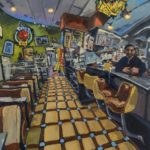
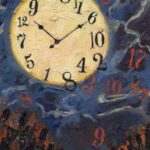
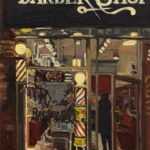
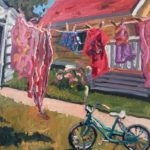
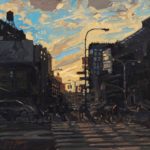
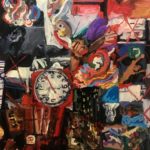
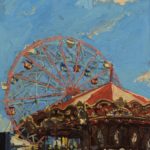
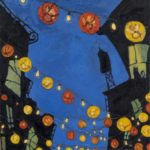
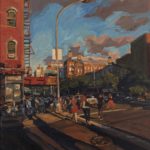
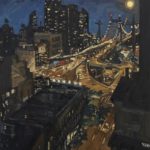
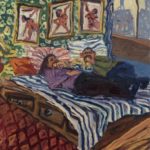
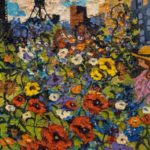
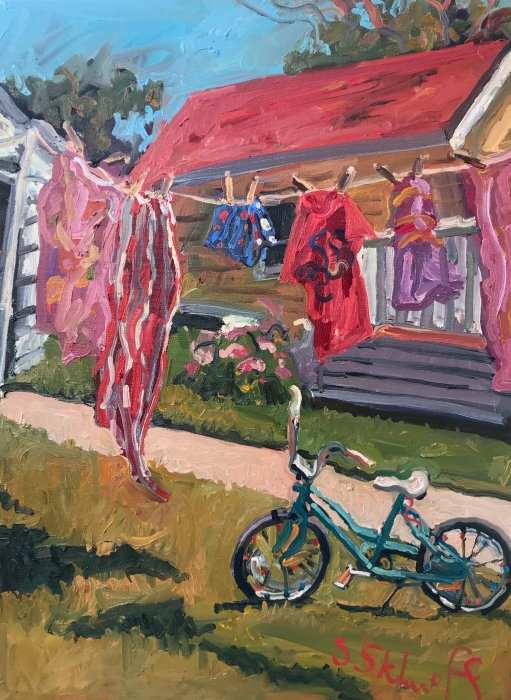
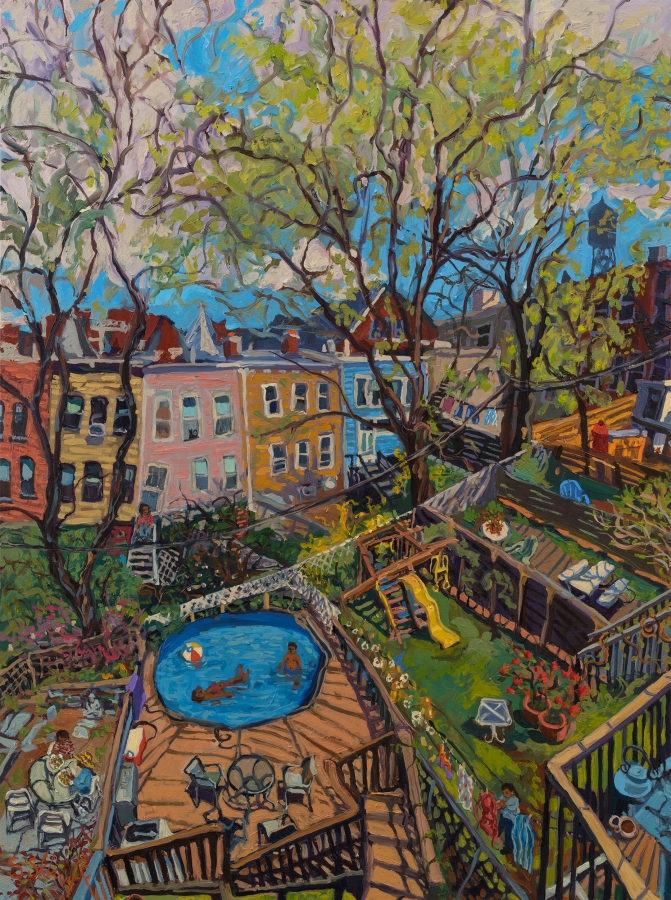
Sonya Sklaroff’s paintings capture the poetry of ordinary life. Known for her expressive depictions of urban streets, intimate interiors, and vibrant cityscapes, she transforms overlooked moments into compositions rich with emotion and light. Her distinctive balance between realism and whimsy reflects a deep appreciation for the everyday world—the small gestures, quiet corners, and fleeting instants that often go unnoticed.
Based in New York City, Sklaroff’s artistic journey began with a classical education in oil painting, anatomy, and color theory, which she has gradually reimagined through a more experimental lens. Her works reveal a constant dialogue between observation and imagination, where perspective bends and color takes on a narrative role. Whether painting a Brooklyn street, a quiet window view, or a memory from her travels, Sklaroff infuses her canvases with personal history, humor, and grace.
In this interview for Art Summit Magazine, she reflects on her evolution as an artist, her ongoing Pandemic Series, and the values that guide her studio practice. She speaks with sincerity about inspiration, discipline, and the enduring beauty of the mundane.
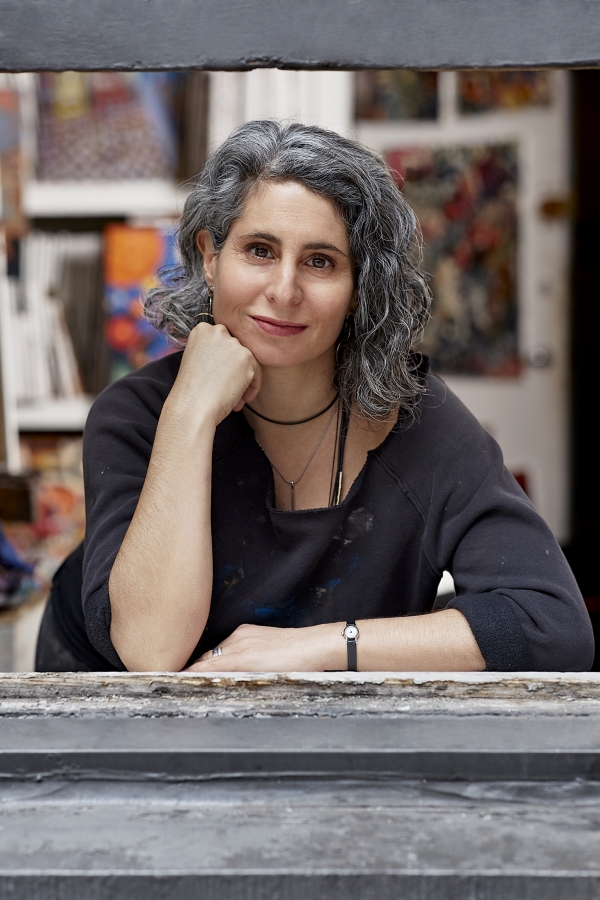
An Interview with Sonya Sklaroff
By Carol Real
Which artists have most shaped your visual language, and how have their ideas or practices stayed with you over time?
Faith Ringgold is a huge inspiration to me. She has worked her entire life honing her craft creating monumental historical pieces. Her style and subject matter are intensely emotional and individual, and her color and compositions are astounding. I was fortunate to have worked with her in graduate school and her words of encouragement and guidance I use daily in my studio practice. The most important advice she offered to me was that it is vital for an artist to express her personal artistic voice.
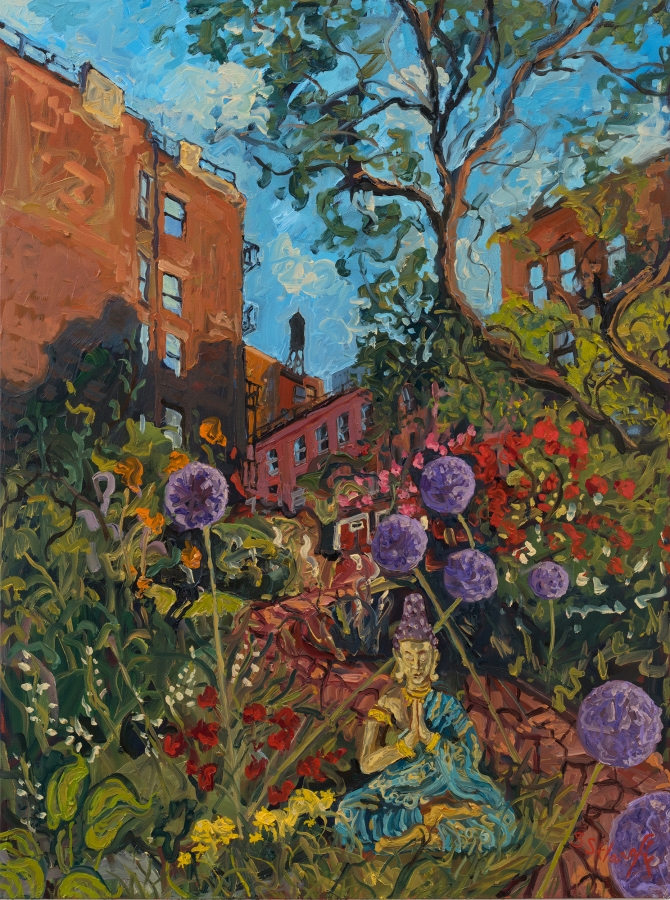
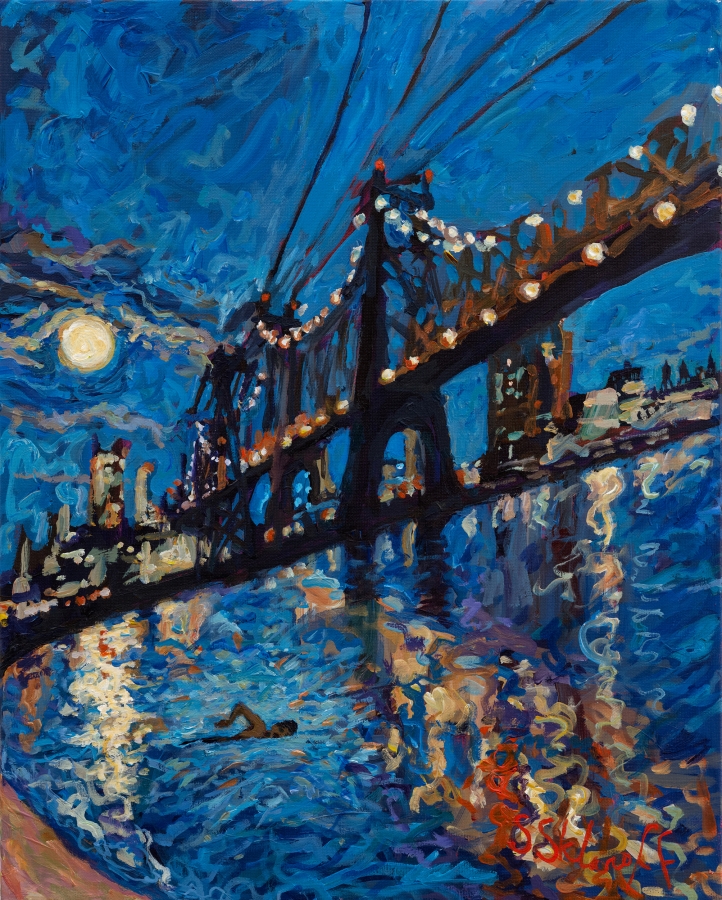
How would you describe your personal iconography, and what motifs or concerns continue to reappear throughout your work?
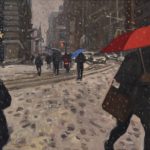
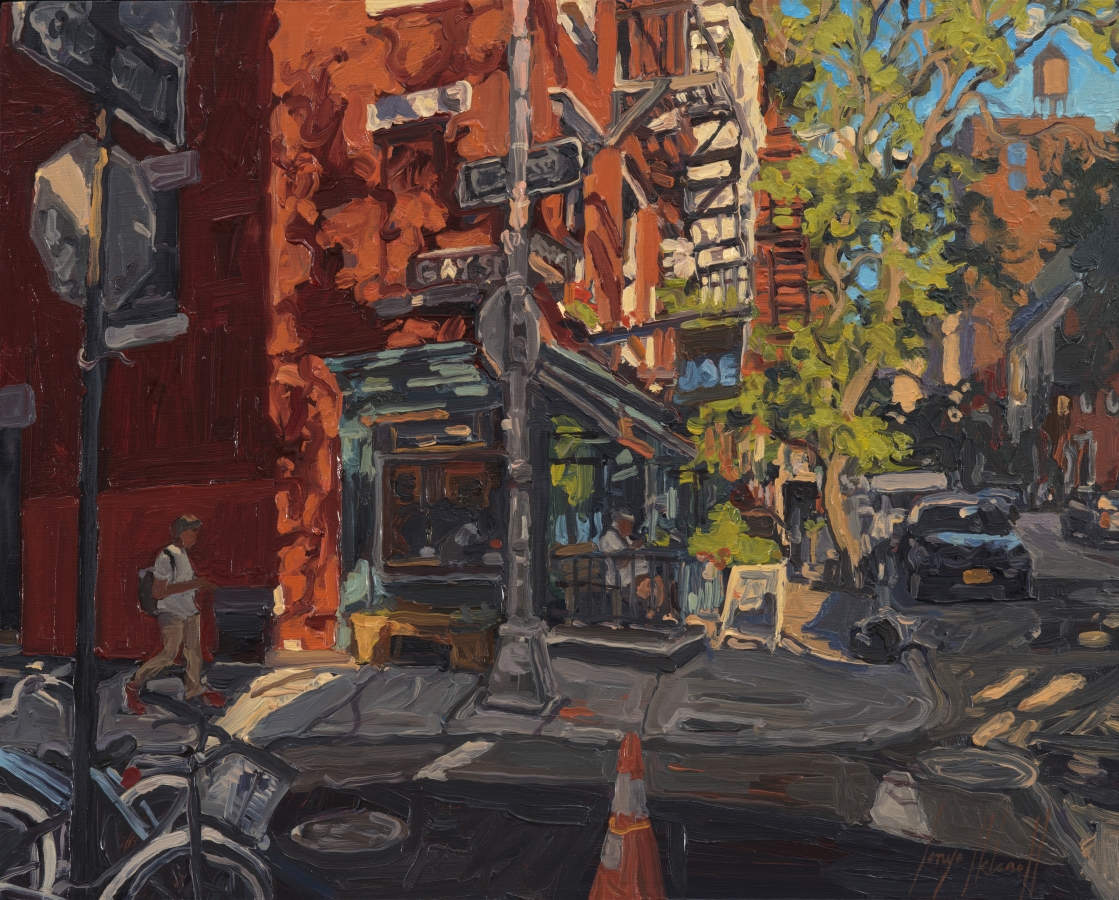
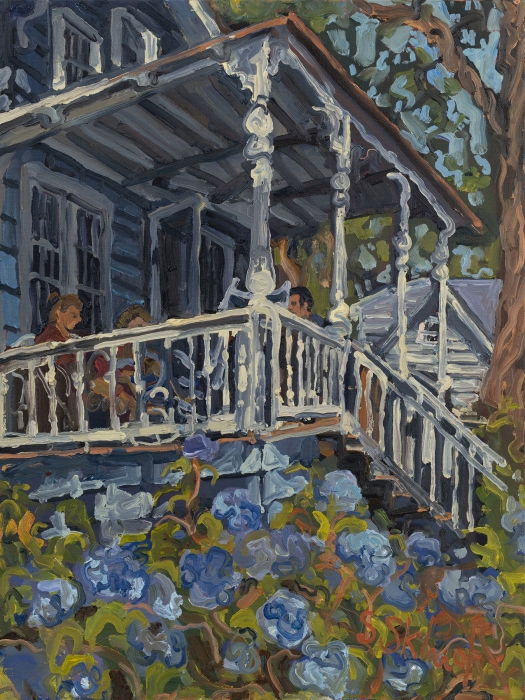
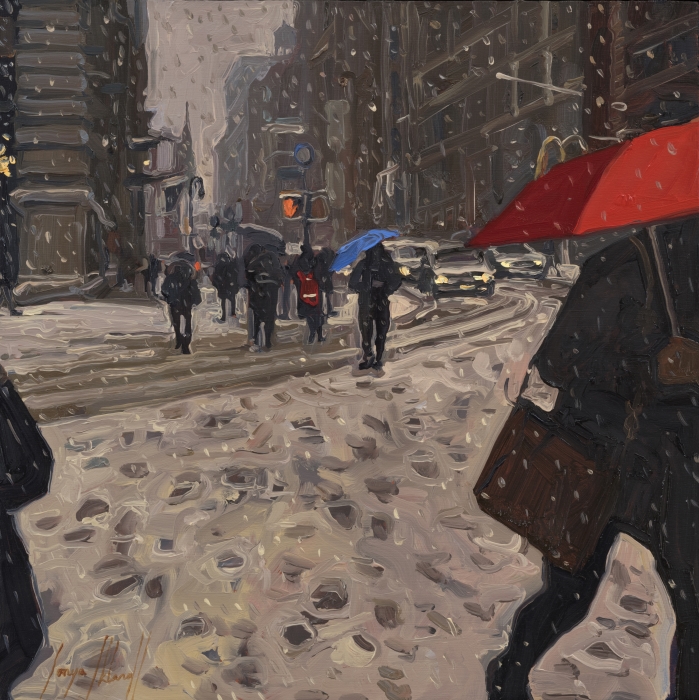
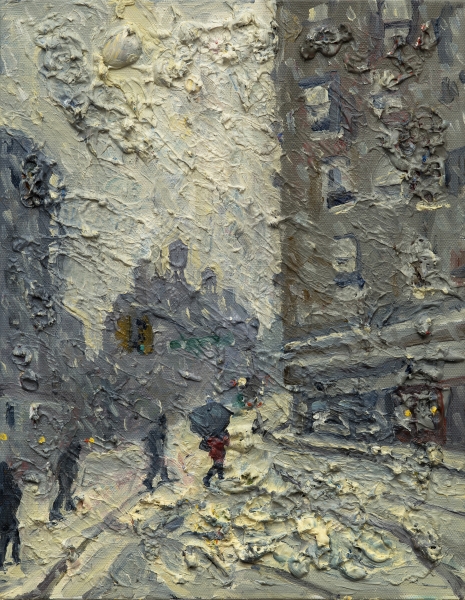
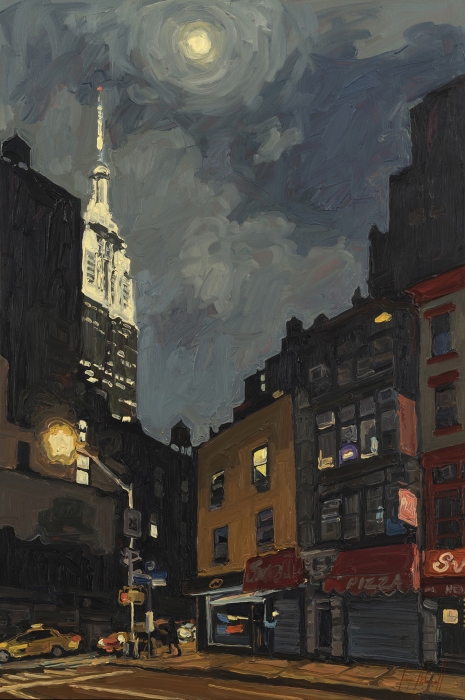
I’ve always found the ordinary to be extraordinary. I remember as a young girl attending a plein air painting course where we visited a beautiful country garden surrounded by colorful flowers. While the other students painted the flowering plants, I ended up painting a broom, a rake, and a garden hose. It was the mundanity of the everyday that fascinated me. Even now, if I’m painting a bucolic landscape, simple architectural details make an appearance in my work. And when I’m painting New York City, it is not the grand skyscrapers that inspire me, but the views of overlooked small streets, intimate mom and pop shops, and people going about their day-to-day lives.
Your training began within a classical tradition. How has that foundation influenced the way your artistic language has evolved in recent years?
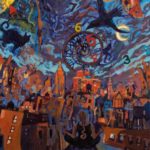
I was trained as a traditional oil painter studying anatomy, color theory, portraiture, plein air painting, perspective, structure, and form. For many years, my work was representational as I attempted to capture the views that I saw before me. In the past few years, my work has taken on a more experimental and whimsical quality. I love to manipulate perspective. I’m adding an aspect of fantasy and imaginative elements, and my colors are more vivid and playful. I’m grateful for my traditional background, but I now feel free to use my skills to express myself in a more personal and evocative manner.
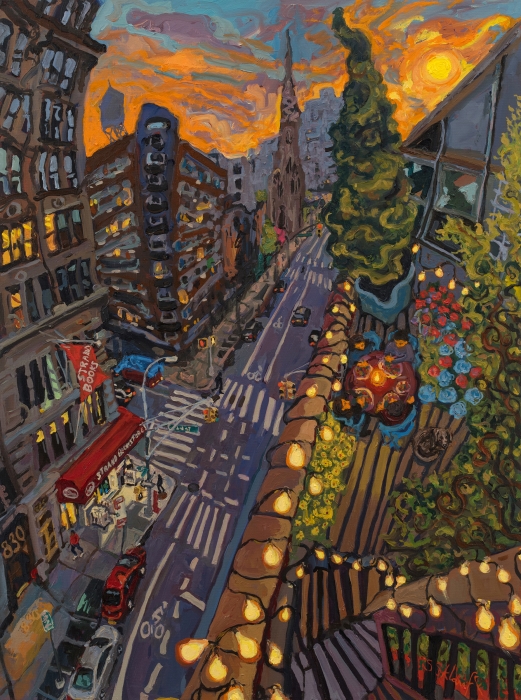
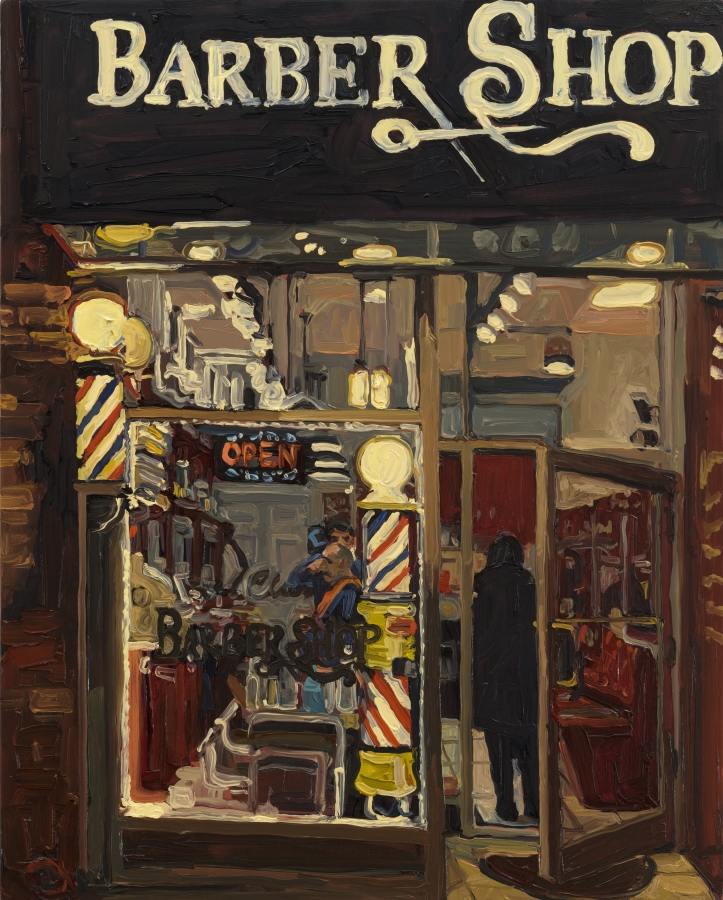
Looking back, is there a particular work or series that feels especially meaningful or defining for you, and why?
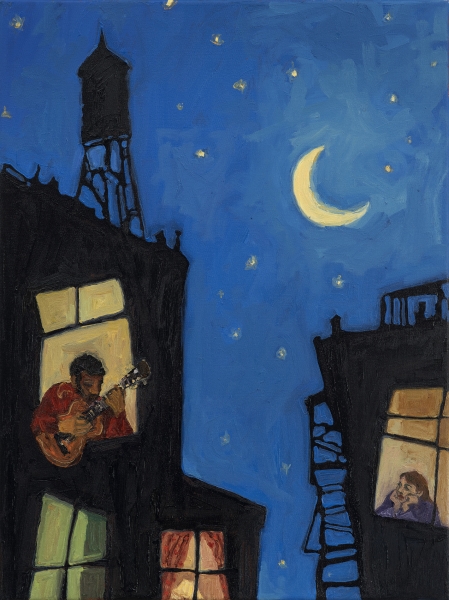
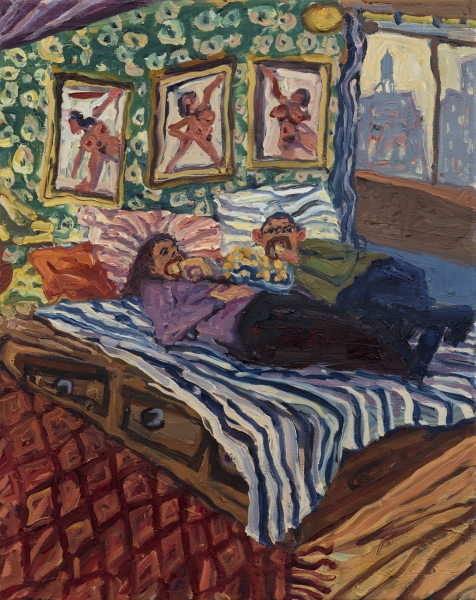
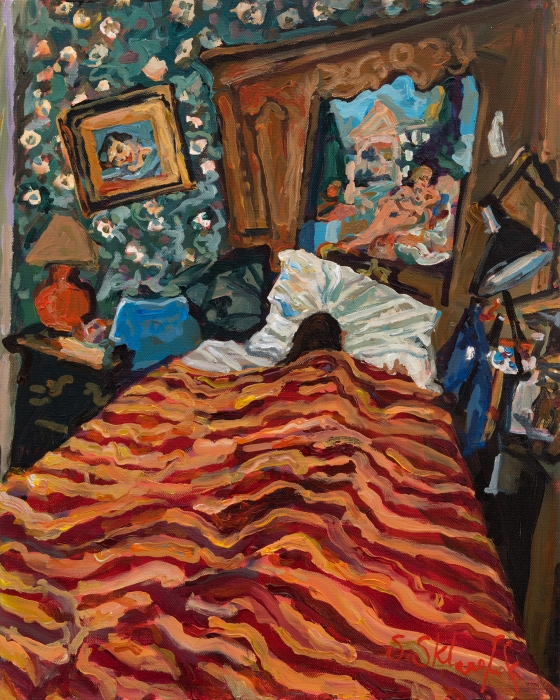
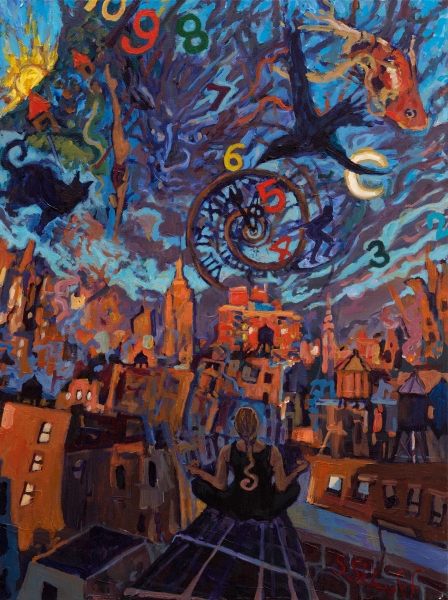
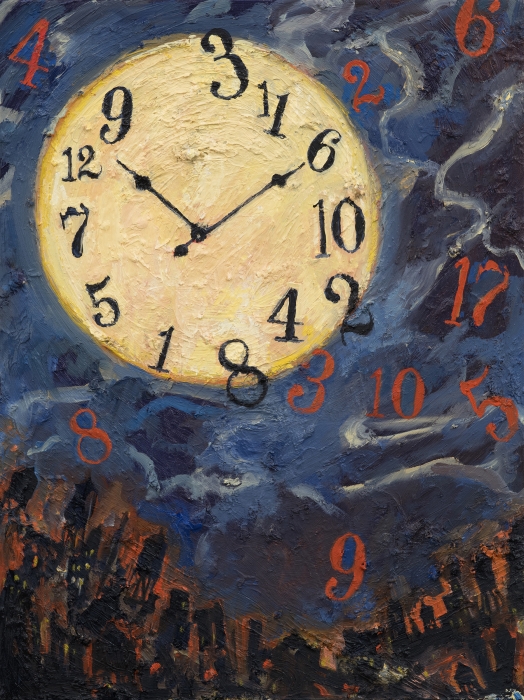
My ongoing Pandemic Series has been an individual expression of the challenges that I have faced during Covid19. These works convey my dreams, struggles in my daily life, and my emotions that I experienced during lockdown and throughout the pandemic. I’m proud of this body of work because it is the most personal to date.
Is there a tool or object in your studio that feels indispensable to your process?
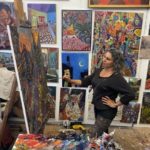
My wooden portable plein air French easel box I take with me whenever I travel. It folds up into a small box where I can store my paints and brushes inside and opens into a fairly large easel so that I can paint bigger sizes on location. Travel is an important part of my artistic process. I love to paint in my studio but gaining inspiration in different locales and working on-site from direct observation keeps my focus sharp and my skills honed.
How did you arrive at your current approach to painting, both in terms of method and choice of materials?
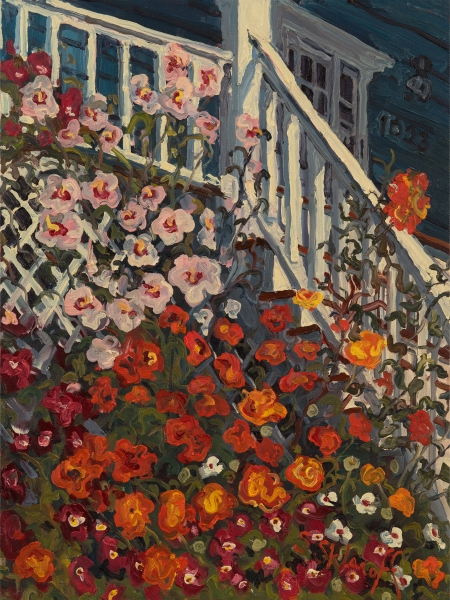
Oil painting is my favorite painting medium, but I also love watercolor, pastel, charcoal, and ink. My style has evolved over the years as I’ve become more confident in my skills. No matter what material I use, I work with loose broad strokes at the start of a piece and then choose to work the fine details later. I build up a piece in a cohesive manner so that the entire painting works together as a whole. I’m always stepping back to view the work at a distance, and I keep the entire painting flowing together by using fluid paint strokes. In this way, it’s natural for me to express myself because the paint slides off my brush and onto the canvas.
What draws you to a subject initially, and how do observation and imagination interact once you begin a painting?
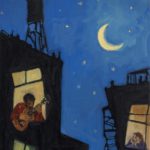
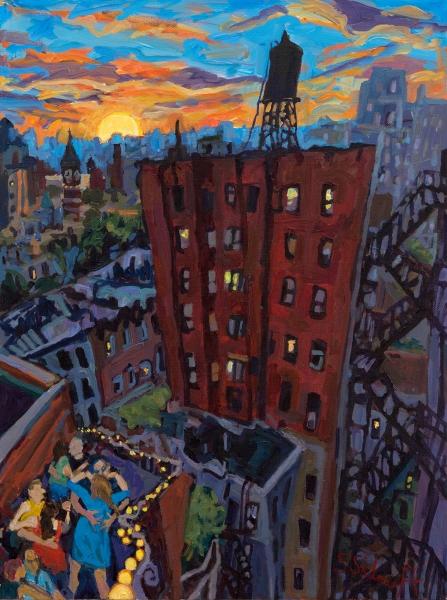
Often the subject will leap out at me, and I instantly have a vision of what I need to paint. I was visiting a friend one day in Brooklyn and I glanced out her window and saw my next painting appear before me. I knew that I needed to paint her view. Naturally, I manipulated the perspective, added imaginative elements, and even changed the time of day and weather conditions, but the view was the impetus for my new painting.
Are there passions or pursuits outside of painting that quietly inform your work or way of seeing?
I love ballroom dancing! I’ve been dancing every week with a wonderful group of ballroom dancers in New York City for over 25 years. It’s a great way for me to stay active and I enjoy the social aspect of it as well.
How would you define beauty today, based on your lived experience and artistic practice?
Beauty can be found in surprising and often in the most mundane of settings. It could be as simple as the way the late afternoon light hits the side of a building, or a flower that’s poking through a crack in the sidewalk. It doesn’t always have to be a quintessential sunset or a monumental skyline. Sometimes beauty occurs when you least expect it.