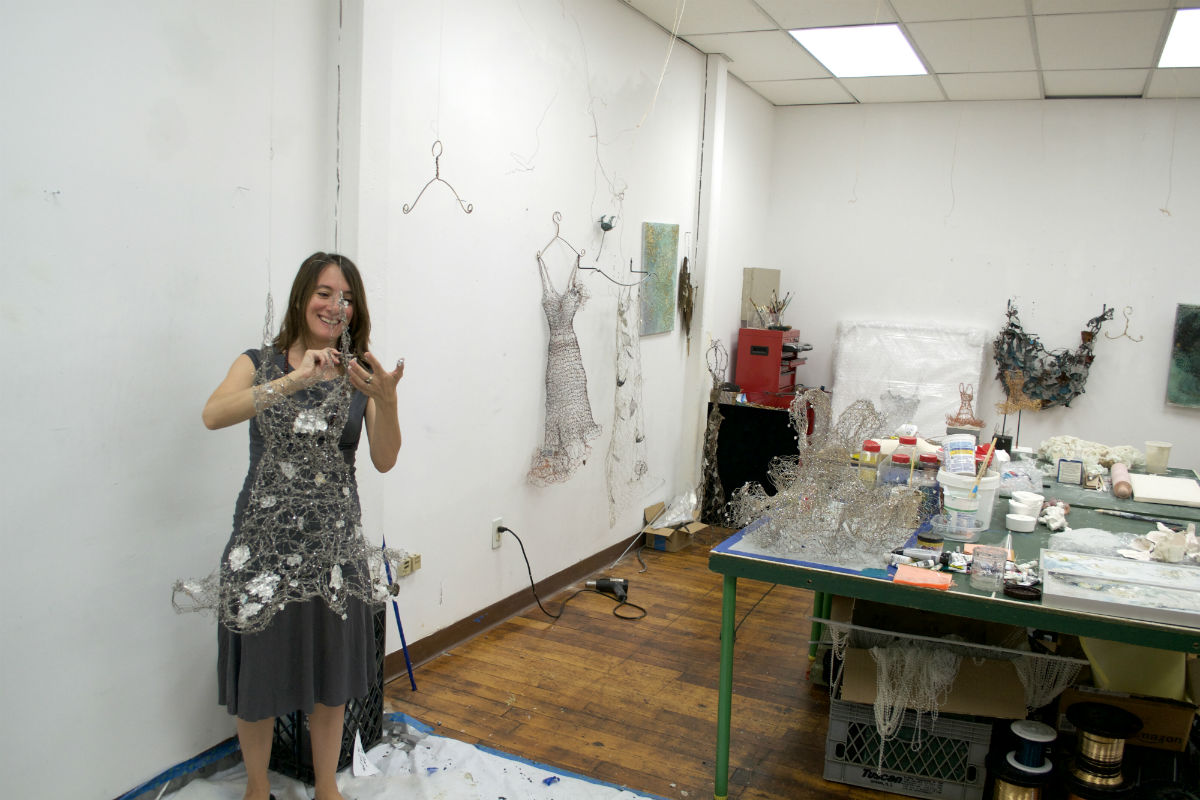
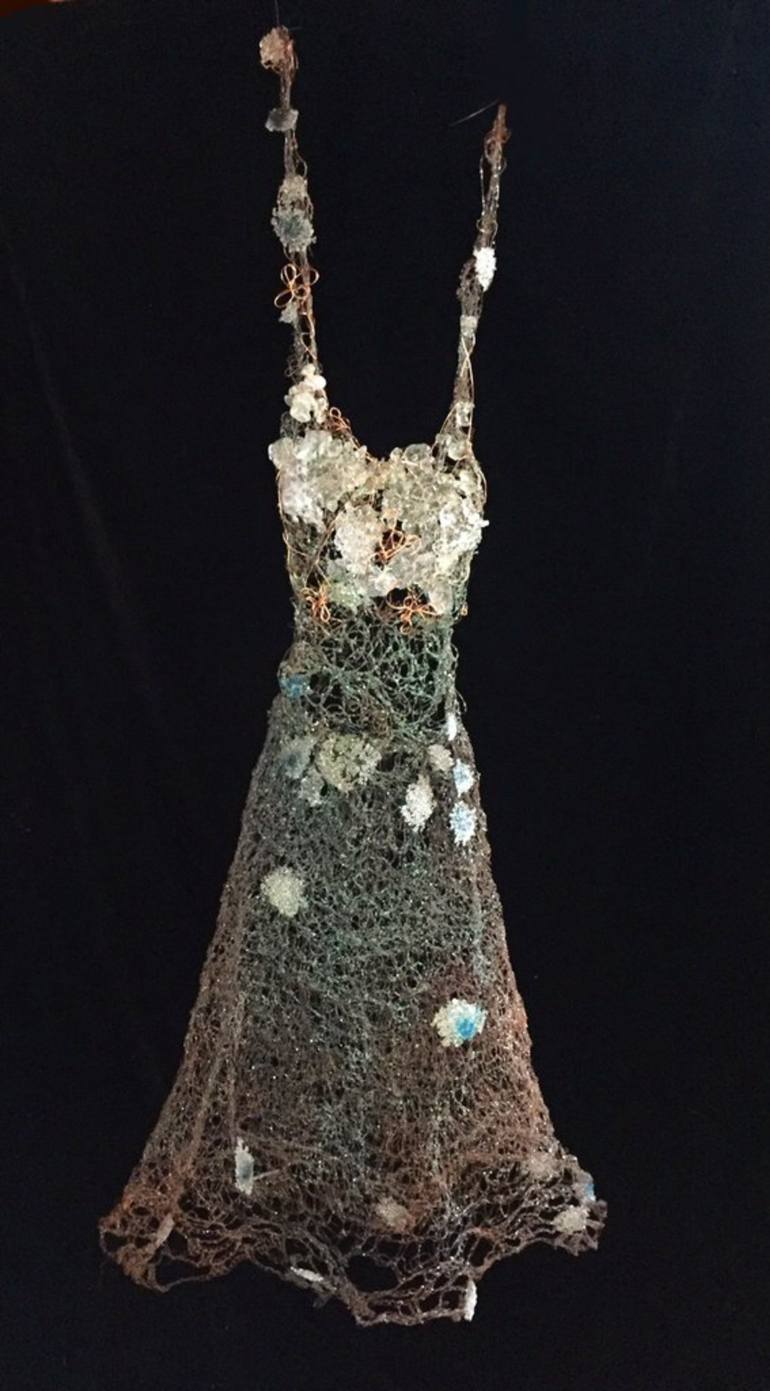
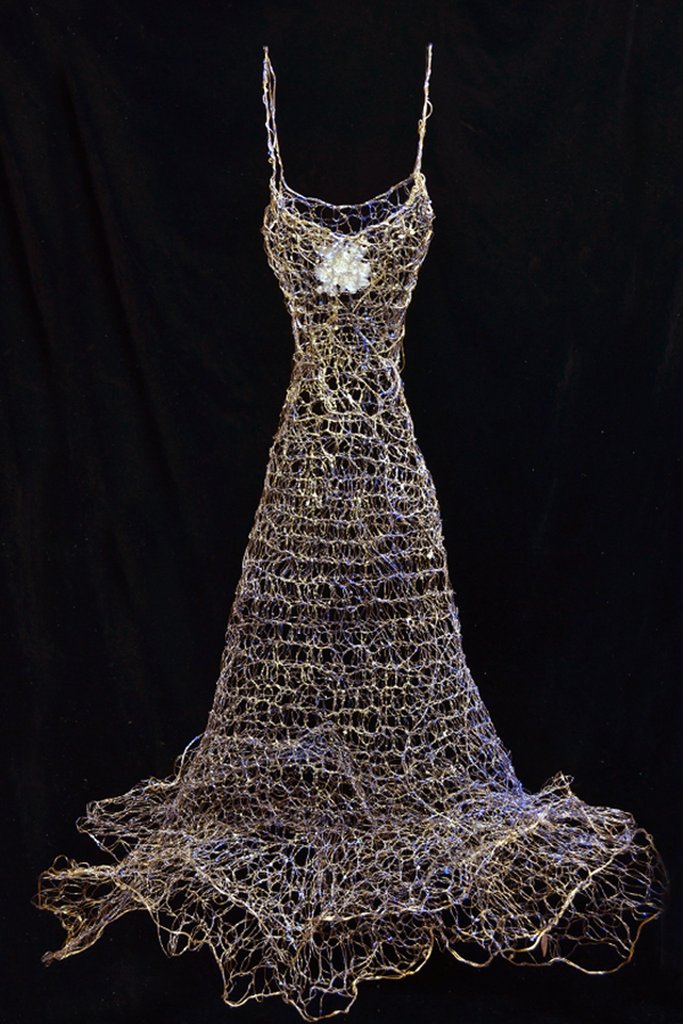
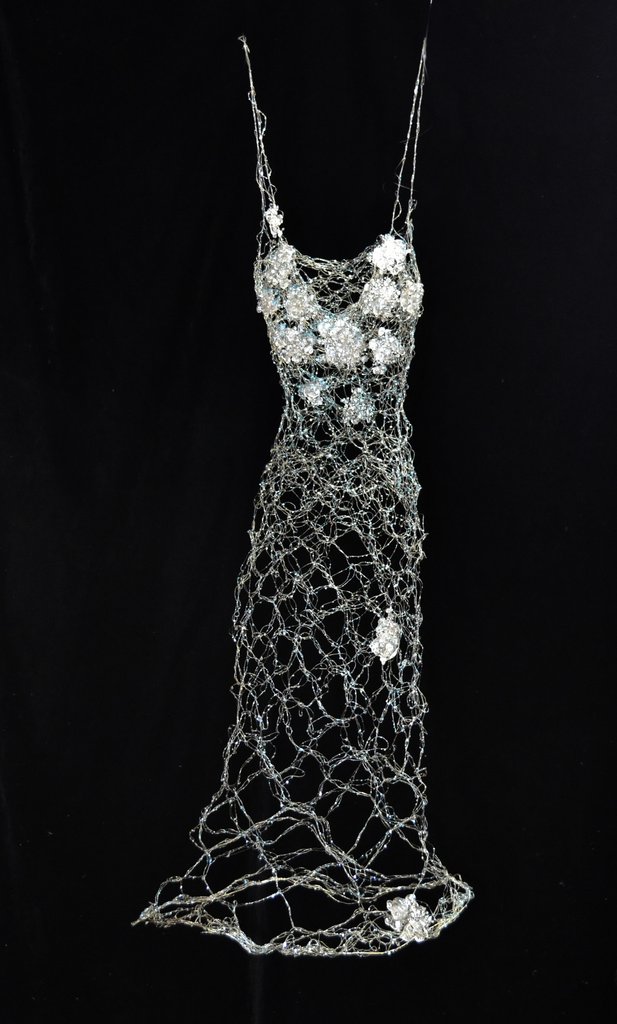
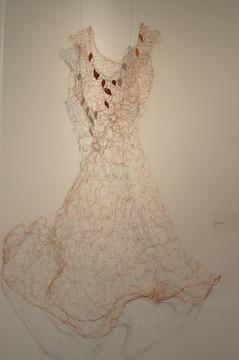
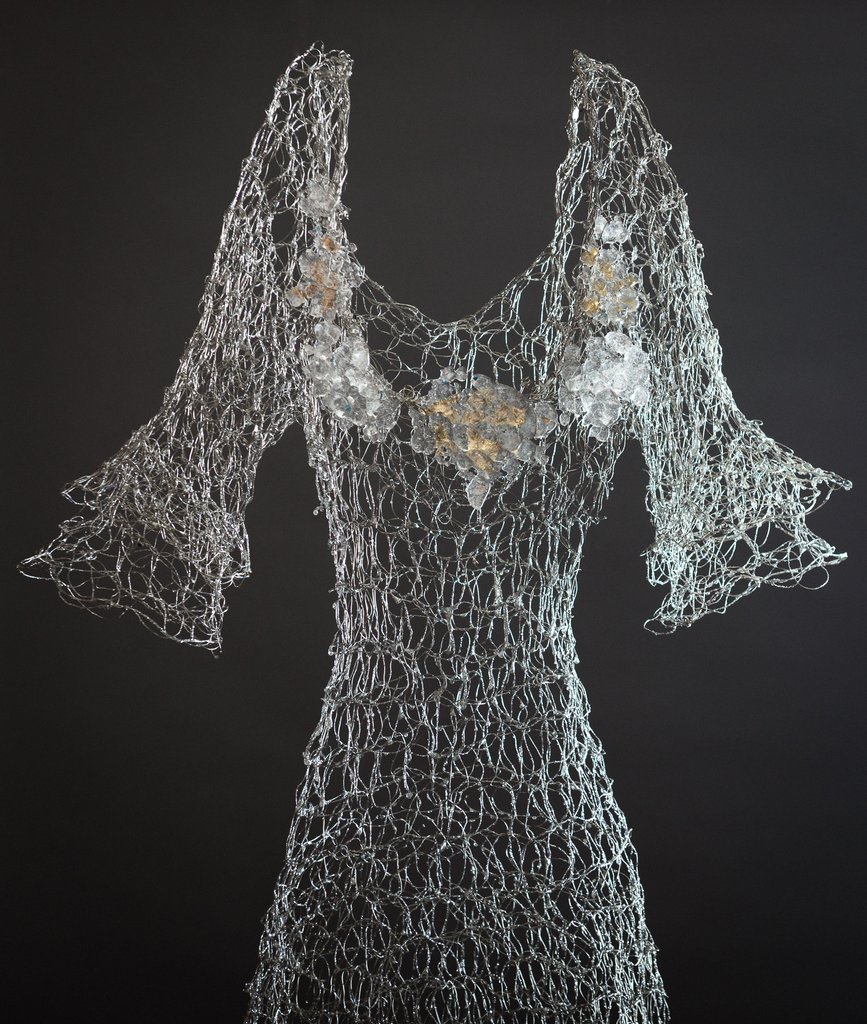
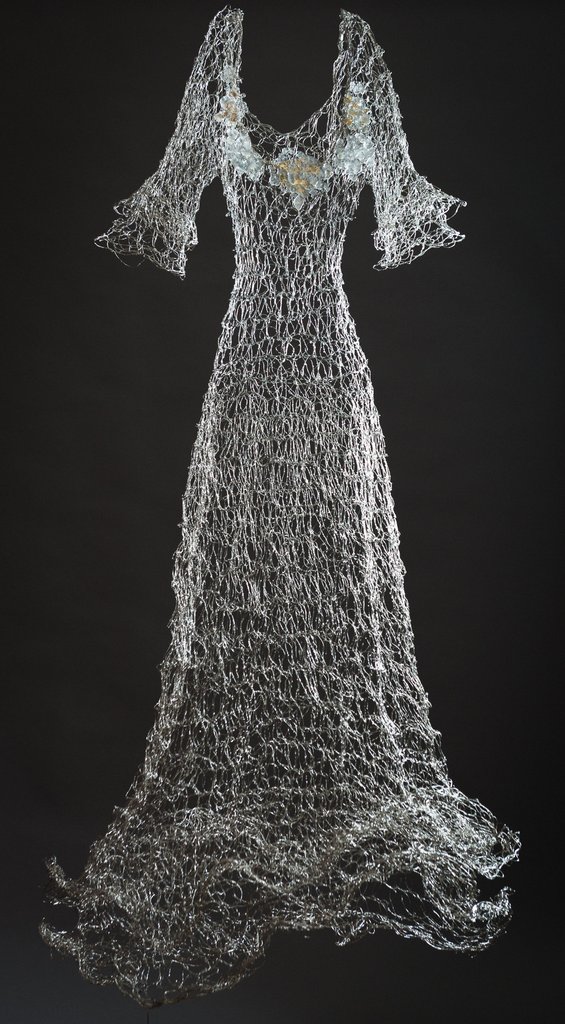
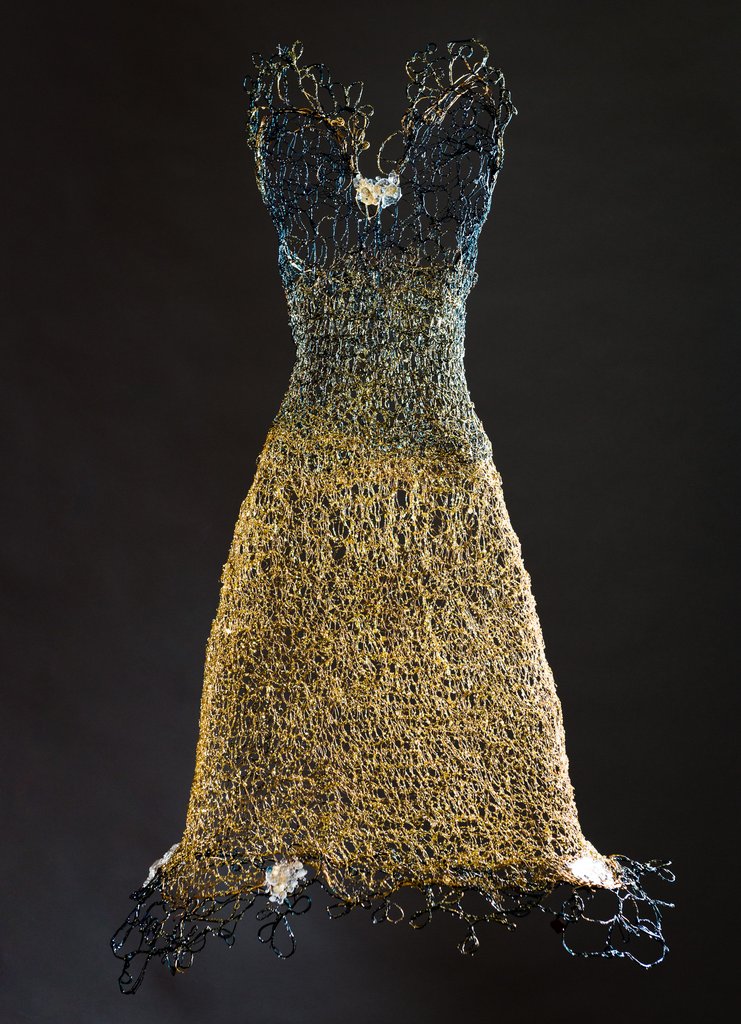
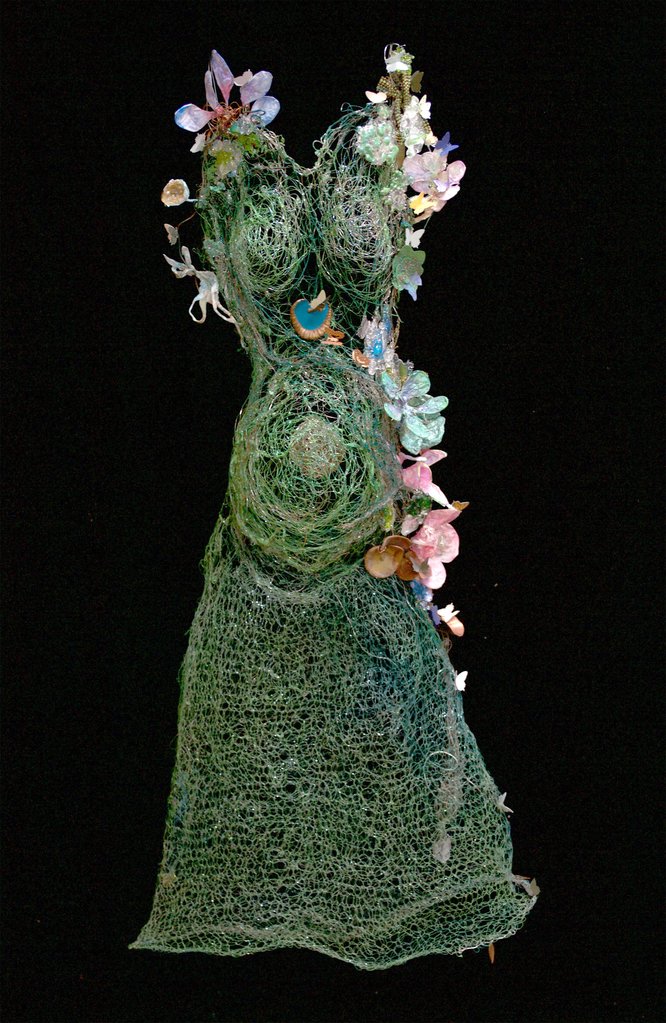
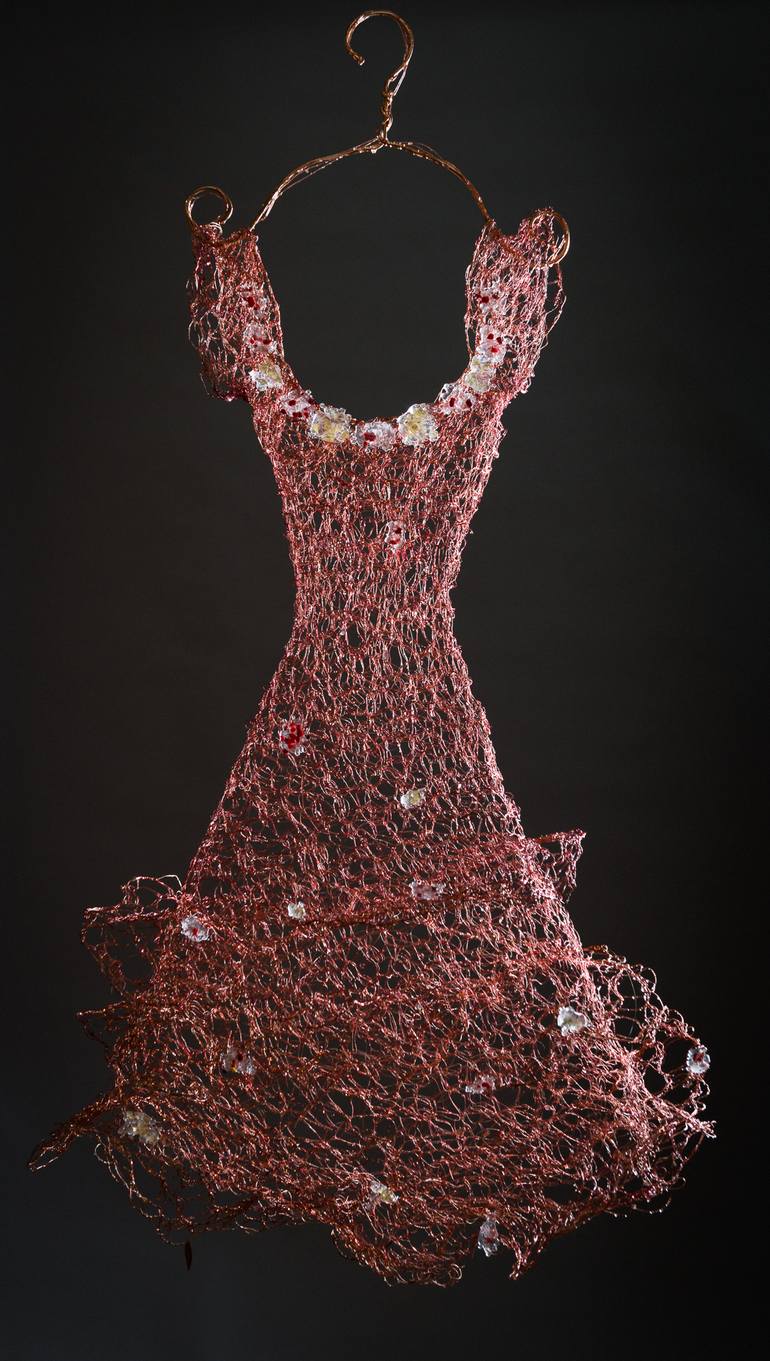
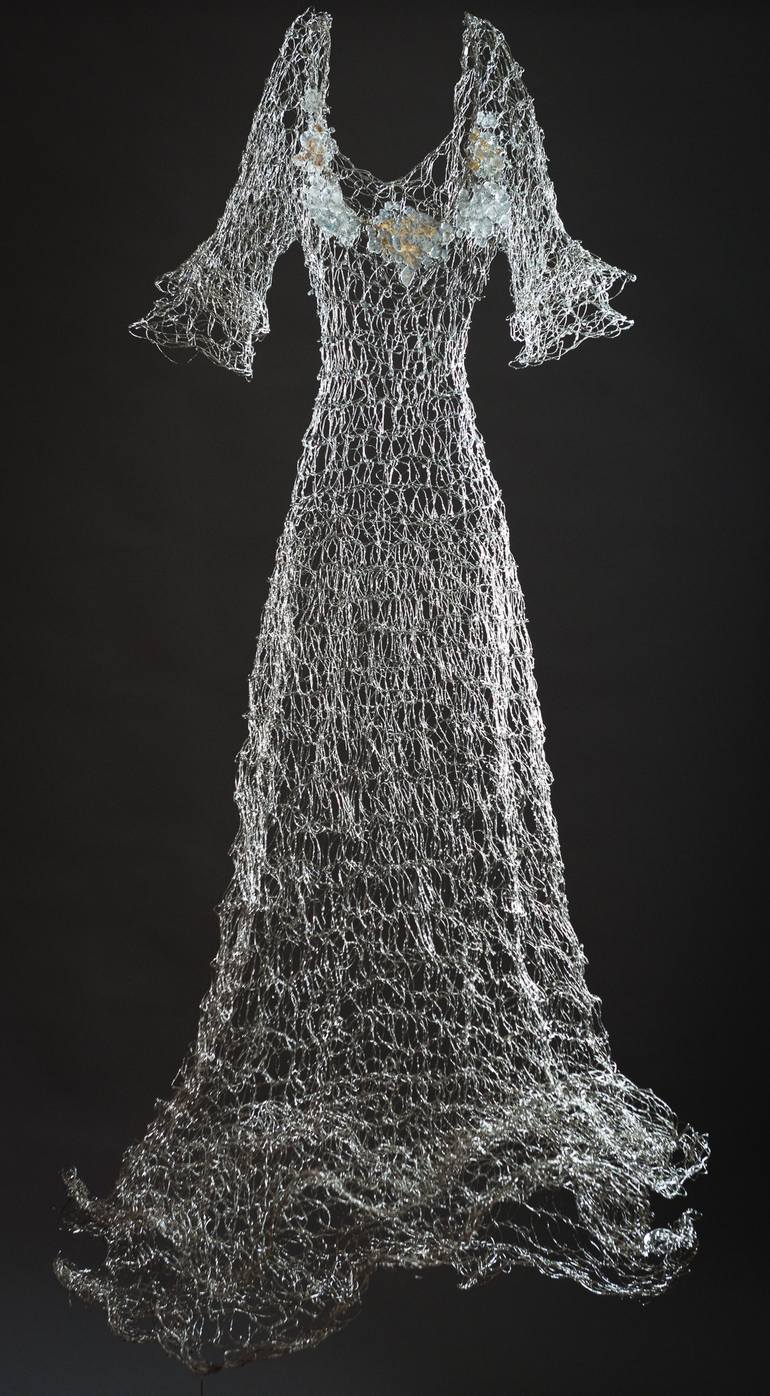
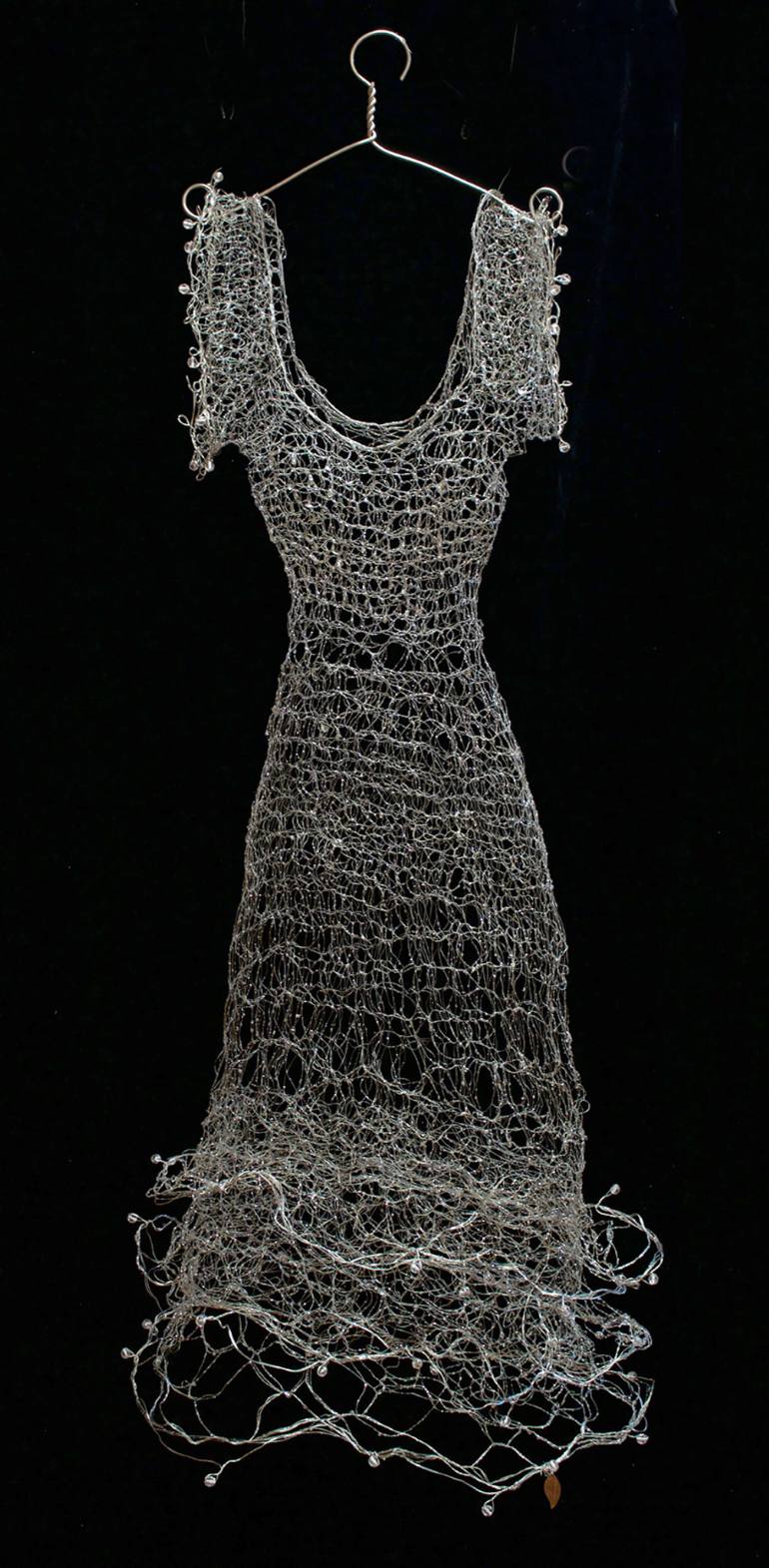
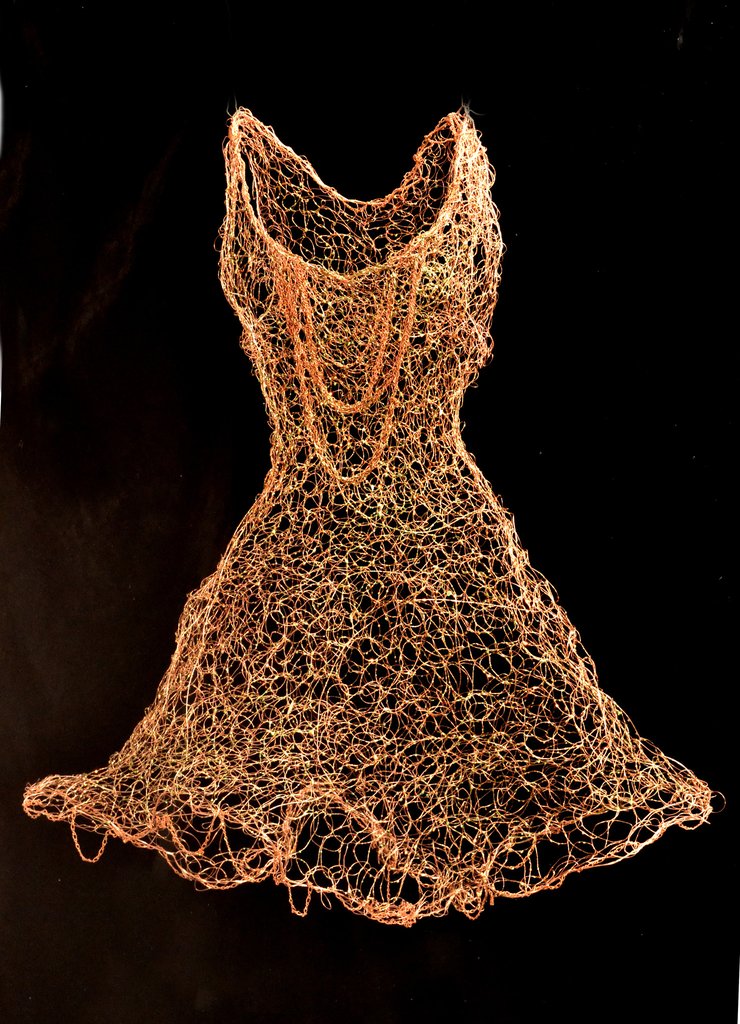
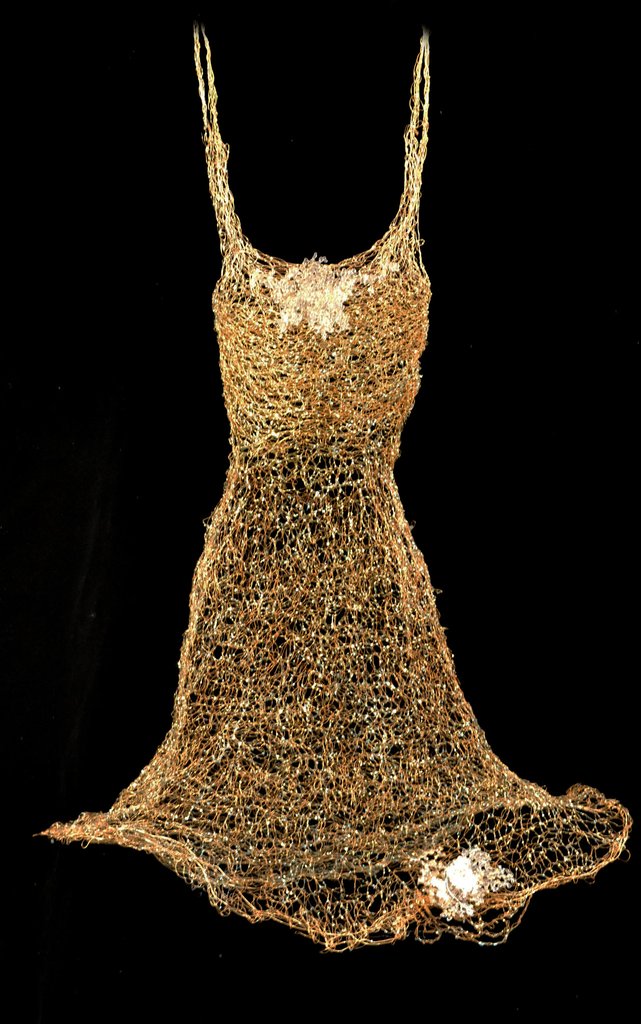
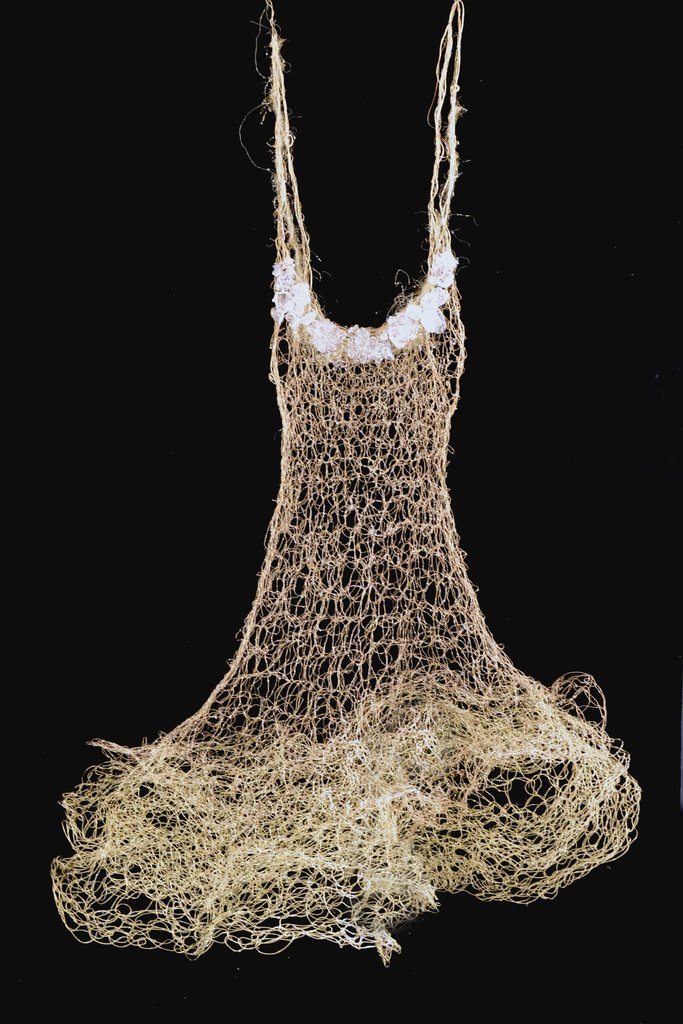
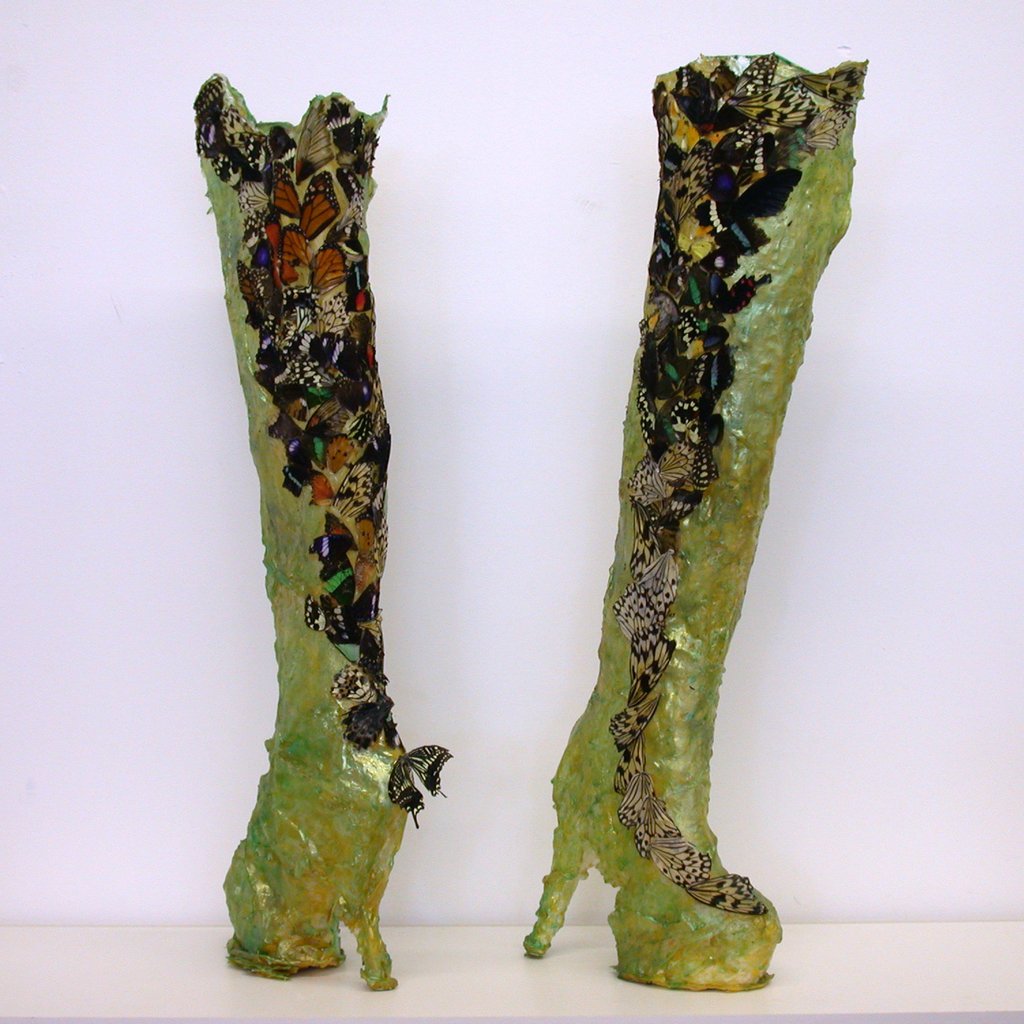
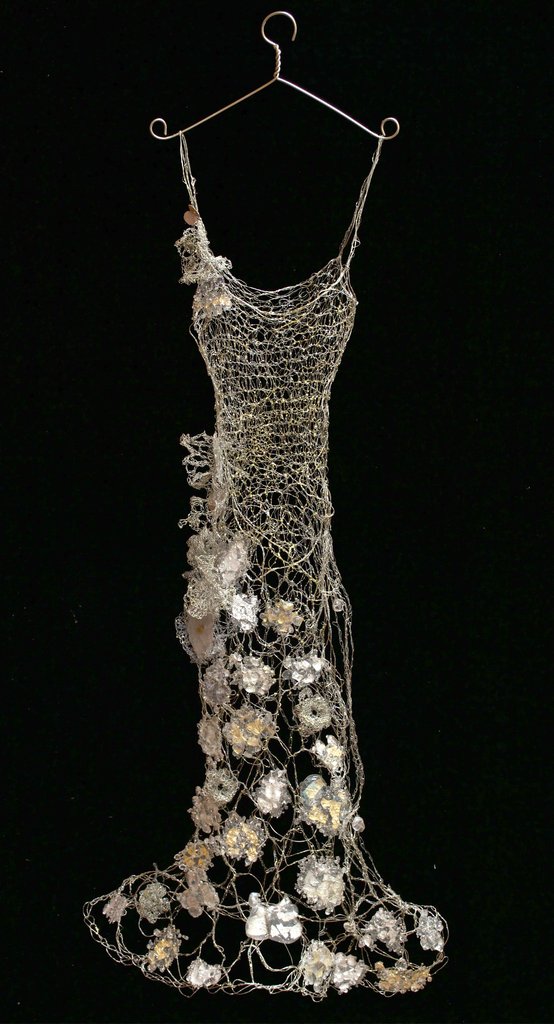
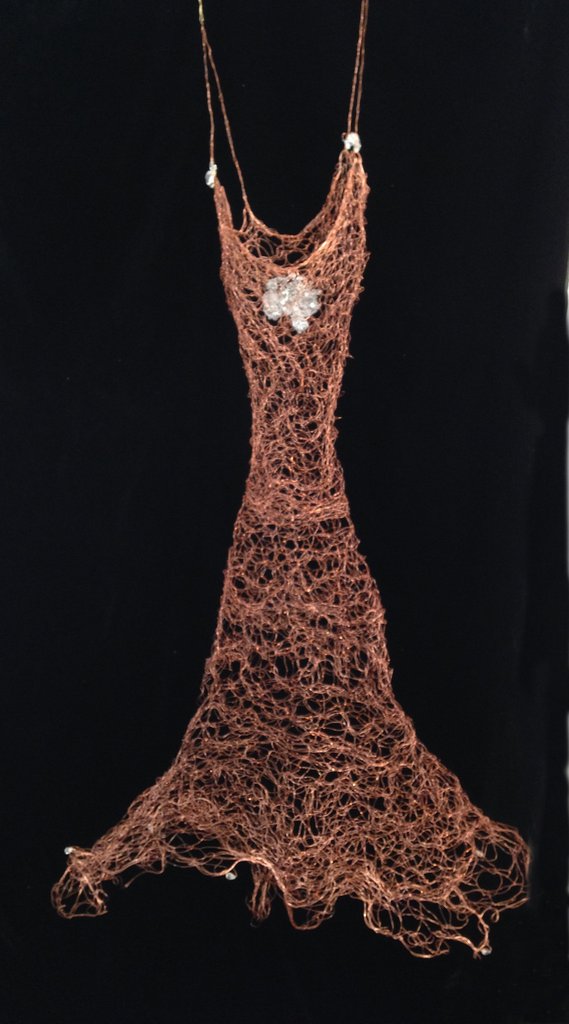
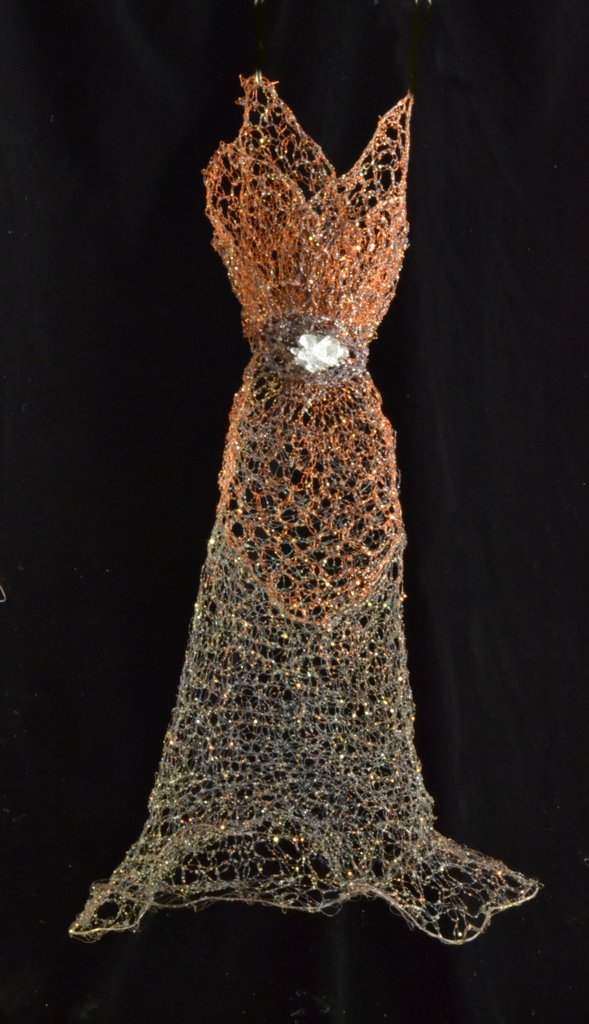
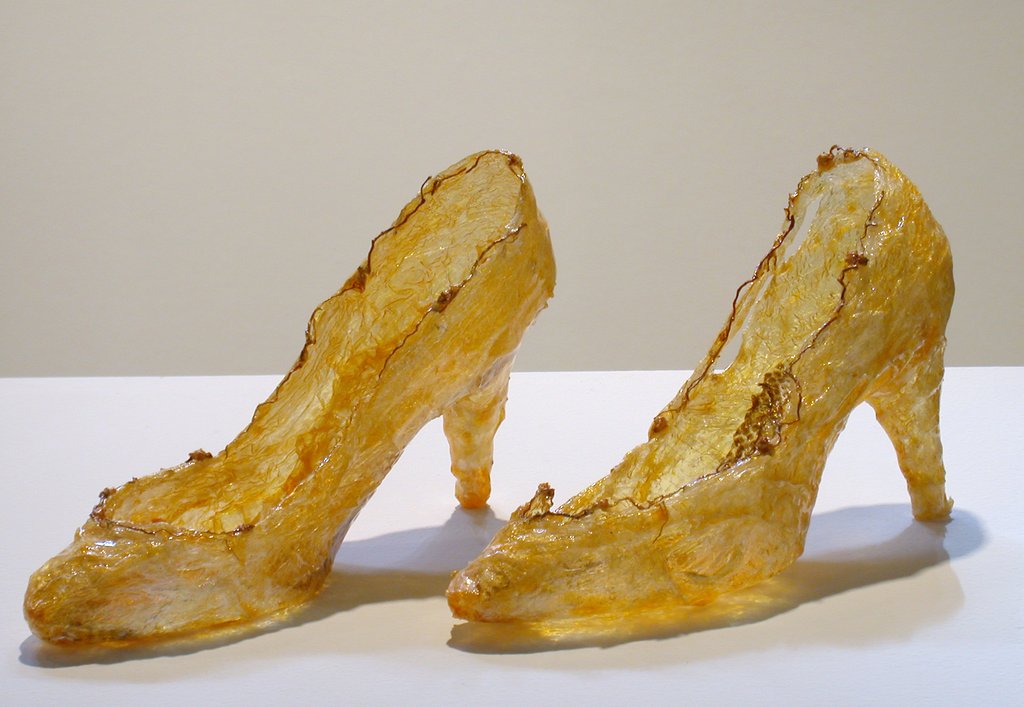
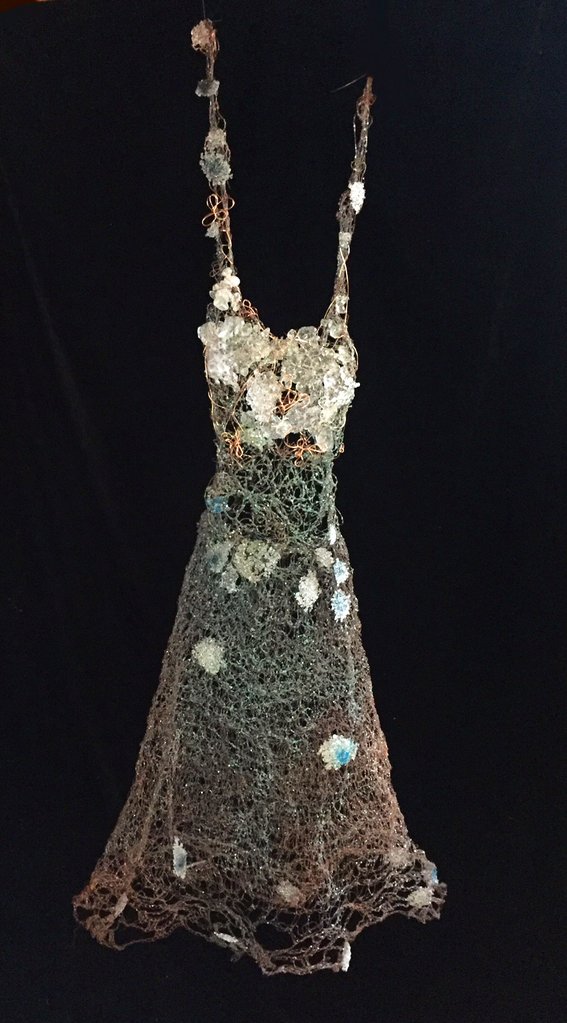
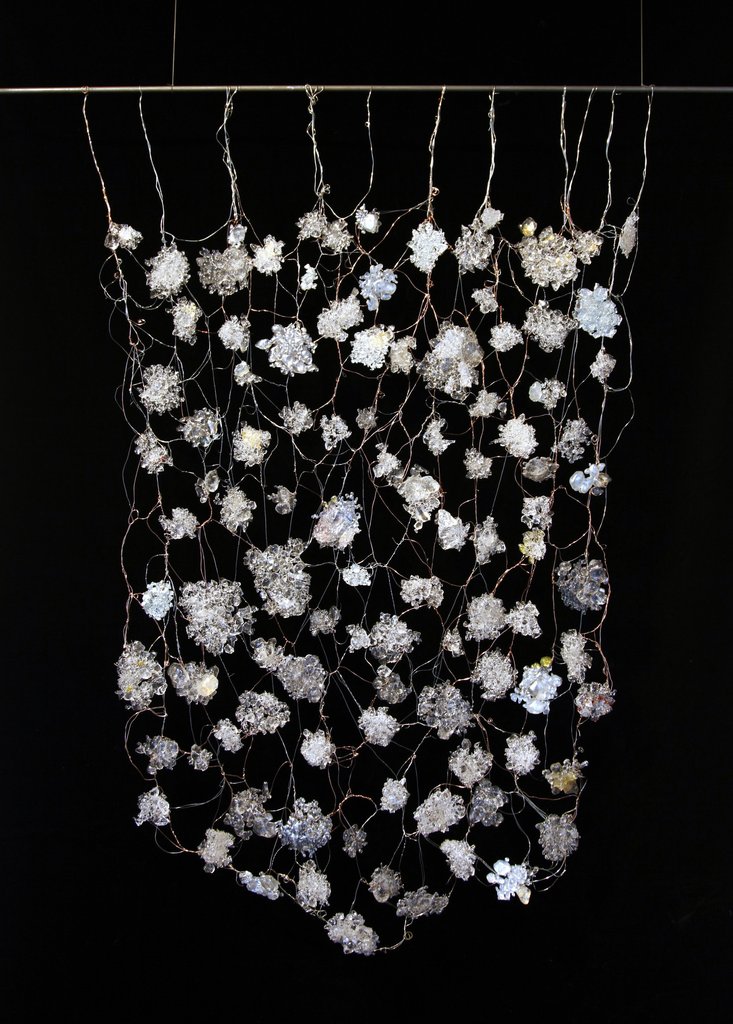
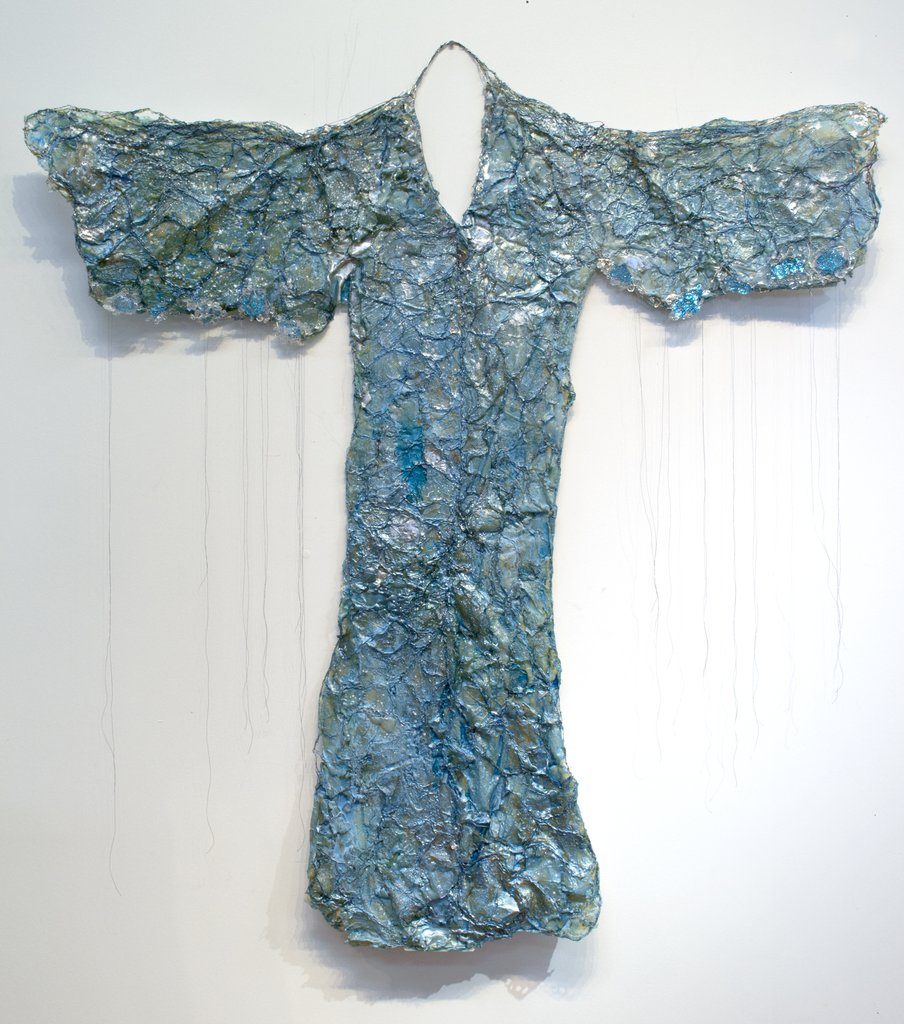
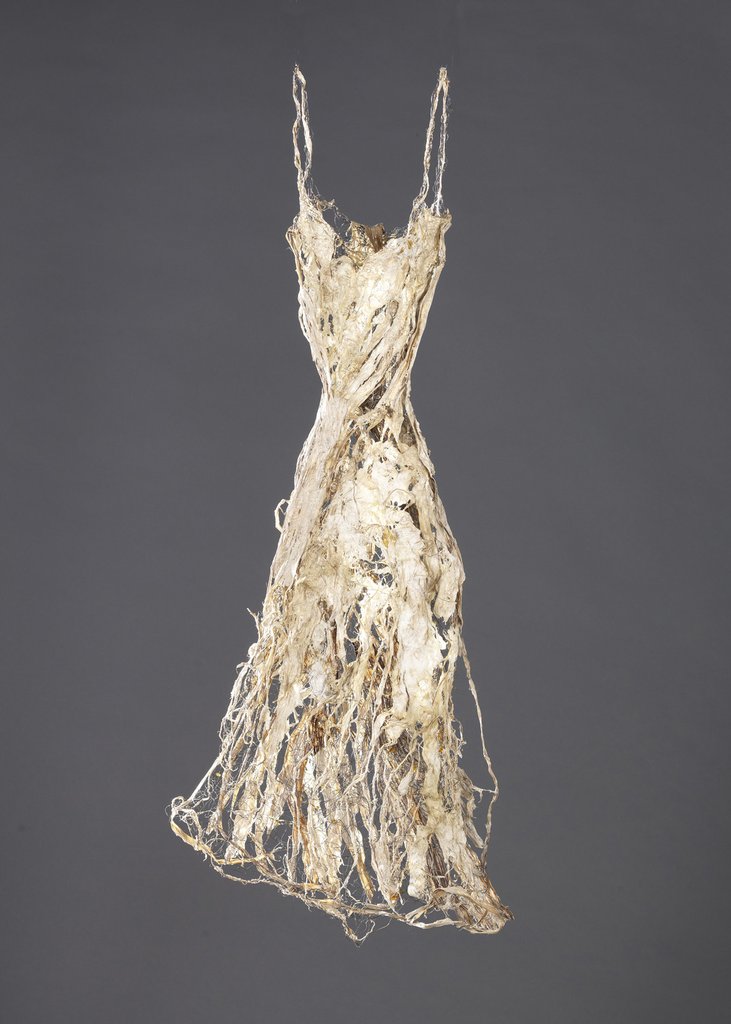
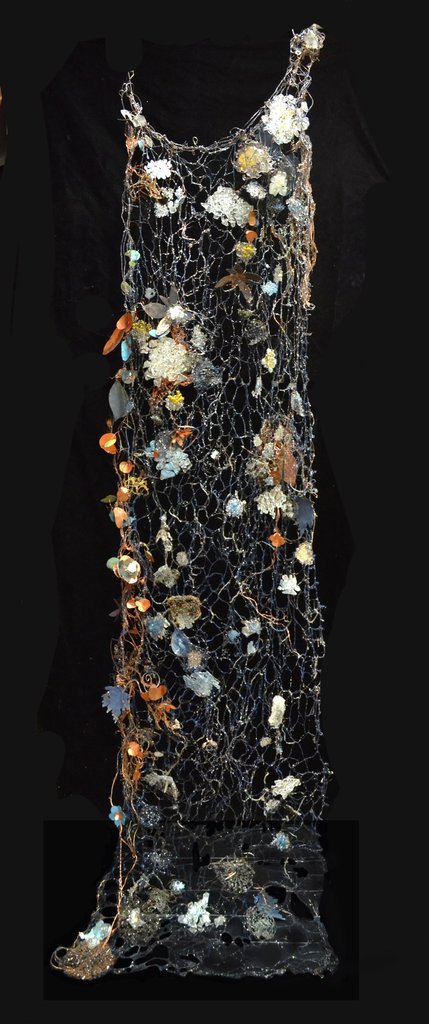
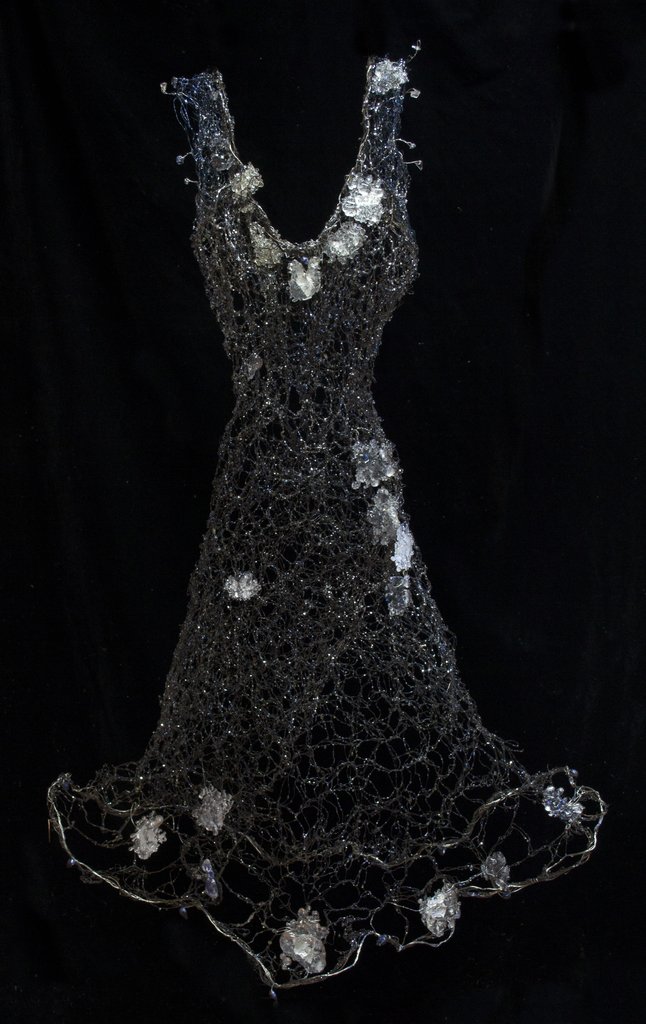
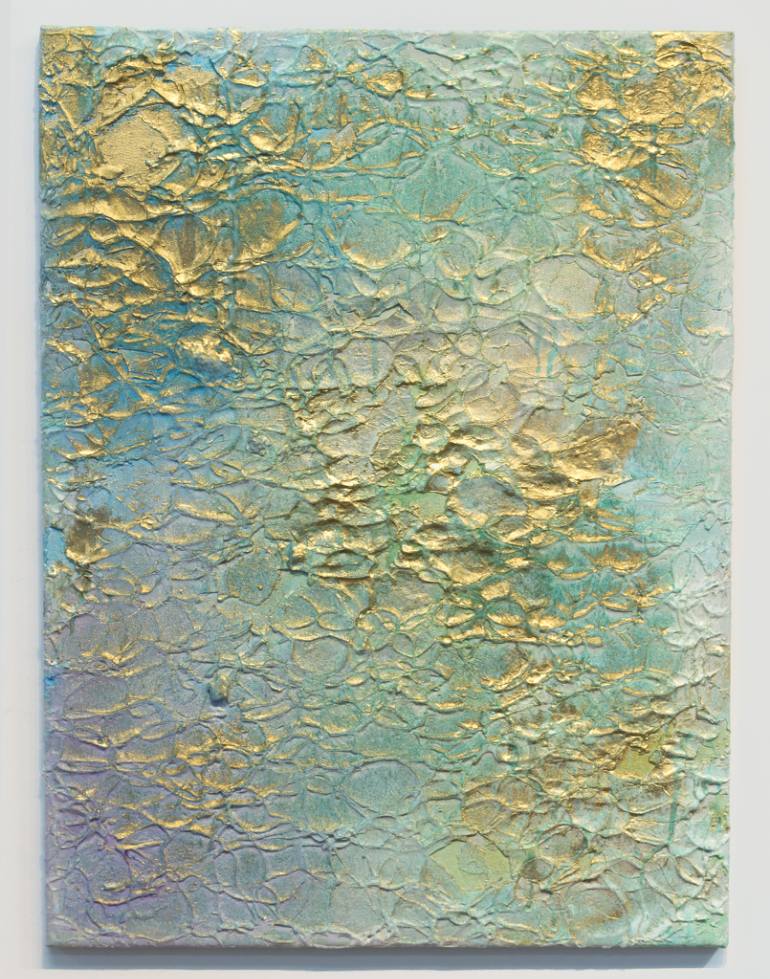
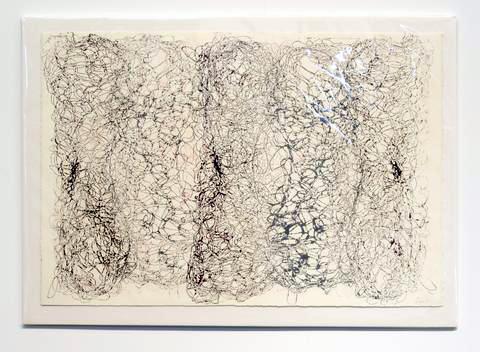
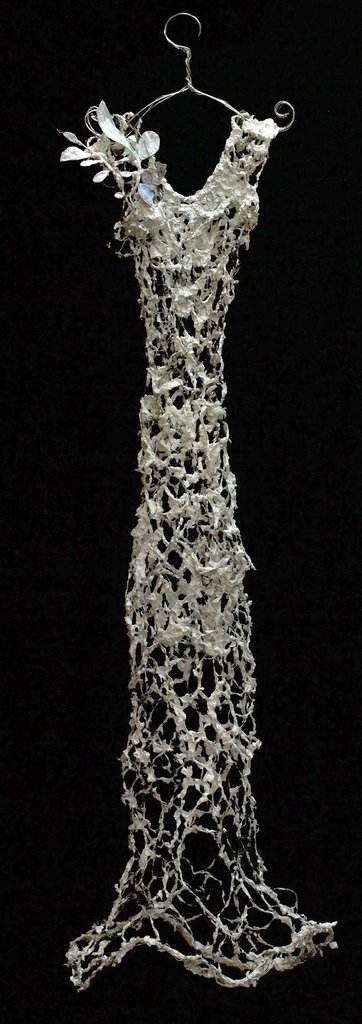
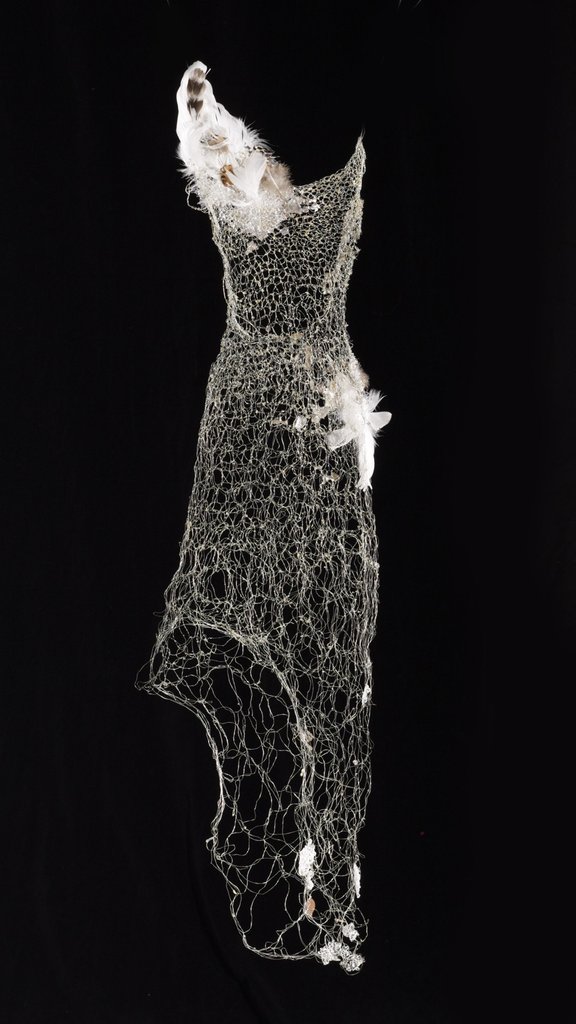
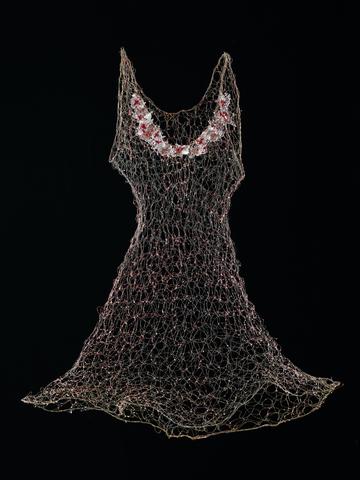
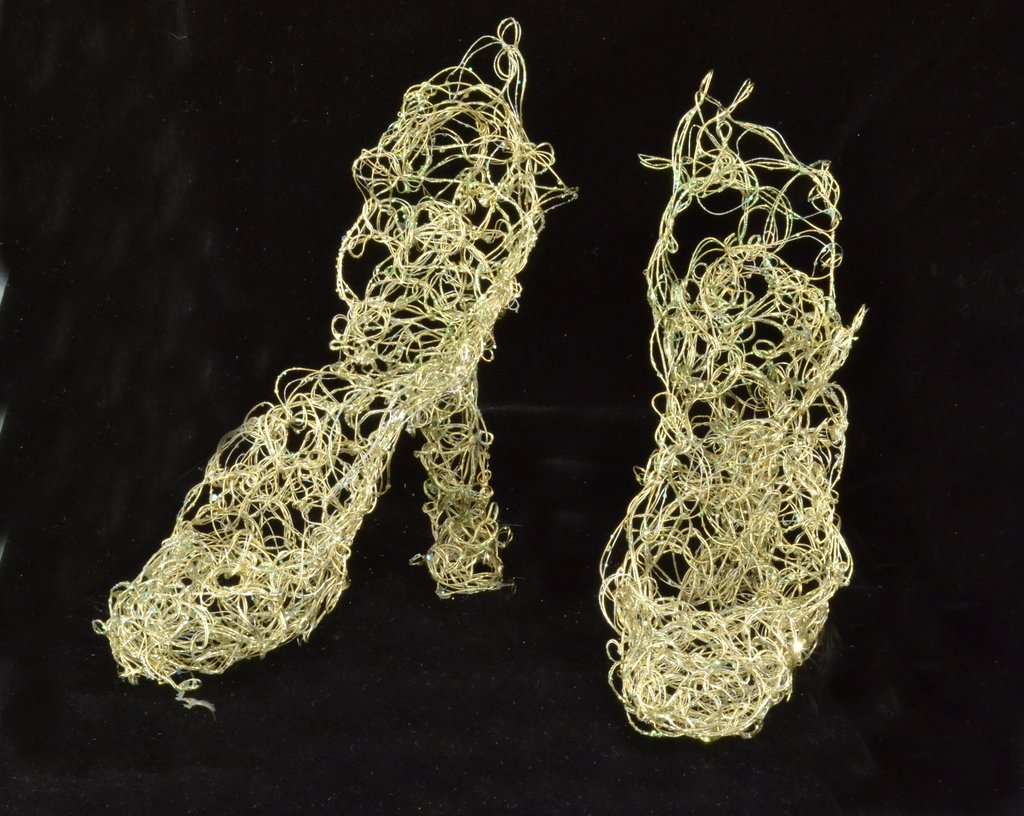
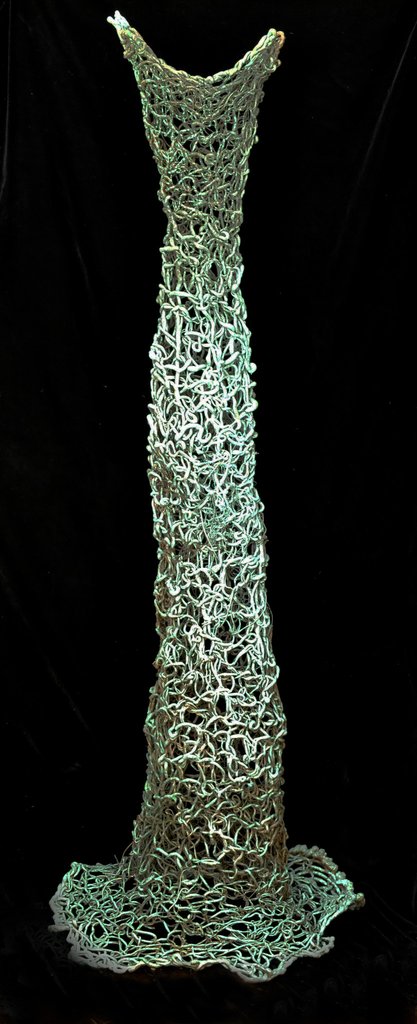
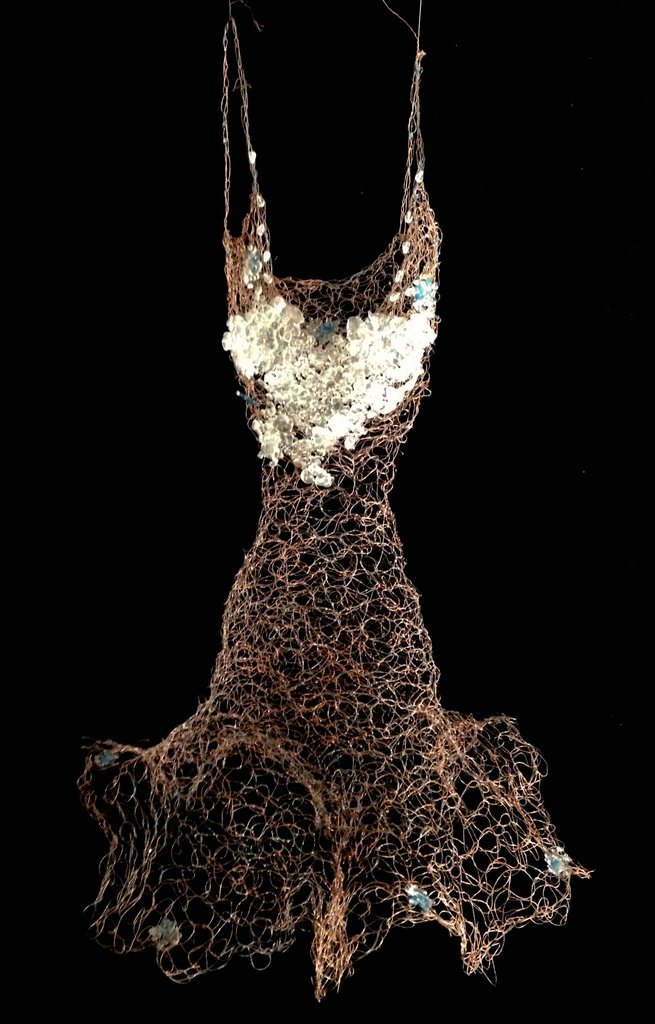
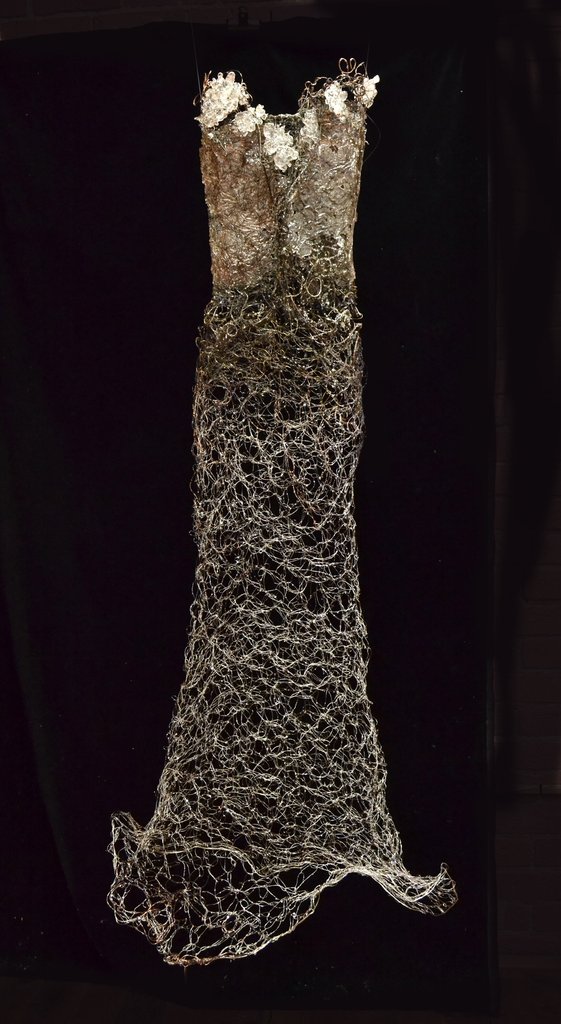
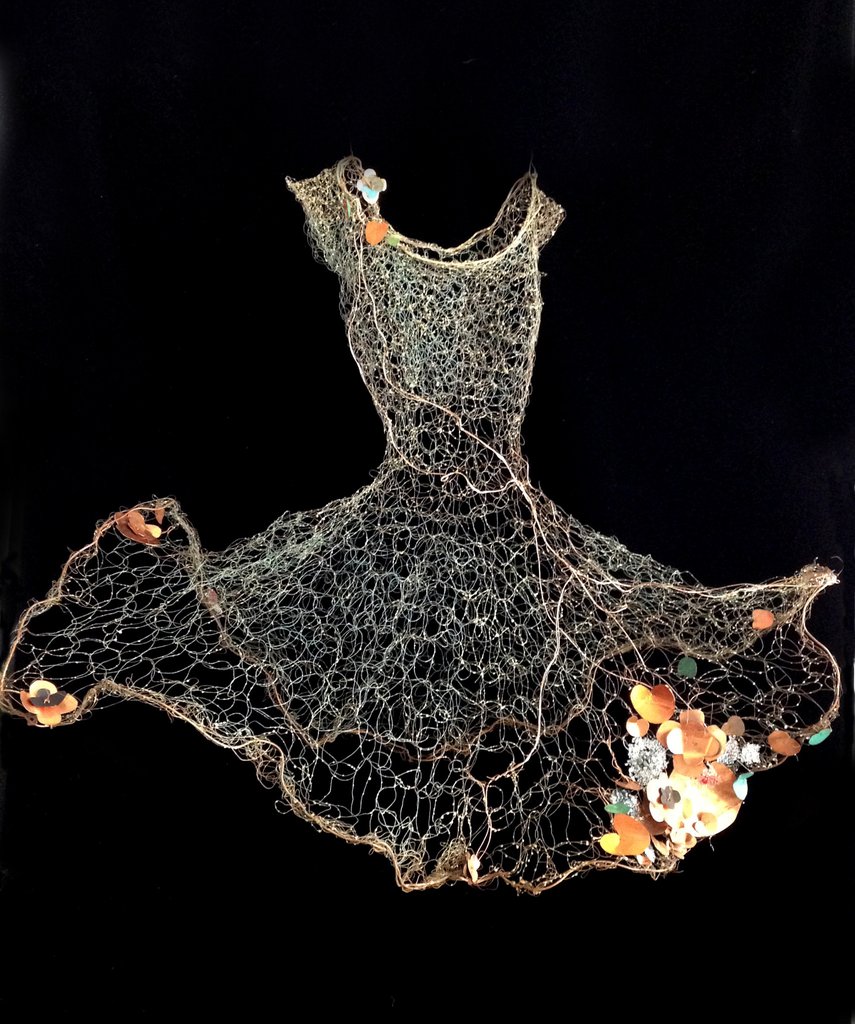
There is a quiet lyricism in Susan Freda’s sculptures, a sense that light and form are engaged in constant conversation. Known for her ethereal dress and shoe forms, Freda weaves metal, glass, and paper into poetic structures that hover between fashion, nature, and spirit. Her work feels simultaneously ancient and futuristic, fragile yet enduring.
A graduate of the Rhode Island School of Design and Massachusetts College of Art and Design, Freda has developed a practice rooted in patience, material intuition, and ecological awareness. Her sculptures and jewelry, collected by major institutions and designers around the world, evoke both human presence and the delicate architecture of the natural world. In this interview, she reflects on the origins of her craft, her devotion to sustainable creation, and the quiet discipline behind her luminous work.
An Interview with Susan Freda
By Carol Real
Do you remember the first moment you understood that art would define your life?
When I was a child I painted, built clothing for my dolls, made jewelry, and drew. For me, it was all art-making. From around age ten I thought I wanted to be a fashion designer or an artist. I’ve been working toward that goal ever since.
Your creative process seems both intuitive and methodical. How do new works take shape in your studio?
I usually have four or five pieces going at once. My current studio practice is going in to check the work with no immediate plan in mind. Then I work on whichever piece I feel drawn to. (When I think I might have answers to its unique questions, I choose that one.) I sometimes go back and forth between two pieces.
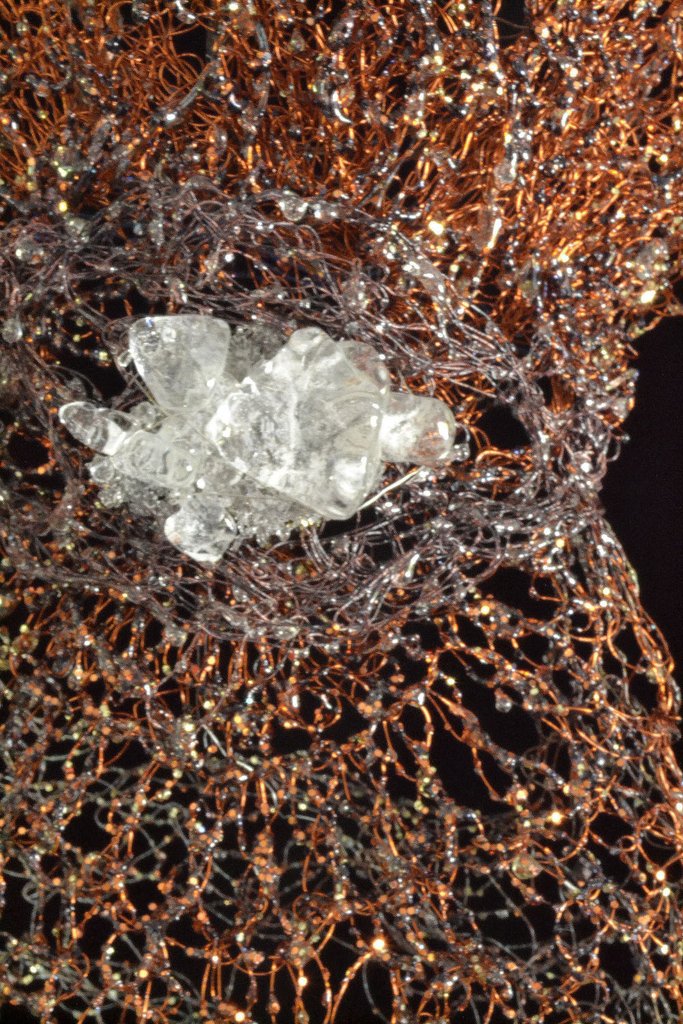
The dresses are hanging in the studio, and I walk around them, weaving into them, adding glass, making notes about the colors, materials, and techniques that they will require. I sometimes refer to inspirational textile images from the turn of the century or look to the early days of film for concepts and forms. I also look at botany for inspiration.
Your sculptures unite materials as varied as steel, gold, glass, and handmade paper. What drew you to these elements, and what challenges do they pose?
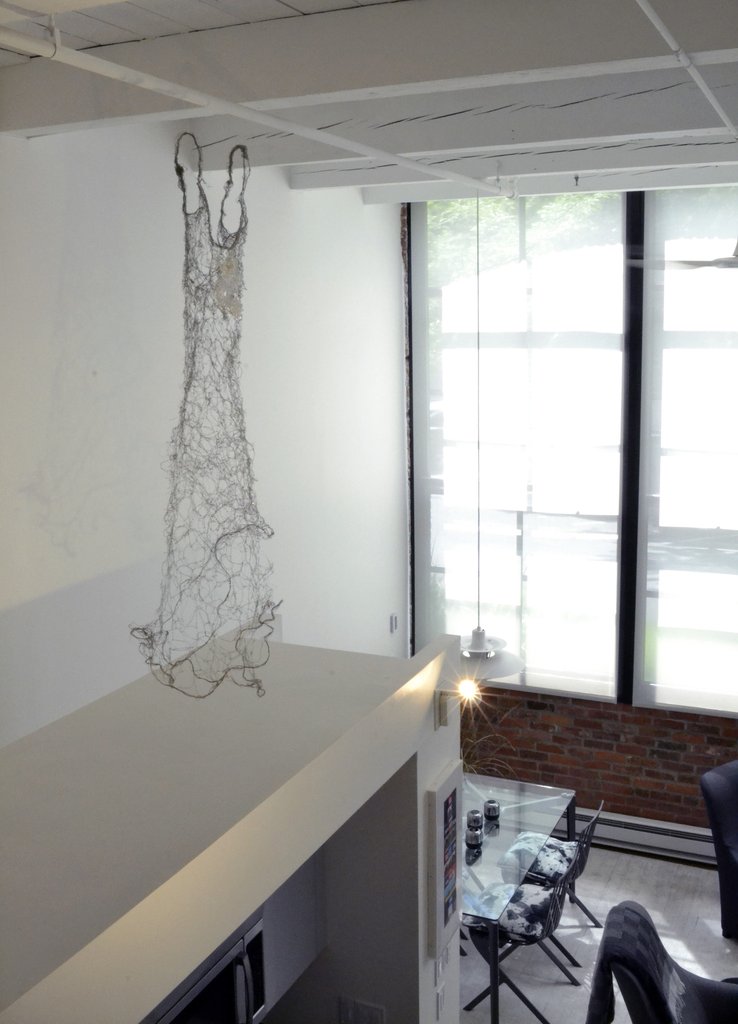
I began my education at the Rhode Island School of Design in the jewelry department. I soon switched to sculpture, but the foundation of working with small-scale metals stuck with me. I have loved wire from early days. I found that it served many of my needs because it was such an immediate material, allowing itself to be shaped by hand and holding form. I gravitate toward materials that do not require power tools. I like to work in a quiet way. Of course, I also choose my materials for their inherent beauty. Glass, gems, precious metals all have such beauty! They are a pleasure to work with.
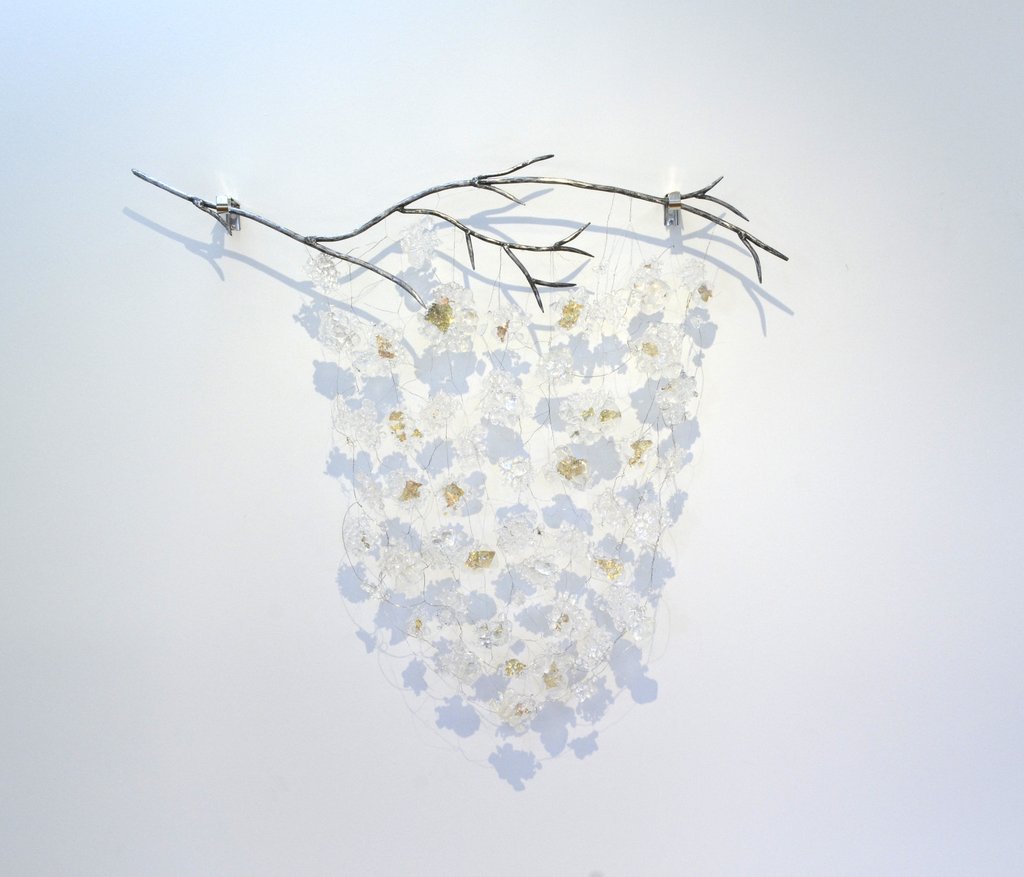
I discovered glass years ago through an artist friend, Gillian Puryear, who was a glassblower. From there, I took classes at Urban Glass and Pilchuck Glass School to learn how to create the organic and snowflake-like forms that I was visualizing. I discovered papermaking while on a grant from the Pollock Krasner Foundation in the Hudson Valley. There I took classes with the Women’s Studio Center to learn all about handmade paper. The challenge with many of these materials is patience and a devotion of time and focused consideration.
Who are some of the artists, writers, or musicians who have most inspired your creative spirit?
My favorite musicians are Bob Dylan and Patti Smith. Among visual artists, Eva Hesse, Joan Mitchell, Judy Pfaff, and Lynda Benglis inspire me.
When you step away from the studio, what restores your imagination?
When I’m not making art I am gardening, cooking, and reading about plants and nature-related themes. I like to read cookbooks from various cultures and try out new recipes and food ideas. I’m also always crafting with my five-year-old son.
Looking back, what experience has been most transformative for you as an artist?
My college education at RISD was well worth my time. It broadened my horizons exponentially. It gave me access to such a wide world of art, talent, history, and so many ways of “making.” It taught me how to think.
Your career bridges art, fashion, and design. How do you personally define success?
“Success” for me is being able to create art freely with enough income from the work to spend my time “making.” I appreciate having time to consider the environmental and humanitarian impact of my work. It also means time for travel and time with my family. The recognition of art galleries, awards, publications, and the fact that people collect my work are things that contribute to my sense of accomplishment.
What projects are currently unfolding in your studio, and what dreams guide your next steps?
I’m working on creating large-scale dresses and wall tapestries with more detailed botanical and glass components. I hope that these forms reference the natural landscapes that exist like tapestries in my mind. I hope that my work connects viewers with networks of things like the glowing solar system, sparkling stars, planets, and lush gardens. Also, I hope one day to create environments in gardens where art is incorporated into the landscape and coexists with trees and flowers, enhancing and co-creating the beauty of nature.