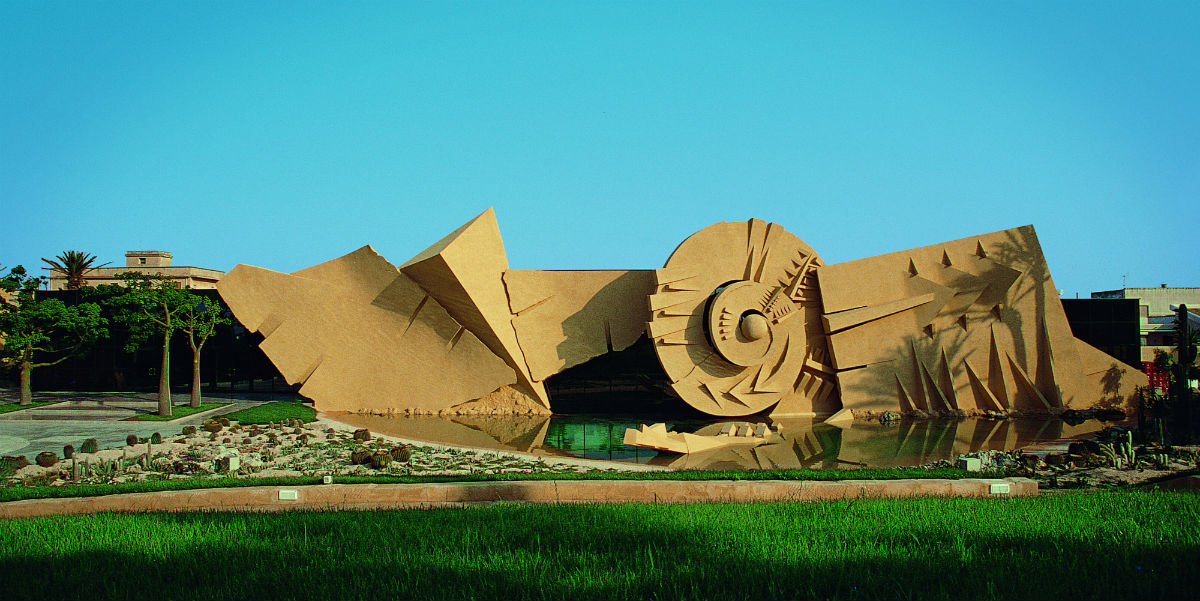
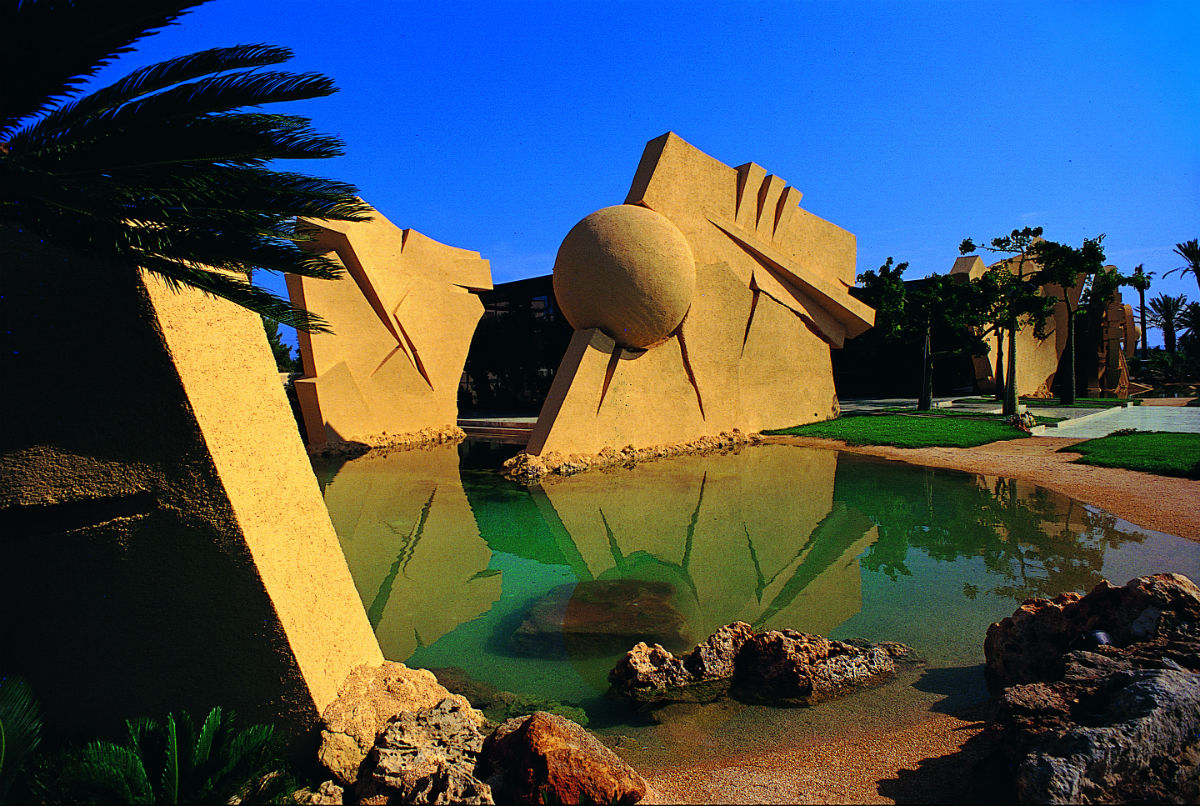
To speak of Arnaldo Pomodoro is to speak of matter and myth, of the way time can be made visible through form. For more than seventy years, Pomodoro has transformed bronze into a language of rupture and rebirth. His monumental spheres, columns, and discs seem to contain the pulse of civilization itself—machines of order fractured by the chaos of human history.
Born in 1926 in Morciano di Romagna, he began as a goldsmith and restorer before turning to sculpture in the fervent postwar years. From the 1950s Milanese avant-garde to the great public commissions that now inhabit cities from the Vatican to New York, Pomodoro has reshaped the way we experience space. His surfaces, polished yet torn, suggest the tension between technological progress and the vulnerability of existence.
But beyond the monuments, Pomodoro remains deeply human. In conversation, his reflections move easily between art and philosophy, material and memory. He speaks of the influence of Paul Klee and Brancusi, of his friendship with Lucio Fontana, and of his belief that art and architecture are inseparable ways of understanding the world.
In this interview, Pomodoro reflects on seven decades of creation, from his earliest experiments with form to his monumental “visionary projects.” He speaks of bronze as a living organism, of light as a sculptural material, and of the artist’s task to reconcile destruction with beauty. What emerges is not only a portrait of one of Italy’s greatest sculptors, but a meditation on time itself—how it carves, corrodes, and ultimately defines us all.
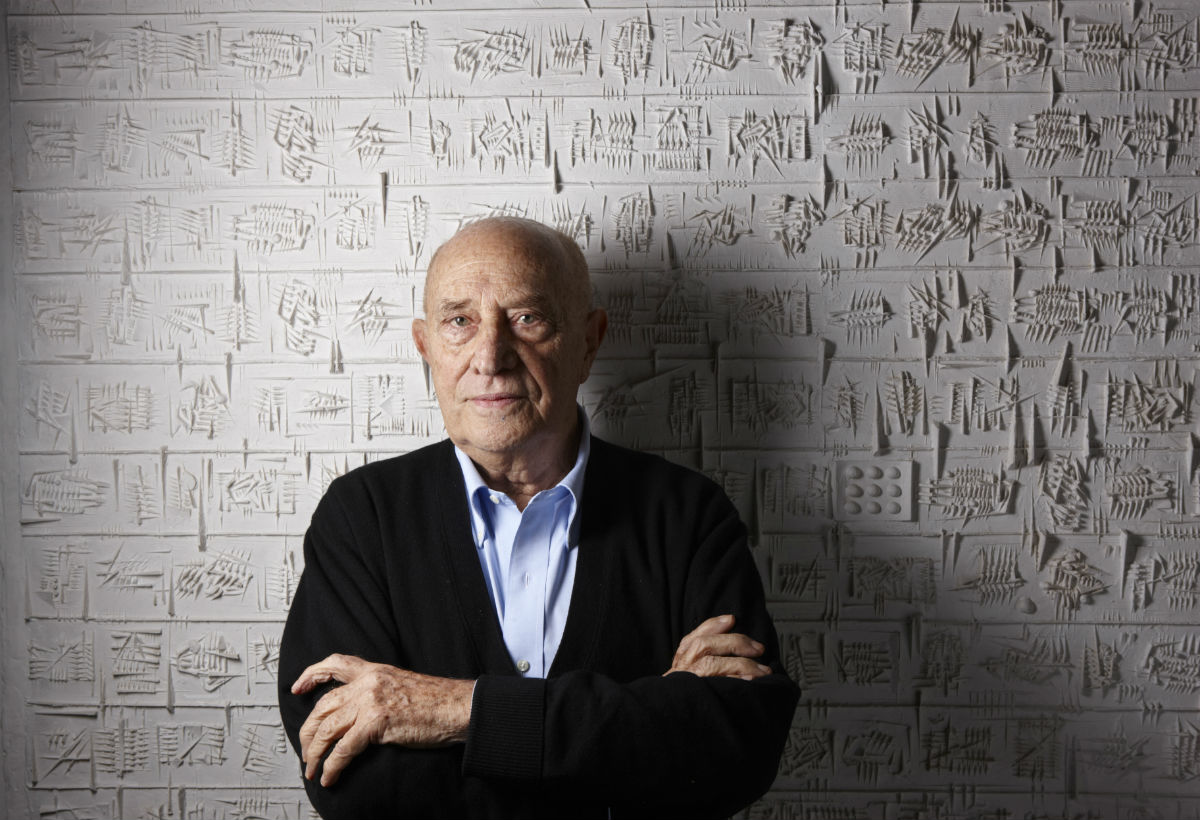
An Interview with Arnaldo Pomodoro
By Carol Real
Which artists or movements most shaped your early vision of sculpture?
First of all there was Paul Klee, from whom I have perhaps drawn my signature style. When I started my research on the solids of Euclidean geometry, there was Brancusi, and then, Lucio Fontana with his new idea about space–and also Medardo Rosso, Boccioni, and Dubuffet. I won’t forget the lesson of Constructivism, which has been a very important movement for me—even more so than Dada or Surrealism. It is a reference that I have always kept close.
How did growing up in postwar Italy and later arriving in Milan shape your sense of space and material?
I spent my childhood and adolescence in Montefeltro, an area between Marche and Romagna, whose border line is the river Metauro, which goes in and out each region like a serpentine.
I arrived in Milan in 1954. At the time, the city was full of energy, with a strong international imprint. It was on the cutting edge for theater, art, and music. I immediately started to associate with the artists and intellectuals who met at a bar called “Giamaica.” Meeting with Fernanda Pivano and Ettore Sottsass was fundamental, and, through them, I got to know American culture.
You once said that your attraction to matter began in childhood. What drew you so powerfully to material and transformation?
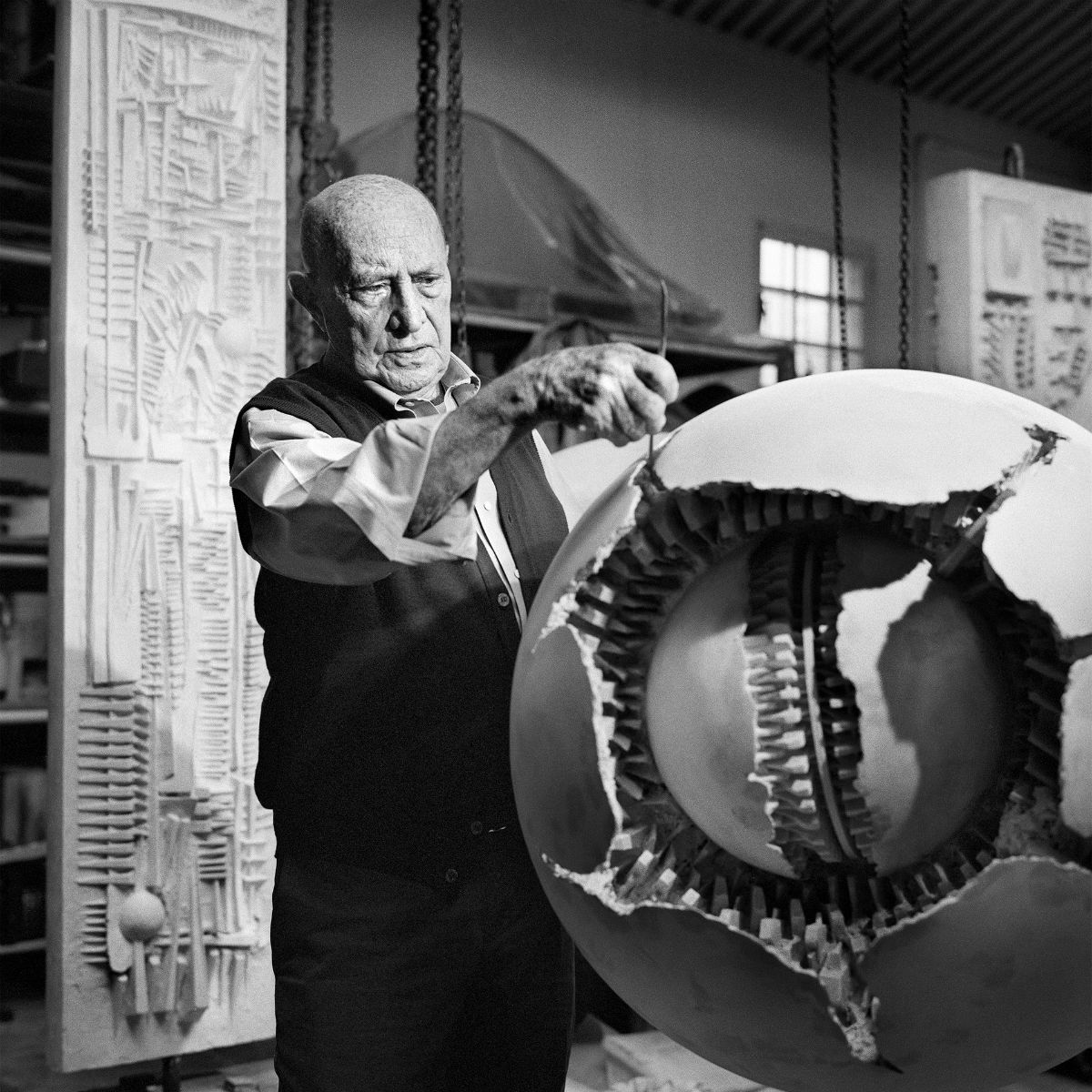
Ever since I was a boy I was attracted by matter—matter that I needed to touch and transform. I realized that my path must involve sculpting. But I must say that I was also strongly influenced by the landscape of Montefeltro, a wonderful part of Italy where stone and architecture are majestically integrated. It looks like the rocks, fissures, and the rest of nature are the remains of ancient cities.
Throughout your career, what have been the most demanding challenges of the artistic process?
The artist looks deep inside–for himself. He is pressed by emotions and attempts to rid himself of his anguish and to feel liberated by doing his work. This is always a difficult road, sprinkled with lights and shadows.
Bronze has become a defining element of your practice. What keeps you connected to this material after so many decades?
All metals fascinate me. I have used lead, tin, iron, copper, silver, and, in particular, bronze, which I prefer glossy and uncoated. It is the most appropriate material for my artistic language—the one that best expresses the specific contrasts of my sculptures.
You’ve created some of the most iconic public sculptures of the modern era. Which work feels closest to your essence as an artist?
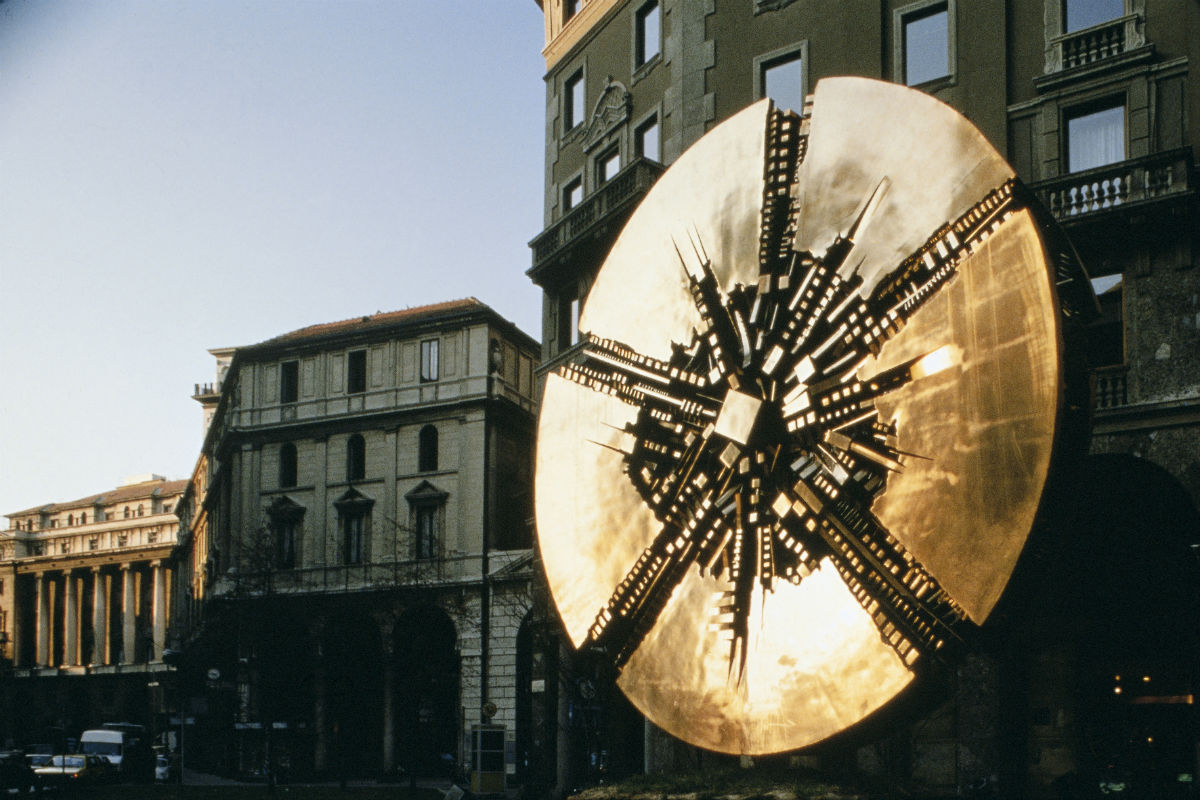
I believe that Large Disc [Grande Disco] is one of the most significant works of my career. It is four and a half meters in diameter with a weight of about seven tons, installed in Meda Square in downtown Milan, a city that seems to have adopted me.
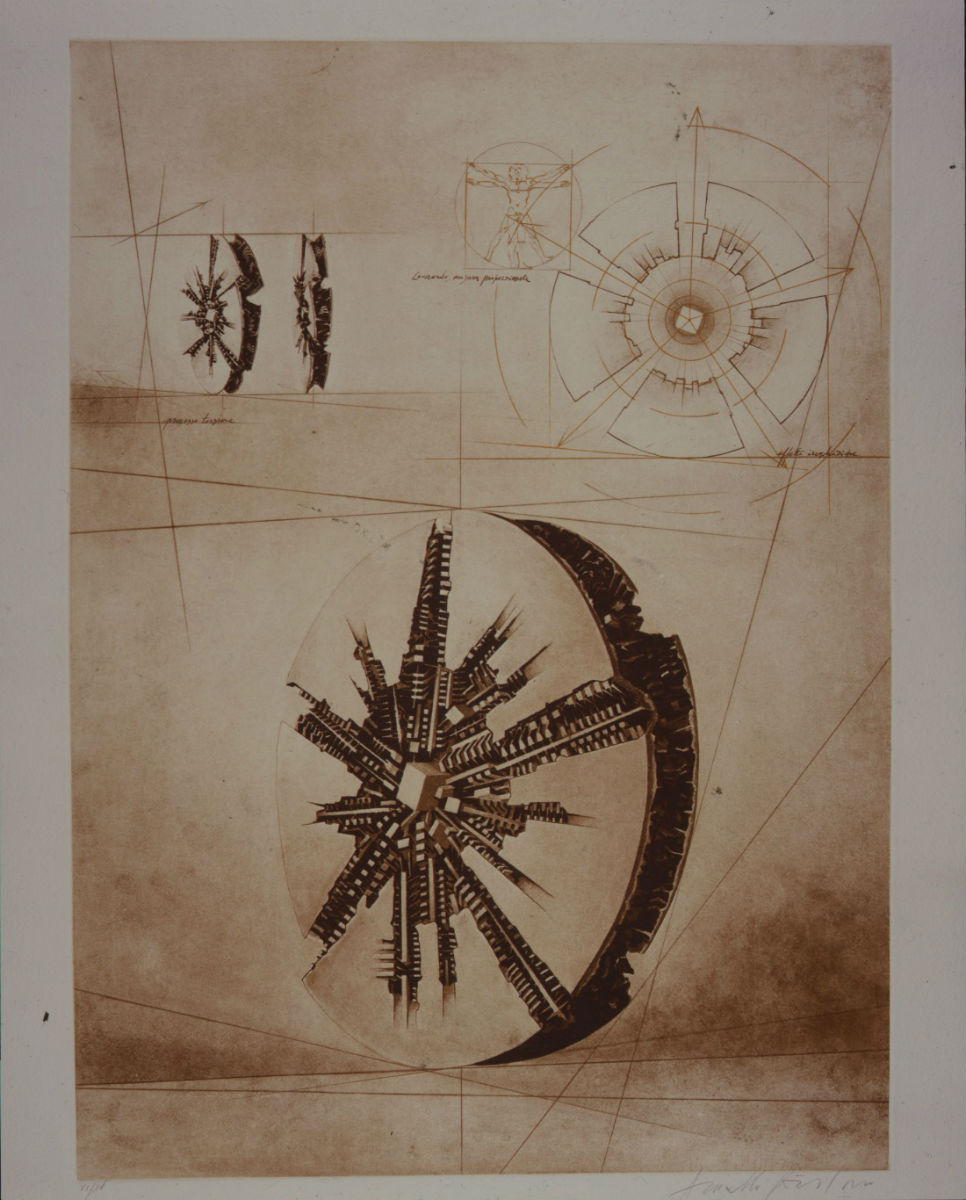
I tried to give the sculpture a sense of torsion to make it more alive, and I have represented the proportion of man that Leonardo has inscribed in a circle. Its positioning is the most successful part. The work has been placed the vital context of the city, and within that, it represents the city’s dynamism, optimism and solar strength.
Your sculptures merge ancient symbolism with futuristic technology. How do you reconcile the tradition of craftsmanship with modern reproduction and technique?
I believe that my works express both respect for the past and admiration for new discoveries, knowledge, and technology.
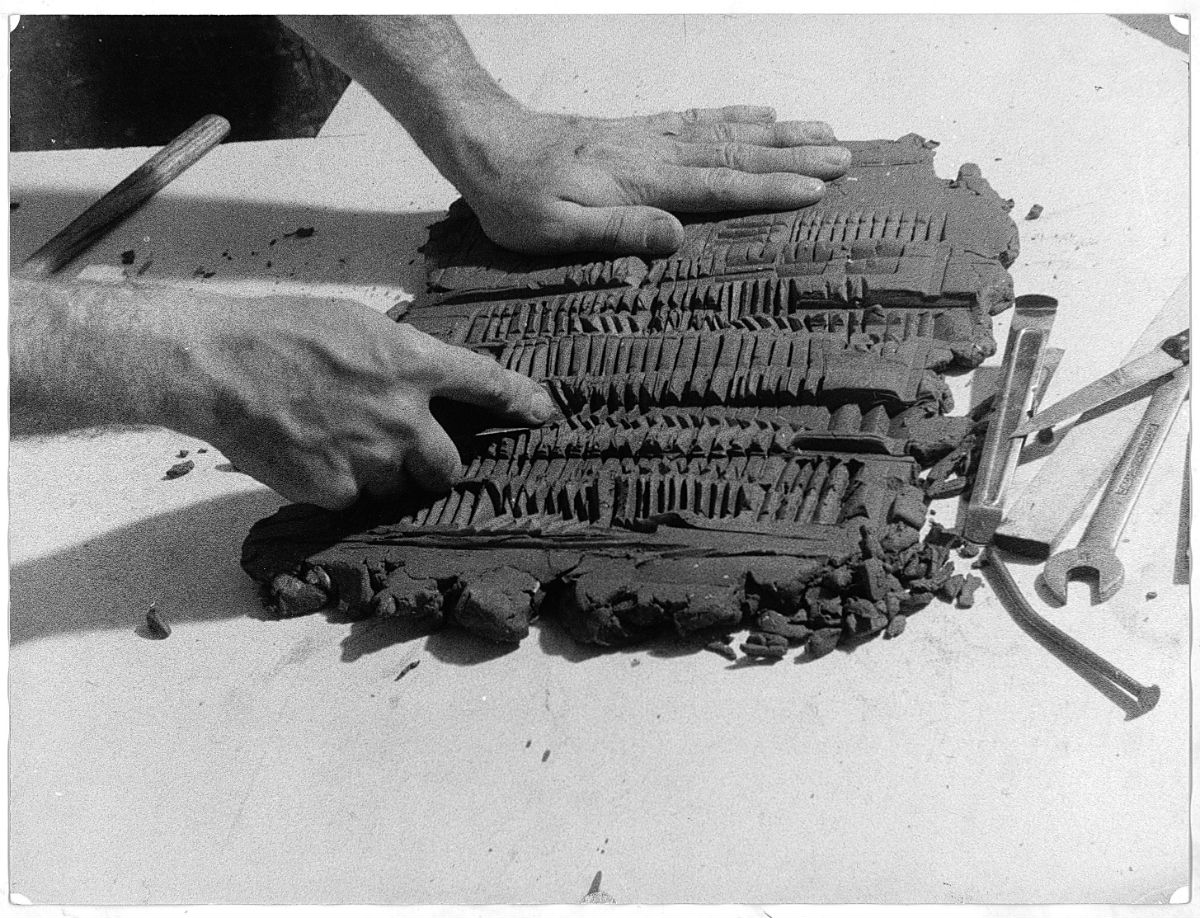
My way of working (typical of traditional, inventive working skills of craftsmen) excludes the use of mechanical techniques for reproducing the work. It is based on the classic method of lost-wax casting and requires particular care.
I think, however, that every form of expression is valid and has its own logic. Contemporary artistic research finds current solutions and techniques in an absolutely free way, as it was in all the great historical examples. The important thing is to exclude any purely show-off processes—those that are merely repetitive, commercial or trendy.
You’ve referred to some of your designs as “visionary projects.” What do those unrealized works mean to you?
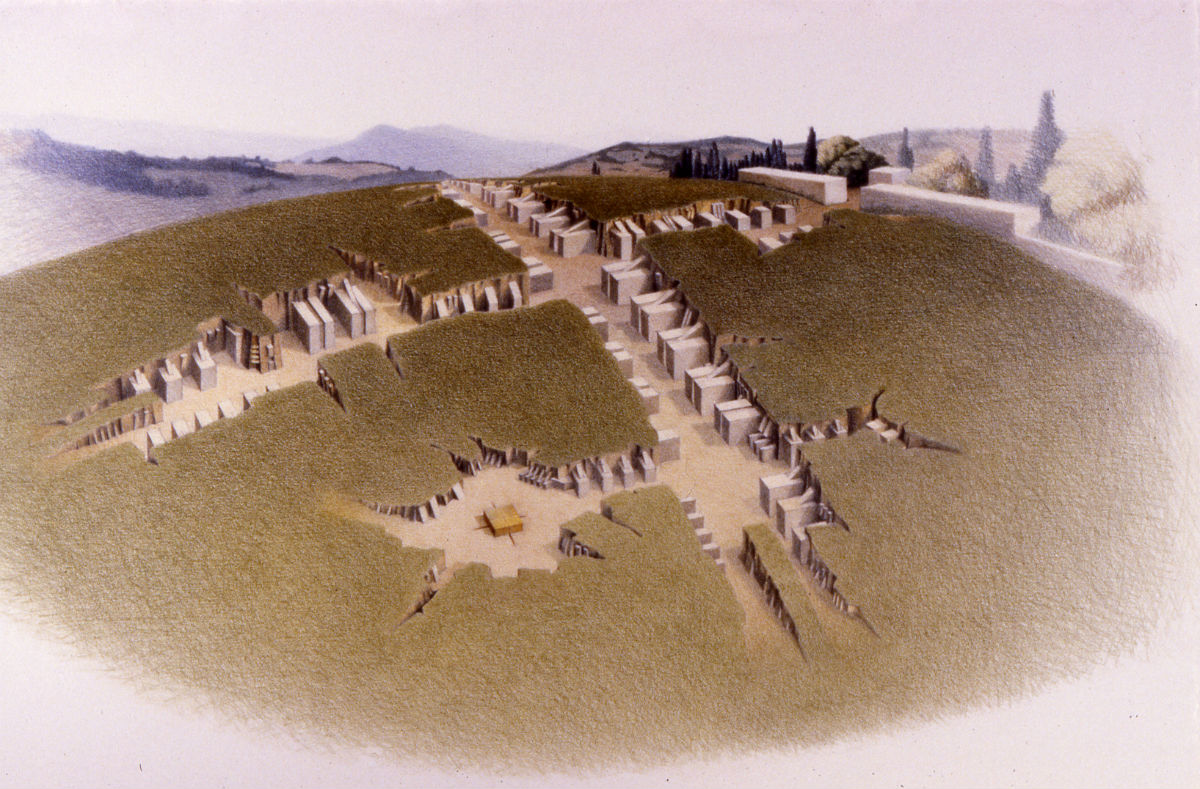
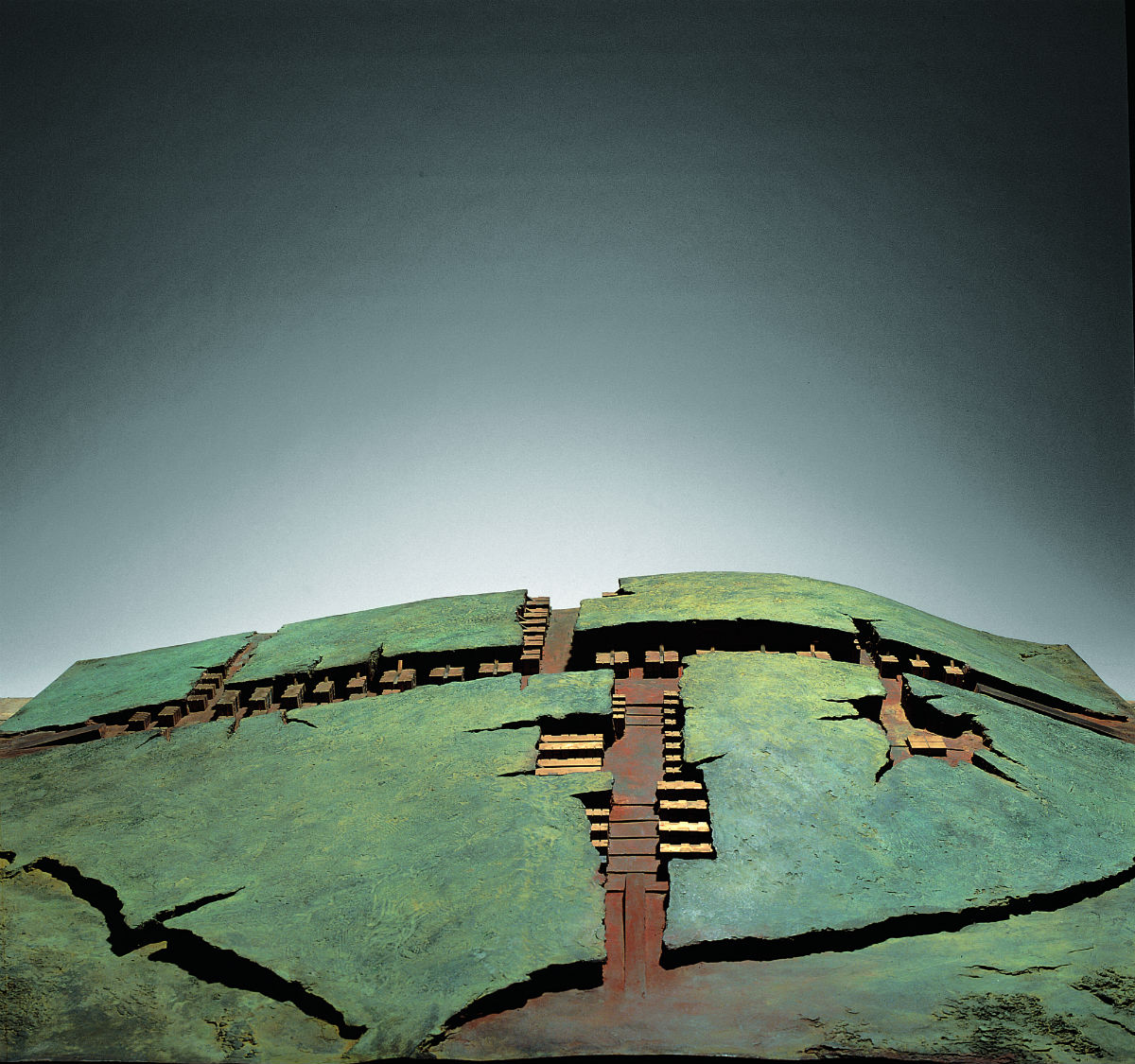
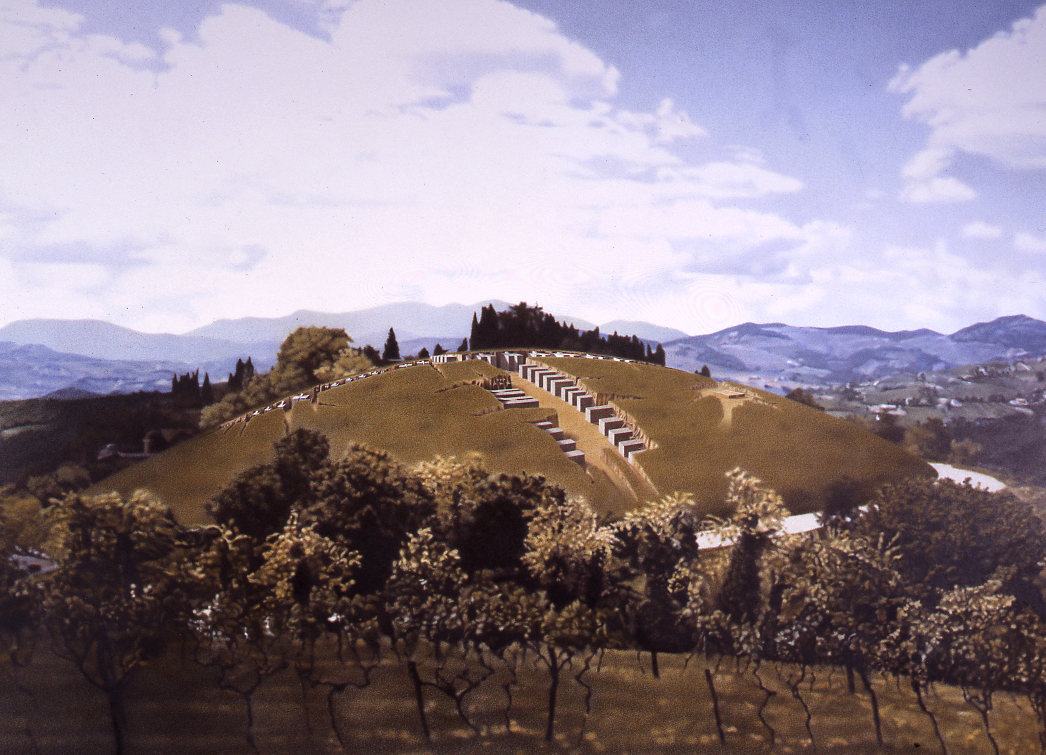
Yes, in many cases. Those are works that I have called “visionary projects.” They are projects for buildings (example: the Cemetery of Urbino), toys, spectacular machines, utopias. In general, they are paradoxical shapes that question an environment or a norm and reveal in a particular way the deep, complex connection between pure artistic research and the process of architecture and design. For me they represent a stimulus towards every possible spatial intervention.
Your early years in Milan brought you close to Lucio Fontana and the avant-garde. Could you share a moment that stayed with you from that time?
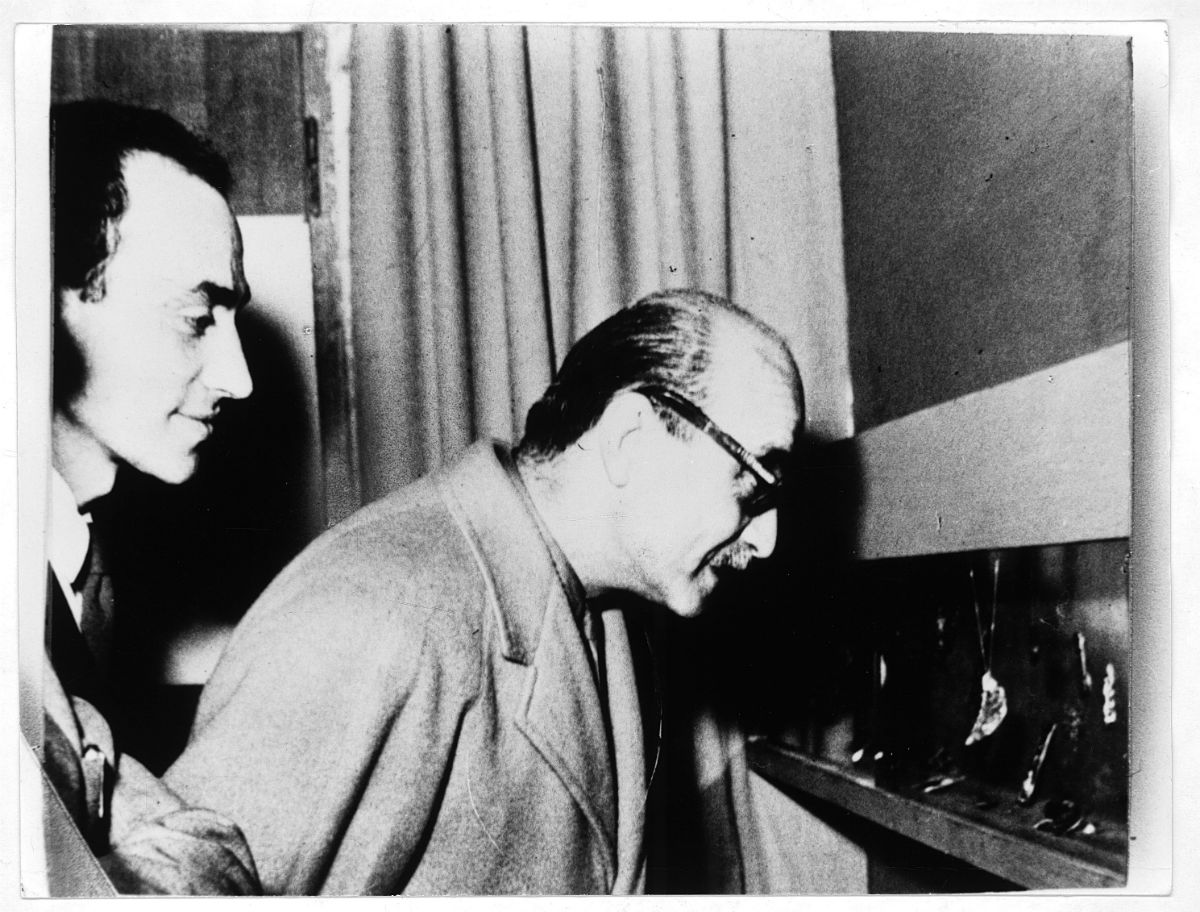
I remember that Lucio Fontana suggested to my brother Giò and me a basement that would eventually become our first studio in Milan. It was on the corner of Via Visconti di Modrone and Corso Monforte, near his own. He often came to visit us and see our early works, giving us advice that we always considered very important. I remember his smile, so expressive and ironic, and his way of speaking that was simple, but always acute. He moved with vivid gestures, an intertwining of motions that seemed to relate to the neon arabesques he adopted as an artistic medium–before anyone else did.
He was an inventive, moving spirit animated all of his work.
Light and reflection are essential to your sculptures. What happens internally when imagination and process align?
The starting point is always the desire to give shape to my imagination, and I believe that what I pursue in sculpture is really a new vision of reality. Therefore, when I focus on the work I am creating, I feel courage and vitality.
You collaborated for years with your brother Giò Pomodoro. How did that relationship shape your artistic identity?
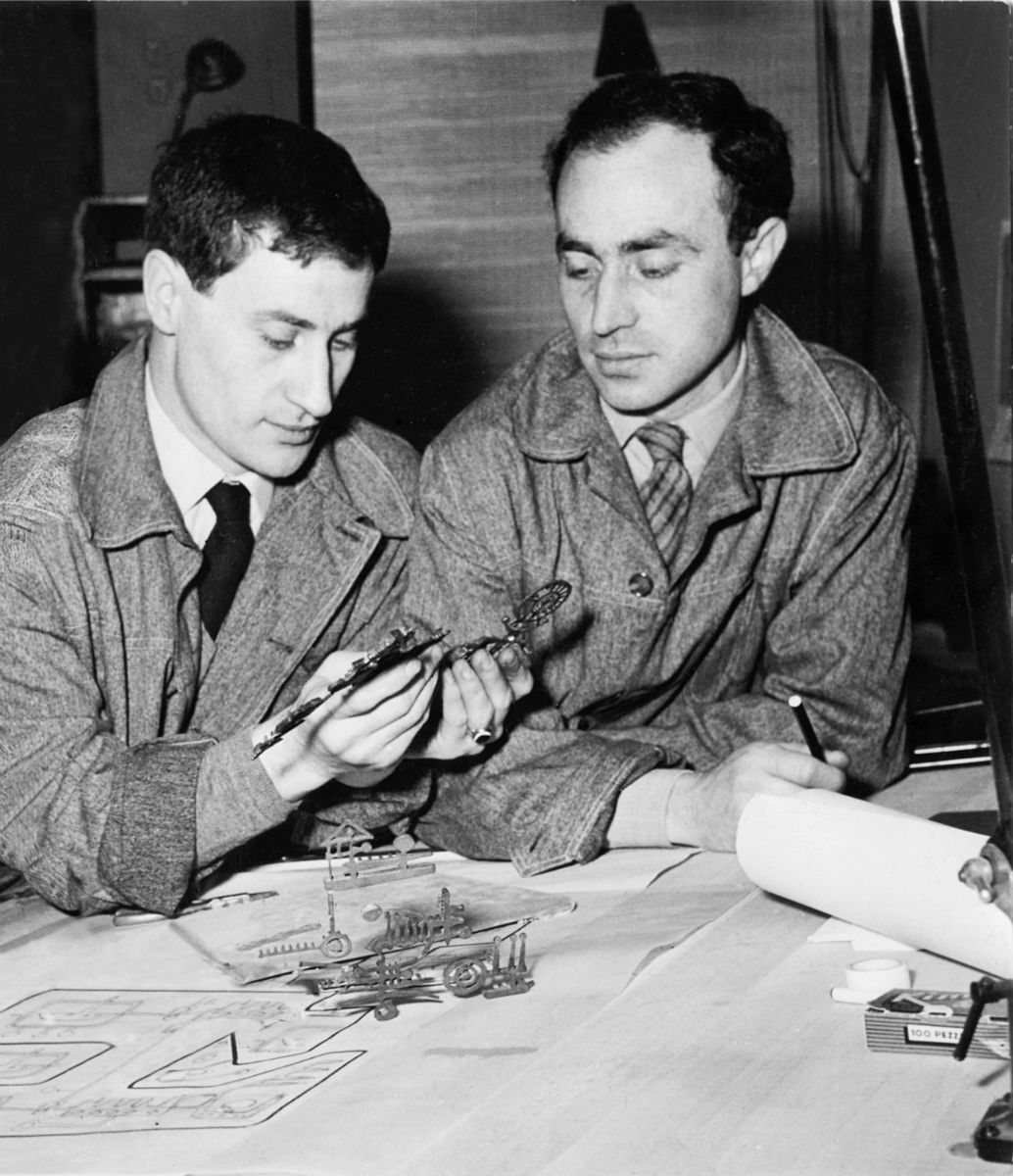
My artistic journey started with Gio’, and for years we shared the studio in a true creative partnership. Later our ways drifted apart, and each of us embarked on a more individual journey.
You’ve long believed that art and architecture should coexist rather than compete. How do you see that dialogue evolving today?
*Retrieve article at www.nytinmes.com Pomodoro sculpture 1981
Art and architecture are two different ways of dealing with space. I think that three-dimensional works claim their own space within the greater space where one lives and moves and that there is always a close and complex relationship between art and architecture, particularly, between sculptures and cities.
The integration between the works of the architect and the sculptor, therefore, cannot fail, even though it is something that must be continually rediscovered through relationship that triggers debate and mutual stimulus.
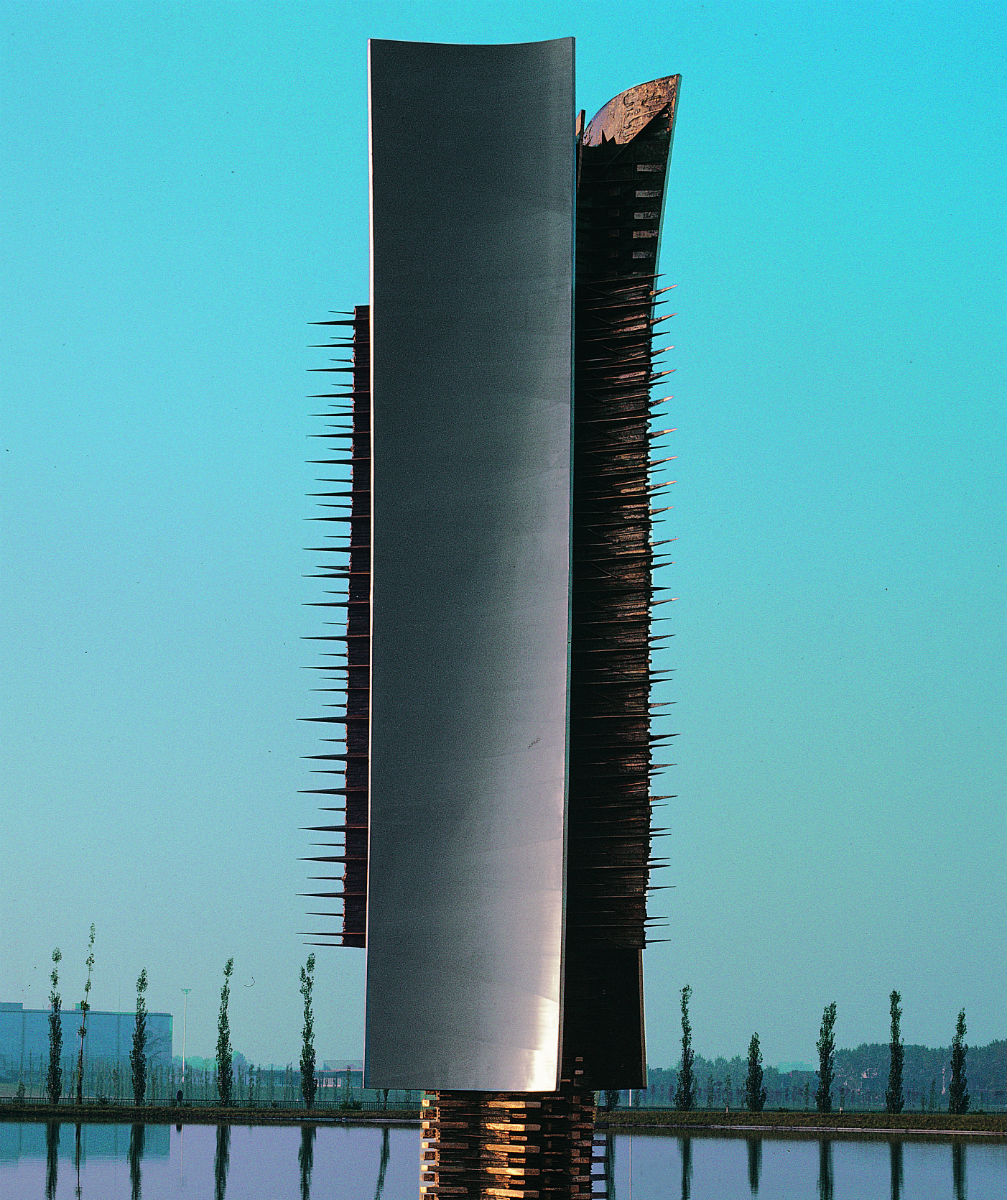
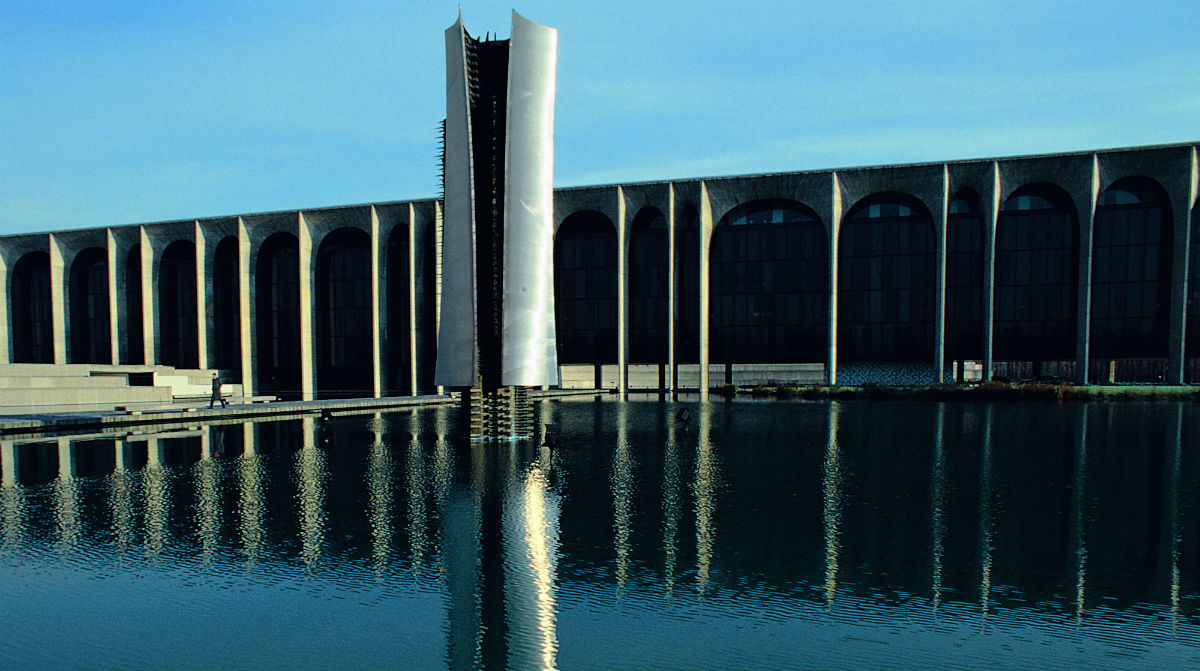
I have often worked with architects, and it was always a stimulating experience. In Segrate, the building that houses the publisher Mondadori has a dynamic, continuous façade of arches designed by Niemeyer. I thought of a sculpture, Column in Large Sheets, which projected activity and movement. In Copenhagen, for the sculptures for the garden opposite the Royal Palace, I worked together with Belgian architect Jean Delogne. The collaboration with landscape artist Ermanno Casasso has developed over time through several works: the large, concrete Solar Earthly Motion, plunged into the garden that encloses the Symposium of Minoa, near Marsala; the terracotta arch, called Arch in the Sky, in the Negombo spa-park in Lacco Ameno, on the island of Ischia.
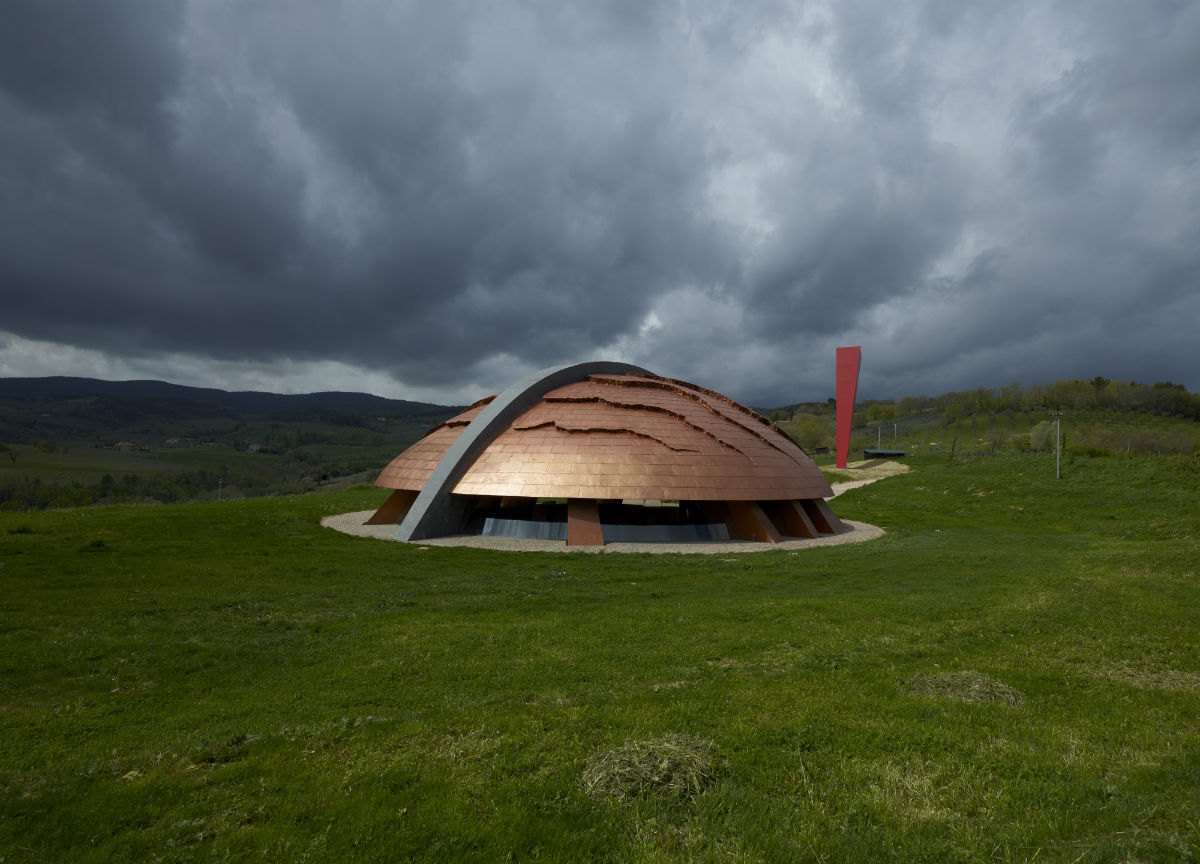
To bring out the balance and harmony of architecture in its surrounding natural environment, there is my giant sculpture, Carapace, an enclosure for the winery at the Lunelli family estates (Castelbuono) in Bevagna, Umbria.
Your sculptures now inhabit cities across the world. Is there one that feels particularly personal or misunderstood?
I would like to mention a work that seems to be completely abandoned at this point: the project for the new Cemetery of Urbino, inspired by the idea of equality for everyone in death and the return of the dead to the earth. After winning the City of Urbino competition in 1973, the project was not realized due to strong complaints voiced from certain local “noteworthy” places. Many representatives from the world of culture then took my side (Paolo Volponi, Giulio Carlo Argan, Bruno Zevi, Lea Vergine, for examples) starting a great debate in the press. But it wasn’t enough. However, I have not lost hope that this project may someday be built in another location in the world, because I am sure that it could be excellently placed in many other contexts.