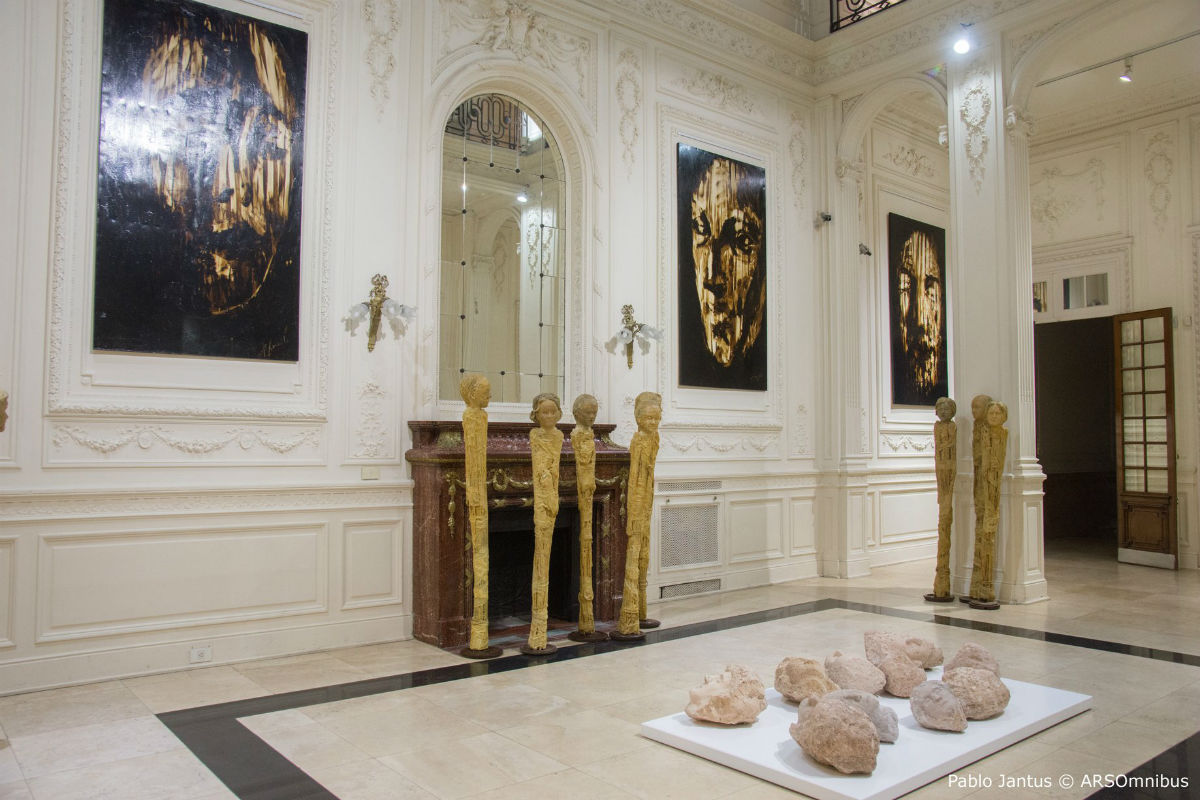
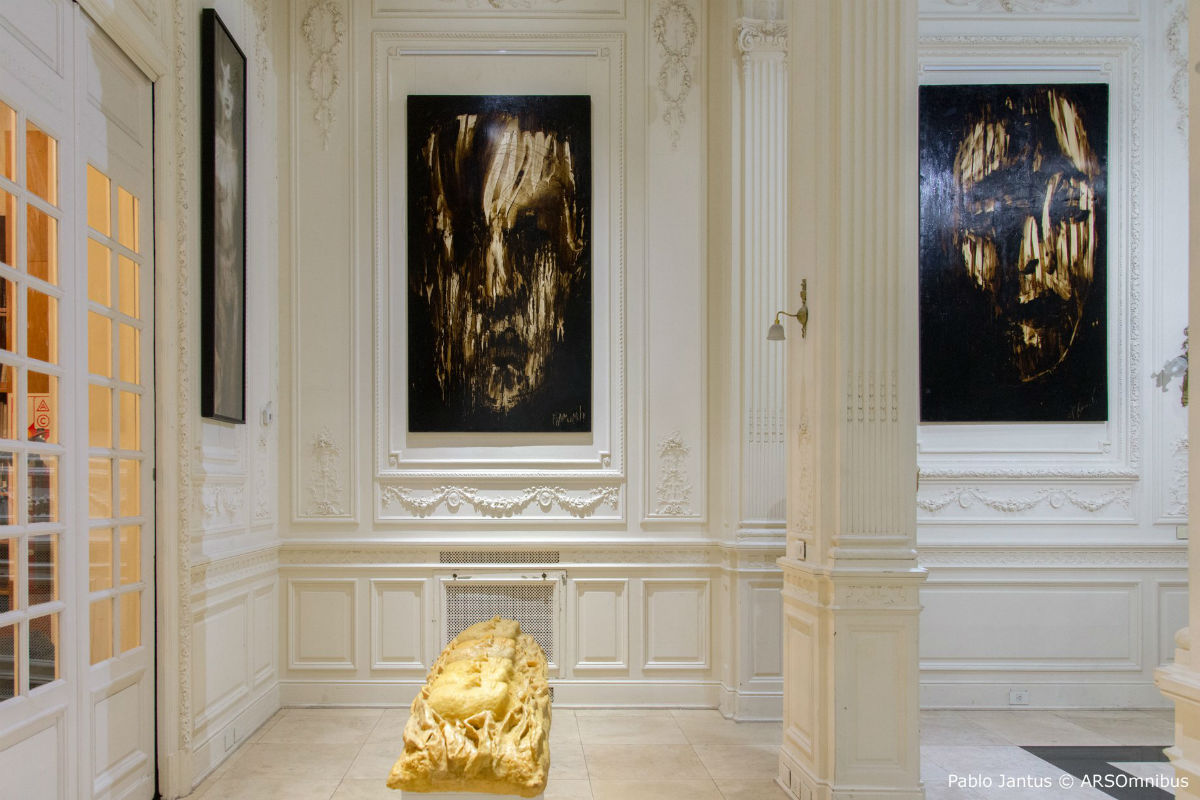
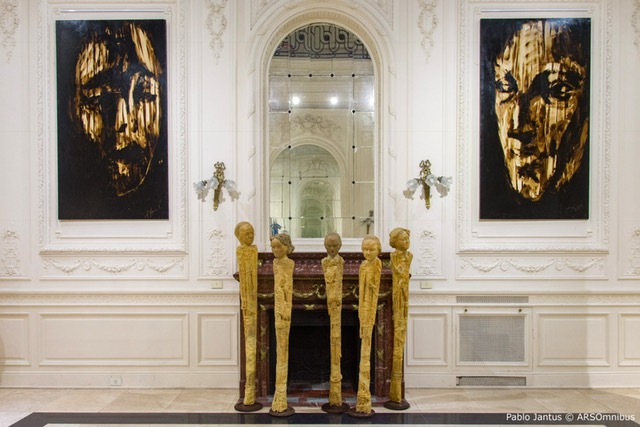
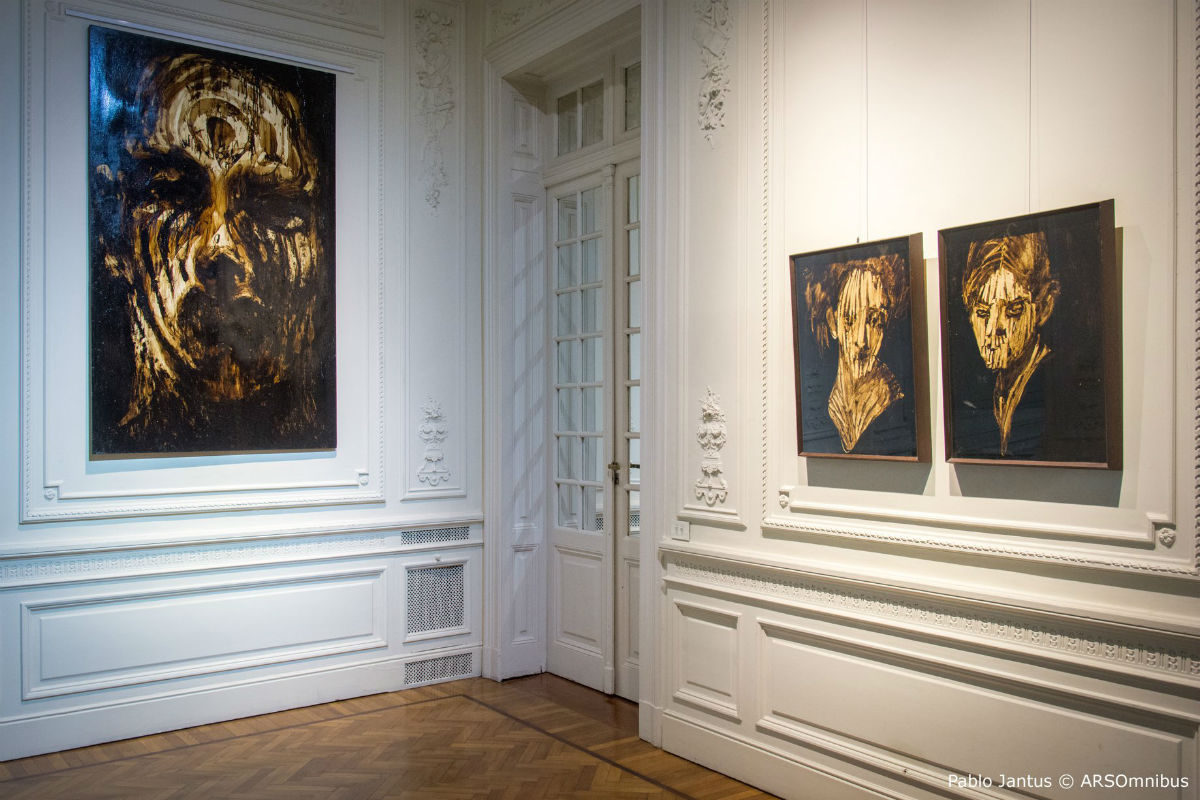
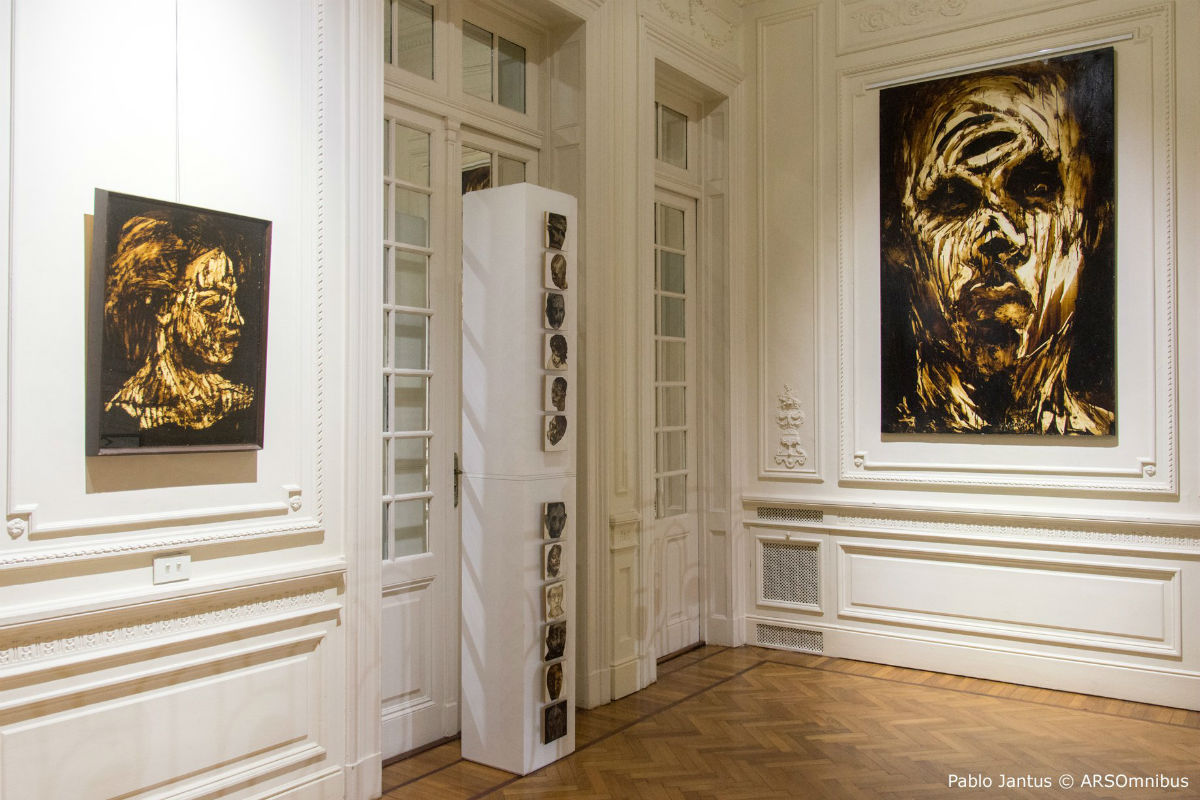
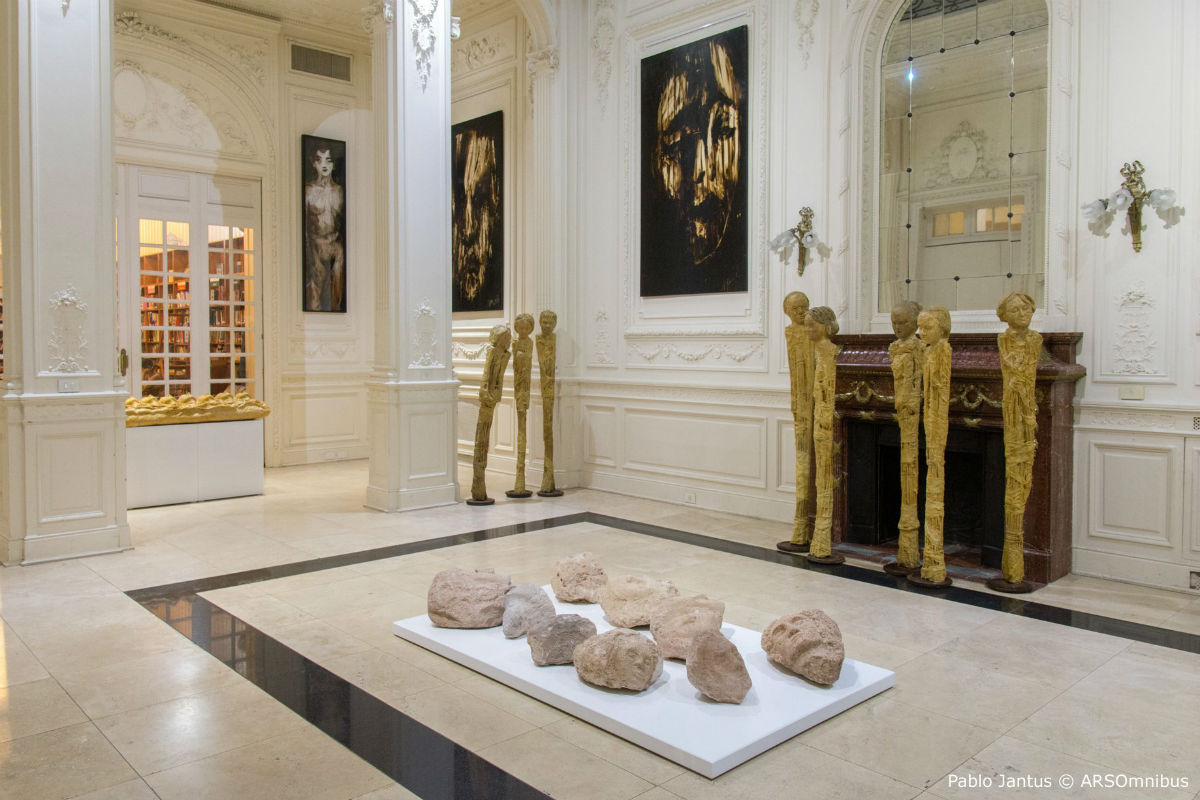
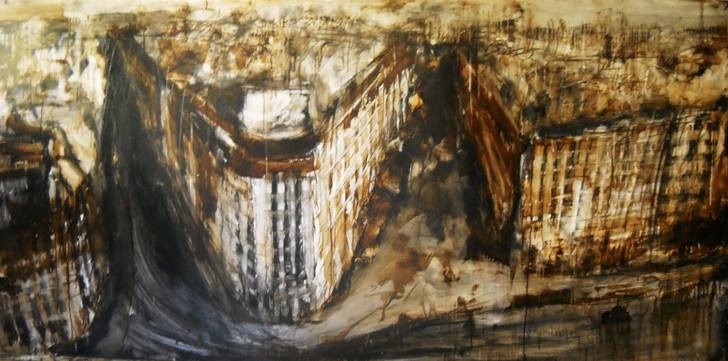
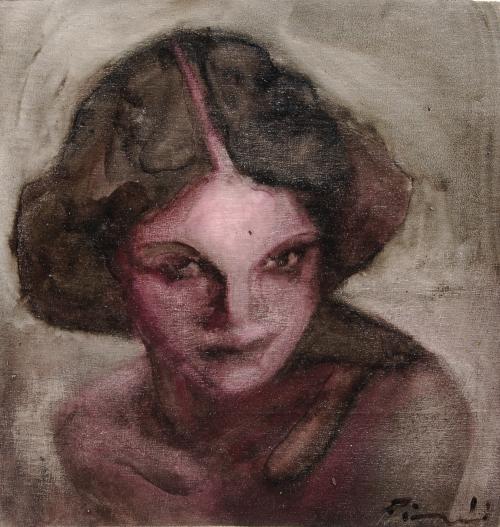
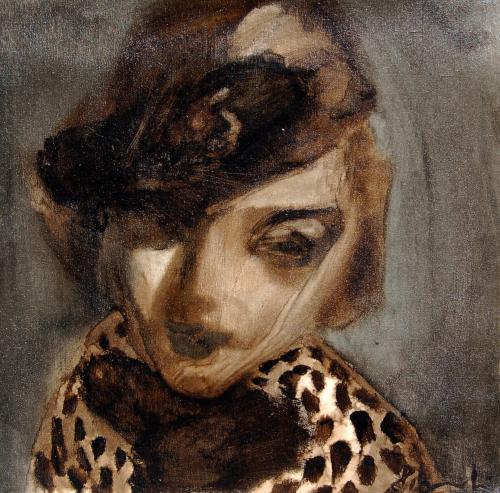
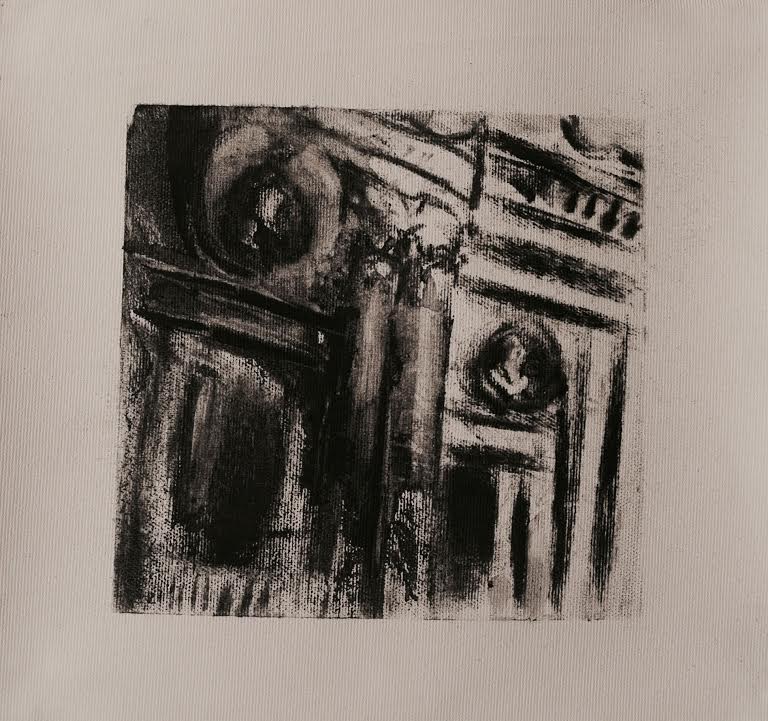
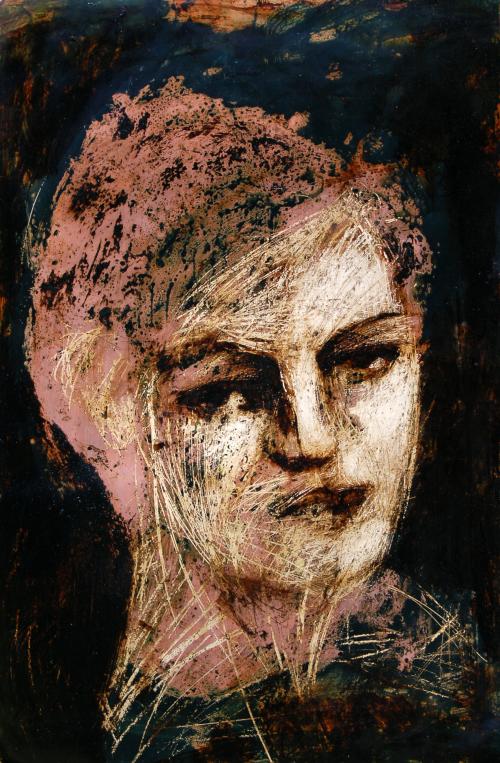
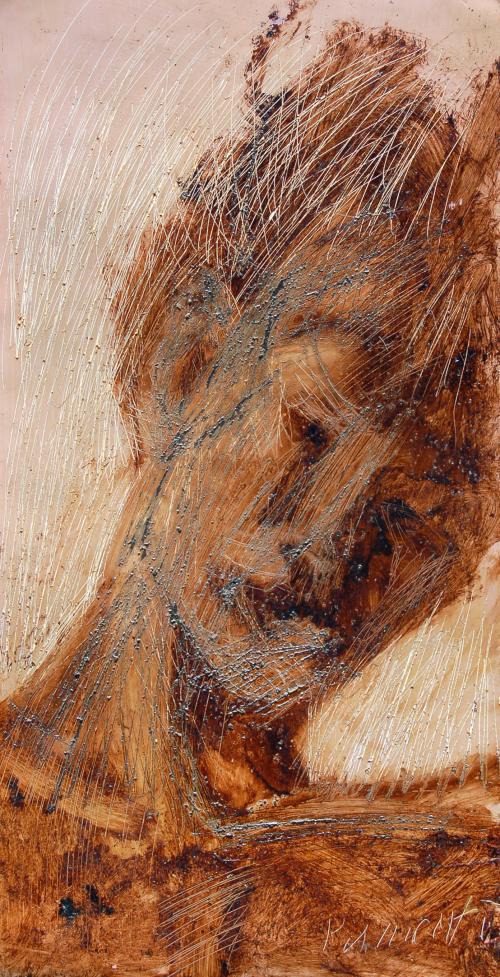
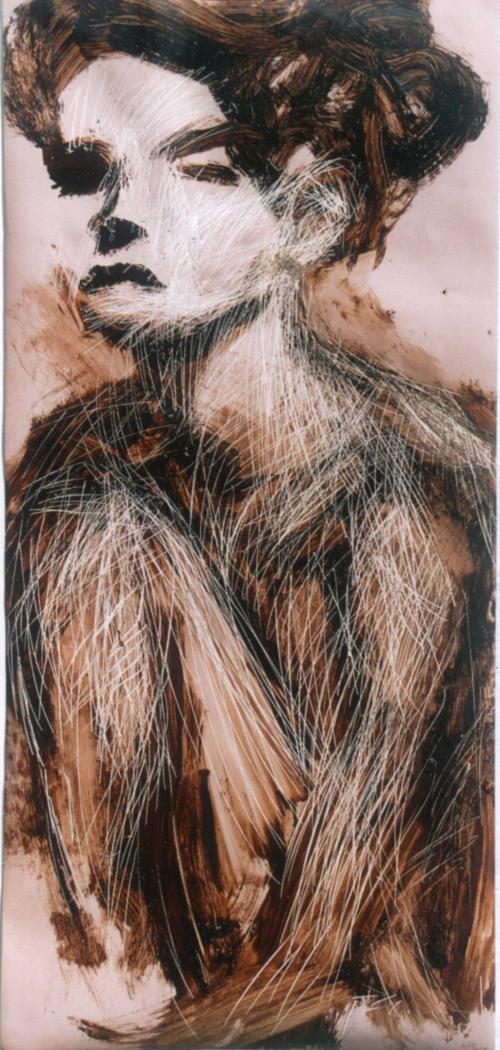
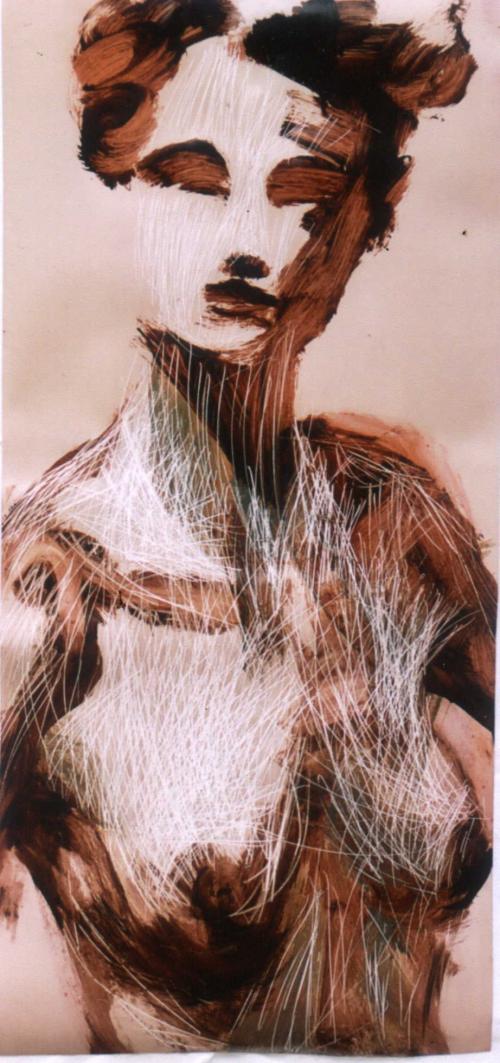
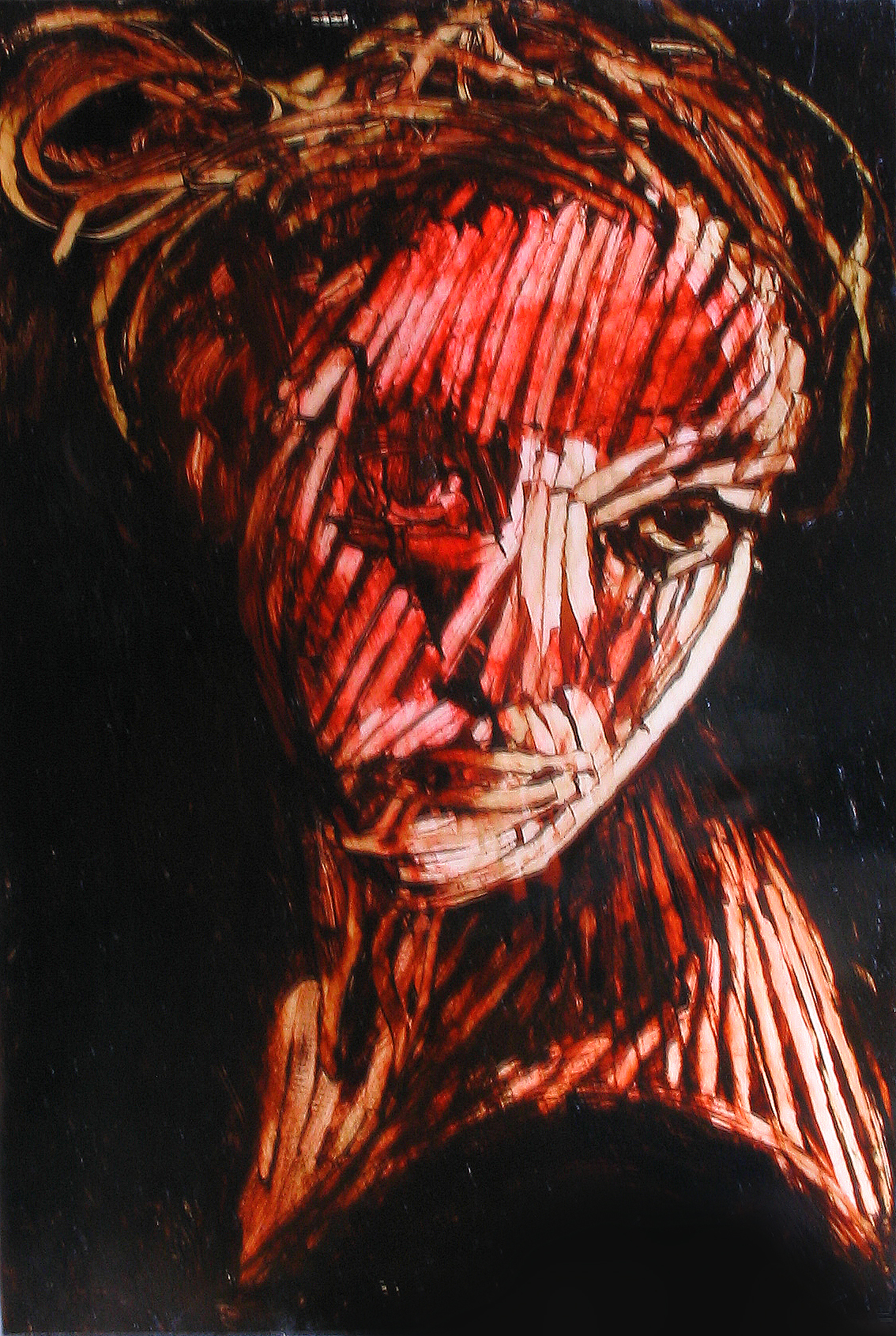
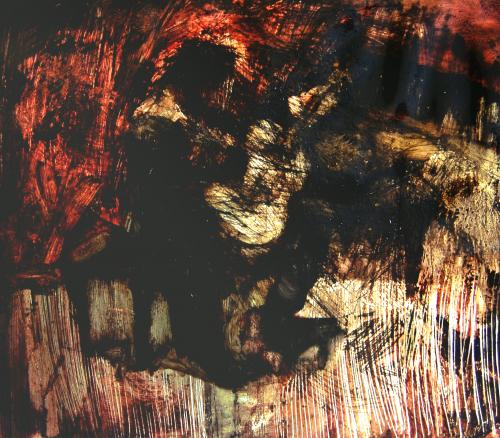
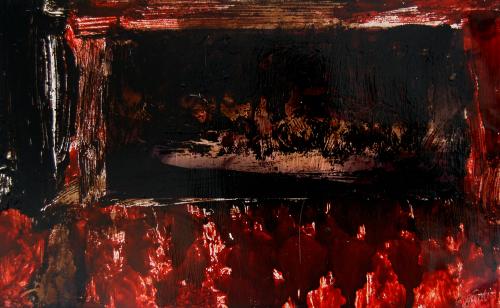
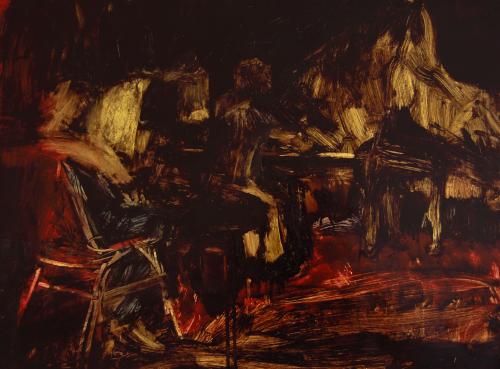
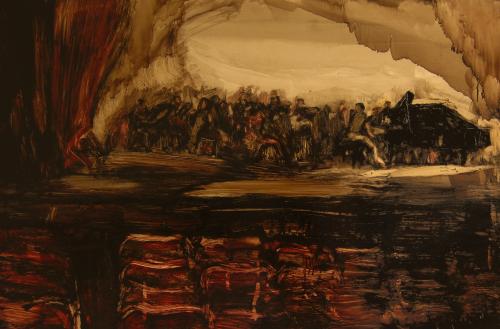
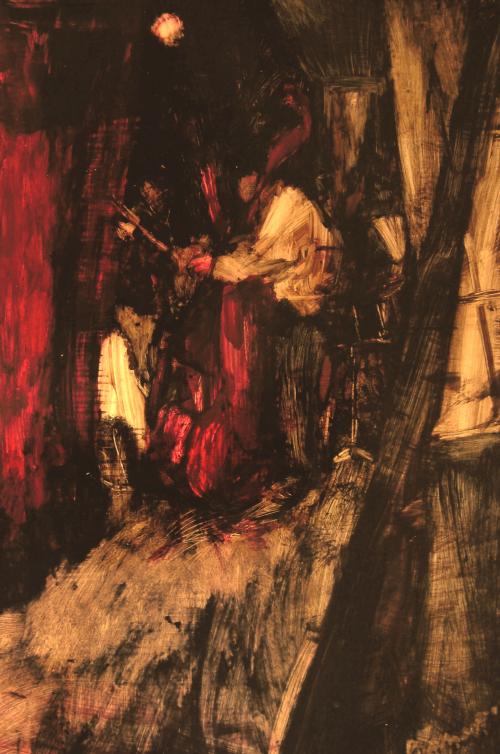
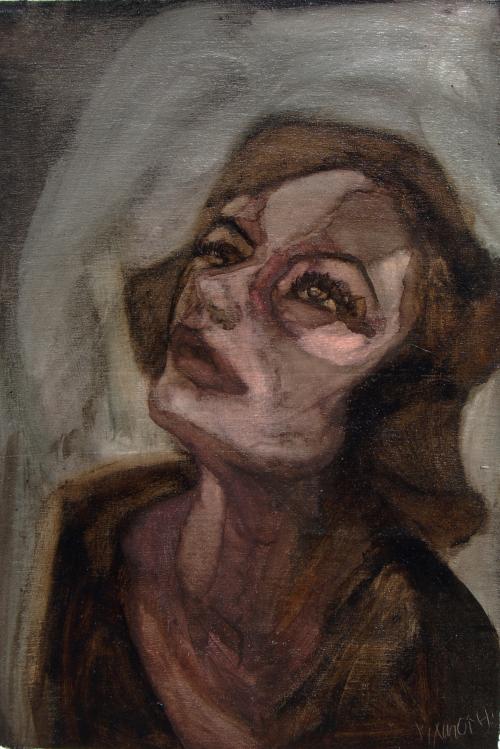
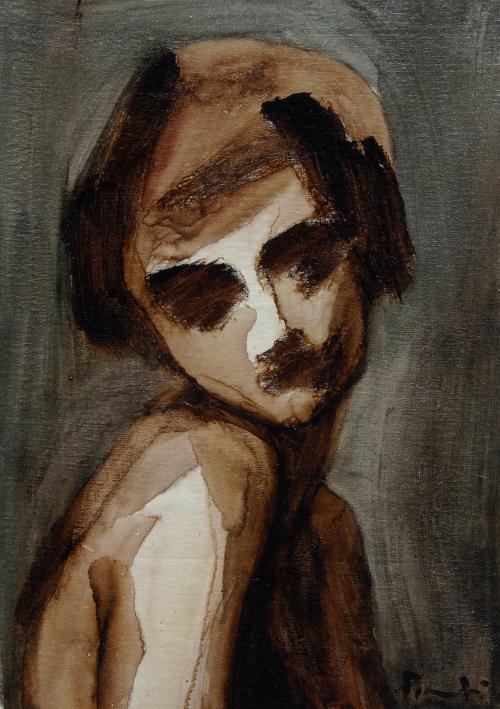
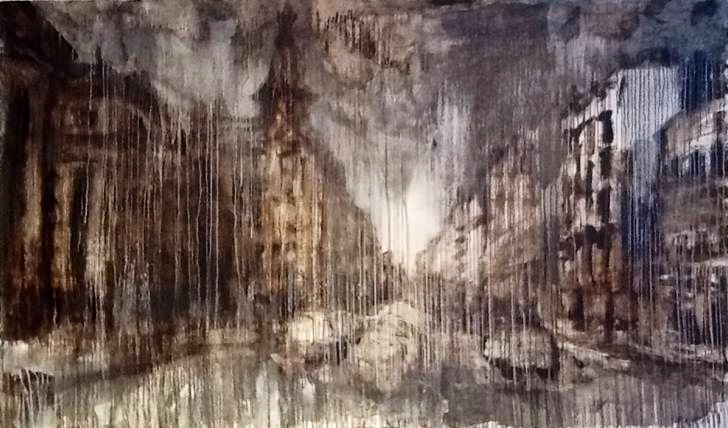
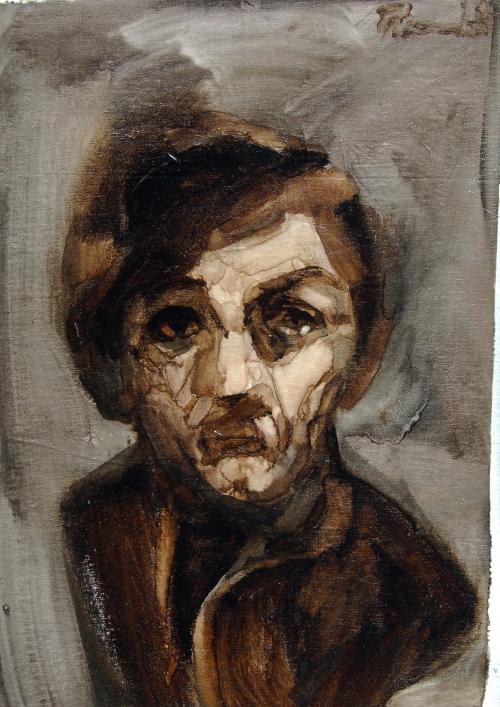
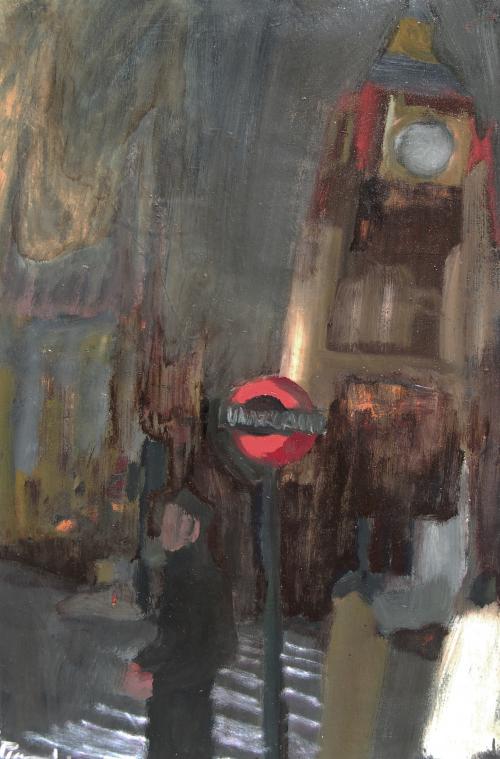
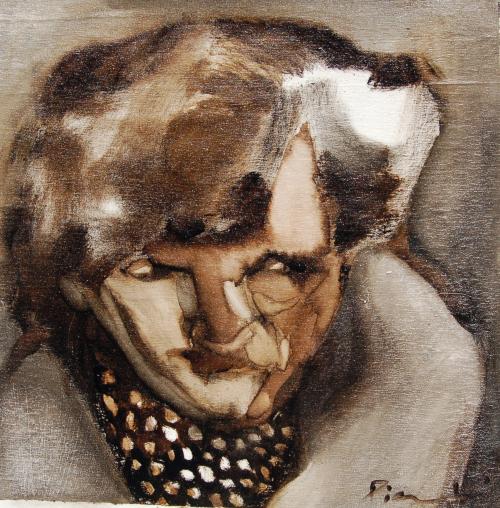
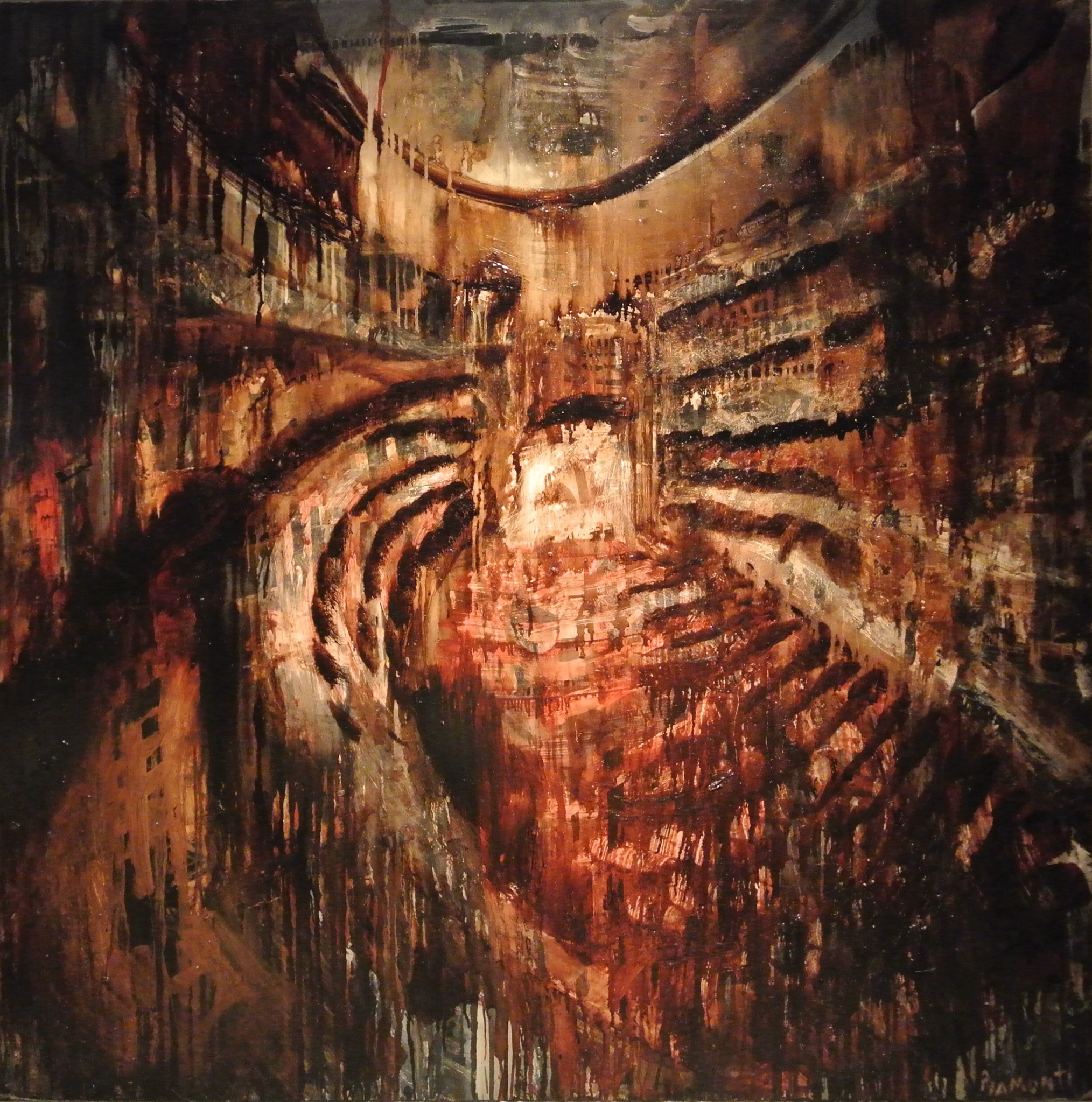
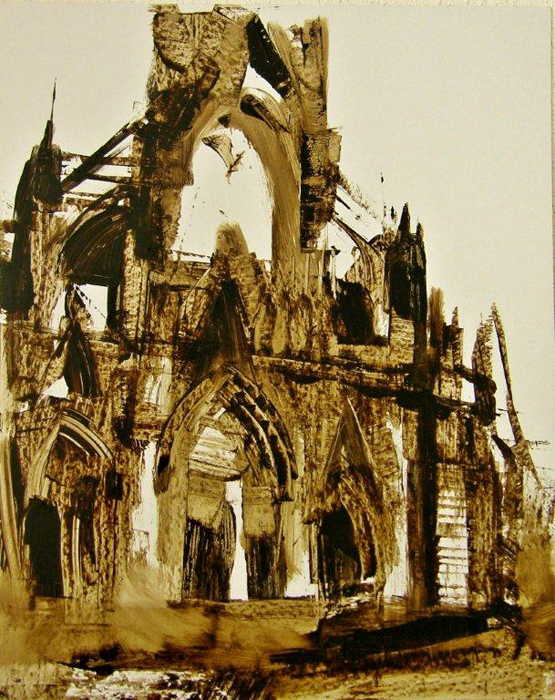
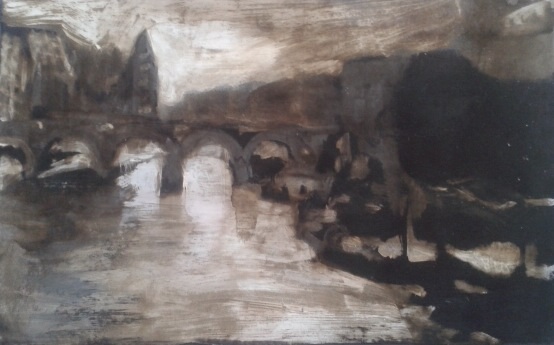
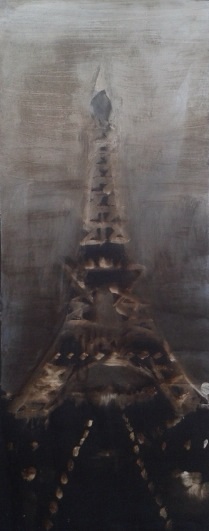
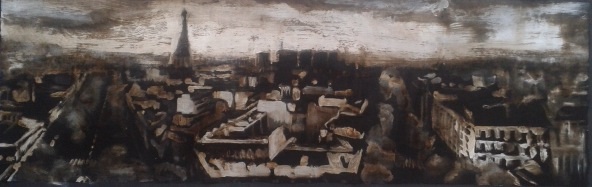
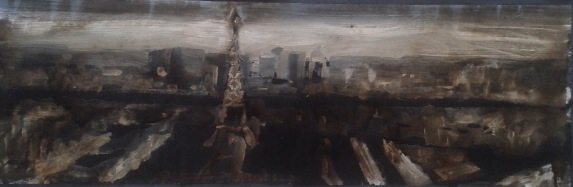
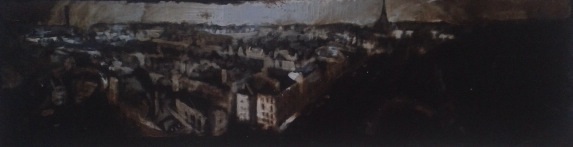
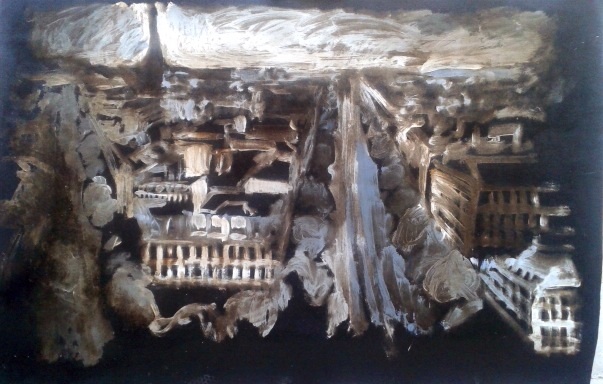
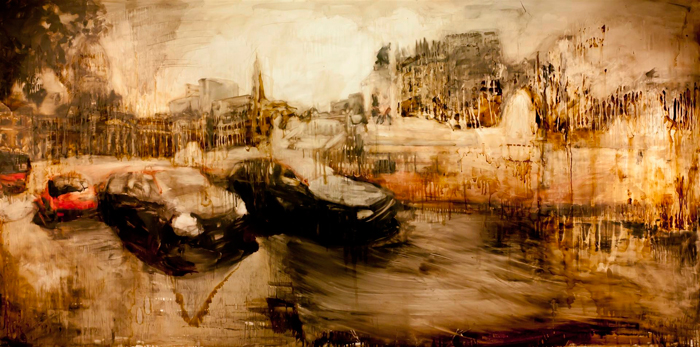
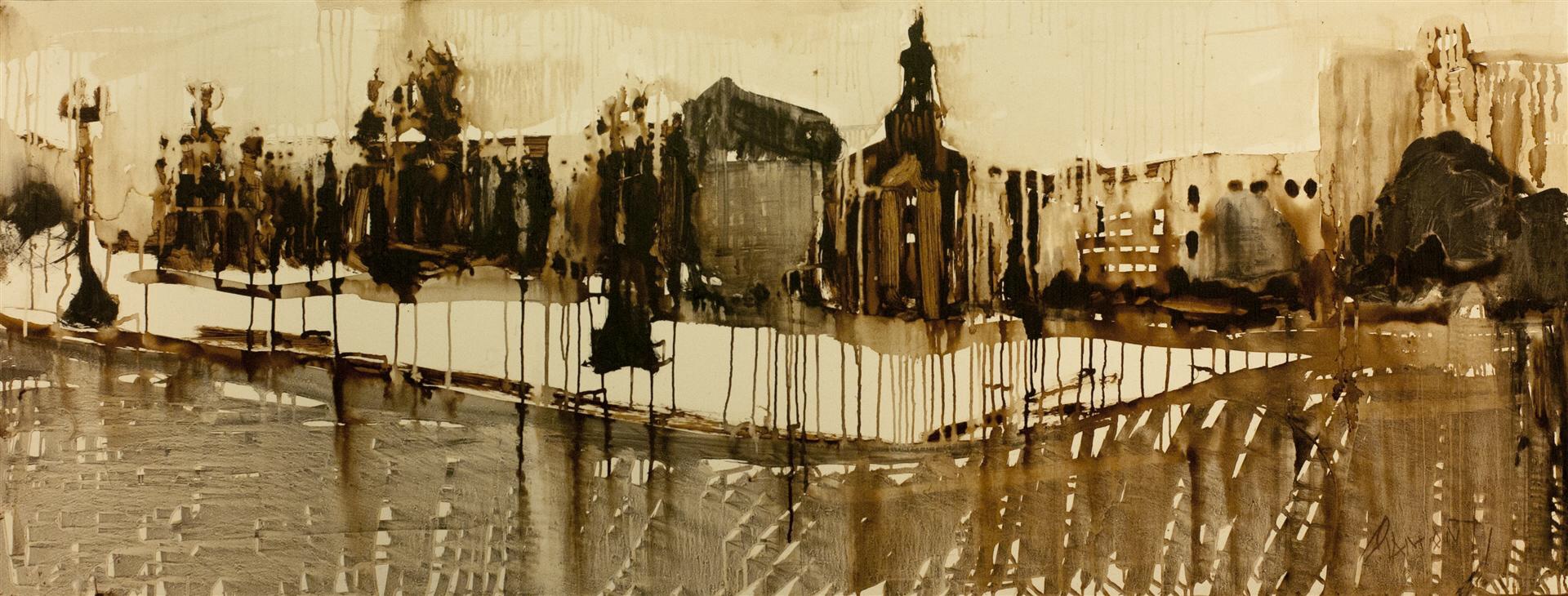
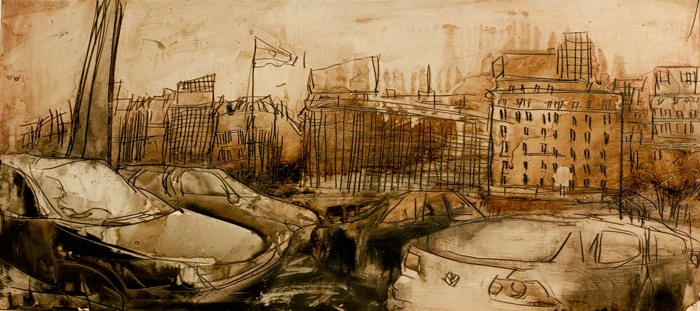
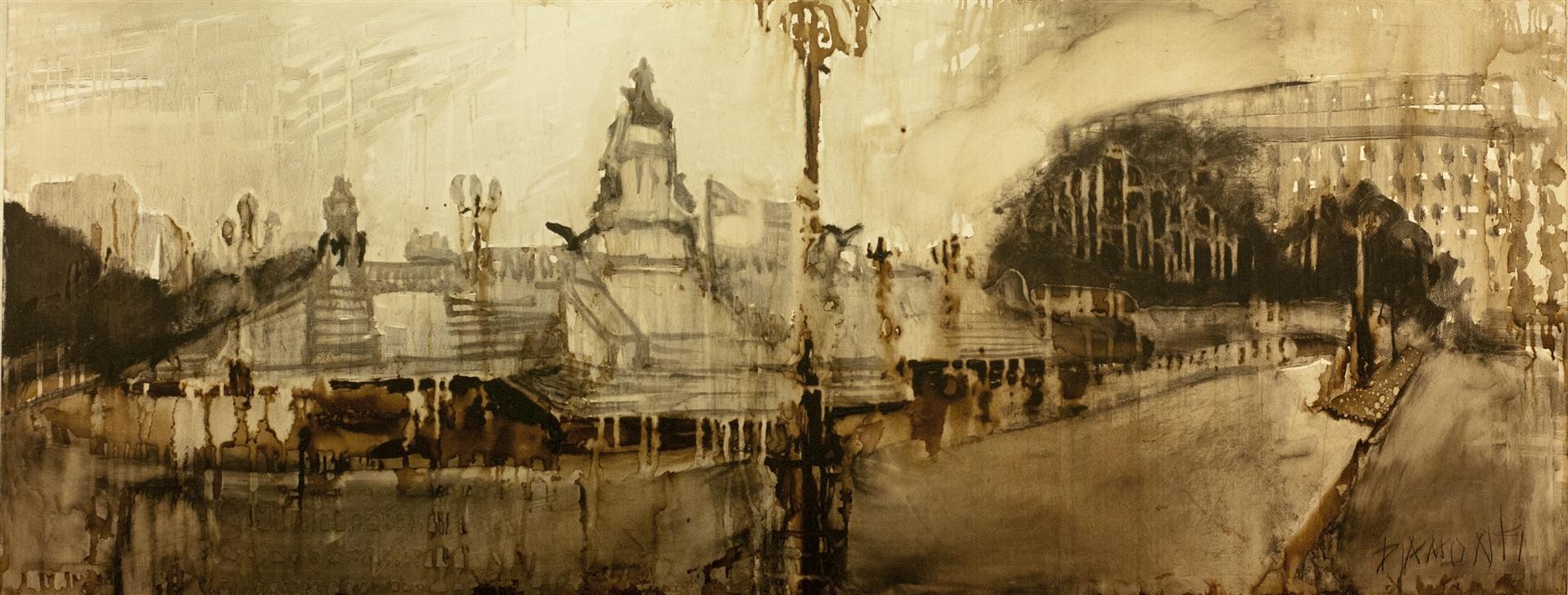
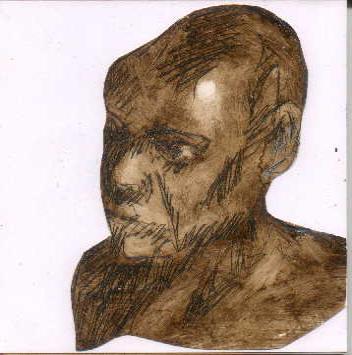
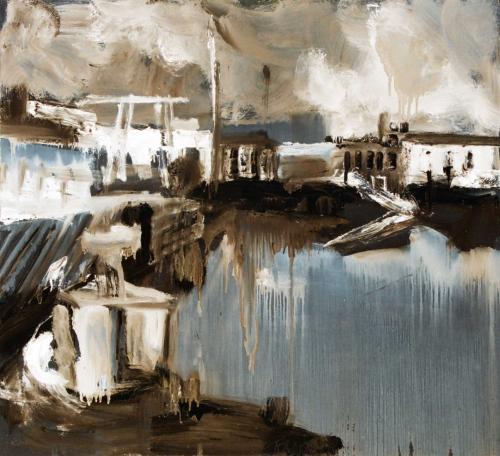
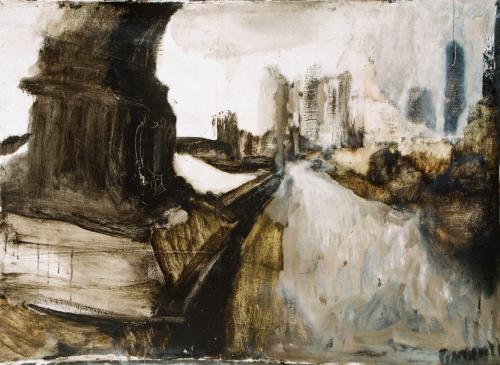
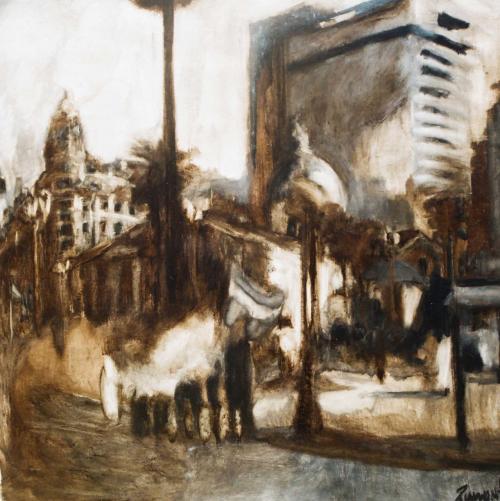
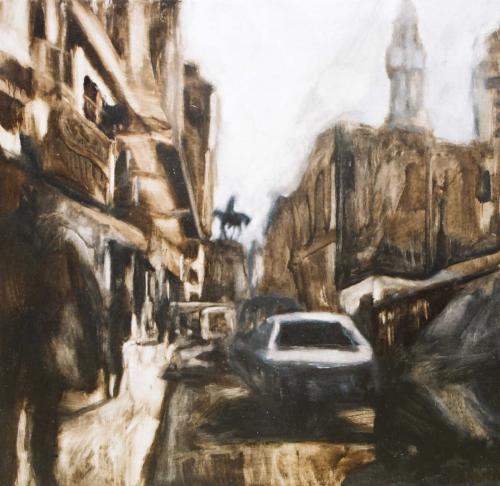
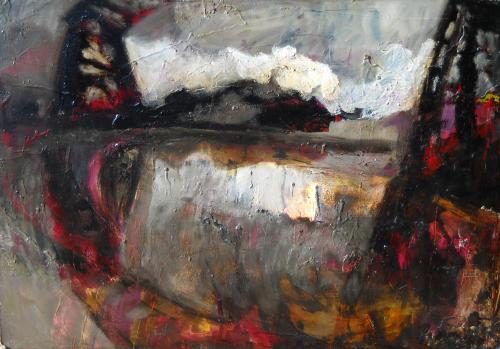
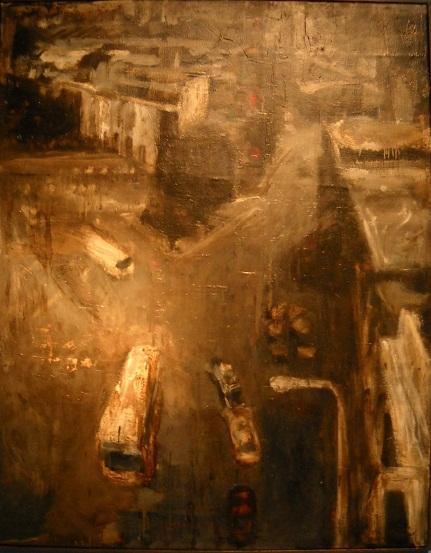
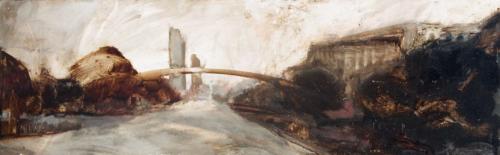
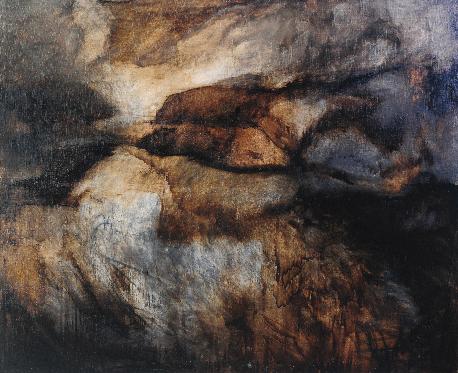
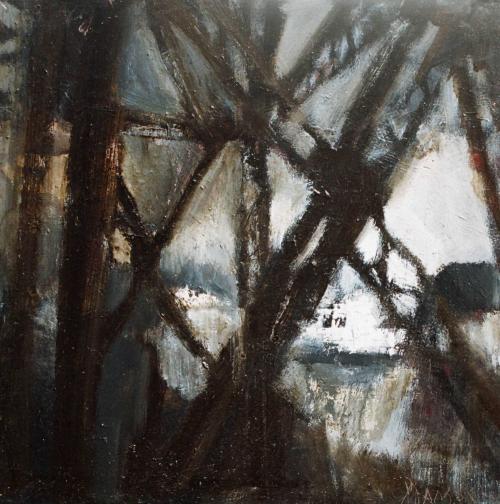
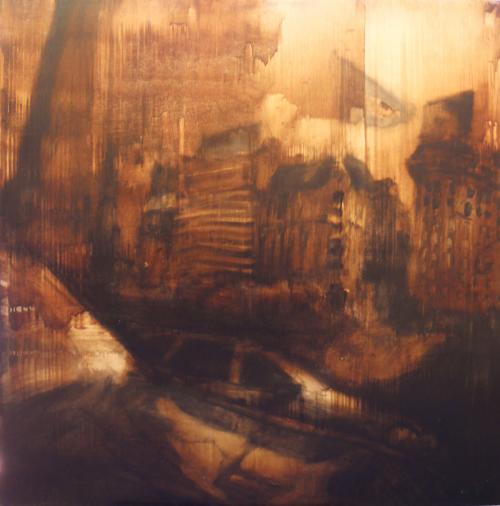
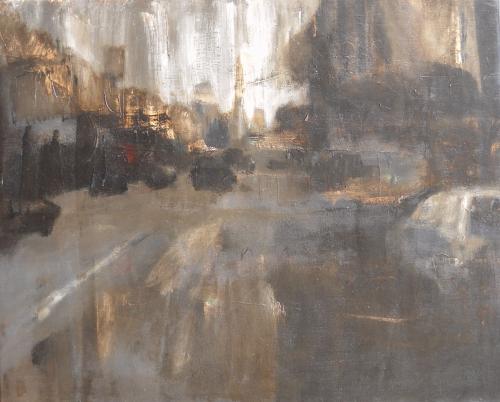
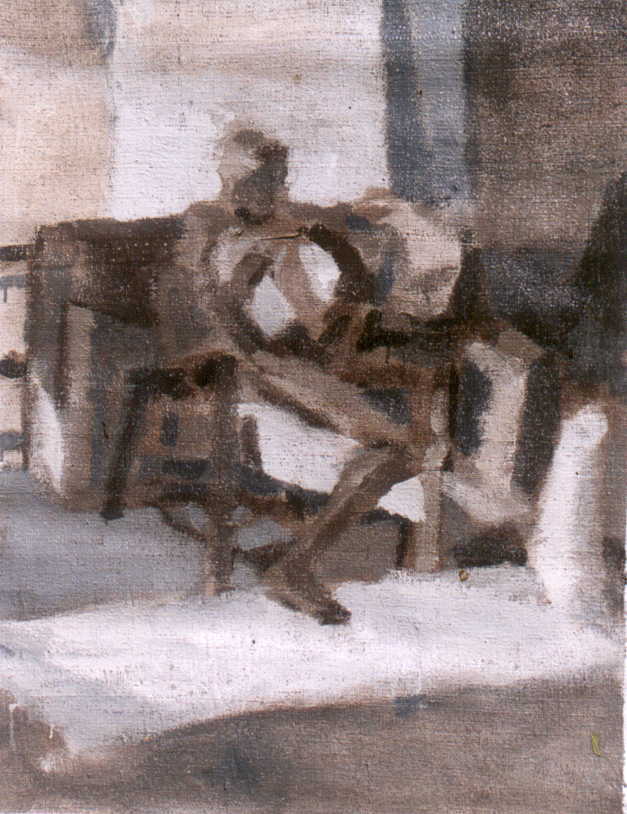
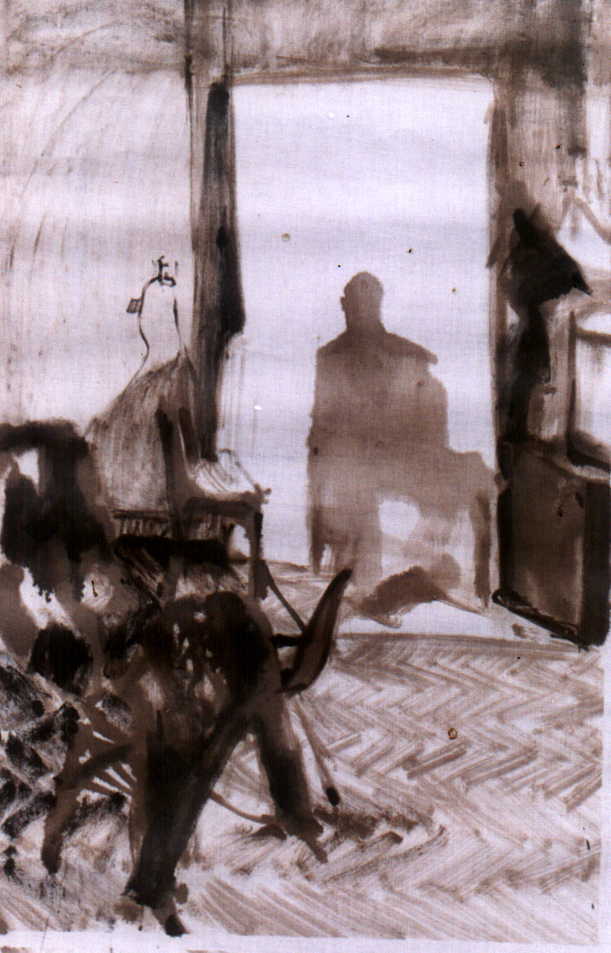
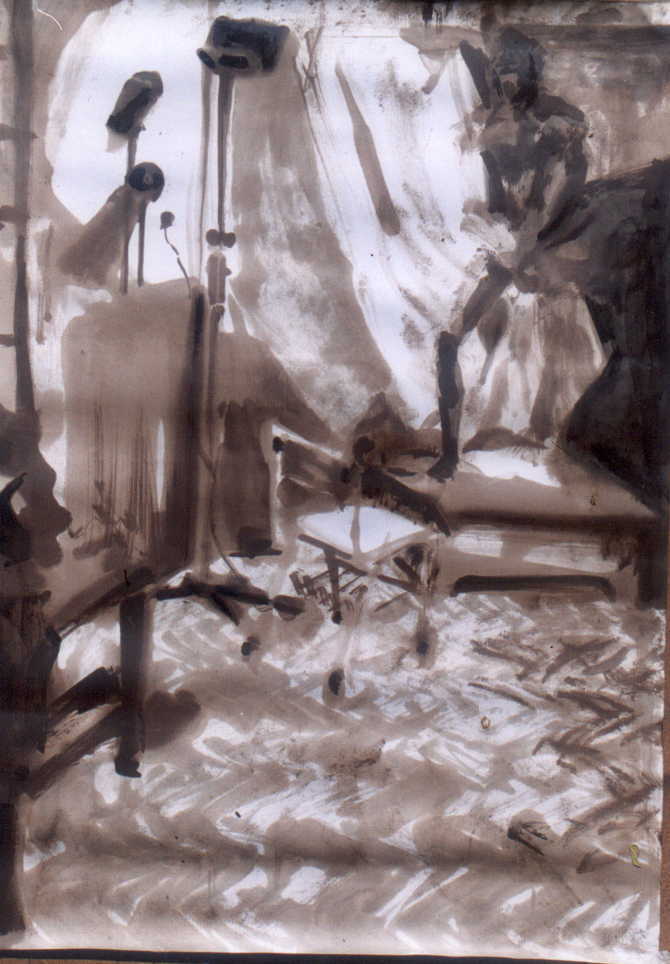
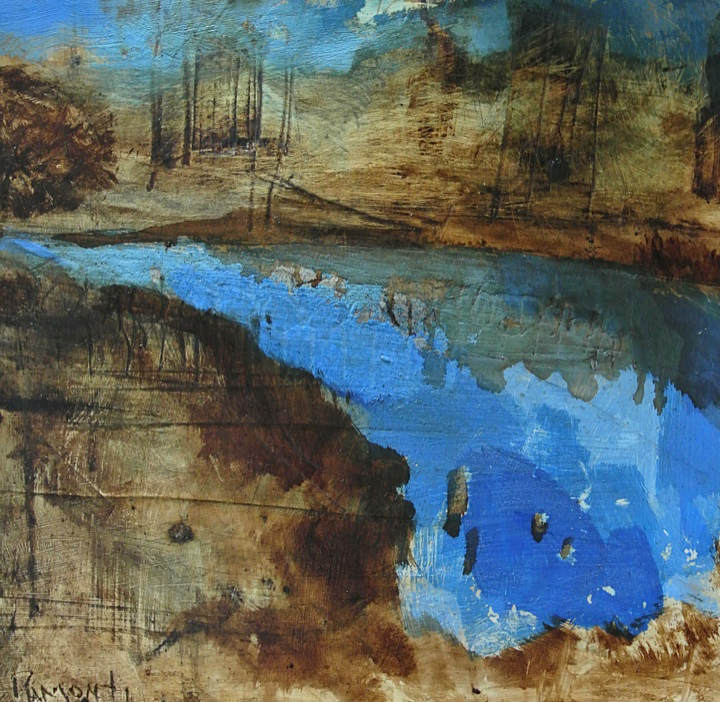
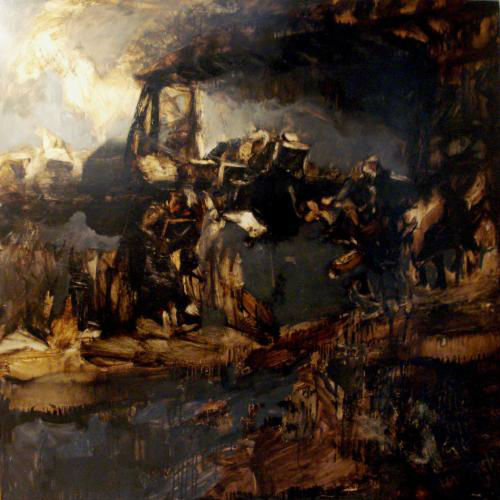
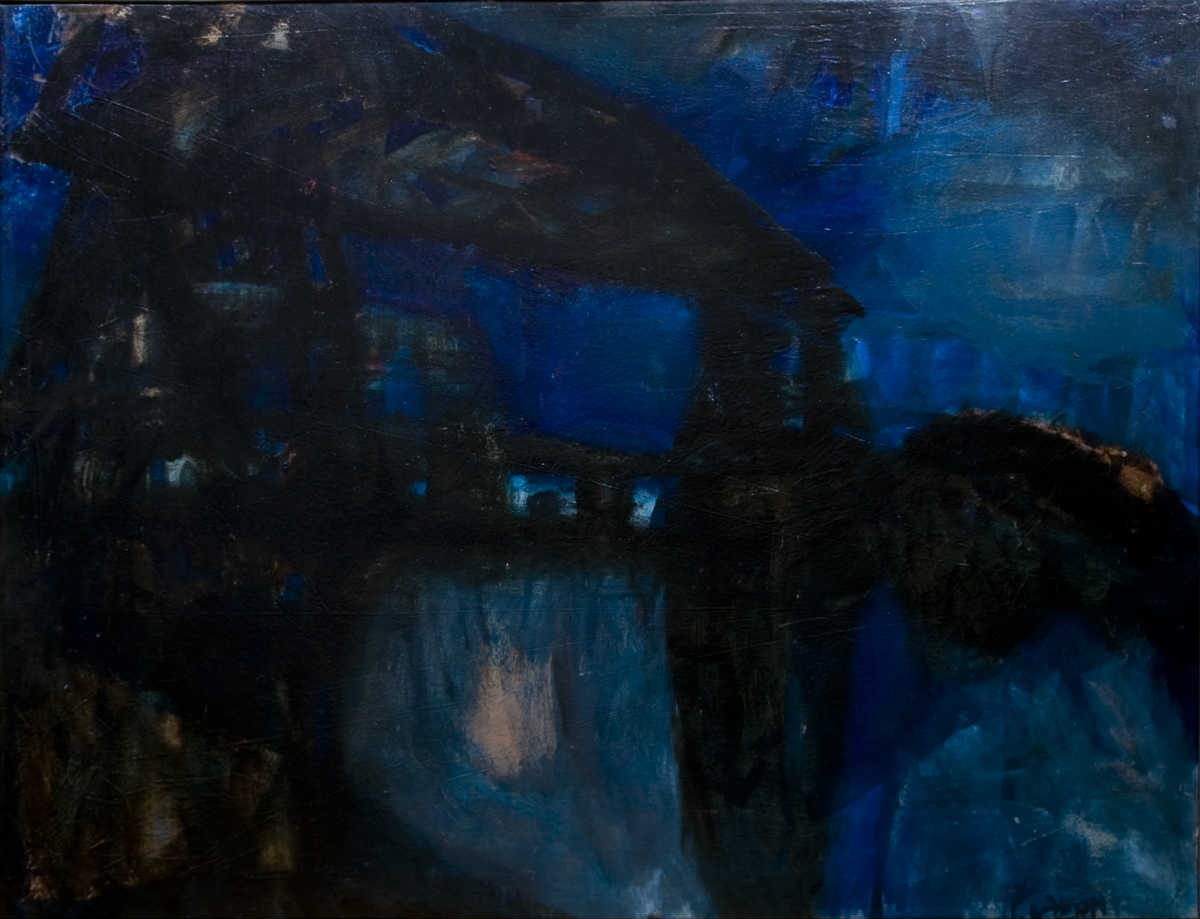
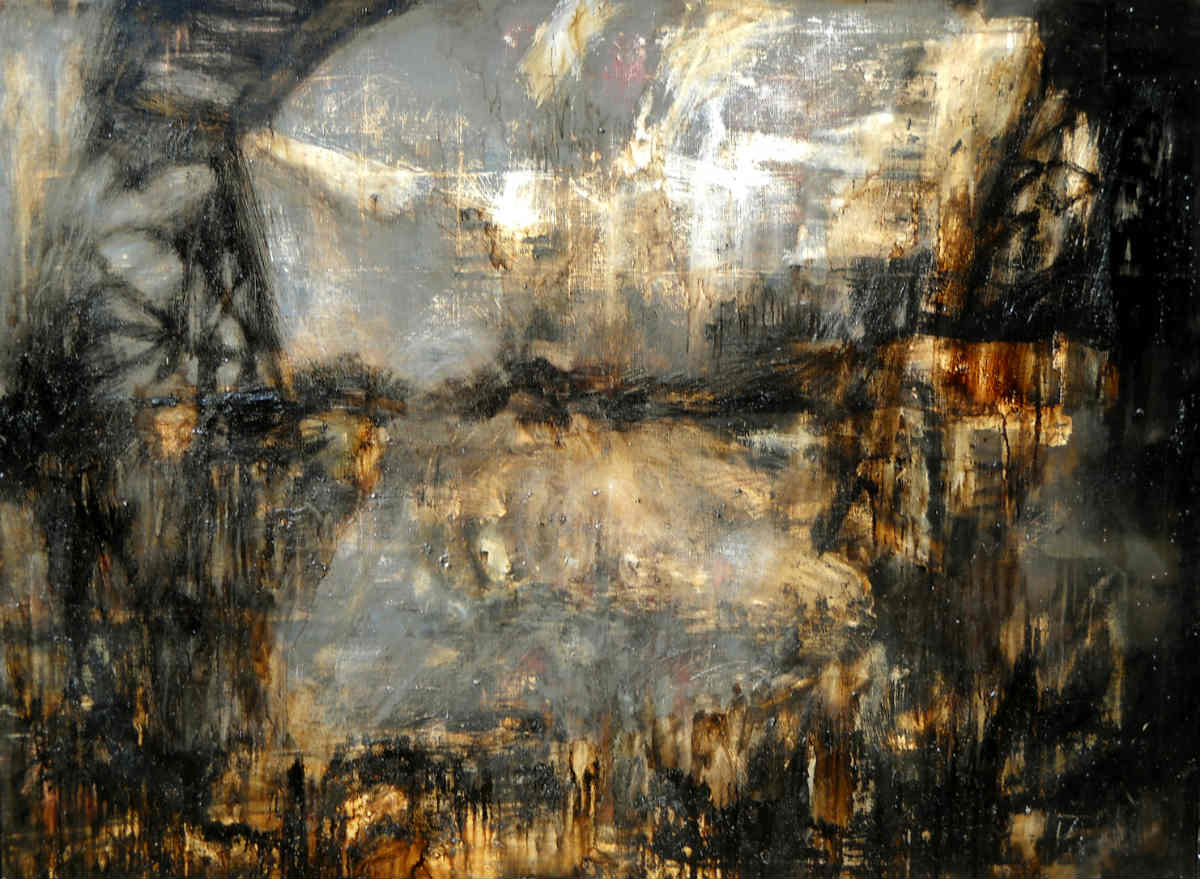
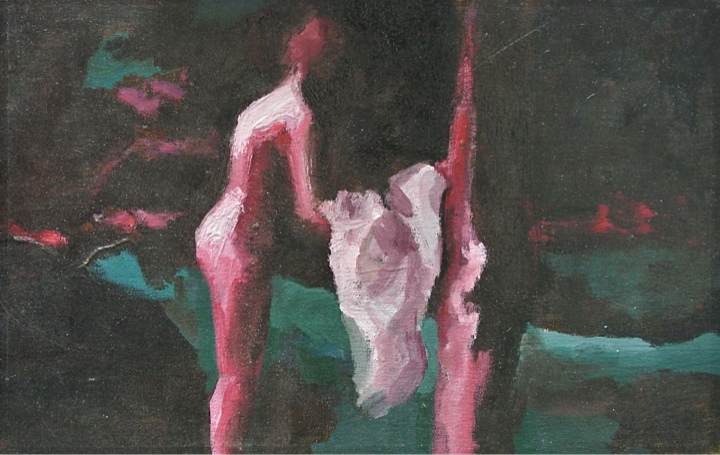
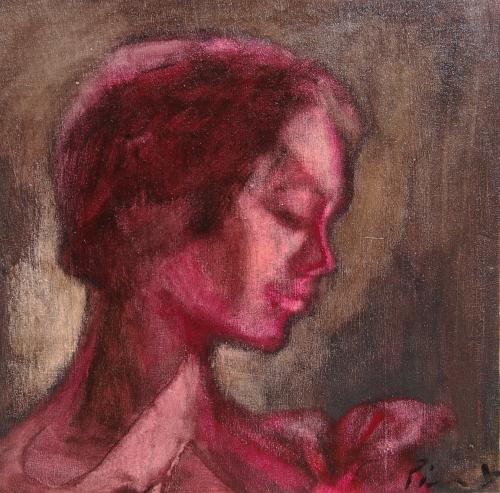
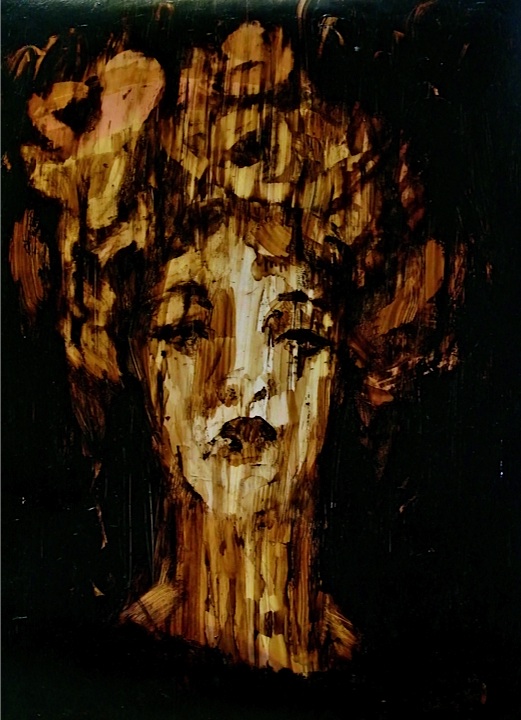
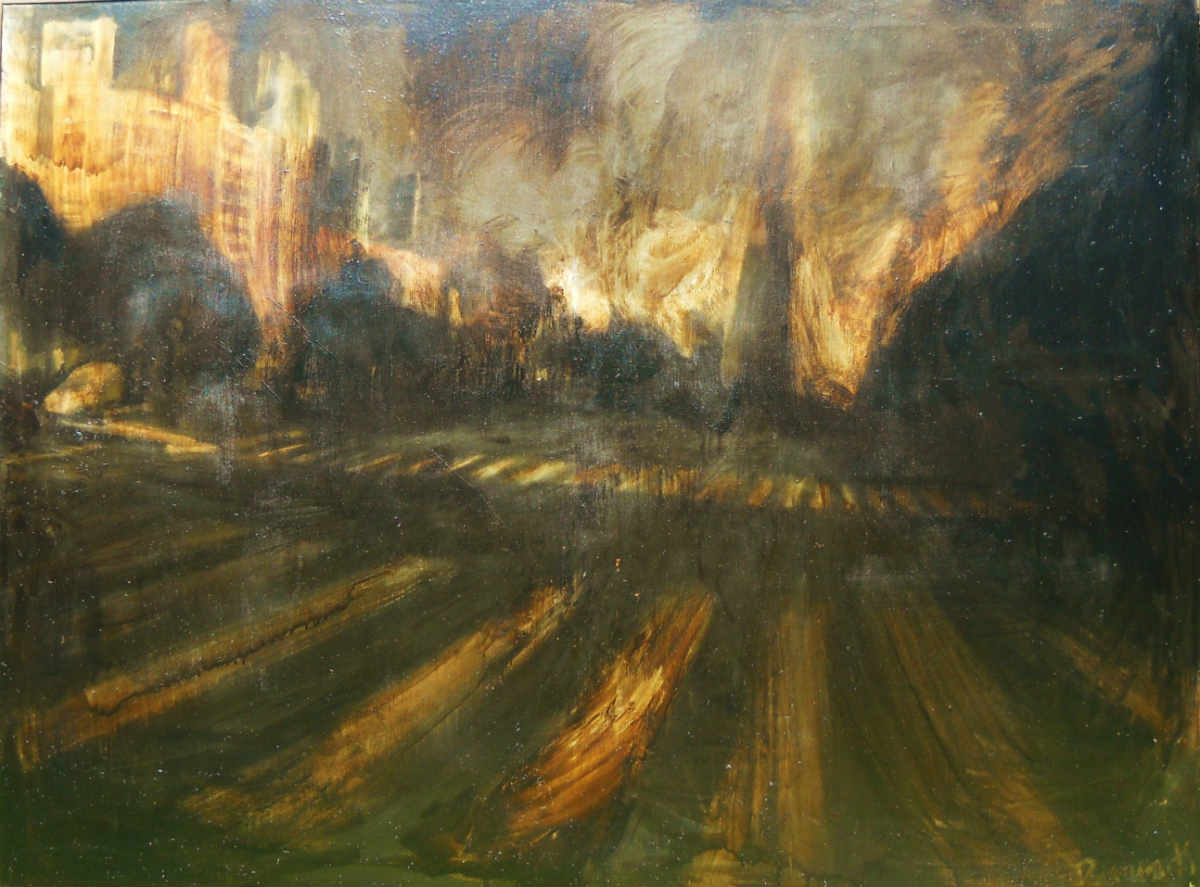
Fernanda Piamonti’s paintings carry the pulse of Buenos Aires—its textures, its echoes of the past, and its restless beauty. Her work bridges classical training with experimentation, moving fluidly between painting, drawing, and sculpture. Through layered materials like oil, tar, pigment, and light, Piamonti constructs a visual language that speaks of memory, matter, and the emotional weight of the urban landscape.
Born in La Plata, Argentina, Piamonti began studying art at the age of ten and later earned a degree in Fine Arts from the National University of La Plata, followed by a master’s at the prestigious Escuela Ernesto de la Cárcova in Buenos Aires. Her work has been exhibited internationally and collected by institutions and private patrons across Europe and the Americas. From her studio in San Telmo, she continues to explore the dialogue between form and emotion, process and play.
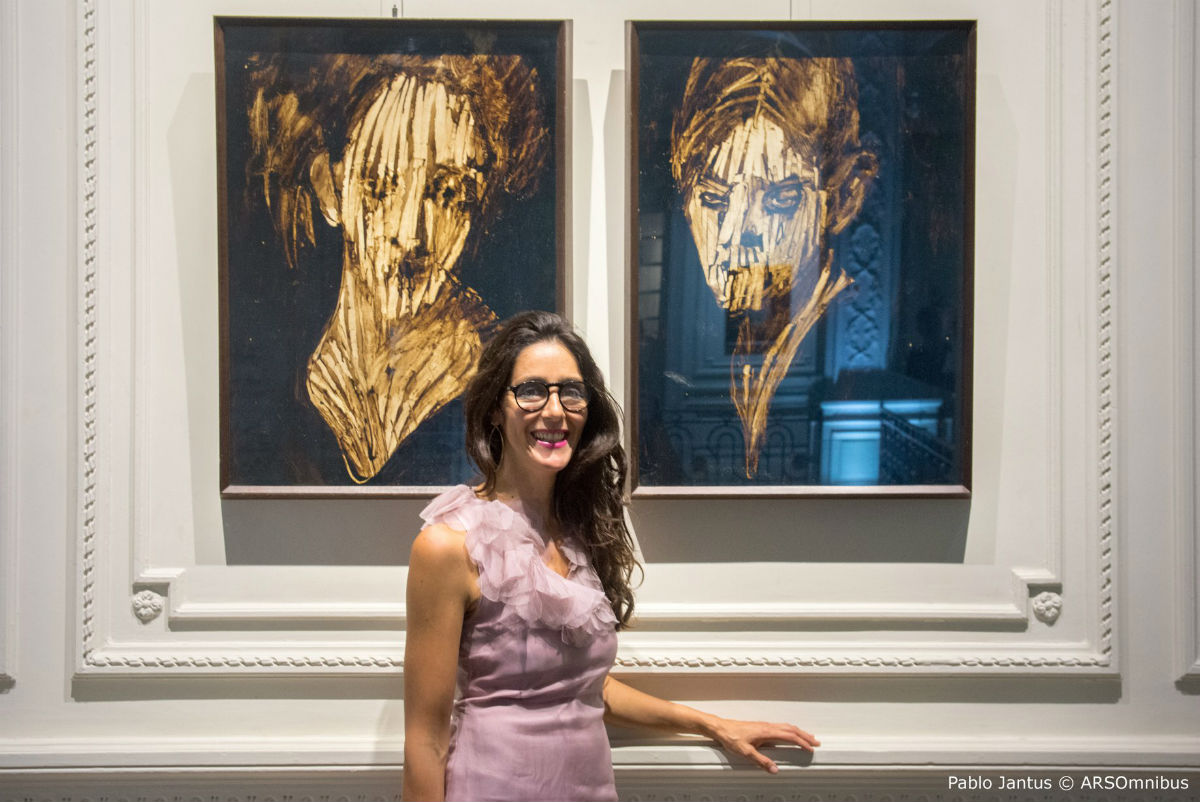
An Interview with Fernanda Piamonti
By Carol Real
When did you first realize that art would become your life’s path?
I don’t remember when it happened. I feel that the process was a continuous art-game. As a young girl, I promised myself not to stop playing.
Six years of school make us abandon the child’s solitary “game” that stimulates a lot of creativity. But my parents created a fantastical place in my visual world, and my sensitivity was strong.
I kept these beautiful universes alive into my Bachelor of Fine Arts and into the study of sculpture. Then came fellowships and residencies in Europe, Paris, Germany, and Spain. There was travel, discovery, museums, and new ideas. I met the work of the masters. What I absorbed is still with me; though in practice, I am still very much linked to the ludic world of my childhood.
What do you love most about Buenos Aires, and how does the city influence your work?
I paint what I see on a daily basis. I lay hold of my environment and internalize it—to perceive it more fully: city streets and city characters, the material consequences of the past in moldings, gazebos, sculptures. In Buenos Aires, the bridges of La Boca, the Riachuelo River, the monumental area of the Congress of the Nation, its domes, the Obelisk, the Colón Theater.
The same responses arose in me when I lived in Paris. Paris, with its canals, palaces, gardens, great panoramic views!
When creating, what awakens your imagination or sets the process in motion?
I believe in inspiration as a seduction. The materiality of the work attracts me. I use it to develop techniques and to experiment and to find myself in a tangible world of objects and substances, including a sculpture, a body, a face, a torso, an ornament, a fabric, along with the intangibles: light, color, music, and the aesthetic of another artist. I am seduced and inspired.
Why did you choose oil as your primary medium, and how did you begin incorporating unconventional materials like tar?
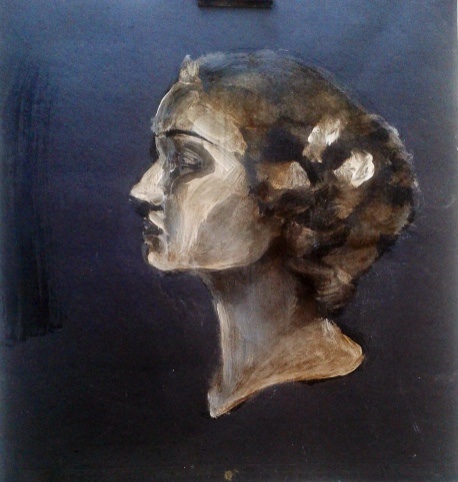
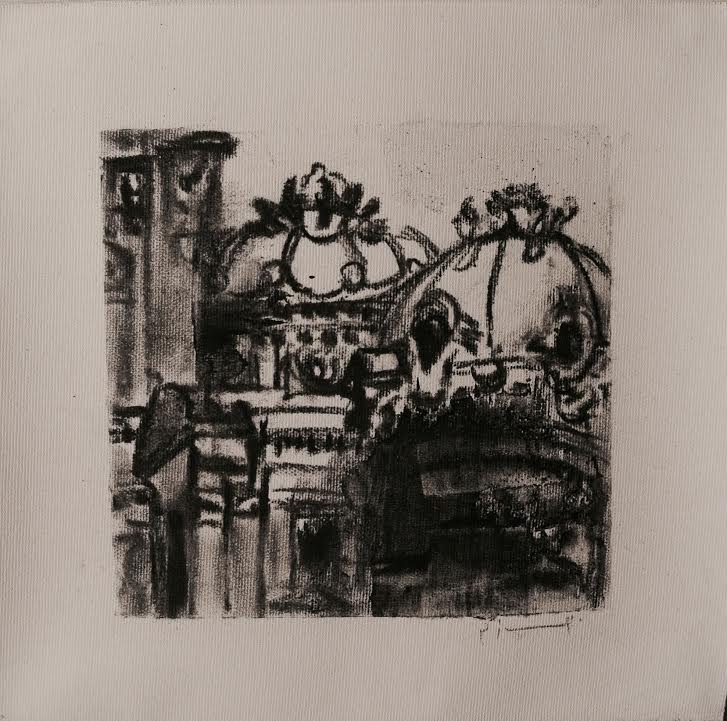
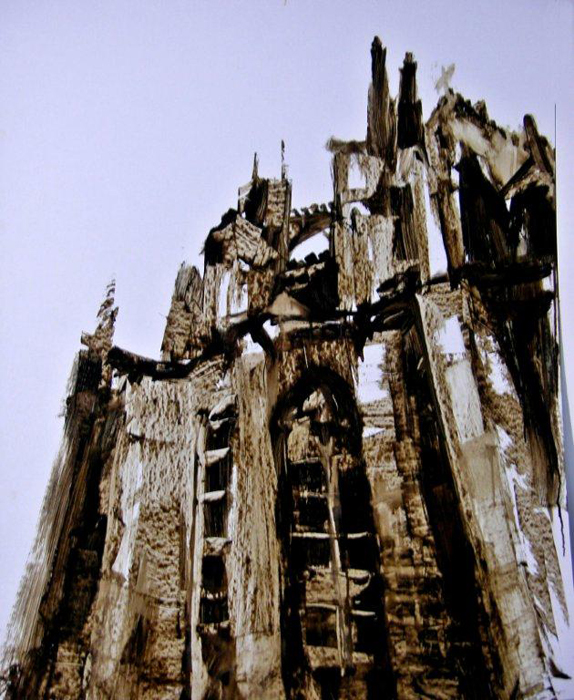
I’ve worked with traditional materials from a very young age. At thirteen I was using acids, water-based inks, charcoal, pencil, oil, and gouges to make woodcuts. I chose to take those materials and tools to the limit. Some of these materials are toxic and very uncomfortable to work with because they do not dry. To solve the problem, I developed techniques with tar. I incorporated tools of scraping, incision, sgraffito. I draw on photo paper with a sharp tool, then after enlarging the image, I use spoons or a CD to draw. I like to improvise. I invent new combinations to surprise myself: pigments with water, damp earth, egg yolk, etc.
What kind of music accompanies your creative process? Do you have any rituals in your studio?
I listen to jazz: Keith Jarrett. Classical music: Bach, Chopin, Mozart, Debussy, Tchaikovsky. Interpreters: Daniel Barenboim and Martha Argerich, whom I have used as a model. (She has appeared in some of my series.) I am deeply moved by other talented artists such as composer Piazzolla. I also work in silence. My ritual is to take the lectern outdoors and paint with natural light. These surroundings make me more creative.
What is the greatest challenge you face as an artist today?
Perhaps it is dealing with my strong feelings about the bloody violence in the world today. In my own work, my challenge is to expand—to reach new cultures.
What has been your most ambitious or transformative project so far?
It was an art-science project. It started with a prestigious doctor-specialist in neurobiology. I had to find forms of artistic representation of the brain—from my own brain.
What brings you joy outside of painting?
I like to design and make clothing. Read poetry of Rimbaud. Cook sweets. Play with my two-year-old son. Have outings with my partner. Talk about architecture. Invite friends to eat. Show my work. See art shows, theater, movies. Travel to large cities, small towns, or exotic places. Contemplate nature. Dream awake.
Your work has reached collectors and institutions around the world. How has that international recognition influenced your practice?
The expansion of my work and the interest of collectors make me freer. People are choosing my works even though they know that, as an artist, I am still “in the process.” When they choose my “vibrating” for their collections, I feel certain that we have something in common, although in many cases, I do not know them.
Regarding the “pros”: new technologies allow me to keep collectors up-to-date with my latest series, exhibitions, and films. It is especially important to those people who are in distant continents. They are always attentive to my latest endeavors.
For me, the “cons” do not exist.
What legacy would you like to leave behind through your art?
As a species, we humans are driven by imagination. I hope that my artist’s imagination will survive as a link between the past and new aesthetic paradigms.