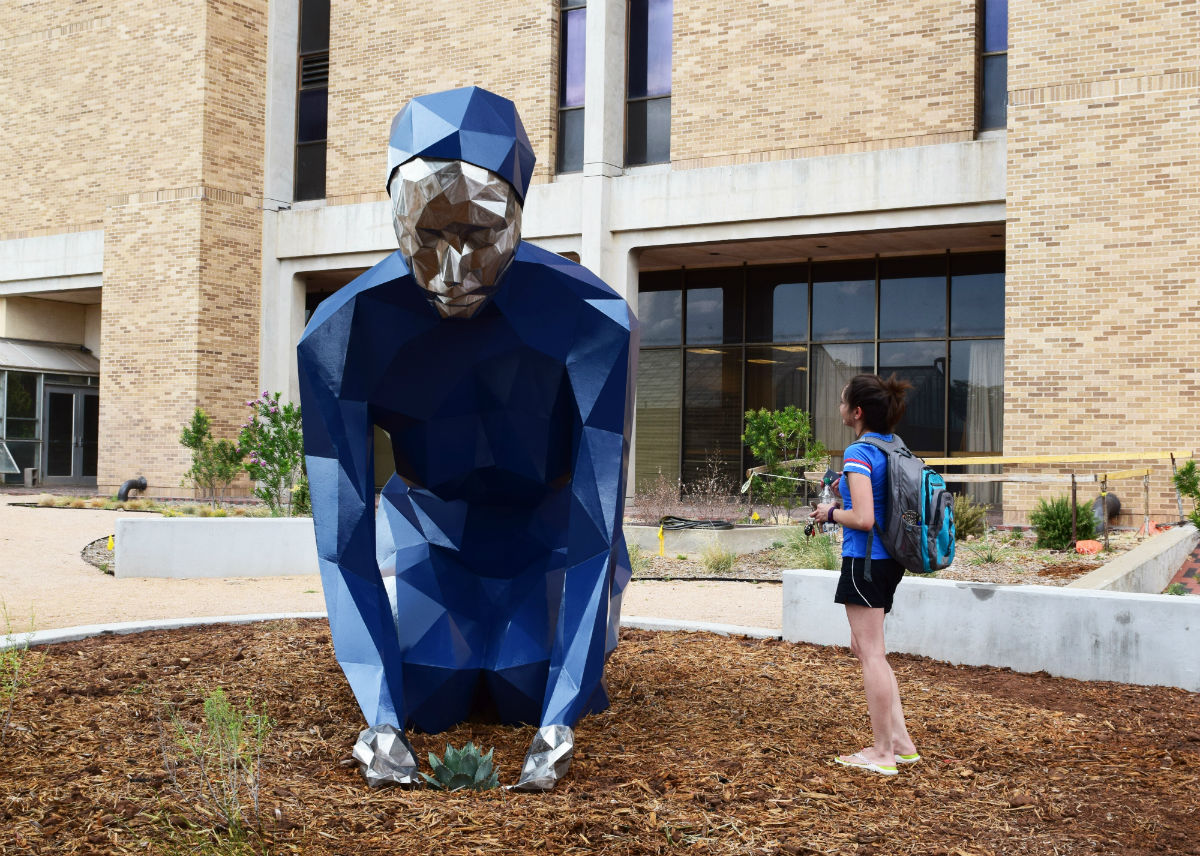
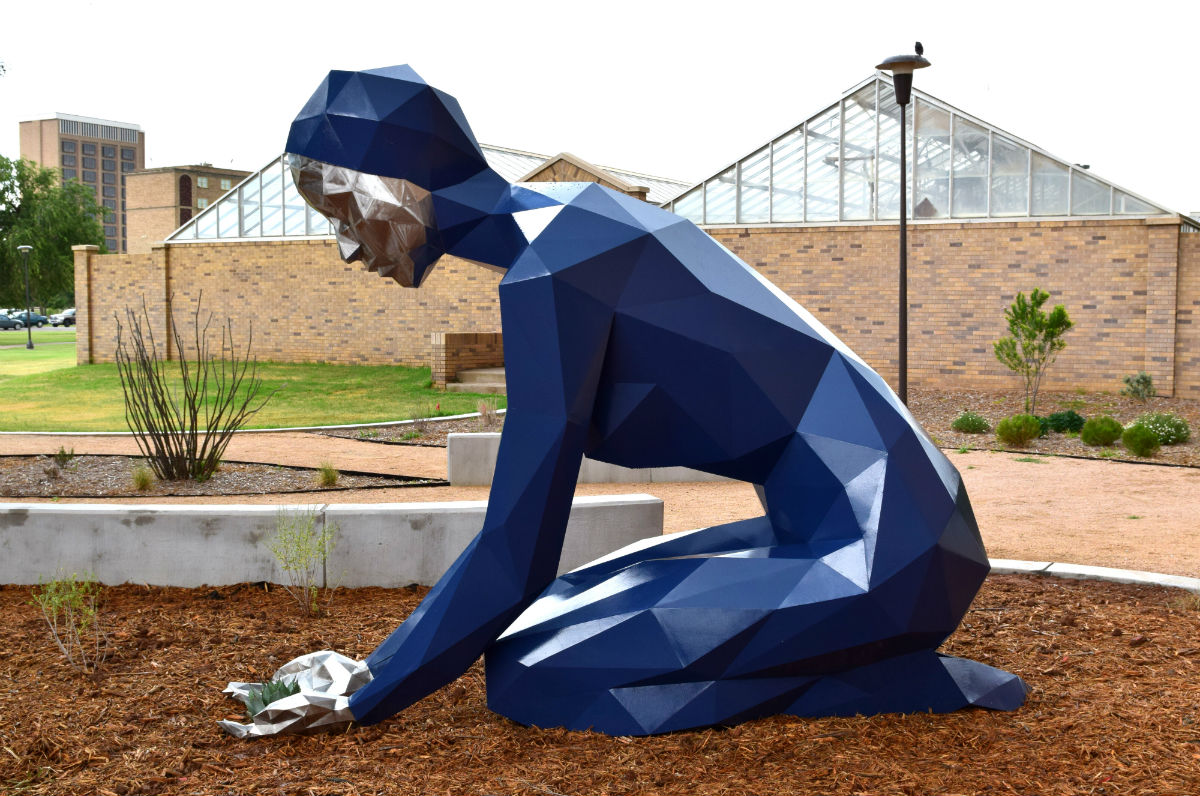
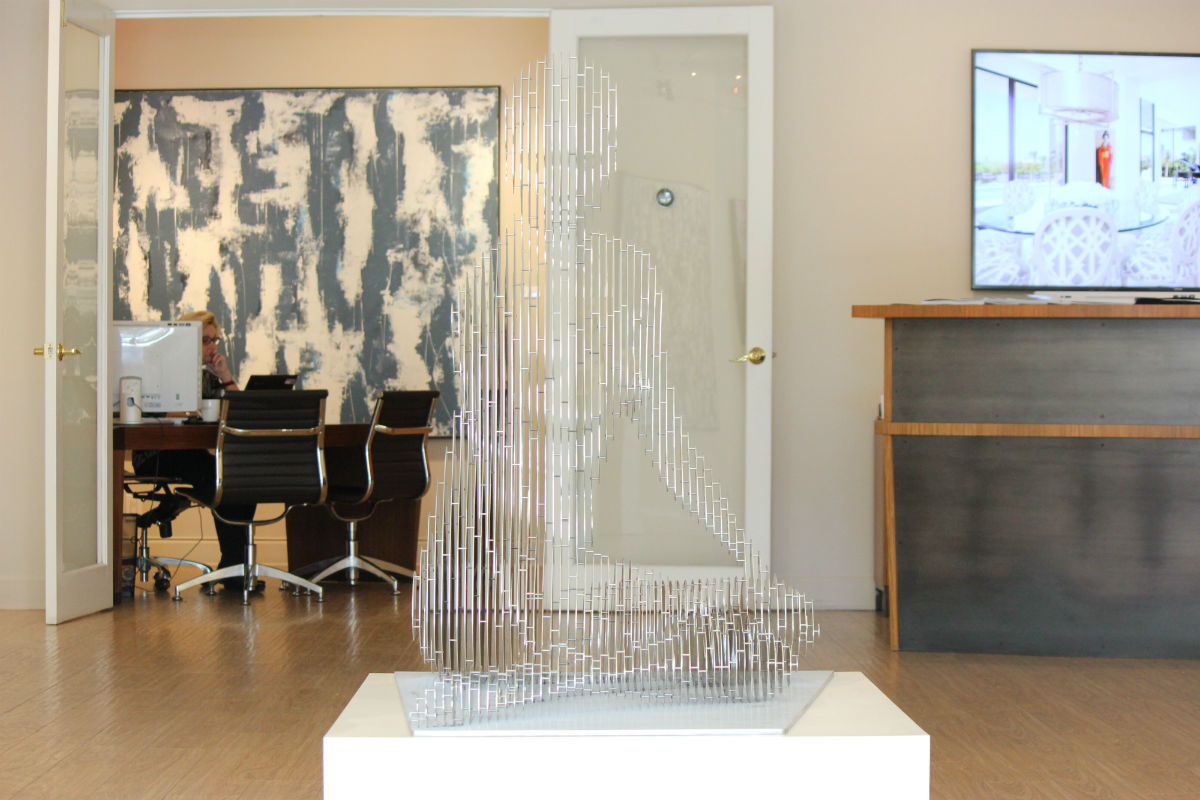
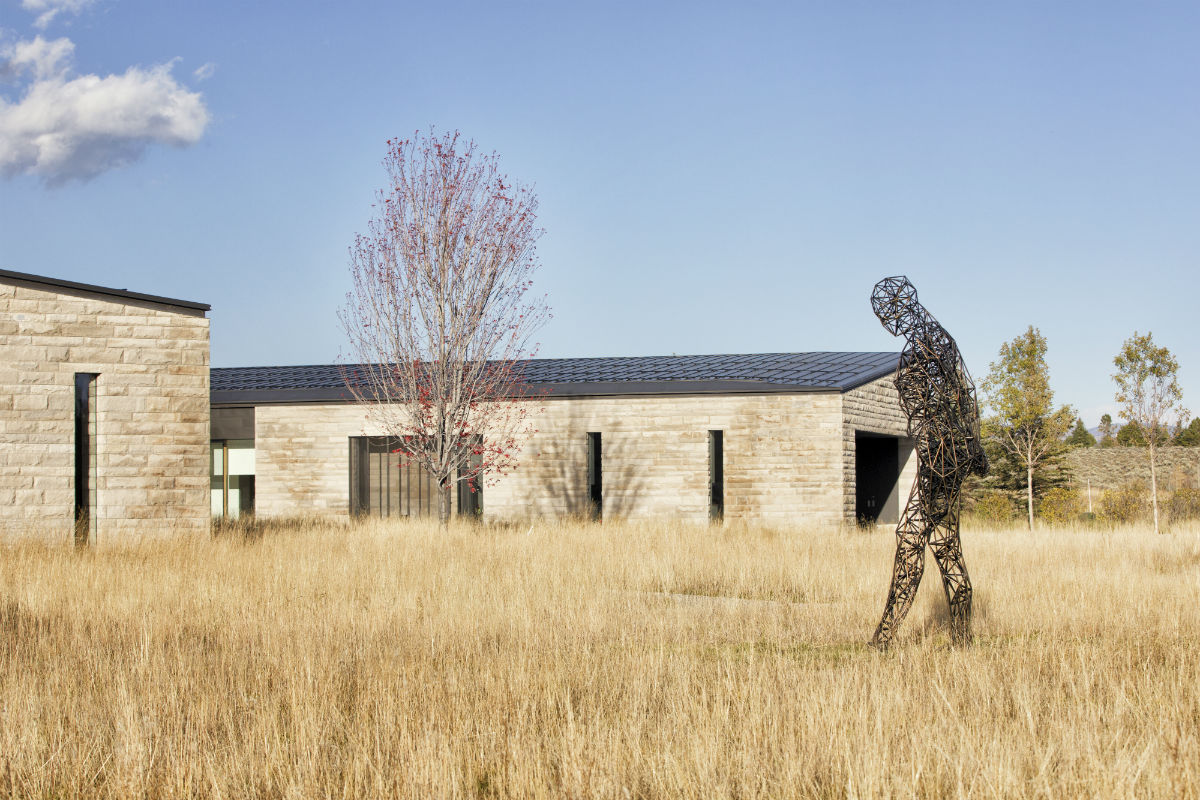
Julian Voss-Andreae’s sculptures seem to exist in two worlds at once—the visible and the invisible. Trained as a physicist before turning to art, he builds forms that translate quantum theory into human experience, transforming equations into gesture and material. His figures shimmer between presence and absence, appearing solid from one angle and dissolving into air from another, as if matter itself were revealing its secret structure.
Born in Germany and now based in Portland, Oregon, Voss-Andreae bridges two disciplines often seen as opposites. His background in physics, mathematics, and philosophy gives his work an uncommon depth, where scientific curiosity becomes a form of devotion. Each sculpture is both a question and an embodiment of wonder: How can something as precise as a formula evoke emotion? How can steel or glass express the fragility of existence?
Since earning his degree in sculpture in 2004, Voss-Andreae has become known for monumental public works installed across the United States, from universities to museums and urban plazas. Yet the essence of his work remains intimate—a meditation on perception, time, and the elusive boundaries between body and space.
In this conversation, the artist reflects on his unlikely journey from quantum laboratories to large-scale studios, on the dialogue between technology and handcraft, and on what it means to pursue truth through both science and art. His words reveal a practice grounded not in certainty, but in the quiet pursuit of understanding—the moment when observation turns into wonder, and wonder into form.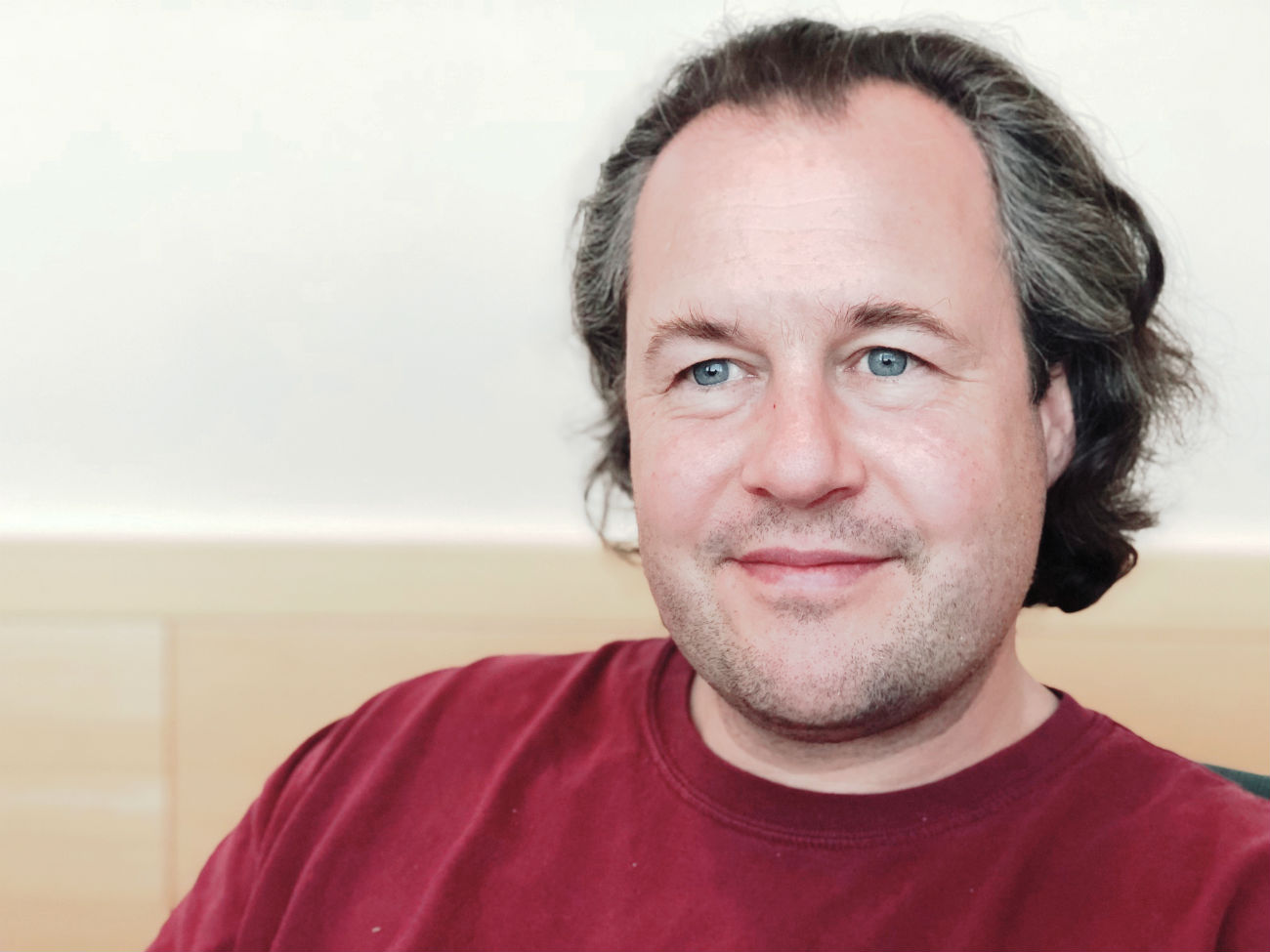
An Interview with Julian Voss-Andreae
By Carol Real
The early years in Germany seem to have left a lasting mark. In what ways did that environment shape the artist’s sensibility and initial connection to art?
My parents are both deeply interested and involved in the arts. They love classical music and fine art; my mother is a devout violinist and my father has always had art projects in addition to his work as a lawyer. He once created a feature-length movie about German artist Horst Janssen and now he is working on an encyclopedia about another artist, Emil Orlik. When traveling, my parents would always visit cultural sites such as churches and museums with us children and we grew up with a sense that art is one of the most important things in life. We were always encouraged to play music and pursue artistic hobbies. I especially enjoyed drawing and pottery as a child.
The fascination with science emerged later in life. How did that curiosity evolve and eventually merge with the artistic path?
That is not actually true. In my childhood, doing art felt more natural than doing science – but in addition to my artistic hobbies I developed a taste for scientific things, as well, starting with my (at best, semi-scientific) passion for LEGO blocks, I also tried to build some electronic devices with my electronics kit. I had also assembled a pretty massive chemistry laboratory in my room. But around age 18 I was deeply into drawing and painting and decided to become an artist – presumably a painter. I moved to Berlin with the goal of attending the art academy there, but first I had to do my required community service (in lieu of the then compulsory armed service). At that time, I met a very good friend who was a poet and would later move on to study biology in a quest to fuse art with science. We enrolled together at university and took some philosophy of science classes together. In one of those I came across Roger Penrose’s book ‘The Emperor’s New Mind’ which got me hooked to the bizarre world of quantum physics. I was so intrigued that I enrolled to study physics with the explicit goal to understand quantum physics better and to be able to do the experiments myself first hand, as opposed to believing the seemingly crazy things the science writers claimed. I felt that quantum physics’ lessons are too revolutionary to believe without experiencing them myself.
During my time in physics I did almost no art because I was completely focused on my studies and tried to be as good as I could – which was a challenge since I had been a mediocre student in school. It is interesting to spend some years not being ‘creative’ – all your creative energy goes into recreating what others have found out, into making existing knowledge your own. You study and absorb the material until you feel it is fully alive inside yourself. That was an incredibly satisfying experience.
A background in physics, mathematics, and philosophy continues to inform the work. Which disciplines or other art forms provide the strongest sources of inspiration today?
I certainly look at sculpture, dance, listen to music. But most inspiration for me comes from science and engineering, but also from psychology and spirituality. Engaging with and observing people, my family, solving everyday problems when raising children provides me with a lot of raw material for sculptures.
Portland, Oregon, has become both home and workshop. How does the surrounding landscape and community influence creativity and daily work?
I live in Portland, Oregon, about 90 minutes by car from the Pacific Coast. The coast is an amazing place with large empty beaches. Equally beautiful is Mount Hood and other snow-capped volcanoes at similar distances to Portland. We also have the most wonderful waterfalls in the Columbia River Gorge. I don’t get to those places nearly as often as I should! I am not sure how it influences my work, but the people here are very friendly, tolerant, and non-judgmental. In general, people in the United States are appreciative and encouraging to entrepreneurs and that has helped tremendously to start and grow my art business here.
From concept to completion, what is the creative process behind bringing a sculpture to life?
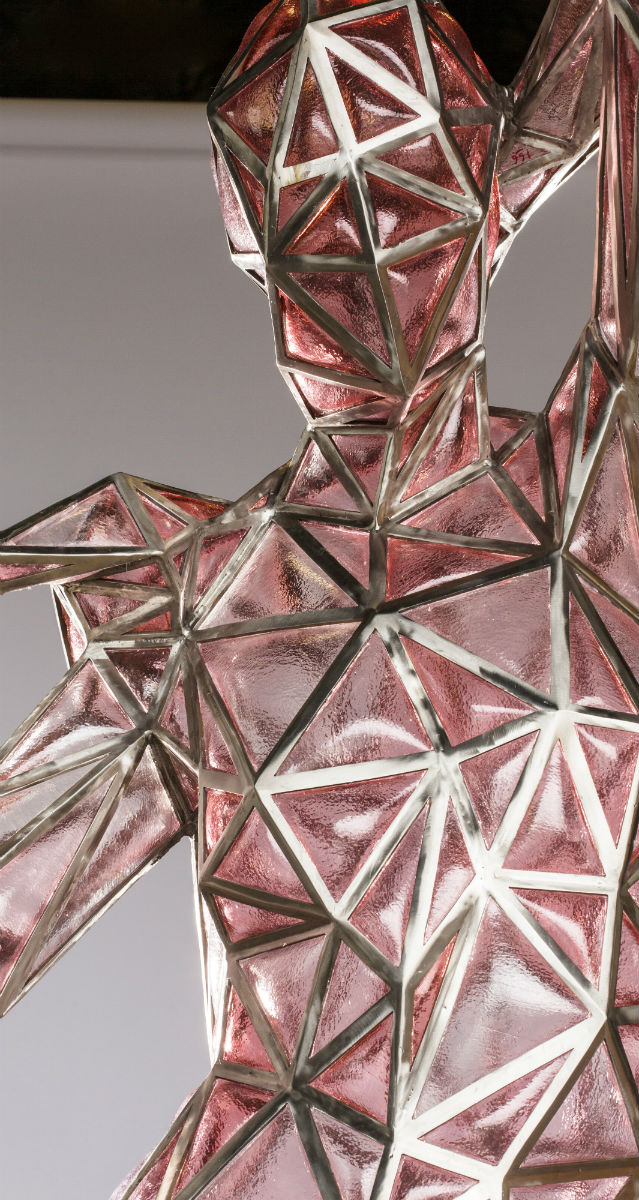
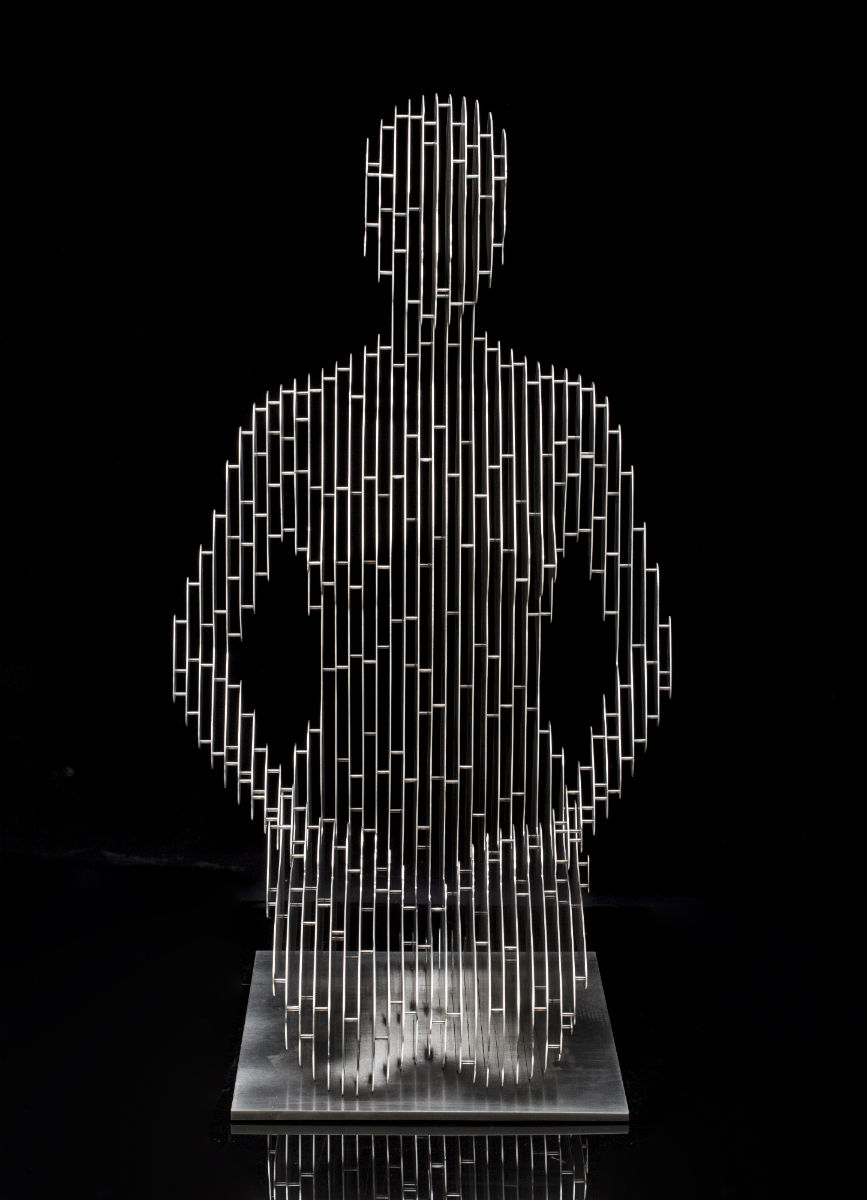
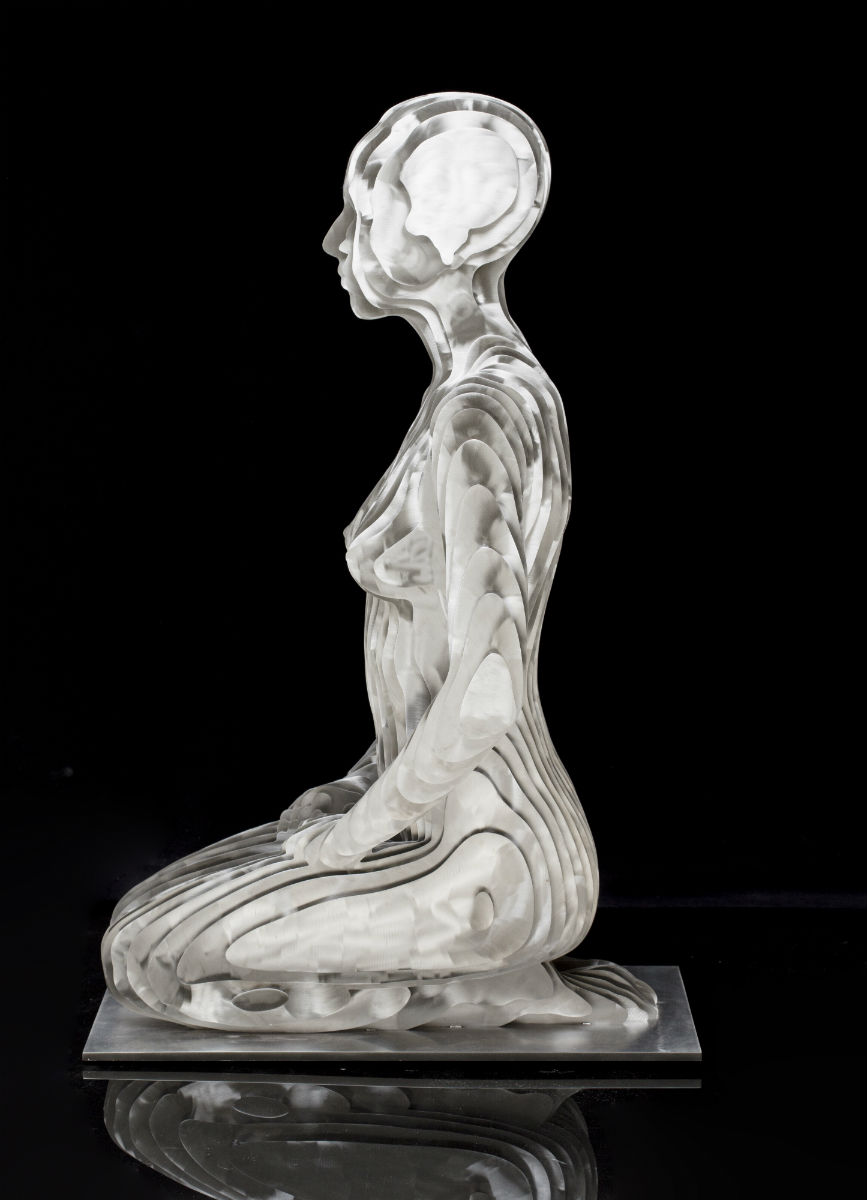
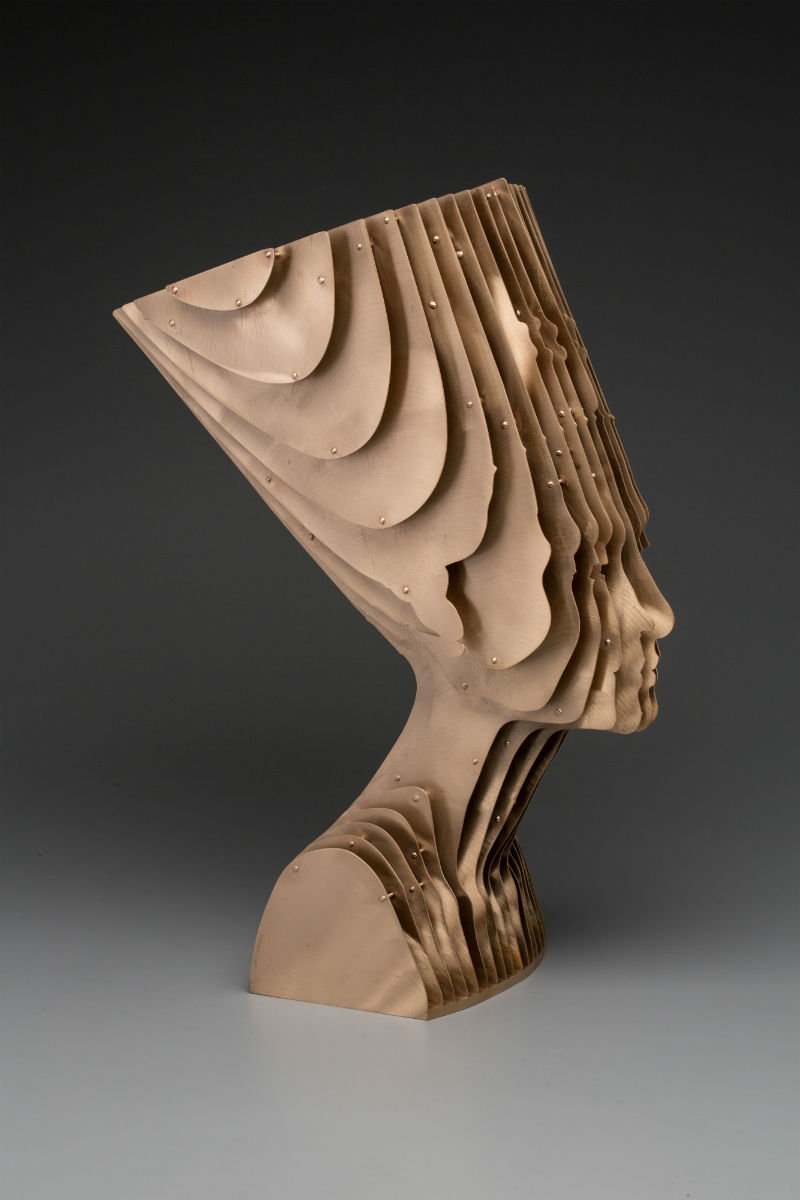
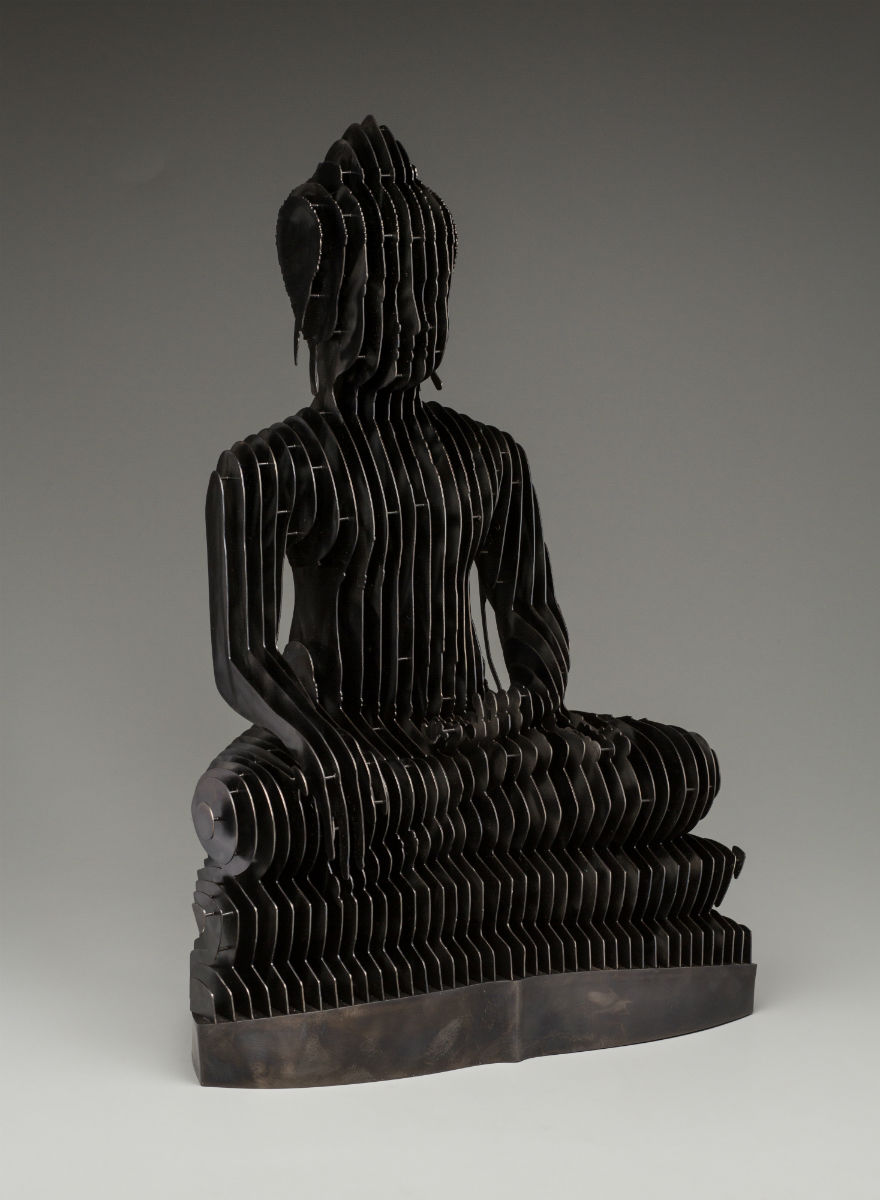
If it is a commissioned piece, I usually visit the site first. The ideas that emerge, the shapes and colors, are the starting point for the development of a new sculpture. Each sculpture is connected to all the others, there is an organic evolution of concepts and ideas. The ideas get refined and the next stage is sketching by using 3-D modeling and usually some kind of mathematical manipulation. When the concept is refined, I design the piece in detail with a clear idea how it will be fabricated. Then I create the files that will become the parts, usually 3-D printed parts or laser-cut files. The last step is waiting to get the parts made and building the sculpture from them.
Technology and handcrafting coexist in each piece. How are both worlds fused to achieve balance between innovation and craftsmanship?
Technology is often my inspiration and a key tool to achieve my visions. But at the end of the day it is the craft that will make things become reality and successful. Even if a sculpture is made for example by using 3-D printing, there are always hundreds of hours of intense human labor in there, labor that requires finely honed skills and complete focus on each step of the process. It is that work, both in the design process as well as in the fabrication portion, that at the end will show and make the work what it is.
Working between science, art, and business presents constant demands. What are the main challenges encountered in maintaining creativity amid practical realities?
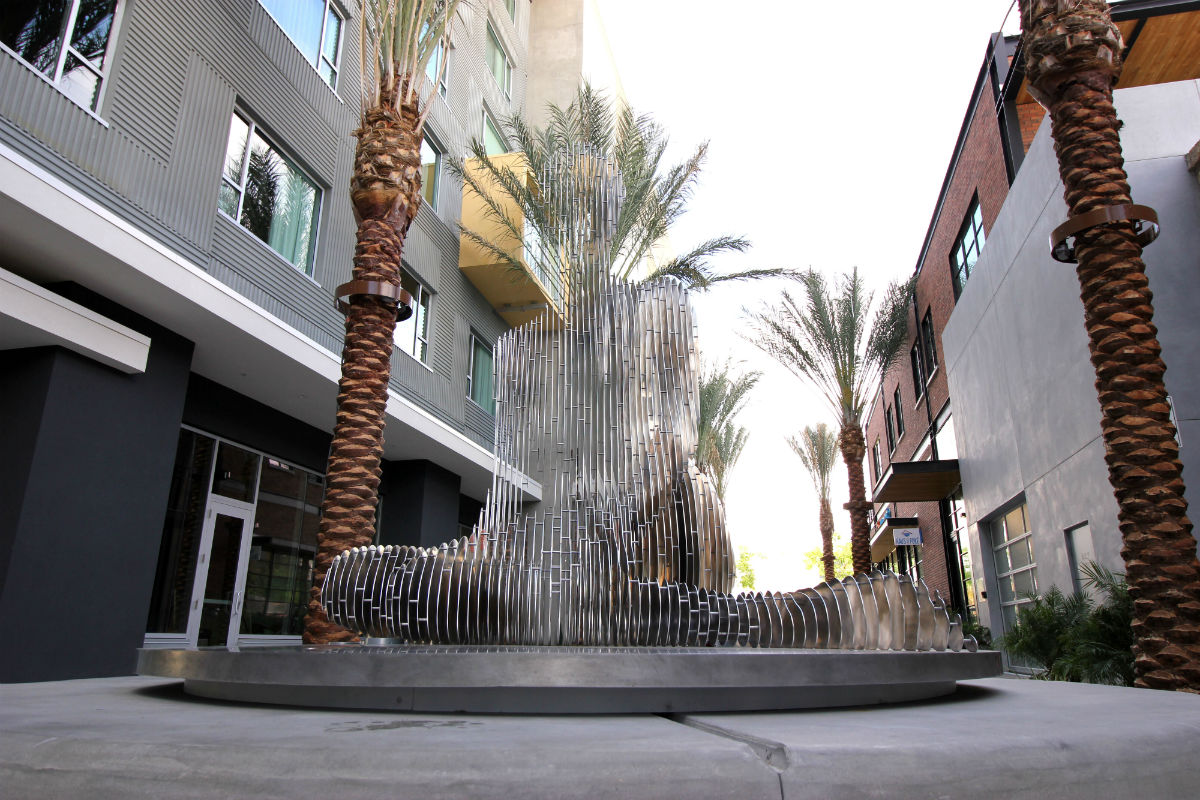
To juggle so many things at the same time. Hard are all the real-world challenges of running a business while staying creative. I work with employees who need to have work set up and be paid and require many other things. Then engineering challenges, how can something be designed to work outdoors, hold up to gravity, how is it going to be lit? And, of course, how do I make enough money to keep my studio running and, hopefully, earn a living? Finding galleries and art consultants, remaining a reliable partner to people who make money off my work and provide me with the connection to clients, while staying fresh and creative. And, at the same time, run a family, be a nice husband, make sure the children are taken care of. A lot of things!
Travel and cultural encounters often renew artistic vision. How does discovering new places and perspectives nourish creative thought?
Moving to the US from Europe was quite a shift for me. I recalibrated a lot of (implicit) assumptions. The most fascinating for me is always to connect with people and observe them. As I am writing this, I am in Italy, one of my favorite places – I also met my wife and made my first sculpture here. I was looking at the ancient architecture here in Siena today, and it is incredibly inspiring.
Music and rhythm often accompany the creative mind. Which composers or sounds resonate most with the spirit of the work?
I do listen to music in the car for example but almost never when I work. The same is true when I was in science; there are people who solve their equations with music but that was never for me. I am most deeply touched by classical music; Bach, Mozart, Schubert, Beethoven, and others.
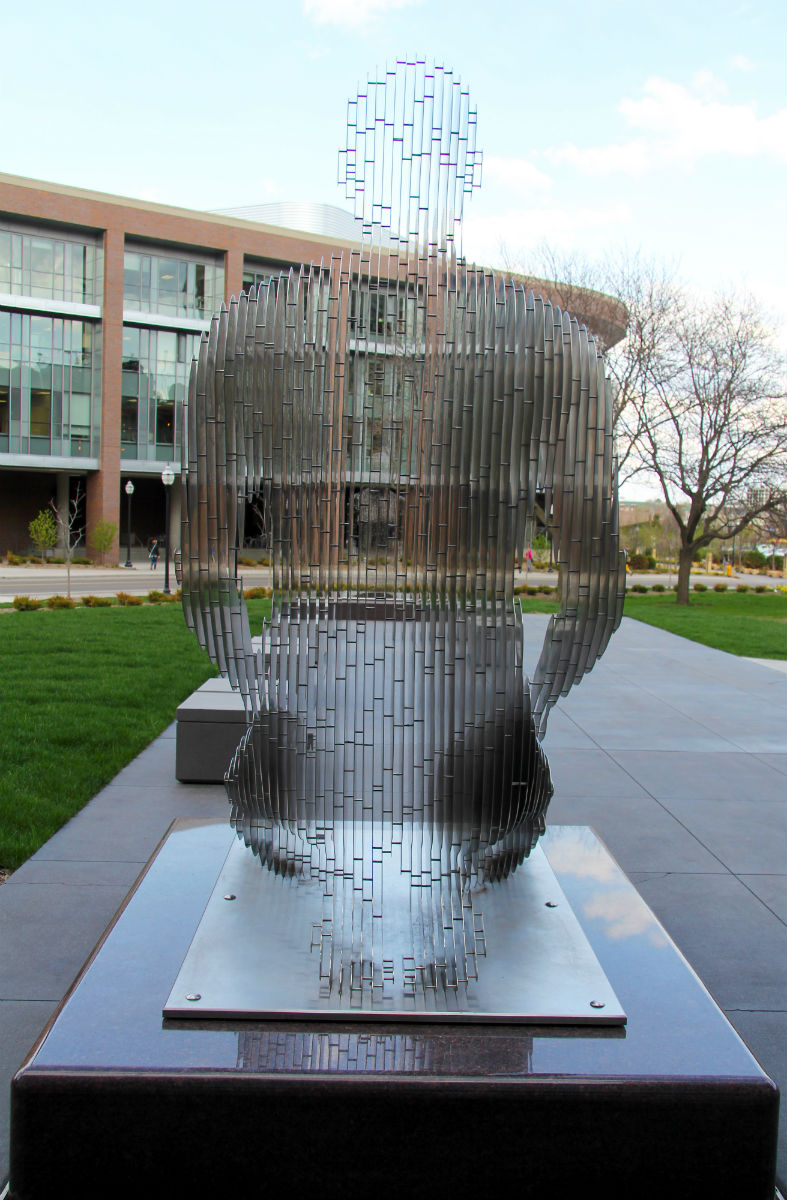
Among so many projects, what would be the dream creation—the one that remains as a long-term vision?
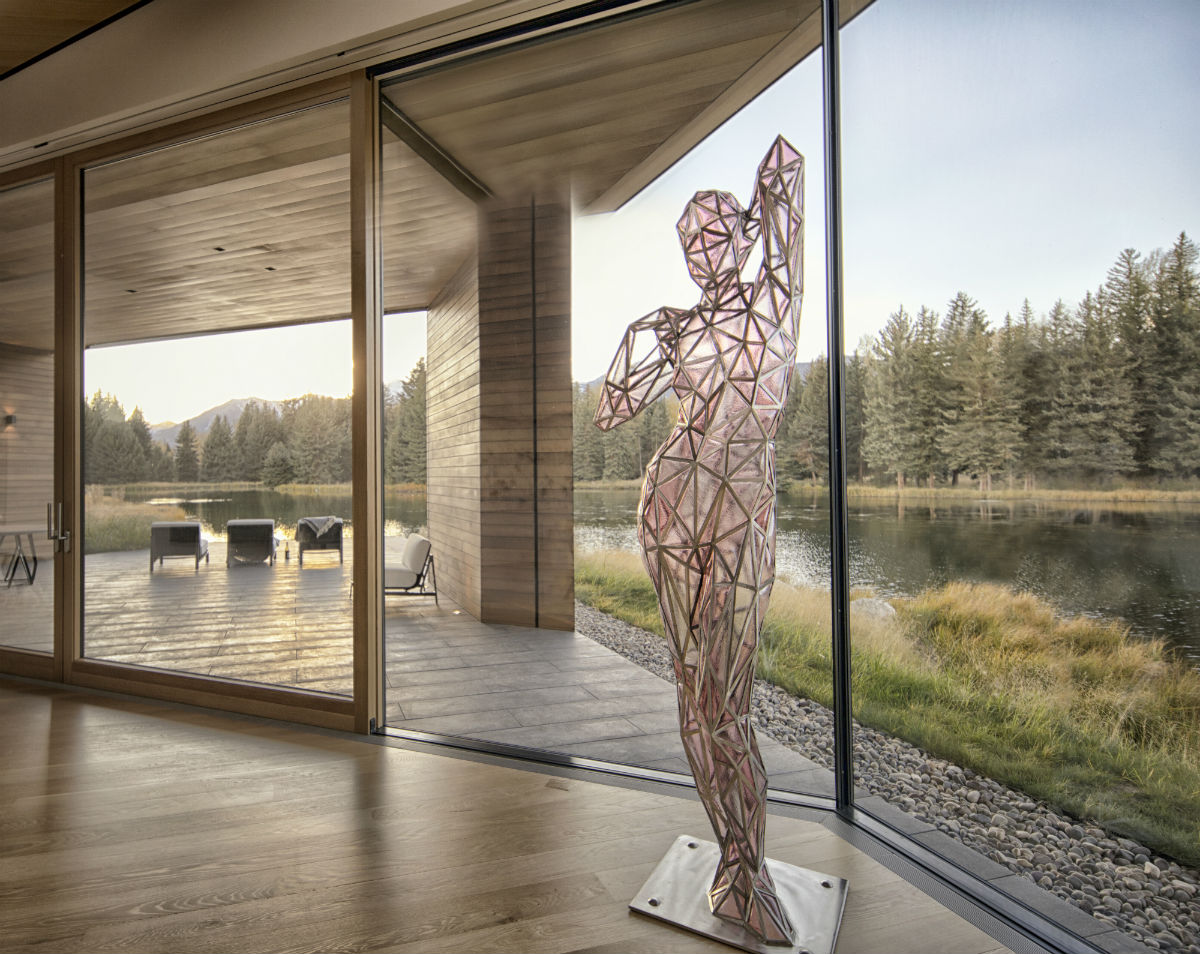
I am working on a fascinating project right now. I am designing four very different sculptures all for a private residence in Los Angeles. Each location is completely different, and each sculpture is going to be very different. It is so fun to come up with pieces that relate to each other as opposed to a singular sculpture, it really opens new possibilities and triggers new ideas. I had a similar project, two years ago also for a private residence, where I created two sculptures, one inside and one outside. Both are clearly related yet very different.
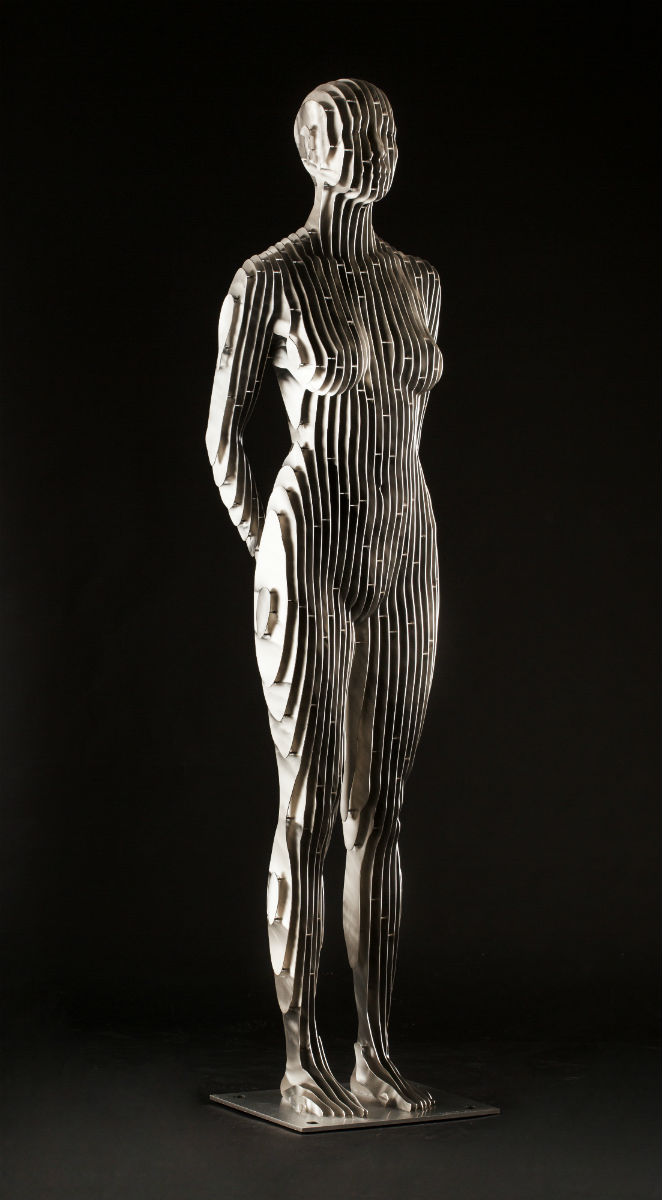
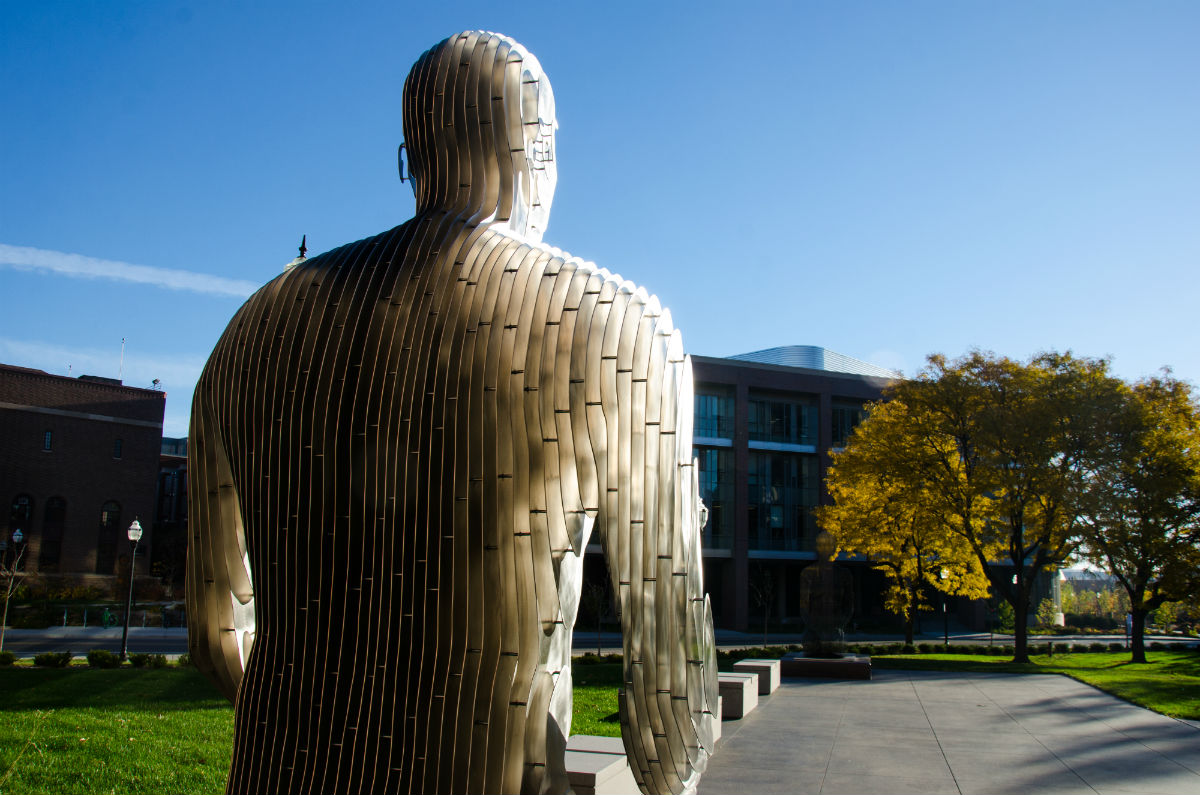
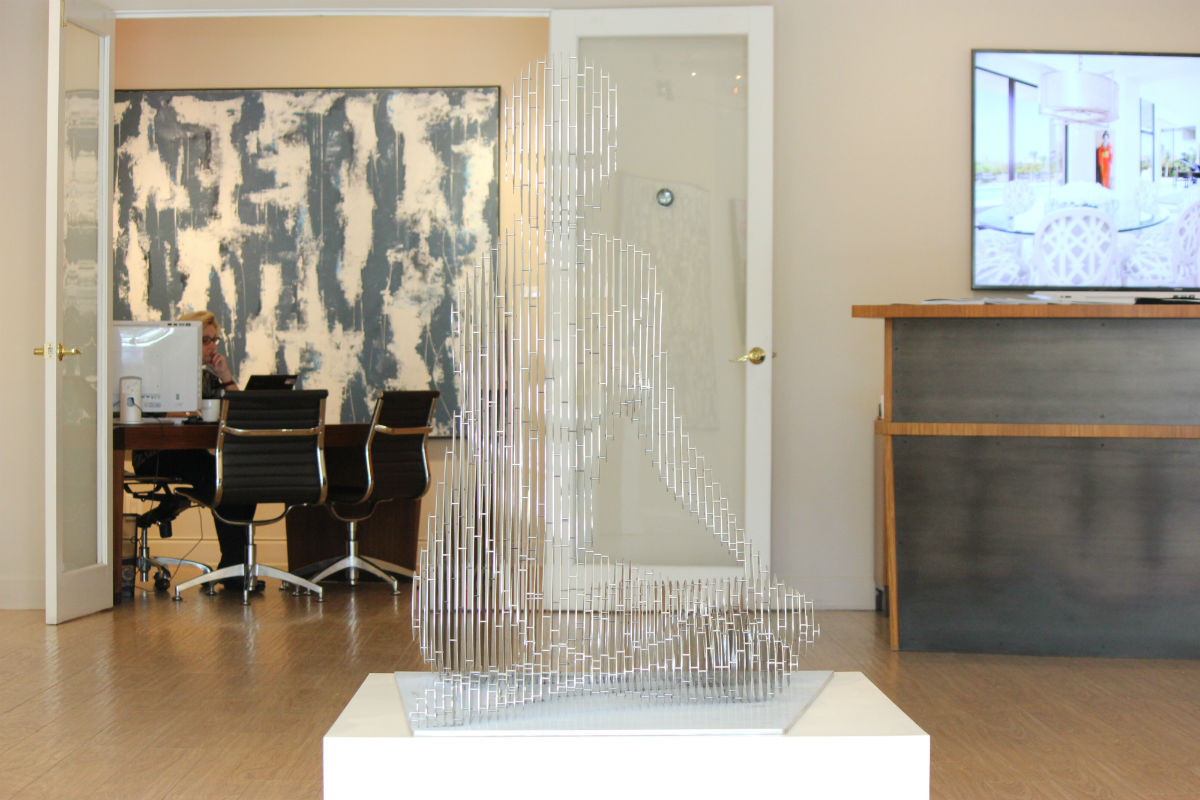
I have an old dream of creating a very large version of my “Quantum Man” on the Island of Heligoland, in the North of Germany. Then 23-yr old Werner Heisenberg, sick with hay fever, was sent there in 1925 in hopes that that the fresh air on that small island would help him get better. While there and still sick, Heisenberg had the break-through insights to develop quantum mechanics. I envision the Quantum Man to walk out into the ocean toward the rising sun to celebrate this singular event in human history.
Your favorite phrase is…
“Where the world ceases to be the stage for personal hopes and desires, where we, as free beings, behold it in wonder, to question and to contemplate, there we enter the realm of art and science. If we trace out what we behold and experience through the language of logic, we are doing science; if we show it in forms whose interrelationships are not accessible to our conscious thought but are intuitively recognized as meaningful, we are doing art. Common to both is the devotion to something beyond the personal, removed from the arbitrary.” — Albert Einstein
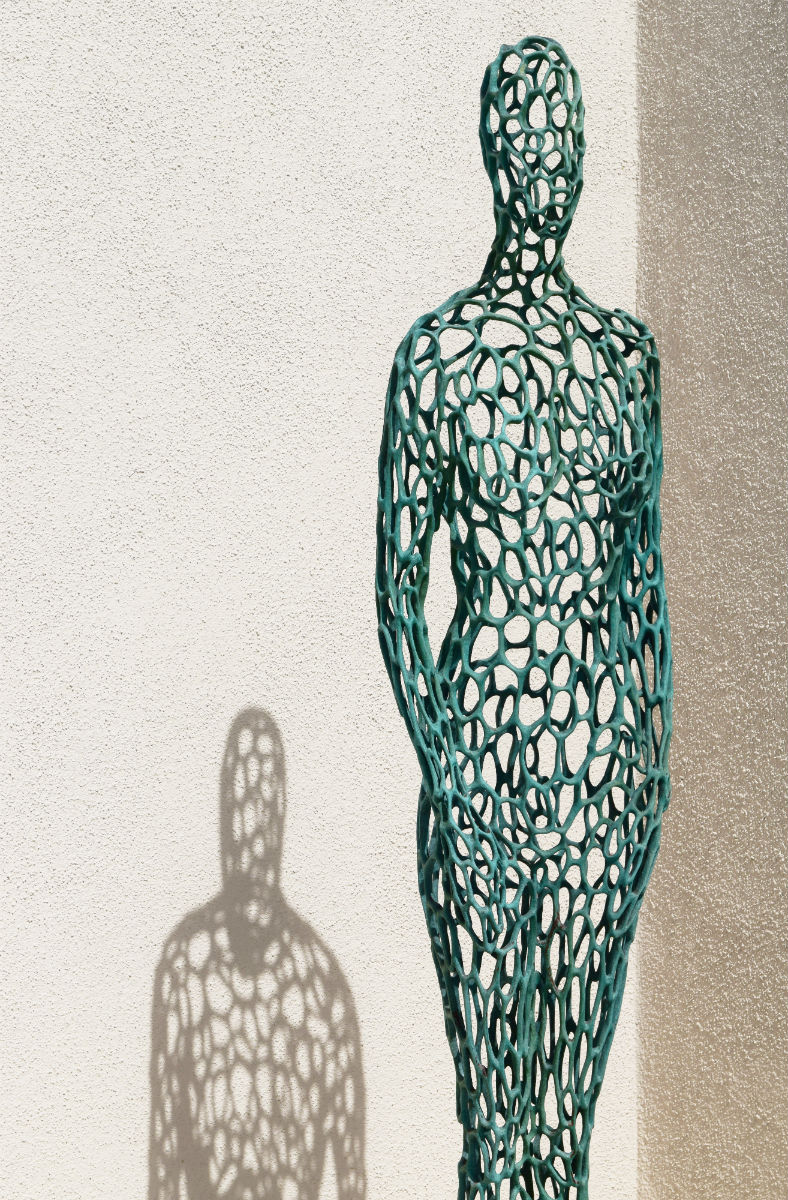
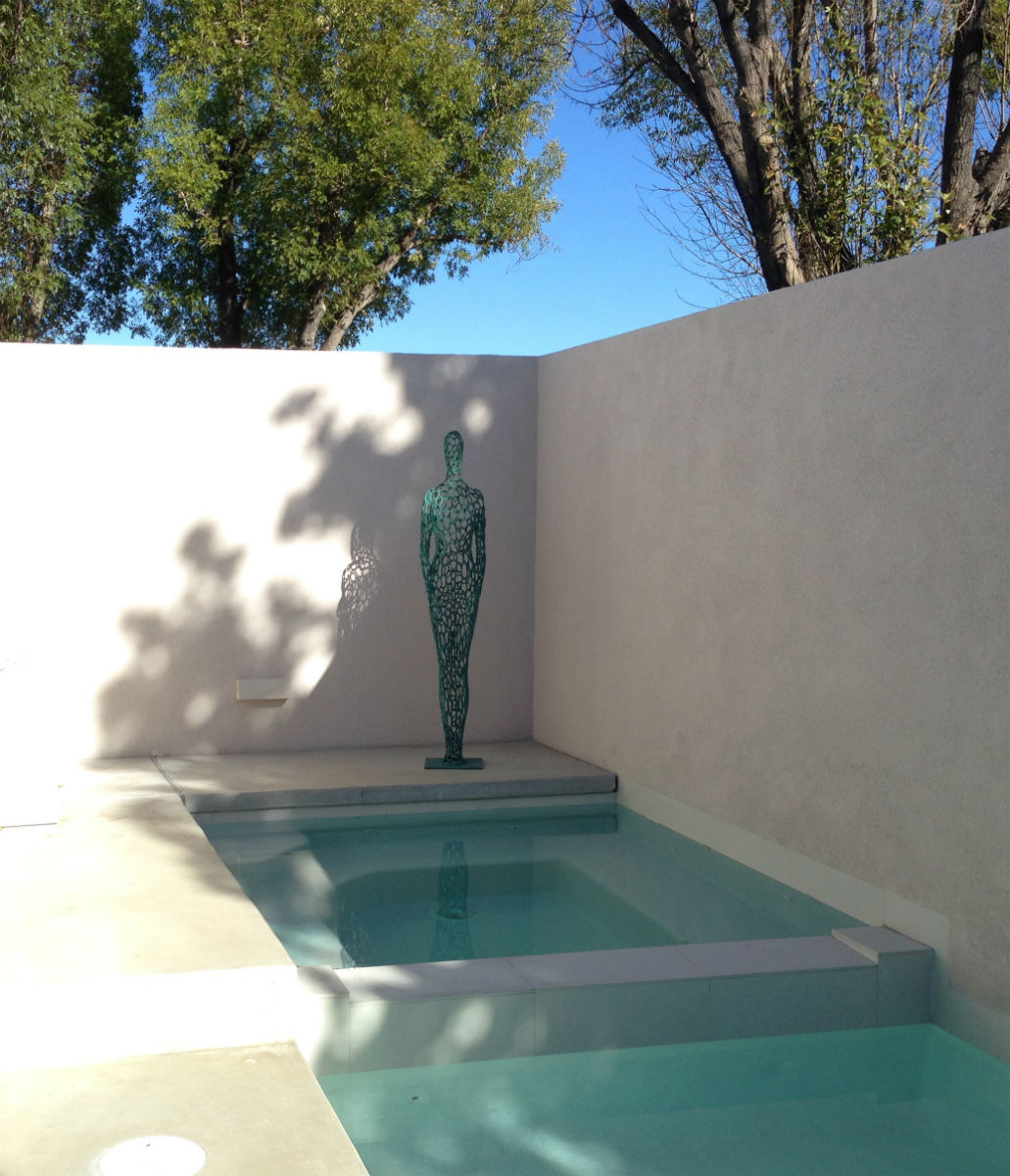
Several monumental projects are in progress. What recent or upcoming works best represent the current direction of the studio?
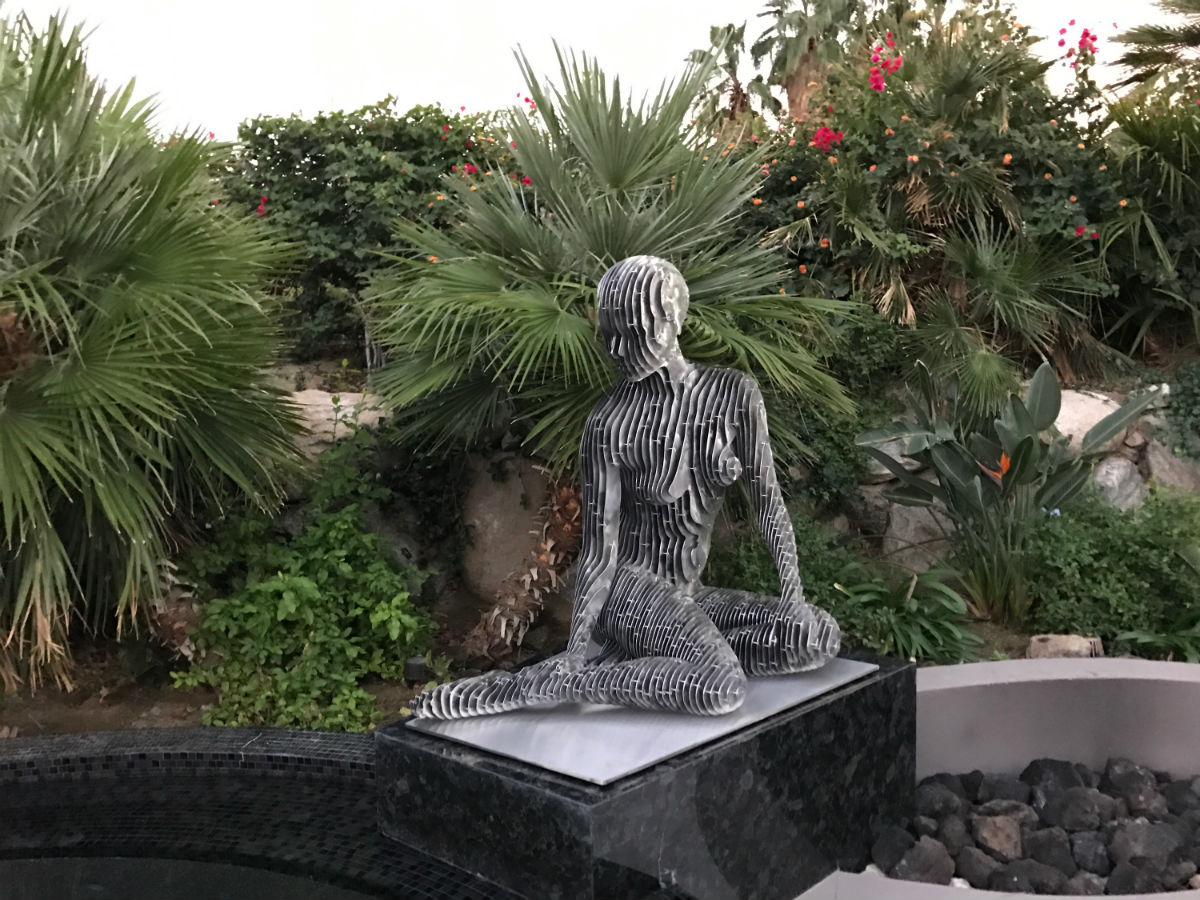
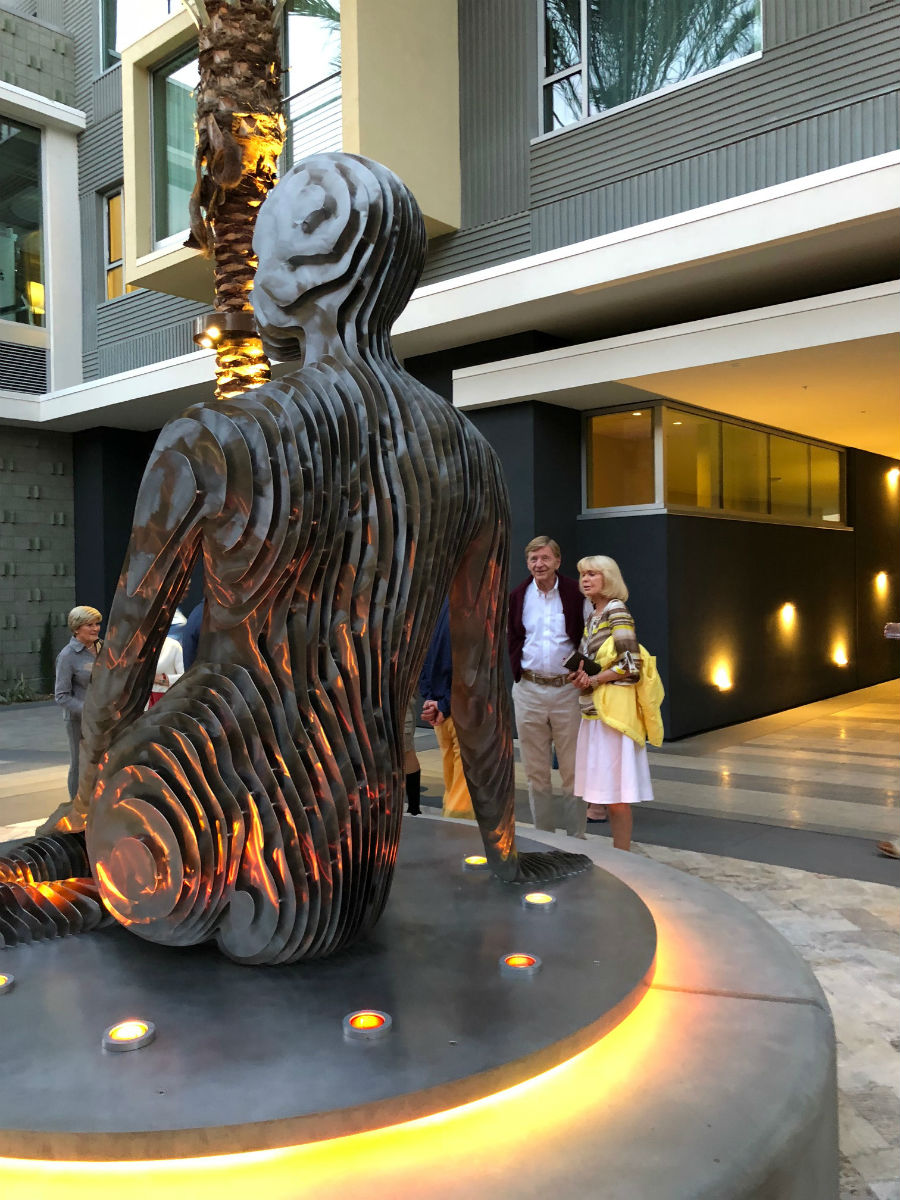
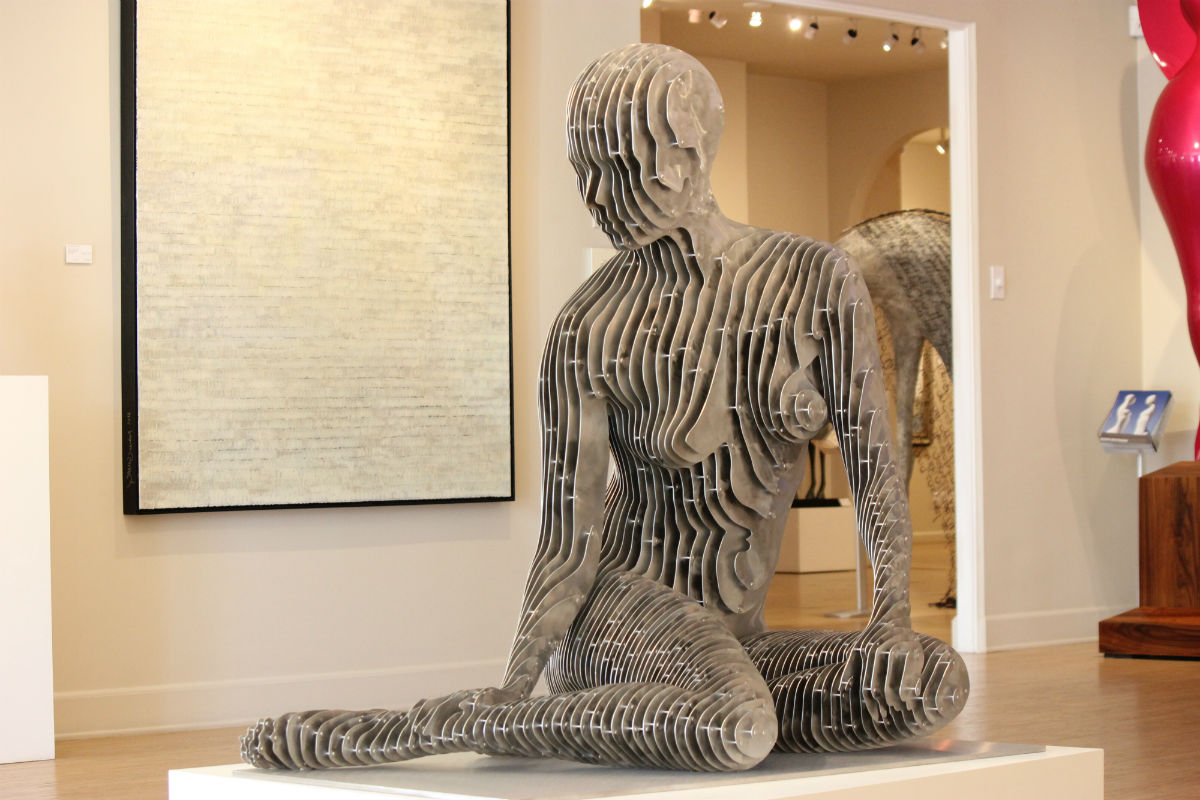
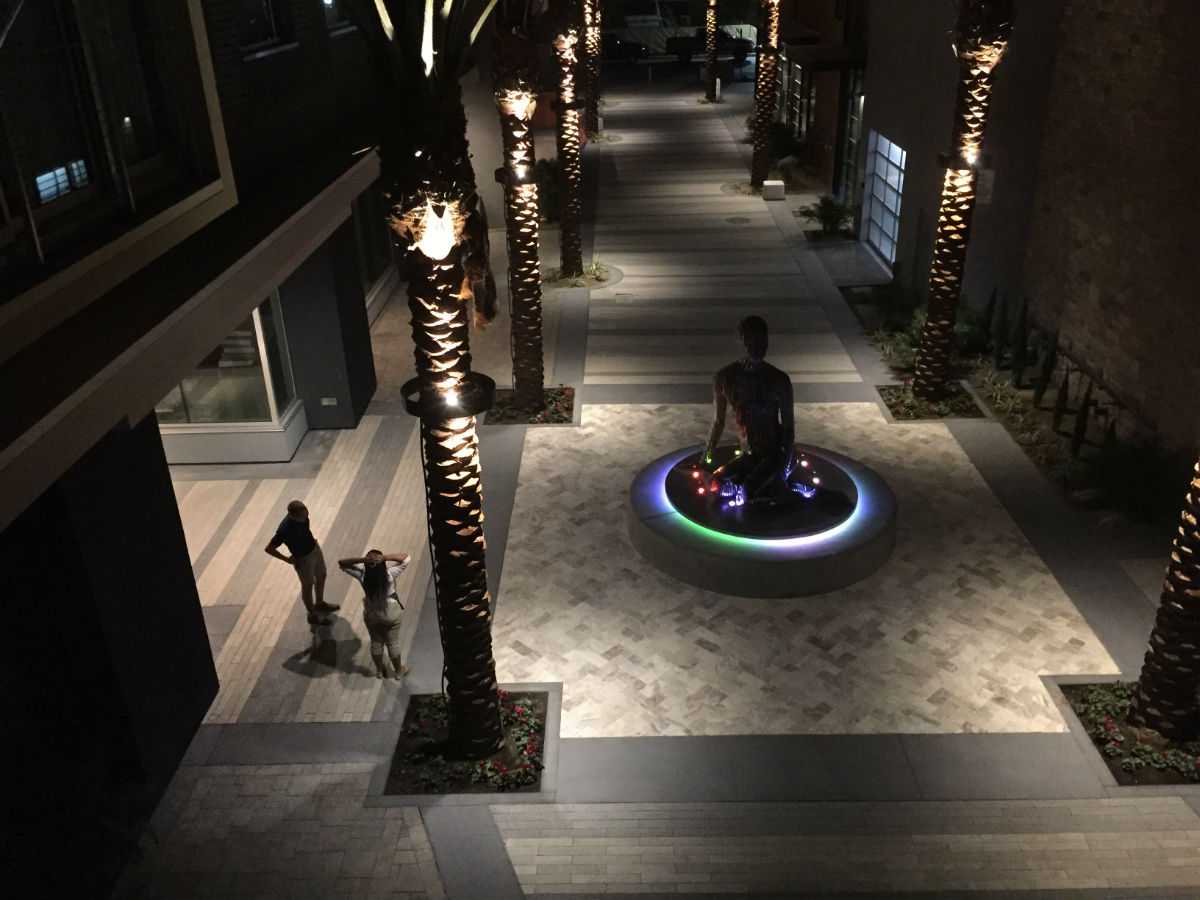
We are working on a number of projects right now. Several gallery works as well as larger projects. The largest right now is a public work for Dallas, Texas. Called “Quantum Mediation”, it depicts a kneeling female figure in a contemplative pose. It will be lit from below, through the baseplate with programmable color LED lights so we have the opportunity to add a new time-dependent dimension of color changing illumination to the work. The piece will be on temporary display at the Grand Rapids Public Museum in Michigan during September and October as part of the Grand Rapids Art Prize, probably the largest public art event in the world. After that the sculpture will travel to be displayed at Art Miami in December before it gets installed permanently in front of the new Virgin Hotel in in Dallas, Texas.