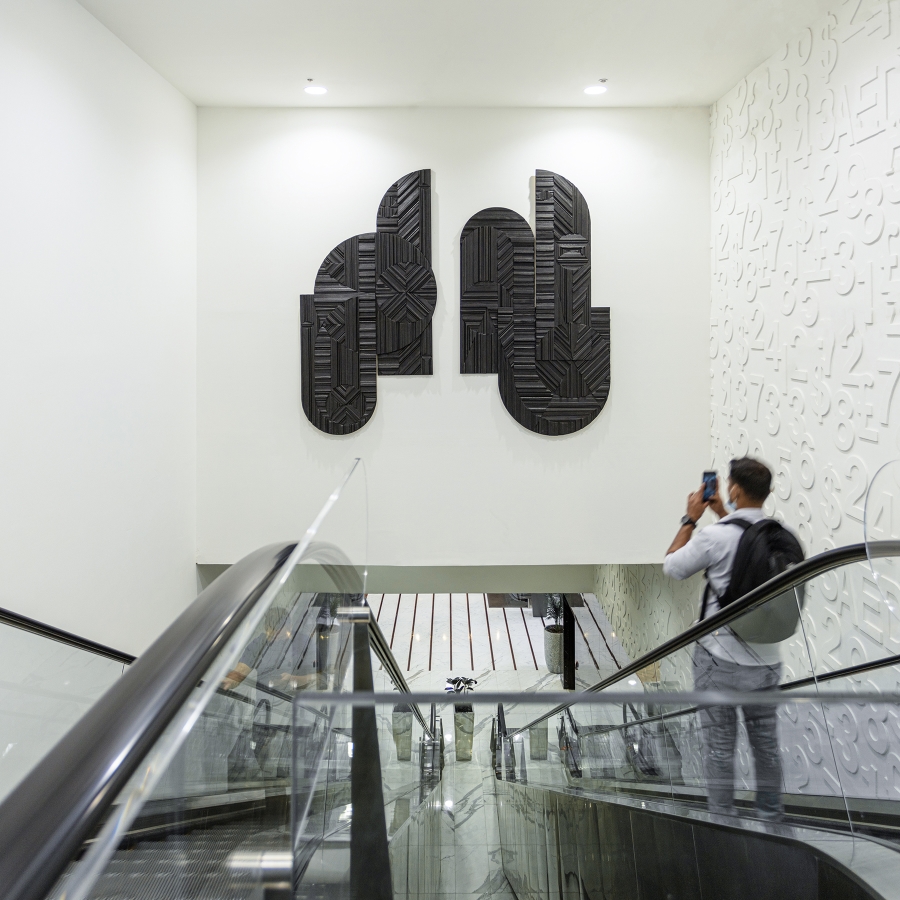
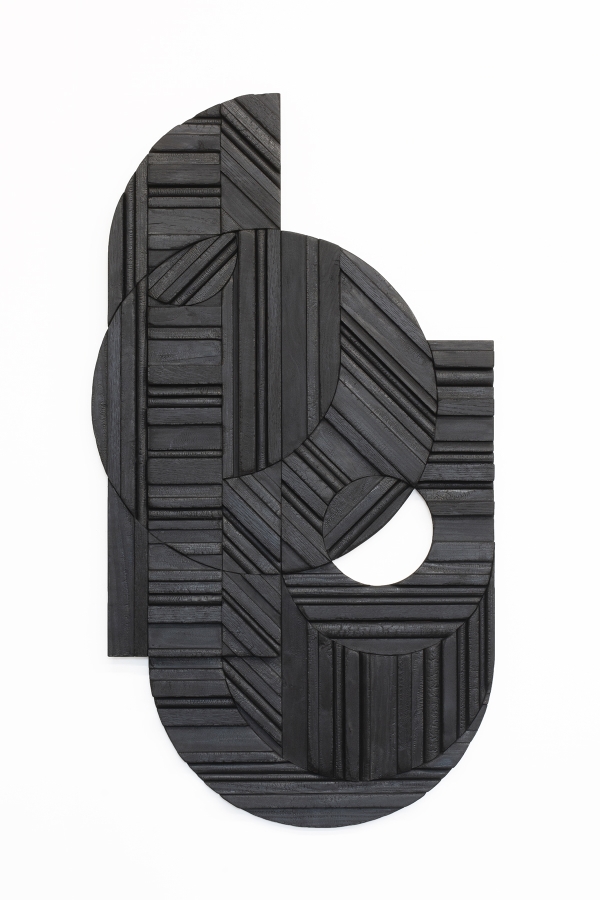
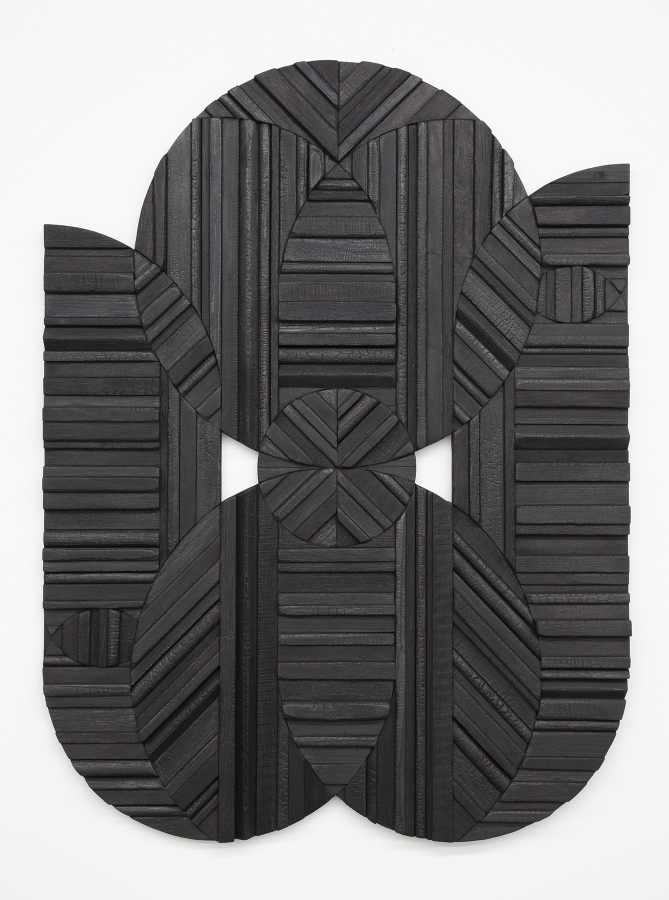
Laura Lappi’s work explores how architecture shapes emotion and perception. Her sculptures and installations investigate the psychological and physical impact of built spaces, tracing the subtle ways in which structures influence human thought and memory. Rooted in research and observation, Lappi’s process begins with a real location—its history, geography, and atmosphere—and transforms it into a material meditation on presence and time.
Born in Finland and now based between Brooklyn and Queens, Lappi has exhibited internationally across Europe, the United States, and the Middle East. Her sculptural language is defined by the ancient Japanese technique yakisugi, a process of charring wood with fire to preserve and reveal its natural grain. Through this balance of control and unpredictability, she “sculpts and paints with fire,” allowing each surface to become a study in texture, reflection, and impermanence.
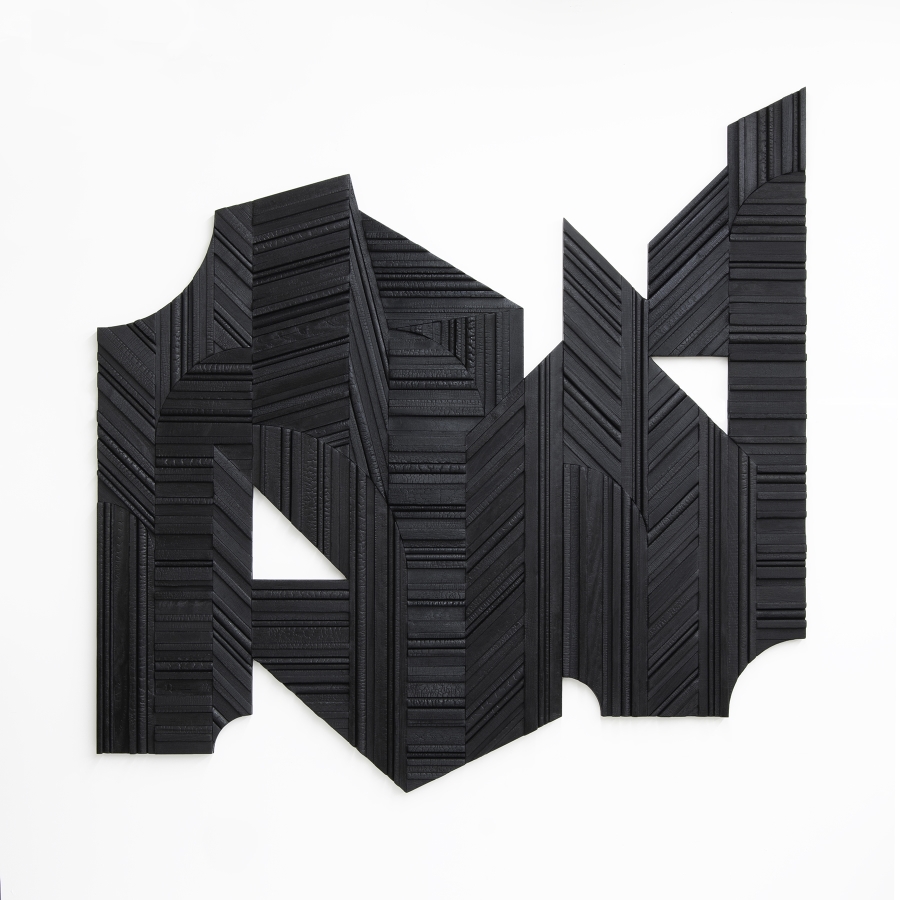
Lappi’s works are as much about architecture as they are about memory. The charred reliefs evoke forgotten cathedrals, vanished homes, and imagined blueprints—spaces suspended between the real and the remembered. Her artistic journey reflects the evolution of a practice that fuses craftsmanship, experimentation, and conceptual depth. In this interview for Art Summit Magazine, Lappi reflects on her path from the forests of Finland to the studios of New York, her fascination with wood as a living material, and the enduring mystery at the heart of artistic creation.
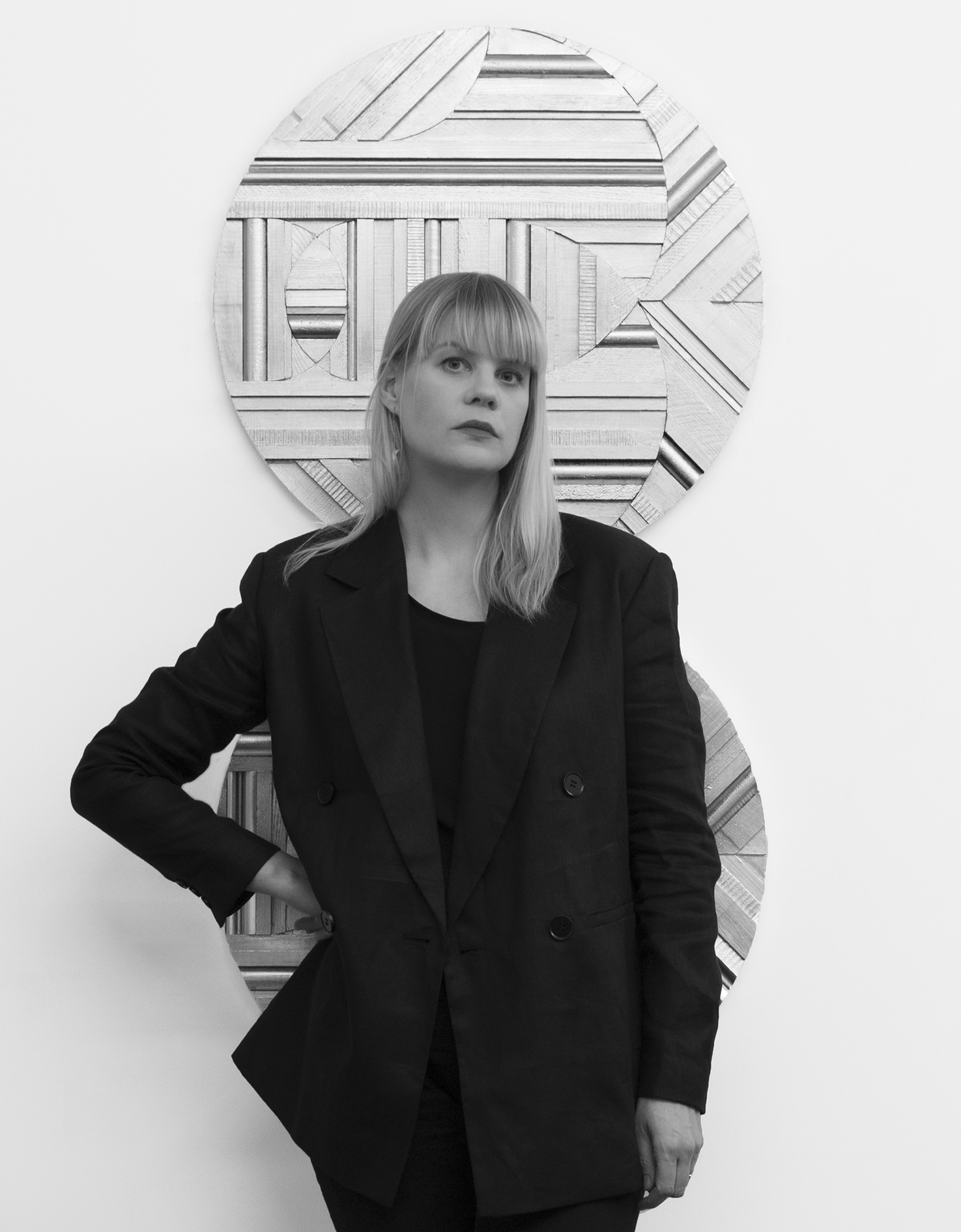
An Interview with Laura Lappi
By Carol Real
What was it like growing up in Finland, and when did you realize you wanted to become an artist?
I grew up in a rural area of southern Finland in the 80s and 90s. There were not many other kids around in our neighborhood so I played a lot in the forest and in nature with my brother, creating imaginary worlds. There are a lot of creative people in my family. As a child, I was always drawing and I was very interested in photography. I got my first camera around the age of 10. I was so lucky to get accepted to a high school that specialized in art and music, with an exceptional program that was mostly taught by professional artists. Around that time I knew I wanted to work in the creative field and dreamt about becoming a photographer.
What’s the best thing about living and working in New York?
I moved to New York in 2014 full of enthusiasm and with very few expectations. I knew it was a hard city for artists and I just wanted to see how things went. At the same time, I was and still am very motivated and ambitious to pursue my artistic career. I think that one of the best things about living here is being surrounded by other creative people who have the drive to pursue their careers and dreams and to see them succeed. The creative energy of New York City is a real thing that is hard to find in other places.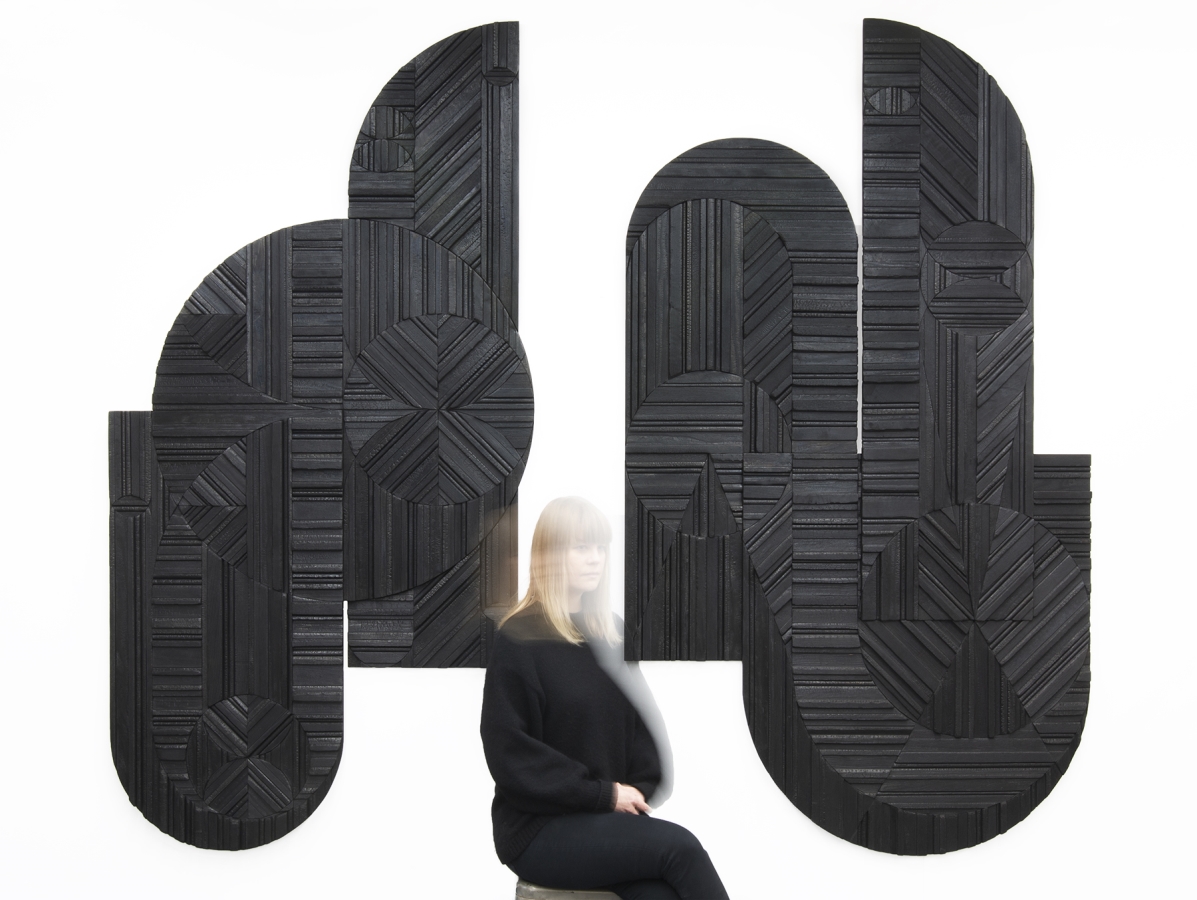
Do you have a particular artist or art movement that inspires you?
There are definitely many artists and art movements that I find very inspirational, for example, the early land art and site-specific art of the 60s and 70s, the artists and architects from the Anarchitecture movement, and many Minimalist artists from that same time frame.
How did you choose to specialize in wooded wall sculptures?
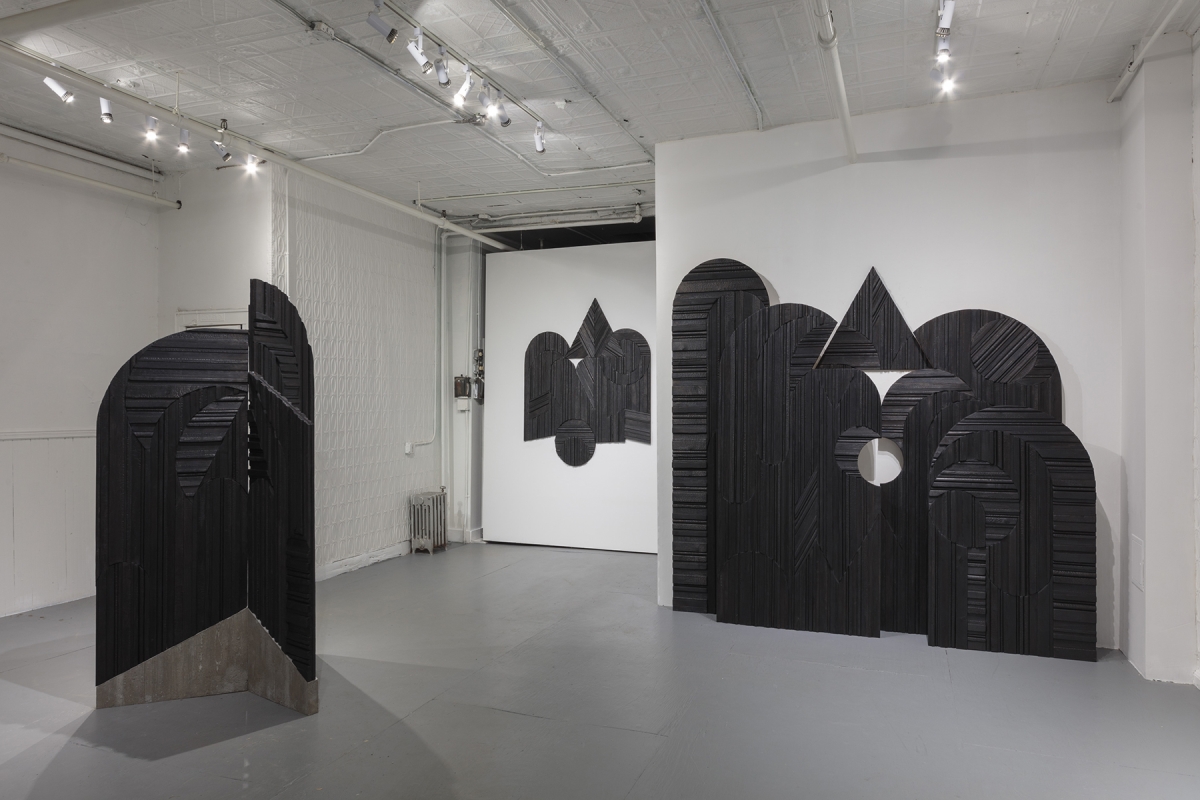
Actually, it’s not something that I ever decided or chose, but it happened more by accident just by working with different materials and trying different things. The first piece I made out of wood was a site-specific installation called 2×3 (Heartbeat) that I built in a remote forest in Finland. The structure refers to a small cabin that is usually built from wood so the material choice was evident. After moving to New York, I needed to scale down my work to smaller sculptures and wall works. One day I received a huge pile of different veneers from a local wood shop and began experimenting with it. I was making architectural shapes that I veneered and wanted to oxidize to create a darker look but it turned out to be a disaster. I started to use molding strips and other recycled wood instead and that worked better. My partner is a cabinet maker and he has encouraged and taught me so much about woodworking. Also, my father and grandfather had a strong background in woodworking and cabin building so I think a lot comes from there too.
Could you please describe your building process and use of methods found in rural Japan?
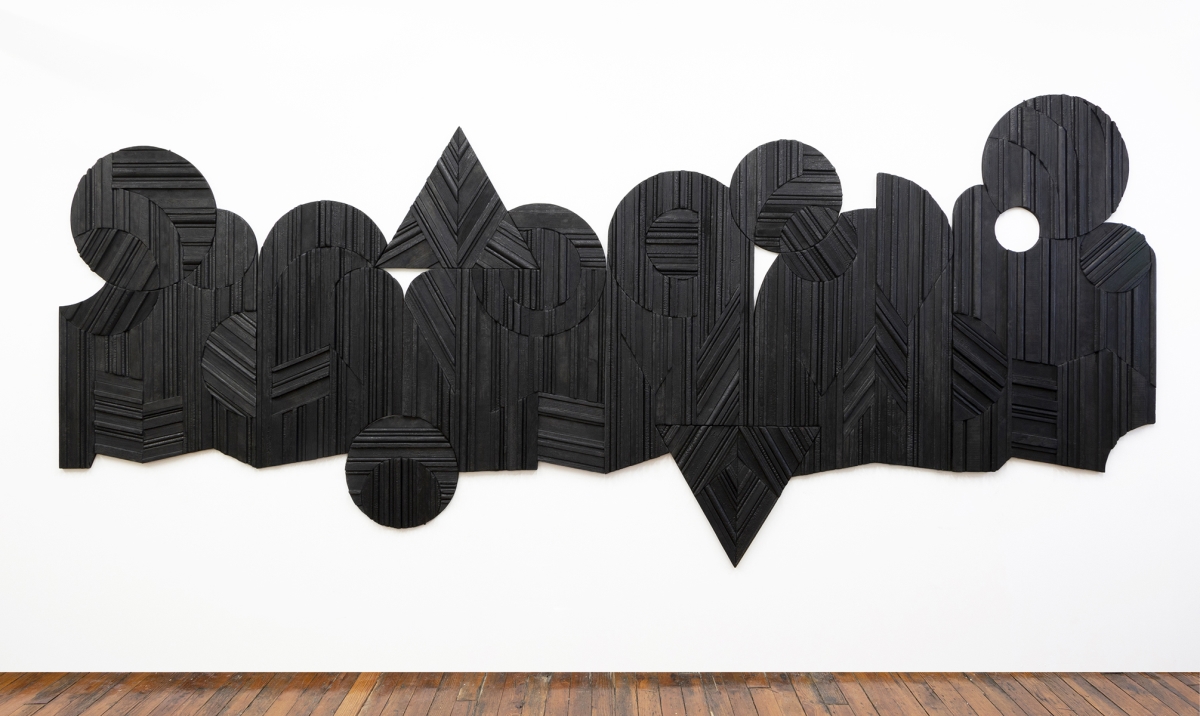
The process I am using is called Yakisugi. This ancient Japanese technique was used by craftspeople to preserve and finish wood with fire. It was commonly used in rural areas in Japan for fences and facades of buildings to naturally protect the wood from decay, water, and insects, and to make them fireproof. In my work, I didn’t want to paint the wood surface since it tends to completely cover up the wood grain. Charring is also a more natural way to treat the material. There is a certain uncontrollability in that process. While I have full control when composing my works, I have a lot less control over how the different types of wood will react to the fire and how the surface will look in the end. I like to call this process sculpting and painting with fire.
How long does it typically take to create a sculpture?
It really depends on the project and size; it can be anywhere between two weeks to two months. Some smaller wall works can be done in few weeks while bigger installations take months.
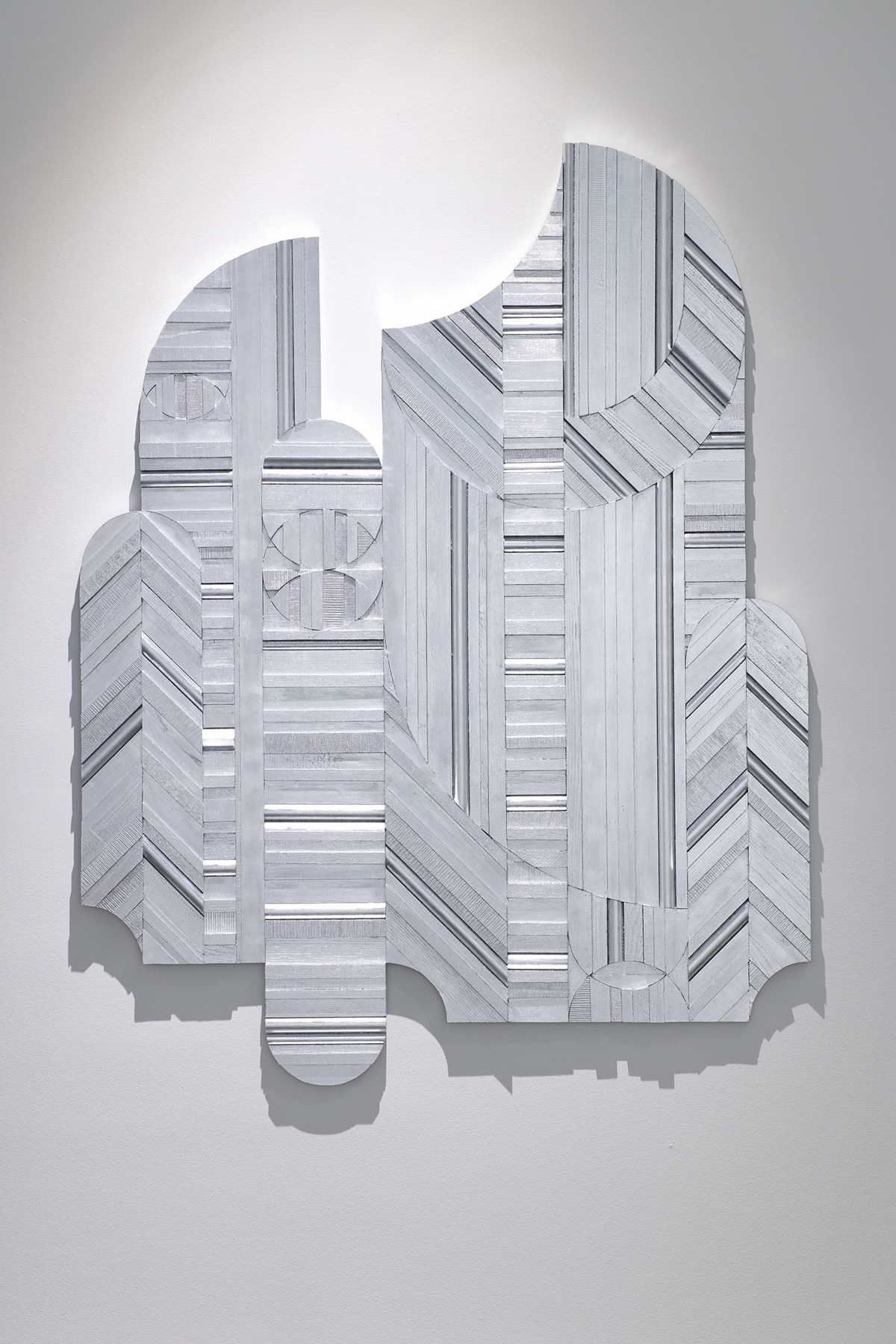
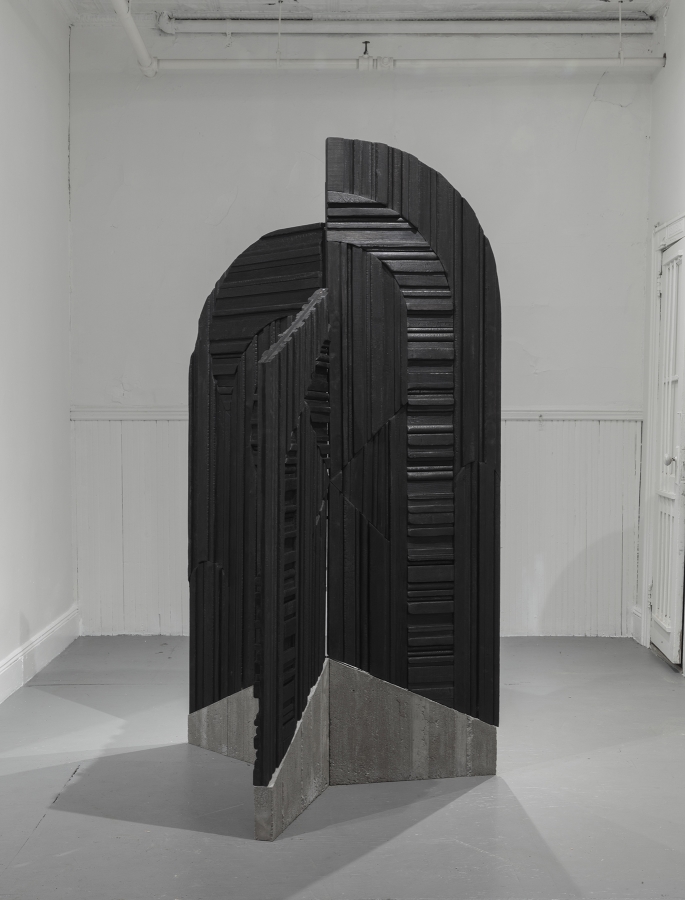
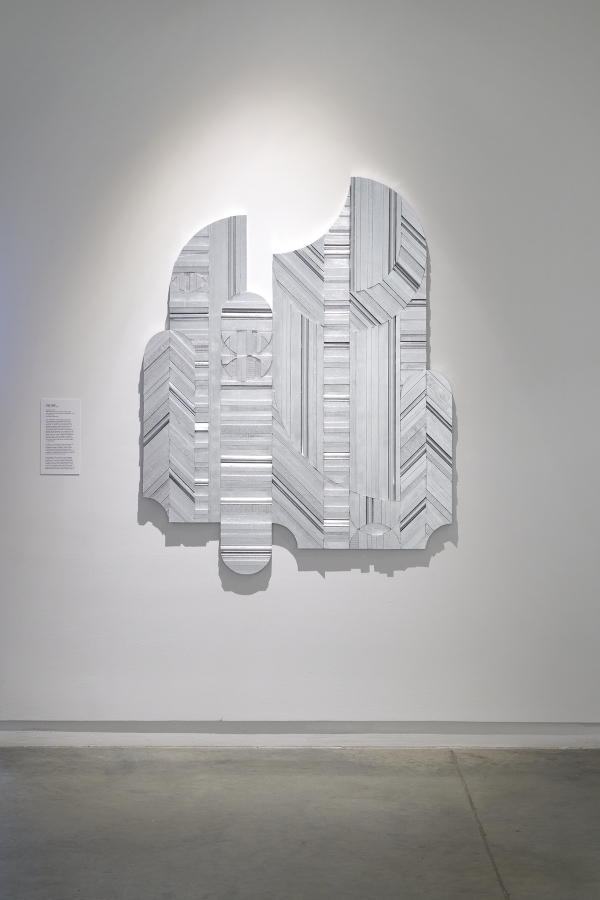
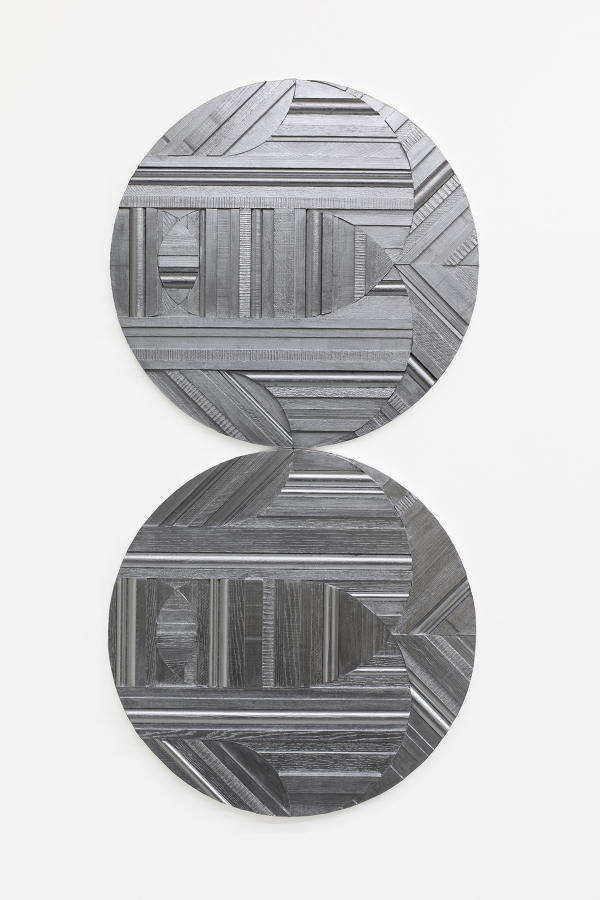
What types of wood do you use for your works? How does the light that reflects on the work reveal different color tones once they are finished, even when they have the same paint on them?
I mainly use recycled wood from local furniture shops and decorative molding wood. It is usually a mix of pine, walnut, oak, ash, maple, poplar, cherry and sapele. The surface is NOT painted but charred black with fire and after that finished with wood oil. All the different species of wood and the orientation that they are placed in create a surface that has many different shades of black, some deep mat and some very reflective and luminous, transforming the work into a soft play of shadows and illumination.
Tell me about the two shows that you are preparing for next in Dubai and Helsinki.
I am currently working on my solo show at Galleria Sculptor in Helsinki, which opens in May 2023. This is my first show in Helsinki and I am very excited to premiere my work there. I am also participating in a group show at Firetti Contemporary in Dubai in February. I am represented by Firetti and this will be my third show in Dubai. My works have been very well received there and it’s exciting to be showing there again. For both shows, I have been creating a new series of wall sculptures that are inspired by blueprints of historical buildings.
What’s your favorite post-work activity?
Usually, when I get home from the studio, there are still some last-minute applications or other writing projects. If I’m in New York, I like to watch a good movie or tv series, listen to records, go for a nice dinner or concert with friends—the usual stuff. If I am in Finland, it’s definitely going for a nice stroll into the woods and to the sauna!
Your favorite quote is …
“The job of the artist is always to deepen the mystery.” Francis Bacon
All images courtesy of the artist
© 2025 Laura Lappi. All rights reserved.
© Art Summit Magazine
Editor: Kristen Evangelista